
Clinical imaging innovation is reshaping diagnosis choices
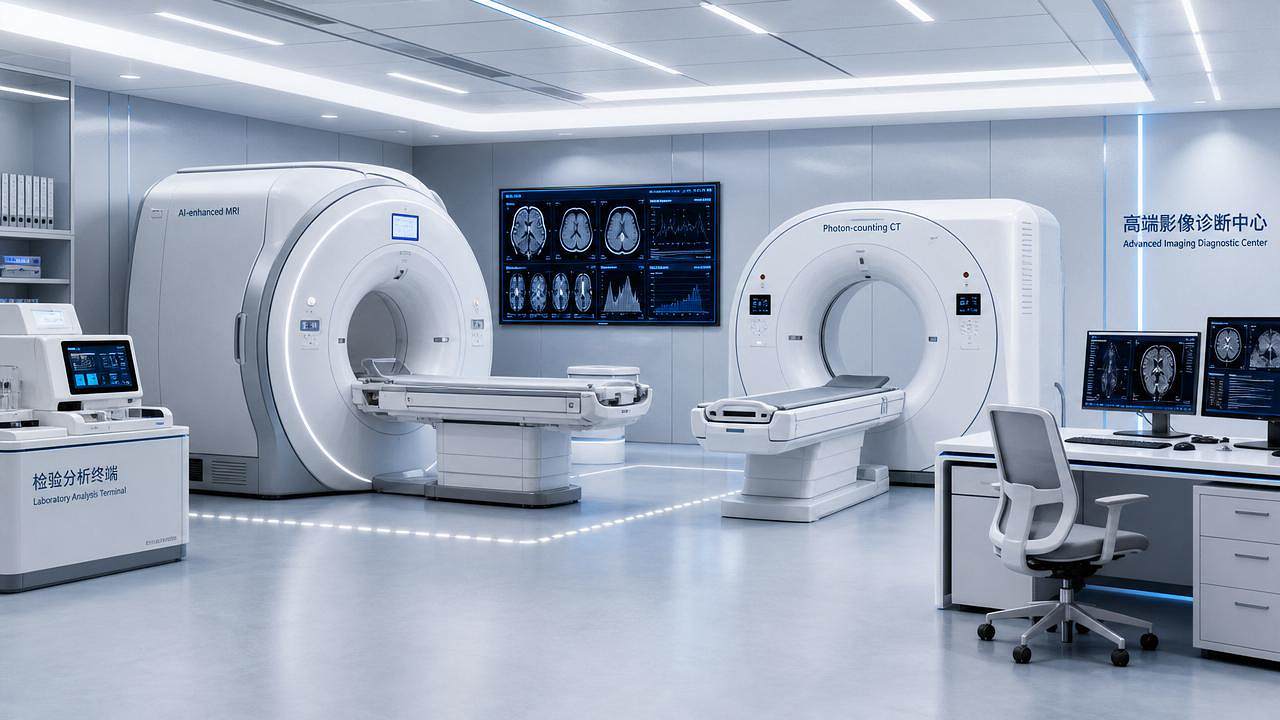




Clinical imaging innovation is reshaping diagnosis choices by giving technical evaluators a clearer view of how performance, compliance, and clinical value intersect. From AI-enhanced MRI and photon-counting CT to integrated diagnostic workflows, today’s imaging advances are no longer just about sharper images—they directly influence procurement logic, diagnostic confidence, and long-term hospital ROI.
For technical assessment teams, that shift changes the evaluation framework. Image quality still matters, but it now sits beside interoperability, reconstruction speed, radiation management, service uptime, cybersecurity, and evidence of workflow impact. In hospitals operating under tighter capital budgets and DRG-linked reimbursement pressure, a scanner or imaging platform must justify itself across at least 4 dimensions: clinical performance, compliance readiness, operational efficiency, and lifecycle economics.
This is where AMDS adds value. By connecting imaging physics, IVD intelligence, life support context, operating room infrastructure, and minimally invasive technology, AMDS helps evaluators judge whether a clinical imaging innovation can work not only in a demo room, but also in a real hospital environment with 24/7 use, multi-department demand, and strict audit requirements.
Why clinical imaging innovation now changes diagnosis pathways
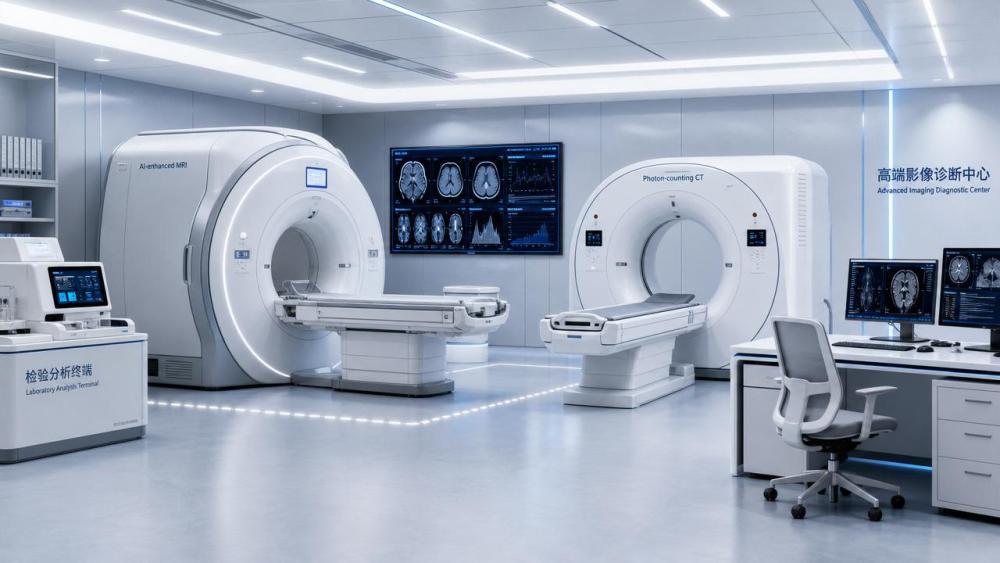
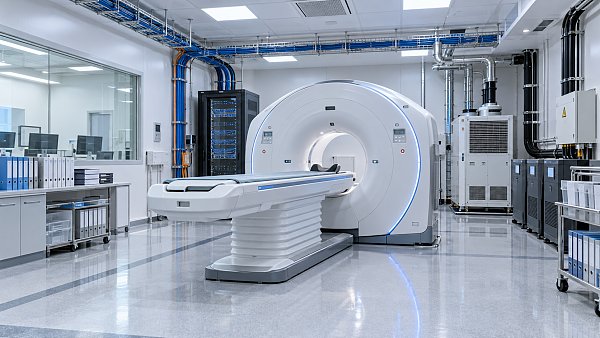
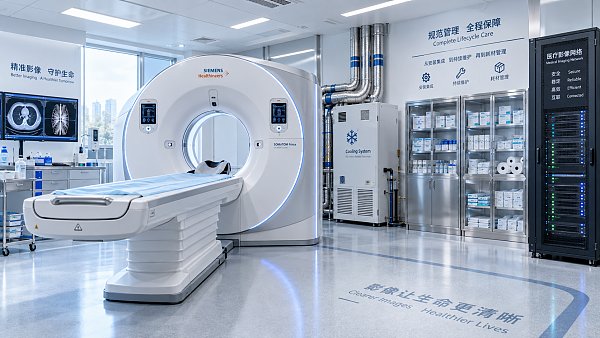
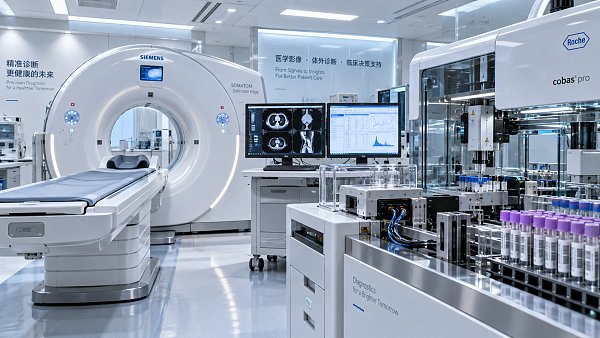
Clinical imaging innovation is no longer a narrow radiology topic. It increasingly shapes diagnosis choices across oncology, cardiology, emergency care, ICU support, and minimally invasive surgery. A technical evaluator may compare 2 CT systems with similar slice counts, yet the real difference can lie in dose efficiency, iterative reconstruction performance, detector sensitivity, and integration with reporting or navigation systems.
In practical terms, faster and cleaner imaging changes triage speed. A trauma center may need chest and abdominal imaging completed within 10–20 minutes from patient arrival. A stroke pathway may depend on rapid vessel visualization and automated perfusion analysis in under 5 minutes. In oncology, earlier lesion detection at sub-centimeter scale can influence whether a case moves to biopsy, surveillance, or surgery.
From image acquisition to decision confidence
The main reason diagnosis choices are shifting is confidence, not aesthetics. AI-assisted MRI acceleration can reduce scan time by 20%–50% in selected protocols, which lowers motion artifacts and improves throughput. Photon-counting CT can improve spatial resolution and spectral information while supporting lower radiation strategies in certain applications. These gains directly affect whether clinicians trust the first scan or need repeat imaging.
For evaluators, the key question is simple: does the innovation reduce uncertainty at the point of care? If the answer is yes, it can shorten the path from suspicion to clinical action. If the answer is unclear, even advanced hardware may become an expensive underused asset.
The expanding role of cross-modality intelligence
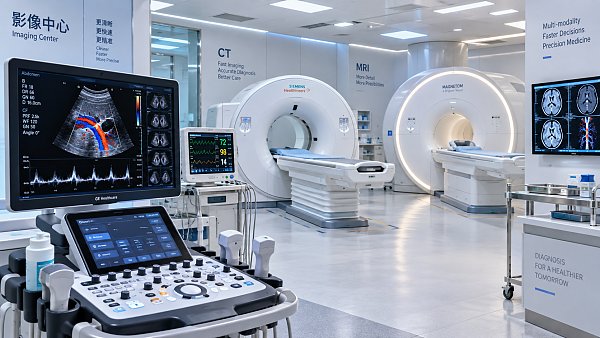
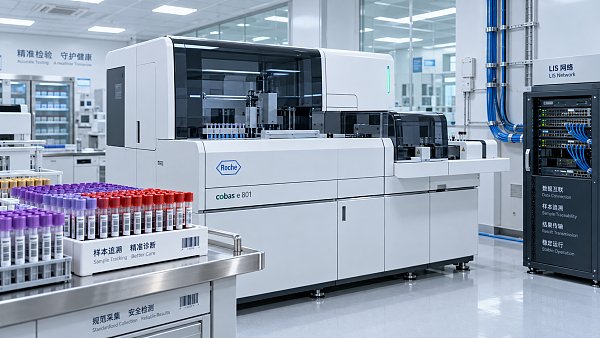
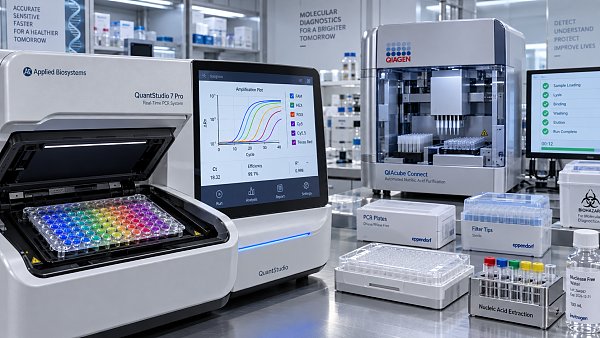
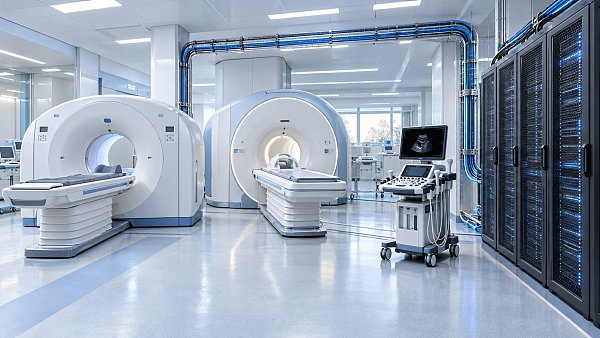
Modern diagnosis depends on more than imaging alone. AMDS tracks how imaging, IVD, and perioperative systems increasingly operate as a connected chain. A CT finding may trigger a PCR panel, a tumor marker test, or an endoscopic follow-up. A technical evaluator therefore needs to review not only DICOM output, but also LIS/HIS connectivity, reporting workflow, data transfer latency, and compatibility with image-guided interventions.
In many hospitals, the real bottleneck is not scanner capability but data fragmentation. If image data, lab results, and surgical planning remain siloed, even a premium platform may fail to deliver full diagnostic value. That is why clinical imaging innovation increasingly includes software orchestration, structured reporting, and AI triage tools, not just detector or magnet upgrades.
Typical triggers that force re-evaluation of imaging platforms
- Annual imaging volume grows by 15%–30%, creating backlogs and repeat scans.
- Procurement teams need lower dose protocols for pediatric or high-frequency follow-up populations.
- CE MDR, FDA, cybersecurity, or data traceability requirements become stricter.
- Hospitals move toward integrated oncology, stroke, or hybrid OR pathways.
- Service downtime above 3%–5% begins to affect scheduling and revenue capture.
The table below shows how diagnostic priorities have moved from isolated image quality metrics toward a wider value model that technical evaluators now use in capital planning.
The major conclusion is that clinical imaging innovation has become a systems-level investment decision. A platform that scores well in 1 category but poorly in 3 others may not support diagnosis choices in a sustainable way. Technical evaluators therefore need evidence chains, not isolated performance claims.
How technical evaluators should assess imaging platforms in 2025 and beyond
A robust assessment process usually includes 5 stages: demand mapping, technical benchmarking, compliance review, workflow simulation, and lifecycle cost analysis. In capital equipment decisions above a 5- to 8-year use horizon, shortcuts in early evaluation often create expensive corrections later through add-on software, incompatible interfaces, or higher-than-expected service events.
1. Define the clinical scenario before comparing specifications
Do not begin with brochure metrics alone. Start with use cases: oncology follow-up, acute stroke, pediatric imaging, cardiac CT, ICU bedside support, or hybrid OR guidance. The same scanner can be excellent for 1 scenario and inefficient for another. A site handling 80–120 patients per day requires a different balance of speed, automation, and service resilience than a specialty center handling 20–30 high-complexity cases.
Minimum scenario questions
- Which 3 departments will use the system most frequently?
- What is the target repeat-scan reduction percentage over 12 months?
- How critical are dose reduction and motion correction in the patient mix?
- Will the platform need integration with IVD, PACS, RIS, OR, or ICU systems?
- What downtime threshold is operationally acceptable: under 2%, under 4%, or higher?
2. Benchmark technical metrics that affect diagnosis choices
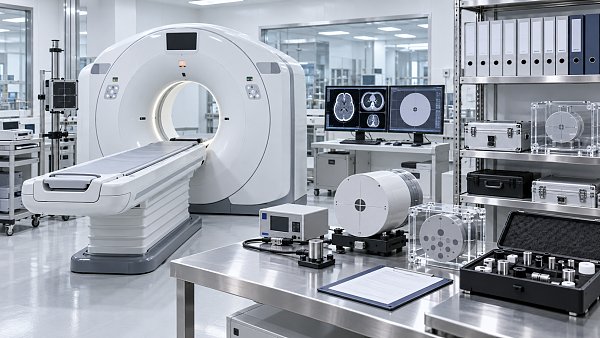
Clinical imaging innovation should be assessed through measurable output. For MRI, evaluators may review scan acceleration ratios, gradient performance, coil flexibility, motion management, and reconstruction latency. For CT, they should examine detector design, spectral capability, low-dose performance, artifact handling, and post-processing support. For interventional imaging and endoscopic systems, optical clarity, anti-fog performance, 4K or 3D rendering stability, and ergonomic integration all matter.
It is also important to request protocol-specific evidence. A vendor claim of improved image quality is less useful than proof showing better lesion conspicuity in liver imaging, coronary assessment, lung nodule review, or emergency polytrauma pathways.
The following table offers a practical decision matrix for technical evaluators reviewing clinical imaging innovation across hospital purchasing scenarios.
This matrix shows that the best imaging platform is not always the one with the strongest headline specification. The better choice is often the one with stable protocol performance, cleaner integration, and lower disruption risk across 3–5 years of clinical use.
3. Review compliance and access risk early
Technical evaluators should not wait until the final procurement stage to check compliance status. Clinical imaging innovation increasingly depends on software, AI modules, remote service functions, and cloud-linked updates. These features can trigger extra scrutiny in documentation, change control, cybersecurity, and post-market monitoring. In cross-border procurement, CE MDR and FDA expectations can influence both approval timing and tender eligibility.
A practical review should include at least 6 checkpoints: intended use clarity, software version traceability, update policy, data protection controls, adverse event reporting workflow, and validation records for algorithm-supported functions. Missing detail in any of these areas can delay installation by weeks or complicate hospital acceptance testing.
4. Model total cost, not just acquisition cost
Under DRG and value-based care pressure, hospital finance teams increasingly ask whether clinical imaging innovation improves throughput, reduces repeat studies, or supports earlier intervention. Technical evaluators should translate engineering features into operational impact. For example, if scan time drops by 25%, patient throughput may rise, but only if staffing, reporting capacity, and scheduling workflows can absorb that gain.
Lifecycle analysis should cover at least 7 items: purchase price, installation preparation, power and room requirements, service contract cost, software licensing, training burden, and expected downtime exposure. In many cases, the service model alone changes total ownership cost more than a modest difference in initial capital price.
Where imaging innovation creates the strongest B2B value across the care chain
For a platform such as AMDS, the most useful perspective is not single-device promotion but cross-chain value mapping. Clinical imaging innovation delivers the highest return when it improves decisions across adjacent systems: imaging, IVD confirmation, ICU support, OR execution, and endoscopic intervention. That broader view is especially relevant for technical evaluators responsible for multi-department procurement planning.
Imaging plus IVD: faster confirmation loops
In infection control, oncology screening, and emergency medicine, imaging findings often need biochemical confirmation. When radiology and IVD workflows connect well, clinicians can move from suspicious image to lab-backed decision in hours rather than days. A chest image suggesting infectious or inflammatory change may trigger PCR or biomarker testing immediately. A lesion seen on CT or MRI may guide tumor marker review, biopsy planning, or endoscopic access.
For evaluators, that means interface planning matters. Data exchange latency, patient matching accuracy, and structured report fields can be just as important as scan quality in improving diagnostic pathway speed.
Imaging plus ICU and life support: better rescue timing
In ICU settings, clinical imaging innovation supports ventilator management, ECMO pathway judgment, and rapid reassessment of deteriorating patients. Portable or fast-access imaging can influence intubation follow-up, line placement verification, pulmonary status review, and hemodynamic decision-making. In these settings, the acceptable delay may be under 15 minutes, and the tolerance for image ambiguity is very low.
Technical teams should therefore examine mobility, workflow simplicity, cleaning requirements, and service reliability. Equipment that performs well in a controlled suite may be less suitable for high-pressure ICU use if startup time, maneuverability, or bedside integration is weak.
Imaging plus surgery and endoscopy: precision with smaller access
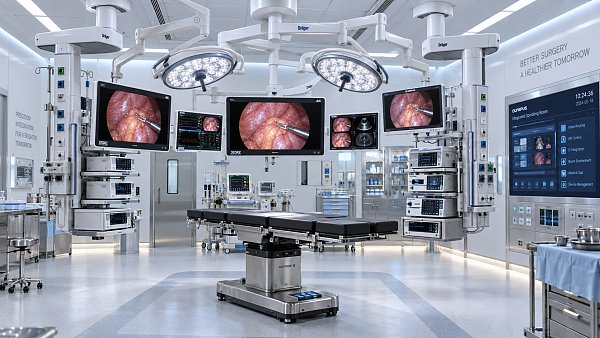
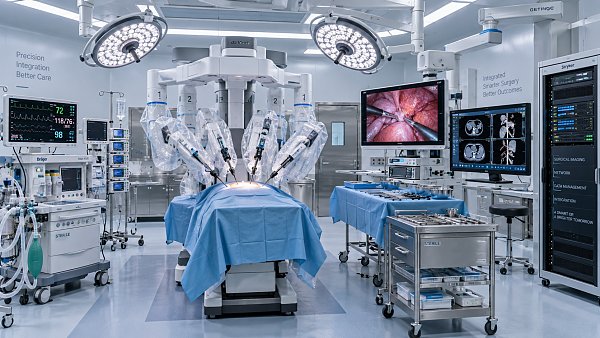
Minimally invasive surgery increasingly depends on accurate preoperative mapping and high-quality intraoperative visualization. Clinical imaging innovation helps surgeons localize lesions, plan access routes, and reduce unnecessary tissue disruption. When 4K/3D endoscopy, digital OR tables, and image-guided planning are aligned, procedures that once required large incisions can often be completed through millimeter-scale access points.
For procurement teams, this creates a strong argument for coordinated investment rather than isolated purchasing. A high-end endoscope without compatible imaging workflows may not deliver expected gains. Likewise, advanced imaging without downstream procedural capability can limit realized clinical value.
Common procurement mistakes to avoid
- Buying for flagship specifications instead of top 3 hospital use cases.
- Ignoring software licensing and update control over a 3- to 5-year horizon.
- Underestimating training time for radiology, biomedical engineering, and IT teams.
- Assessing image quality without reviewing data integration and workflow fit.
- Failing to link imaging decisions with IVD, OR, ICU, and endoscopy pathways.
A practical roadmap for selecting the right innovation partner
The right partner should help evaluators reduce uncertainty before capital commitment. That means offering technical transparency, realistic implementation planning, and evidence that connects performance with hospital operations. A disciplined selection roadmap can often be completed in 4 steps over 6–10 weeks, depending on site complexity and tender requirements.
Step-by-step evaluation roadmap
- Map current pain points by department, including scan backlog, repeat rate, and workflow breaks.
- Shortlist systems using scenario-based metrics rather than brochure claims alone.
- Run compliance and serviceability checks before final technical scoring.
- Estimate 3-year to 5-year ownership impact using throughput, uptime, and staffing assumptions.
AMDS is positioned for this exact kind of analysis. Its strategic intelligence approach links regulatory access, engineering scrutiny, and health economics reasoning. For technical evaluators, that creates a more usable decision framework than product marketing alone. It helps determine whether a given clinical imaging innovation can meet hospital-grade demands for precision, compliance, and long-term value.
As diagnosis pathways continue to evolve, the most successful procurement decisions will come from teams that assess imaging as part of an integrated clinical ecosystem. If you are comparing imaging platforms, planning a multi-department upgrade, or validating the ROI logic behind next-generation diagnostics, now is the time to obtain a structured evaluation. Contact AMDS to get a tailored assessment, explore solution fit, and discuss product details aligned with your hospital’s technical and operational goals.
Recommended News
 Oct 05, 2026Global Medical Procurement Planning: How Hospitals Can Reduce Supply Risk and CostGlobal medical procurement planning helps hospitals reduce supply risk, control lifecycle costs, and protect care continuity through smarter sourcing, service, and compliance strategies.
 Oct 03, 2026How Detection Algorithms Improve Sensitivity and Workflow in Medical ImagingMedical imaging algorithms detection improves sensitivity, manages false positives, and streamlines clinical workflows. Explore validation, integration, and governance essentials.
 Oct 02, 2026High-Flow ICU Ventilators: Key Selection Criteria for Acute Respiratory CareICU ventilators high flow: discover key selection criteria for accurate gas delivery, NIV performance, humidification, alarms, reliability, and safer acute respiratory care.
 Oct 01, 2026How to Evaluate Medical Equipment Intelligence Suppliers for Hospital ProcurementMedical equipment intelligence suppliers: learn how hospitals can assess evidence quality, total cost, compliance, interoperability, and cybersecurity for smarter procurement decisions.
 Sep 30, 2026ISO 13485 Requirements for Blood Testing Instruments: A Buyer’s ChecklistBlood testing instruments ISO 13485 buyer’s checklist: verify certification scope, traceability, installation, consumables, and supplier support before you buy.
 Sep 29, 2026How to Evaluate Integrated Operating Room Systems for Workflow, Imaging, and IT IntegrationIntegrated operating room systems: evaluate workflow, imaging, IT integration, cybersecurity, and lifecycle value to select a scalable surgical solution.
 Sep 28, 2026How to Evaluate a Genetic Testing Equipment Supplier for PCR Lab ProcurementGenetic testing equipment supplier evaluation guide for PCR labs: compare performance, compliance, workflow, service, supply resilience, and total cost.
 Sep 27, 2026How to Specify Custom Benchtop Diagnostic Instruments for Your Assay WorkflowCustom diagnostic instruments benchtop guide: specify optics, fluidics, automation, software integration, and support to build a reliable assay workflow.
 Sep 26, 2026How Cardiac Imaging Analysis Tools Turn CT and MRI Data into Clinical MetricsMedical imaging analysis cardiology tools transform cardiac CT and MRI into reliable metrics. Explore segmentation, validation, workflow integration, and AI review.
 Sep 25, 2026How Iterative Image Reconstruction Algorithms Balance CT Dose, Noise, and DetailIterative image reconstruction algorithms help CT teams balance dose, noise, and diagnostic detail. Explore practical insights for confident imaging decisions.
 Sep 24, 2026What Drives the Total Cost of Medical Technology Solutions Over Their Lifecycle?Medical technology solutions cost goes far beyond purchase price—explore lifecycle drivers from installation and service to software, training, compliance, and downtime.
 Sep 24, 2026Diagnostic Imaging Technology: How Modalities Support Different Clinical DecisionsDiagnostic imaging technology supports smarter clinical decisions across CT, MRI, ultrasound, and nuclear imaging. Explore modality strengths, workflows, and selection factors.
 Sep 22, 2026How Life Science Labs Can Select Biomedical Research Equipment by Workflow and ThroughputBiomedical research equipment life science labs can select with confidence by aligning workflow, throughput, automation, data integrity, and scalable support.
 Sep 21, 2026How to Plan LIS Connectivity for Chemiluminescence Analyzers Without Data GapsChemiluminescence analyzers LIS connectivity: learn how to prevent data gaps with field mapping, exception workflows, end-to-end validation, and reliable go-live planning.
 Sep 20, 2026Selecting Fluorescence PCR Instruments: Detection Channels, Sensitivity, and Workflow FitPCR diagnostic instruments fluorescence detection guide: compare channels, sensitivity, multiplexing, and workflow fit to select a reliable platform.
 Sep 19, 2026Biomedical Signal Processing: From Sensor Data to Clinical Decision SupportBiomedical signal processing transforms sensor data into reliable clinical decision support. Explore AI, imaging, IVD, ICU monitoring, and compliance-ready MedTech insights.
 Sep 18, 2026How to Evaluate a Diagnostic Imaging Platform for Multi-Modality Workflow IntegrationDiagnostic imaging platform evaluation guide: assess multi-modality workflows, interoperability, AI integration, image integrity, security, and scalability for safer clinical decisions.
 Sep 17, 2026ISO 13485 for Medical Imaging Equipment: What Manufacturers Must DocumentMedical imaging equipment ISO 13485: discover essential documentation for design controls, risk management, traceability, software, and post-market quality.
 Sep 16, 2026Robotic MIS Equipment: What Hospitals Should Evaluate Before AdoptionMinimally invasive surgical equipment robotic adoption guide: evaluate workflow, safety, imaging, costs, cybersecurity, and service readiness.
 Sep 15, 2026How to Evaluate Biomedical Signal Processing Suppliers for Clinical Device ProjectsBiomedical signal processing supplier evaluation guide for clinical device teams—compare signal fidelity, regulatory evidence, cybersecurity, integration, and lifecycle support.
 Sep 14, 2026How Integrated Clinical Diagnostics Solutions Reduce Turnaround Time Across Lab WorkflowsIntegrated clinical diagnostics solutions reduce lab turnaround time by connecting workflows, automation, and data. Discover practical strategies for faster, traceable results.
 Sep 13, 2026ECMO System Market Outlook: Demand Drivers, Investment Risks, and Growth OpportunitiesECMO system market outlook explores demand drivers, investment risks, regulatory factors, and growth opportunities shaping critical-care innovation and adoption.
 Sep 12, 2026Where to Find Reliable Medical Device Information for Research and Due DiligenceMedical device information resource guide for due diligence: verify regulatory, clinical, safety, and technical evidence to make confident decisions.
 Sep 11, 2026Medical Equipment Intelligence: A Resource for Comparing Clinical TechnologiesMedical equipment intelligence resource for comparing clinical technologies by clinical fit, compliance, workflow, and total cost—make confident, evidence-led decisions.









Related News
- 00
0000-00
How Iterative Image Reconstruction Algorithms Balance CT Dose, Noise, and Detail - 00
0000-00
Lead Glass Applications in Imaging Rooms: A Practical Buyer Guide - 00
0000-00
Medical Imaging Diagnostics Systems: Core Modalities, Use Cases, and Trade-Offs - 00
0000-00
AI in Medical Imaging Radiology: Where It Improves Reading Speed and Where It Falls Short - 00
0000-00
Saudi SFDA Opens 18-Day Fast Track for DR Devices
Weekly Insights
Stay ahead with our curated technology reports delivered every Monday.