
How advanced clinical imaging changes early diagnosis
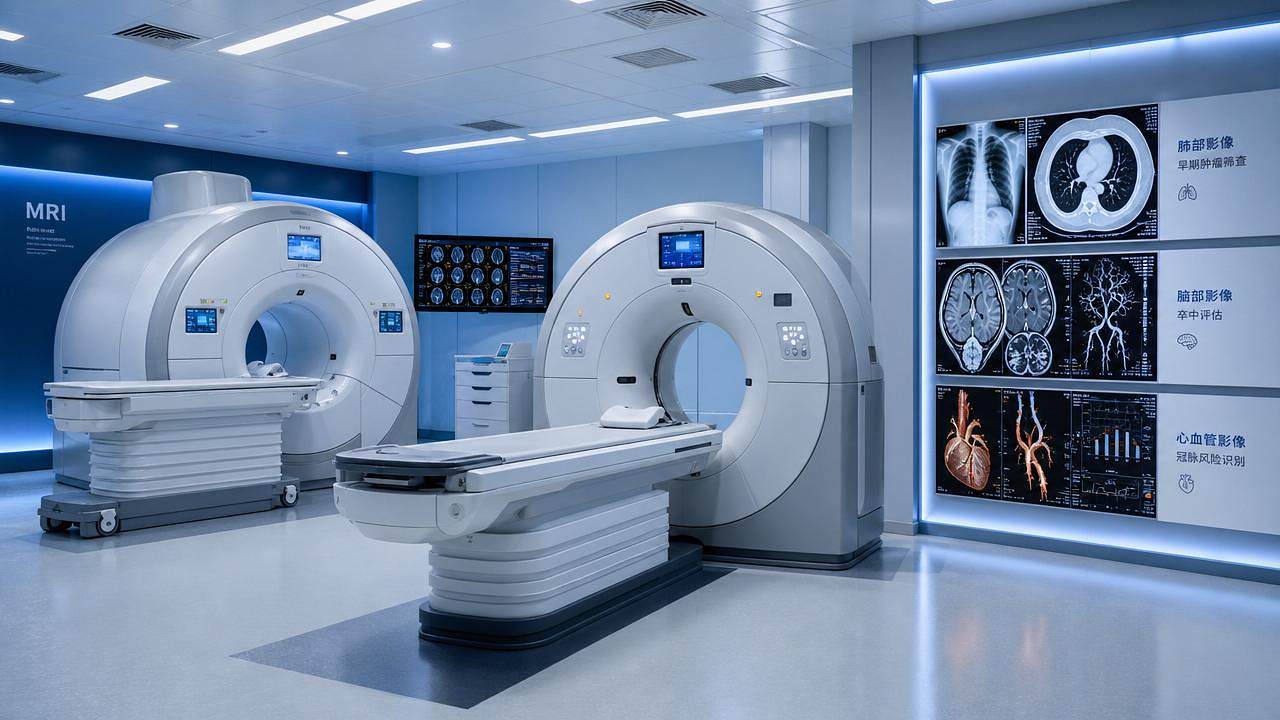




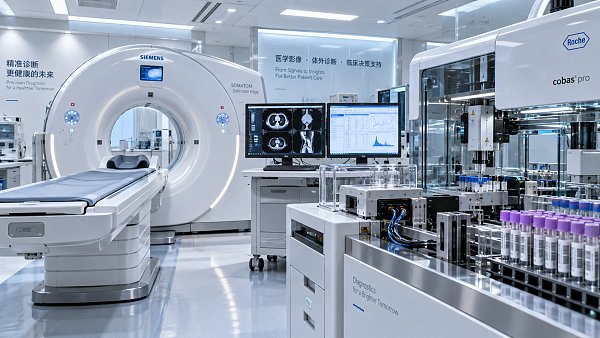
Advanced clinical imaging is reshaping early diagnosis by exposing structural and functional changes before symptoms become visible. Across modern healthcare, this shift improves confidence, timing, and treatment planning.
For intelligence platforms such as AMDS, advanced clinical imaging is more than equipment progress. It connects image reconstruction, compliance demands, and precision medicine into a measurable clinical pathway.
MRI, CT, and AI-supported workflows now support earlier tumor detection, cardiovascular risk evaluation, and emergency decision-making. Their combined impact is redefining diagnostic quality across the broader medical technology ecosystem.
What advanced clinical imaging means in modern diagnosis
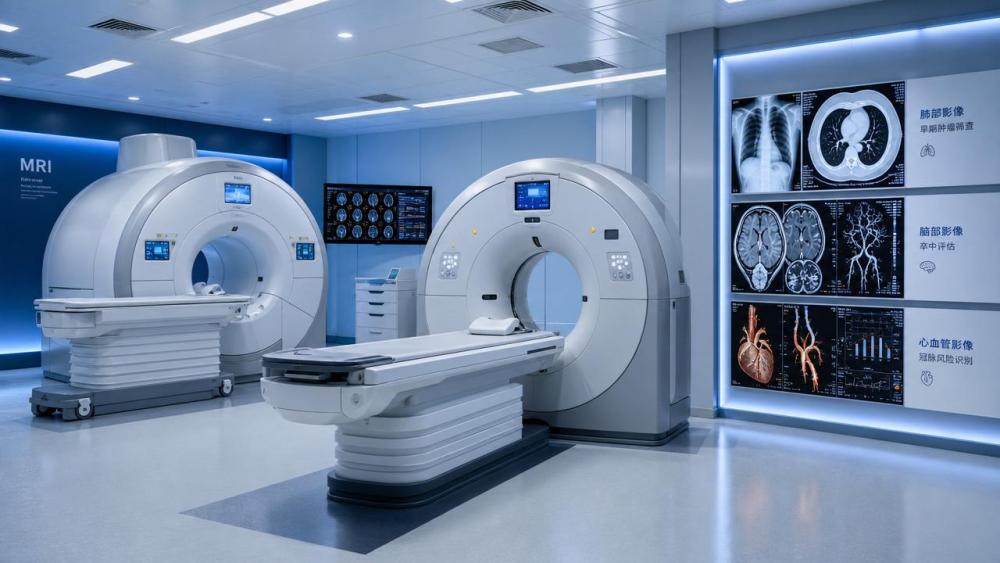
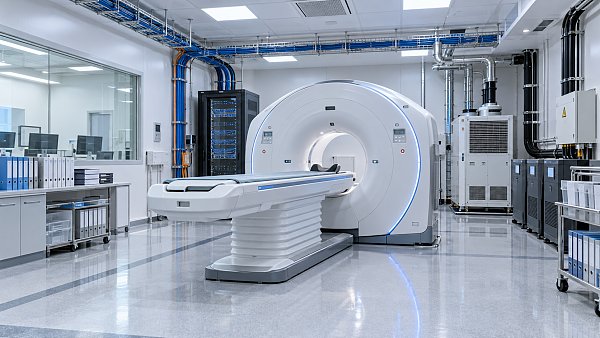
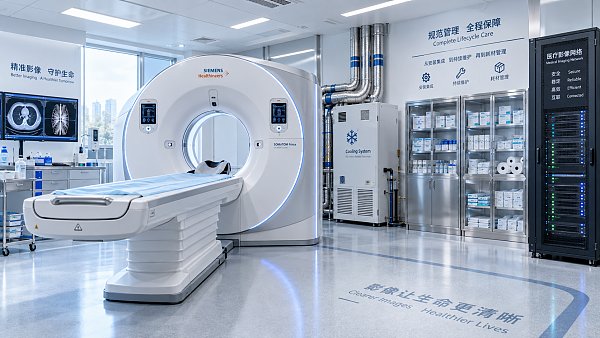
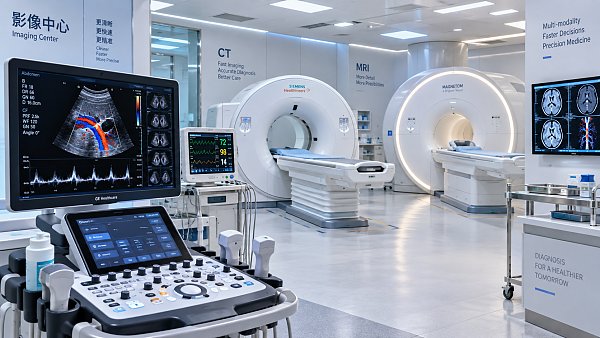
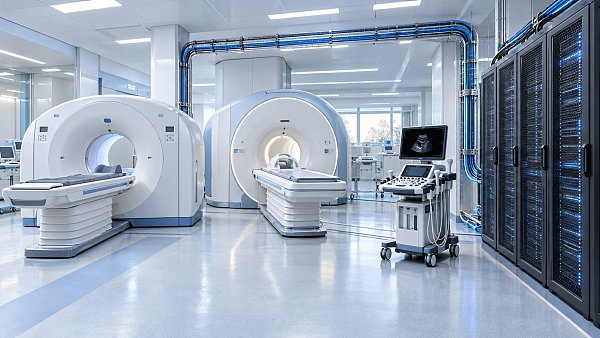
Advanced clinical imaging refers to high-performance technologies that capture detailed internal information without invasive procedures. It includes MRI, CT, ultrasound, molecular imaging, and software-based image enhancement.
The key difference lies in sensitivity and interpretation. Traditional imaging often shows visible disease. Advanced clinical imaging can reveal subtle tissue changes, perfusion shifts, and early metabolic abnormalities.
This matters because early diagnosis depends on detecting weak signals. Tiny lesions, low-contrast boundaries, and evolving inflammatory patterns can be missed without high-resolution acquisition and refined reconstruction.
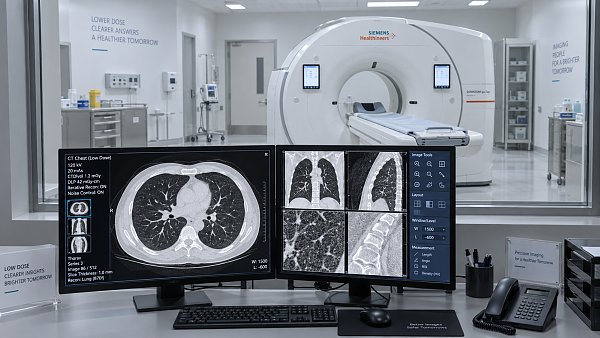
AI adds another layer of value. It accelerates segmentation, reduces noise, improves low-dose image quality, and highlights suspicious regions that deserve closer clinical review.
Core technical pillars
- High-resolution acquisition for anatomical detail.
- Functional and molecular assessment for earlier biological insight.
- AI-driven reconstruction for speed, clarity, and consistency.
- Integrated workflow tools for reporting and follow-up comparison.
Industry context and current attention points
The healthcare sector now expects imaging to support both diagnosis and strategic care management. Advanced clinical imaging is becoming central to value-based medicine, digital hospitals, and precision treatment models.
Several trends explain this momentum. Aging populations increase chronic disease burden. Oncology screening is expanding. Cardiac and neurological conditions demand faster differentiation and better triage support.
At the same time, regulators and providers want reproducible evidence. Image quality, protocol standardization, radiation control, and data integrity now affect both clinical acceptance and market access.
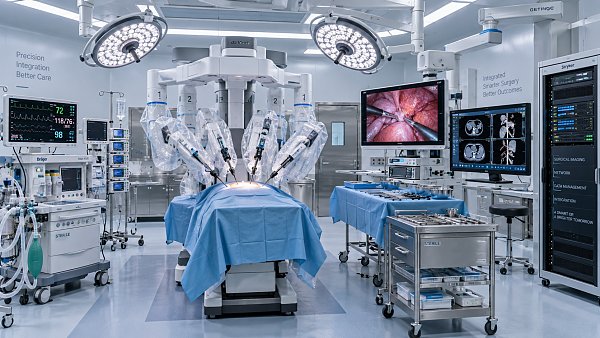
For AMDS, these trends connect imaging, IVD, life support, operating room systems, and endoscopy. Diagnosis no longer sits in isolation. It interacts with treatment timing, risk control, and whole-hospital performance.
How advanced clinical imaging changes early diagnosis outcomes
The main advantage of advanced clinical imaging is earlier visibility. Diseases often begin with minor anatomical distortion or altered physiology. Catching these signs sooner changes therapeutic options.
Earlier tumor detection
In oncology, advanced clinical imaging improves lesion conspicuity and staging accuracy. Multiparametric MRI can detect tissue differences that suggest malignancy before large morphological changes appear.
CT with advanced detectors can identify small pulmonary nodules, calcifications, and vascular involvement. Better visualization supports earlier biopsy decisions and more targeted follow-up intervals.
Faster cardiovascular assessment
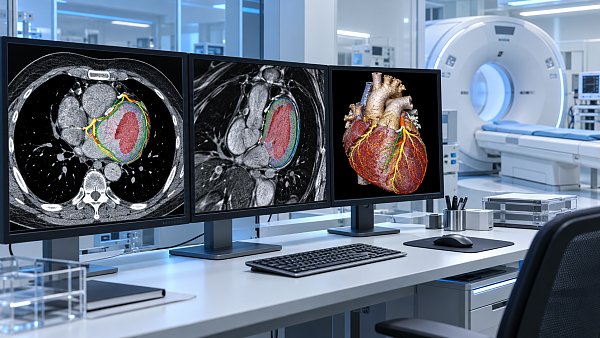
Cardiovascular disease requires speed and detail. Advanced clinical imaging helps detect plaque characteristics, perfusion deficits, structural abnormalities, and emergent complications with greater precision.
This is especially valuable in emergency pathways. Timely imaging can separate surgical urgency from medical management and reduce delays in life-saving intervention.
Improved neurological insight
Brain disease often presents with subtle changes. Advanced clinical imaging supports stroke triage, tumor characterization, white matter assessment, and neurodegenerative monitoring with stronger clinical context.
Functional sequences and AI-supported analysis can reveal patterns hidden in routine review. That improves early differentiation and strengthens treatment planning.
Operational and business value across the medical technology landscape
Advanced clinical imaging creates value beyond diagnosis alone. It influences throughput, resource allocation, hospital economics, and confidence in complex care delivery.
When imaging quality improves, unnecessary repeat scans decline. Clearer findings reduce ambiguity, support faster reporting, and help align radiology with surgery, pathology, and laboratory evidence.
This integrated value matters in systems shaped by DRG payment models. Better first-pass diagnostic accuracy can reduce downstream waste and improve treatment pathway efficiency.
- Lower repeat imaging burden through better acquisition quality.
- Shorter reporting cycles with AI-assisted triage tools.
- Stronger multidisciplinary alignment across imaging, IVD, and intervention.
- More credible health economics arguments for technology investment.
AMDS positions this value inside a broader clinical intelligence framework. Imaging data becomes more meaningful when assessed alongside compliance rules, procedural equipment capabilities, and outcome-focused decision criteria.
Typical application scenarios for advanced clinical imaging
The practical impact of advanced clinical imaging becomes clearer when mapped to common diagnostic situations. Different scenarios require different balances of speed, sensitivity, and functional insight.
These examples show why advanced clinical imaging remains central to modern diagnostic strategy. It supports both population-level screening and high-acuity decision points.
Practical considerations for implementation and evaluation
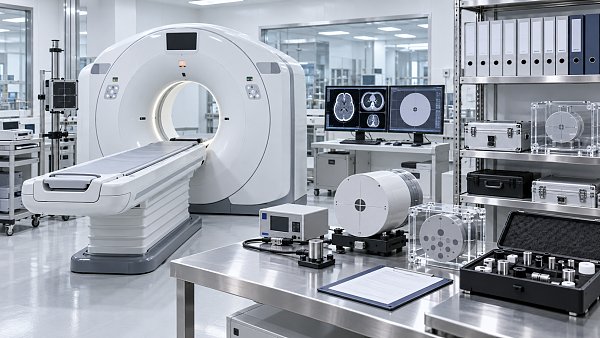
Adopting advanced clinical imaging requires more than purchasing hardware. Sustainable value depends on protocols, interoperability, validation, and clinical education.
Key implementation points
- Define target use cases before technology selection.
- Match scan protocols to early diagnosis priorities.
- Review AI outputs with transparent validation standards.
- Track repeat scan rates, report turnaround, and outcome impact.
- Align evidence packages with FDA, CE MDR, and local rules.
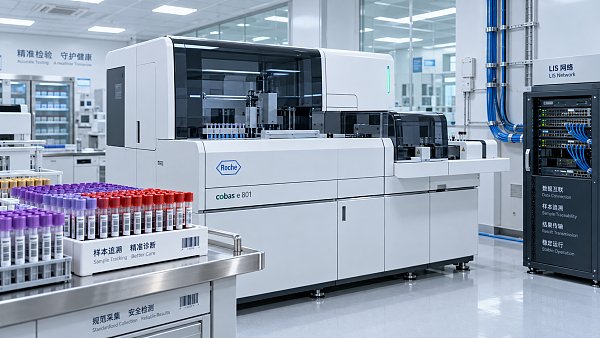
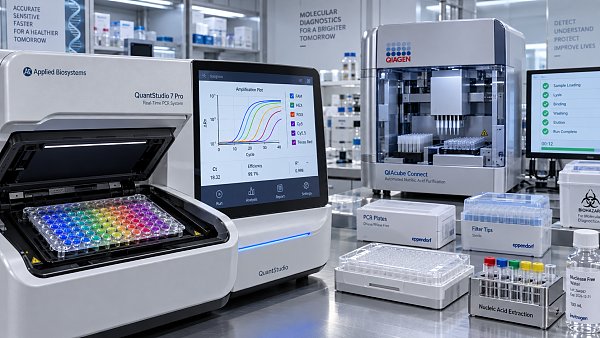
Another important issue is data integration. Imaging becomes more powerful when correlated with IVD biomarkers, pathology findings, and perioperative information.
That integrated model reflects the AMDS view of precision diagnostics. Better decisions emerge when physical imaging signals and biochemical evidence are interpreted together, not separately.
Next-step perspective for clinical intelligence
Advanced clinical imaging will continue to shape early diagnosis through better detectors, faster reconstruction, and stronger AI interpretation. The next stage is not only clearer images, but smarter clinical context.
A practical next step is to evaluate imaging systems by diagnostic pathway impact, not by specifications alone. Image quality, compliance readiness, workflow fit, and economic evidence should be reviewed together.
For organizations tracking the future of medical technology, advanced clinical imaging offers a clear signal. It is becoming a foundation for earlier intervention, more precise care, and more resilient healthcare systems.
AMDS follows this evolution through its focus on imaging, IVD, life support, surgical infrastructure, and minimally invasive systems. In that broader frame, advanced clinical imaging is a decisive engine of modern diagnostic progress.
Recommended News
 Oct 03, 2026How Detection Algorithms Improve Sensitivity and Workflow in Medical ImagingMedical imaging algorithms detection improves sensitivity, manages false positives, and streamlines clinical workflows. Explore validation, integration, and governance essentials.
 Oct 02, 2026High-Flow ICU Ventilators: Key Selection Criteria for Acute Respiratory CareICU ventilators high flow: discover key selection criteria for accurate gas delivery, NIV performance, humidification, alarms, reliability, and safer acute respiratory care.
 Oct 01, 2026How to Evaluate Medical Equipment Intelligence Suppliers for Hospital ProcurementMedical equipment intelligence suppliers: learn how hospitals can assess evidence quality, total cost, compliance, interoperability, and cybersecurity for smarter procurement decisions.
 Sep 30, 2026ISO 13485 Requirements for Blood Testing Instruments: A Buyer’s ChecklistBlood testing instruments ISO 13485 buyer’s checklist: verify certification scope, traceability, installation, consumables, and supplier support before you buy.
 Sep 29, 2026How to Evaluate Integrated Operating Room Systems for Workflow, Imaging, and IT IntegrationIntegrated operating room systems: evaluate workflow, imaging, IT integration, cybersecurity, and lifecycle value to select a scalable surgical solution.
 Sep 28, 2026How to Evaluate a Genetic Testing Equipment Supplier for PCR Lab ProcurementGenetic testing equipment supplier evaluation guide for PCR labs: compare performance, compliance, workflow, service, supply resilience, and total cost.
 Sep 27, 2026How to Specify Custom Benchtop Diagnostic Instruments for Your Assay WorkflowCustom diagnostic instruments benchtop guide: specify optics, fluidics, automation, software integration, and support to build a reliable assay workflow.
 Sep 26, 2026How Cardiac Imaging Analysis Tools Turn CT and MRI Data into Clinical MetricsMedical imaging analysis cardiology tools transform cardiac CT and MRI into reliable metrics. Explore segmentation, validation, workflow integration, and AI review.
 Sep 25, 2026How Iterative Image Reconstruction Algorithms Balance CT Dose, Noise, and DetailIterative image reconstruction algorithms help CT teams balance dose, noise, and diagnostic detail. Explore practical insights for confident imaging decisions.
 Sep 24, 2026What Drives the Total Cost of Medical Technology Solutions Over Their Lifecycle?Medical technology solutions cost goes far beyond purchase price—explore lifecycle drivers from installation and service to software, training, compliance, and downtime.
 Sep 24, 2026Diagnostic Imaging Technology: How Modalities Support Different Clinical DecisionsDiagnostic imaging technology supports smarter clinical decisions across CT, MRI, ultrasound, and nuclear imaging. Explore modality strengths, workflows, and selection factors.
 Sep 22, 2026How Life Science Labs Can Select Biomedical Research Equipment by Workflow and ThroughputBiomedical research equipment life science labs can select with confidence by aligning workflow, throughput, automation, data integrity, and scalable support.
 Sep 21, 2026How to Plan LIS Connectivity for Chemiluminescence Analyzers Without Data GapsChemiluminescence analyzers LIS connectivity: learn how to prevent data gaps with field mapping, exception workflows, end-to-end validation, and reliable go-live planning.
 Sep 20, 2026Selecting Fluorescence PCR Instruments: Detection Channels, Sensitivity, and Workflow FitPCR diagnostic instruments fluorescence detection guide: compare channels, sensitivity, multiplexing, and workflow fit to select a reliable platform.
 Sep 19, 2026Biomedical Signal Processing: From Sensor Data to Clinical Decision SupportBiomedical signal processing transforms sensor data into reliable clinical decision support. Explore AI, imaging, IVD, ICU monitoring, and compliance-ready MedTech insights.
 Sep 18, 2026How to Evaluate a Diagnostic Imaging Platform for Multi-Modality Workflow IntegrationDiagnostic imaging platform evaluation guide: assess multi-modality workflows, interoperability, AI integration, image integrity, security, and scalability for safer clinical decisions.
 Sep 17, 2026ISO 13485 for Medical Imaging Equipment: What Manufacturers Must DocumentMedical imaging equipment ISO 13485: discover essential documentation for design controls, risk management, traceability, software, and post-market quality.
 Sep 16, 2026Robotic MIS Equipment: What Hospitals Should Evaluate Before AdoptionMinimally invasive surgical equipment robotic adoption guide: evaluate workflow, safety, imaging, costs, cybersecurity, and service readiness.
 Sep 15, 2026How to Evaluate Biomedical Signal Processing Suppliers for Clinical Device ProjectsBiomedical signal processing supplier evaluation guide for clinical device teams—compare signal fidelity, regulatory evidence, cybersecurity, integration, and lifecycle support.
 Sep 14, 2026How Integrated Clinical Diagnostics Solutions Reduce Turnaround Time Across Lab WorkflowsIntegrated clinical diagnostics solutions reduce lab turnaround time by connecting workflows, automation, and data. Discover practical strategies for faster, traceable results.
 Sep 13, 2026ECMO System Market Outlook: Demand Drivers, Investment Risks, and Growth OpportunitiesECMO system market outlook explores demand drivers, investment risks, regulatory factors, and growth opportunities shaping critical-care innovation and adoption.
 Sep 12, 2026Where to Find Reliable Medical Device Information for Research and Due DiligenceMedical device information resource guide for due diligence: verify regulatory, clinical, safety, and technical evidence to make confident decisions.
 Sep 11, 2026Medical Equipment Intelligence: A Resource for Comparing Clinical TechnologiesMedical equipment intelligence resource for comparing clinical technologies by clinical fit, compliance, workflow, and total cost—make confident, evidence-led decisions.
 Sep 10, 2026How to Integrate Application-Specific Medical Solutions Into Existing Clinical WorkflowsApplication-specific medical solutions integration: learn how to align clinical workflows, interoperability, safety, and measurable outcomes for reliable deployment.









Related News
- 00
0000-00
How Iterative Image Reconstruction Algorithms Balance CT Dose, Noise, and Detail - 00
0000-00
Lead Glass Applications in Imaging Rooms: A Practical Buyer Guide - 00
0000-00
Medical Imaging Diagnostics Systems: Core Modalities, Use Cases, and Trade-Offs - 00
0000-00
AI in Medical Imaging Radiology: Where It Improves Reading Speed and Where It Falls Short - 00
0000-00
Saudi SFDA Opens 18-Day Fast Track for DR Devices
Weekly Insights
Stay ahead with our curated technology reports delivered every Monday.