
Medical compliance analytics helps avoid costly delays
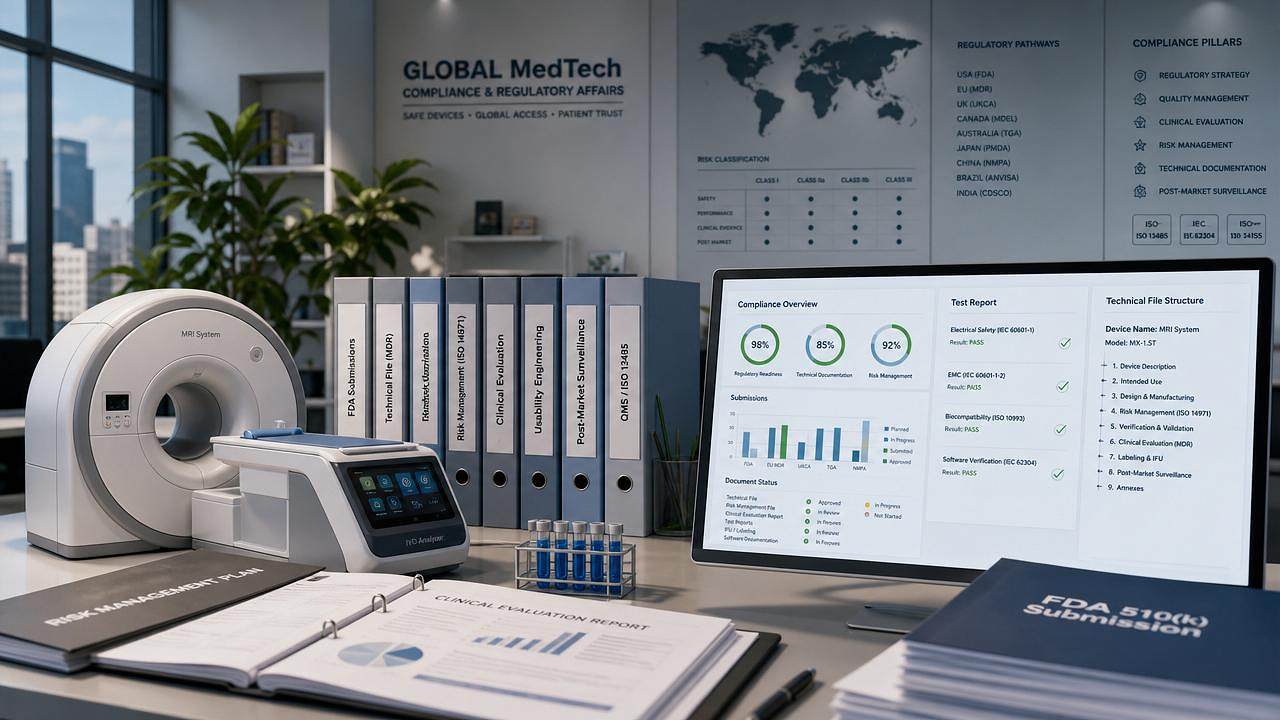




In global MedTech projects, delayed approvals can derail launch timelines, inflate costs, and weaken competitive advantage. Medical compliance analytics gives project teams a practical way to detect risks early and align technical, clinical, and documentation decisions.
For complex imaging, IVD, life support, operating room, and endoscopy programs, medical compliance analytics turns fragmented regulatory data into usable project intelligence. It supports faster market access, stronger evidence planning, and more predictable execution.
What medical compliance analytics means in modern MedTech
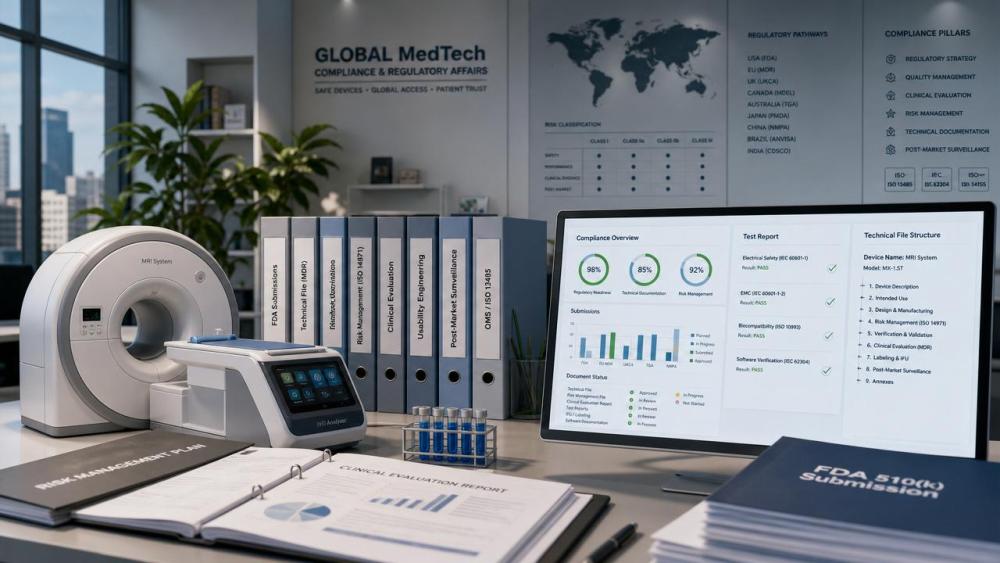
Medical compliance analytics is the structured analysis of regulatory, technical, clinical, and quality data across a product lifecycle. It helps identify approval barriers before they become expensive delays.
In practice, medical compliance analytics combines standards mapping, design traceability, risk file review, audit findings, testing evidence, and market-specific submission requirements. The result is clearer compliance visibility across functions.
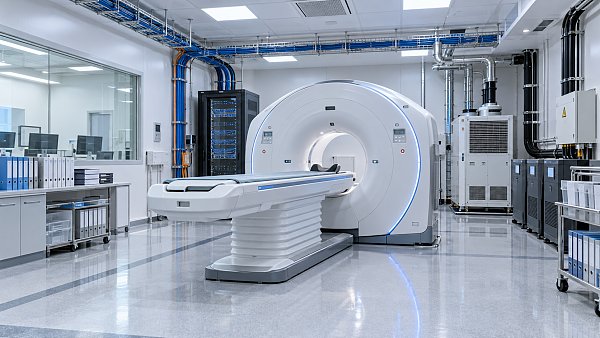
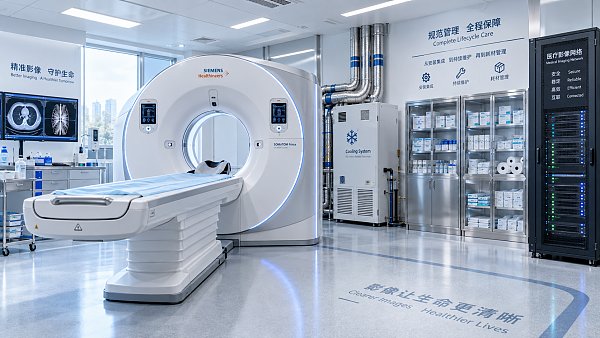
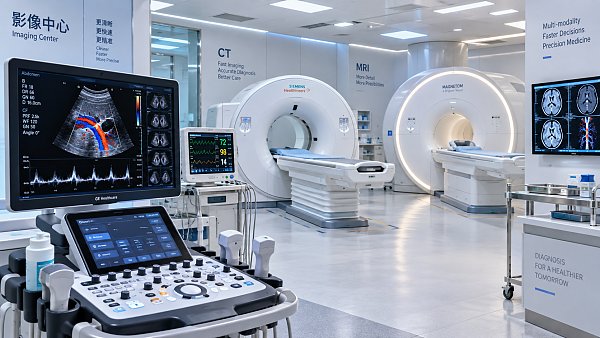
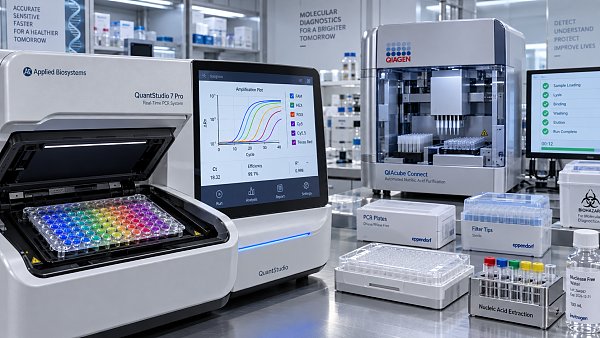
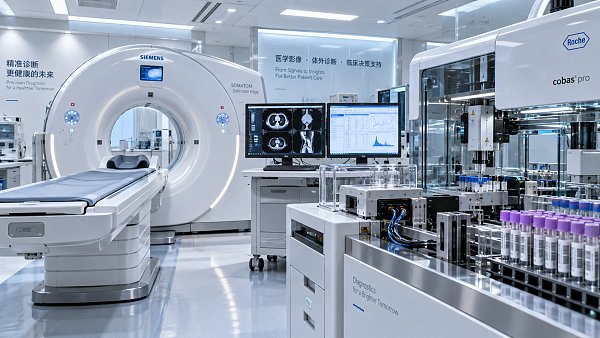
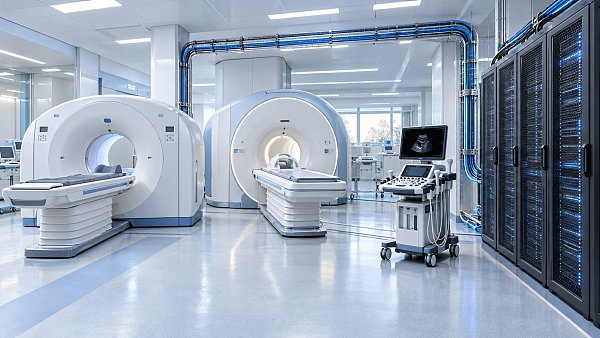
For AMDS-focused sectors, this matters because systems are highly integrated. MRI, CT, PCR analyzers, ventilators, ECMO platforms, operating tables, and 4K endoscopes all face demanding safety and performance expectations.
Medical compliance analytics is not only about passing inspections. It also supports product planning, change control, supplier qualification, post-market actions, and international expansion decisions.
Core elements usually included
- Requirement tracking across FDA, CE MDR, IEC, ISO, and local rules
- Gap analysis between intended claims and available evidence
- Trend review of nonconformities, CAPA, and audit observations
- Monitoring of design changes affecting safety or labeling
- Submission readiness scoring for target markets
Industry context and current pressure points
Healthcare technology is becoming more digital, data-driven, and software dependent. That trend increases both clinical capability and regulatory complexity, especially when AI, interoperability, and cybersecurity enter the design baseline.
Medical compliance analytics helps organizations interpret this complexity with discipline. It connects engineering choices to approval consequences, reducing late-stage surprises during verification, validation, or market submission.
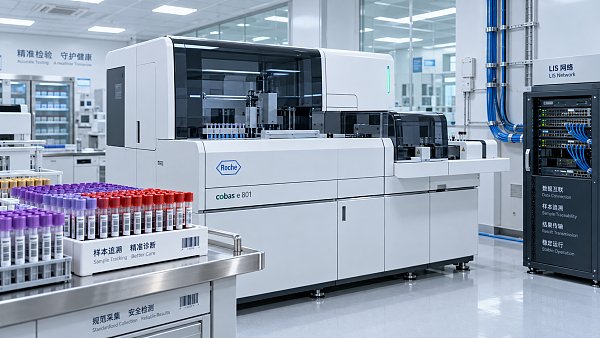
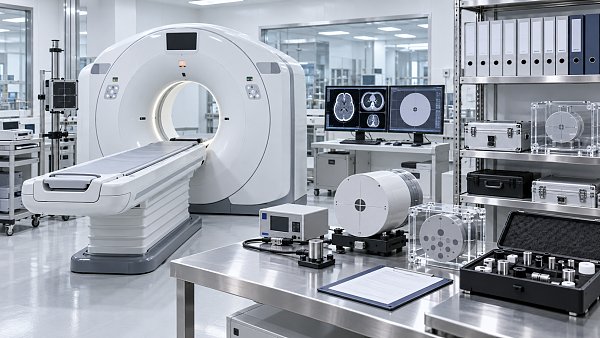
These pressures are especially visible in advanced systems. Imaging platforms involve radiation, software, and image quality claims. IVD instruments involve analytical performance, specimen handling, and assay consistency.
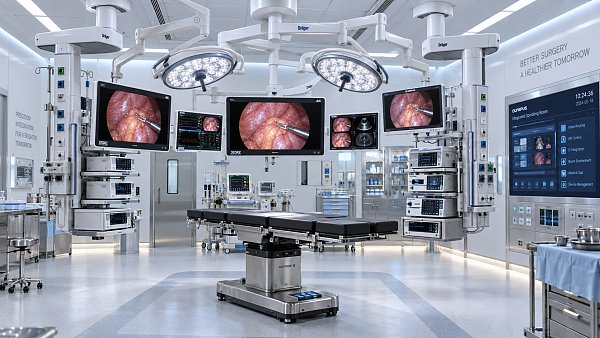
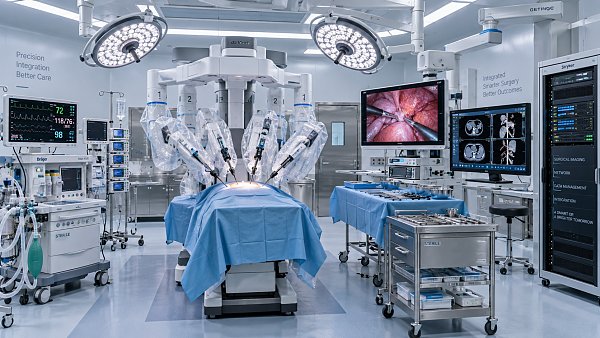
Life support equipment demands exceptional reliability under clinical stress. Surgical and endoscopic systems must balance optical performance, ergonomics, sterilization, and electrical safety with exact labeling and usability evidence.
How medical compliance analytics reduces costly delays
The strongest value of medical compliance analytics is timing. It moves compliance discovery earlier, when corrections are still manageable and far less expensive.
1. Earlier identification of approval risks
Projects often fail on hidden assumptions. A claim may require clinical support that was never planned. A design change may invalidate prior testing. Analytics exposes these weak points before submission.
2. Better cross-functional alignment
Regulatory, R&D, quality, software, and clinical teams frequently work from different timelines. Medical compliance analytics creates a shared view of obligations, dependencies, and critical dates.
3. Stronger change control
Even beneficial updates can create delays. New components, revised algorithms, packaging changes, or labeling edits may require additional assessments. Analytics helps judge impact before changes move too far.
4. More accurate resource planning
Testing, audits, technical files, and clinical evidence all consume time and budget. Medical compliance analytics supports realistic planning, reducing emergency spending late in the program.
5. Improved submission readiness
A submission is rarely delayed by one large issue alone. More often, multiple small gaps accumulate. Analytics helps convert readiness into measurable checkpoints rather than assumptions.
Typical application scenarios across advanced medical systems
Medical compliance analytics can be adapted across the major pillars of advanced clinical technology. Each category has different evidence burdens, risk patterns, and market access sensitivities.
Within an intelligence-driven model, medical compliance analytics also supports strategic comparisons. It can reveal which product line is closest to approval, which geography is least constrained, and which claim set creates the lowest risk.
Practical framework for implementation
An effective compliance analytics approach does not begin with software alone. It starts with clear governance, reliable inputs, and agreed decision rules across technical and regulatory stakeholders.
Build around these steps
- Define target markets, product claims, and intended use boundaries.
- Map applicable standards, guidance, and pathway-specific expectations.
- Create traceability across design inputs, tests, risks, and labeling.
- Score gaps by approval impact, urgency, and remediation difficulty.
- Review changes continuously, not only before submission milestones.
It is also useful to establish a small set of indicators. Examples include unresolved evidence gaps, high-risk change requests, supplier-dependent requirements, and open audit observations tied to launch timing.
Common pitfalls to avoid
- Treating compliance as a final documentation task
- Separating clinical claims from engineering evidence
- Ignoring regional differences until launch planning begins
- Underestimating software and cybersecurity implications
- Failing to connect post-market signals back into development
Strategic next steps for stronger market access
Medical compliance analytics works best when it is embedded into the full product strategy. It should inform roadmap choices, evidence investment, partner selection, and launch sequence decisions.
For organizations operating in advanced diagnostics and clinical equipment, AMDS-style intelligence can strengthen this process. Deep analysis of CE MDR, FDA pathways, imaging algorithms, IVD performance logic, and health economics creates more grounded decisions.
A practical first move is to assess one active product line through a compliance analytics lens. Review claims, target markets, evidence status, supplier dependencies, and unresolved changes in a single structured dashboard.
From there, priorities become clearer. Medical compliance analytics can then shift from a reactive reporting function into a disciplined operating model that helps avoid costly delays and supports confident global growth.
Recommended News
 Oct 03, 2026How Detection Algorithms Improve Sensitivity and Workflow in Medical ImagingMedical imaging algorithms detection improves sensitivity, manages false positives, and streamlines clinical workflows. Explore validation, integration, and governance essentials.
 Oct 02, 2026High-Flow ICU Ventilators: Key Selection Criteria for Acute Respiratory CareICU ventilators high flow: discover key selection criteria for accurate gas delivery, NIV performance, humidification, alarms, reliability, and safer acute respiratory care.
 Oct 01, 2026How to Evaluate Medical Equipment Intelligence Suppliers for Hospital ProcurementMedical equipment intelligence suppliers: learn how hospitals can assess evidence quality, total cost, compliance, interoperability, and cybersecurity for smarter procurement decisions.
 Sep 30, 2026ISO 13485 Requirements for Blood Testing Instruments: A Buyer’s ChecklistBlood testing instruments ISO 13485 buyer’s checklist: verify certification scope, traceability, installation, consumables, and supplier support before you buy.
 Sep 29, 2026How to Evaluate Integrated Operating Room Systems for Workflow, Imaging, and IT IntegrationIntegrated operating room systems: evaluate workflow, imaging, IT integration, cybersecurity, and lifecycle value to select a scalable surgical solution.
 Sep 28, 2026How to Evaluate a Genetic Testing Equipment Supplier for PCR Lab ProcurementGenetic testing equipment supplier evaluation guide for PCR labs: compare performance, compliance, workflow, service, supply resilience, and total cost.
 Sep 27, 2026How to Specify Custom Benchtop Diagnostic Instruments for Your Assay WorkflowCustom diagnostic instruments benchtop guide: specify optics, fluidics, automation, software integration, and support to build a reliable assay workflow.
 Sep 26, 2026How Cardiac Imaging Analysis Tools Turn CT and MRI Data into Clinical MetricsMedical imaging analysis cardiology tools transform cardiac CT and MRI into reliable metrics. Explore segmentation, validation, workflow integration, and AI review.
 Sep 25, 2026How Iterative Image Reconstruction Algorithms Balance CT Dose, Noise, and DetailIterative image reconstruction algorithms help CT teams balance dose, noise, and diagnostic detail. Explore practical insights for confident imaging decisions.
 Sep 24, 2026What Drives the Total Cost of Medical Technology Solutions Over Their Lifecycle?Medical technology solutions cost goes far beyond purchase price—explore lifecycle drivers from installation and service to software, training, compliance, and downtime.
 Sep 24, 2026Diagnostic Imaging Technology: How Modalities Support Different Clinical DecisionsDiagnostic imaging technology supports smarter clinical decisions across CT, MRI, ultrasound, and nuclear imaging. Explore modality strengths, workflows, and selection factors.
 Sep 22, 2026How Life Science Labs Can Select Biomedical Research Equipment by Workflow and ThroughputBiomedical research equipment life science labs can select with confidence by aligning workflow, throughput, automation, data integrity, and scalable support.
 Sep 21, 2026How to Plan LIS Connectivity for Chemiluminescence Analyzers Without Data GapsChemiluminescence analyzers LIS connectivity: learn how to prevent data gaps with field mapping, exception workflows, end-to-end validation, and reliable go-live planning.
 Sep 20, 2026Selecting Fluorescence PCR Instruments: Detection Channels, Sensitivity, and Workflow FitPCR diagnostic instruments fluorescence detection guide: compare channels, sensitivity, multiplexing, and workflow fit to select a reliable platform.
 Sep 19, 2026Biomedical Signal Processing: From Sensor Data to Clinical Decision SupportBiomedical signal processing transforms sensor data into reliable clinical decision support. Explore AI, imaging, IVD, ICU monitoring, and compliance-ready MedTech insights.
 Sep 18, 2026How to Evaluate a Diagnostic Imaging Platform for Multi-Modality Workflow IntegrationDiagnostic imaging platform evaluation guide: assess multi-modality workflows, interoperability, AI integration, image integrity, security, and scalability for safer clinical decisions.
 Sep 17, 2026ISO 13485 for Medical Imaging Equipment: What Manufacturers Must DocumentMedical imaging equipment ISO 13485: discover essential documentation for design controls, risk management, traceability, software, and post-market quality.
 Sep 16, 2026Robotic MIS Equipment: What Hospitals Should Evaluate Before AdoptionMinimally invasive surgical equipment robotic adoption guide: evaluate workflow, safety, imaging, costs, cybersecurity, and service readiness.
 Sep 15, 2026How to Evaluate Biomedical Signal Processing Suppliers for Clinical Device ProjectsBiomedical signal processing supplier evaluation guide for clinical device teams—compare signal fidelity, regulatory evidence, cybersecurity, integration, and lifecycle support.
 Sep 14, 2026How Integrated Clinical Diagnostics Solutions Reduce Turnaround Time Across Lab WorkflowsIntegrated clinical diagnostics solutions reduce lab turnaround time by connecting workflows, automation, and data. Discover practical strategies for faster, traceable results.
 Sep 13, 2026ECMO System Market Outlook: Demand Drivers, Investment Risks, and Growth OpportunitiesECMO system market outlook explores demand drivers, investment risks, regulatory factors, and growth opportunities shaping critical-care innovation and adoption.
 Sep 12, 2026Where to Find Reliable Medical Device Information for Research and Due DiligenceMedical device information resource guide for due diligence: verify regulatory, clinical, safety, and technical evidence to make confident decisions.
 Sep 11, 2026Medical Equipment Intelligence: A Resource for Comparing Clinical TechnologiesMedical equipment intelligence resource for comparing clinical technologies by clinical fit, compliance, workflow, and total cost—make confident, evidence-led decisions.
 Sep 10, 2026How to Integrate Application-Specific Medical Solutions Into Existing Clinical WorkflowsApplication-specific medical solutions integration: learn how to align clinical workflows, interoperability, safety, and measurable outcomes for reliable deployment.









Related News
- 00
0000-00
ISO 13485 Requirements for Blood Testing Instruments: A Buyer’s Checklist - 00
0000-00
ISO 13485 for Medical Imaging Equipment: What Manufacturers Must Document - 00
0000-00
Where to Find Reliable Medical Device Information for Research and Due Diligence - 00
0000-00
Medical Supplier Evaluation Checklist: How to Verify Quality, Compliance, and Delivery Risk - 00
0000-00
Do You Need a Local Distributor to Register Medical Devices in Southeast Asia?
Weekly Insights
Stay ahead with our curated technology reports delivered every Monday.