
How medical equipment AI integration changes service needs
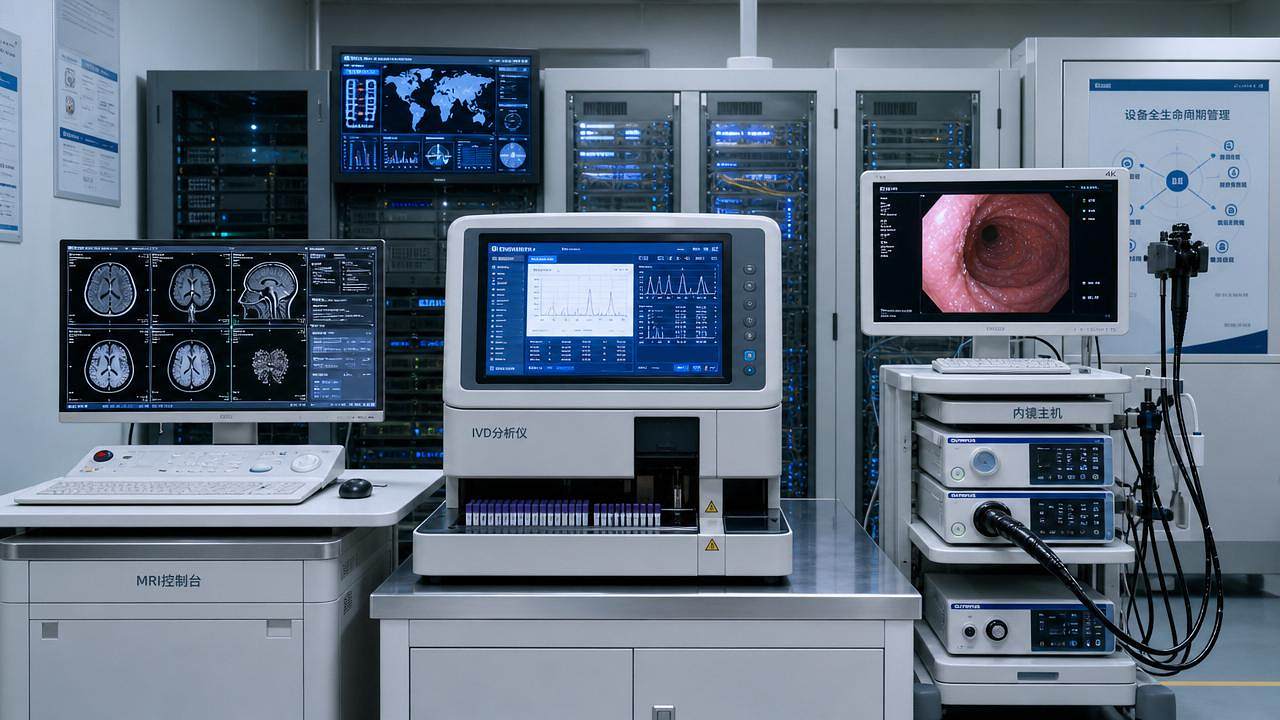




As medical equipment AI integration expands across imaging, IVD, life support, and endoscopy, service expectations are changing faster than many teams anticipated.
A repaired sensor or replaced board is no longer enough. Clinical uptime now depends on software behavior, data integrity, secure connectivity, and algorithm consistency.
This shift matters across the broader healthcare ecosystem. It affects performance, compliance, patient safety, workflow continuity, and the long-term value of advanced medical systems.
For AMDS, this trend sits at the center of modern MedTech intelligence. High-end devices increasingly combine precision hardware with AI-enabled interpretation, automation, and remote optimization.
Medical equipment AI integration is redefining what “service” actually means
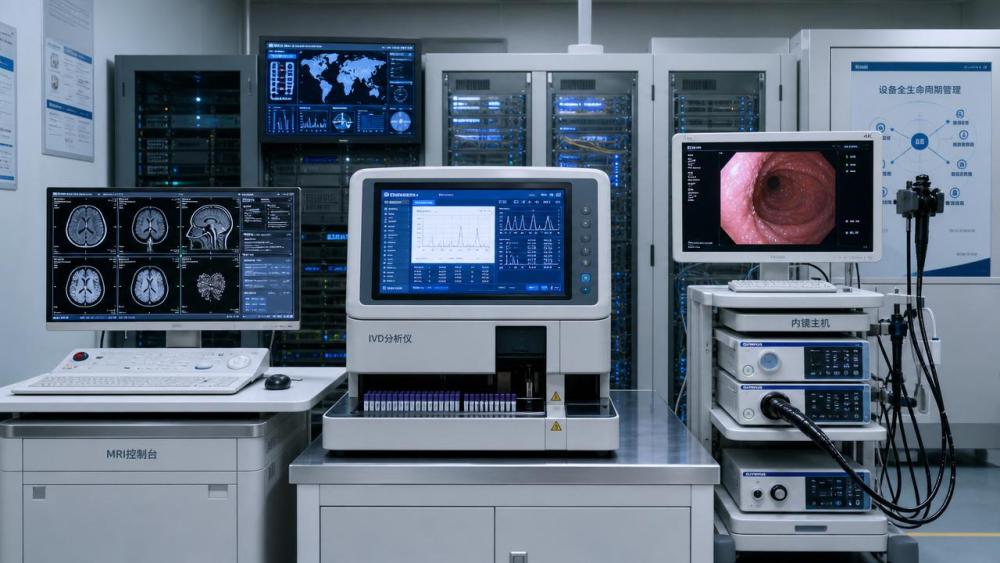
Traditional service models focused on mechanical reliability, electrical faults, spare parts, and preventive maintenance schedules.
Today, medical equipment AI integration adds another layer. Devices must also maintain validated software performance under real clinical conditions.
An MRI platform may require algorithm updates. An IVD analyzer may need data pipeline checks. An endoscopy system may depend on AI image enhancement stability.
Service teams now work at the boundary of engineering, IT, compliance, and clinical quality assurance.
That is why medical equipment AI integration is not only a technical upgrade. It is a structural change in lifecycle support.
Clear trend signals show service complexity rising across critical device categories
Several market signals confirm this change. The growth is visible in both device architecture and post-installation service requirements.
- More systems include embedded AI for detection, reconstruction, triage, or workflow automation.
- Remote diagnostics and cloud-linked monitoring are becoming standard support functions.
- Regulatory scrutiny increasingly covers software change control and cybersecurity evidence.
- Hospitals expect shorter downtime and more predictive service outcomes.
- Clinical users need assurance that AI-assisted outputs remain explainable and reproducible.
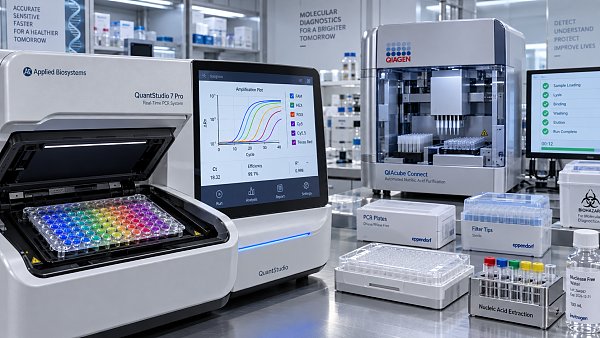
These signals are especially strong in medical imaging, molecular diagnostics, ventilators, ECMO platforms, and minimally invasive surgical systems.
Why medical equipment AI integration is driving a new service model
The service shift comes from several reinforcing factors. Together, they raise both technical depth and operational responsibility.
In short, medical equipment AI integration creates a service environment where every update can influence safety, workflow, and diagnostic confidence.
The impact reaches every major business and clinical support link
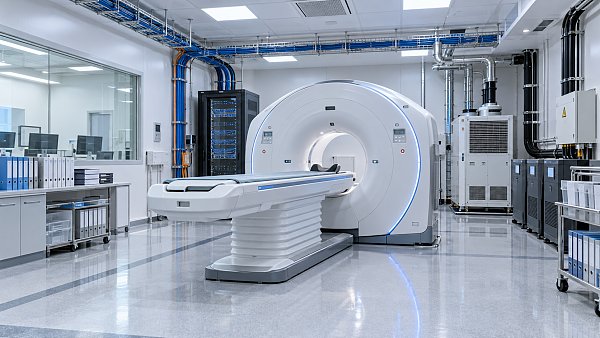
Imaging systems now need algorithm-aware maintenance
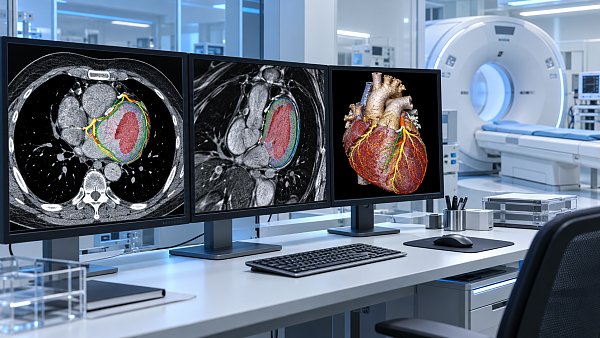
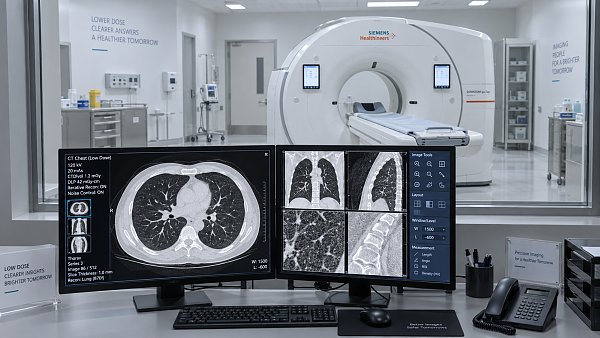
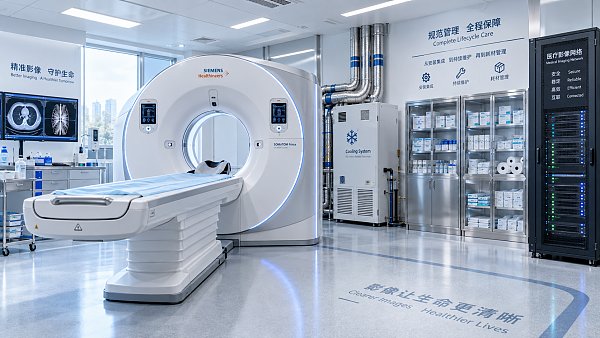
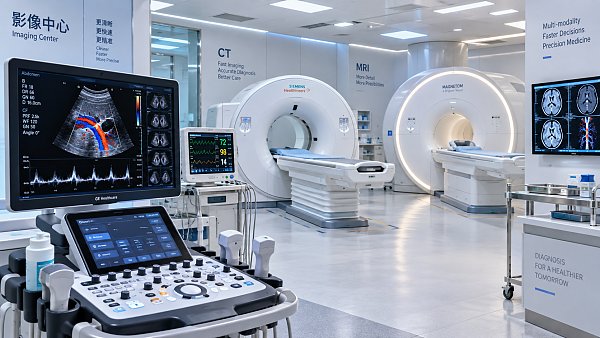
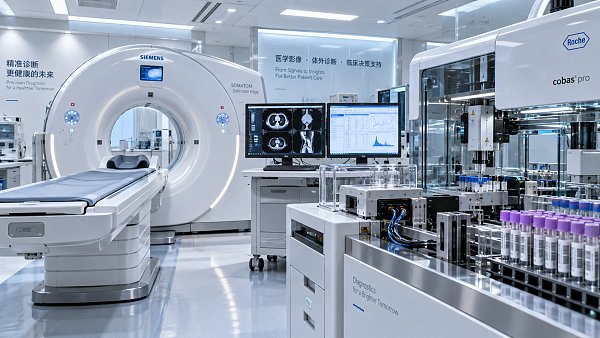
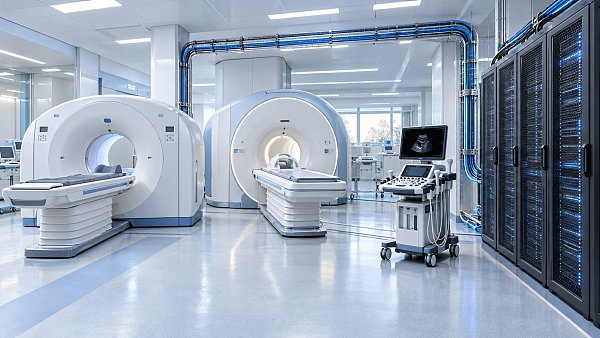
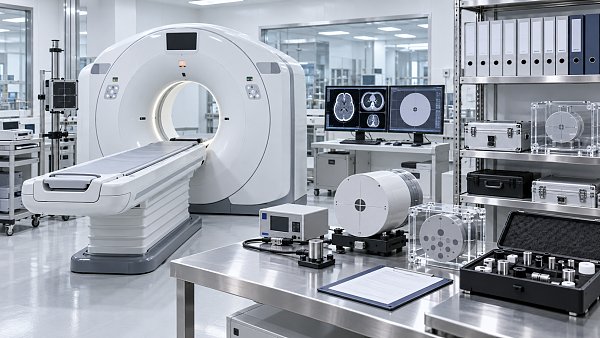
CT and MRI platforms increasingly rely on AI reconstruction, dose optimization, and workflow prioritization.
Service must confirm that image quality remains stable after updates, hardware replacement, or parameter changes.
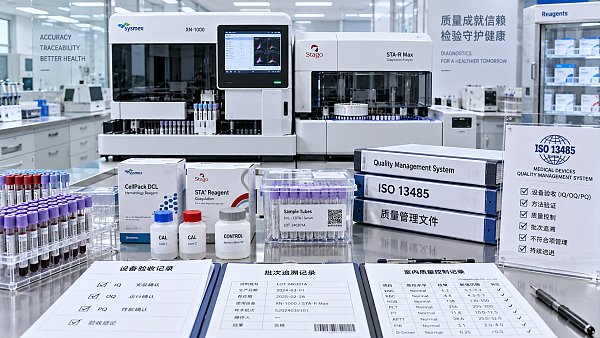
IVD support now extends into data reliability and analytical confidence
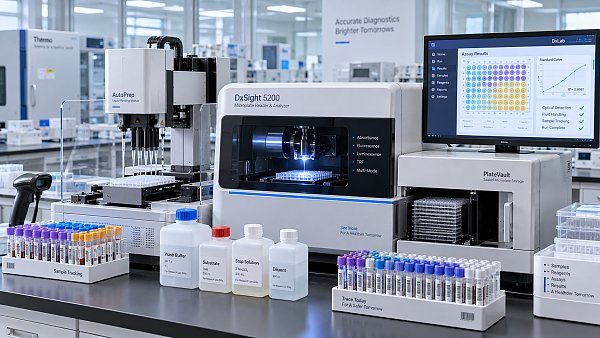
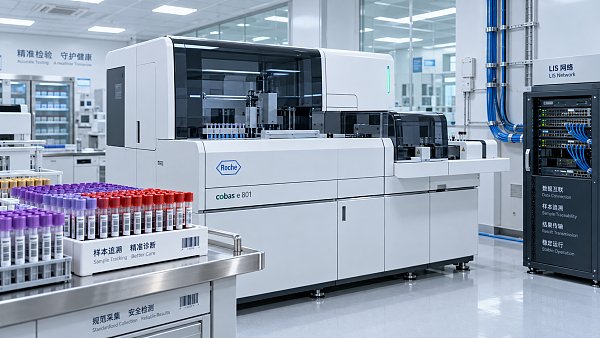
In vitro diagnostics use automation, pattern recognition, and integrated software to speed results.
That means service teams must understand assay interfaces, result transmission, middleware behavior, and exception tracing.
Life support systems require zero-tolerance service discipline
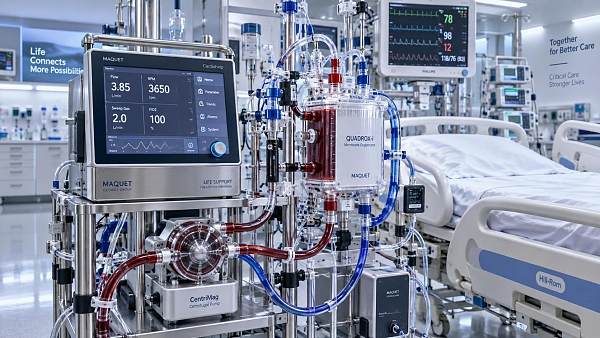
For ventilators and ECMO, medical equipment AI integration can improve monitoring and alarm prioritization.
But support must ensure absolute reliability. Even minor software anomalies may create unacceptable clinical risk.
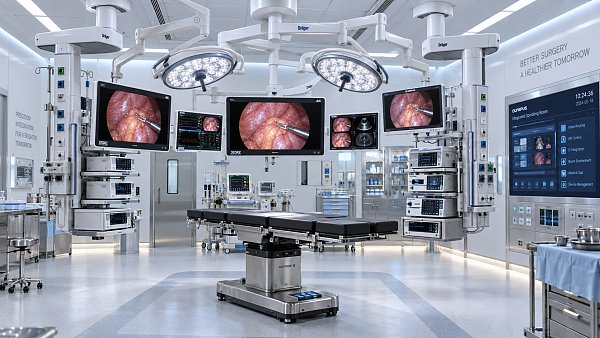
Endoscopy platforms blend optics, software, and AI enhancement
Modern endoscope systems may include lesion detection assistance, image sharpening, and recording workflows.
Service therefore covers optics, light source stability, firmware, image latency, storage security, and display consistency.
The most important service needs are shifting from repair response to lifecycle assurance
The strongest change is strategic. Service is moving from fault correction toward continuous clinical assurance.
- Software calibration and post-update verification
- Algorithm validation against approved performance baselines
- Cybersecurity patch coordination with uptime planning
- Remote diagnostics with secure access control
- Data integrity checks across connected hospital systems
- Regulatory documentation for service-triggered changes
- Cross-functional escalation between engineering, clinical, and IT teams
This is where medical equipment AI integration changes budgets, staffing, and service-level expectations at the same time.
What deserves close attention as AI-enabled service demands mature
Several priorities deserve sustained attention in the coming years.
- Version control must be exact. Service records should link hardware state, software release, and validation outcome.
- Cybersecurity cannot sit outside maintenance planning. Security events directly affect safe clinical operation.
- Remote support needs strict governance. Access, logs, permissions, and emergency procedures must be auditable.
- Training must become hybrid. Technicians need skills in hardware, software, networking, and regulated documentation.
- Performance metrics should expand. Uptime alone is insufficient without output consistency and service traceability.
For AMDS, these priorities reflect a larger MedTech truth. Intelligent equipment demands equally intelligent service architecture.
A practical response framework can reduce risk and improve service resilience
A structured response helps organizations adapt without losing control over safety or efficiency.
This framework supports safer scaling of medical equipment AI integration while protecting service quality under real clinical pressure.
The next step is to evaluate service readiness before complexity becomes a failure point
Medical equipment AI integration will keep expanding because it supports speed, precision, and better use of clinical resources.
The service challenge is not temporary. It will deepen as devices become more connected, more autonomous, and more regulated.
A useful starting point is a service readiness review. Check software governance, remote access rules, validation steps, and incident escalation pathways.
AMDS continues to track how medical equipment AI integration reshapes imaging, IVD, life support, and endoscopy support models worldwide.
The organizations that respond early will be better positioned to protect uptime, compliance, and clinical trust at the same time.
Recommended News
 Oct 03, 2026How Detection Algorithms Improve Sensitivity and Workflow in Medical ImagingMedical imaging algorithms detection improves sensitivity, manages false positives, and streamlines clinical workflows. Explore validation, integration, and governance essentials.
 Oct 02, 2026High-Flow ICU Ventilators: Key Selection Criteria for Acute Respiratory CareICU ventilators high flow: discover key selection criteria for accurate gas delivery, NIV performance, humidification, alarms, reliability, and safer acute respiratory care.
 Oct 01, 2026How to Evaluate Medical Equipment Intelligence Suppliers for Hospital ProcurementMedical equipment intelligence suppliers: learn how hospitals can assess evidence quality, total cost, compliance, interoperability, and cybersecurity for smarter procurement decisions.
 Sep 30, 2026ISO 13485 Requirements for Blood Testing Instruments: A Buyer’s ChecklistBlood testing instruments ISO 13485 buyer’s checklist: verify certification scope, traceability, installation, consumables, and supplier support before you buy.
 Sep 29, 2026How to Evaluate Integrated Operating Room Systems for Workflow, Imaging, and IT IntegrationIntegrated operating room systems: evaluate workflow, imaging, IT integration, cybersecurity, and lifecycle value to select a scalable surgical solution.
 Sep 28, 2026How to Evaluate a Genetic Testing Equipment Supplier for PCR Lab ProcurementGenetic testing equipment supplier evaluation guide for PCR labs: compare performance, compliance, workflow, service, supply resilience, and total cost.
 Sep 27, 2026How to Specify Custom Benchtop Diagnostic Instruments for Your Assay WorkflowCustom diagnostic instruments benchtop guide: specify optics, fluidics, automation, software integration, and support to build a reliable assay workflow.
 Sep 26, 2026How Cardiac Imaging Analysis Tools Turn CT and MRI Data into Clinical MetricsMedical imaging analysis cardiology tools transform cardiac CT and MRI into reliable metrics. Explore segmentation, validation, workflow integration, and AI review.
 Sep 25, 2026How Iterative Image Reconstruction Algorithms Balance CT Dose, Noise, and DetailIterative image reconstruction algorithms help CT teams balance dose, noise, and diagnostic detail. Explore practical insights for confident imaging decisions.
 Sep 24, 2026What Drives the Total Cost of Medical Technology Solutions Over Their Lifecycle?Medical technology solutions cost goes far beyond purchase price—explore lifecycle drivers from installation and service to software, training, compliance, and downtime.
 Sep 24, 2026Diagnostic Imaging Technology: How Modalities Support Different Clinical DecisionsDiagnostic imaging technology supports smarter clinical decisions across CT, MRI, ultrasound, and nuclear imaging. Explore modality strengths, workflows, and selection factors.
 Sep 22, 2026How Life Science Labs Can Select Biomedical Research Equipment by Workflow and ThroughputBiomedical research equipment life science labs can select with confidence by aligning workflow, throughput, automation, data integrity, and scalable support.
 Sep 21, 2026How to Plan LIS Connectivity for Chemiluminescence Analyzers Without Data GapsChemiluminescence analyzers LIS connectivity: learn how to prevent data gaps with field mapping, exception workflows, end-to-end validation, and reliable go-live planning.
 Sep 20, 2026Selecting Fluorescence PCR Instruments: Detection Channels, Sensitivity, and Workflow FitPCR diagnostic instruments fluorescence detection guide: compare channels, sensitivity, multiplexing, and workflow fit to select a reliable platform.
 Sep 19, 2026Biomedical Signal Processing: From Sensor Data to Clinical Decision SupportBiomedical signal processing transforms sensor data into reliable clinical decision support. Explore AI, imaging, IVD, ICU monitoring, and compliance-ready MedTech insights.
 Sep 18, 2026How to Evaluate a Diagnostic Imaging Platform for Multi-Modality Workflow IntegrationDiagnostic imaging platform evaluation guide: assess multi-modality workflows, interoperability, AI integration, image integrity, security, and scalability for safer clinical decisions.
 Sep 17, 2026ISO 13485 for Medical Imaging Equipment: What Manufacturers Must DocumentMedical imaging equipment ISO 13485: discover essential documentation for design controls, risk management, traceability, software, and post-market quality.
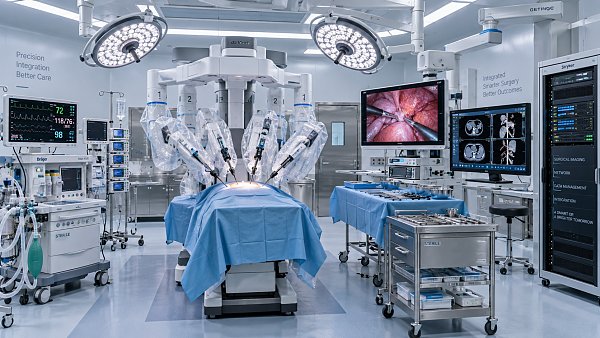
 Sep 16, 2026Robotic MIS Equipment: What Hospitals Should Evaluate Before AdoptionMinimally invasive surgical equipment robotic adoption guide: evaluate workflow, safety, imaging, costs, cybersecurity, and service readiness.
 Sep 15, 2026How to Evaluate Biomedical Signal Processing Suppliers for Clinical Device ProjectsBiomedical signal processing supplier evaluation guide for clinical device teams—compare signal fidelity, regulatory evidence, cybersecurity, integration, and lifecycle support.
 Sep 14, 2026How Integrated Clinical Diagnostics Solutions Reduce Turnaround Time Across Lab WorkflowsIntegrated clinical diagnostics solutions reduce lab turnaround time by connecting workflows, automation, and data. Discover practical strategies for faster, traceable results.
 Sep 13, 2026ECMO System Market Outlook: Demand Drivers, Investment Risks, and Growth OpportunitiesECMO system market outlook explores demand drivers, investment risks, regulatory factors, and growth opportunities shaping critical-care innovation and adoption.
 Sep 12, 2026Where to Find Reliable Medical Device Information for Research and Due DiligenceMedical device information resource guide for due diligence: verify regulatory, clinical, safety, and technical evidence to make confident decisions.
 Sep 11, 2026Medical Equipment Intelligence: A Resource for Comparing Clinical TechnologiesMedical equipment intelligence resource for comparing clinical technologies by clinical fit, compliance, workflow, and total cost—make confident, evidence-led decisions.
 Sep 10, 2026How to Integrate Application-Specific Medical Solutions Into Existing Clinical WorkflowsApplication-specific medical solutions integration: learn how to align clinical workflows, interoperability, safety, and measurable outcomes for reliable deployment.





Related News
- 00
0000-00
How Detection Algorithms Improve Sensitivity and Workflow in Medical Imaging - 00
0000-00
How to Evaluate Integrated Operating Room Systems for Workflow, Imaging, and IT Integration - 00
0000-00
How Cardiac Imaging Analysis Tools Turn CT and MRI Data into Clinical Metrics - 00
0000-00
Diagnostic Imaging Technology: How Modalities Support Different Clinical Decisions - 00
0000-00
How Life Science Labs Can Select Biomedical Research Equipment by Workflow and Throughput
Weekly Insights
Stay ahead with our curated technology reports delivered every Monday.