
China Eastern Western Supply Chain (Chongqing) Co., Ltd. Established
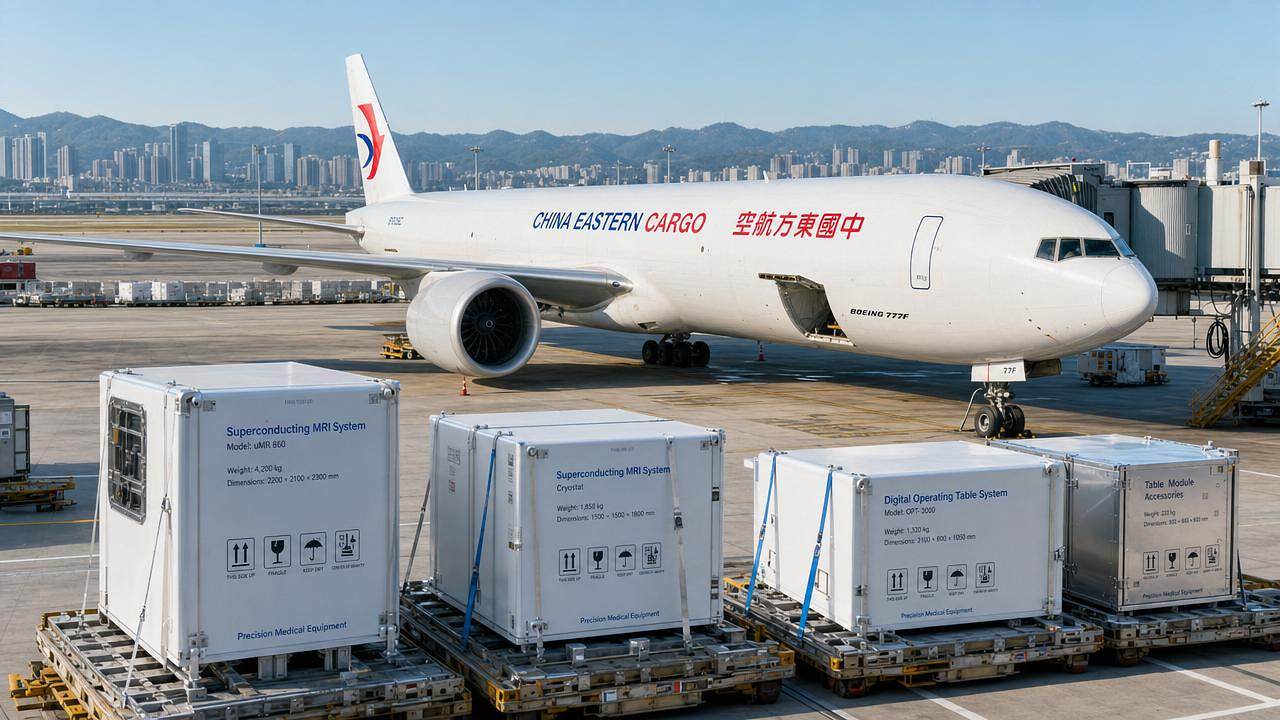




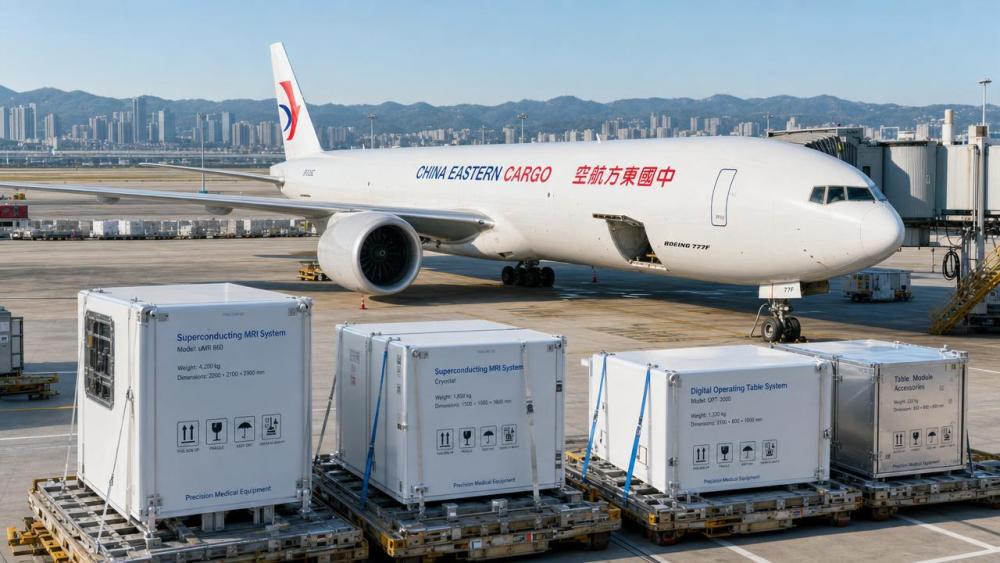
On May 21, 2026, China Eastern Logistics officially launched China Eastern Western Supply Chain (Chongqing) Co., Ltd., establishing dedicated air cargo capacity—including Boeing 777F freighter operations and passenger aircraft belly-hold resources—to support export logistics for high-end medical equipment from the Chengdu–Chongqing economic zone. This development is particularly relevant for medical device manufacturers, international trade service providers, and cross-border logistics operators engaged in precision diagnostics and surgical technology exports.
Event Overview
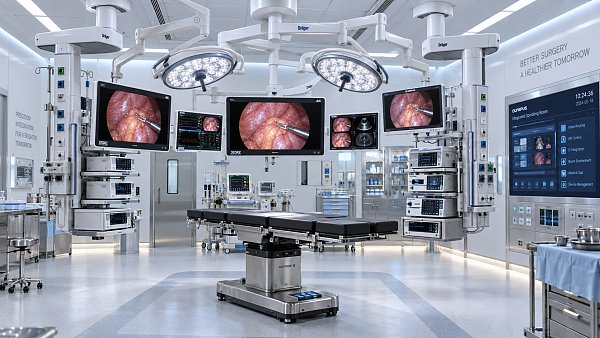
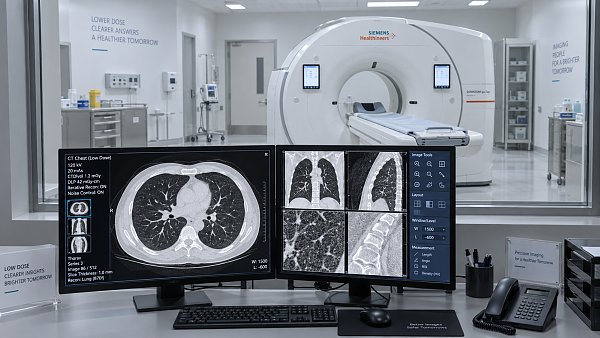
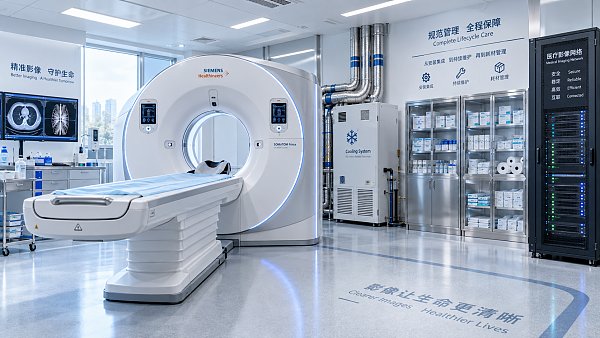
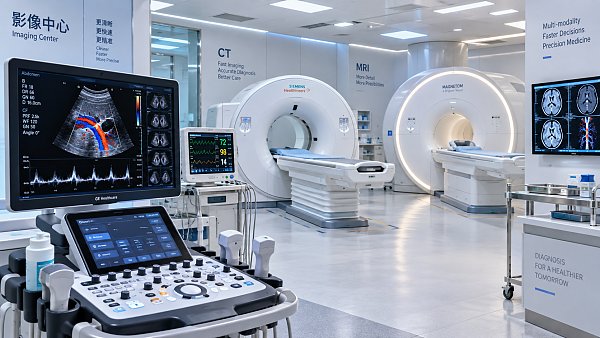
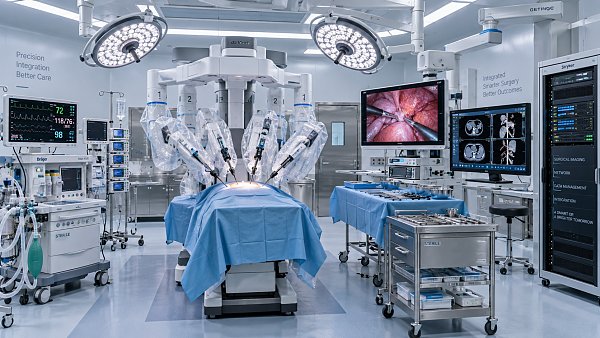
On May 21, 2026, China Eastern Logistics established China Eastern Western Supply Chain (Chongqing) Co., Ltd. in Chongqing. The new entity integrates Boeing 777F full-freighter capacity with belly-hold space on China Eastern passenger flights. Its initial focus is supporting exports of large-scale medical devices—including superconducting MRI systems, photon-counting CT scanners, and digital operating tables—from the Chengdu–Chongqing region. Two dedicated freight routes have been launched: Chongqing–Frankfurt and Chongqing–Los Angeles. These routes reduce end-to-end delivery time by 72 hours compared to traditional export paths via Shenzhen or Shanghai.
Impact on Specific Industry Segments
Direct Exporters (Medical Device OEMs)
Manufacturers based in Chengdu or Chongqing exporting high-value diagnostic or surgical equipment face revised lead-time expectations and route options. The new Chongqing-based freight capability reduces transit time to key European and North American markets—potentially improving order fulfillment reliability and enabling tighter production–shipping coordination.
Supply Chain Service Providers (Freight Forwarders, Customs Brokers)
Third-party logistics firms serving medical device exporters in Southwest China must now assess operational integration with the new Chongqing hub. The availability of dedicated 777F capacity and pre-cleared belly-hold slots may shift demand away from legacy coastal consolidation points, requiring updated documentation workflows and carrier coordination protocols.
Domestic Component Suppliers & Contract Manufacturers
Suppliers providing subsystems or subassemblies to OEMs in the Chengdu–Chongqing cluster may experience upstream pressure to align delivery schedules with the new air cargo windows. Shorter total export cycle times imply tighter tolerances for component readiness and quality verification prior to final assembly and shipment.
Regulatory & Compliance Support Providers
Firms assisting with CE marking, FDA registration, or import licensing for medical devices exported to the EU or U.S. may see increased demand for pre-shipment compliance validation—especially as faster transit compresses time available for post-manufacturing documentation preparation and regulatory submission alignment.
What Relevant Enterprises or Practitioners Should Focus On
Monitor official route expansion announcements and slot allocation mechanisms
The current launch covers only two routes (Chongqing–Frankfurt and Chongqing–Los Angeles). Observably, further route additions—or changes in frequency, capacity allocation, or priority booking rules—will directly affect shippers’ ability to secure timely air freight. Stakeholders should track updates from China Eastern Logistics and Chongqing airport authorities rather than assume broad scalability at launch.
Assess eligibility and readiness for priority handling of Class II/III medical devices
The initiative specifically names superconducting MRI, photon-counting CT, and digital operating tables—categories subject to stringent export controls and packaging requirements. Analysis shows that successful use of this channel will depend not only on timing but also on documented compliance with IATA Perishable Cargo Regulations (PCR) adaptations, temperature-controlled handling provisions, and dimensional/weight certification for oversized cargo.
Distinguish between infrastructure availability and operational maturity
While Boeing 777F capacity and belly-hold integration are confirmed, the actual throughput consistency, customs clearance efficiency at Chongqing airport, and last-mile handoff procedures remain unverified in public reporting. Current more appropriate action is to treat the launch as a pilot-phase capability—not yet a fully benchmarked alternative to Shanghai or Shenzhen gateways—until at least three months of on-time departure and delivery performance data become available.
Review inland transport coordination and warehouse staging requirements
Exporters located outside Chongqing’s immediate logistics corridor (e.g., in Chengdu or Mianyang) must evaluate road/rail transit time, bonded warehouse access, and pre-clearance documentation turnaround. Shorter air leg duration increases sensitivity to delays in pre-airport handling—making synchronized scheduling across inland carriers and warehousing partners more critical.
Editorial Perspective / Industry Observation
This initiative is better understood as an infrastructural signal than an immediately scalable solution. Analysis shows it reflects a broader regional strategy to elevate Chongqing’s role in high-value healthcare logistics—not just as a transit node, but as a certified origin point for regulated medical exports. Observably, its significance lies less in immediate volume displacement and more in the precedent it sets: formal integration of specialized air cargo assets with regional industrial clusters. From an industry perspective, sustained attention is warranted—not because the new company replaces existing channels, but because it introduces a new variable in route optimization models, compliance sequencing, and regional sourcing decisions for global medtech supply chains.
Chongqing’s emergence as a dedicated export gateway for high-end medical equipment signals a structural shift in how air logistics capacity is aligned with advanced manufacturing geography. However, this development should be interpreted cautiously: it expands optionality rather than guarantees advantage. For stakeholders, the most rational response is not wholesale re-routing, but systematic evaluation of timing, compliance readiness, and inland coordination—against verified performance metrics over the coming quarter.
Source: Official announcement by China Eastern Logistics, dated May 21, 2026. Note: Route performance data, slot allocation policies, and customs processing benchmarks remain pending public disclosure and require ongoing observation.
Recommended News
 Oct 03, 2026How Detection Algorithms Improve Sensitivity and Workflow in Medical ImagingMedical imaging algorithms detection improves sensitivity, manages false positives, and streamlines clinical workflows. Explore validation, integration, and governance essentials.
 Oct 02, 2026High-Flow ICU Ventilators: Key Selection Criteria for Acute Respiratory CareICU ventilators high flow: discover key selection criteria for accurate gas delivery, NIV performance, humidification, alarms, reliability, and safer acute respiratory care.
 Oct 01, 2026How to Evaluate Medical Equipment Intelligence Suppliers for Hospital ProcurementMedical equipment intelligence suppliers: learn how hospitals can assess evidence quality, total cost, compliance, interoperability, and cybersecurity for smarter procurement decisions.
 Sep 30, 2026ISO 13485 Requirements for Blood Testing Instruments: A Buyer’s ChecklistBlood testing instruments ISO 13485 buyer’s checklist: verify certification scope, traceability, installation, consumables, and supplier support before you buy.
 Sep 29, 2026How to Evaluate Integrated Operating Room Systems for Workflow, Imaging, and IT IntegrationIntegrated operating room systems: evaluate workflow, imaging, IT integration, cybersecurity, and lifecycle value to select a scalable surgical solution.
 Sep 28, 2026How to Evaluate a Genetic Testing Equipment Supplier for PCR Lab ProcurementGenetic testing equipment supplier evaluation guide for PCR labs: compare performance, compliance, workflow, service, supply resilience, and total cost.
 Sep 27, 2026How to Specify Custom Benchtop Diagnostic Instruments for Your Assay WorkflowCustom diagnostic instruments benchtop guide: specify optics, fluidics, automation, software integration, and support to build a reliable assay workflow.
 Sep 26, 2026How Cardiac Imaging Analysis Tools Turn CT and MRI Data into Clinical MetricsMedical imaging analysis cardiology tools transform cardiac CT and MRI into reliable metrics. Explore segmentation, validation, workflow integration, and AI review.
 Sep 25, 2026How Iterative Image Reconstruction Algorithms Balance CT Dose, Noise, and DetailIterative image reconstruction algorithms help CT teams balance dose, noise, and diagnostic detail. Explore practical insights for confident imaging decisions.
 Sep 24, 2026What Drives the Total Cost of Medical Technology Solutions Over Their Lifecycle?Medical technology solutions cost goes far beyond purchase price—explore lifecycle drivers from installation and service to software, training, compliance, and downtime.
 Sep 24, 2026Diagnostic Imaging Technology: How Modalities Support Different Clinical DecisionsDiagnostic imaging technology supports smarter clinical decisions across CT, MRI, ultrasound, and nuclear imaging. Explore modality strengths, workflows, and selection factors.
 Sep 22, 2026How Life Science Labs Can Select Biomedical Research Equipment by Workflow and ThroughputBiomedical research equipment life science labs can select with confidence by aligning workflow, throughput, automation, data integrity, and scalable support.
 Sep 21, 2026How to Plan LIS Connectivity for Chemiluminescence Analyzers Without Data GapsChemiluminescence analyzers LIS connectivity: learn how to prevent data gaps with field mapping, exception workflows, end-to-end validation, and reliable go-live planning.
 Sep 20, 2026Selecting Fluorescence PCR Instruments: Detection Channels, Sensitivity, and Workflow FitPCR diagnostic instruments fluorescence detection guide: compare channels, sensitivity, multiplexing, and workflow fit to select a reliable platform.
 Sep 19, 2026Biomedical Signal Processing: From Sensor Data to Clinical Decision SupportBiomedical signal processing transforms sensor data into reliable clinical decision support. Explore AI, imaging, IVD, ICU monitoring, and compliance-ready MedTech insights.
 Sep 18, 2026How to Evaluate a Diagnostic Imaging Platform for Multi-Modality Workflow IntegrationDiagnostic imaging platform evaluation guide: assess multi-modality workflows, interoperability, AI integration, image integrity, security, and scalability for safer clinical decisions.
 Sep 17, 2026ISO 13485 for Medical Imaging Equipment: What Manufacturers Must DocumentMedical imaging equipment ISO 13485: discover essential documentation for design controls, risk management, traceability, software, and post-market quality.
 Sep 16, 2026Robotic MIS Equipment: What Hospitals Should Evaluate Before AdoptionMinimally invasive surgical equipment robotic adoption guide: evaluate workflow, safety, imaging, costs, cybersecurity, and service readiness.
 Sep 15, 2026How to Evaluate Biomedical Signal Processing Suppliers for Clinical Device ProjectsBiomedical signal processing supplier evaluation guide for clinical device teams—compare signal fidelity, regulatory evidence, cybersecurity, integration, and lifecycle support.
 Sep 14, 2026How Integrated Clinical Diagnostics Solutions Reduce Turnaround Time Across Lab WorkflowsIntegrated clinical diagnostics solutions reduce lab turnaround time by connecting workflows, automation, and data. Discover practical strategies for faster, traceable results.
 Sep 13, 2026ECMO System Market Outlook: Demand Drivers, Investment Risks, and Growth OpportunitiesECMO system market outlook explores demand drivers, investment risks, regulatory factors, and growth opportunities shaping critical-care innovation and adoption.
 Sep 12, 2026Where to Find Reliable Medical Device Information for Research and Due DiligenceMedical device information resource guide for due diligence: verify regulatory, clinical, safety, and technical evidence to make confident decisions.
 Sep 11, 2026Medical Equipment Intelligence: A Resource for Comparing Clinical TechnologiesMedical equipment intelligence resource for comparing clinical technologies by clinical fit, compliance, workflow, and total cost—make confident, evidence-led decisions.
 Sep 10, 2026How to Integrate Application-Specific Medical Solutions Into Existing Clinical WorkflowsApplication-specific medical solutions integration: learn how to align clinical workflows, interoperability, safety, and measurable outcomes for reliable deployment.















Related News
- 00
0000-00
China Temporarily Bans Helium Exports - 00
0000-00
How to Evaluate MRI Systems for Neurology: Key Imaging Needs and Selection Criteria - 00
0000-00
MDCG Tightens CE Rules for AI MRI Reconstruction - 00
0000-00
PMDA Fast Track Adds Conditional Path for MRI AI - 00
0000-00
PMDA Fast Track Expansion Opens Conditional Route for MRI AI
Weekly Insights
Stay ahead with our curated technology reports delivered every Monday.