
Medical imaging molecular diagnostics trends to watch
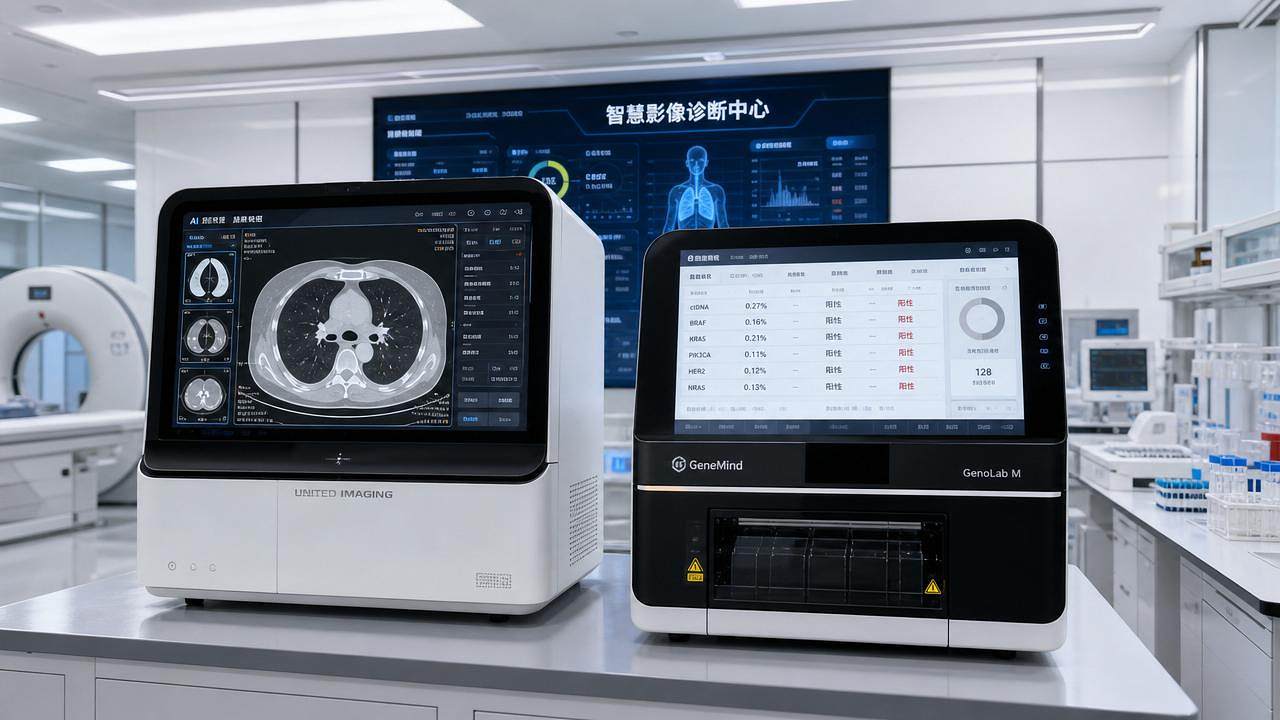




Medical imaging molecular diagnostics is reshaping how healthcare organizations evaluate precision, speed, and investment value across clinical workflows. For business assessment professionals, the trends ahead are not only about innovation, but also about compliance readiness, diagnostic accuracy, AI integration, and long-term ROI. Understanding these shifts is essential for identifying competitive opportunities in an increasingly data-driven global MedTech market.
Why medical imaging molecular diagnostics is becoming a strategic evaluation category
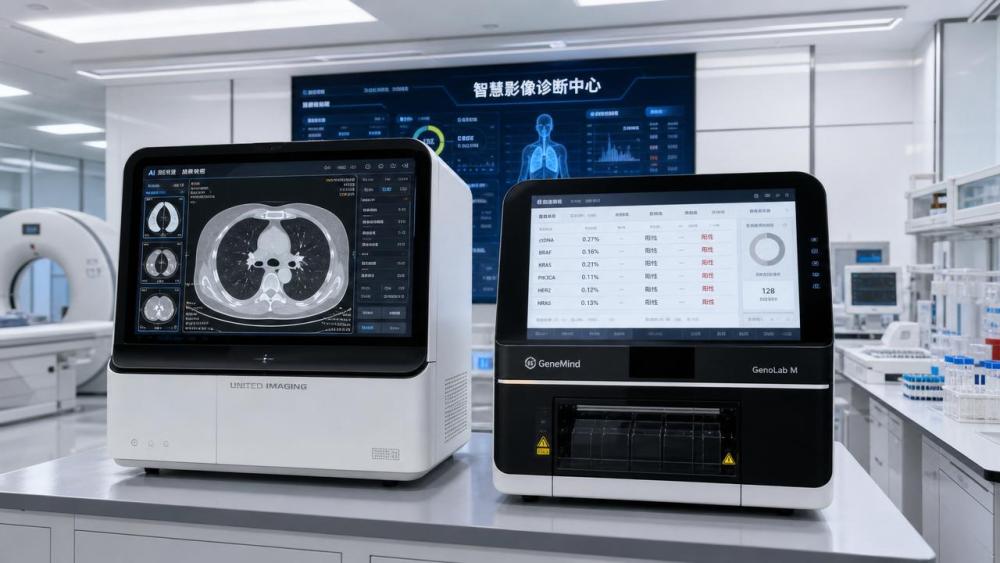
Medical imaging molecular diagnostics is no longer a narrow technical topic. It now sits at the intersection of radiology, pathology, IVD, AI software, reimbursement logic, and regulatory access. For business assessment teams, this means one purchasing or partnership decision can influence clinical throughput, market entry timing, and post-installation economics.
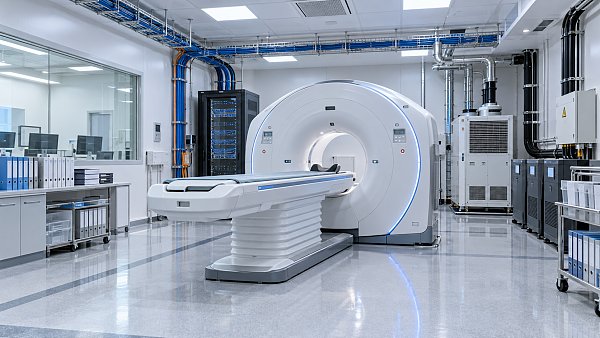
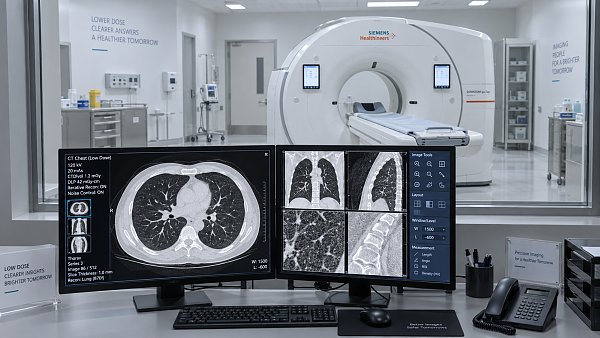
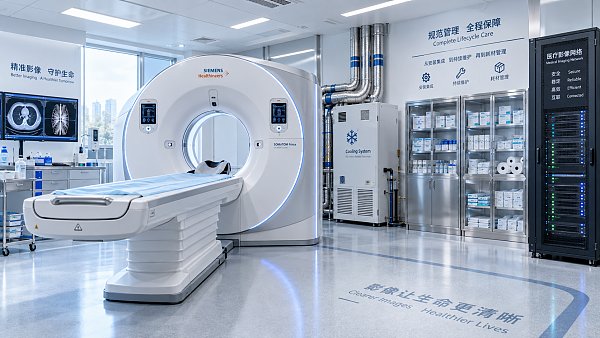
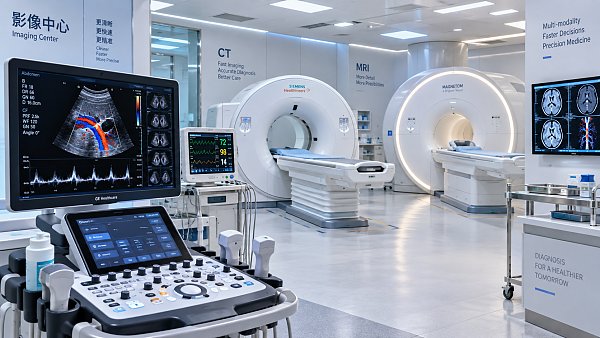
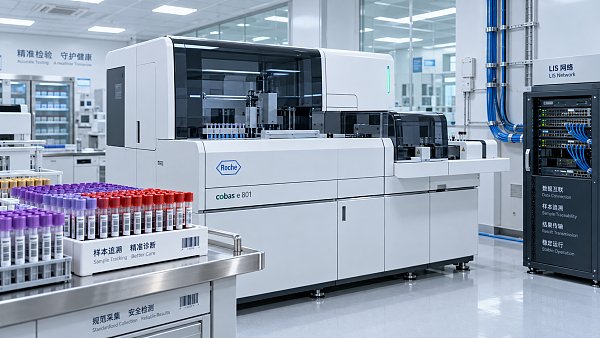
The strongest shift is convergence. Imaging systems such as CT, MRI, PET, ultrasound, and endoscopic visualization increasingly rely on molecular data to support earlier detection, stratified treatment, and repeatable follow-up. At the same time, PCR, immunoassay, and other in vitro diagnostic methods gain more value when their outputs are linked to image-derived evidence rather than reviewed in isolation.
AMDS observes this convergence through a broader critical-care and diagnostic lens. That matters because procurement decisions rarely happen in a vacuum. Hospitals, distributors, investors, and MedTech manufacturers need to understand how image reconstruction algorithms, biochemical detection capability, ICU integration, operating room workflows, and market compliance interact in real-world deployment.
- Clinical value now depends on combined evidence, not a single modality reading.
- Commercial value depends on serviceability, reimbursement fit, and regulatory readiness.
- Operational value depends on integration with PACS, LIS, HIS, and AI analysis layers.
- Strategic value depends on whether a platform can adapt to precision medicine demand over time.
What trends should business assessment professionals watch first?
1. Multi-modal diagnostics is moving from premium option to expected capability
A growing number of healthcare buyers now expect medical imaging molecular diagnostics platforms to support cross-reference between imaging findings and molecular biomarkers. The commercial implication is clear: systems that cannot connect radiologic, pathologic, and biochemical evidence may face shorter upgrade cycles and weaker purchasing justification.
2. AI is shifting from image enhancement to decision support
Earlier AI value was often framed around faster reconstruction or cleaner images. Today, evaluation teams are asking whether AI can reduce rescans, flag suspicious lesions, prioritize worklists, correlate imaging with lab markers, and support physician confidence without creating black-box risk. This changes the due diligence checklist.
3. Compliance is becoming a board-level risk, not just a technical checkbox
For exported equipment and cross-border partnerships, CE MDR, FDA expectations, software lifecycle documentation, cybersecurity obligations, and post-market surveillance plans increasingly influence deal viability. AMDS places strong emphasis on compliance intelligence because delayed access can erase the financial advantage of an otherwise attractive product.
4. Health economics is under sharper review
Business assessment professionals must justify not only capital expenditure but also utilization assumptions, maintenance costs, training burden, reimbursement compatibility, and DRG-driven return models. A technically advanced system with weak throughput logic may underperform financially despite good specifications.
Where medical imaging molecular diagnostics creates the most practical value
The strongest opportunities appear where early detection, treatment matching, and high-consequence decisions overlap. The table below helps business evaluators compare where medical imaging molecular diagnostics contributes most clearly across major clinical and operational settings.
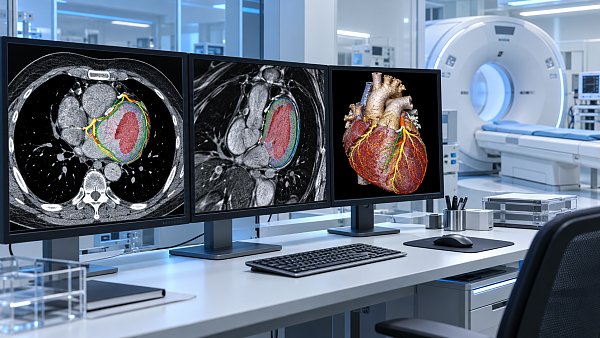
For assessment teams, the lesson is straightforward: value is highest where imaging answers the “where” and molecular diagnostics answers the “what” and “why.” That combination supports stronger reimbursement logic, better triage, and more defensible capital planning.
How to compare platforms without getting lost in technical claims
Many buyers struggle because vendors present different strengths in different languages: detector sensitivity, reconstruction speed, assay throughput, menu breadth, software intelligence, or service response. The comparison below is designed for procurement and investment review rather than for engineering teams alone.
A useful rule is to compare platforms by failure points, not just feature lists. Ask where delays happen, where repeat testing occurs, where integration breaks, and where compliance evidence is weak. Those are the areas that most often damage return on investment.
Which technical and compliance signals deserve the closest review?
Technical signals
- Whether imaging systems maintain diagnostic confidence under dose reduction or accelerated scan protocols.
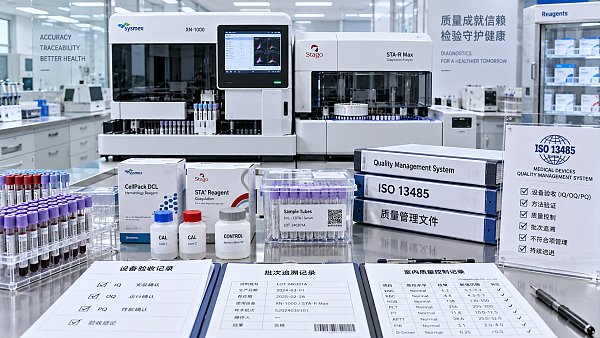
- Whether molecular systems support stable turnaround time under peak sample load rather than only under ideal conditions.
- Whether AI outputs are explainable enough for physician review and quality management.
- Whether data interfaces support scalable integration instead of one-off custom connections.
Compliance signals
- Alignment with applicable market pathways such as CE MDR or FDA expectations for device software and documentation depth.
- Traceability of risk management, clinical evaluation support, and post-market feedback mechanisms.
- Cybersecurity planning for connected diagnostic ecosystems, especially remote service and AI updates.
- Consistency between product claims, labeling language, and available validation evidence.
This is where AMDS has distinct strategic relevance. Its intelligence model spans imaging, IVD, life support, operating room systems, and endoscopy. That broader visibility helps assessment teams judge whether a medical imaging molecular diagnostics investment will fit adjacent clinical infrastructure instead of creating isolated islands of technology.
Procurement guide: what should decision teams score before approval?
A disciplined scorecard can reduce internal disagreement between clinical users, finance teams, engineering departments, and commercial stakeholders. For medical imaging molecular diagnostics, a practical review path usually includes the following checkpoints.
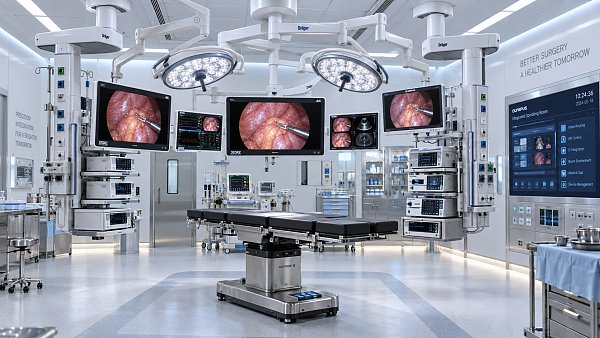
- Define target use cases first, such as oncology pathway expansion, acute care acceleration, or minimally invasive surgery support.
- Separate must-have requirements from upgrade-stage preferences to avoid overspending on low-utilization functions.
- Model utilization with realistic staffing, referral volume, and reimbursement assumptions rather than optimistic launch projections.
- Review installation, training, validation, and downtime contingencies before signing supply terms.
- Confirm regulatory and documentation readiness early if export, distribution, or multi-country rollout is involved.
In many projects, the most expensive mistake is not high price. It is poor fit. A lower-priced platform with fragmented workflow, limited assay scalability, or weak image-lab data correlation can become more costly over three to five years than a stronger integrated option.
Common misconceptions about medical imaging molecular diagnostics
“More advanced imaging always means better business value”
Not necessarily. If patient volume, clinical specialty mix, or reimbursement structure cannot support premium utilization, the business case weakens. Advanced imaging should be assessed against throughput, referral capture, and treatment pathway impact.
“Molecular diagnostics ROI comes mainly from test menu expansion”
Menu breadth matters, but decision speed, sample-to-answer time, quality consistency, and integration with imaging-led care decisions often contribute more to measurable value. A narrower but strategically aligned portfolio may outperform a broad but underused one.
“AI solves interpretation bottlenecks automatically”
AI can support prioritization and consistency, but governance still matters. Buyers should ask how alerts are validated, how false positives are managed, and how software changes are documented over time.
FAQ for business assessment teams evaluating medical imaging molecular diagnostics
How should we prioritize imaging versus molecular investment when budget is limited?
Start with the bottleneck that most affects downstream care decisions. If delayed lesion detection or poor visualization drives repeat pathways, imaging may deserve priority. If imaging is available but treatment selection is delayed by weak biomarker capability, molecular diagnostics may unlock faster ROI. In many institutions, phased integration works better than isolated expansion.
What procurement risks are most often underestimated?
Three risks stand out: hidden integration cost, weak compliance evidence for target markets, and unrealistic utilization assumptions. These risks are especially important when evaluating imported systems, new distribution partnerships, or AI-enabled diagnostic platforms.
Which scenarios are best suited for combined medical imaging molecular diagnostics?
High-value scenarios include oncology, cardiometabolic assessment, infectious disease escalation, and minimally invasive procedural planning. These areas benefit from combining anatomical insight with molecular specificity and often carry clearer financial justification.
How long does evaluation usually take before commercial rollout?
Timing varies by market and product complexity, but serious evaluations usually include technical review, compliance documentation review, workflow mapping, budget modeling, and implementation planning. Projects move faster when buyers request structured evidence early, especially around certification pathway, interoperability, and after-sales capability.
Why AMDS is a practical intelligence partner for this category
AMDS is positioned around the core systems that define modern clinical performance: medical imaging, IVD, life support equipment, operating room infrastructure, and endoscopic platforms. That matters because business assessment professionals need linked intelligence, not siloed opinions. A scanner decision may influence ICU pathways. A molecular assay decision may change surgical planning. A compliance delay may stall a full regional rollout.
Its Strategic Intelligence Center brings together compliance analysis, medical engineering understanding, and health economics logic. This combination is useful when the question is not simply “Is this technology advanced?” but “Can this technology enter the market, fit the workflow, support clinical trust, and justify the spend?”
Why choose us for medical imaging molecular diagnostics evaluation support
If your team is reviewing medical imaging molecular diagnostics opportunities, AMDS can support a more decision-ready process with focused intelligence rather than generic market noise. You can consult on parameter confirmation, platform comparison, clinical workflow fit, delivery cycle expectations, certification pathway questions, and quotation-stage risk points.
For manufacturers and channel partners, AMDS can also help frame export-market access questions, AI-assisted imaging value analysis, IVD positioning logic, and ROI narratives that resonate with hospital directors under tighter financial review. For buyers, the goal is clearer selection. For sellers, the goal is stronger market readiness.
- Ask about technical parameter screening for imaging or molecular platforms.
- Request selection guidance based on target application scenarios and budget boundaries.
- Discuss delivery planning, service support expectations, and implementation sequencing.
- Review certification and access considerations before entering new regional markets.
- Open quotation discussions with a clearer view of lifecycle cost, not just purchase price.
In a market where precision diagnostics, compliance, AI, and investment discipline are increasingly connected, informed evaluation is the real competitive advantage. That is exactly where AMDS is built to contribute.
Recommended News
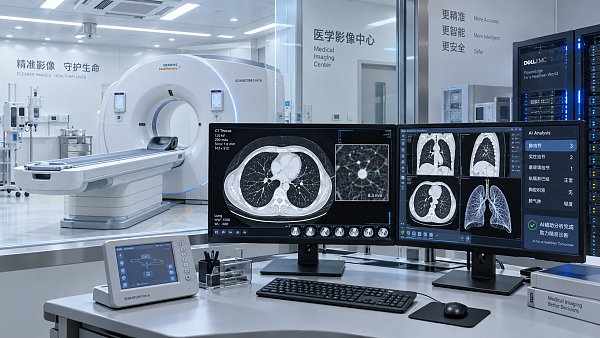
 Oct 03, 2026How Detection Algorithms Improve Sensitivity and Workflow in Medical ImagingMedical imaging algorithms detection improves sensitivity, manages false positives, and streamlines clinical workflows. Explore validation, integration, and governance essentials.
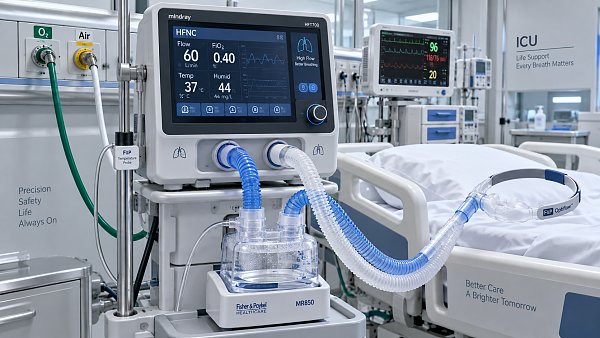
 Oct 02, 2026High-Flow ICU Ventilators: Key Selection Criteria for Acute Respiratory CareICU ventilators high flow: discover key selection criteria for accurate gas delivery, NIV performance, humidification, alarms, reliability, and safer acute respiratory care.
 Oct 01, 2026How to Evaluate Medical Equipment Intelligence Suppliers for Hospital ProcurementMedical equipment intelligence suppliers: learn how hospitals can assess evidence quality, total cost, compliance, interoperability, and cybersecurity for smarter procurement decisions.
 Sep 30, 2026ISO 13485 Requirements for Blood Testing Instruments: A Buyer’s ChecklistBlood testing instruments ISO 13485 buyer’s checklist: verify certification scope, traceability, installation, consumables, and supplier support before you buy.
 Sep 29, 2026How to Evaluate Integrated Operating Room Systems for Workflow, Imaging, and IT IntegrationIntegrated operating room systems: evaluate workflow, imaging, IT integration, cybersecurity, and lifecycle value to select a scalable surgical solution.
 Sep 28, 2026How to Evaluate a Genetic Testing Equipment Supplier for PCR Lab ProcurementGenetic testing equipment supplier evaluation guide for PCR labs: compare performance, compliance, workflow, service, supply resilience, and total cost.
 Sep 27, 2026How to Specify Custom Benchtop Diagnostic Instruments for Your Assay WorkflowCustom diagnostic instruments benchtop guide: specify optics, fluidics, automation, software integration, and support to build a reliable assay workflow.
 Sep 26, 2026How Cardiac Imaging Analysis Tools Turn CT and MRI Data into Clinical MetricsMedical imaging analysis cardiology tools transform cardiac CT and MRI into reliable metrics. Explore segmentation, validation, workflow integration, and AI review.
 Sep 25, 2026How Iterative Image Reconstruction Algorithms Balance CT Dose, Noise, and DetailIterative image reconstruction algorithms help CT teams balance dose, noise, and diagnostic detail. Explore practical insights for confident imaging decisions.
 Sep 24, 2026What Drives the Total Cost of Medical Technology Solutions Over Their Lifecycle?Medical technology solutions cost goes far beyond purchase price—explore lifecycle drivers from installation and service to software, training, compliance, and downtime.
 Sep 24, 2026Diagnostic Imaging Technology: How Modalities Support Different Clinical DecisionsDiagnostic imaging technology supports smarter clinical decisions across CT, MRI, ultrasound, and nuclear imaging. Explore modality strengths, workflows, and selection factors.
 Sep 22, 2026How Life Science Labs Can Select Biomedical Research Equipment by Workflow and ThroughputBiomedical research equipment life science labs can select with confidence by aligning workflow, throughput, automation, data integrity, and scalable support.
 Sep 21, 2026How to Plan LIS Connectivity for Chemiluminescence Analyzers Without Data GapsChemiluminescence analyzers LIS connectivity: learn how to prevent data gaps with field mapping, exception workflows, end-to-end validation, and reliable go-live planning.
 Sep 20, 2026Selecting Fluorescence PCR Instruments: Detection Channels, Sensitivity, and Workflow FitPCR diagnostic instruments fluorescence detection guide: compare channels, sensitivity, multiplexing, and workflow fit to select a reliable platform.
 Sep 19, 2026Biomedical Signal Processing: From Sensor Data to Clinical Decision SupportBiomedical signal processing transforms sensor data into reliable clinical decision support. Explore AI, imaging, IVD, ICU monitoring, and compliance-ready MedTech insights.
 Sep 18, 2026How to Evaluate a Diagnostic Imaging Platform for Multi-Modality Workflow IntegrationDiagnostic imaging platform evaluation guide: assess multi-modality workflows, interoperability, AI integration, image integrity, security, and scalability for safer clinical decisions.
 Sep 17, 2026ISO 13485 for Medical Imaging Equipment: What Manufacturers Must DocumentMedical imaging equipment ISO 13485: discover essential documentation for design controls, risk management, traceability, software, and post-market quality.
 Sep 16, 2026Robotic MIS Equipment: What Hospitals Should Evaluate Before AdoptionMinimally invasive surgical equipment robotic adoption guide: evaluate workflow, safety, imaging, costs, cybersecurity, and service readiness.
 Sep 15, 2026How to Evaluate Biomedical Signal Processing Suppliers for Clinical Device ProjectsBiomedical signal processing supplier evaluation guide for clinical device teams—compare signal fidelity, regulatory evidence, cybersecurity, integration, and lifecycle support.
 Sep 14, 2026How Integrated Clinical Diagnostics Solutions Reduce Turnaround Time Across Lab WorkflowsIntegrated clinical diagnostics solutions reduce lab turnaround time by connecting workflows, automation, and data. Discover practical strategies for faster, traceable results.
 Sep 13, 2026ECMO System Market Outlook: Demand Drivers, Investment Risks, and Growth OpportunitiesECMO system market outlook explores demand drivers, investment risks, regulatory factors, and growth opportunities shaping critical-care innovation and adoption.
 Sep 12, 2026Where to Find Reliable Medical Device Information for Research and Due DiligenceMedical device information resource guide for due diligence: verify regulatory, clinical, safety, and technical evidence to make confident decisions.
 Sep 11, 2026Medical Equipment Intelligence: A Resource for Comparing Clinical TechnologiesMedical equipment intelligence resource for comparing clinical technologies by clinical fit, compliance, workflow, and total cost—make confident, evidence-led decisions.
 Sep 10, 2026How to Integrate Application-Specific Medical Solutions Into Existing Clinical WorkflowsApplication-specific medical solutions integration: learn how to align clinical workflows, interoperability, safety, and measurable outcomes for reliable deployment.








Related News
- 00
0000-00
How to Evaluate a Genetic Testing Equipment Supplier for PCR Lab Procurement - 00
0000-00
How to Specify Custom Benchtop Diagnostic Instruments for Your Assay Workflow - 00
0000-00
Selecting Fluorescence PCR Instruments: Detection Channels, Sensitivity, and Workflow Fit - 00
0000-00
How Should an MDR Clinical Performance Study Be Designed for IVD Products? - 00
0000-00
Advanced Clinical Diagnostics in Oncology: Tests, Uses, and Selection Criteria
Weekly Insights
Stay ahead with our curated technology reports delivered every Monday.