
How medical device precision engineering lowers risk





In high-stakes healthcare environments, medical device precision engineering is more than a technical advantage—it is a direct safeguard against clinical, operational, and compliance risk. For organizations working across imaging, IVD, life support, surgical systems, and endoscopy, tighter tolerances and validated performance reduce failure points before they reach the bedside. In practice, that means fewer false readings, fewer unexpected shutdowns, stronger audit readiness, and more confidence in every diagnostic or therapeutic step.
Why checklist-driven evaluation matters in medical device precision engineering

Risk in advanced MedTech rarely comes from one dramatic defect. It usually emerges from small variations that stack across design, materials, assembly, calibration, software, and service. A checklist-driven approach makes those variations visible early.
This is especially important in systems where physics, chemistry, optics, electronics, and regulatory controls intersect. MRI gradient stability, PCR thermal cycling, ventilator flow accuracy, and endoscope imaging clarity all depend on disciplined medical device precision engineering.
A structured review also supports cross-functional alignment. Engineering teams, quality systems, field service, and compliance functions can assess the same evidence, reducing interpretation gaps that often create hidden operational risk.
Core checklist: how medical device precision engineering lowers risk
- Define critical tolerances at subsystem level, then link each tolerance to a clinical function, alarm threshold, or measurement accuracy requirement.
- Validate material stability under sterilization, humidity, vibration, and thermal cycling to prevent drift, cracking, corrosion, or optical degradation.
- Control assembly variation with repeatable fixtures, torque verification, alignment checks, and documented process capability for critical joints and interfaces.
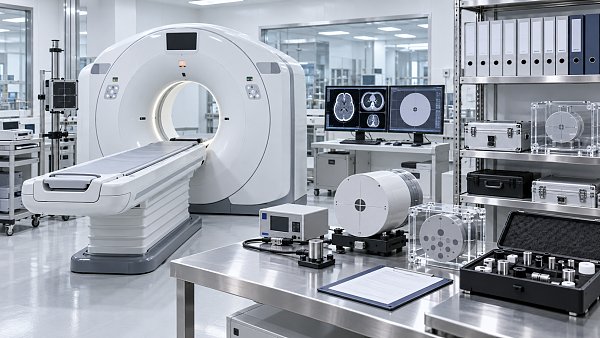
- Calibrate sensors and actuators against traceable standards, then confirm performance across full operating ranges rather than nominal set points only.
- Verify software-hardware integration under real clinical loads, including latency, signal noise, image reconstruction behavior, and fail-safe transitions.
- Stress-test power integrity, thermal management, and EMC resilience to reduce shutdowns, unstable readings, and interference with nearby equipment.
- Map manufacturing data to field performance so recurring deviations can be traced from supplier lots to service incidents and complaint records.
- Document design inputs, verification evidence, and change control history in audit-ready form aligned with FDA, CE MDR, and ISO expectations.
Each point above turns medical device precision engineering into measurable risk control. Precision is not only about better specifications. It is about preventing weak links from becoming patient safety events or regulatory findings.
Scenario guidance across major medical technology applications
Medical imaging systems
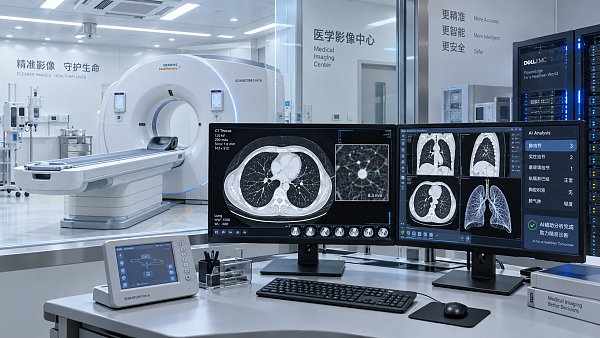
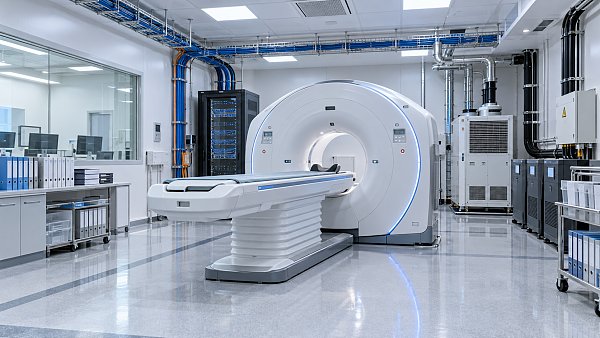
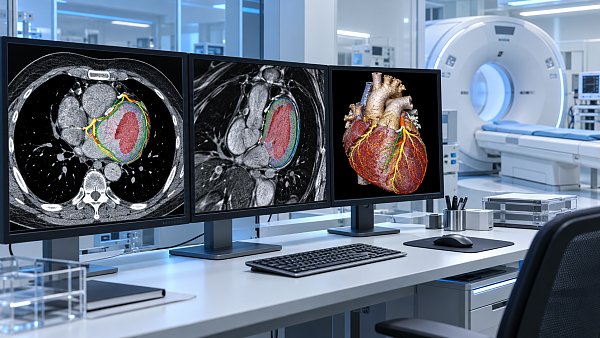
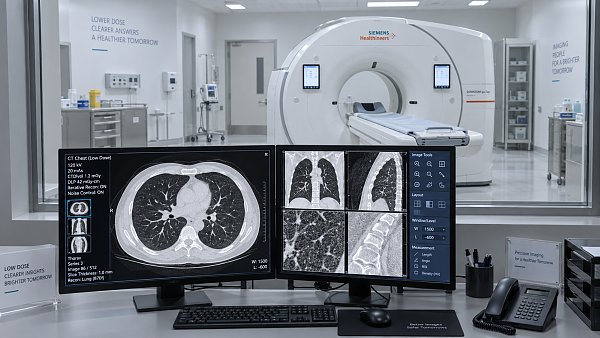
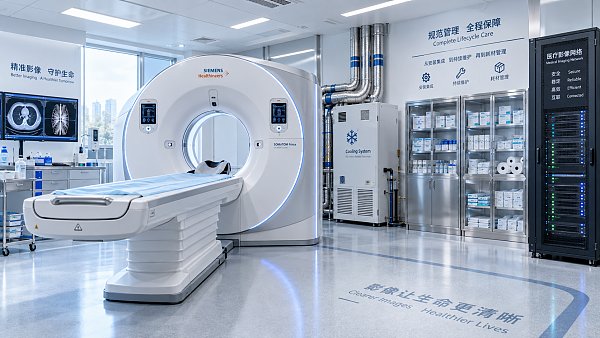
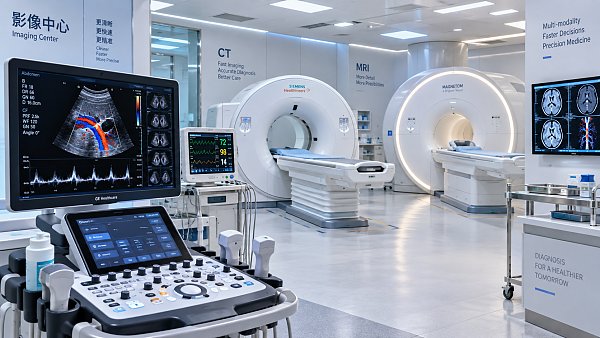
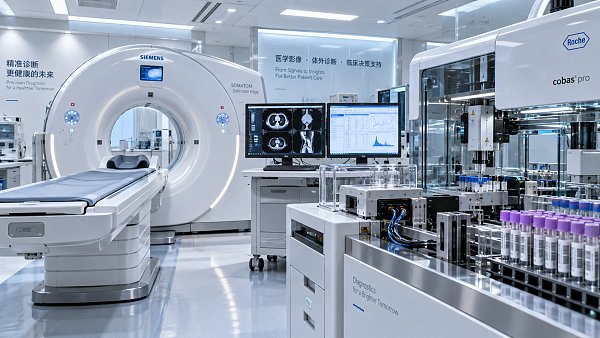
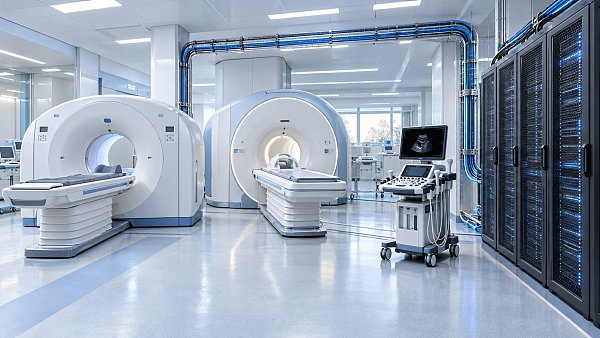
In CT and MRI platforms, precision affects image fidelity, dose management, and diagnostic confidence. Mechanical alignment errors or signal instability can introduce artifacts that delay detection of tumors, vascular lesions, or neurological changes.
Strong medical device precision engineering helps control gantry motion, detector response, RF behavior, and reconstruction consistency. That lowers rescan rates, supports throughput, and strengthens the reliability of clinical interpretation.
IVD and molecular diagnostics
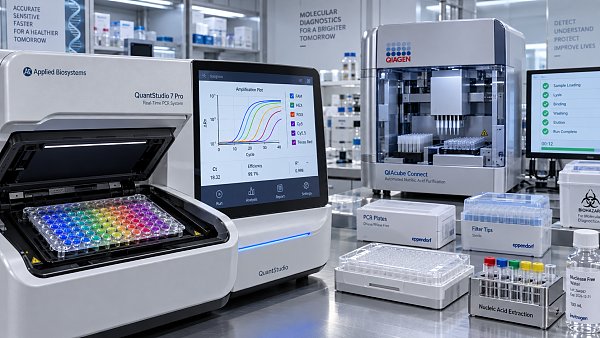
In IVD instruments, tiny fluid volumes and temperature-sensitive reactions leave little room for deviation. Pipetting error, reagent path contamination, or thermal non-uniformity can produce false negatives, false positives, or invalid runs.
Here, medical device precision engineering reduces risk through microfluidic consistency, optical repeatability, and closed-loop thermal control. Better precision directly supports assay reproducibility and laboratory confidence.
Life support and ICU equipment
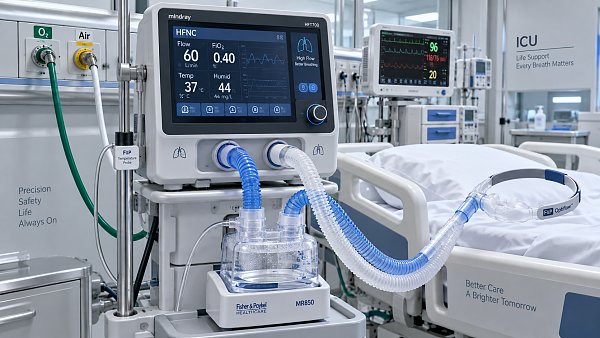
Ventilators, monitors, and ECMO-related systems operate where seconds matter. Flow, pressure, oxygen delivery, and alarm performance must remain stable despite long runtimes and demanding clinical environments.
Precision engineering lowers risk by keeping sensors accurate, valves responsive, and redundancy logic dependable. In these systems, small drifts can become major care disruptions, so verification depth must be high.
Minimally invasive surgical and endoscopy systems
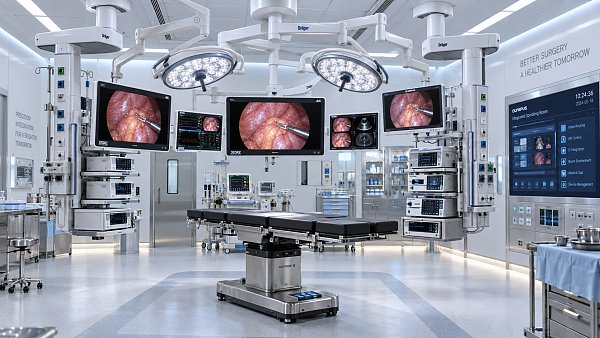
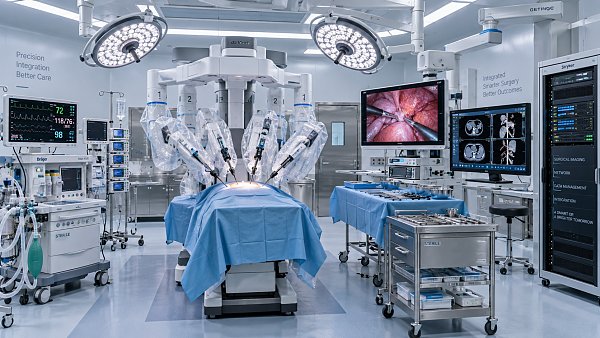
Endoscopes and related surgical platforms depend on optical clarity, articulation accuracy, and durable miniature mechanisms. Fogging, cable fatigue, tip misalignment, or image lag can compromise procedural safety.
Applied well, medical device precision engineering supports smoother navigation, better visualization, and more stable energy delivery. That reduces conversion risk, rework, and avoidable procedural interruptions.
Commonly overlooked risk points
- Supplier variation is treated as a purchasing issue, even when component shifts directly affect calibration stability, sealing performance, or image quality.
- Verification covers ideal laboratory conditions, but not transport shock, repeated cleaning cycles, or fluctuating hospital power environments.
- Software updates are released without full regression testing against hardware tolerances, creating new timing or communication failures.
- Serviceability is ignored during design, making field recalibration slow, inconsistent, or dependent on individual technician skill.
- Complaint data is reviewed qualitatively, without statistical linkage to lot history, environmental exposure, or component revisions.
These gaps matter because they weaken the practical value of medical device precision engineering. Precision on paper does not lower risk unless it survives production, transport, use, maintenance, and change control.
Execution steps that make precision risk reduction real
Start by identifying the few parameters that most strongly influence clinical outcome. In imaging, that may be detector consistency or motion accuracy. In IVD, it may be dispense precision or thermal uniformity. Build verification depth around those parameters first.
Next, connect engineering evidence with quality records. Design FMEA, process validation, calibration logs, CAPA history, and field service reports should point to the same risk picture. This alignment improves both operational control and audit readiness.
Then, establish feedback loops from the field. Track downtime events, alarm anomalies, drift trends, and recurring part replacements. When field intelligence is tied back to design assumptions, medical device precision engineering becomes a living risk management system.
Finally, review precision through a lifecycle lens. A device that meets specification at release may still fail expectations after sterilization cycles, reagent exposure, transport stress, or years of repeated use. Long-term stability must be demonstrated, not assumed.
Summary and next actions
The value of medical device precision engineering is simple: it lowers risk by reducing variability where healthcare can least tolerate it. Better tolerances, stronger validation, disciplined integration, and field-informed controls help protect patients while supporting compliance and performance goals.
Use the checklist above to review one device family, one critical subsystem, and one recurring field issue. Compare design intent with actual service data. That focused exercise often reveals the fastest path to lower failure rates, cleaner audits, and stronger clinical trust.
Recommended News
 Oct 03, 2026How Detection Algorithms Improve Sensitivity and Workflow in Medical ImagingMedical imaging algorithms detection improves sensitivity, manages false positives, and streamlines clinical workflows. Explore validation, integration, and governance essentials.
 Oct 02, 2026High-Flow ICU Ventilators: Key Selection Criteria for Acute Respiratory CareICU ventilators high flow: discover key selection criteria for accurate gas delivery, NIV performance, humidification, alarms, reliability, and safer acute respiratory care.
 Oct 01, 2026How to Evaluate Medical Equipment Intelligence Suppliers for Hospital ProcurementMedical equipment intelligence suppliers: learn how hospitals can assess evidence quality, total cost, compliance, interoperability, and cybersecurity for smarter procurement decisions.
 Sep 30, 2026ISO 13485 Requirements for Blood Testing Instruments: A Buyer’s ChecklistBlood testing instruments ISO 13485 buyer’s checklist: verify certification scope, traceability, installation, consumables, and supplier support before you buy.
 Sep 29, 2026How to Evaluate Integrated Operating Room Systems for Workflow, Imaging, and IT IntegrationIntegrated operating room systems: evaluate workflow, imaging, IT integration, cybersecurity, and lifecycle value to select a scalable surgical solution.
 Sep 28, 2026How to Evaluate a Genetic Testing Equipment Supplier for PCR Lab ProcurementGenetic testing equipment supplier evaluation guide for PCR labs: compare performance, compliance, workflow, service, supply resilience, and total cost.
 Sep 27, 2026How to Specify Custom Benchtop Diagnostic Instruments for Your Assay WorkflowCustom diagnostic instruments benchtop guide: specify optics, fluidics, automation, software integration, and support to build a reliable assay workflow.
 Sep 26, 2026How Cardiac Imaging Analysis Tools Turn CT and MRI Data into Clinical MetricsMedical imaging analysis cardiology tools transform cardiac CT and MRI into reliable metrics. Explore segmentation, validation, workflow integration, and AI review.
 Sep 25, 2026How Iterative Image Reconstruction Algorithms Balance CT Dose, Noise, and DetailIterative image reconstruction algorithms help CT teams balance dose, noise, and diagnostic detail. Explore practical insights for confident imaging decisions.
 Sep 24, 2026What Drives the Total Cost of Medical Technology Solutions Over Their Lifecycle?Medical technology solutions cost goes far beyond purchase price—explore lifecycle drivers from installation and service to software, training, compliance, and downtime.
 Sep 24, 2026Diagnostic Imaging Technology: How Modalities Support Different Clinical DecisionsDiagnostic imaging technology supports smarter clinical decisions across CT, MRI, ultrasound, and nuclear imaging. Explore modality strengths, workflows, and selection factors.
 Sep 22, 2026How Life Science Labs Can Select Biomedical Research Equipment by Workflow and ThroughputBiomedical research equipment life science labs can select with confidence by aligning workflow, throughput, automation, data integrity, and scalable support.
 Sep 21, 2026How to Plan LIS Connectivity for Chemiluminescence Analyzers Without Data GapsChemiluminescence analyzers LIS connectivity: learn how to prevent data gaps with field mapping, exception workflows, end-to-end validation, and reliable go-live planning.
 Sep 20, 2026Selecting Fluorescence PCR Instruments: Detection Channels, Sensitivity, and Workflow FitPCR diagnostic instruments fluorescence detection guide: compare channels, sensitivity, multiplexing, and workflow fit to select a reliable platform.
 Sep 19, 2026Biomedical Signal Processing: From Sensor Data to Clinical Decision SupportBiomedical signal processing transforms sensor data into reliable clinical decision support. Explore AI, imaging, IVD, ICU monitoring, and compliance-ready MedTech insights.
 Sep 18, 2026How to Evaluate a Diagnostic Imaging Platform for Multi-Modality Workflow IntegrationDiagnostic imaging platform evaluation guide: assess multi-modality workflows, interoperability, AI integration, image integrity, security, and scalability for safer clinical decisions.
 Sep 17, 2026ISO 13485 for Medical Imaging Equipment: What Manufacturers Must DocumentMedical imaging equipment ISO 13485: discover essential documentation for design controls, risk management, traceability, software, and post-market quality.
 Sep 16, 2026Robotic MIS Equipment: What Hospitals Should Evaluate Before AdoptionMinimally invasive surgical equipment robotic adoption guide: evaluate workflow, safety, imaging, costs, cybersecurity, and service readiness.
 Sep 15, 2026How to Evaluate Biomedical Signal Processing Suppliers for Clinical Device ProjectsBiomedical signal processing supplier evaluation guide for clinical device teams—compare signal fidelity, regulatory evidence, cybersecurity, integration, and lifecycle support.
 Sep 14, 2026How Integrated Clinical Diagnostics Solutions Reduce Turnaround Time Across Lab WorkflowsIntegrated clinical diagnostics solutions reduce lab turnaround time by connecting workflows, automation, and data. Discover practical strategies for faster, traceable results.
 Sep 13, 2026ECMO System Market Outlook: Demand Drivers, Investment Risks, and Growth OpportunitiesECMO system market outlook explores demand drivers, investment risks, regulatory factors, and growth opportunities shaping critical-care innovation and adoption.
 Sep 12, 2026Where to Find Reliable Medical Device Information for Research and Due DiligenceMedical device information resource guide for due diligence: verify regulatory, clinical, safety, and technical evidence to make confident decisions.
 Sep 11, 2026Medical Equipment Intelligence: A Resource for Comparing Clinical TechnologiesMedical equipment intelligence resource for comparing clinical technologies by clinical fit, compliance, workflow, and total cost—make confident, evidence-led decisions.
 Sep 10, 2026How to Integrate Application-Specific Medical Solutions Into Existing Clinical WorkflowsApplication-specific medical solutions integration: learn how to align clinical workflows, interoperability, safety, and measurable outcomes for reliable deployment.










Related News
- 00
0000-00
How Detection Algorithms Improve Sensitivity and Workflow in Medical Imaging - 00
0000-00
How to Evaluate Integrated Operating Room Systems for Workflow, Imaging, and IT Integration - 00
0000-00
How Cardiac Imaging Analysis Tools Turn CT and MRI Data into Clinical Metrics - 00
0000-00
Diagnostic Imaging Technology: How Modalities Support Different Clinical Decisions - 00
0000-00
How Life Science Labs Can Select Biomedical Research Equipment by Workflow and Throughput
Weekly Insights
Stay ahead with our curated technology reports delivered every Monday.