
How pathological reconstruction algorithms improve image trust
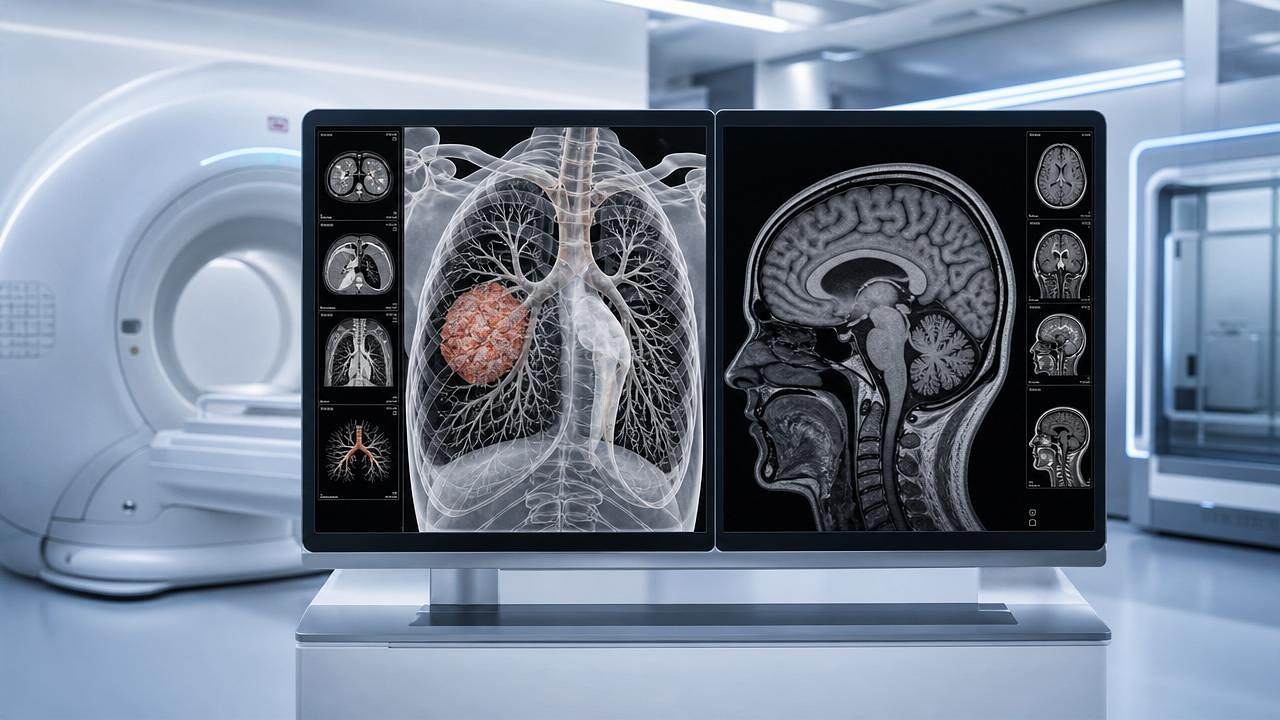




For technical evaluators, image credibility is not limited to visual sharpness. It directly affects diagnostic confidence, workflow consistency, regulatory evidence, and downstream clinical decisions.
Pathological reconstruction algorithms improve image trust by strengthening lesion conspicuity, reducing misleading noise, and preserving tissue-relevant structures across demanding imaging environments.
In modern MedTech, this matters across CT, MRI, endoscopy, hybrid imaging, and AI-assisted review. Trusted reconstruction supports safer interpretation and more defensible quality outcomes.
When image trust becomes a high-stakes clinical scenario
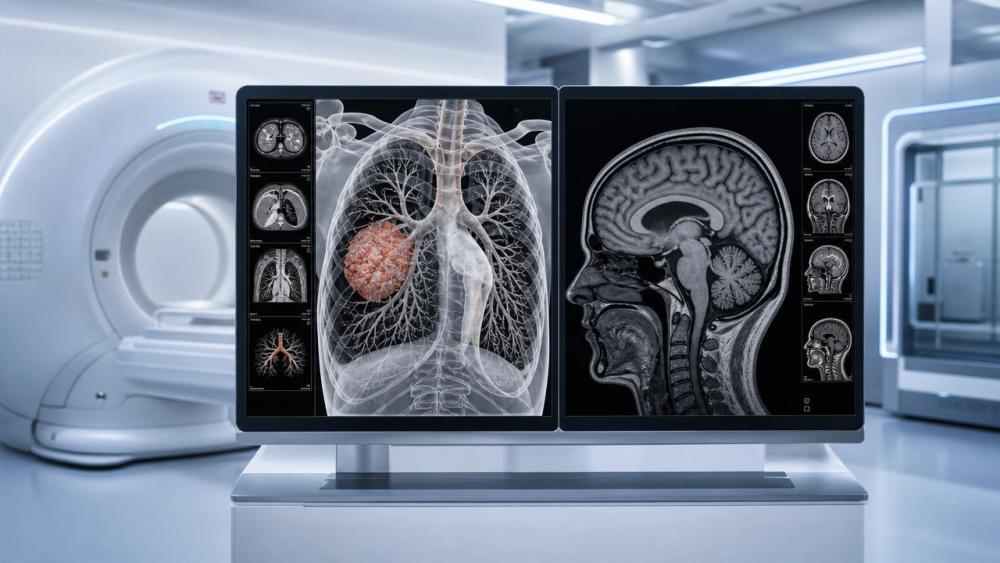
Different clinical scenarios demand different levels of image trust. A screening workflow values speed and repeatability, while oncology follow-up depends on subtle interval change detection.
Pathological reconstruction algorithms matter most when raw signal quality is compromised. Motion, low dose acquisition, metal artifacts, dense anatomy, and weak contrast all challenge reliable reading.
In these settings, trust comes from balanced reconstruction behavior. The algorithm must suppress false patterns without erasing pathology or reshaping tissue boundaries into artificial features.
That balance is increasingly important for compliance-driven healthcare systems. Image outputs must be explainable, reproducible, and clinically consistent across operators, sites, and patient conditions.
Scenario one: low-dose imaging where noise can imitate disease
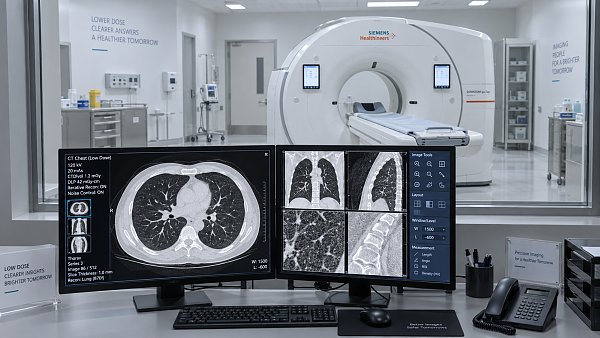
Low-dose CT and pediatric protocols often operate with limited signal. Here, pathological reconstruction algorithms improve image trust by separating random noise from meaningful anatomical texture.
The key judgment point is not whether the image looks smoother. The real test is whether nodules, microcalcifications, vessel edges, or infiltrative changes remain stable and measurable.
What should be checked in low-dose cases
- Consistency of lesion margin visibility across dose levels
- Preservation of fine texture in soft tissue regions
- Absence of waxy smoothing or patch-like artificial patterns
- Stability of quantitative measurements after reconstruction
If the algorithm over-smooths the image, trust declines even if visual noise decreases. Readers may miss early disease because subtle pathology becomes visually flattened.
Scenario two: oncology follow-up where comparability matters more than beauty
In oncology, tiny changes in lesion density, contour, or enhancement pattern can alter treatment plans. Pathological reconstruction algorithms improve image trust when they preserve longitudinal comparability.
The core judgment point is temporal consistency. An algorithm should not make a stable lesion appear changed only because reconstruction logic evolved between scans.
This scenario also requires traceability. Teams need version control, validation records, and clear performance documentation to support clinical audits and multidisciplinary discussion.
Why this scenario is especially sensitive
Cancer care depends on trend interpretation. If image appearance shifts because of reconstruction instability, clinical confidence weakens and unnecessary repeat imaging may increase.
In precision medicine, pathological reconstruction algorithms should support repeatable lesion characterization, not just attractive single-scan presentation.
Scenario three: emergency and ICU imaging where fast trust is essential
Emergency imaging often occurs under motion, unstable breathing, urgent timing, and limited preparation. These conditions increase uncertainty and raise the value of robust reconstruction.
Pathological reconstruction algorithms improve image trust here by reducing motion-related distortion, supporting organ boundary recognition, and helping critical findings stand out quickly.
The judgment point is practical reliability under pressure. Can the reconstructed image support rapid decisions for bleeding, stroke, pulmonary compromise, or line placement verification?
In life-support environments, trusted images reduce hesitation. That strengthens the connection between imaging systems, ICU care, and time-sensitive intervention pathways.
Scenario four: minimally invasive and endoscopic workflows with difficult visual fields
Endoscopic and intraoperative imaging face glare, fogging, fluid interference, and low-contrast tissue boundaries. Reconstruction and enhancement logic influence how pathology is perceived in real time.
Pathological reconstruction algorithms improve image trust when they clarify suspicious mucosal patterns without amplifying reflections, blood noise, or optical distortions.
The key judgment point is whether enhanced visualization still reflects actual tissue behavior. False edge emphasis can mislead decisions during biopsy targeting or minimally invasive dissection.
How scenario needs differ across clinical imaging tasks
Practical adaptation advice for selecting pathological reconstruction algorithms
No single reconstruction strategy fits every scenario. Adaptation should follow disease target, workflow pressure, quantitative needs, and regulatory documentation requirements.
Recommended decision steps
- Define the clinical scenario before comparing image appearance.
- Test pathological reconstruction algorithms on challenging real cases, not ideal datasets.
- Check both subjective confidence and quantitative measurement stability.
- Review artifact behavior near metal, motion, and low-contrast tissue.
- Confirm documentation for validation, updates, and regulatory traceability.
This approach aligns with AMDS priorities across imaging, IVD-linked diagnostics, surgical visualization, and critical care technology intelligence.
Common misjudgments that weaken image trust
A frequent mistake is equating cleaner images with better truth. Some pathological reconstruction algorithms create visually pleasing outputs while quietly reducing pathological fidelity.
Another error is ignoring context. Reconstruction tuned for screening may fail in therapy monitoring, where measurement continuity matters more than aggressive denoising.
Teams also overlook update governance. If software changes are not tracked, image trust can decline because interpretation standards shift invisibly over time.
Finally, some evaluations separate image quality from compliance. In reality, trusted reconstruction must support both clinical performance and defensible quality management evidence.
Next actions for building stronger confidence in reconstructed images
Start with scenario-based validation. Compare pathological reconstruction algorithms under low-dose, follow-up, emergency, and endoscopic conditions using predefined trust criteria.
Then connect image findings with broader MedTech intelligence. Reconstruction performance should be reviewed alongside compliance risk, workflow impact, and measurable clinical utility.
For organizations tracking advanced imaging reliability, AMDS offers a useful lens. It links reconstruction science, device regulation, and precision medicine expectations into one evaluative framework.
When pathological reconstruction algorithms are assessed by scenario rather than aesthetics alone, image trust becomes measurable, actionable, and clinically meaningful.
Recommended News
 Oct 03, 2026How Detection Algorithms Improve Sensitivity and Workflow in Medical ImagingMedical imaging algorithms detection improves sensitivity, manages false positives, and streamlines clinical workflows. Explore validation, integration, and governance essentials.
 Oct 02, 2026High-Flow ICU Ventilators: Key Selection Criteria for Acute Respiratory CareICU ventilators high flow: discover key selection criteria for accurate gas delivery, NIV performance, humidification, alarms, reliability, and safer acute respiratory care.
 Oct 01, 2026How to Evaluate Medical Equipment Intelligence Suppliers for Hospital ProcurementMedical equipment intelligence suppliers: learn how hospitals can assess evidence quality, total cost, compliance, interoperability, and cybersecurity for smarter procurement decisions.
 Sep 30, 2026ISO 13485 Requirements for Blood Testing Instruments: A Buyer’s ChecklistBlood testing instruments ISO 13485 buyer’s checklist: verify certification scope, traceability, installation, consumables, and supplier support before you buy.
 Sep 29, 2026How to Evaluate Integrated Operating Room Systems for Workflow, Imaging, and IT IntegrationIntegrated operating room systems: evaluate workflow, imaging, IT integration, cybersecurity, and lifecycle value to select a scalable surgical solution.
 Sep 28, 2026How to Evaluate a Genetic Testing Equipment Supplier for PCR Lab ProcurementGenetic testing equipment supplier evaluation guide for PCR labs: compare performance, compliance, workflow, service, supply resilience, and total cost.
 Sep 27, 2026How to Specify Custom Benchtop Diagnostic Instruments for Your Assay WorkflowCustom diagnostic instruments benchtop guide: specify optics, fluidics, automation, software integration, and support to build a reliable assay workflow.
 Sep 26, 2026How Cardiac Imaging Analysis Tools Turn CT and MRI Data into Clinical MetricsMedical imaging analysis cardiology tools transform cardiac CT and MRI into reliable metrics. Explore segmentation, validation, workflow integration, and AI review.
 Sep 25, 2026How Iterative Image Reconstruction Algorithms Balance CT Dose, Noise, and DetailIterative image reconstruction algorithms help CT teams balance dose, noise, and diagnostic detail. Explore practical insights for confident imaging decisions.
 Sep 24, 2026What Drives the Total Cost of Medical Technology Solutions Over Their Lifecycle?Medical technology solutions cost goes far beyond purchase price—explore lifecycle drivers from installation and service to software, training, compliance, and downtime.
 Sep 24, 2026Diagnostic Imaging Technology: How Modalities Support Different Clinical DecisionsDiagnostic imaging technology supports smarter clinical decisions across CT, MRI, ultrasound, and nuclear imaging. Explore modality strengths, workflows, and selection factors.
 Sep 22, 2026How Life Science Labs Can Select Biomedical Research Equipment by Workflow and ThroughputBiomedical research equipment life science labs can select with confidence by aligning workflow, throughput, automation, data integrity, and scalable support.
 Sep 21, 2026How to Plan LIS Connectivity for Chemiluminescence Analyzers Without Data GapsChemiluminescence analyzers LIS connectivity: learn how to prevent data gaps with field mapping, exception workflows, end-to-end validation, and reliable go-live planning.
 Sep 20, 2026Selecting Fluorescence PCR Instruments: Detection Channels, Sensitivity, and Workflow FitPCR diagnostic instruments fluorescence detection guide: compare channels, sensitivity, multiplexing, and workflow fit to select a reliable platform.
 Sep 19, 2026Biomedical Signal Processing: From Sensor Data to Clinical Decision SupportBiomedical signal processing transforms sensor data into reliable clinical decision support. Explore AI, imaging, IVD, ICU monitoring, and compliance-ready MedTech insights.
 Sep 18, 2026How to Evaluate a Diagnostic Imaging Platform for Multi-Modality Workflow IntegrationDiagnostic imaging platform evaluation guide: assess multi-modality workflows, interoperability, AI integration, image integrity, security, and scalability for safer clinical decisions.
 Sep 17, 2026ISO 13485 for Medical Imaging Equipment: What Manufacturers Must DocumentMedical imaging equipment ISO 13485: discover essential documentation for design controls, risk management, traceability, software, and post-market quality.
 Sep 16, 2026Robotic MIS Equipment: What Hospitals Should Evaluate Before AdoptionMinimally invasive surgical equipment robotic adoption guide: evaluate workflow, safety, imaging, costs, cybersecurity, and service readiness.
 Sep 15, 2026How to Evaluate Biomedical Signal Processing Suppliers for Clinical Device ProjectsBiomedical signal processing supplier evaluation guide for clinical device teams—compare signal fidelity, regulatory evidence, cybersecurity, integration, and lifecycle support.
 Sep 14, 2026How Integrated Clinical Diagnostics Solutions Reduce Turnaround Time Across Lab WorkflowsIntegrated clinical diagnostics solutions reduce lab turnaround time by connecting workflows, automation, and data. Discover practical strategies for faster, traceable results.
 Sep 13, 2026ECMO System Market Outlook: Demand Drivers, Investment Risks, and Growth OpportunitiesECMO system market outlook explores demand drivers, investment risks, regulatory factors, and growth opportunities shaping critical-care innovation and adoption.
 Sep 12, 2026Where to Find Reliable Medical Device Information for Research and Due DiligenceMedical device information resource guide for due diligence: verify regulatory, clinical, safety, and technical evidence to make confident decisions.
 Sep 11, 2026Medical Equipment Intelligence: A Resource for Comparing Clinical TechnologiesMedical equipment intelligence resource for comparing clinical technologies by clinical fit, compliance, workflow, and total cost—make confident, evidence-led decisions.
 Sep 10, 2026How to Integrate Application-Specific Medical Solutions Into Existing Clinical WorkflowsApplication-specific medical solutions integration: learn how to align clinical workflows, interoperability, safety, and measurable outcomes for reliable deployment.







Related News
- 00
0000-00
How Iterative Image Reconstruction Algorithms Balance CT Dose, Noise, and Detail - 00
0000-00
Lead Glass Applications in Imaging Rooms: A Practical Buyer Guide - 00
0000-00
Medical Imaging Diagnostics Systems: Core Modalities, Use Cases, and Trade-Offs - 00
0000-00
AI in Medical Imaging Radiology: Where It Improves Reading Speed and Where It Falls Short - 00
0000-00
Saudi SFDA Opens 18-Day Fast Track for DR Devices
Weekly Insights
Stay ahead with our curated technology reports delivered every Monday.