
How advanced diagnostic algorithms reduce missed findings
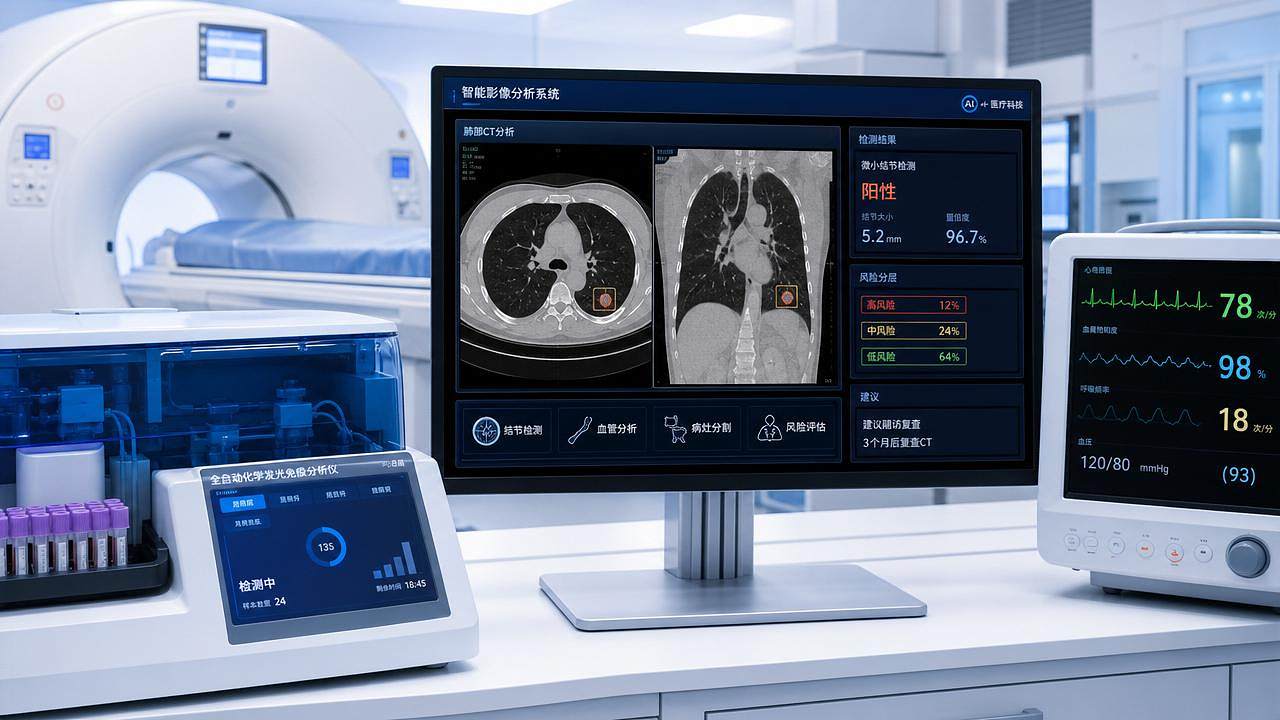




Why do missed findings persist when scanners, assays, and connectivity keep improving? The answer often lies beyond hardware performance. Advanced diagnostic algorithms now target interpretation gaps, workflow friction, and fragmented evidence.
Across imaging, IVD, life support monitoring, and minimally invasive care, advanced diagnostic algorithms are becoming the reliability layer. They help reveal subtle abnormalities, prioritize urgent cases, and connect signals that clinicians may otherwise review separately.
For AMDS, this shift matters because precision medicine depends on more than clearer images or faster tests. It depends on trustworthy computational support that reduces overlooked risks while respecting compliance, explainability, and clinical timing.
Missed findings are no longer seen as isolated human error
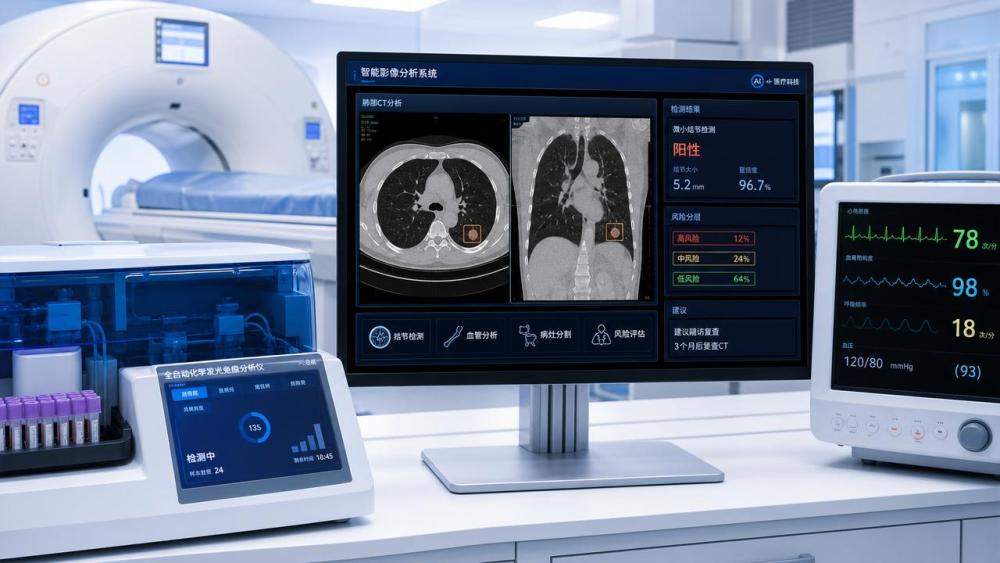
A major trend signal is changing how healthcare systems define diagnostic quality. The focus is moving from device output alone toward end-to-end detection performance across acquisition, reconstruction, interpretation, reporting, and follow-up.
In radiology, small nodules, subtle hemorrhage, early ischemia, and incidental lesions remain vulnerable to under-detection. In IVD, weak biomarker expression, borderline results, and preanalytical variation may delay accurate interpretation.
Advanced diagnostic algorithms address this by acting at several points. Some improve image reconstruction. Some detect suspicious regions. Others correlate laboratory, physiological, and historical data to raise confidence around clinical decisions.
This trend is especially relevant in high-volume environments. More scans, more tests, and more complex patients increase cognitive load. Advanced diagnostic algorithms reduce missed findings by structuring attention where it matters most.
Several forces are accelerating algorithm-led diagnostic reliability
The rise of advanced diagnostic algorithms is not driven by one breakthrough. It is the result of clinical, technical, and economic pressures converging across modern healthcare systems.
AMDS closely tracks this convergence because it connects device engineering with market access, clinical evidence, and measurable care value. Advanced diagnostic algorithms matter most when technical gains translate into dependable bedside outcomes.
Where advanced diagnostic algorithms create the biggest change
Medical imaging is moving from clearer pictures to smarter detection
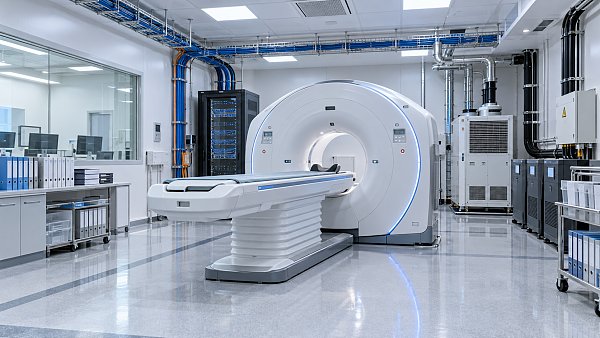
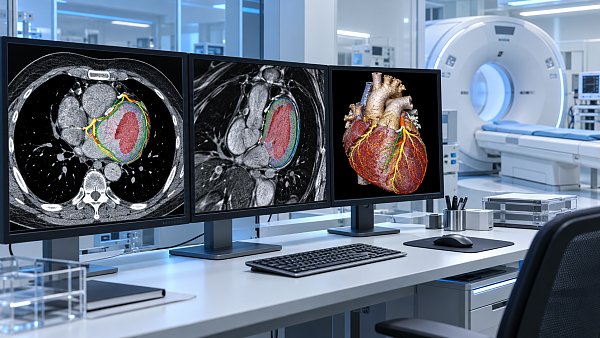
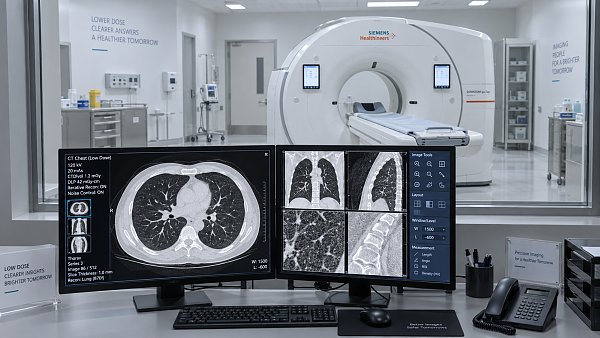
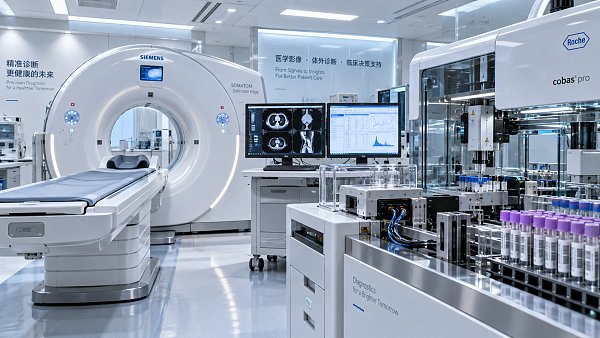
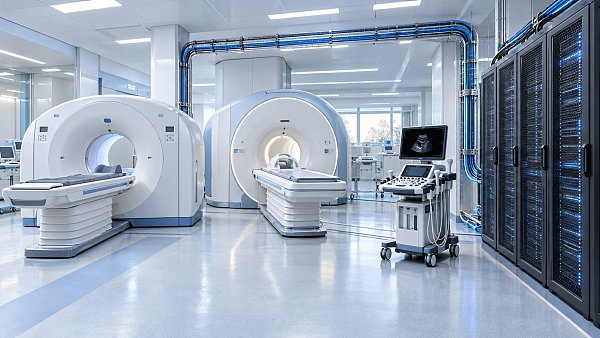
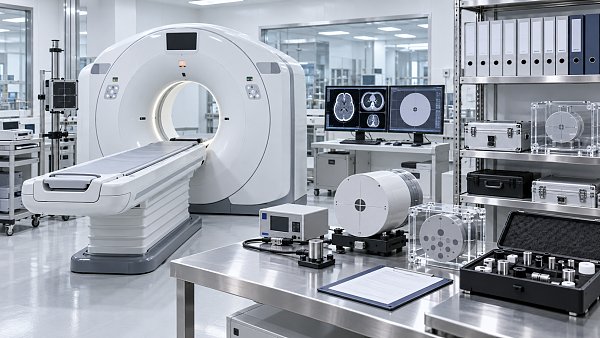
In CT and MRI, advanced diagnostic algorithms improve reconstruction quality, suppress noise, and preserve detail at lower dose or faster acquisition. That matters because poor visibility often hides the earliest signs of disease.
Detection models then add a second layer. They mark candidate lesions, compare morphology, and prioritize suspicious findings. This reduces the chance that subtle abnormalities disappear within long reading queues.
IVD is gaining stronger decision support around borderline results
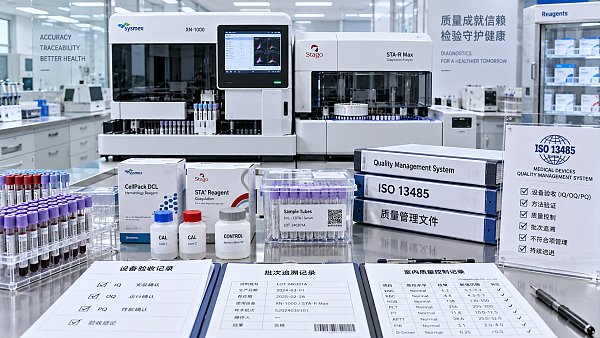
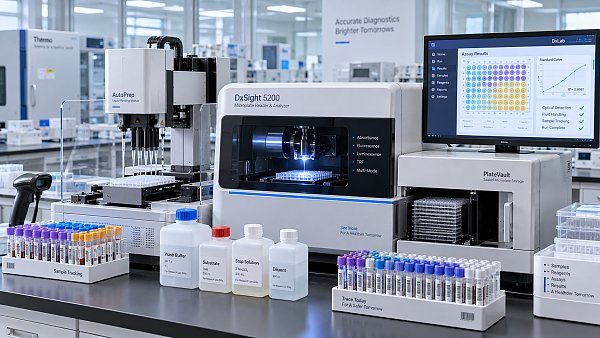
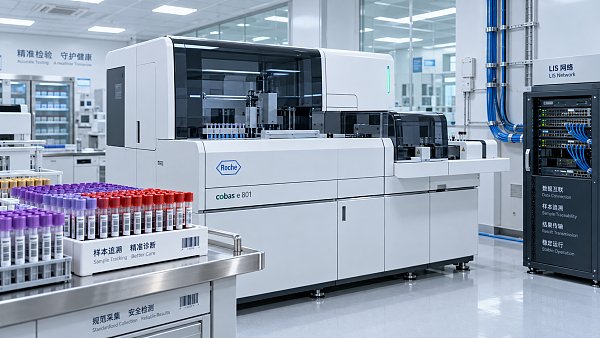
Laboratory diagnostics increasingly rely on advanced diagnostic algorithms to interpret weak signals, normalize instrument variation, and correlate biomarkers with patient context. This is critical when isolated values appear inconclusive.
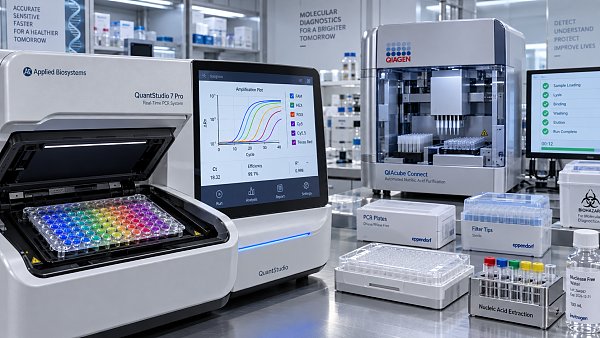
For PCR, immunoassay, and chemiluminescence platforms, advanced diagnostic algorithms can combine threshold behavior, kinetics, and prior results. The result is fewer overlooked disease indicators and more stable clinical confidence.
Critical care and surgery benefit from earlier warning patterns
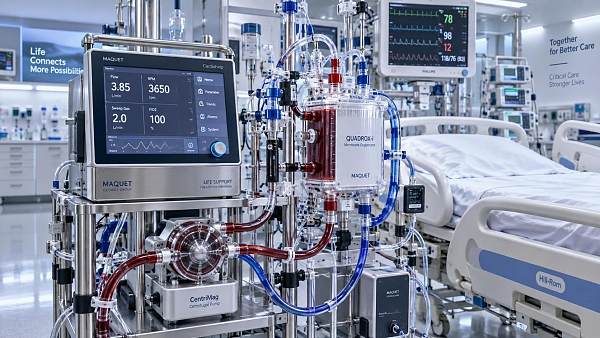
In ICU and operating environments, missed findings are not always images or lab values. They can be deteriorating trends. Advanced diagnostic algorithms identify hidden instability across ventilator, ECMO, hemodynamic, and oxygenation data streams.
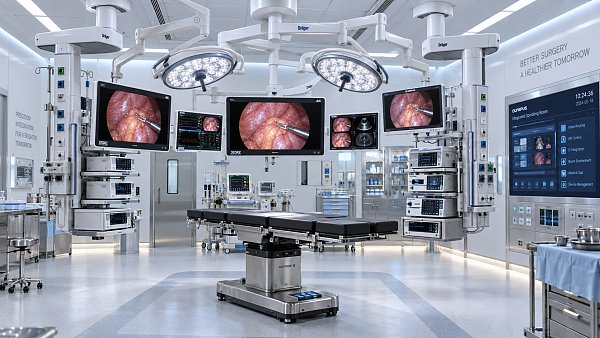
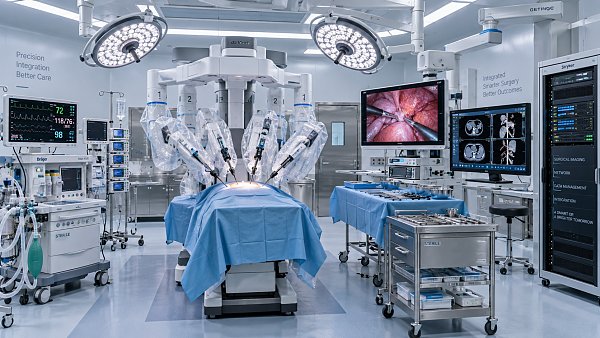
Endoscopy also benefits. Algorithms improve visibility, support lesion recognition, and reduce the chance of missing abnormal tissue during fast procedural movement. This is highly relevant to minimally invasive intervention quality.
The impact extends across multiple business and clinical links
The influence of advanced diagnostic algorithms is broader than interpretation alone. It affects product design, evidence generation, regulatory strategy, deployment planning, and post-market performance tracking.
- R&D teams must prove sensitivity gains without unacceptable false positives.
- Clinical validation programs need diverse datasets and real-world testing.
- Regulatory pathways require transparency, traceability, and risk controls.
- Hospital integration depends on PACS, LIS, and reporting workflow compatibility.
- Health economics assessments must connect detection gains with downstream savings.
This is where AMDS intelligence becomes useful. The value of advanced diagnostic algorithms rises when compliance, engineering, and ROI are evaluated together instead of as isolated project tracks.
What deserves close attention as the market matures
Not every algorithm meaningfully reduces missed findings. Some improve workflow speed but add little clinical value. Others perform well in controlled studies yet weaken across populations, equipment brands, or site-specific practices.
The strongest evaluation focus should remain practical and evidence-based. Several checkpoints are becoming essential for judging advanced diagnostic algorithms in real deployment settings.
- Detection benefit in difficult, low-contrast, or rare-case scenarios.
- False-negative reduction measured against standard workflow baselines.
- Robustness across demographic, anatomical, and device variability.
- Explainability that supports review rather than distracting from it.
- Auditability aligned with FDA, CE MDR, and quality management requirements.
- Update governance for model drift and post-market performance changes.
Advanced diagnostic algorithms should be treated as clinical infrastructure, not simple software features. That framing improves long-term reliability planning and reduces the risk of superficial adoption.
A practical response framework is becoming easier to define
A useful response starts with identifying where missed findings occur most often. That may be low-visibility imaging, ambiguous lab interpretation, delayed critical care escalation, or inconsistent endoscopic detection.
The next step is to measure performance using clinically meaningful endpoints. Time-to-detection, false-negative reduction, reader consistency, and downstream treatment impact are more valuable than isolated technical scores.
The next competitive edge will come from trusted integration
The future of advanced diagnostic algorithms will not be decided by raw model novelty alone. Competitive advantage will come from validated integration across hardware, workflow, compliance, and outcomes.
That is why AMDS continues to observe the full diagnostic chain. From image reconstruction and molecular signal interpretation to critical life support intelligence, the goal remains the same: reduce missed findings without adding unsafe complexity.
If advanced diagnostic algorithms are under review, start with one question: where does overlooked risk still survive inside current diagnostic flow? Mapping that gap creates the clearest path toward measurable precision, safer decisions, and stronger clinical trust.
Recommended News
 Oct 05, 2026Global Medical Procurement Planning: How Hospitals Can Reduce Supply Risk and CostGlobal medical procurement planning helps hospitals reduce supply risk, control lifecycle costs, and protect care continuity through smarter sourcing, service, and compliance strategies.
 Oct 03, 2026How Detection Algorithms Improve Sensitivity and Workflow in Medical ImagingMedical imaging algorithms detection improves sensitivity, manages false positives, and streamlines clinical workflows. Explore validation, integration, and governance essentials.
 Oct 02, 2026High-Flow ICU Ventilators: Key Selection Criteria for Acute Respiratory CareICU ventilators high flow: discover key selection criteria for accurate gas delivery, NIV performance, humidification, alarms, reliability, and safer acute respiratory care.
 Oct 01, 2026How to Evaluate Medical Equipment Intelligence Suppliers for Hospital ProcurementMedical equipment intelligence suppliers: learn how hospitals can assess evidence quality, total cost, compliance, interoperability, and cybersecurity for smarter procurement decisions.
 Sep 30, 2026ISO 13485 Requirements for Blood Testing Instruments: A Buyer’s ChecklistBlood testing instruments ISO 13485 buyer’s checklist: verify certification scope, traceability, installation, consumables, and supplier support before you buy.
 Sep 29, 2026How to Evaluate Integrated Operating Room Systems for Workflow, Imaging, and IT IntegrationIntegrated operating room systems: evaluate workflow, imaging, IT integration, cybersecurity, and lifecycle value to select a scalable surgical solution.
 Sep 28, 2026How to Evaluate a Genetic Testing Equipment Supplier for PCR Lab ProcurementGenetic testing equipment supplier evaluation guide for PCR labs: compare performance, compliance, workflow, service, supply resilience, and total cost.
 Sep 27, 2026How to Specify Custom Benchtop Diagnostic Instruments for Your Assay WorkflowCustom diagnostic instruments benchtop guide: specify optics, fluidics, automation, software integration, and support to build a reliable assay workflow.
 Sep 26, 2026How Cardiac Imaging Analysis Tools Turn CT and MRI Data into Clinical MetricsMedical imaging analysis cardiology tools transform cardiac CT and MRI into reliable metrics. Explore segmentation, validation, workflow integration, and AI review.
 Sep 25, 2026How Iterative Image Reconstruction Algorithms Balance CT Dose, Noise, and DetailIterative image reconstruction algorithms help CT teams balance dose, noise, and diagnostic detail. Explore practical insights for confident imaging decisions.
 Sep 24, 2026What Drives the Total Cost of Medical Technology Solutions Over Their Lifecycle?Medical technology solutions cost goes far beyond purchase price—explore lifecycle drivers from installation and service to software, training, compliance, and downtime.
 Sep 24, 2026Diagnostic Imaging Technology: How Modalities Support Different Clinical DecisionsDiagnostic imaging technology supports smarter clinical decisions across CT, MRI, ultrasound, and nuclear imaging. Explore modality strengths, workflows, and selection factors.
 Sep 22, 2026How Life Science Labs Can Select Biomedical Research Equipment by Workflow and ThroughputBiomedical research equipment life science labs can select with confidence by aligning workflow, throughput, automation, data integrity, and scalable support.
 Sep 21, 2026How to Plan LIS Connectivity for Chemiluminescence Analyzers Without Data GapsChemiluminescence analyzers LIS connectivity: learn how to prevent data gaps with field mapping, exception workflows, end-to-end validation, and reliable go-live planning.
 Sep 20, 2026Selecting Fluorescence PCR Instruments: Detection Channels, Sensitivity, and Workflow FitPCR diagnostic instruments fluorescence detection guide: compare channels, sensitivity, multiplexing, and workflow fit to select a reliable platform.
 Sep 19, 2026Biomedical Signal Processing: From Sensor Data to Clinical Decision SupportBiomedical signal processing transforms sensor data into reliable clinical decision support. Explore AI, imaging, IVD, ICU monitoring, and compliance-ready MedTech insights.
 Sep 18, 2026How to Evaluate a Diagnostic Imaging Platform for Multi-Modality Workflow IntegrationDiagnostic imaging platform evaluation guide: assess multi-modality workflows, interoperability, AI integration, image integrity, security, and scalability for safer clinical decisions.
 Sep 17, 2026ISO 13485 for Medical Imaging Equipment: What Manufacturers Must DocumentMedical imaging equipment ISO 13485: discover essential documentation for design controls, risk management, traceability, software, and post-market quality.
 Sep 16, 2026Robotic MIS Equipment: What Hospitals Should Evaluate Before AdoptionMinimally invasive surgical equipment robotic adoption guide: evaluate workflow, safety, imaging, costs, cybersecurity, and service readiness.
 Sep 15, 2026How to Evaluate Biomedical Signal Processing Suppliers for Clinical Device ProjectsBiomedical signal processing supplier evaluation guide for clinical device teams—compare signal fidelity, regulatory evidence, cybersecurity, integration, and lifecycle support.
 Sep 14, 2026How Integrated Clinical Diagnostics Solutions Reduce Turnaround Time Across Lab WorkflowsIntegrated clinical diagnostics solutions reduce lab turnaround time by connecting workflows, automation, and data. Discover practical strategies for faster, traceable results.
 Sep 13, 2026ECMO System Market Outlook: Demand Drivers, Investment Risks, and Growth OpportunitiesECMO system market outlook explores demand drivers, investment risks, regulatory factors, and growth opportunities shaping critical-care innovation and adoption.
 Sep 12, 2026Where to Find Reliable Medical Device Information for Research and Due DiligenceMedical device information resource guide for due diligence: verify regulatory, clinical, safety, and technical evidence to make confident decisions.
 Sep 11, 2026Medical Equipment Intelligence: A Resource for Comparing Clinical TechnologiesMedical equipment intelligence resource for comparing clinical technologies by clinical fit, compliance, workflow, and total cost—make confident, evidence-led decisions.






Related News
- 00
0000-00
How Detection Algorithms Improve Sensitivity and Workflow in Medical Imaging - 00
0000-00
How to Evaluate Integrated Operating Room Systems for Workflow, Imaging, and IT Integration - 00
0000-00
How Cardiac Imaging Analysis Tools Turn CT and MRI Data into Clinical Metrics - 00
0000-00
Diagnostic Imaging Technology: How Modalities Support Different Clinical Decisions - 00
0000-00
How Life Science Labs Can Select Biomedical Research Equipment by Workflow and Throughput
Weekly Insights
Stay ahead with our curated technology reports delivered every Monday.