
When biomedical signal intelligence improves ICU decisions





Biomedical signal intelligence is moving from monitoring to ICU decision support
In the ICU, seconds matter and fragmented data can delay life-saving action.
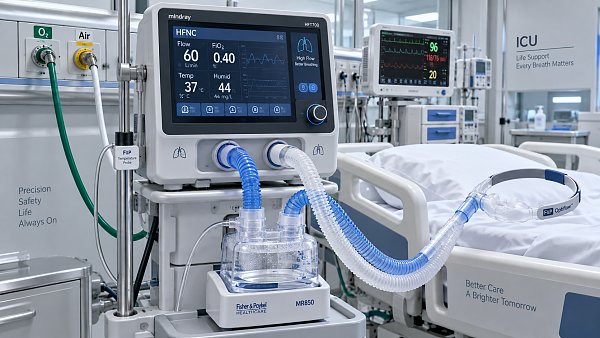
Biomedical signal intelligence helps operators turn continuous streams from ventilators, monitors, and life support systems into clearer clinical insights.
It supports faster recognition of instability and more confident bedside decisions.
For critical care environments, biomedical signal intelligence is becoming a practical bridge between raw physiology, device behavior, and safer response.

This shift matters far beyond software alone.
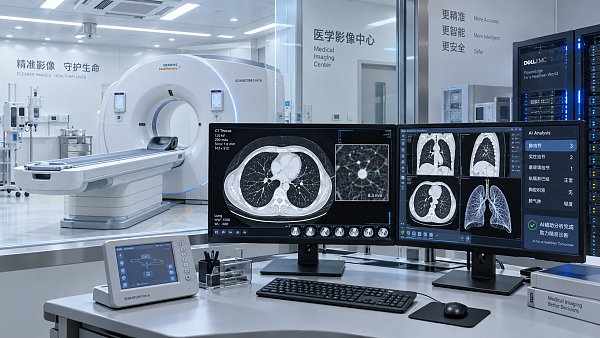
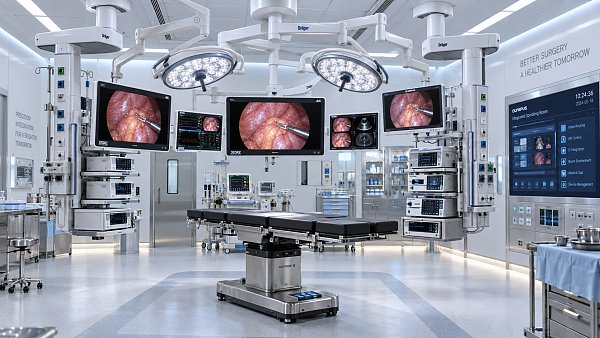
It connects medical imaging, IVD, life support, and surgical systems into a more continuous clinical intelligence loop.
Within that loop, AMDS tracks how signal interpretation, compliance demands, and operational pressure are reshaping modern critical care decisions.
Why ICU data streams are becoming a stronger trend signal
The ICU no longer relies on isolated numeric snapshots.
Care teams increasingly work with waveforms, time-series alerts, ventilator parameters, infusion trends, and laboratory updates arriving at different speeds.
That complexity creates a demand for biomedical signal intelligence that can identify pattern changes before obvious deterioration appears.
A small drift in oxygenation, pressure variability, or perfusion quality may be clinically meaningful when interpreted in context.
Without context, the same drift may be ignored as noise.
This is why biomedical signal intelligence is gaining strategic value.
It helps convert crowded bedside outputs into usable evidence for triage, escalation, and therapy adjustment.
A visible change in critical care operations
Several operational signals show this trend is no longer experimental.
- Alarm fatigue is pushing demand for better signal prioritization.
- Ventilator and ECMO settings require tighter interpretation under unstable physiology.
- Cross-device interoperability is becoming essential for clearer clinical timelines.
- AI-assisted workflows need reliable physiological inputs, not only more dashboards.
- Documentation and audit expectations are increasing around clinical decisions.
What is driving biomedical signal intelligence adoption now
The rise of biomedical signal intelligence is not driven by one technology.
It is the result of converging clinical, technical, and regulatory pressures across advanced healthcare systems.
How this trend affects critical care, diagnostics, and device strategy
The impact of biomedical signal intelligence reaches beyond ICU bedside displays.
It influences how clinical evidence is connected across imaging, IVD, and life support workflows.
For critical care response
Signal-based pattern recognition can highlight instability earlier than threshold alarms alone.
That may improve escalation timing during sepsis, respiratory failure, arrhythmia, or hemodynamic decline.
For equipment performance understanding
Biomedical signal intelligence also helps distinguish patient deterioration from sensor error, tubing issues, or ventilator synchronization problems.
This protects clinical judgment from being distorted by low-quality or misleading outputs.
For broader diagnostic integration
When physiological signals are aligned with imaging findings and biomarker results, decisions can become more precise.
A waveform trend may support a scan result or explain why lab deterioration needs immediate intervention.
- Faster recognition of unstable trajectories.
- Better prioritization of alarms and interventions.
- More consistent interpretation across shifts.
- Stronger linkage between device output and clinical accountability.
Where attention should focus as biomedical signal intelligence matures
Not every ICU analytics tool delivers equal value.
The next phase will reward practical, validated, and clinically interpretable biomedical signal intelligence.
Core points worth close attention
- Signal quality management must come before advanced prediction.
- Multi-device data stitching should preserve time accuracy and context.
- Clinical interfaces should show why a signal matters, not only that it changed.
- Models need validation across patient populations and care conditions.
- Compliance pathways should be built early, especially for global market access.
- Economic value must include reduced delays, fewer false alarms, and workflow efficiency.
This is where AMDS intelligence becomes relevant.
Advanced medtech no longer competes only on hardware specifications.
It competes on how well biomedical signal intelligence supports safe decisions under pressure.
Practical judgment framework for the next stage of ICU intelligence
A useful response starts with disciplined evaluation, not broad enthusiasm.
The following framework helps assess whether biomedical signal intelligence is truly decision-ready.
The next move is to turn signal visibility into decision reliability
The direction is clear.
ICU environments are generating more data, but better outcomes depend on better interpretation.
Biomedical signal intelligence will matter most where it reduces ambiguity, supports safer intervention, and respects real clinical workflow.
A practical next step is to review current signal sources, map alert bottlenecks, and identify where integrated physiological interpretation could improve response quality.
Within advanced medtech, that review can reveal where intelligence stitching creates measurable value across critical care and precision diagnostics.
For organizations following the frontier of medical imaging, IVD, life support, and minimally invasive systems, biomedical signal intelligence is no longer a distant concept.
It is becoming part of how modern healthcare protects life when every signal counts.
Recommended News
 Oct 03, 2026How Detection Algorithms Improve Sensitivity and Workflow in Medical ImagingMedical imaging algorithms detection improves sensitivity, manages false positives, and streamlines clinical workflows. Explore validation, integration, and governance essentials.
 Oct 02, 2026High-Flow ICU Ventilators: Key Selection Criteria for Acute Respiratory CareICU ventilators high flow: discover key selection criteria for accurate gas delivery, NIV performance, humidification, alarms, reliability, and safer acute respiratory care.
 Oct 01, 2026How to Evaluate Medical Equipment Intelligence Suppliers for Hospital ProcurementMedical equipment intelligence suppliers: learn how hospitals can assess evidence quality, total cost, compliance, interoperability, and cybersecurity for smarter procurement decisions.
 Sep 30, 2026ISO 13485 Requirements for Blood Testing Instruments: A Buyer’s ChecklistBlood testing instruments ISO 13485 buyer’s checklist: verify certification scope, traceability, installation, consumables, and supplier support before you buy.
 Sep 29, 2026How to Evaluate Integrated Operating Room Systems for Workflow, Imaging, and IT IntegrationIntegrated operating room systems: evaluate workflow, imaging, IT integration, cybersecurity, and lifecycle value to select a scalable surgical solution.
 Sep 28, 2026How to Evaluate a Genetic Testing Equipment Supplier for PCR Lab ProcurementGenetic testing equipment supplier evaluation guide for PCR labs: compare performance, compliance, workflow, service, supply resilience, and total cost.
 Sep 27, 2026How to Specify Custom Benchtop Diagnostic Instruments for Your Assay WorkflowCustom diagnostic instruments benchtop guide: specify optics, fluidics, automation, software integration, and support to build a reliable assay workflow.
 Sep 26, 2026How Cardiac Imaging Analysis Tools Turn CT and MRI Data into Clinical MetricsMedical imaging analysis cardiology tools transform cardiac CT and MRI into reliable metrics. Explore segmentation, validation, workflow integration, and AI review.
 Sep 25, 2026How Iterative Image Reconstruction Algorithms Balance CT Dose, Noise, and DetailIterative image reconstruction algorithms help CT teams balance dose, noise, and diagnostic detail. Explore practical insights for confident imaging decisions.
 Sep 24, 2026What Drives the Total Cost of Medical Technology Solutions Over Their Lifecycle?Medical technology solutions cost goes far beyond purchase price—explore lifecycle drivers from installation and service to software, training, compliance, and downtime.
 Sep 24, 2026Diagnostic Imaging Technology: How Modalities Support Different Clinical DecisionsDiagnostic imaging technology supports smarter clinical decisions across CT, MRI, ultrasound, and nuclear imaging. Explore modality strengths, workflows, and selection factors.
 Sep 22, 2026How Life Science Labs Can Select Biomedical Research Equipment by Workflow and ThroughputBiomedical research equipment life science labs can select with confidence by aligning workflow, throughput, automation, data integrity, and scalable support.
 Sep 21, 2026How to Plan LIS Connectivity for Chemiluminescence Analyzers Without Data GapsChemiluminescence analyzers LIS connectivity: learn how to prevent data gaps with field mapping, exception workflows, end-to-end validation, and reliable go-live planning.
 Sep 20, 2026Selecting Fluorescence PCR Instruments: Detection Channels, Sensitivity, and Workflow FitPCR diagnostic instruments fluorescence detection guide: compare channels, sensitivity, multiplexing, and workflow fit to select a reliable platform.
 Sep 19, 2026Biomedical Signal Processing: From Sensor Data to Clinical Decision SupportBiomedical signal processing transforms sensor data into reliable clinical decision support. Explore AI, imaging, IVD, ICU monitoring, and compliance-ready MedTech insights.
 Sep 18, 2026How to Evaluate a Diagnostic Imaging Platform for Multi-Modality Workflow IntegrationDiagnostic imaging platform evaluation guide: assess multi-modality workflows, interoperability, AI integration, image integrity, security, and scalability for safer clinical decisions.
 Sep 17, 2026ISO 13485 for Medical Imaging Equipment: What Manufacturers Must DocumentMedical imaging equipment ISO 13485: discover essential documentation for design controls, risk management, traceability, software, and post-market quality.
 Sep 16, 2026Robotic MIS Equipment: What Hospitals Should Evaluate Before AdoptionMinimally invasive surgical equipment robotic adoption guide: evaluate workflow, safety, imaging, costs, cybersecurity, and service readiness.
 Sep 15, 2026How to Evaluate Biomedical Signal Processing Suppliers for Clinical Device ProjectsBiomedical signal processing supplier evaluation guide for clinical device teams—compare signal fidelity, regulatory evidence, cybersecurity, integration, and lifecycle support.
 Sep 14, 2026How Integrated Clinical Diagnostics Solutions Reduce Turnaround Time Across Lab WorkflowsIntegrated clinical diagnostics solutions reduce lab turnaround time by connecting workflows, automation, and data. Discover practical strategies for faster, traceable results.
 Sep 13, 2026ECMO System Market Outlook: Demand Drivers, Investment Risks, and Growth OpportunitiesECMO system market outlook explores demand drivers, investment risks, regulatory factors, and growth opportunities shaping critical-care innovation and adoption.
 Sep 12, 2026Where to Find Reliable Medical Device Information for Research and Due DiligenceMedical device information resource guide for due diligence: verify regulatory, clinical, safety, and technical evidence to make confident decisions.
 Sep 11, 2026Medical Equipment Intelligence: A Resource for Comparing Clinical TechnologiesMedical equipment intelligence resource for comparing clinical technologies by clinical fit, compliance, workflow, and total cost—make confident, evidence-led decisions.
 Sep 10, 2026How to Integrate Application-Specific Medical Solutions Into Existing Clinical WorkflowsApplication-specific medical solutions integration: learn how to align clinical workflows, interoperability, safety, and measurable outcomes for reliable deployment.









Related News
- 00
0000-00
High-Flow ICU Ventilators: Key Selection Criteria for Acute Respiratory Care - 00
0000-00
Ventilator Comparison for ICU and Transport Use: Which Features Matter Most? - 00
0000-00
What Pre-Market Testing Is Mandatory for Ventilator CE Marking? - 00
0000-00
ICU Ventilator Comparison: Which Features Matter for Patient Acuity Levels? - 00
0000-00
Critical Care Equipment Market Trends: Which Segments Are Growing Fastest?
Weekly Insights
Stay ahead with our curated technology reports delivered every Monday.