
Kuwait Bans HCFC-Based MRI Cooling Systems Import
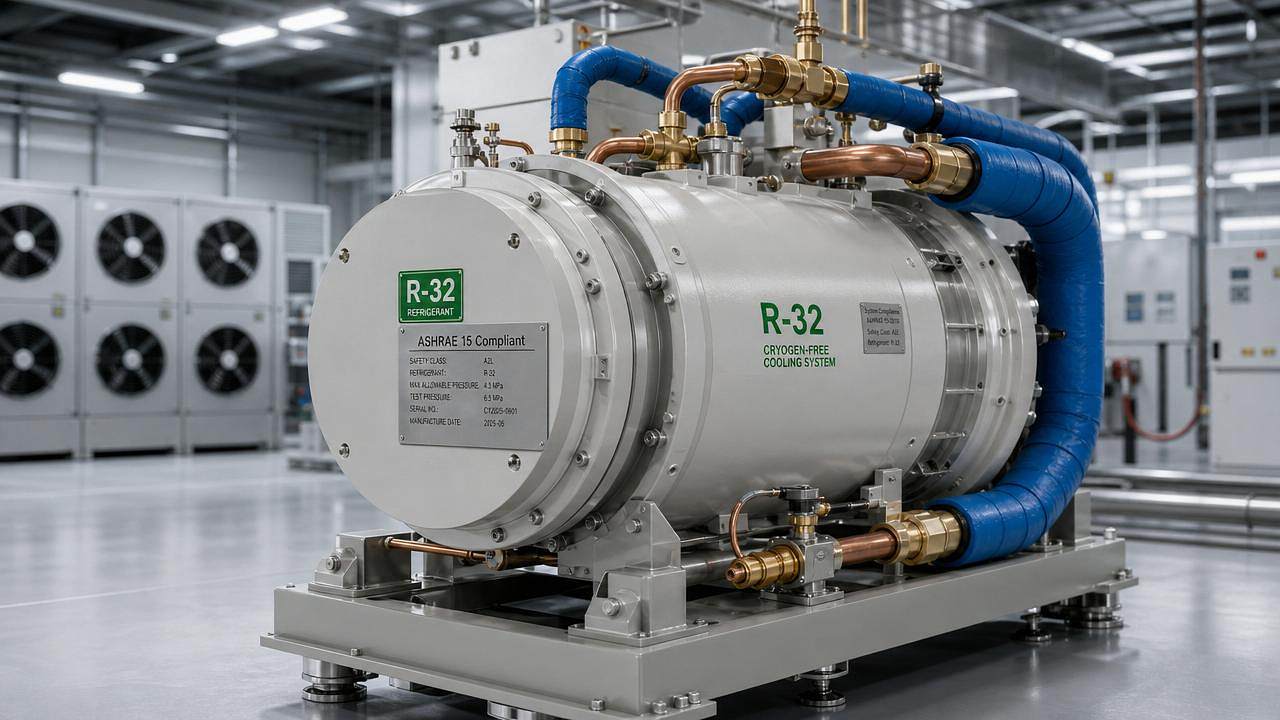




Kuwait’s environmental regulator has enacted a sudden, binding restriction on medical equipment using ozone-depleting refrigerants — triggering urgent recalibration across global MRI supply chains. Effective 21 May 2026, the ban directly impacts exporters of superconducting magnetic resonance imaging (MRI) systems and their dedicated cryogenic cooling units, reflecting Kuwait’s accelerated alignment with the Montreal Protocol’s HCFC phase-out schedule.
Event Overview
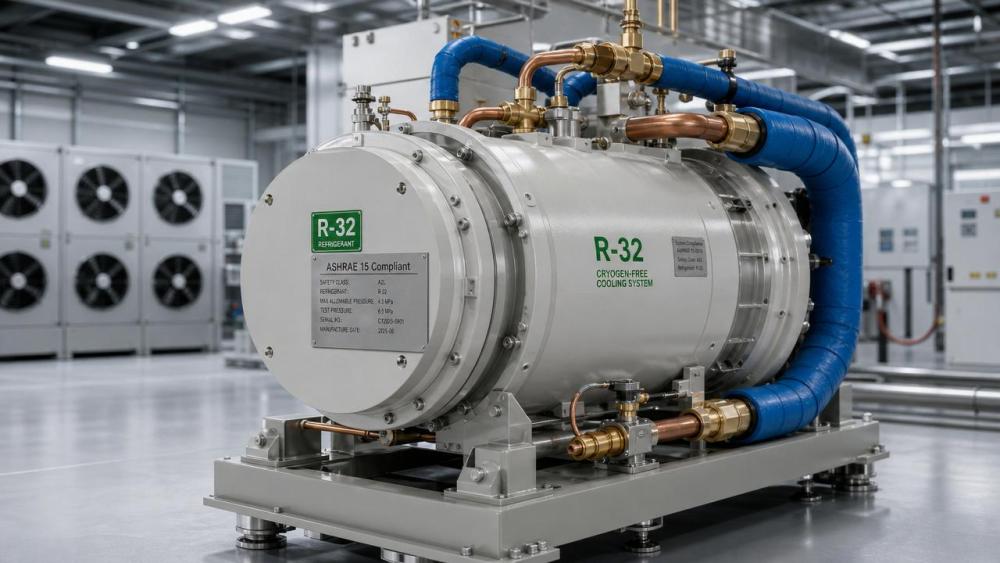
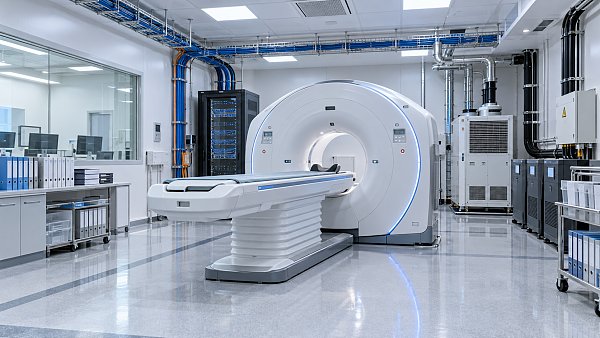
The Kuwait Environment Public Authority (KEPA) announced on 21 May 2026 that the import of all medical devices containing hydrochlorofluorocarbon (HCFC) refrigerants — specifically HCFC-22 — is prohibited with immediate effect. This includes superconducting MRI magnet cooling systems, whether integrated into full MRI scanners or supplied as standalone cryo-coolers. Chinese exporters of MRI whole units and modular cold-head systems must complete refrigerant substitution to R-32 or R-1234ze within 60 days and submit ASHRAE Standard 15-compliant verification reports issued by KEPA-recognized laboratories to clear customs.
Industries Affected
Direct Trade Enterprises: Exporters of MRI systems and auxiliary cryogenic units face immediate shipment suspension unless compliant documentation is submitted before the 60-day deadline. Non-compliance results in automatic customs rejection — not delay — meaning revenue recognition, contract fulfillment, and letter-of-credit terms are at direct risk.
Raw Material Procurement Firms: Suppliers sourcing refrigerants, lubricants, seals, and copper tubing for HCFC-22-based cooling loops must requalify material compatibility with R-32 or R-1234ze. These alternatives impose different pressure ratings, dielectric properties, and thermal stability thresholds — requiring new vendor certifications and revised safety data sheets (SDS).
Manufacturing Enterprises: OEMs and Tier-1 subsystem integrators must revalidate entire cooling loop performance — including compressor cycling, condensation efficiency, and magnet quench response time — under the new refrigerant. Retesting affects production scheduling, firmware calibration, and field-service training timelines.
Supply Chain Service Providers: Customs brokers, third-party testing labs, and freight forwarders handling MRI-related consignments now require updated KEPA-specific compliance checklists. Documentation workflows must embed ASHRAE 15 verification status, refrigerant GWP declarations, and lab accreditation codes — adding verification layers beyond standard ISO/IEC 17025 reporting.
Key Actions for Stakeholders
Verify Refrigerant Substitution Timeline Against KEPA’s 60-Day Window
Count from 21 May 2026 — not notification receipt date. Testing, validation, and lab report issuance must conclude before 20 July 2026. Delays in lab capacity booking (particularly for R-1234ze flammability and material compatibility tests) are already reported in GCC-accredited facilities.
Confirm Lab Accreditation Status with KEPA Directly
Not all ASHRAE 15–certified labs are KEPA-recognized. Exporters must cross-check lab names against KEPA’s published list (updated 23 May 2026), as submissions from non-listed entities will be rejected without review.
Update Technical Documentation and Labeling
New refrigerant identification, safety warnings (especially for R-32’s mild flammability), and revised maintenance procedures must appear on equipment nameplates, user manuals, and spare-part catalogs shipped to Kuwait — effective immediately for all post-21 May consignments.
Editorial Perspective / Industry Observation
Observably, this is not an isolated regulatory action but part of a broader Gulf Cooperation Council (GCC) convergence toward Kigali Amendment implementation — with Saudi Arabia and UAE expected to issue parallel HCFC restrictions by Q4 2026. Analysis shows that while R-32 offers higher energy efficiency, its A2L classification introduces new installation certification requirements in Kuwaiti healthcare infrastructure standards — a layer not yet clarified in KEPA’s notice. From an industry perspective, the compressed timeline suggests KEPA prioritized enforceability over technical transition support — making real-time collaboration between exporters and local Kuwaiti service partners critical.
Conclusion
This measure underscores how national-level environmental enforcement — even in relatively small import markets — can exert outsized influence on global medical device engineering roadmaps. It is better understood not as a trade barrier per se, but as a catalyst accelerating the de facto retirement of HCFC-22 in high-precision cryogenic applications worldwide. For manufacturers, the strategic takeaway is clear: refrigerant flexibility must now be embedded at the system architecture stage — not treated as a late-stage compliance add-on.
Source Attribution
Official notice issued by the Kuwait Environment Public Authority (KEPA), Reference No. KEPA/REG/MED/2026/087, dated 21 May 2026. Published on kepa.gov.kw/en/notices. Note: KEPA has indicated that supplementary guidance on acceptable test protocols and lab recognition criteria will be issued by 10 June 2026 — subject to ongoing monitoring.
Recommended News
 Oct 03, 2026How Detection Algorithms Improve Sensitivity and Workflow in Medical ImagingMedical imaging algorithms detection improves sensitivity, manages false positives, and streamlines clinical workflows. Explore validation, integration, and governance essentials.
 Oct 02, 2026High-Flow ICU Ventilators: Key Selection Criteria for Acute Respiratory CareICU ventilators high flow: discover key selection criteria for accurate gas delivery, NIV performance, humidification, alarms, reliability, and safer acute respiratory care.
 Oct 01, 2026How to Evaluate Medical Equipment Intelligence Suppliers for Hospital ProcurementMedical equipment intelligence suppliers: learn how hospitals can assess evidence quality, total cost, compliance, interoperability, and cybersecurity for smarter procurement decisions.
 Sep 30, 2026ISO 13485 Requirements for Blood Testing Instruments: A Buyer’s ChecklistBlood testing instruments ISO 13485 buyer’s checklist: verify certification scope, traceability, installation, consumables, and supplier support before you buy.
 Sep 29, 2026How to Evaluate Integrated Operating Room Systems for Workflow, Imaging, and IT IntegrationIntegrated operating room systems: evaluate workflow, imaging, IT integration, cybersecurity, and lifecycle value to select a scalable surgical solution.
 Sep 28, 2026How to Evaluate a Genetic Testing Equipment Supplier for PCR Lab ProcurementGenetic testing equipment supplier evaluation guide for PCR labs: compare performance, compliance, workflow, service, supply resilience, and total cost.
 Sep 27, 2026How to Specify Custom Benchtop Diagnostic Instruments for Your Assay WorkflowCustom diagnostic instruments benchtop guide: specify optics, fluidics, automation, software integration, and support to build a reliable assay workflow.
 Sep 26, 2026How Cardiac Imaging Analysis Tools Turn CT and MRI Data into Clinical MetricsMedical imaging analysis cardiology tools transform cardiac CT and MRI into reliable metrics. Explore segmentation, validation, workflow integration, and AI review.
 Sep 25, 2026How Iterative Image Reconstruction Algorithms Balance CT Dose, Noise, and DetailIterative image reconstruction algorithms help CT teams balance dose, noise, and diagnostic detail. Explore practical insights for confident imaging decisions.
 Sep 24, 2026What Drives the Total Cost of Medical Technology Solutions Over Their Lifecycle?Medical technology solutions cost goes far beyond purchase price—explore lifecycle drivers from installation and service to software, training, compliance, and downtime.
 Sep 24, 2026Diagnostic Imaging Technology: How Modalities Support Different Clinical DecisionsDiagnostic imaging technology supports smarter clinical decisions across CT, MRI, ultrasound, and nuclear imaging. Explore modality strengths, workflows, and selection factors.
 Sep 22, 2026How Life Science Labs Can Select Biomedical Research Equipment by Workflow and ThroughputBiomedical research equipment life science labs can select with confidence by aligning workflow, throughput, automation, data integrity, and scalable support.
 Sep 21, 2026How to Plan LIS Connectivity for Chemiluminescence Analyzers Without Data GapsChemiluminescence analyzers LIS connectivity: learn how to prevent data gaps with field mapping, exception workflows, end-to-end validation, and reliable go-live planning.
 Sep 20, 2026Selecting Fluorescence PCR Instruments: Detection Channels, Sensitivity, and Workflow FitPCR diagnostic instruments fluorescence detection guide: compare channels, sensitivity, multiplexing, and workflow fit to select a reliable platform.
 Sep 19, 2026Biomedical Signal Processing: From Sensor Data to Clinical Decision SupportBiomedical signal processing transforms sensor data into reliable clinical decision support. Explore AI, imaging, IVD, ICU monitoring, and compliance-ready MedTech insights.
 Sep 18, 2026How to Evaluate a Diagnostic Imaging Platform for Multi-Modality Workflow IntegrationDiagnostic imaging platform evaluation guide: assess multi-modality workflows, interoperability, AI integration, image integrity, security, and scalability for safer clinical decisions.
 Sep 17, 2026ISO 13485 for Medical Imaging Equipment: What Manufacturers Must DocumentMedical imaging equipment ISO 13485: discover essential documentation for design controls, risk management, traceability, software, and post-market quality.
 Sep 16, 2026Robotic MIS Equipment: What Hospitals Should Evaluate Before AdoptionMinimally invasive surgical equipment robotic adoption guide: evaluate workflow, safety, imaging, costs, cybersecurity, and service readiness.
 Sep 15, 2026How to Evaluate Biomedical Signal Processing Suppliers for Clinical Device ProjectsBiomedical signal processing supplier evaluation guide for clinical device teams—compare signal fidelity, regulatory evidence, cybersecurity, integration, and lifecycle support.
 Sep 14, 2026How Integrated Clinical Diagnostics Solutions Reduce Turnaround Time Across Lab WorkflowsIntegrated clinical diagnostics solutions reduce lab turnaround time by connecting workflows, automation, and data. Discover practical strategies for faster, traceable results.
 Sep 13, 2026ECMO System Market Outlook: Demand Drivers, Investment Risks, and Growth OpportunitiesECMO system market outlook explores demand drivers, investment risks, regulatory factors, and growth opportunities shaping critical-care innovation and adoption.
 Sep 12, 2026Where to Find Reliable Medical Device Information for Research and Due DiligenceMedical device information resource guide for due diligence: verify regulatory, clinical, safety, and technical evidence to make confident decisions.
 Sep 11, 2026Medical Equipment Intelligence: A Resource for Comparing Clinical TechnologiesMedical equipment intelligence resource for comparing clinical technologies by clinical fit, compliance, workflow, and total cost—make confident, evidence-led decisions.
 Sep 10, 2026How to Integrate Application-Specific Medical Solutions Into Existing Clinical WorkflowsApplication-specific medical solutions integration: learn how to align clinical workflows, interoperability, safety, and measurable outcomes for reliable deployment.







Related News
- 00
0000-00
China Temporarily Bans Helium Exports - 00
0000-00
How to Evaluate MRI Systems for Neurology: Key Imaging Needs and Selection Criteria - 00
0000-00
MDCG Tightens CE Rules for AI MRI Reconstruction - 00
0000-00
PMDA Fast Track Adds Conditional Path for MRI AI - 00
0000-00
PMDA Fast Track Expansion Opens Conditional Route for MRI AI
Weekly Insights
Stay ahead with our curated technology reports delivered every Monday.