
Why surgical equipment digitalization cuts downtime
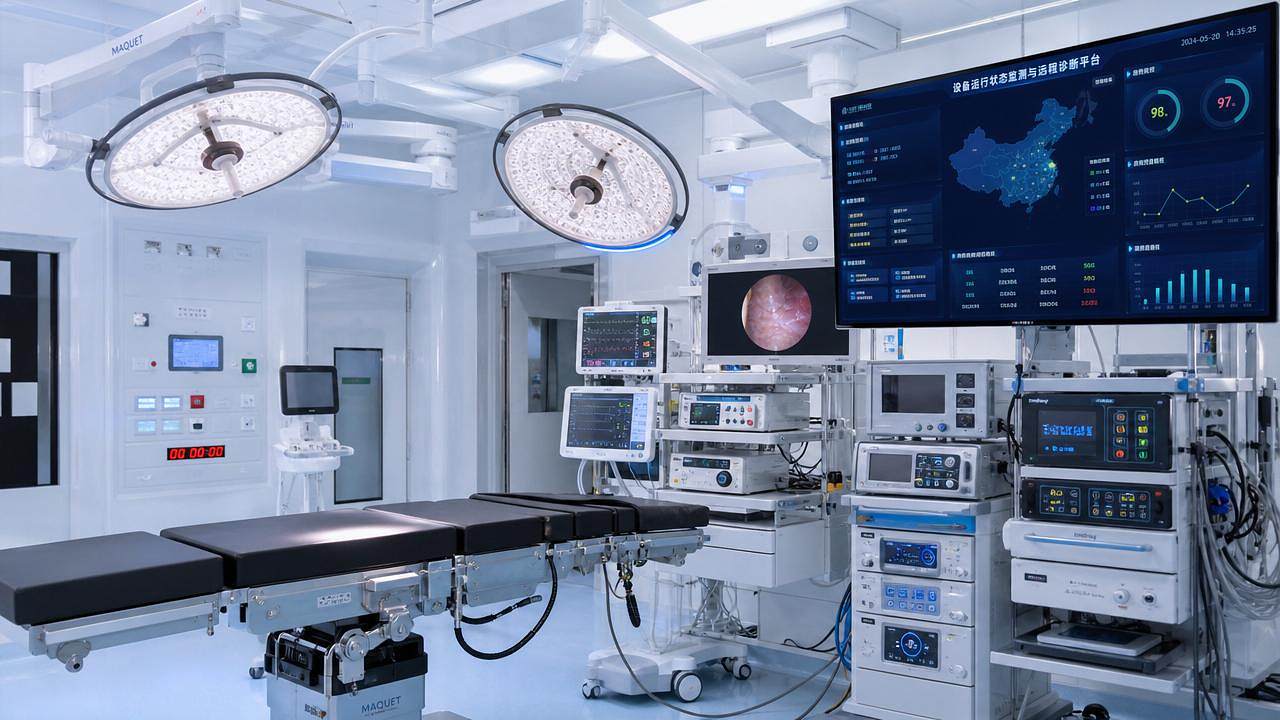




For after-sales maintenance teams, surgical equipment digitalization is no longer optional. It directly reduces unplanned downtime, shortens diagnosis cycles, and protects operating room continuity.
When service records, device status, alarms, and maintenance workflows are connected, support becomes faster and more precise. This matters across hospitals, service networks, and advanced MedTech ecosystems.
In the AMDS intelligence framework, surgical equipment digitalization also supports compliance readiness, lifecycle visibility, and data-backed service decisions for complex clinical environments.
Why operating room pressure makes surgical equipment digitalization urgent
Operating rooms run on timing, coordination, and reliability. A delayed surgical light, unstable table control, or endoscopy imaging fault can disrupt an entire day.
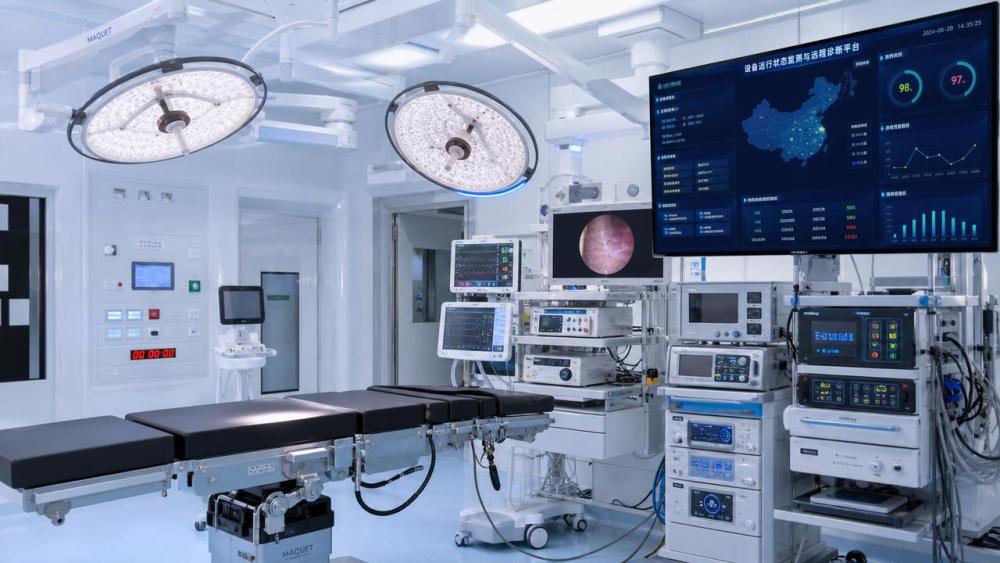
Traditional maintenance depends on manual logs, fragmented calls, and technician experience. That model reacts after failure instead of identifying risk before downtime begins.
Surgical equipment digitalization changes this pattern. It links assets, service history, parts use, fault codes, software status, and environmental conditions into one visible system.
The value is practical. Teams can see failure trends earlier, assign the right specialist sooner, and reduce repeat visits caused by incomplete information.
Which service scenarios benefit most from surgical equipment digitalization
Not every device faces the same service pressure. Surgical equipment digitalization delivers different benefits depending on workflow intensity, equipment complexity, and downtime consequences.
High-turnover operating rooms with back-to-back procedures
These environments need fast turnover and predictable uptime. Even minor faults can trigger cascading schedule delays and increase clinical coordination burden.
Digital monitoring helps detect abnormal usage patterns, temperature drift, or recurring alerts. Service teams can intervene before those issues interrupt the next case.
Minimally invasive suites with integrated imaging and endoscope systems
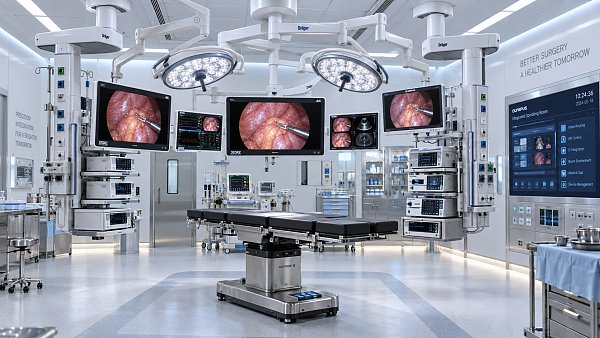
In these settings, one failure often affects several connected components. Video processors, light sources, insufflators, and display systems must work together without latency or signal loss.
Surgical equipment digitalization supports cross-device diagnostics. It helps isolate whether the issue comes from optics, network communication, firmware mismatch, or accessory wear.
Multi-site service networks managing distributed assets
When assets are spread across regions, visibility becomes the main challenge. Paper records and local spreadsheets cannot support consistent uptime decisions.
A digital service layer standardizes alerts, maintenance intervals, and escalation paths. That makes fleet performance comparable across locations and easier to improve.
How surgical equipment digitalization cuts downtime in real workflows
The main advantage is not only connectivity. It is the ability to turn equipment signals into fast service action with fewer blind spots.
Earlier fault detection
Connected devices can report error codes, performance drift, startup anomalies, and component stress before a visible failure occurs in surgery preparation.
Faster remote triage
With service dashboards, teams review logs remotely and classify severity quickly. That reduces unnecessary dispatches and improves first-time fix rates.
Smarter spare parts planning
Usage history and failure frequency reveal which components need priority stocking. This lowers waiting time for replacement parts during urgent interventions.
Better preventive maintenance timing
Calendar-based maintenance often misses real workload intensity. Surgical equipment digitalization allows service timing based on usage, error patterns, and wear behavior.
Clearer compliance records
Digital records create traceable maintenance histories. That supports audit readiness, device accountability, and more defensible quality management practices.
Different scenarios require different digital service priorities
A useful deployment plan starts with scenario judgment. The best surgical equipment digitalization strategy depends on clinical criticality and service complexity.
Practical recommendations for choosing the right digitalization path
A successful surgical equipment digitalization program should begin with service pain points, not with feature lists alone.
- Map assets by clinical criticality and downtime cost.
- Prioritize devices with frequent alarms or repeated service calls.
- Connect service logs, parts history, and software versions first.
- Define remote triage rules before expanding predictive models.
- Build audit-friendly documentation from day one.
- Review KPI trends monthly, including MTTR and first-time fix rate.
AMDS tracks how these choices influence reliability in imaging, IVD, life support, operating room infrastructure, and minimally invasive platforms.
That broader perspective matters because surgical equipment digitalization rarely exists alone. It often interacts with enterprise compliance, biomedical engineering, and digital hospital strategies.
Common misjudgments that weaken downtime reduction
Many digital projects fail to reduce downtime because they focus on connectivity while ignoring service workflow design.
Mistaking dashboards for operational readiness
A dashboard alone does not solve faults. Teams need alert thresholds, response ownership, escalation rules, and closure verification.
Ignoring accessory and peripheral dependencies
Downtime may come from cables, adapters, batteries, or light source modules. Surgical equipment digitalization should include peripheral tracking, not only core systems.
Using generic maintenance intervals
Different surgical rooms produce different wear patterns. High-use devices need condition-based maintenance instead of uniform scheduling.
Separating service data from compliance evidence
When records remain fragmented, organizations lose both speed and traceability. Integrated records improve root-cause analysis and regulatory confidence.
What to do next if downtime is still too high
Start with one focused service scenario. Measure where delays happen, which devices fail repeatedly, and how long root-cause confirmation actually takes.
Then build a phased surgical equipment digitalization roadmap. Begin with visibility, continue with remote diagnostics, and expand toward predictive service orchestration.
For organizations tracking advanced clinical technology, AMDS provides intelligence across compliance, engineering, and lifecycle economics to support more reliable surgical service decisions.
The real advantage of surgical equipment digitalization is simple: less hidden risk, faster response, and stronger clinical continuity when every minute in the operating room matters.
Recommended News
 Oct 03, 2026How Detection Algorithms Improve Sensitivity and Workflow in Medical ImagingMedical imaging algorithms detection improves sensitivity, manages false positives, and streamlines clinical workflows. Explore validation, integration, and governance essentials.
 Oct 02, 2026High-Flow ICU Ventilators: Key Selection Criteria for Acute Respiratory CareICU ventilators high flow: discover key selection criteria for accurate gas delivery, NIV performance, humidification, alarms, reliability, and safer acute respiratory care.
 Oct 01, 2026How to Evaluate Medical Equipment Intelligence Suppliers for Hospital ProcurementMedical equipment intelligence suppliers: learn how hospitals can assess evidence quality, total cost, compliance, interoperability, and cybersecurity for smarter procurement decisions.
 Sep 30, 2026ISO 13485 Requirements for Blood Testing Instruments: A Buyer’s ChecklistBlood testing instruments ISO 13485 buyer’s checklist: verify certification scope, traceability, installation, consumables, and supplier support before you buy.
 Sep 29, 2026How to Evaluate Integrated Operating Room Systems for Workflow, Imaging, and IT IntegrationIntegrated operating room systems: evaluate workflow, imaging, IT integration, cybersecurity, and lifecycle value to select a scalable surgical solution.
 Sep 28, 2026How to Evaluate a Genetic Testing Equipment Supplier for PCR Lab ProcurementGenetic testing equipment supplier evaluation guide for PCR labs: compare performance, compliance, workflow, service, supply resilience, and total cost.
 Sep 27, 2026How to Specify Custom Benchtop Diagnostic Instruments for Your Assay WorkflowCustom diagnostic instruments benchtop guide: specify optics, fluidics, automation, software integration, and support to build a reliable assay workflow.
 Sep 26, 2026How Cardiac Imaging Analysis Tools Turn CT and MRI Data into Clinical MetricsMedical imaging analysis cardiology tools transform cardiac CT and MRI into reliable metrics. Explore segmentation, validation, workflow integration, and AI review.
 Sep 25, 2026How Iterative Image Reconstruction Algorithms Balance CT Dose, Noise, and DetailIterative image reconstruction algorithms help CT teams balance dose, noise, and diagnostic detail. Explore practical insights for confident imaging decisions.
 Sep 24, 2026What Drives the Total Cost of Medical Technology Solutions Over Their Lifecycle?Medical technology solutions cost goes far beyond purchase price—explore lifecycle drivers from installation and service to software, training, compliance, and downtime.
 Sep 24, 2026Diagnostic Imaging Technology: How Modalities Support Different Clinical DecisionsDiagnostic imaging technology supports smarter clinical decisions across CT, MRI, ultrasound, and nuclear imaging. Explore modality strengths, workflows, and selection factors.
 Sep 22, 2026How Life Science Labs Can Select Biomedical Research Equipment by Workflow and ThroughputBiomedical research equipment life science labs can select with confidence by aligning workflow, throughput, automation, data integrity, and scalable support.
 Sep 21, 2026How to Plan LIS Connectivity for Chemiluminescence Analyzers Without Data GapsChemiluminescence analyzers LIS connectivity: learn how to prevent data gaps with field mapping, exception workflows, end-to-end validation, and reliable go-live planning.
 Sep 20, 2026Selecting Fluorescence PCR Instruments: Detection Channels, Sensitivity, and Workflow FitPCR diagnostic instruments fluorescence detection guide: compare channels, sensitivity, multiplexing, and workflow fit to select a reliable platform.
 Sep 19, 2026Biomedical Signal Processing: From Sensor Data to Clinical Decision SupportBiomedical signal processing transforms sensor data into reliable clinical decision support. Explore AI, imaging, IVD, ICU monitoring, and compliance-ready MedTech insights.
 Sep 18, 2026How to Evaluate a Diagnostic Imaging Platform for Multi-Modality Workflow IntegrationDiagnostic imaging platform evaluation guide: assess multi-modality workflows, interoperability, AI integration, image integrity, security, and scalability for safer clinical decisions.
 Sep 17, 2026ISO 13485 for Medical Imaging Equipment: What Manufacturers Must DocumentMedical imaging equipment ISO 13485: discover essential documentation for design controls, risk management, traceability, software, and post-market quality.
 Sep 16, 2026Robotic MIS Equipment: What Hospitals Should Evaluate Before AdoptionMinimally invasive surgical equipment robotic adoption guide: evaluate workflow, safety, imaging, costs, cybersecurity, and service readiness.
 Sep 15, 2026How to Evaluate Biomedical Signal Processing Suppliers for Clinical Device ProjectsBiomedical signal processing supplier evaluation guide for clinical device teams—compare signal fidelity, regulatory evidence, cybersecurity, integration, and lifecycle support.
 Sep 14, 2026How Integrated Clinical Diagnostics Solutions Reduce Turnaround Time Across Lab WorkflowsIntegrated clinical diagnostics solutions reduce lab turnaround time by connecting workflows, automation, and data. Discover practical strategies for faster, traceable results.
 Sep 13, 2026ECMO System Market Outlook: Demand Drivers, Investment Risks, and Growth OpportunitiesECMO system market outlook explores demand drivers, investment risks, regulatory factors, and growth opportunities shaping critical-care innovation and adoption.
 Sep 12, 2026Where to Find Reliable Medical Device Information for Research and Due DiligenceMedical device information resource guide for due diligence: verify regulatory, clinical, safety, and technical evidence to make confident decisions.
 Sep 11, 2026Medical Equipment Intelligence: A Resource for Comparing Clinical TechnologiesMedical equipment intelligence resource for comparing clinical technologies by clinical fit, compliance, workflow, and total cost—make confident, evidence-led decisions.
 Sep 10, 2026How to Integrate Application-Specific Medical Solutions Into Existing Clinical WorkflowsApplication-specific medical solutions integration: learn how to align clinical workflows, interoperability, safety, and measurable outcomes for reliable deployment.











Related News
- 00
0000-00
How Detection Algorithms Improve Sensitivity and Workflow in Medical Imaging - 00
0000-00
How to Evaluate Integrated Operating Room Systems for Workflow, Imaging, and IT Integration - 00
0000-00
How Cardiac Imaging Analysis Tools Turn CT and MRI Data into Clinical Metrics - 00
0000-00
Diagnostic Imaging Technology: How Modalities Support Different Clinical Decisions - 00
0000-00
How Life Science Labs Can Select Biomedical Research Equipment by Workflow and Throughput
Weekly Insights
Stay ahead with our curated technology reports delivered every Monday.