
What minimally invasive surgical intelligence changes in ORs
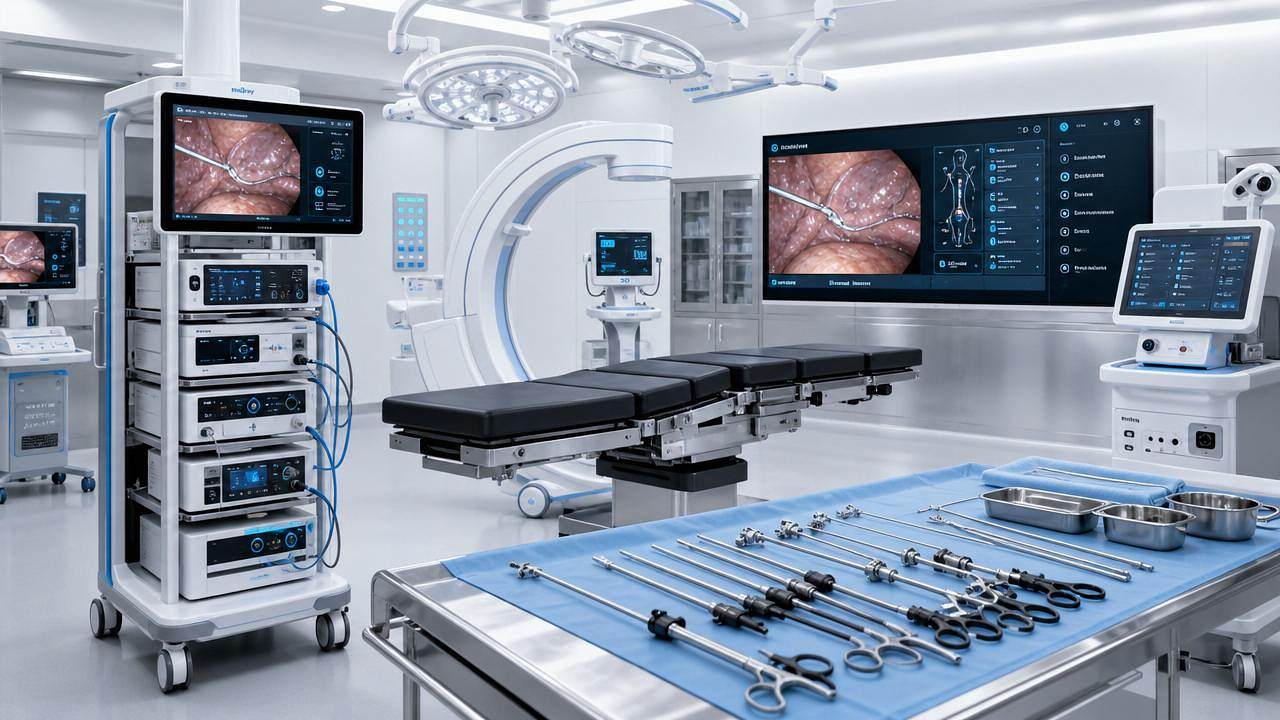




As operating rooms become more connected, minimally invasive surgical intelligence is changing how hospitals judge value, risk, and clinical performance.
It no longer refers only to advanced tools. It now includes imaging, data flow, device integration, workflow visibility, and real-time decision support.
For organizations planning future-ready ORs, minimally invasive surgical intelligence affects capital priorities, staffing models, procedure standardization, and long-term competitiveness.
In a market shaped by compliance pressure and digital transformation, better surgical intelligence also supports safer outcomes and stronger return on investment.
When OR modernization becomes urgent
Minimally invasive surgical intelligence matters most when surgery volumes rise, case complexity increases, or hospitals aim to reduce variability across operating rooms.
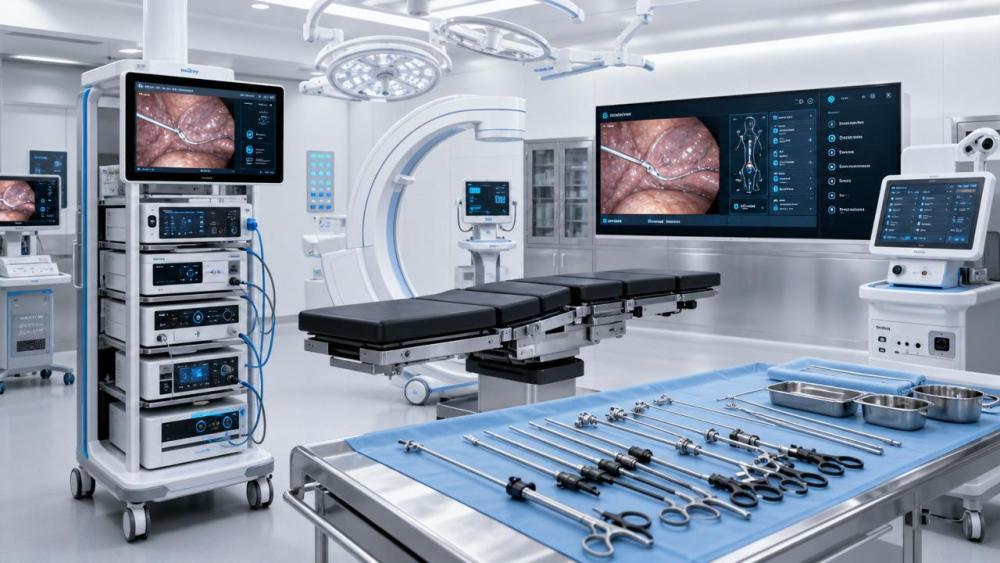
The pressure is rarely clinical alone. Facilities also face utilization targets, documentation demands, infection control standards, and tighter reimbursement environments.
In this setting, minimally invasive surgical intelligence creates value by connecting image quality, instrument tracking, room coordination, and evidence-based workflow decisions.
Signals that a conventional OR model is no longer enough
- Frequent delays caused by setup inconsistency
- Limited visibility into device performance during procedures
- Growing dependence on complex imaging and navigation
- Difficulty scaling minimally invasive programs across departments
- Rising demand for traceable quality and compliance data
How minimally invasive surgical intelligence changes laparoscopic settings
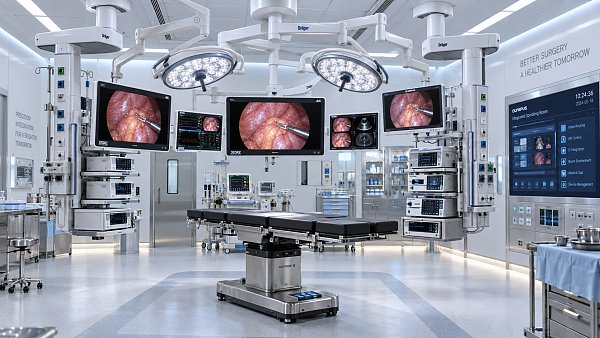
In laparoscopic surgery, the main shift is from isolated visualization to coordinated procedural intelligence.
Surgeons rely on stable endoscopic views, smoke management, clear image transmission, and fast device response. Small failures can quickly interrupt efficiency.
Minimally invasive surgical intelligence improves this scenario by linking camera systems, insufflation, recording, and workflow prompts into one controlled environment.
The result is not only sharper visualization. It is more predictable case flow, fewer avoidable interruptions, and stronger documentation for quality review.
Core judgment points in laparoscopic rooms
- Can image systems maintain clarity during long procedures?
- Do connected devices reduce manual adjustments?
- Is procedure data captured for training and review?
- Can workflow alerts prevent common setup mistakes?
Why hybrid and image-guided rooms need deeper surgical intelligence
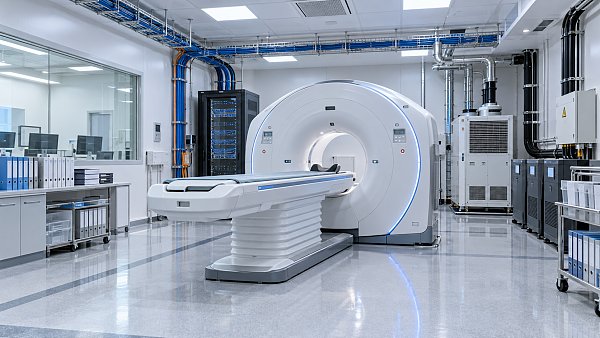
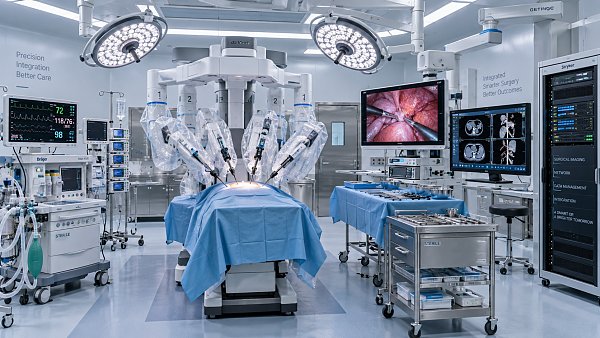
Hybrid ORs create a more demanding environment for minimally invasive surgical intelligence because imaging, intervention, and room logistics converge.
These rooms depend on precise coordination between imaging equipment, OR tables, monitors, navigation systems, and sterile workflow.
When integration is weak, teams lose time switching views, repositioning equipment, or confirming data from different sources.
Strong minimally invasive surgical intelligence reduces friction by aligning imaging access, device communication, and procedural sequencing.
Where hybrid room decisions often succeed or fail
Success depends on whether the room behaves like one ecosystem rather than a collection of expensive devices.
Integration quality, image latency, room ergonomics, and compatibility with future upgrades all matter more than a single flagship component.
What changes in endoscopy-focused minimally invasive pathways
In endoscopy-centered care, minimally invasive surgical intelligence supports early intervention, shorter recovery paths, and better procedural consistency.
This is especially relevant when hospitals expand gastrointestinal, pulmonary, or urological programs using high-definition and flexible platforms.
The intelligence layer includes image enhancement, scope handling data, reporting automation, and compatibility with broader clinical information systems.
That combination helps improve throughput without sacrificing traceability, patient safety, or training quality.
Practical decision signals in endoscopy expansion
- Whether image enhancement supports earlier lesion detection
- Whether reporting tools reduce post-procedure delays
- Whether reprocessing and device tracking stay visible
- Whether training data can support skill standardization
How scenario needs differ across OR environments
Not every room needs the same level of minimally invasive surgical intelligence. The right model depends on procedural mix and operational goals.
How to match surgical intelligence with the right scenario
The best investment path starts with scenario fit, not feature accumulation. Minimally invasive surgical intelligence should solve specific room-level problems.
- Map procedure types before comparing equipment ecosystems
- Prioritize integration points that remove repeated workflow friction
- Check compatibility with imaging, IVD, and hospital data systems
- Evaluate upgrade paths, not only current technical specifications
- Include compliance, cybersecurity, and service continuity in planning
For organizations following broader digital healthcare trends, this approach aligns well with AMDS priorities across imaging, OR infrastructure, life support, and endoscope systems.
It also supports the growing need to connect technical performance with measurable clinical and economic outcomes.
Common mistakes when judging minimally invasive surgical intelligence
A common mistake is treating minimally invasive surgical intelligence as a single device category instead of a coordinated capability model.
Another is overvaluing image resolution while underestimating workflow integration, staff usability, and long-term interoperability.
Some projects also ignore post-installation realities, including service responsiveness, software maintenance, and evidence capture for audit readiness.
In many cases, the missing factor is not technology ambition. It is scenario-based judgment.
Frequently overlooked questions
- Will the system still fit future procedural expansion?
- Can performance data be used for continuous improvement?
- Does the room design support real human movement patterns?
- Are compliance and access requirements considered early enough?
The next step for future-ready OR planning
Minimally invasive surgical intelligence is no longer a niche upgrade. It is becoming a practical standard for modern OR strategy.
The most effective next step is a structured review of current surgical scenarios, integration gaps, and measurable improvement targets.
That review should connect clinical priorities with imaging performance, workflow efficiency, compliance pathways, and investment timing.
With intelligence-led evaluation, hospitals can build OR environments that are safer, faster, and better prepared for minimally invasive growth.
Recommended News
 Oct 03, 2026How Detection Algorithms Improve Sensitivity and Workflow in Medical ImagingMedical imaging algorithms detection improves sensitivity, manages false positives, and streamlines clinical workflows. Explore validation, integration, and governance essentials.
 Oct 02, 2026High-Flow ICU Ventilators: Key Selection Criteria for Acute Respiratory CareICU ventilators high flow: discover key selection criteria for accurate gas delivery, NIV performance, humidification, alarms, reliability, and safer acute respiratory care.
 Oct 01, 2026How to Evaluate Medical Equipment Intelligence Suppliers for Hospital ProcurementMedical equipment intelligence suppliers: learn how hospitals can assess evidence quality, total cost, compliance, interoperability, and cybersecurity for smarter procurement decisions.
 Sep 30, 2026ISO 13485 Requirements for Blood Testing Instruments: A Buyer’s ChecklistBlood testing instruments ISO 13485 buyer’s checklist: verify certification scope, traceability, installation, consumables, and supplier support before you buy.
 Sep 29, 2026How to Evaluate Integrated Operating Room Systems for Workflow, Imaging, and IT IntegrationIntegrated operating room systems: evaluate workflow, imaging, IT integration, cybersecurity, and lifecycle value to select a scalable surgical solution.
 Sep 28, 2026How to Evaluate a Genetic Testing Equipment Supplier for PCR Lab ProcurementGenetic testing equipment supplier evaluation guide for PCR labs: compare performance, compliance, workflow, service, supply resilience, and total cost.
 Sep 27, 2026How to Specify Custom Benchtop Diagnostic Instruments for Your Assay WorkflowCustom diagnostic instruments benchtop guide: specify optics, fluidics, automation, software integration, and support to build a reliable assay workflow.
 Sep 26, 2026How Cardiac Imaging Analysis Tools Turn CT and MRI Data into Clinical MetricsMedical imaging analysis cardiology tools transform cardiac CT and MRI into reliable metrics. Explore segmentation, validation, workflow integration, and AI review.
 Sep 25, 2026How Iterative Image Reconstruction Algorithms Balance CT Dose, Noise, and DetailIterative image reconstruction algorithms help CT teams balance dose, noise, and diagnostic detail. Explore practical insights for confident imaging decisions.
 Sep 24, 2026What Drives the Total Cost of Medical Technology Solutions Over Their Lifecycle?Medical technology solutions cost goes far beyond purchase price—explore lifecycle drivers from installation and service to software, training, compliance, and downtime.
 Sep 24, 2026Diagnostic Imaging Technology: How Modalities Support Different Clinical DecisionsDiagnostic imaging technology supports smarter clinical decisions across CT, MRI, ultrasound, and nuclear imaging. Explore modality strengths, workflows, and selection factors.
 Sep 22, 2026How Life Science Labs Can Select Biomedical Research Equipment by Workflow and ThroughputBiomedical research equipment life science labs can select with confidence by aligning workflow, throughput, automation, data integrity, and scalable support.
 Sep 21, 2026How to Plan LIS Connectivity for Chemiluminescence Analyzers Without Data GapsChemiluminescence analyzers LIS connectivity: learn how to prevent data gaps with field mapping, exception workflows, end-to-end validation, and reliable go-live planning.
 Sep 20, 2026Selecting Fluorescence PCR Instruments: Detection Channels, Sensitivity, and Workflow FitPCR diagnostic instruments fluorescence detection guide: compare channels, sensitivity, multiplexing, and workflow fit to select a reliable platform.
 Sep 19, 2026Biomedical Signal Processing: From Sensor Data to Clinical Decision SupportBiomedical signal processing transforms sensor data into reliable clinical decision support. Explore AI, imaging, IVD, ICU monitoring, and compliance-ready MedTech insights.
 Sep 18, 2026How to Evaluate a Diagnostic Imaging Platform for Multi-Modality Workflow IntegrationDiagnostic imaging platform evaluation guide: assess multi-modality workflows, interoperability, AI integration, image integrity, security, and scalability for safer clinical decisions.
 Sep 17, 2026ISO 13485 for Medical Imaging Equipment: What Manufacturers Must DocumentMedical imaging equipment ISO 13485: discover essential documentation for design controls, risk management, traceability, software, and post-market quality.
 Sep 16, 2026Robotic MIS Equipment: What Hospitals Should Evaluate Before AdoptionMinimally invasive surgical equipment robotic adoption guide: evaluate workflow, safety, imaging, costs, cybersecurity, and service readiness.
 Sep 15, 2026How to Evaluate Biomedical Signal Processing Suppliers for Clinical Device ProjectsBiomedical signal processing supplier evaluation guide for clinical device teams—compare signal fidelity, regulatory evidence, cybersecurity, integration, and lifecycle support.
 Sep 14, 2026How Integrated Clinical Diagnostics Solutions Reduce Turnaround Time Across Lab WorkflowsIntegrated clinical diagnostics solutions reduce lab turnaround time by connecting workflows, automation, and data. Discover practical strategies for faster, traceable results.
 Sep 13, 2026ECMO System Market Outlook: Demand Drivers, Investment Risks, and Growth OpportunitiesECMO system market outlook explores demand drivers, investment risks, regulatory factors, and growth opportunities shaping critical-care innovation and adoption.
 Sep 12, 2026Where to Find Reliable Medical Device Information for Research and Due DiligenceMedical device information resource guide for due diligence: verify regulatory, clinical, safety, and technical evidence to make confident decisions.
 Sep 11, 2026Medical Equipment Intelligence: A Resource for Comparing Clinical TechnologiesMedical equipment intelligence resource for comparing clinical technologies by clinical fit, compliance, workflow, and total cost—make confident, evidence-led decisions.
 Sep 10, 2026How to Integrate Application-Specific Medical Solutions Into Existing Clinical WorkflowsApplication-specific medical solutions integration: learn how to align clinical workflows, interoperability, safety, and measurable outcomes for reliable deployment.









Related News
- 00
0000-00
How Detection Algorithms Improve Sensitivity and Workflow in Medical Imaging - 00
0000-00
How to Evaluate Integrated Operating Room Systems for Workflow, Imaging, and IT Integration - 00
0000-00
How Cardiac Imaging Analysis Tools Turn CT and MRI Data into Clinical Metrics - 00
0000-00
Diagnostic Imaging Technology: How Modalities Support Different Clinical Decisions - 00
0000-00
How Life Science Labs Can Select Biomedical Research Equipment by Workflow and Throughput
Weekly Insights
Stay ahead with our curated technology reports delivered every Monday.