
When biochemical molecular analysis gives faster answers
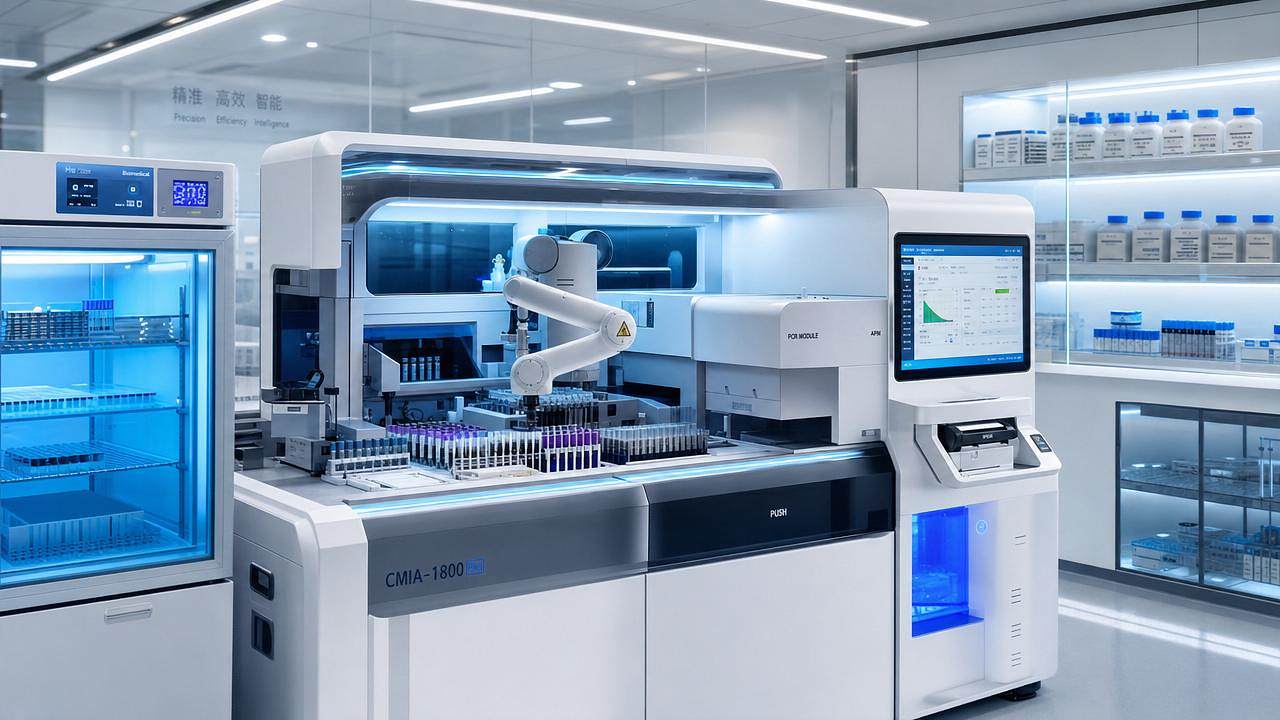




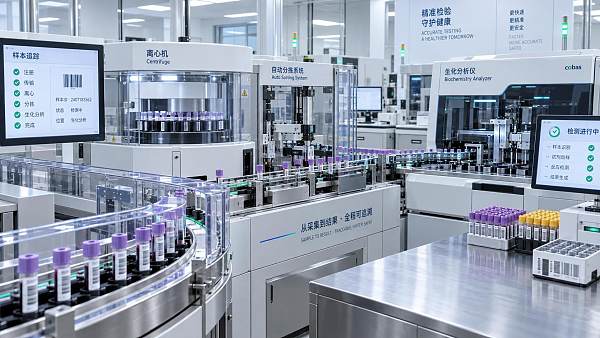
When time-sensitive care depends on certainty, biochemical molecular analysis delivers faster answers from very small samples. It turns invisible biological signals into clinical evidence.
Across modern healthcare, this shift matters far beyond laboratories. It influences diagnosis speed, treatment timing, hospital efficiency, compliance strategy, and digital health planning.
For intelligence-focused platforms such as AMDS, biochemical molecular analysis connects microscopic reactions with broader MedTech decisions. It helps explain why IVD systems now sit at the center of precision medicine.
Biochemical molecular analysis is moving from support function to clinical decision engine
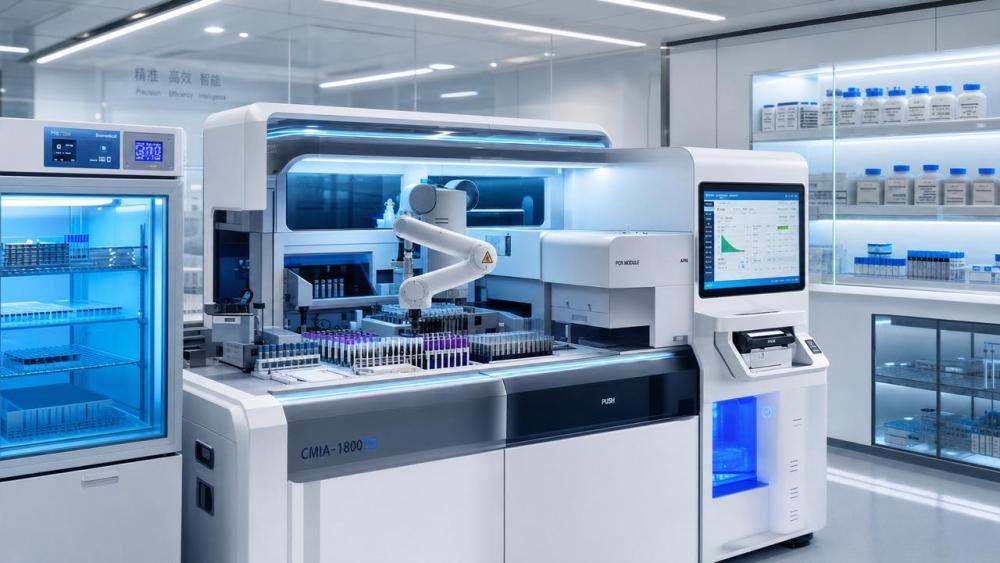
Clinical diagnostics once depended heavily on visible symptoms, culture growth, and delayed confirmation. Today, biochemical molecular analysis shortens the path from suspicion to evidence.
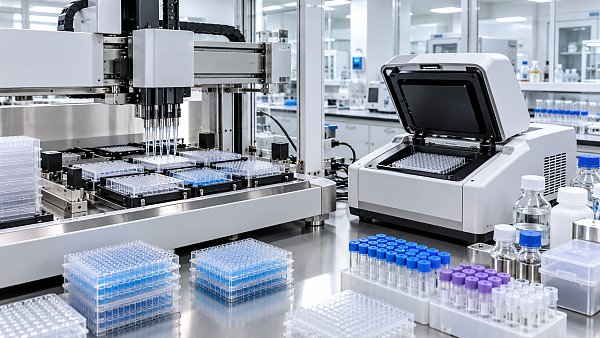
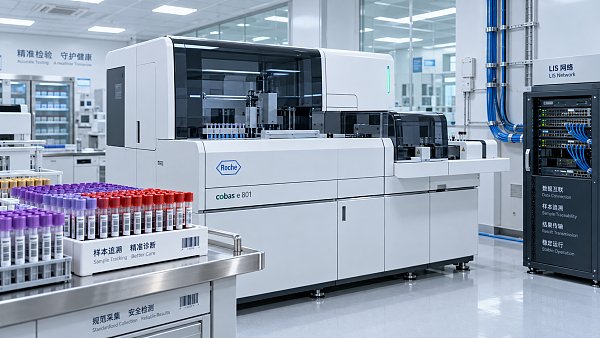
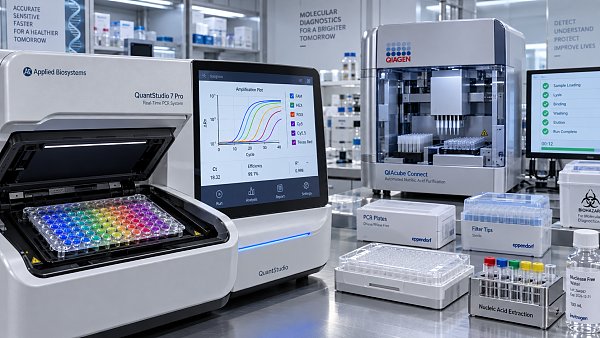
PCR amplification identifies pathogen nucleic acids quickly. Chemiluminescence measures proteins and antibodies with high sensitivity. Combined biomarker detection supports earlier, more precise intervention.
This trend is especially important in emergency medicine, infectious disease control, oncology, cardiovascular assessment, and perioperative monitoring. Faster answers often mean better outcomes and lower uncertainty.
Biochemical molecular analysis also aligns with the wider digital transformation of care. Data from analyzers can feed clinical systems, AI tools, and evidence-based treatment pathways.
The strongest trend signals point to faster, smaller, and more integrated testing
Several market and technology signals show why biochemical molecular analysis is accelerating across the comprehensive medical sector.
- Hospitals expect shorter turnaround time for critical diagnostic results.
- Precision medicine requires molecular evidence, not symptom-based estimation alone.
- Tiny sample volumes now deliver richer data through improved assay sensitivity.
- Public health systems need scalable testing for outbreaks and surveillance.
- Regulatory pressure raises the value of traceable, standardized IVD outputs.
- AI and laboratory informatics increase the value of structured molecular data.
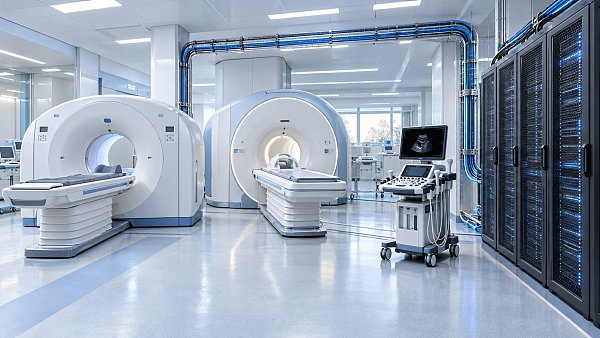
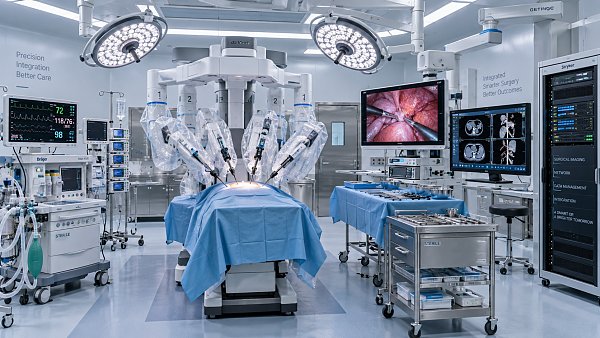
These signals do not stand alone. They interact with imaging, life support, and surgical systems, forming a more connected diagnostic ecosystem.
Why biochemical molecular analysis is gaining speed across modern IVD systems
The rise of biochemical molecular analysis comes from a mix of technical progress, clinical demand, and operational pressure. Each factor reinforces the others.
In this environment, speed alone is not enough. Speed must come with reproducibility, specificity, and clear clinical interpretation.
The impact reaches diagnosis, treatment pathways, and healthcare economics
Earlier answers change treatment timing
Biochemical molecular analysis can identify viral load, gene targets, inflammatory markers, or tumor-associated signals before conventional pathways provide clarity.
That earlier evidence supports targeted therapy selection, isolation decisions, antibiotic stewardship, and escalation planning in critical care.
Connected diagnostics improve cross-department coordination
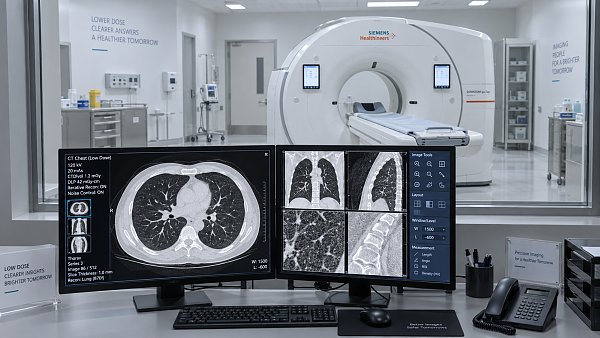
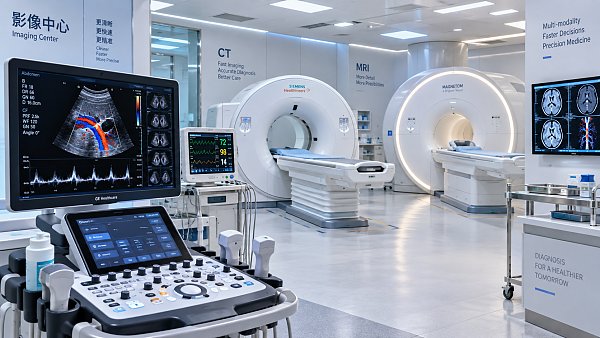
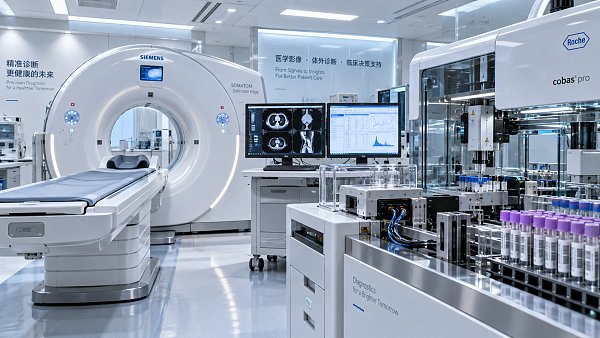
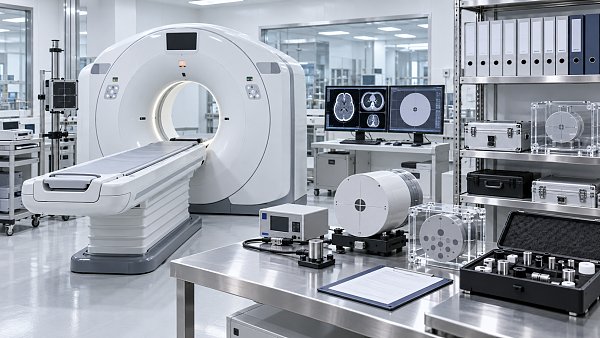
IVD data increasingly works alongside imaging findings, endoscopic observations, and bedside monitoring. Together, they create stronger clinical confidence.
For example, suspicious imaging can be reinforced by biochemical molecular analysis, helping distinguish inflammation, infection, and malignancy with greater precision.
Operational value becomes easier to measure
Faster biochemical molecular analysis may reduce unnecessary admissions, shorten isolation uncertainty, avoid repeat testing, and improve resource allocation under cost-sensitive payment models.
This makes advanced diagnostics not only clinically meaningful, but financially relevant within modern hospital management frameworks.
Key focus areas now shaping the next phase of biochemical molecular analysis
The direction of biochemical molecular analysis is becoming clearer. Several priorities now deserve close attention.
- Higher sensitivity without sacrificing specificity in real clinical settings.
- Shorter turnaround time for urgent infectious and critical care applications.
- Better assay standardization across regions, instruments, and sample types.
- More robust integration with digital records and decision-support systems.
- Stronger evidence linking biomarker outputs to treatment outcomes.
- Clearer compliance pathways under CE MDR, FDA, and other regulatory frameworks.
- Improved usability for decentralized and near-patient testing environments.
These priorities show that biochemical molecular analysis is no longer just a laboratory upgrade. It is part of a broader clinical infrastructure strategy.
How to judge future readiness in a fast-changing diagnostic landscape
Not every fast test creates durable value. Future readiness depends on how well biochemical molecular analysis supports evidence, integration, and scale.
This framework helps separate short-term novelty from long-term clinical relevance. That distinction matters in a crowded IVD innovation cycle.
AMDS perspective: why biochemical molecular analysis matters in the wider MedTech picture
AMDS tracks technologies that define the upper limit of modern medicine. Biochemical molecular analysis belongs in that group because it strengthens the evidence behind care.
Its value grows when combined with advanced imaging, minimally invasive diagnostics, ICU support systems, and compliance-driven clinical workflows.
In that combined environment, biochemical molecular analysis is not isolated instrumentation. It is a strategic layer linking precision diagnostics, digital infrastructure, and outcome-focused healthcare decisions.
The next practical step is to track speed together with evidence quality
The future of diagnostics will favor tools that answer urgent questions quickly and correctly. Biochemical molecular analysis is advancing because it serves both needs.
The most useful next step is to evaluate where faster molecular and biochemical evidence can reduce uncertainty in real clinical pathways.
Watch assay performance, integration capability, regulatory alignment, and measurable care impact together. That is where durable diagnostic advantage is emerging.
As healthcare moves deeper into precision medicine, biochemical molecular analysis will continue delivering faster answers that shape safer, smarter, and more accountable decisions.
Recommended News
 Oct 02, 2026High-Flow ICU Ventilators: Key Selection Criteria for Acute Respiratory CareICU ventilators high flow: discover key selection criteria for accurate gas delivery, NIV performance, humidification, alarms, reliability, and safer acute respiratory care.
 Oct 01, 2026How to Evaluate Medical Equipment Intelligence Suppliers for Hospital ProcurementMedical equipment intelligence suppliers: learn how hospitals can assess evidence quality, total cost, compliance, interoperability, and cybersecurity for smarter procurement decisions.
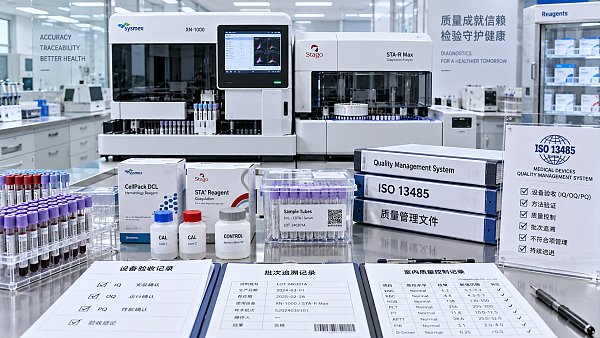
 Sep 30, 2026ISO 13485 Requirements for Blood Testing Instruments: A Buyer’s ChecklistBlood testing instruments ISO 13485 buyer’s checklist: verify certification scope, traceability, installation, consumables, and supplier support before you buy.
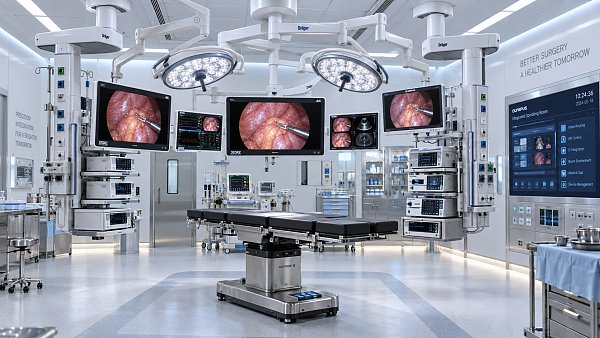
 Sep 29, 2026How to Evaluate Integrated Operating Room Systems for Workflow, Imaging, and IT IntegrationIntegrated operating room systems: evaluate workflow, imaging, IT integration, cybersecurity, and lifecycle value to select a scalable surgical solution.
 Sep 28, 2026How to Evaluate a Genetic Testing Equipment Supplier for PCR Lab ProcurementGenetic testing equipment supplier evaluation guide for PCR labs: compare performance, compliance, workflow, service, supply resilience, and total cost.
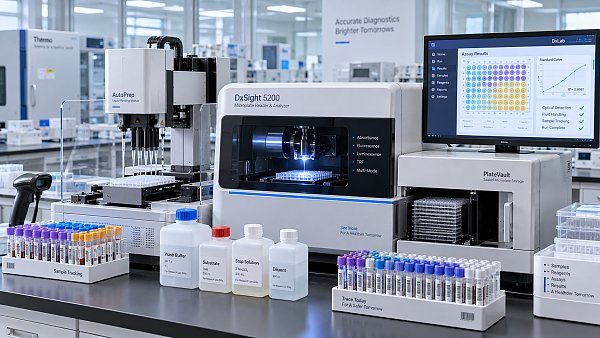
 Sep 27, 2026How to Specify Custom Benchtop Diagnostic Instruments for Your Assay WorkflowCustom diagnostic instruments benchtop guide: specify optics, fluidics, automation, software integration, and support to build a reliable assay workflow.
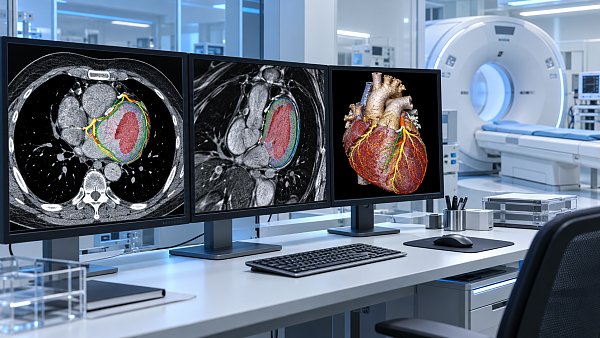
 Sep 26, 2026How Cardiac Imaging Analysis Tools Turn CT and MRI Data into Clinical MetricsMedical imaging analysis cardiology tools transform cardiac CT and MRI into reliable metrics. Explore segmentation, validation, workflow integration, and AI review.
 Sep 25, 2026How Iterative Image Reconstruction Algorithms Balance CT Dose, Noise, and DetailIterative image reconstruction algorithms help CT teams balance dose, noise, and diagnostic detail. Explore practical insights for confident imaging decisions.
 Sep 24, 2026What Drives the Total Cost of Medical Technology Solutions Over Their Lifecycle?Medical technology solutions cost goes far beyond purchase price—explore lifecycle drivers from installation and service to software, training, compliance, and downtime.
 Sep 24, 2026Diagnostic Imaging Technology: How Modalities Support Different Clinical DecisionsDiagnostic imaging technology supports smarter clinical decisions across CT, MRI, ultrasound, and nuclear imaging. Explore modality strengths, workflows, and selection factors.
 Sep 22, 2026How Life Science Labs Can Select Biomedical Research Equipment by Workflow and ThroughputBiomedical research equipment life science labs can select with confidence by aligning workflow, throughput, automation, data integrity, and scalable support.
 Sep 21, 2026How to Plan LIS Connectivity for Chemiluminescence Analyzers Without Data GapsChemiluminescence analyzers LIS connectivity: learn how to prevent data gaps with field mapping, exception workflows, end-to-end validation, and reliable go-live planning.
 Sep 20, 2026Selecting Fluorescence PCR Instruments: Detection Channels, Sensitivity, and Workflow FitPCR diagnostic instruments fluorescence detection guide: compare channels, sensitivity, multiplexing, and workflow fit to select a reliable platform.
 Sep 19, 2026Biomedical Signal Processing: From Sensor Data to Clinical Decision SupportBiomedical signal processing transforms sensor data into reliable clinical decision support. Explore AI, imaging, IVD, ICU monitoring, and compliance-ready MedTech insights.
 Sep 18, 2026How to Evaluate a Diagnostic Imaging Platform for Multi-Modality Workflow IntegrationDiagnostic imaging platform evaluation guide: assess multi-modality workflows, interoperability, AI integration, image integrity, security, and scalability for safer clinical decisions.
 Sep 17, 2026ISO 13485 for Medical Imaging Equipment: What Manufacturers Must DocumentMedical imaging equipment ISO 13485: discover essential documentation for design controls, risk management, traceability, software, and post-market quality.
 Sep 16, 2026Robotic MIS Equipment: What Hospitals Should Evaluate Before AdoptionMinimally invasive surgical equipment robotic adoption guide: evaluate workflow, safety, imaging, costs, cybersecurity, and service readiness.
 Sep 15, 2026How to Evaluate Biomedical Signal Processing Suppliers for Clinical Device ProjectsBiomedical signal processing supplier evaluation guide for clinical device teams—compare signal fidelity, regulatory evidence, cybersecurity, integration, and lifecycle support.
 Sep 14, 2026How Integrated Clinical Diagnostics Solutions Reduce Turnaround Time Across Lab WorkflowsIntegrated clinical diagnostics solutions reduce lab turnaround time by connecting workflows, automation, and data. Discover practical strategies for faster, traceable results.
 Sep 13, 2026ECMO System Market Outlook: Demand Drivers, Investment Risks, and Growth OpportunitiesECMO system market outlook explores demand drivers, investment risks, regulatory factors, and growth opportunities shaping critical-care innovation and adoption.
 Sep 12, 2026Where to Find Reliable Medical Device Information for Research and Due DiligenceMedical device information resource guide for due diligence: verify regulatory, clinical, safety, and technical evidence to make confident decisions.
 Sep 11, 2026Medical Equipment Intelligence: A Resource for Comparing Clinical TechnologiesMedical equipment intelligence resource for comparing clinical technologies by clinical fit, compliance, workflow, and total cost—make confident, evidence-led decisions.
 Sep 10, 2026How to Integrate Application-Specific Medical Solutions Into Existing Clinical WorkflowsApplication-specific medical solutions integration: learn how to align clinical workflows, interoperability, safety, and measurable outcomes for reliable deployment.
 Sep 09, 2026Medical Supplier Evaluation Checklist: How to Verify Quality, Compliance, and Delivery RiskMedical supplier evaluation checklist for verifying quality, compliance, service capacity, configuration accuracy, and delivery risk before purchase approval.



Related News
- 00
0000-00
How to Evaluate a Genetic Testing Equipment Supplier for PCR Lab Procurement - 00
0000-00
How to Specify Custom Benchtop Diagnostic Instruments for Your Assay Workflow - 00
0000-00
Selecting Fluorescence PCR Instruments: Detection Channels, Sensitivity, and Workflow Fit - 00
0000-00
How Should an MDR Clinical Performance Study Be Designed for IVD Products? - 00
0000-00
Advanced Clinical Diagnostics in Oncology: Tests, Uses, and Selection Criteria
Weekly Insights
Stay ahead with our curated technology reports delivered every Monday.