
When interventional radiology equipment lowers procedure risk
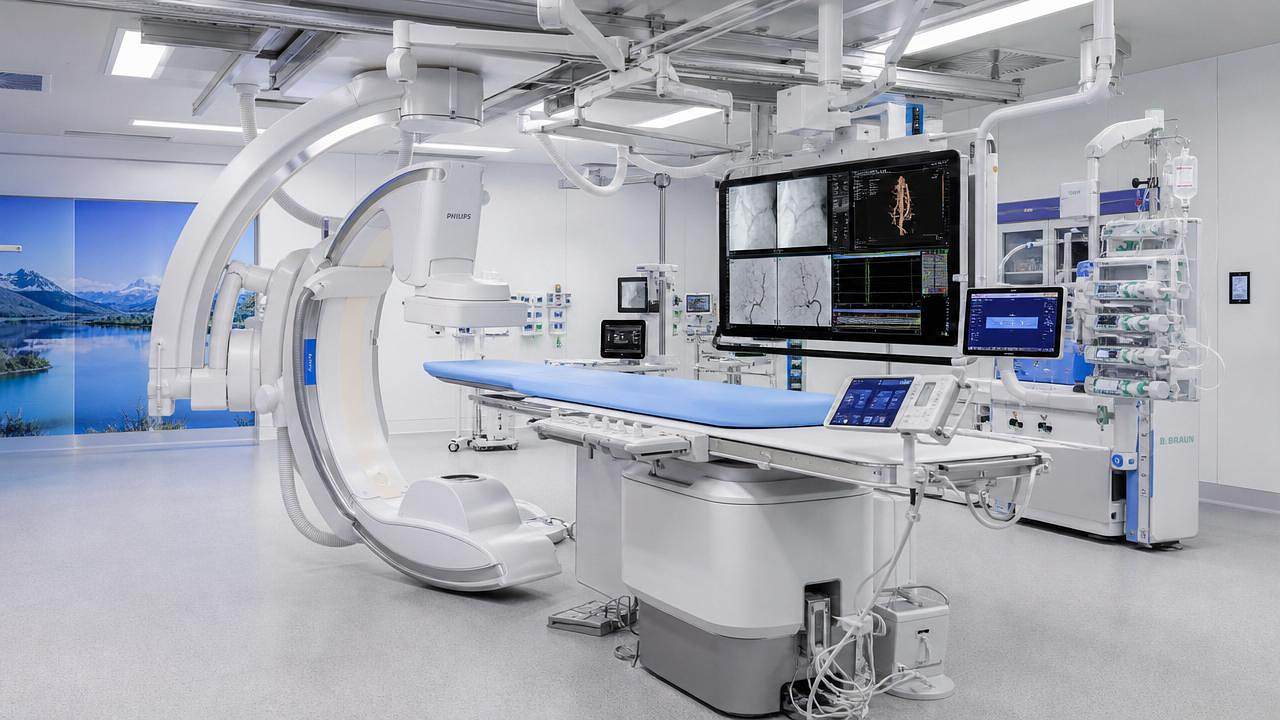




For operators working at the front line of minimally invasive care, interventional radiology equipment directly affects risk, speed, and confidence. Better imaging, smoother device control, and dependable workflow integration can reduce complications, limit radiation exposure, and support more predictable patient outcomes.
In modern care environments, procedure safety is rarely determined by one device alone. It depends on how imaging systems, tables, injectors, navigation tools, shielding, and software perform together during real clinical pressure.
Why a checklist matters when evaluating interventional radiology equipment
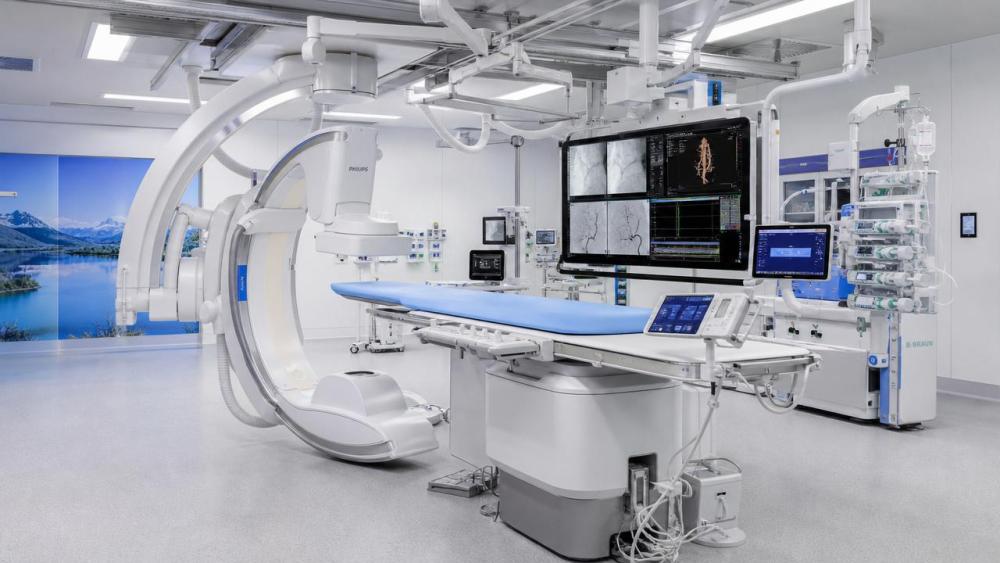
A checklist approach prevents decisions based only on headline specifications. In practice, the safest interventional radiology equipment is the system that maintains image quality, procedural access, and team coordination under difficult anatomy and time-sensitive conditions.
This matters across the broader medical technology landscape. Imaging performance must align with compliance expectations, sterile workflow, and minimally invasive treatment goals, not just with standalone engineering benchmarks.
Core checklist: what lowers procedure risk in real use
Use the following checklist to assess whether interventional radiology equipment truly supports safer interventions rather than simply adding technical complexity.
- Verify image clarity under low dose settings, because high-quality visualization at reduced exposure lowers radiation burden for both patients and clinical teams.
- Check live navigation responsiveness, ensuring fluoroscopy, roadmap overlays, and 3D guidance update without lag during catheter, wire, or needle advancement.
- Confirm table stability and positioning range, since precise patient alignment reduces repeated imaging, awkward access angles, and unnecessary procedural delays.
- Assess device compatibility with sheaths, guidewires, injectors, contrast systems, and monitoring tools to avoid workflow breaks during critical procedural steps.
- Measure ergonomics for operators, including control placement, pedal response, and monitor visibility, because fatigue and awkward posture increase error risk over long cases.
- Review dose management software and reporting functions, as transparent tracking helps maintain compliance and supports long-term quality improvement programs.
- Examine image fusion and vessel mapping functions, especially for complex anatomy where accurate targeting can reduce puncture attempts and contrast usage.
- Test system uptime expectations and service response pathways, since equipment interruptions during scheduled interventions can increase risk and strain capacity.
- Validate infection-control design, including cleanable surfaces, cable organization, and room integration features that support sterile technique throughout the procedure.
- Review staff training depth and onboarding time, because advanced interventional radiology equipment only improves safety when teams can use its functions consistently.
How interventional radiology equipment reduces risk across clinical scenarios
Vascular access and embolization
In embolization and vascular access work, stable fluoroscopy and accurate roadmap guidance reduce the need for repeated catheter repositioning. That can shorten procedure time and lower the chance of vessel trauma.
When interventional radiology equipment supports fine detail at lower dose, teams can work more confidently near tortuous vessels, small branches, or active bleeding sites.
Tumor ablation and targeted oncology procedures
Ablation relies on precise probe placement. Image fusion, cross-sectional guidance, and clear needle visibility help reduce targeting error, especially when lesions are small or partially obscured.
In this setting, interventional radiology equipment is not only a visualization tool. It becomes a risk-control platform that supports margin confidence and protects surrounding tissue.
Drainage, biopsy, and urgent bedside intervention planning
For biopsy and drainage, clear trajectory planning can reduce the number of passes and help avoid bowel, pleura, or vascular structures. That improves both safety and sample reliability.
Where urgent intervention is needed, streamlined controls and fast image acquisition allow interventional radiology equipment to support quicker decisions without sacrificing procedural discipline.
Commonly overlooked factors that can increase risk
Poor room integration
A high-end imaging system can still create risk if monitor placement, cable routing, or accessory positioning interrupt sterile movement. Room design affects every second of the intervention.
Overreliance on peak image specifications
Some systems look excellent in controlled demonstrations but perform unevenly in obese patients, emergency cases, or low-dose protocols. Real procedural consistency matters more than best-case output.
Training gaps around advanced functions
Image fusion, dose tools, and automated positioning can improve safety, yet underused features provide little value. Training gaps turn capable interventional radiology equipment into underperforming infrastructure.
Weak service and calibration planning
Risk does not begin at the procedure start. Delayed service, inconsistent calibration, or unavailable replacement parts can affect image trustworthiness and disrupt treatment continuity.
Practical execution steps for a safer evaluation process
- Map procedures first. List the most common and highest-risk interventions, then evaluate whether the interventional radiology equipment supports those workflows without workaround steps.
- Run simulated cases. Test vascular navigation, biopsy targeting, and emergency conversion scenarios instead of relying only on brochures or scripted demonstrations.
- Compare low-dose performance. Ask for evidence showing image quality, dose reporting, and navigation stability under realistic radiation reduction settings.
- Inspect service structure. Review preventive maintenance timing, response commitments, software update policy, and local support readiness before implementation.
- Measure training outcomes. Confirm not just training availability, but also competency validation for key users across shifts and procedure categories.
Strategic value beyond the procedure room
Reliable interventional radiology equipment supports more than individual case safety. It strengthens compliance documentation, improves throughput predictability, and aligns with the broader shift toward minimally invasive, data-supported care.
Within advanced medical systems, safer intervention platforms also create stronger links between imaging intelligence, precision treatment planning, and measurable clinical efficiency.
Conclusion and next action
When interventional radiology equipment lowers procedure risk, the benefit comes from integration, not from one isolated feature. Image quality, dose control, ergonomics, compatibility, and training must work as one system.
Use a structured checklist, test performance in realistic scenarios, and focus on repeatable safety under pressure. That is the clearest path to selecting interventional radiology equipment that improves precision, protects patients, and supports better procedural outcomes.
Recommended News
 Oct 06, 2026How to Evaluate an Operating Room Technology Distributor for Hospital ProjectsOperating room technology distributor evaluation guide for hospitals: assess integration, compliance, lifecycle costs, service capacity, and delivery confidence before award.
 Oct 05, 2026Global Medical Procurement Planning: How Hospitals Can Reduce Supply Risk and CostGlobal medical procurement planning helps hospitals reduce supply risk, control lifecycle costs, and protect care continuity through smarter sourcing, service, and compliance strategies.
 Oct 03, 2026How Detection Algorithms Improve Sensitivity and Workflow in Medical ImagingMedical imaging algorithms detection improves sensitivity, manages false positives, and streamlines clinical workflows. Explore validation, integration, and governance essentials.
 Oct 02, 2026High-Flow ICU Ventilators: Key Selection Criteria for Acute Respiratory CareICU ventilators high flow: discover key selection criteria for accurate gas delivery, NIV performance, humidification, alarms, reliability, and safer acute respiratory care.
 Oct 01, 2026How to Evaluate Medical Equipment Intelligence Suppliers for Hospital ProcurementMedical equipment intelligence suppliers: learn how hospitals can assess evidence quality, total cost, compliance, interoperability, and cybersecurity for smarter procurement decisions.
 Sep 30, 2026ISO 13485 Requirements for Blood Testing Instruments: A Buyer’s ChecklistBlood testing instruments ISO 13485 buyer’s checklist: verify certification scope, traceability, installation, consumables, and supplier support before you buy.
 Sep 29, 2026How to Evaluate Integrated Operating Room Systems for Workflow, Imaging, and IT IntegrationIntegrated operating room systems: evaluate workflow, imaging, IT integration, cybersecurity, and lifecycle value to select a scalable surgical solution.
 Sep 28, 2026How to Evaluate a Genetic Testing Equipment Supplier for PCR Lab ProcurementGenetic testing equipment supplier evaluation guide for PCR labs: compare performance, compliance, workflow, service, supply resilience, and total cost.
 Sep 27, 2026How to Specify Custom Benchtop Diagnostic Instruments for Your Assay WorkflowCustom diagnostic instruments benchtop guide: specify optics, fluidics, automation, software integration, and support to build a reliable assay workflow.
 Sep 26, 2026How Cardiac Imaging Analysis Tools Turn CT and MRI Data into Clinical MetricsMedical imaging analysis cardiology tools transform cardiac CT and MRI into reliable metrics. Explore segmentation, validation, workflow integration, and AI review.
 Sep 25, 2026How Iterative Image Reconstruction Algorithms Balance CT Dose, Noise, and DetailIterative image reconstruction algorithms help CT teams balance dose, noise, and diagnostic detail. Explore practical insights for confident imaging decisions.
 Sep 24, 2026What Drives the Total Cost of Medical Technology Solutions Over Their Lifecycle?Medical technology solutions cost goes far beyond purchase price—explore lifecycle drivers from installation and service to software, training, compliance, and downtime.
 Sep 24, 2026Diagnostic Imaging Technology: How Modalities Support Different Clinical DecisionsDiagnostic imaging technology supports smarter clinical decisions across CT, MRI, ultrasound, and nuclear imaging. Explore modality strengths, workflows, and selection factors.
 Sep 22, 2026How Life Science Labs Can Select Biomedical Research Equipment by Workflow and ThroughputBiomedical research equipment life science labs can select with confidence by aligning workflow, throughput, automation, data integrity, and scalable support.
 Sep 21, 2026How to Plan LIS Connectivity for Chemiluminescence Analyzers Without Data GapsChemiluminescence analyzers LIS connectivity: learn how to prevent data gaps with field mapping, exception workflows, end-to-end validation, and reliable go-live planning.
 Sep 20, 2026Selecting Fluorescence PCR Instruments: Detection Channels, Sensitivity, and Workflow FitPCR diagnostic instruments fluorescence detection guide: compare channels, sensitivity, multiplexing, and workflow fit to select a reliable platform.
 Sep 19, 2026Biomedical Signal Processing: From Sensor Data to Clinical Decision SupportBiomedical signal processing transforms sensor data into reliable clinical decision support. Explore AI, imaging, IVD, ICU monitoring, and compliance-ready MedTech insights.
 Sep 18, 2026How to Evaluate a Diagnostic Imaging Platform for Multi-Modality Workflow IntegrationDiagnostic imaging platform evaluation guide: assess multi-modality workflows, interoperability, AI integration, image integrity, security, and scalability for safer clinical decisions.
 Sep 17, 2026ISO 13485 for Medical Imaging Equipment: What Manufacturers Must DocumentMedical imaging equipment ISO 13485: discover essential documentation for design controls, risk management, traceability, software, and post-market quality.
 Sep 16, 2026Robotic MIS Equipment: What Hospitals Should Evaluate Before AdoptionMinimally invasive surgical equipment robotic adoption guide: evaluate workflow, safety, imaging, costs, cybersecurity, and service readiness.
 Sep 15, 2026How to Evaluate Biomedical Signal Processing Suppliers for Clinical Device ProjectsBiomedical signal processing supplier evaluation guide for clinical device teams—compare signal fidelity, regulatory evidence, cybersecurity, integration, and lifecycle support.
 Sep 14, 2026How Integrated Clinical Diagnostics Solutions Reduce Turnaround Time Across Lab WorkflowsIntegrated clinical diagnostics solutions reduce lab turnaround time by connecting workflows, automation, and data. Discover practical strategies for faster, traceable results.
 Sep 13, 2026ECMO System Market Outlook: Demand Drivers, Investment Risks, and Growth OpportunitiesECMO system market outlook explores demand drivers, investment risks, regulatory factors, and growth opportunities shaping critical-care innovation and adoption.
 Sep 12, 2026Where to Find Reliable Medical Device Information for Research and Due DiligenceMedical device information resource guide for due diligence: verify regulatory, clinical, safety, and technical evidence to make confident decisions.









Related News
- 00
0000-00
How Iterative Image Reconstruction Algorithms Balance CT Dose, Noise, and Detail - 00
0000-00
Lead Glass Applications in Imaging Rooms: A Practical Buyer Guide - 00
0000-00
Medical Imaging Diagnostics Systems: Core Modalities, Use Cases, and Trade-Offs - 00
0000-00
AI in Medical Imaging Radiology: Where It Improves Reading Speed and Where It Falls Short - 00
0000-00
Saudi SFDA Opens 18-Day Fast Track for DR Devices
Weekly Insights
Stay ahead with our curated technology reports delivered every Monday.