
Why hospital technology infrastructure fails during expansion
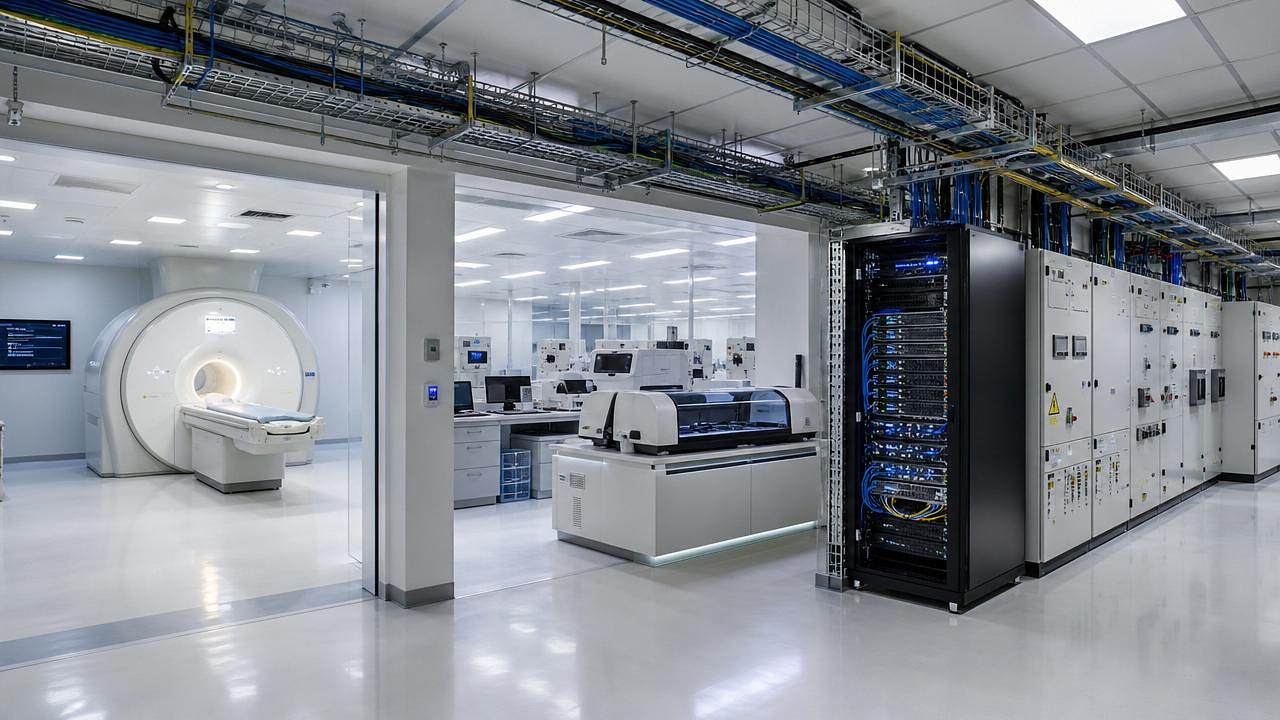




As health systems scale, hospital technology infrastructure often becomes the hidden weak point that delays projects, disrupts workflows, and inflates long-term costs. From imaging suites and IVD labs to ICU life support and operating rooms, expansion exposes gaps in power, data integration, compliance planning, and equipment coordination. Understanding why hospital technology infrastructure fails during expansion is essential for delivering safe, resilient, and future-ready clinical environments.
Why checklist-based planning matters for hospital technology infrastructure
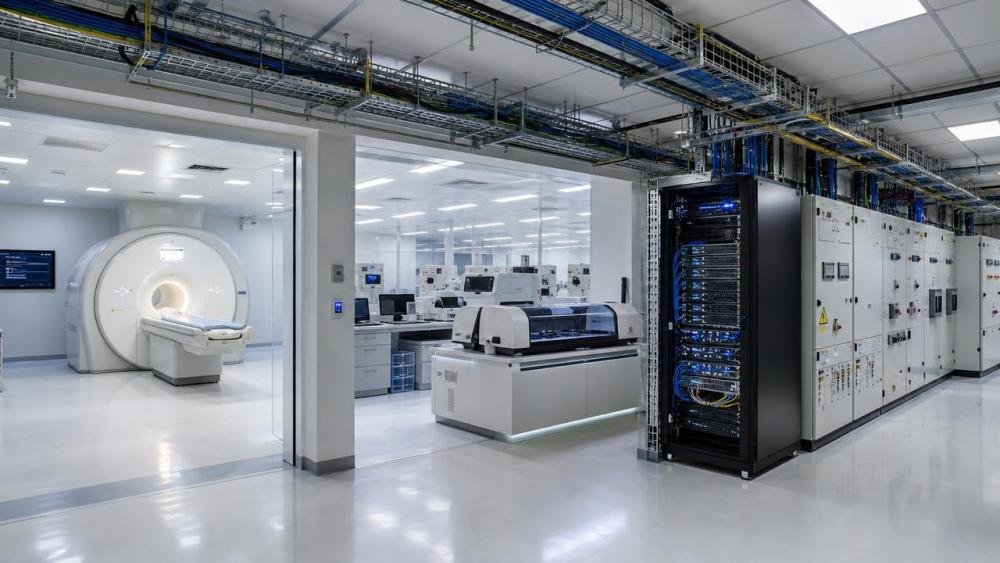
Expansion projects rarely fail because of one device. They fail when hospital technology infrastructure decisions are fragmented across architecture, biomed, IT, clinical engineering, and compliance teams.
A checklist approach forces early coordination. It reveals utility conflicts, interface gaps, shielding issues, airflow constraints, and software dependencies before equipment is delivered or rooms are commissioned.
For advanced care environments, this matters even more. MRI, CT, PCR analyzers, ventilators, operating tables, and endoscopy systems depend on stable upstream conditions that are often underestimated during fast growth.
Core expansion checklist: what to verify before hospital technology infrastructure breaks
- Map electrical load by room, modality, and redundancy level, then validate normal power, emergency power, UPS coverage, grounding, and breaker coordination against actual equipment startup behavior.
- Confirm HVAC performance early, including pressure relationships, temperature stability, humidity control, heat rejection, filtration, and air changes required by imaging, labs, sterile zones, and equipment closets.
- Audit network capacity beyond bandwidth alone, checking VLAN design, latency, Wi-Fi dead zones, cybersecurity segmentation, PACS traffic, LIS connectivity, and failover paths for critical clinical systems.
- Validate room dimensions against service clearances, cable routing, crane paths, future maintenance access, door widths, and replacement logistics for oversized scanners, booms, and life support equipment.
- Coordinate data integration requirements across HL7, DICOM, middleware, device gateways, EMR interfaces, and alarm routing so expansion does not create isolated islands of clinical information.
- Review code and compliance impacts early, including radiation shielding, medical gas standards, infection control risk assessment, CE MDR or FDA implications, and local commissioning documentation.
- Test workflow assumptions with clinicians and service engineers, not just planners, because patient transfer paths, specimen flow, cleaning cycles, and shift patterns reshape real infrastructure demand.
- Plan vendor sequencing in detail, aligning construction milestones with factory lead times, software validation, acceptance testing, calibration windows, and training so rooms do not sit unusable.
- Budget for lifecycle support, including spare parts strategy, remote diagnostics, patch management, warranty overlap, and service access, since expansion often multiplies maintenance complexity.
- Reserve capacity for growth, leaving headroom in electrical panels, backbone fiber, chilled water, server storage, and medical gas systems so hospital technology infrastructure can scale safely.
Where hospital technology infrastructure fails in different clinical environments
Imaging departments
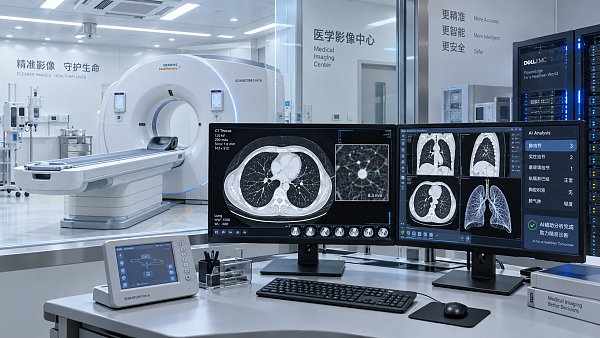
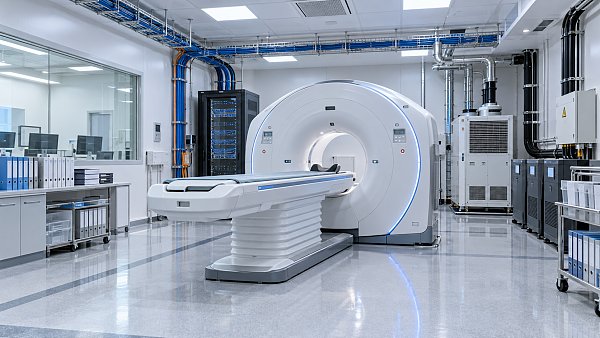
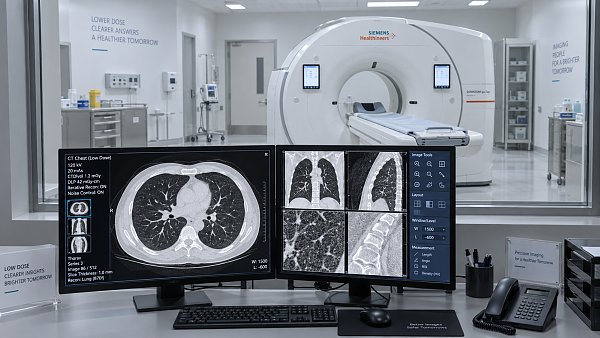
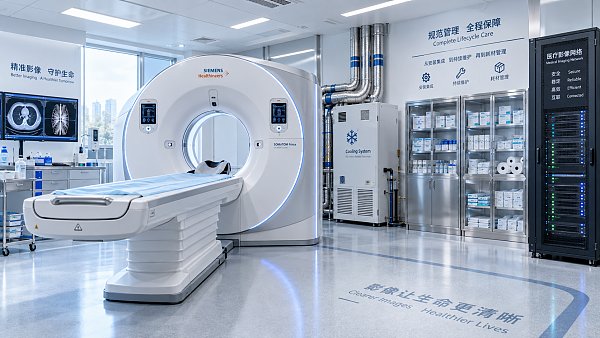
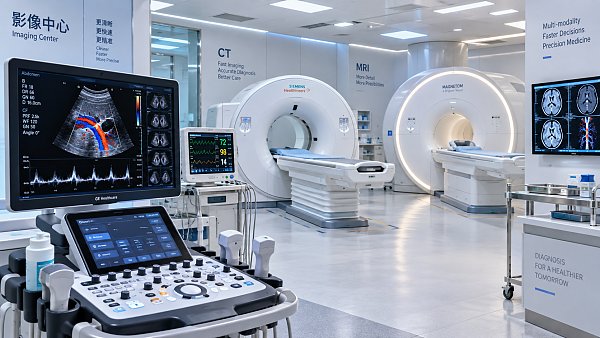
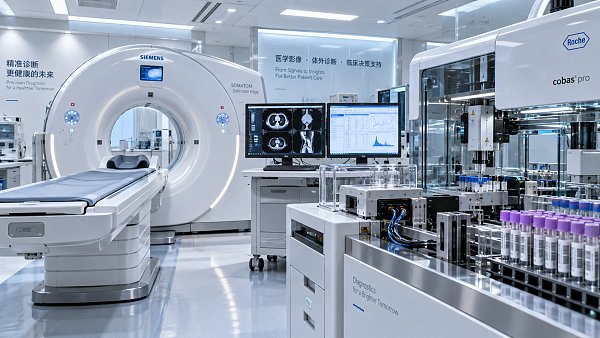
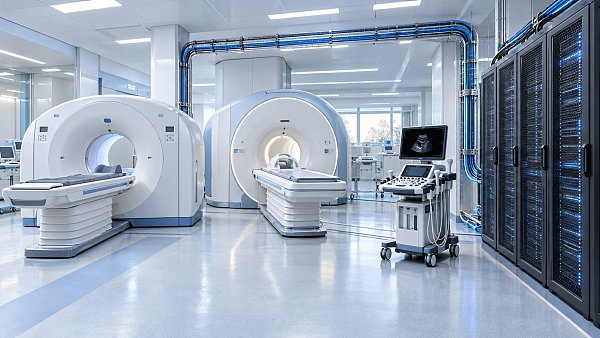
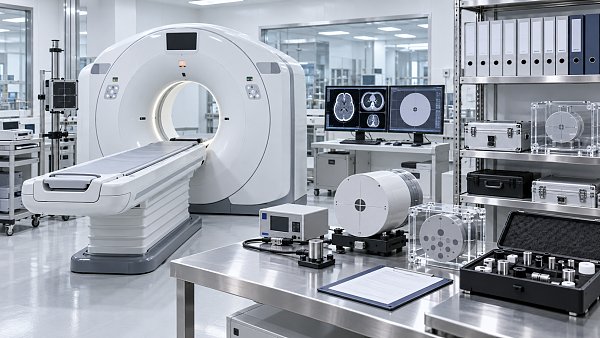
Imaging expansion often exposes weak hospital technology infrastructure because scanners demand more than floor space. MRI requires shielding, quench planning, vibration control, and stable environmental conditions.
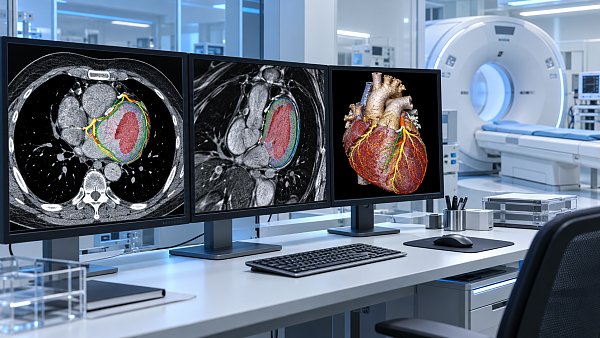
CT and advanced reconstruction workflows also strain storage, PACS throughput, and cooling. When network and utility planning lag behind equipment specifications, downtime and image transfer delays follow quickly.
IVD laboratories
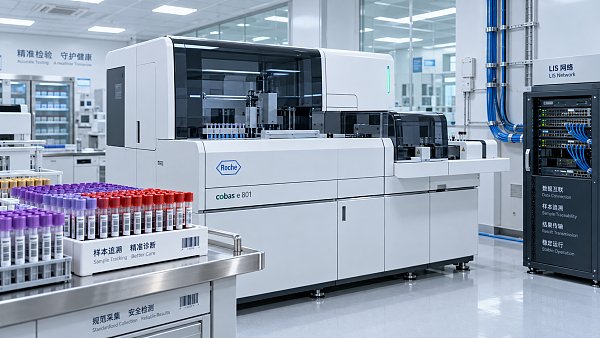
Lab expansion usually fails through fragmented automation planning. Analyzers, PCR platforms, refrigerators, barcode systems, and middleware may each work independently while specimen flow breaks end-to-end.
Hospital technology infrastructure in labs must support clean power, precise HVAC, contamination control, and uninterrupted LIS integration. Without that, turnaround time increases despite new instrument investment.
ICU and life support zones
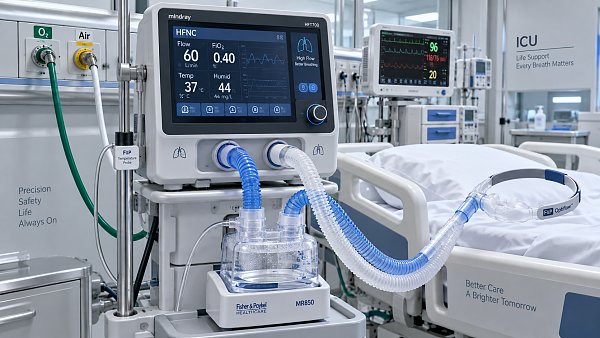
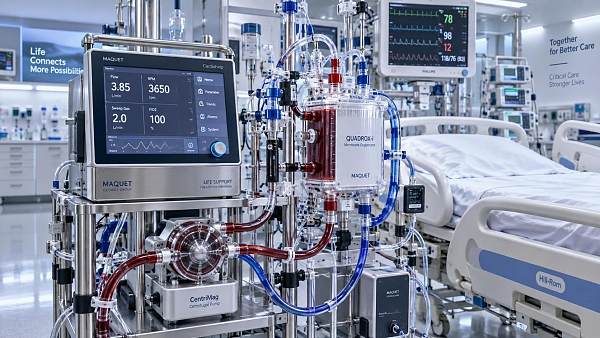
In critical care, failure is less visible until a surge occurs. Ventilators, patient monitors, infusion systems, and ECMO-related support loads can overwhelm outlets, alarm systems, and backup power assumptions.
Expansion must also consider bedside data density. If hospital technology infrastructure cannot handle continuous monitoring traffic and alarm integration, response reliability declines during peak occupancy.
Operating rooms and endoscopy suites
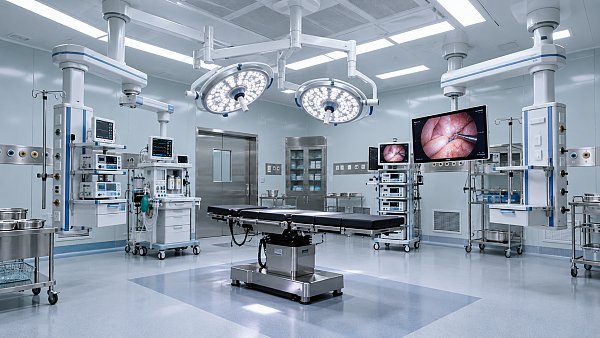
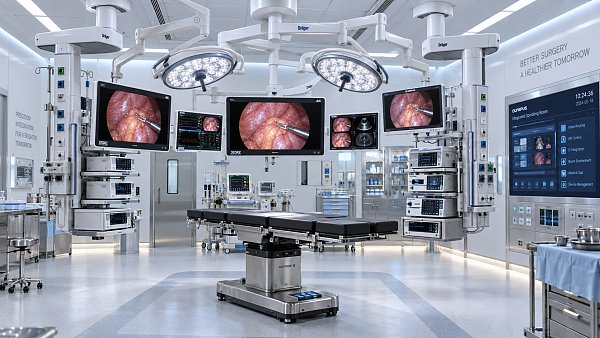
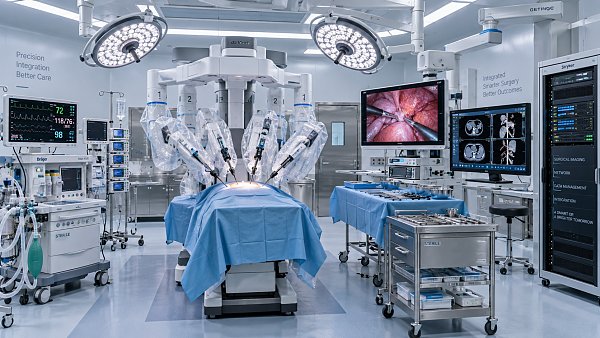
OR growth often introduces ceiling congestion first. Booms, lights, displays, anesthesia systems, imaging devices, and airflow diffusers compete for the same space above the sterile field.
Hospital technology infrastructure also fails when video routing, insufflation, sterilization support, and equipment reprocessing are not designed as one system. Endoscopy throughput then suffers despite added procedure rooms.
Commonly overlooked risks during expansion
Underestimating interoperability work
Many projects assume device integration is routine. In reality, interface mapping, cybersecurity review, and validation testing can delay go-live longer than construction itself.
Designing for equipment, not serviceability
Hospital technology infrastructure should support years of maintenance. If filters, helium lines, racks, or control cabinets are difficult to access, service disruptions become frequent and expensive.
Ignoring software and firmware dependencies
Expansion adds more devices, but also more version conflicts. Unsupported operating systems, patch windows, and vendor lock-in can compromise uptime as seriously as power failures.
Missing compliance documentation pathways
Even technically complete rooms can stall if commissioning records, validation reports, shielding certificates, or infection control evidence are incomplete. Documentation is part of operational readiness.
Expanding without future-state capacity logic
A project that solves today’s shortage may create tomorrow’s bottleneck. Hospital technology infrastructure should be sized for phased growth, higher acuity, and denser digital workflows.
Practical execution steps that reduce failure
- Build a single equipment matrix covering utilities, data interfaces, structural loads, lead times, and compliance status for every planned device.
- Run interdisciplinary design reviews at 30%, 60%, and pre-installation stages, then log unresolved technical conflicts with owners and deadlines.
- Simulate patient, staff, specimen, and equipment movement before finalizing room layouts, especially in imaging, OR, and lab expansion zones.
- Perform integrated site readiness checks before delivery, including power quality, airflow balancing, network validation, shielding verification, and interface testing.
- Use phased commissioning so critical spaces can open safely while lower-risk software, reporting, or workflow optimizations continue in controlled sequence.
Conclusion and next actions
Hospital technology infrastructure fails during expansion when planning remains siloed, utilities are undersized, integration is assumed, and compliance is treated as a late-stage task. The cost appears as delays, underused assets, and unstable clinical operations.
A better path is disciplined coordination. Start with a room-by-room infrastructure checklist, align every device with utility and data requirements, and validate readiness before installation begins.
For complex imaging, IVD, life support, and minimally invasive environments, resilient hospital technology infrastructure is not a background detail. It is the operating foundation that determines whether expansion actually improves care.
Recommended News
 Oct 06, 2026How to Evaluate an Operating Room Technology Distributor for Hospital ProjectsOperating room technology distributor evaluation guide for hospitals: assess integration, compliance, lifecycle costs, service capacity, and delivery confidence before award.
 Oct 05, 2026Global Medical Procurement Planning: How Hospitals Can Reduce Supply Risk and CostGlobal medical procurement planning helps hospitals reduce supply risk, control lifecycle costs, and protect care continuity through smarter sourcing, service, and compliance strategies.
 Oct 03, 2026How Detection Algorithms Improve Sensitivity and Workflow in Medical ImagingMedical imaging algorithms detection improves sensitivity, manages false positives, and streamlines clinical workflows. Explore validation, integration, and governance essentials.
 Oct 02, 2026High-Flow ICU Ventilators: Key Selection Criteria for Acute Respiratory CareICU ventilators high flow: discover key selection criteria for accurate gas delivery, NIV performance, humidification, alarms, reliability, and safer acute respiratory care.
 Oct 01, 2026How to Evaluate Medical Equipment Intelligence Suppliers for Hospital ProcurementMedical equipment intelligence suppliers: learn how hospitals can assess evidence quality, total cost, compliance, interoperability, and cybersecurity for smarter procurement decisions.
 Sep 30, 2026ISO 13485 Requirements for Blood Testing Instruments: A Buyer’s ChecklistBlood testing instruments ISO 13485 buyer’s checklist: verify certification scope, traceability, installation, consumables, and supplier support before you buy.
 Sep 29, 2026How to Evaluate Integrated Operating Room Systems for Workflow, Imaging, and IT IntegrationIntegrated operating room systems: evaluate workflow, imaging, IT integration, cybersecurity, and lifecycle value to select a scalable surgical solution.
 Sep 28, 2026How to Evaluate a Genetic Testing Equipment Supplier for PCR Lab ProcurementGenetic testing equipment supplier evaluation guide for PCR labs: compare performance, compliance, workflow, service, supply resilience, and total cost.
 Sep 27, 2026How to Specify Custom Benchtop Diagnostic Instruments for Your Assay WorkflowCustom diagnostic instruments benchtop guide: specify optics, fluidics, automation, software integration, and support to build a reliable assay workflow.
 Sep 26, 2026How Cardiac Imaging Analysis Tools Turn CT and MRI Data into Clinical MetricsMedical imaging analysis cardiology tools transform cardiac CT and MRI into reliable metrics. Explore segmentation, validation, workflow integration, and AI review.
 Sep 25, 2026How Iterative Image Reconstruction Algorithms Balance CT Dose, Noise, and DetailIterative image reconstruction algorithms help CT teams balance dose, noise, and diagnostic detail. Explore practical insights for confident imaging decisions.
 Sep 24, 2026What Drives the Total Cost of Medical Technology Solutions Over Their Lifecycle?Medical technology solutions cost goes far beyond purchase price—explore lifecycle drivers from installation and service to software, training, compliance, and downtime.
 Sep 24, 2026Diagnostic Imaging Technology: How Modalities Support Different Clinical DecisionsDiagnostic imaging technology supports smarter clinical decisions across CT, MRI, ultrasound, and nuclear imaging. Explore modality strengths, workflows, and selection factors.
 Sep 22, 2026How Life Science Labs Can Select Biomedical Research Equipment by Workflow and ThroughputBiomedical research equipment life science labs can select with confidence by aligning workflow, throughput, automation, data integrity, and scalable support.
 Sep 21, 2026How to Plan LIS Connectivity for Chemiluminescence Analyzers Without Data GapsChemiluminescence analyzers LIS connectivity: learn how to prevent data gaps with field mapping, exception workflows, end-to-end validation, and reliable go-live planning.
 Sep 20, 2026Selecting Fluorescence PCR Instruments: Detection Channels, Sensitivity, and Workflow FitPCR diagnostic instruments fluorescence detection guide: compare channels, sensitivity, multiplexing, and workflow fit to select a reliable platform.
 Sep 19, 2026Biomedical Signal Processing: From Sensor Data to Clinical Decision SupportBiomedical signal processing transforms sensor data into reliable clinical decision support. Explore AI, imaging, IVD, ICU monitoring, and compliance-ready MedTech insights.
 Sep 18, 2026How to Evaluate a Diagnostic Imaging Platform for Multi-Modality Workflow IntegrationDiagnostic imaging platform evaluation guide: assess multi-modality workflows, interoperability, AI integration, image integrity, security, and scalability for safer clinical decisions.
 Sep 17, 2026ISO 13485 for Medical Imaging Equipment: What Manufacturers Must DocumentMedical imaging equipment ISO 13485: discover essential documentation for design controls, risk management, traceability, software, and post-market quality.
 Sep 16, 2026Robotic MIS Equipment: What Hospitals Should Evaluate Before AdoptionMinimally invasive surgical equipment robotic adoption guide: evaluate workflow, safety, imaging, costs, cybersecurity, and service readiness.
 Sep 15, 2026How to Evaluate Biomedical Signal Processing Suppliers for Clinical Device ProjectsBiomedical signal processing supplier evaluation guide for clinical device teams—compare signal fidelity, regulatory evidence, cybersecurity, integration, and lifecycle support.
 Sep 14, 2026How Integrated Clinical Diagnostics Solutions Reduce Turnaround Time Across Lab WorkflowsIntegrated clinical diagnostics solutions reduce lab turnaround time by connecting workflows, automation, and data. Discover practical strategies for faster, traceable results.
 Sep 13, 2026ECMO System Market Outlook: Demand Drivers, Investment Risks, and Growth OpportunitiesECMO system market outlook explores demand drivers, investment risks, regulatory factors, and growth opportunities shaping critical-care innovation and adoption.
 Sep 12, 2026Where to Find Reliable Medical Device Information for Research and Due DiligenceMedical device information resource guide for due diligence: verify regulatory, clinical, safety, and technical evidence to make confident decisions.








Related News
- 00
0000-00
How to Evaluate an Operating Room Technology Distributor for Hospital Projects - 00
0000-00
How Detection Algorithms Improve Sensitivity and Workflow in Medical Imaging - 00
0000-00
How to Evaluate Integrated Operating Room Systems for Workflow, Imaging, and IT Integration - 00
0000-00
How Cardiac Imaging Analysis Tools Turn CT and MRI Data into Clinical Metrics - 00
0000-00
Diagnostic Imaging Technology: How Modalities Support Different Clinical Decisions
Weekly Insights
Stay ahead with our curated technology reports delivered every Monday.