
How minimally invasive surgery equipment cuts recovery time
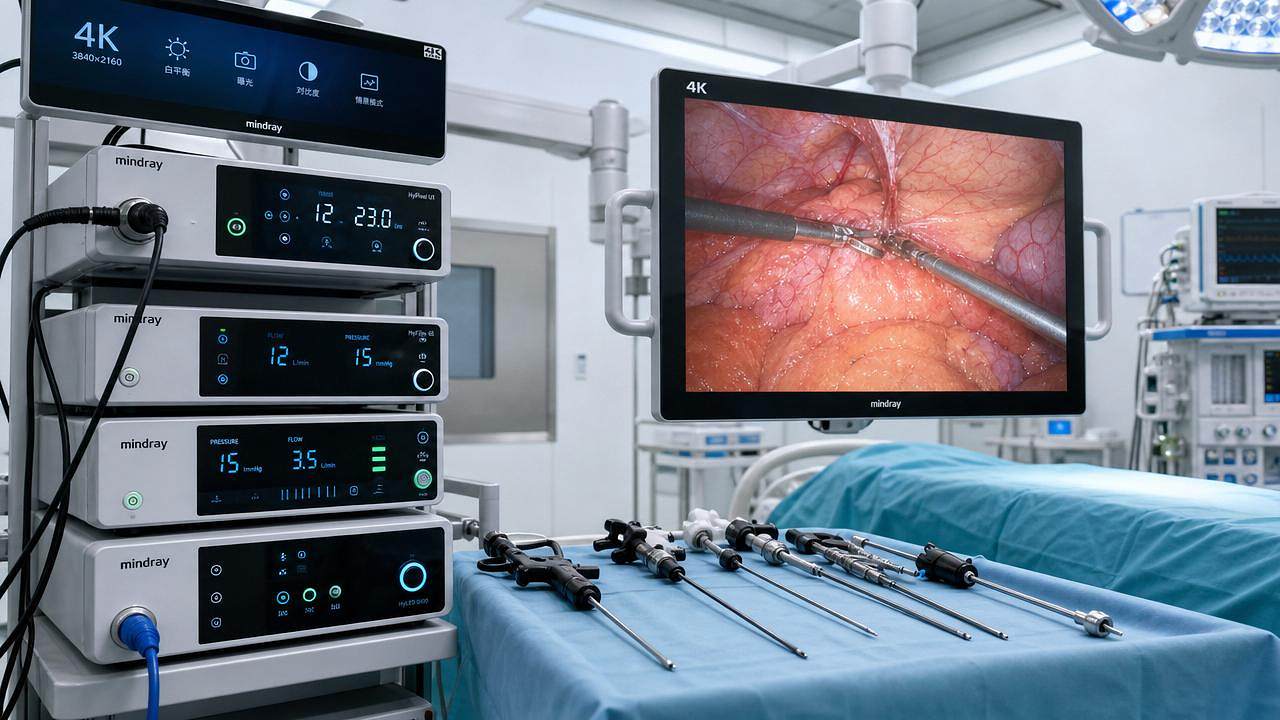




Minimally invasive surgery equipment is reshaping clinical pathways across modern hospitals. Smaller access points reduce tissue damage, shorten hospital stays, and help patients regain mobility, appetite, and confidence sooner.
For AMDS, this topic matters because minimally invasive surgery equipment connects optics, imaging, precision control, compliance, and outcome economics. It shows how MedTech innovation directly changes recovery time in measurable, real-world settings.
Why recovery-time decisions depend on surgical scenario
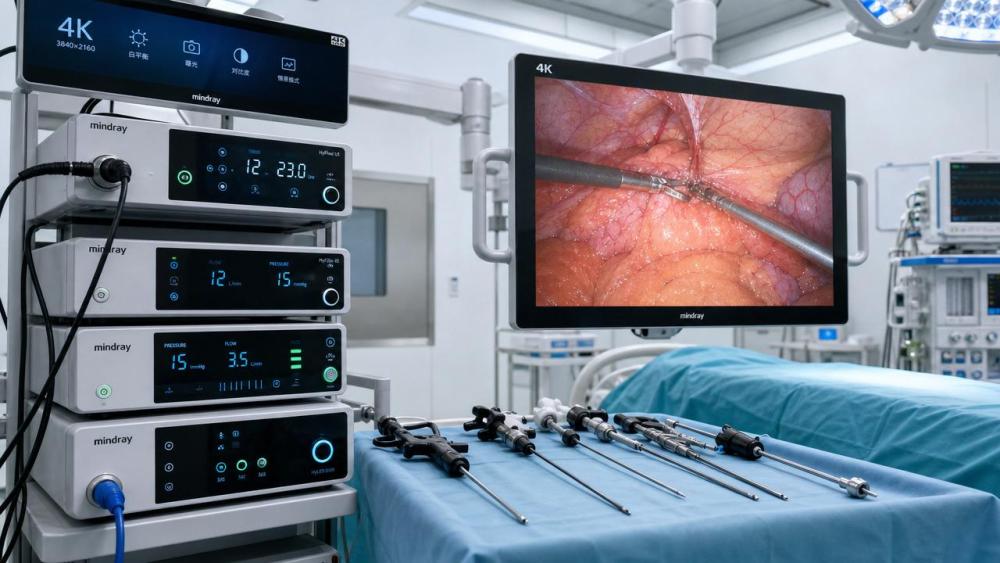
Not every procedure gains equally from minimally invasive surgery equipment. Recovery benefits depend on anatomy, disease stage, imaging clarity, instrument precision, anesthesia burden, and post-operative care demands.
In abdominal surgery, reduced incision size often lowers pain and speeds bowel recovery. In thoracic or urologic settings, better visualization may matter even more than incision length.
This is why recovery analysis should be scenario-based. The question is not whether minimally invasive surgery equipment is advanced, but where it creates the fastest and safest path back to function.
Scenario 1: Endoscopic abdominal procedures where tissue trauma drives delay
Core judgment point: how much collateral tissue injury can be avoided
Gallbladder, appendix, bariatric, and colorectal procedures often benefit strongly from minimally invasive surgery equipment. Laparoscopic towers, insufflators, energy devices, and high-definition endoscopes reduce wide tissue disruption.
Smaller incisions usually mean lower pain scores. Patients breathe more comfortably, walk earlier, and need fewer opioids. That combination lowers pulmonary risks and supports faster discharge.
Advanced imaging also helps surgeons separate tissue planes accurately. Better dissection control can reduce bleeding, limit unnecessary manipulation, and preserve surrounding structures that affect digestive recovery.
Why recovery time drops in this setting
- Reduced incision size lowers wound pain and infection exposure.
- Magnified views improve precision around vessels and nerves.
- Less tissue handling supports earlier bowel function return.
- Faster mobilization reduces thrombosis and respiratory complications.
Scenario 2: Thoracic and pulmonary cases where visualization changes outcomes
Core judgment point: can optics replace broad surgical exposure
Thoracic surgery traditionally required painful access through the chest wall. Today, minimally invasive surgery equipment such as thoracoscopes and 3D camera systems can reduce that burden substantially.
When image quality is strong, surgeons can work through limited ports while maintaining orientation around vessels, bronchi, and lymphatic structures. That often improves post-operative breathing comfort.
In lung resection pathways, the recovery benefit is often tied to chest wall preservation. Less muscular and rib spreading trauma can shorten pain duration and accelerate respiratory rehabilitation.
Recovery advantages to monitor
The best signal is not only shorter stay. Look at coughing tolerance, oxygen needs, drain duration, walking distance, and return to oral intake. These markers reveal real recovery quality.
Scenario 3: Urology and gynecology where precision protects function
Core judgment point: whether fine control preserves nearby anatomy
In pelvic surgery, minimally invasive surgery equipment often matters because anatomy is compact and functionally sensitive. Endoscopes, articulating tools, and energy platforms can support careful dissection.
For hysterectomy, endometriosis treatment, or prostate procedures, reduced blood loss and better nerve awareness may improve recovery. The goal is not only discharge speed but also functional preservation.
This scenario shows why advanced minimally invasive surgery equipment is more than a small-incision story. Recovery time improves when precision protects bladder, sexual, and pelvic floor function.
Scenario 4: Complex oncology cases where speed must not compromise margins
Core judgment point: can minimally invasive access maintain oncologic quality
Cancer surgery raises a tougher question. Minimally invasive surgery equipment may shorten recovery, but only when visualization, specimen handling, and margin control remain uncompromised.
When the platform supports stable imaging, smoke management, and meticulous dissection, patients may recover faster and begin adjuvant therapy sooner. That can influence broader treatment timelines.
However, complexity varies by tumor site and stage. In this setting, recovery-time benefits should always be judged together with lymph node yield, conversion rates, and complication patterns.
How different scenarios change minimally invasive surgery equipment needs
What features of minimally invasive surgery equipment most affect recovery
Several equipment features repeatedly shape recovery outcomes across specialties. They influence not only operative efficiency but also pain levels, complication probability, and post-operative functional return.
- 4K or 3D visualization improves anatomical discrimination.
- Anti-fog optics reduce interruptions and shorten operative flow disruption.
- Stable insufflation helps maintain workspace and precision.
- Fine energy control limits thermal spread to nearby tissue.
- Ergonomic instrument design supports steadier, less traumatic movements.
At AMDS, these features matter because they connect engineering quality with clinical recovery. Recovery time is often the visible result of invisible system reliability inside the operating room.
Scenario-fit recommendations for evaluating equipment choices
- Match equipment capability to the most frequent procedure mix, not isolated flagship cases.
- Review recovery metrics beyond length of stay, including pain, mobility, and complication reduction.
- Check whether imaging and instruments remain effective in narrow or bleeding-prone spaces.
- Assess compatibility with existing OR workflows, sterilization, and digital documentation systems.
- Consider compliance pathways and long-term service reliability, especially for critical optics systems.
These steps create a more accurate picture of how minimally invasive surgery equipment will influence recovery time in daily practice, not only under ideal demonstration conditions.
Common misjudgments that weaken recovery gains
One common mistake is treating small incisions as the only indicator of minimally invasive success. Poor visualization or unstable tools can still prolong surgery and increase tissue stress.
Another mistake is ignoring the learning curve. Even excellent minimally invasive surgery equipment needs coordinated training, workflow adaptation, and maintenance discipline to deliver consistent recovery benefits.
A third oversight is measuring only discharge speed. True recovery includes pain control, complication avoidance, return to function, and readiness for the next stage of treatment.
The next practical step for understanding recovery impact
To evaluate minimally invasive surgery equipment effectively, start with a scenario map. Identify procedure groups, recovery bottlenecks, imaging demands, and functional outcomes that matter most.
Then connect those needs to equipment features, compliance evidence, and operational economics. This is where AMDS helps translate clinical technology into structured intelligence for better medical decisions.
As minimally invasive surgery equipment continues evolving, the most valuable insight is practical: recovery time falls fastest when technology matches the clinical scenario with precision, safety, and workflow realism.
Recommended News
 Oct 06, 2026How to Evaluate an Operating Room Technology Distributor for Hospital ProjectsOperating room technology distributor evaluation guide for hospitals: assess integration, compliance, lifecycle costs, service capacity, and delivery confidence before award.
 Oct 05, 2026Global Medical Procurement Planning: How Hospitals Can Reduce Supply Risk and CostGlobal medical procurement planning helps hospitals reduce supply risk, control lifecycle costs, and protect care continuity through smarter sourcing, service, and compliance strategies.
 Oct 03, 2026How Detection Algorithms Improve Sensitivity and Workflow in Medical ImagingMedical imaging algorithms detection improves sensitivity, manages false positives, and streamlines clinical workflows. Explore validation, integration, and governance essentials.
 Oct 02, 2026High-Flow ICU Ventilators: Key Selection Criteria for Acute Respiratory CareICU ventilators high flow: discover key selection criteria for accurate gas delivery, NIV performance, humidification, alarms, reliability, and safer acute respiratory care.
 Oct 01, 2026How to Evaluate Medical Equipment Intelligence Suppliers for Hospital ProcurementMedical equipment intelligence suppliers: learn how hospitals can assess evidence quality, total cost, compliance, interoperability, and cybersecurity for smarter procurement decisions.
 Sep 30, 2026ISO 13485 Requirements for Blood Testing Instruments: A Buyer’s ChecklistBlood testing instruments ISO 13485 buyer’s checklist: verify certification scope, traceability, installation, consumables, and supplier support before you buy.
 Sep 29, 2026How to Evaluate Integrated Operating Room Systems for Workflow, Imaging, and IT IntegrationIntegrated operating room systems: evaluate workflow, imaging, IT integration, cybersecurity, and lifecycle value to select a scalable surgical solution.
 Sep 28, 2026How to Evaluate a Genetic Testing Equipment Supplier for PCR Lab ProcurementGenetic testing equipment supplier evaluation guide for PCR labs: compare performance, compliance, workflow, service, supply resilience, and total cost.
 Sep 27, 2026How to Specify Custom Benchtop Diagnostic Instruments for Your Assay WorkflowCustom diagnostic instruments benchtop guide: specify optics, fluidics, automation, software integration, and support to build a reliable assay workflow.
 Sep 26, 2026How Cardiac Imaging Analysis Tools Turn CT and MRI Data into Clinical MetricsMedical imaging analysis cardiology tools transform cardiac CT and MRI into reliable metrics. Explore segmentation, validation, workflow integration, and AI review.
 Sep 25, 2026How Iterative Image Reconstruction Algorithms Balance CT Dose, Noise, and DetailIterative image reconstruction algorithms help CT teams balance dose, noise, and diagnostic detail. Explore practical insights for confident imaging decisions.
 Sep 24, 2026What Drives the Total Cost of Medical Technology Solutions Over Their Lifecycle?Medical technology solutions cost goes far beyond purchase price—explore lifecycle drivers from installation and service to software, training, compliance, and downtime.
 Sep 24, 2026Diagnostic Imaging Technology: How Modalities Support Different Clinical DecisionsDiagnostic imaging technology supports smarter clinical decisions across CT, MRI, ultrasound, and nuclear imaging. Explore modality strengths, workflows, and selection factors.
 Sep 22, 2026How Life Science Labs Can Select Biomedical Research Equipment by Workflow and ThroughputBiomedical research equipment life science labs can select with confidence by aligning workflow, throughput, automation, data integrity, and scalable support.
 Sep 21, 2026How to Plan LIS Connectivity for Chemiluminescence Analyzers Without Data GapsChemiluminescence analyzers LIS connectivity: learn how to prevent data gaps with field mapping, exception workflows, end-to-end validation, and reliable go-live planning.
 Sep 20, 2026Selecting Fluorescence PCR Instruments: Detection Channels, Sensitivity, and Workflow FitPCR diagnostic instruments fluorescence detection guide: compare channels, sensitivity, multiplexing, and workflow fit to select a reliable platform.
 Sep 19, 2026Biomedical Signal Processing: From Sensor Data to Clinical Decision SupportBiomedical signal processing transforms sensor data into reliable clinical decision support. Explore AI, imaging, IVD, ICU monitoring, and compliance-ready MedTech insights.
 Sep 18, 2026How to Evaluate a Diagnostic Imaging Platform for Multi-Modality Workflow IntegrationDiagnostic imaging platform evaluation guide: assess multi-modality workflows, interoperability, AI integration, image integrity, security, and scalability for safer clinical decisions.
 Sep 17, 2026ISO 13485 for Medical Imaging Equipment: What Manufacturers Must DocumentMedical imaging equipment ISO 13485: discover essential documentation for design controls, risk management, traceability, software, and post-market quality.
 Sep 16, 2026Robotic MIS Equipment: What Hospitals Should Evaluate Before AdoptionMinimally invasive surgical equipment robotic adoption guide: evaluate workflow, safety, imaging, costs, cybersecurity, and service readiness.
 Sep 15, 2026How to Evaluate Biomedical Signal Processing Suppliers for Clinical Device ProjectsBiomedical signal processing supplier evaluation guide for clinical device teams—compare signal fidelity, regulatory evidence, cybersecurity, integration, and lifecycle support.
 Sep 14, 2026How Integrated Clinical Diagnostics Solutions Reduce Turnaround Time Across Lab WorkflowsIntegrated clinical diagnostics solutions reduce lab turnaround time by connecting workflows, automation, and data. Discover practical strategies for faster, traceable results.
 Sep 13, 2026ECMO System Market Outlook: Demand Drivers, Investment Risks, and Growth OpportunitiesECMO system market outlook explores demand drivers, investment risks, regulatory factors, and growth opportunities shaping critical-care innovation and adoption.
 Sep 12, 2026Where to Find Reliable Medical Device Information for Research and Due DiligenceMedical device information resource guide for due diligence: verify regulatory, clinical, safety, and technical evidence to make confident decisions.






Related News
- 00
0000-00
FDA clears AMDS PMA, easing U.S. hospital access - 00
0000-00
EU Ends MDD Grace Period for Rigid Endoscopy Systems - 00
0000-00
Endoscopic Imaging Technology 4K vs HD: Which Specs Matter in Daily Clinical Use? - 00
0000-00
EU Extends MDR Class IIa Deadline, Ends Rigid Endoscope Exemption - 00
0000-00
EU MDR Extends Class IIa Transition, Ends Rigid Endoscopy Exemption
Weekly Insights
Stay ahead with our curated technology reports delivered every Monday.