
Medical equipment innovation is reshaping service demands
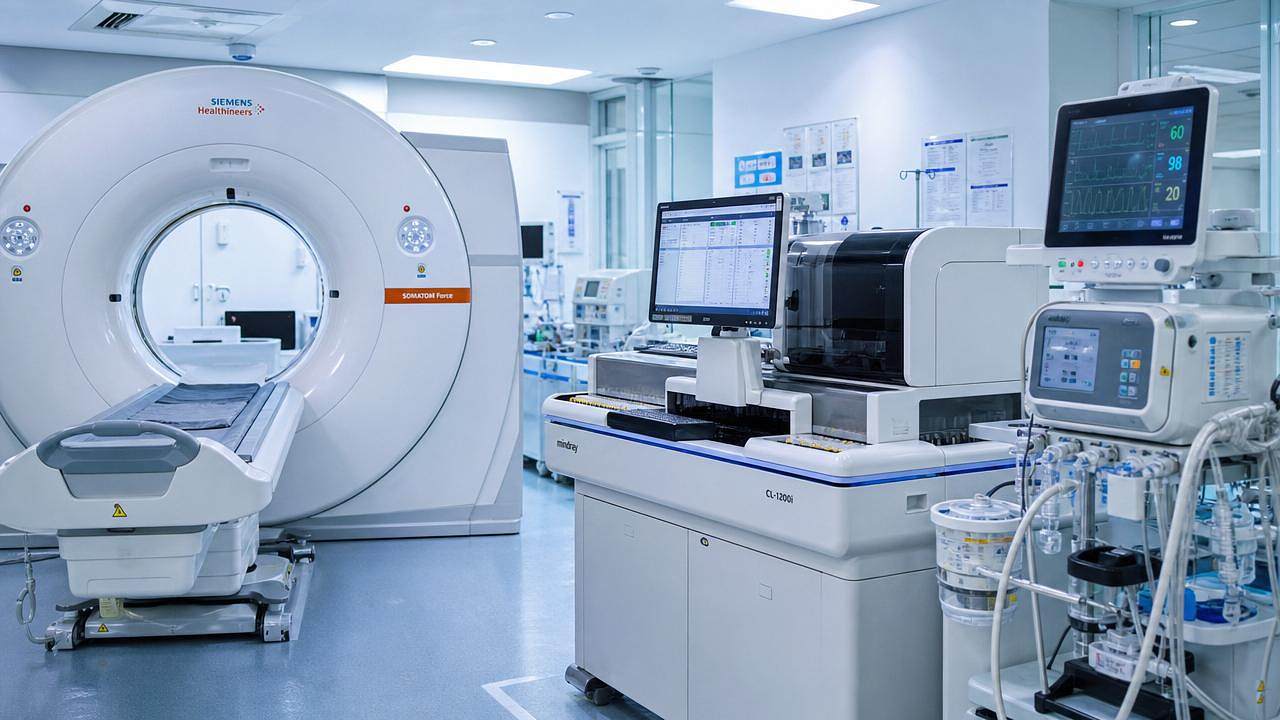




Medical equipment innovation is reshaping service demands across modern healthcare systems.
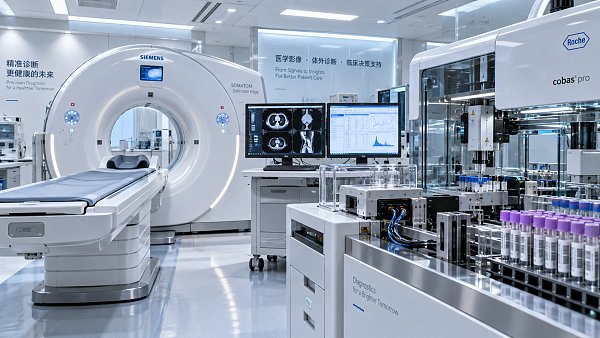
The shift is visible in imaging, IVD, life support, operating room platforms, and endoscopic technologies.
Service work now extends far beyond repair.
It includes uptime management, cybersecurity checks, software validation, regulatory traceability, and lifecycle optimization.
For AMDS, this transition matters because advanced systems connect precision diagnostics with safety, compliance, and measurable clinical performance.
As medical equipment innovation accelerates, service expectations become more technical, data-driven, and mission-critical.
Understanding medical equipment innovation in service operations
Medical equipment innovation refers to new hardware, embedded software, connectivity, automation, and intelligent clinical workflows.
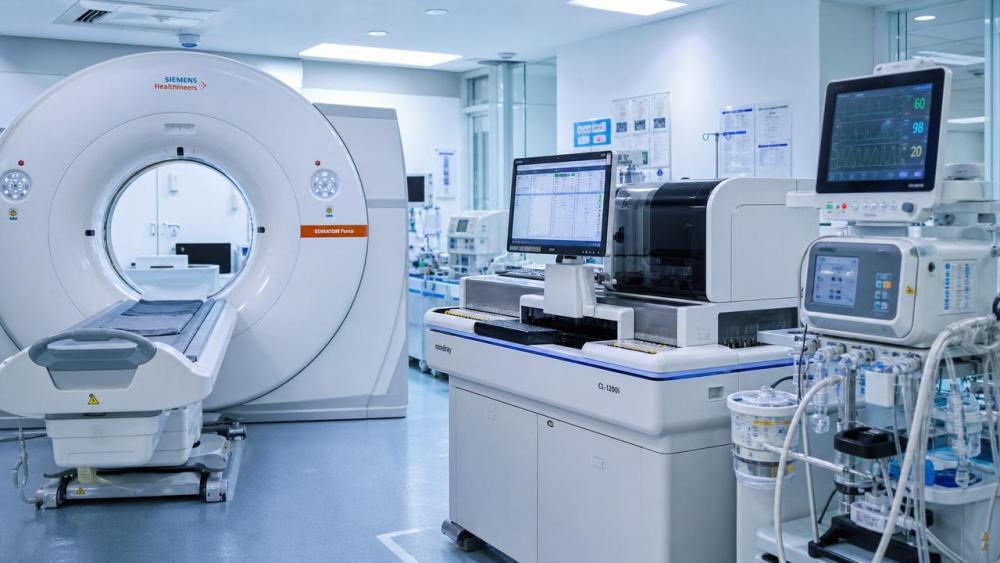
In service operations, innovation changes both what must be maintained and how maintenance is delivered.
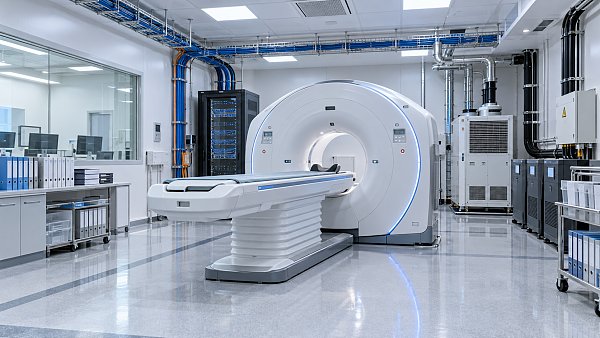
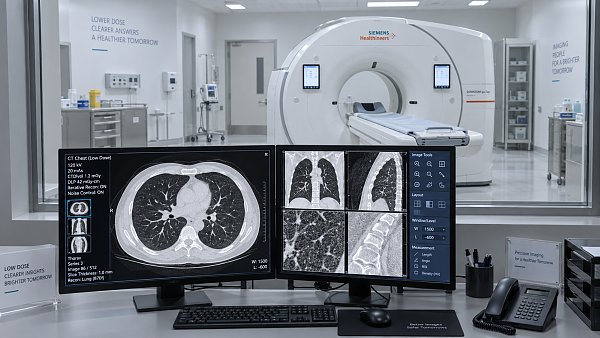
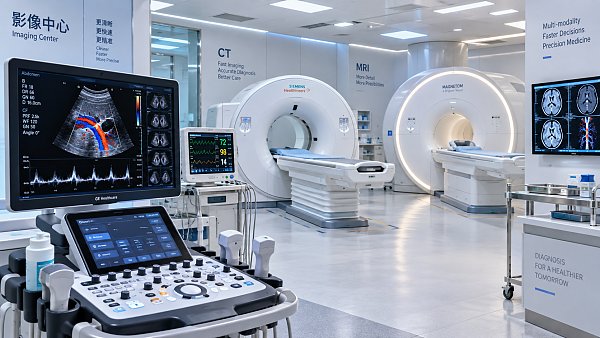
A CT scanner now depends on detectors, reconstruction engines, cloud diagnostics, and cybersecurity controls.
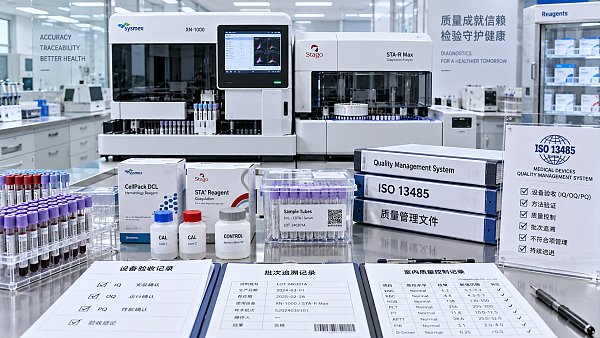
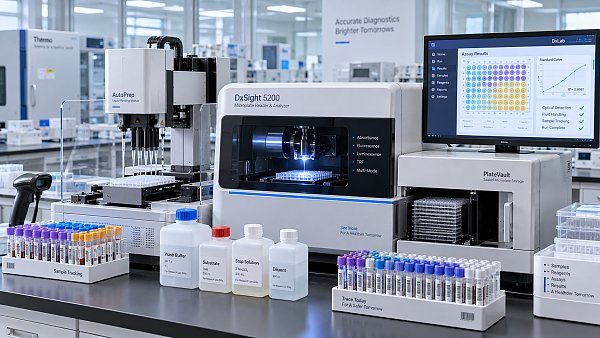
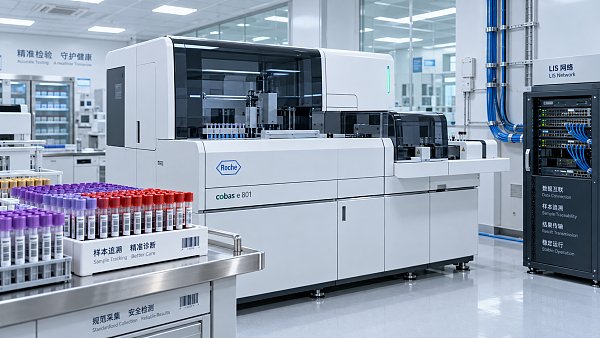
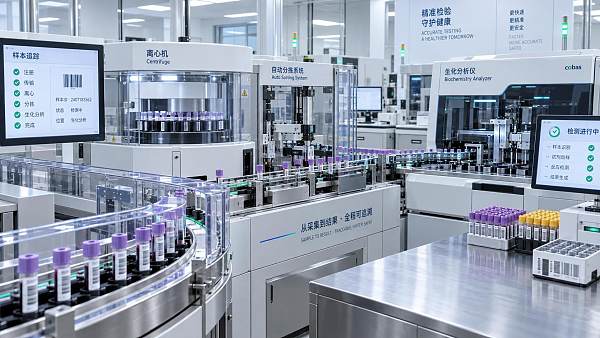
An IVD analyzer combines optics, reagents, firmware, calibration logic, and data interfaces.
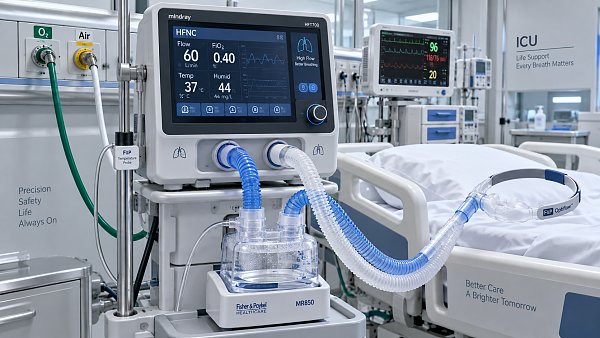
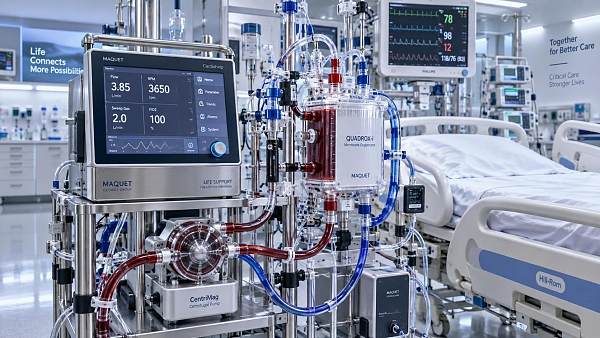
A ventilator requires sensor accuracy, alarm integrity, software revision control, and uninterrupted reliability.
This means medical equipment innovation directly expands the scope of technical service.
Traditional break-fix models are no longer enough.
Service teams must understand remote diagnostics, predictive maintenance, configuration management, and compliance evidence.
That is especially true in systems supporting early diagnosis, critical care, and minimally invasive surgery.
Industry background and current pressure points
Several market forces explain why medical equipment innovation is reshaping service demands so quickly.
- Device software is updated more often than legacy biomedical equipment.
- Hospital networks require stronger interoperability and cybersecurity assurance.
- Global regulations demand clearer service records and change control.
- Clinical departments expect higher uptime and faster issue resolution.
- Data generated by smart devices must remain accurate, secure, and usable.
These pressures affect the full equipment lifecycle, from installation through decommissioning.
AMDS tracks this pattern across five major categories of advanced clinical technology.
Why medical equipment innovation changes business value
The business meaning of medical equipment innovation goes beyond better features.
It changes cost structures, risk exposure, and service quality expectations.
Downtime in advanced imaging can delay diagnosis and reduce asset productivity.
Downtime in IVD can disrupt testing throughput and delay treatment decisions.
Downtime in life support can create direct clinical risk.
Because of this, service is now part of strategic performance, not a back-end support function.
Medical equipment innovation also increases the value of service intelligence.
Performance logs, error histories, and utilization trends help predict failures before they interrupt care.
For advanced systems, this proactive approach improves clinical continuity and total lifecycle return.
At the same time, stronger documentation supports CE MDR, FDA, and internal quality requirements.
That link between innovation and compliance is central to global market credibility.
Representative service scenarios across advanced equipment
Medical equipment innovation does not create one universal service model.
Different equipment families require different maintenance logic and risk controls.
Imaging systems
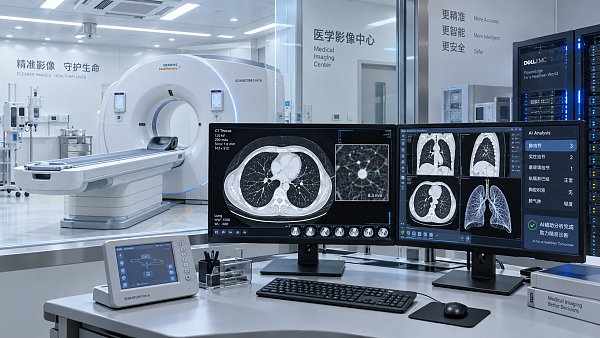
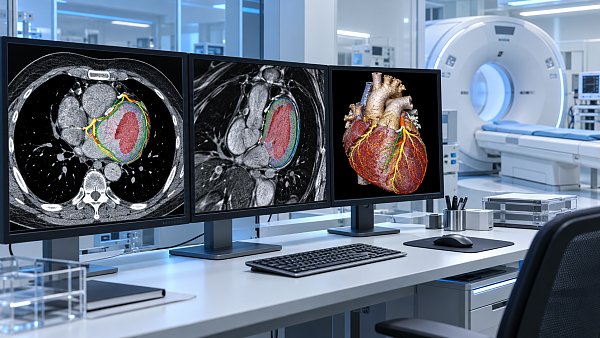
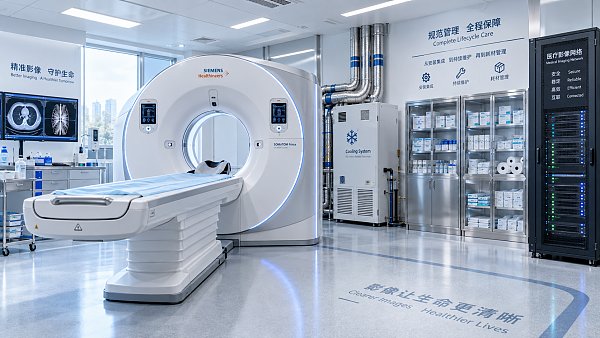
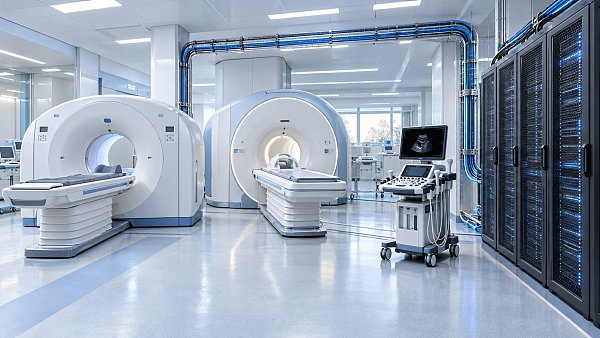
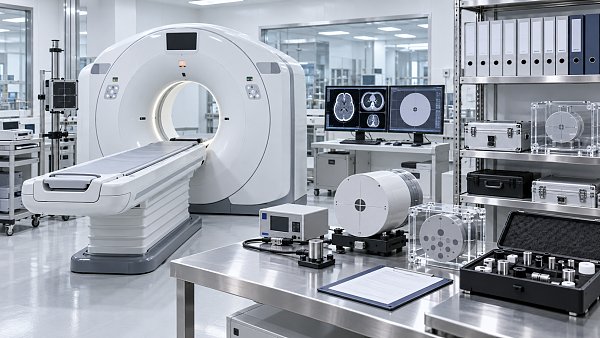
MRI and CT platforms require environmental stability, software consistency, and image quality validation.
Medical equipment innovation in imaging often introduces algorithm upgrades that must be verified after installation.
IVD analyzers
Precision depends on calibration, reagent handling, fluidics, and data transfer accuracy.
Even small service errors can affect result reliability and downstream clinical interpretation.
Life support equipment
Ventilators and ECMO systems demand rapid response, strict traceability, and robust alarm testing.
Here, medical equipment innovation must be matched by disciplined risk management.
Operating room infrastructure
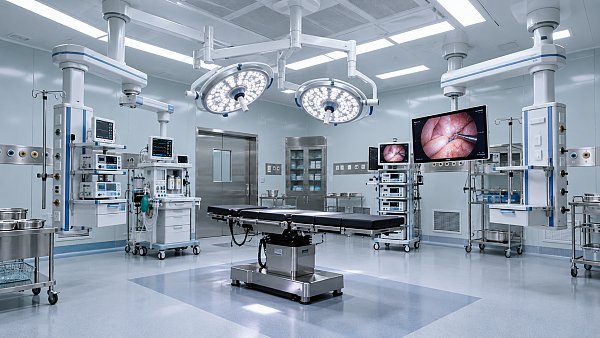
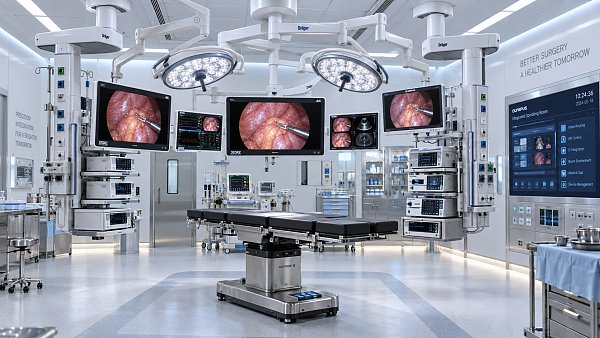
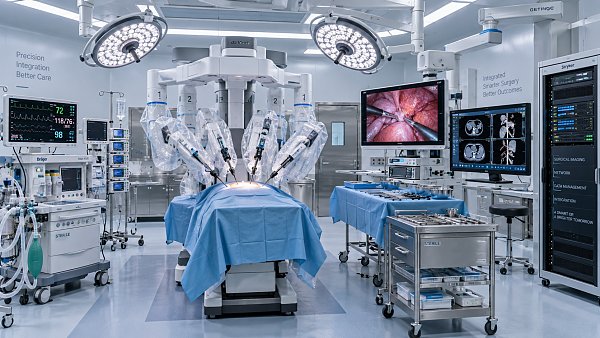
Integrated OR environments involve tables, lights, displays, and coordination with imaging devices.
Service must consider system interaction, not isolated hardware checks.
Endoscope systems
Performance depends on optics, articulation, illumination, image processing, and reprocessing readiness.
Medical equipment innovation in endoscopy raises expectations for image clarity and minimally invasive precision.
Practical priorities for stronger service capability
To respond effectively, service frameworks should align technical depth with operational discipline.
- Build device-specific knowledge for imaging, IVD, life support, OR, and endoscopy.
- Combine mechanical repair skills with software and network troubleshooting.
- Use preventive maintenance schedules based on usage and failure history.
- Maintain clean documentation for audits, field updates, and parts replacement.
- Verify cybersecurity controls whenever systems connect to hospital networks.
- Track key service metrics such as uptime, response time, repeat failures, and verification pass rates.
These steps help convert medical equipment innovation into reliable daily performance.
They also reduce hidden costs created by emergency repairs and uncontrolled downtime.
Compliance, data, and lifecycle considerations
Advanced devices now operate within stricter quality and regulatory environments.
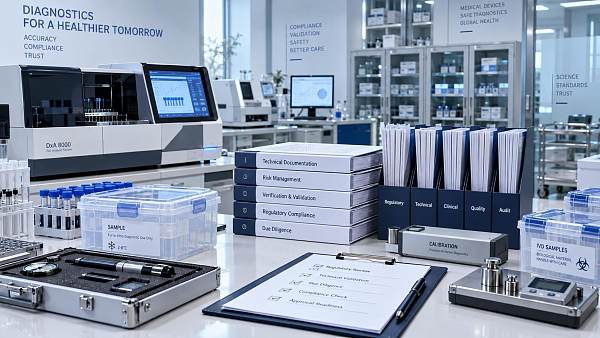
Medical equipment innovation therefore requires service records that are complete, timely, and defensible.
That includes software versions, replaced parts, calibration results, alarm testing, and validation outcomes.
Data integrity is equally important.
If a smart device sends inaccurate, delayed, or unsecured information, clinical and operational value declines quickly.
Lifecycle thinking is the final layer.
Every upgrade, repair, and inspection should support long-term reliability, not short-term recovery alone.
This is where AMDS intelligence becomes useful.
It connects technical trends, compliance signals, and health economics into a practical decision framework.
Next-step perspective for continuous improvement
Medical equipment innovation will continue to raise the standard for safety, precision, and interoperability.
Service capability must evolve at the same speed.
A practical next step is to review critical equipment by category, connectivity level, and compliance burden.
Then map each asset to preventive tasks, software controls, spare parts readiness, and escalation procedures.
This creates a clearer path from innovation to dependable clinical support.
With disciplined analysis, medical equipment innovation becomes more than a technology trend.
It becomes a structured service model that protects uptime, supports compliance, and strengthens healthcare delivery.
AMDS continues to follow this evolution where precision diagnostics, intelligent systems, and life-critical reliability meet.
Recommended News
 Oct 06, 2026How to Evaluate an Operating Room Technology Distributor for Hospital ProjectsOperating room technology distributor evaluation guide for hospitals: assess integration, compliance, lifecycle costs, service capacity, and delivery confidence before award.
 Oct 05, 2026Global Medical Procurement Planning: How Hospitals Can Reduce Supply Risk and CostGlobal medical procurement planning helps hospitals reduce supply risk, control lifecycle costs, and protect care continuity through smarter sourcing, service, and compliance strategies.
 Oct 03, 2026How Detection Algorithms Improve Sensitivity and Workflow in Medical ImagingMedical imaging algorithms detection improves sensitivity, manages false positives, and streamlines clinical workflows. Explore validation, integration, and governance essentials.
 Oct 02, 2026High-Flow ICU Ventilators: Key Selection Criteria for Acute Respiratory CareICU ventilators high flow: discover key selection criteria for accurate gas delivery, NIV performance, humidification, alarms, reliability, and safer acute respiratory care.
 Oct 01, 2026How to Evaluate Medical Equipment Intelligence Suppliers for Hospital ProcurementMedical equipment intelligence suppliers: learn how hospitals can assess evidence quality, total cost, compliance, interoperability, and cybersecurity for smarter procurement decisions.
 Sep 30, 2026ISO 13485 Requirements for Blood Testing Instruments: A Buyer’s ChecklistBlood testing instruments ISO 13485 buyer’s checklist: verify certification scope, traceability, installation, consumables, and supplier support before you buy.
 Sep 29, 2026How to Evaluate Integrated Operating Room Systems for Workflow, Imaging, and IT IntegrationIntegrated operating room systems: evaluate workflow, imaging, IT integration, cybersecurity, and lifecycle value to select a scalable surgical solution.
 Sep 28, 2026How to Evaluate a Genetic Testing Equipment Supplier for PCR Lab ProcurementGenetic testing equipment supplier evaluation guide for PCR labs: compare performance, compliance, workflow, service, supply resilience, and total cost.
 Sep 27, 2026How to Specify Custom Benchtop Diagnostic Instruments for Your Assay WorkflowCustom diagnostic instruments benchtop guide: specify optics, fluidics, automation, software integration, and support to build a reliable assay workflow.
 Sep 26, 2026How Cardiac Imaging Analysis Tools Turn CT and MRI Data into Clinical MetricsMedical imaging analysis cardiology tools transform cardiac CT and MRI into reliable metrics. Explore segmentation, validation, workflow integration, and AI review.
 Sep 25, 2026How Iterative Image Reconstruction Algorithms Balance CT Dose, Noise, and DetailIterative image reconstruction algorithms help CT teams balance dose, noise, and diagnostic detail. Explore practical insights for confident imaging decisions.
 Sep 24, 2026What Drives the Total Cost of Medical Technology Solutions Over Their Lifecycle?Medical technology solutions cost goes far beyond purchase price—explore lifecycle drivers from installation and service to software, training, compliance, and downtime.
 Sep 24, 2026Diagnostic Imaging Technology: How Modalities Support Different Clinical DecisionsDiagnostic imaging technology supports smarter clinical decisions across CT, MRI, ultrasound, and nuclear imaging. Explore modality strengths, workflows, and selection factors.
 Sep 22, 2026How Life Science Labs Can Select Biomedical Research Equipment by Workflow and ThroughputBiomedical research equipment life science labs can select with confidence by aligning workflow, throughput, automation, data integrity, and scalable support.
 Sep 21, 2026How to Plan LIS Connectivity for Chemiluminescence Analyzers Without Data GapsChemiluminescence analyzers LIS connectivity: learn how to prevent data gaps with field mapping, exception workflows, end-to-end validation, and reliable go-live planning.
 Sep 20, 2026Selecting Fluorescence PCR Instruments: Detection Channels, Sensitivity, and Workflow FitPCR diagnostic instruments fluorescence detection guide: compare channels, sensitivity, multiplexing, and workflow fit to select a reliable platform.
 Sep 19, 2026Biomedical Signal Processing: From Sensor Data to Clinical Decision SupportBiomedical signal processing transforms sensor data into reliable clinical decision support. Explore AI, imaging, IVD, ICU monitoring, and compliance-ready MedTech insights.
 Sep 18, 2026How to Evaluate a Diagnostic Imaging Platform for Multi-Modality Workflow IntegrationDiagnostic imaging platform evaluation guide: assess multi-modality workflows, interoperability, AI integration, image integrity, security, and scalability for safer clinical decisions.
 Sep 17, 2026ISO 13485 for Medical Imaging Equipment: What Manufacturers Must DocumentMedical imaging equipment ISO 13485: discover essential documentation for design controls, risk management, traceability, software, and post-market quality.
 Sep 16, 2026Robotic MIS Equipment: What Hospitals Should Evaluate Before AdoptionMinimally invasive surgical equipment robotic adoption guide: evaluate workflow, safety, imaging, costs, cybersecurity, and service readiness.
 Sep 15, 2026How to Evaluate Biomedical Signal Processing Suppliers for Clinical Device ProjectsBiomedical signal processing supplier evaluation guide for clinical device teams—compare signal fidelity, regulatory evidence, cybersecurity, integration, and lifecycle support.
 Sep 14, 2026How Integrated Clinical Diagnostics Solutions Reduce Turnaround Time Across Lab WorkflowsIntegrated clinical diagnostics solutions reduce lab turnaround time by connecting workflows, automation, and data. Discover practical strategies for faster, traceable results.
 Sep 13, 2026ECMO System Market Outlook: Demand Drivers, Investment Risks, and Growth OpportunitiesECMO system market outlook explores demand drivers, investment risks, regulatory factors, and growth opportunities shaping critical-care innovation and adoption.
 Sep 12, 2026Where to Find Reliable Medical Device Information for Research and Due DiligenceMedical device information resource guide for due diligence: verify regulatory, clinical, safety, and technical evidence to make confident decisions.



Related News
- 00
0000-00
How to Evaluate an Operating Room Technology Distributor for Hospital Projects - 00
0000-00
How Detection Algorithms Improve Sensitivity and Workflow in Medical Imaging - 00
0000-00
How to Evaluate Integrated Operating Room Systems for Workflow, Imaging, and IT Integration - 00
0000-00
How Cardiac Imaging Analysis Tools Turn CT and MRI Data into Clinical Metrics - 00
0000-00
Diagnostic Imaging Technology: How Modalities Support Different Clinical Decisions
Weekly Insights
Stay ahead with our curated technology reports delivered every Monday.