
How biochemical molecular diagnostics reduces false negatives
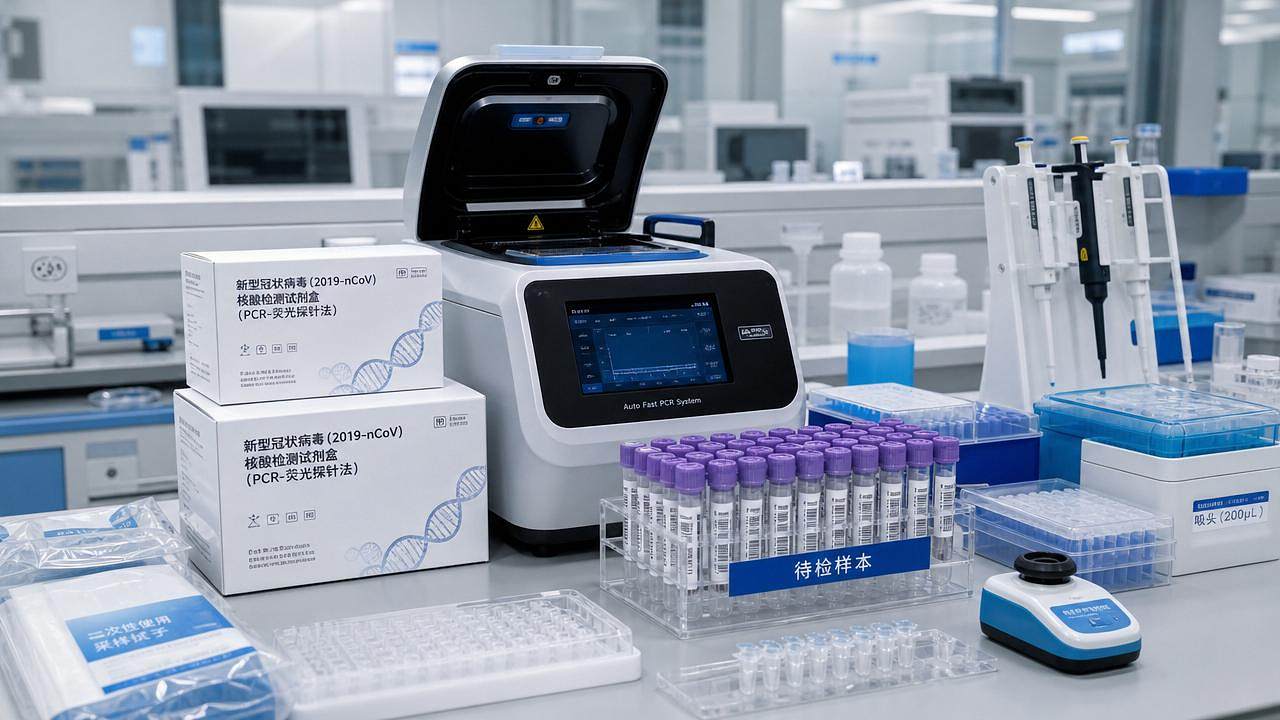




In high-stakes clinical workflows, false negatives can delay treatment, increase risk, and undermine trust in diagnostic systems. Biochemical molecular diagnostics helps close this gap by detecting minute biological signals with greater sensitivity, specificity, and consistency. For quality control and safety management professionals, understanding how these technologies reduce missed detection is essential to strengthening compliance, improving diagnostic reliability, and supporting safer patient outcomes.
Why do false negatives still happen in modern diagnostic workflows?
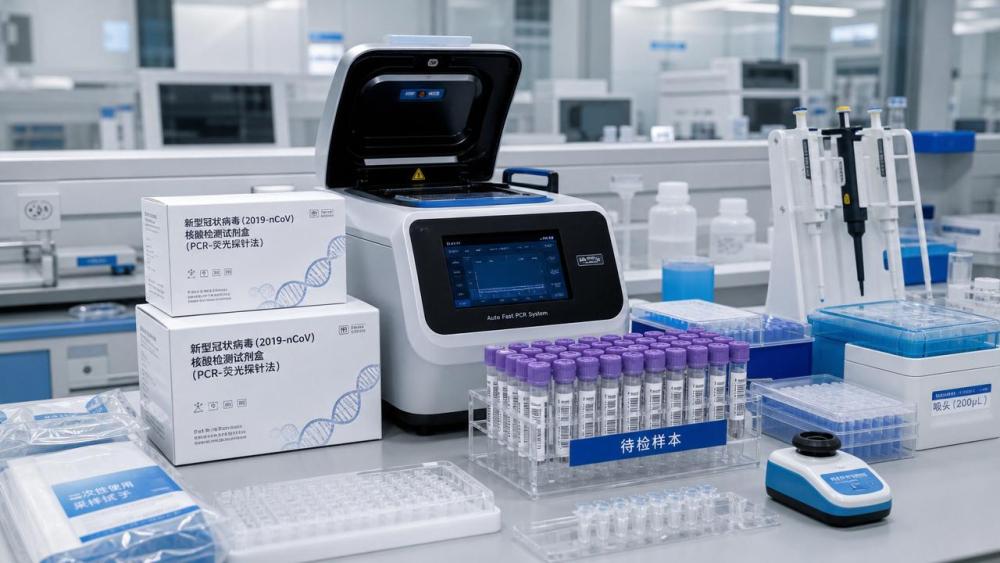
False negatives are rarely caused by one isolated weakness. In most healthcare environments, they emerge from a chain of vulnerabilities across sampling, reagent stability, amplification efficiency, signal detection, software interpretation, operator training, and result reporting.
For quality control teams, this matters because a missed infection marker, low-abundance mutation, or early biomarker signal can affect not only patient treatment, but also incident review, corrective action planning, and regulatory exposure.
Biochemical molecular diagnostics reduces these risks by focusing on the molecular level, where disease signatures often appear before visible structural change or overt clinical deterioration. In the AMDS perspective, this is where microscopic biochemical reactions and stringent compliance expectations must be connected with disciplined system intelligence.
- Pre-analytical variation, such as poor swab quality, delayed transport, or sample degradation, can lower target concentration before analysis even begins.
- Analytical limitations, including low assay sensitivity, weak amplification performance, or interference from inhibitors, can suppress signal generation.
- Post-analytical issues, such as unsuitable cut-off settings or incomplete review rules, can cause valid weak positives to be reported as negative.
This is why biochemical molecular diagnostics is not simply a laboratory technique. It is a risk-control framework that helps safety managers identify where detection confidence is gained or lost.
How biochemical molecular diagnostics reduces false negatives at each control point
To reduce false negatives, quality and safety leaders need visibility across the full detection chain. The table below highlights the main failure points and the mechanisms by which biochemical molecular diagnostics improves reliability.
The practical value is clear: biochemical molecular diagnostics increases the probability of capturing low-level targets while also providing process indicators that help teams distinguish true absence from technical failure.
Sensitivity is only one part of the equation
Many buyers focus on sensitivity claims alone. That is incomplete. A robust system must also maintain specificity, reproducibility, contamination control, and stable performance across shift changes, batch changes, and variable sample quality.
For safety managers, the better question is not “How sensitive is the assay?” but “How reliably does this diagnostic platform prevent missed detection under real operating conditions?”
Why internal controls matter
Internal controls are central to biochemical molecular diagnostics because they indicate whether extraction, amplification, and signal generation worked as intended. Without them, a negative result may hide a failed process rather than a true negative clinical state.
- Process controls help identify extraction failure.
- Amplification controls reveal inhibition or reagent weakness.
- Negative and positive controls support batch release decisions and audit readiness.
Where is biochemical molecular diagnostics most valuable for quality and safety teams?
The strongest value appears in settings where delayed detection creates operational, clinical, and compliance consequences. This includes IVD laboratories, emergency screening, infection control, oncology pathways, transplant monitoring, and critical care support workflows.
AMDS covers these linked domains because diagnostic quality does not exist in isolation. Imaging, IVD, life support, operating room systems, and endoscopy all depend on trustworthy detection and decision timing.
The following scenario comparison helps procurement and QC teams prioritize where biochemical molecular diagnostics can most effectively reduce false negatives.
For safety oversight, these are not just clinical scenarios. They are risk scenarios in which diagnostic timing, traceability, and escalation rules determine whether a weak signal becomes a controlled event or a reportable failure.
How should procurement teams evaluate platforms that claim fewer false negatives?
Procurement decisions often fail when buyers compare only instrument price or headline throughput. A lower-cost platform may create hidden quality costs if repeat testing, nonconformance review, or confirmatory escalation becomes routine.
A stronger evaluation model combines analytical capability, operational resilience, compliance fit, and long-term quality burden. This is especially important for organizations managing multiple medical technology domains under tight audit expectations.
Key evaluation criteria for biochemical molecular diagnostics
- Limit of detection should be reviewed alongside sample type, inhibitor tolerance, and claimed clinical context, not as a standalone number.
- Control design should include adequate internal, positive, and negative controls for batch acceptance and failure investigation.
- Workflow stability should cover reagent storage, onboard stability, maintenance burden, and operator variability.
- Data integrity should support traceable logs, result review, audit support, and secure integration with laboratory or hospital information systems.
- Regulatory readiness should be checked against intended market pathways such as CE MDR considerations, FDA expectations, and local IVD compliance rules where applicable.
The table below gives a practical procurement framework for comparing biochemical molecular diagnostics platforms beyond marketing claims.
A useful buying rule is simple: if a platform appears inexpensive but drives frequent retesting, manual reconciliation, or uncertain negative calls, the real cost may be far higher than the initial quotation suggests.
What compliance and quality standards should teams keep in view?
Biochemical molecular diagnostics sits in a tightly controlled environment. Even when product-specific certification details vary by market, QC and safety teams should align system evaluation with general expectations for risk management, validation, traceability, and documented process control.
AMDS is positioned to support this discussion because modern MedTech decisions rarely stop at device features. They require a stitched view across technology logic, market access expectations, and the real consequences of compliance gaps in clinical operations.
Core compliance checkpoints
- Method validation should confirm detection performance, reproducibility, reportable range where relevant, and interference handling for intended sample types.
- Quality records should document reagent lots, calibration status, maintenance logs, environmental conditions, and exception handling.
- Risk management should define what happens when controls fail, signal curves are atypical, or unexpected negative clusters appear.
- Training control should verify operator competency not only at onboarding, but also after process revisions or software updates.
When biochemical molecular diagnostics is implemented with these controls, the reduction in false negatives becomes more sustainable. The benefit is not just better technology. It is better governed technology.
Common misconceptions that increase missed detection risk
Some of the most persistent false negative problems come from flawed assumptions during selection or rollout. These mistakes are common in fast-moving procurement cycles and cross-functional projects.
Misconception 1: A negative result means the patient is clear
A negative result may reflect true absence, but it may also reflect poor sampling, inhibition, timing outside the detection window, or degradation. Biochemical molecular diagnostics reduces this uncertainty, yet interpretation must still consider context, controls, and repeat criteria.
Misconception 2: Higher automation automatically means lower false negatives
Automation can reduce manual variation, but it does not fix weak assay design, unstable reagents, or poor cut-off logic. Automation helps only when the analytical foundation is strong and the exception pathways are well controlled.
Misconception 3: Procurement can defer QC involvement until final validation
This creates avoidable risk. QC and safety managers should be involved during early platform comparison, because decisions about controls, data outputs, service access, and traceability architecture directly affect false negative management later.
FAQ: practical questions from quality control and safety managers
How do we know whether biochemical molecular diagnostics is worth the investment?
Look beyond unit price. Measure repeat-test frequency, delayed diagnosis risk, manual review time, outbreak exposure, and incident management burden. If false negatives could trigger treatment delays, ward spread, or audit findings, the business case often becomes much stronger.
Which metrics should we request from suppliers during evaluation?
Request data on limit of detection, internal control strategy, inhibitor resistance, repeat rate, invalid rate, sample compatibility, maintenance intervals, and documentation support for validation and audits. Also ask how weak positives are handled in software and reporting workflows.
Is biochemical molecular diagnostics only relevant for infectious disease testing?
No. It is highly relevant in oncology, transplant follow-up, hereditary risk assessment, companion diagnostics, and other applications where low-level molecular signals influence high-impact decisions. The common thread is not the disease category, but the cost of missed detection.
What usually causes implementation failure after purchase?
Typical failure points include underestimating staff training, weak sample logistics, incomplete interface planning, unclear retest rules, and poor ownership of exception handling. A platform can perform well technically yet still fail operationally if governance is thin.
Why choose AMDS when evaluating diagnostic reliability and false negative risk?
AMDS brings together the technical, compliance, and strategic layers that quality-driven buyers need. Our perspective is not limited to a single instrument category. We connect molecular diagnostics with imaging, life support, operating room infrastructure, and minimally invasive systems because patient safety depends on coordinated clinical technology decisions.
For teams assessing biochemical molecular diagnostics, we can help clarify parameter priorities, platform comparison logic, compliance checkpoints, workflow risks, and the likely operational impact of false negatives across real healthcare settings.
- Parameter confirmation for sensitivity, controls, detection workflow, and reporting requirements
- Product selection support based on application scenario, throughput, and quality risk profile
- Guidance on delivery timelines, implementation planning, and cross-department coordination
- Discussion of certification expectations, market access considerations, and documentation readiness
- Consultation on customized solution direction, sample support needs, and quotation communication
If your team is reviewing how biochemical molecular diagnostics can reduce false negatives in high-risk workflows, AMDS can support a more informed decision process grounded in clinical safety, technical substance, and practical procurement judgment.
Recommended News
 Oct 06, 2026How to Evaluate an Operating Room Technology Distributor for Hospital ProjectsOperating room technology distributor evaluation guide for hospitals: assess integration, compliance, lifecycle costs, service capacity, and delivery confidence before award.
 Oct 05, 2026Global Medical Procurement Planning: How Hospitals Can Reduce Supply Risk and CostGlobal medical procurement planning helps hospitals reduce supply risk, control lifecycle costs, and protect care continuity through smarter sourcing, service, and compliance strategies.
 Oct 03, 2026How Detection Algorithms Improve Sensitivity and Workflow in Medical ImagingMedical imaging algorithms detection improves sensitivity, manages false positives, and streamlines clinical workflows. Explore validation, integration, and governance essentials.
 Oct 02, 2026High-Flow ICU Ventilators: Key Selection Criteria for Acute Respiratory CareICU ventilators high flow: discover key selection criteria for accurate gas delivery, NIV performance, humidification, alarms, reliability, and safer acute respiratory care.
 Oct 01, 2026How to Evaluate Medical Equipment Intelligence Suppliers for Hospital ProcurementMedical equipment intelligence suppliers: learn how hospitals can assess evidence quality, total cost, compliance, interoperability, and cybersecurity for smarter procurement decisions.
 Sep 30, 2026ISO 13485 Requirements for Blood Testing Instruments: A Buyer’s ChecklistBlood testing instruments ISO 13485 buyer’s checklist: verify certification scope, traceability, installation, consumables, and supplier support before you buy.
 Sep 29, 2026How to Evaluate Integrated Operating Room Systems for Workflow, Imaging, and IT IntegrationIntegrated operating room systems: evaluate workflow, imaging, IT integration, cybersecurity, and lifecycle value to select a scalable surgical solution.
 Sep 28, 2026How to Evaluate a Genetic Testing Equipment Supplier for PCR Lab ProcurementGenetic testing equipment supplier evaluation guide for PCR labs: compare performance, compliance, workflow, service, supply resilience, and total cost.
 Sep 27, 2026How to Specify Custom Benchtop Diagnostic Instruments for Your Assay WorkflowCustom diagnostic instruments benchtop guide: specify optics, fluidics, automation, software integration, and support to build a reliable assay workflow.
 Sep 26, 2026How Cardiac Imaging Analysis Tools Turn CT and MRI Data into Clinical MetricsMedical imaging analysis cardiology tools transform cardiac CT and MRI into reliable metrics. Explore segmentation, validation, workflow integration, and AI review.
 Sep 25, 2026How Iterative Image Reconstruction Algorithms Balance CT Dose, Noise, and DetailIterative image reconstruction algorithms help CT teams balance dose, noise, and diagnostic detail. Explore practical insights for confident imaging decisions.
 Sep 24, 2026What Drives the Total Cost of Medical Technology Solutions Over Their Lifecycle?Medical technology solutions cost goes far beyond purchase price—explore lifecycle drivers from installation and service to software, training, compliance, and downtime.
 Sep 24, 2026Diagnostic Imaging Technology: How Modalities Support Different Clinical DecisionsDiagnostic imaging technology supports smarter clinical decisions across CT, MRI, ultrasound, and nuclear imaging. Explore modality strengths, workflows, and selection factors.
 Sep 22, 2026How Life Science Labs Can Select Biomedical Research Equipment by Workflow and ThroughputBiomedical research equipment life science labs can select with confidence by aligning workflow, throughput, automation, data integrity, and scalable support.
 Sep 21, 2026How to Plan LIS Connectivity for Chemiluminescence Analyzers Without Data GapsChemiluminescence analyzers LIS connectivity: learn how to prevent data gaps with field mapping, exception workflows, end-to-end validation, and reliable go-live planning.
 Sep 20, 2026Selecting Fluorescence PCR Instruments: Detection Channels, Sensitivity, and Workflow FitPCR diagnostic instruments fluorescence detection guide: compare channels, sensitivity, multiplexing, and workflow fit to select a reliable platform.
 Sep 19, 2026Biomedical Signal Processing: From Sensor Data to Clinical Decision SupportBiomedical signal processing transforms sensor data into reliable clinical decision support. Explore AI, imaging, IVD, ICU monitoring, and compliance-ready MedTech insights.
 Sep 18, 2026How to Evaluate a Diagnostic Imaging Platform for Multi-Modality Workflow IntegrationDiagnostic imaging platform evaluation guide: assess multi-modality workflows, interoperability, AI integration, image integrity, security, and scalability for safer clinical decisions.
 Sep 17, 2026ISO 13485 for Medical Imaging Equipment: What Manufacturers Must DocumentMedical imaging equipment ISO 13485: discover essential documentation for design controls, risk management, traceability, software, and post-market quality.
 Sep 16, 2026Robotic MIS Equipment: What Hospitals Should Evaluate Before AdoptionMinimally invasive surgical equipment robotic adoption guide: evaluate workflow, safety, imaging, costs, cybersecurity, and service readiness.
 Sep 15, 2026How to Evaluate Biomedical Signal Processing Suppliers for Clinical Device ProjectsBiomedical signal processing supplier evaluation guide for clinical device teams—compare signal fidelity, regulatory evidence, cybersecurity, integration, and lifecycle support.
 Sep 14, 2026How Integrated Clinical Diagnostics Solutions Reduce Turnaround Time Across Lab WorkflowsIntegrated clinical diagnostics solutions reduce lab turnaround time by connecting workflows, automation, and data. Discover practical strategies for faster, traceable results.
 Sep 13, 2026ECMO System Market Outlook: Demand Drivers, Investment Risks, and Growth OpportunitiesECMO system market outlook explores demand drivers, investment risks, regulatory factors, and growth opportunities shaping critical-care innovation and adoption.
 Sep 12, 2026Where to Find Reliable Medical Device Information for Research and Due DiligenceMedical device information resource guide for due diligence: verify regulatory, clinical, safety, and technical evidence to make confident decisions.


Related News
- 00
0000-00
How to Evaluate a Genetic Testing Equipment Supplier for PCR Lab Procurement - 00
0000-00
How to Specify Custom Benchtop Diagnostic Instruments for Your Assay Workflow - 00
0000-00
Selecting Fluorescence PCR Instruments: Detection Channels, Sensitivity, and Workflow Fit - 00
0000-00
How Should an MDR Clinical Performance Study Be Designed for IVD Products? - 00
0000-00
Advanced Clinical Diagnostics in Oncology: Tests, Uses, and Selection Criteria
Weekly Insights
Stay ahead with our curated technology reports delivered every Monday.