
Precision medicine solutions are changing care pathways
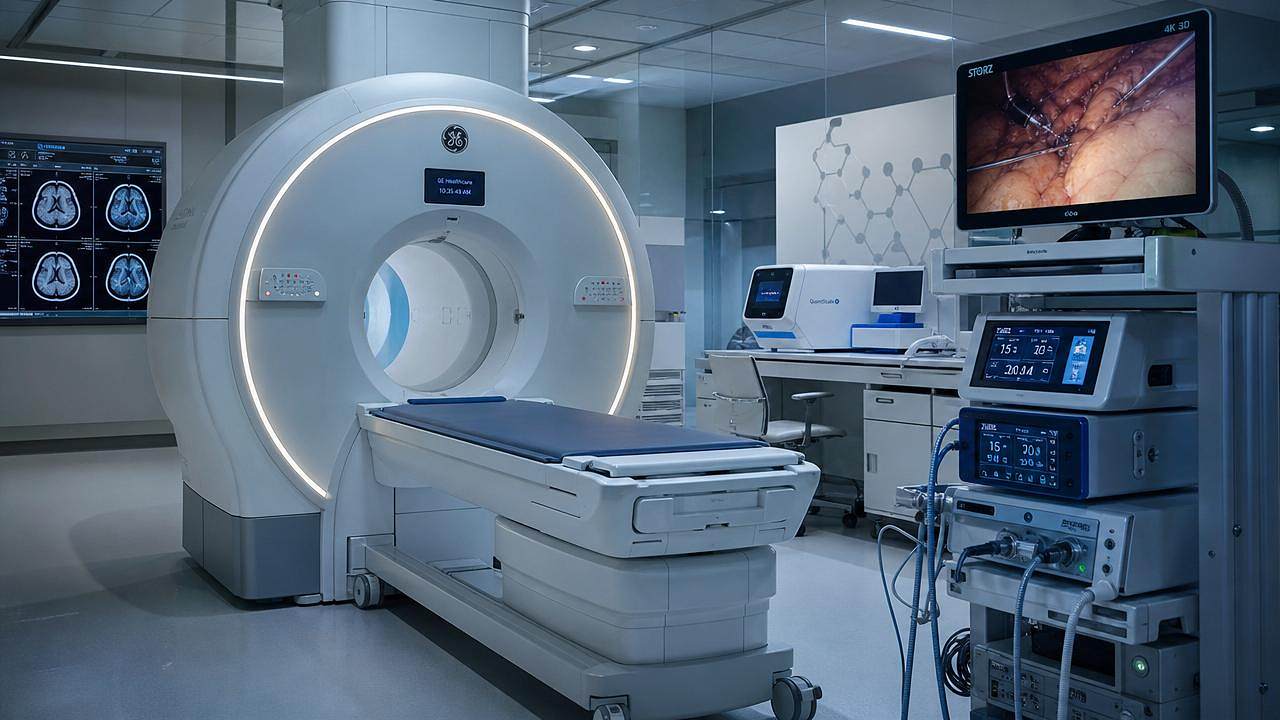




Precision medicine solutions are changing how clinicians detect disease, guide treatment, and improve outcomes across imaging, diagnostics, life support, and minimally invasive care. For information seekers tracking MedTech innovation, this shift reveals how data, compliance, and advanced equipment are converging to build faster, safer, and more individualized care pathways in modern healthcare.
In practice, the value of precision medicine solutions depends on scenario fit. A tertiary hospital, an ICU, and a molecular lab face very different timing, evidence, and workflow demands.
That is why scenario-based evaluation matters. It helps connect clinical urgency, equipment capability, regulatory readiness, and economic return before technology enters routine care pathways.
Why care pathways now depend on scenario-based precision medicine solutions
Modern healthcare no longer rewards one-size-fits-all decisions. Precision medicine solutions work best when matched to disease burden, patient variability, and the diagnostic confidence required at each care stage.
AMDS tracks this shift across medical imaging, IVD, life support, operating room systems, and endoscopy. These domains now interact more closely than ever inside connected clinical pathways.
An imaging platform may trigger a biopsy. A PCR result may redirect treatment. A ventilator setting may influence surgery timing. Precision medicine solutions become valuable when these handoffs are coordinated.
The strongest programs also combine technology with compliance discipline. CE MDR, FDA expectations, data quality controls, and health economics all shape whether advanced tools scale safely.
Scenario 1: Early screening pathways need fast evidence with low patient burden
Screening settings focus on speed, sensitivity, and repeatability. Here, precision medicine solutions must find subtle disease signals before symptoms become obvious or damage becomes harder to reverse.
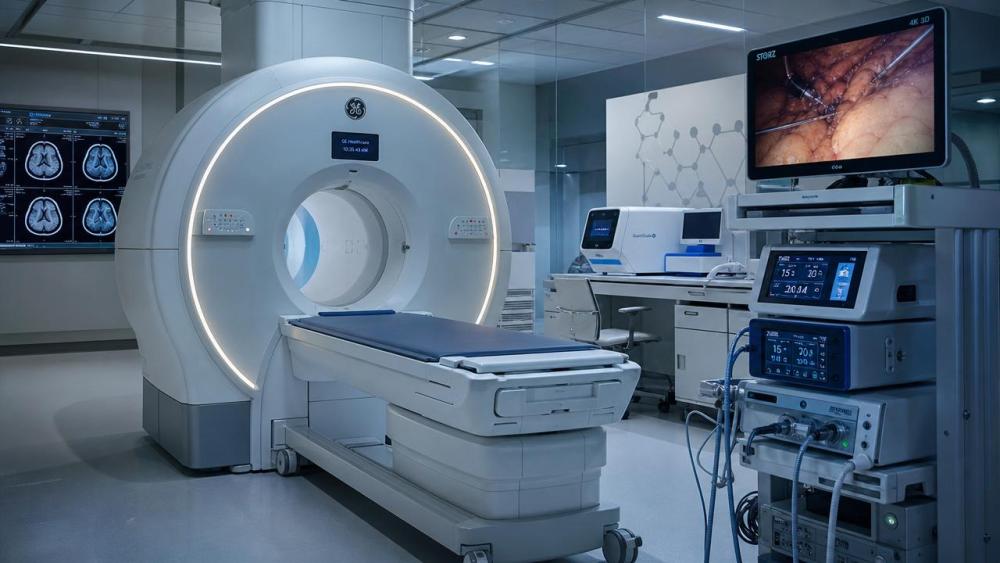
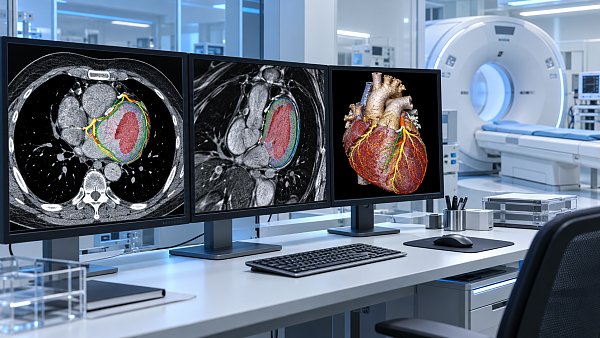
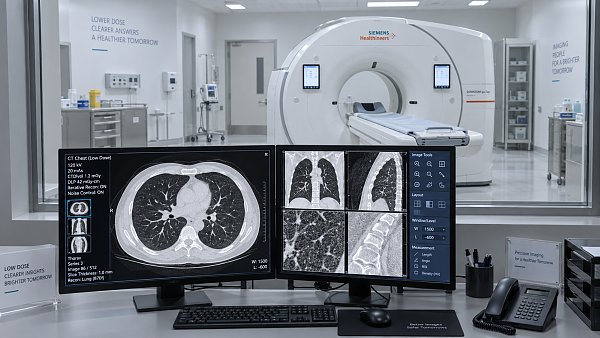
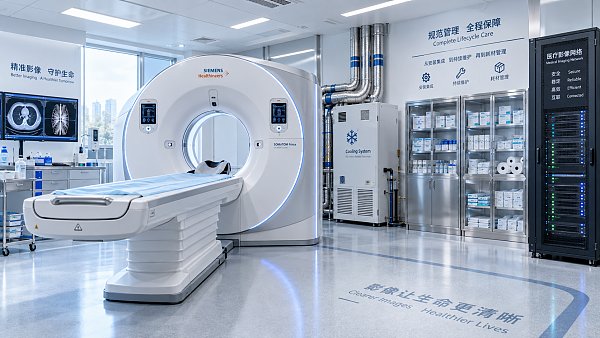
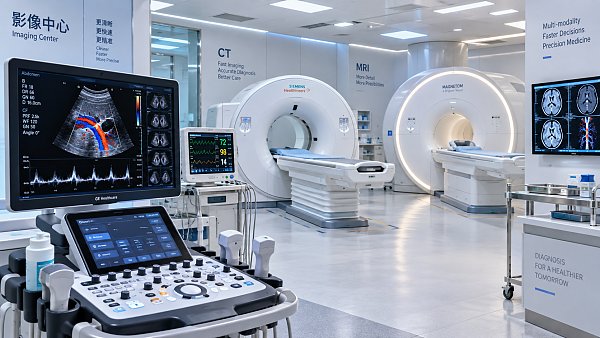
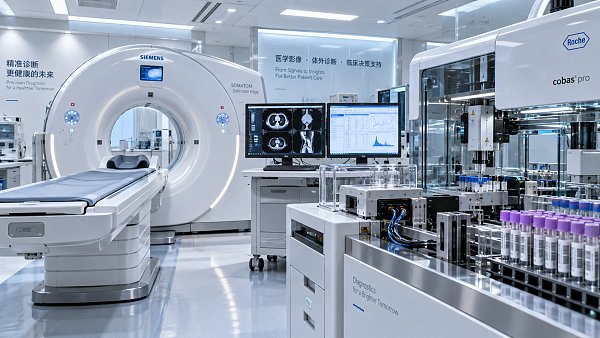
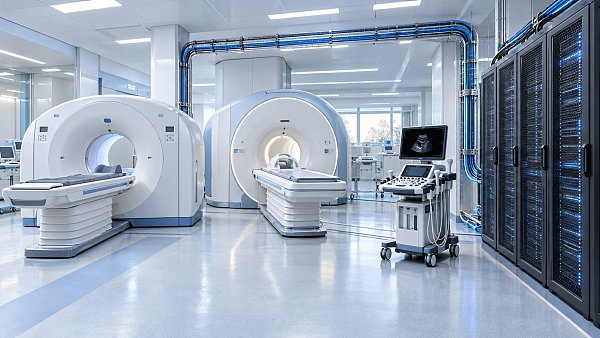
Medical imaging often leads this pathway. MRI and advanced CT support early tumor detection, cardiovascular assessment, and follow-up planning without invasive intervention.
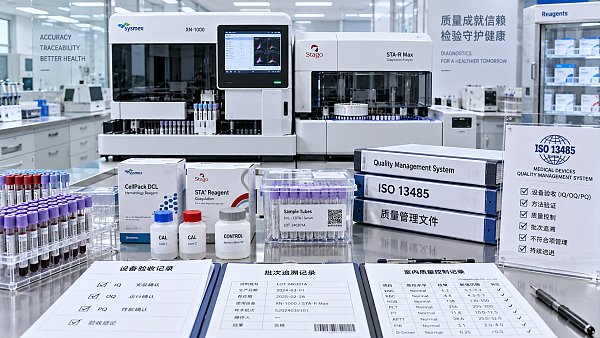
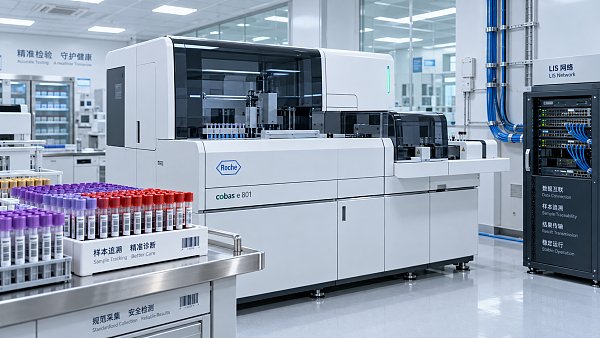
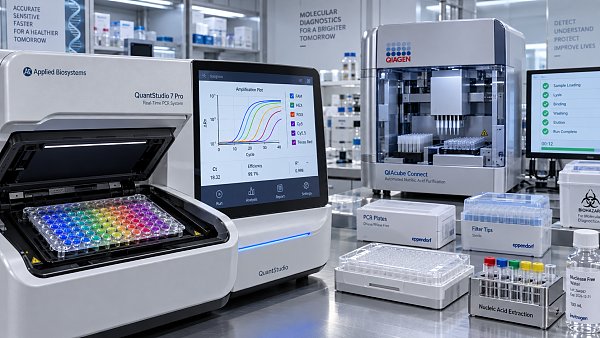
IVD strengthens the pathway by validating risk at the molecular level. Biomarker panels, chemiluminescence assays, and PCR testing can confirm whether an abnormal image needs urgent escalation.
Key judgment points in screening scenarios
- Can the system detect small lesions or weak biochemical signals consistently?
- Does the workflow reduce repeat scans, recollection, or delayed reporting?
- Can results integrate into follow-up and referral decisions quickly?
In this scenario, precision medicine solutions should minimize false reassurance and unnecessary escalation. The balance between sensitivity and specificity directly affects downstream cost and patient anxiety.
Scenario 2: Acute and critical care pathways demand precision under extreme time pressure
ICU and emergency environments require decisions within minutes. Precision medicine solutions here must support rapid triage, physiological stability, and continuous reassessment under volatile conditions.
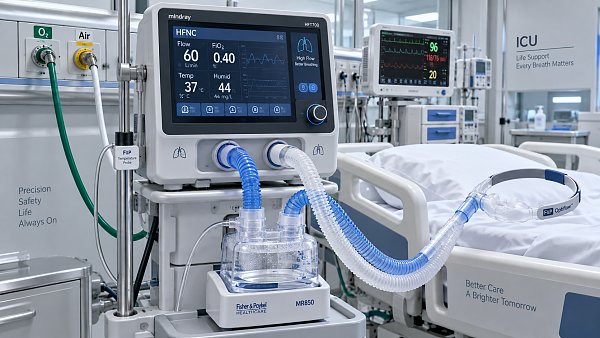
High-end life support equipment plays a central role. Ventilators and ECMO are not isolated devices; they are data-generating systems supporting oxygenation, circulation, and rescue timing.
Imaging and IVD remain essential in these pathways. Portable diagnostics, infection markers, blood gas analysis, and emergency imaging guide ventilation strategy, infection control, and intervention sequencing.
Core judgment points in acute care scenarios
- Can the solution produce actionable results within the treatment window?
- Is device reliability proven under uninterrupted high-intensity operation?
- Do monitoring outputs support rapid adjustment rather than static observation?
In critical care, precision medicine solutions must reduce uncertainty without slowing action. The best systems support both immediate rescue and later refinement of diagnosis.
Scenario 3: Surgical and minimally invasive pathways need precision before, during, and after intervention
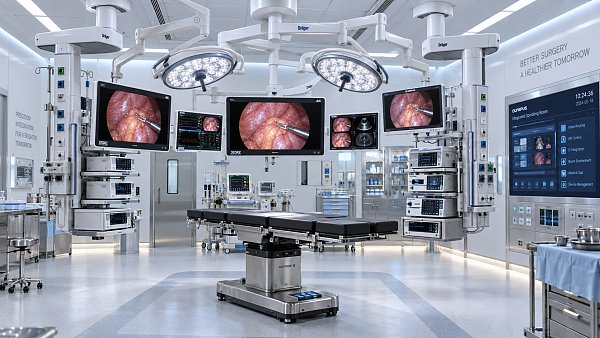
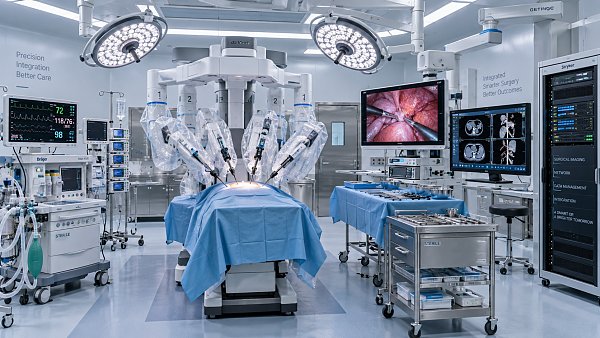
Surgical care pathways are increasingly multimodal. Precision medicine solutions now connect preoperative imaging, intraoperative visualization, patient positioning, and postoperative monitoring into one coordinated process.
Medical endoscope systems are especially important in minimally invasive care. High-definition 4K or 3D optics help surgeons distinguish tissue planes, lesion boundaries, and bleeding points more accurately.
Core operating room infrastructure also matters. Stable lighting, digital tables, and ergonomic workflow design influence whether precision can be maintained during long, complex procedures.
What to judge in procedural scenarios
- Does the technology improve anatomical visibility and instrument control?
- Can preoperative data be translated into intraoperative decisions?
- Will the pathway shorten recovery or reduce complications afterward?
Here, precision medicine solutions create value when they lower surgical trauma while preserving diagnostic and therapeutic accuracy across the full patient journey.
How different scenarios change demand for precision medicine solutions
The same technology can perform differently depending on the clinical context. Comparing scenarios helps clarify where investment and workflow redesign will generate the strongest returns.
This comparison shows why precision medicine solutions should be evaluated as pathway tools, not isolated devices. Context determines clinical impact.
Practical fit recommendations for selecting precision medicine solutions
A strong selection framework combines clinical evidence, technical interoperability, and market access readiness. AMDS emphasizes this integrated view because fragmented decisions often weaken long-term value.
- Map the full care pathway before comparing devices or platforms.
- Prioritize diagnostic accuracy where treatment decisions are hardest to reverse.
- Check whether data outputs can connect across imaging, IVD, and treatment systems.
- Review CE MDR, FDA, and audit expectations early, not after technical selection.
- Model ROI under DRG or related payment constraints before expansion.
These steps help precision medicine solutions move from technical promise to measurable pathway improvement. They also reduce hidden friction during implementation and scale-up.
Common misjudgments that weaken care pathway performance
One common mistake is overvaluing headline specifications. Resolution, speed, or automation alone do not guarantee pathway success if reporting, staffing, or maintenance capacity is weak.
Another error is separating compliance from innovation. Precision medicine solutions entering global markets must meet safety, traceability, and evidence standards from the beginning.
A third oversight is ignoring economic fit. Even clinically impressive systems may struggle if reimbursement logic, throughput assumptions, or utilization planning are unrealistic.
Finally, some pathways treat imaging, diagnostics, surgery, and life support as independent domains. In reality, precision medicine solutions deliver the most value when their data and timing are aligned.
What the next step looks like in a precision-driven care pathway
The next step is not simply buying more advanced equipment. It is identifying where precision medicine solutions can remove uncertainty, accelerate intervention, and improve outcome consistency across real scenarios.
AMDS supports this perspective by connecting imaging science, molecular diagnostics, life support reliability, minimally invasive systems, compliance analysis, and health economics into one intelligence framework.
For organizations evaluating MedTech change, the practical approach is clear: define the scenario, measure the pathway gap, verify evidence, and align precision medicine solutions with both clinical and operational reality.
When that alignment is achieved, precision medicine solutions do more than modernize devices. They reshape care pathways into faster, safer, and more individualized systems of care.
Recommended News
 Oct 02, 2026High-Flow ICU Ventilators: Key Selection Criteria for Acute Respiratory CareICU ventilators high flow: discover key selection criteria for accurate gas delivery, NIV performance, humidification, alarms, reliability, and safer acute respiratory care.
 Oct 01, 2026How to Evaluate Medical Equipment Intelligence Suppliers for Hospital ProcurementMedical equipment intelligence suppliers: learn how hospitals can assess evidence quality, total cost, compliance, interoperability, and cybersecurity for smarter procurement decisions.
 Sep 30, 2026ISO 13485 Requirements for Blood Testing Instruments: A Buyer’s ChecklistBlood testing instruments ISO 13485 buyer’s checklist: verify certification scope, traceability, installation, consumables, and supplier support before you buy.
 Sep 29, 2026How to Evaluate Integrated Operating Room Systems for Workflow, Imaging, and IT IntegrationIntegrated operating room systems: evaluate workflow, imaging, IT integration, cybersecurity, and lifecycle value to select a scalable surgical solution.
 Sep 28, 2026How to Evaluate a Genetic Testing Equipment Supplier for PCR Lab ProcurementGenetic testing equipment supplier evaluation guide for PCR labs: compare performance, compliance, workflow, service, supply resilience, and total cost.
 Sep 27, 2026How to Specify Custom Benchtop Diagnostic Instruments for Your Assay WorkflowCustom diagnostic instruments benchtop guide: specify optics, fluidics, automation, software integration, and support to build a reliable assay workflow.
 Sep 26, 2026How Cardiac Imaging Analysis Tools Turn CT and MRI Data into Clinical MetricsMedical imaging analysis cardiology tools transform cardiac CT and MRI into reliable metrics. Explore segmentation, validation, workflow integration, and AI review.
 Sep 25, 2026How Iterative Image Reconstruction Algorithms Balance CT Dose, Noise, and DetailIterative image reconstruction algorithms help CT teams balance dose, noise, and diagnostic detail. Explore practical insights for confident imaging decisions.
 Sep 24, 2026What Drives the Total Cost of Medical Technology Solutions Over Their Lifecycle?Medical technology solutions cost goes far beyond purchase price—explore lifecycle drivers from installation and service to software, training, compliance, and downtime.
 Sep 24, 2026Diagnostic Imaging Technology: How Modalities Support Different Clinical DecisionsDiagnostic imaging technology supports smarter clinical decisions across CT, MRI, ultrasound, and nuclear imaging. Explore modality strengths, workflows, and selection factors.
 Sep 22, 2026How Life Science Labs Can Select Biomedical Research Equipment by Workflow and ThroughputBiomedical research equipment life science labs can select with confidence by aligning workflow, throughput, automation, data integrity, and scalable support.
 Sep 21, 2026How to Plan LIS Connectivity for Chemiluminescence Analyzers Without Data GapsChemiluminescence analyzers LIS connectivity: learn how to prevent data gaps with field mapping, exception workflows, end-to-end validation, and reliable go-live planning.
 Sep 20, 2026Selecting Fluorescence PCR Instruments: Detection Channels, Sensitivity, and Workflow FitPCR diagnostic instruments fluorescence detection guide: compare channels, sensitivity, multiplexing, and workflow fit to select a reliable platform.
 Sep 19, 2026Biomedical Signal Processing: From Sensor Data to Clinical Decision SupportBiomedical signal processing transforms sensor data into reliable clinical decision support. Explore AI, imaging, IVD, ICU monitoring, and compliance-ready MedTech insights.
 Sep 18, 2026How to Evaluate a Diagnostic Imaging Platform for Multi-Modality Workflow IntegrationDiagnostic imaging platform evaluation guide: assess multi-modality workflows, interoperability, AI integration, image integrity, security, and scalability for safer clinical decisions.
 Sep 17, 2026ISO 13485 for Medical Imaging Equipment: What Manufacturers Must DocumentMedical imaging equipment ISO 13485: discover essential documentation for design controls, risk management, traceability, software, and post-market quality.
 Sep 16, 2026Robotic MIS Equipment: What Hospitals Should Evaluate Before AdoptionMinimally invasive surgical equipment robotic adoption guide: evaluate workflow, safety, imaging, costs, cybersecurity, and service readiness.
 Sep 15, 2026How to Evaluate Biomedical Signal Processing Suppliers for Clinical Device ProjectsBiomedical signal processing supplier evaluation guide for clinical device teams—compare signal fidelity, regulatory evidence, cybersecurity, integration, and lifecycle support.
 Sep 14, 2026How Integrated Clinical Diagnostics Solutions Reduce Turnaround Time Across Lab WorkflowsIntegrated clinical diagnostics solutions reduce lab turnaround time by connecting workflows, automation, and data. Discover practical strategies for faster, traceable results.
 Sep 13, 2026ECMO System Market Outlook: Demand Drivers, Investment Risks, and Growth OpportunitiesECMO system market outlook explores demand drivers, investment risks, regulatory factors, and growth opportunities shaping critical-care innovation and adoption.
 Sep 12, 2026Where to Find Reliable Medical Device Information for Research and Due DiligenceMedical device information resource guide for due diligence: verify regulatory, clinical, safety, and technical evidence to make confident decisions.
 Sep 11, 2026Medical Equipment Intelligence: A Resource for Comparing Clinical TechnologiesMedical equipment intelligence resource for comparing clinical technologies by clinical fit, compliance, workflow, and total cost—make confident, evidence-led decisions.
 Sep 10, 2026How to Integrate Application-Specific Medical Solutions Into Existing Clinical WorkflowsApplication-specific medical solutions integration: learn how to align clinical workflows, interoperability, safety, and measurable outcomes for reliable deployment.
 Sep 09, 2026Medical Supplier Evaluation Checklist: How to Verify Quality, Compliance, and Delivery RiskMedical supplier evaluation checklist for verifying quality, compliance, service capacity, configuration accuracy, and delivery risk before purchase approval.








Related News
- 00
0000-00
How to Evaluate Integrated Operating Room Systems for Workflow, Imaging, and IT Integration - 00
0000-00
How Cardiac Imaging Analysis Tools Turn CT and MRI Data into Clinical Metrics - 00
0000-00
Diagnostic Imaging Technology: How Modalities Support Different Clinical Decisions - 00
0000-00
How Life Science Labs Can Select Biomedical Research Equipment by Workflow and Throughput - 00
0000-00
Biomedical Signal Processing: From Sensor Data to Clinical Decision Support
Weekly Insights
Stay ahead with our curated technology reports delivered every Monday.