
How to compare biomedical research equipment without overspending
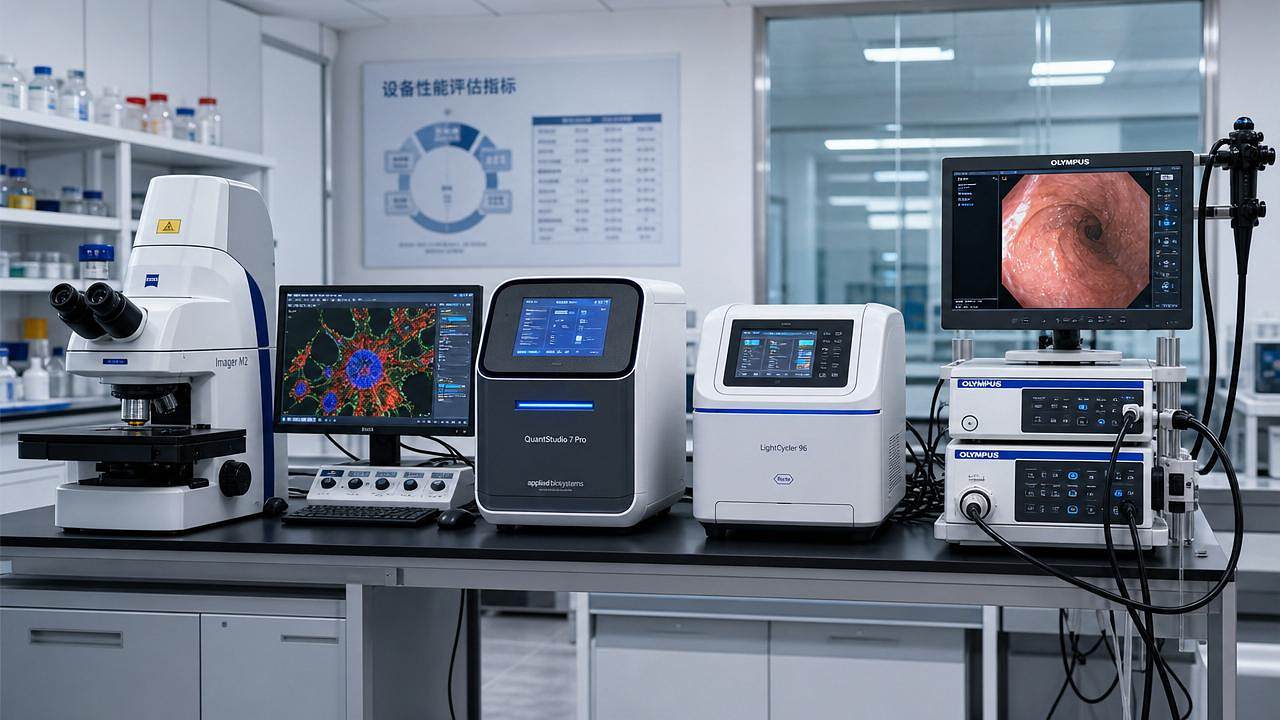




Comparing biomedical research equipment is no longer just a technical exercise. It now reflects broader shifts in healthcare digitization, compliance pressure, and tighter capital discipline.
The real challenge is not finding impressive systems. It is identifying which biomedical research equipment delivers measurable value across performance, reliability, service support, and long-term cost.
In modern laboratories, hospitals, and translational research centers, overspending often happens when buyers focus on headline specifications while ignoring workflow fit, validation needs, and maintenance realities.
A smarter comparison framework helps separate meaningful innovation from expensive complexity. That is especially important in imaging, IVD, life support, surgical platforms, and endoscope-related research environments.
Why biomedical research equipment comparisons are changing fast
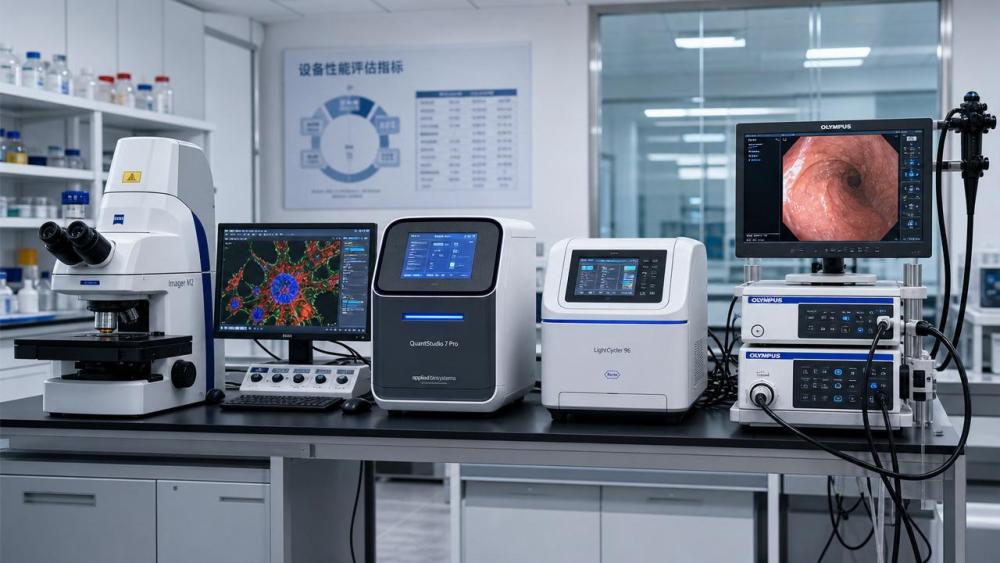
The market for biomedical research equipment has changed because technical performance alone no longer determines value. Equipment now sits inside connected, regulated, data-heavy clinical and research ecosystems.
AI-assisted imaging, PCR automation, digital pathology, and advanced endoscopy have raised expectations. Users want precision, speed, interoperability, and evidence of cost efficiency at the same time.
At the same moment, compliance standards have become stricter. CE MDR, FDA requirements, cybersecurity expectations, and traceability demands make equipment selection more complex than before.
This means biomedical research equipment comparisons must account for operational fit, future upgrades, and risk exposure. A low purchase price can still become a high-cost decision later.
The strongest trend signals behind today’s buying decisions
Several trend signals explain why biomedical research equipment evaluation now requires deeper analysis than brand reputation or brochure claims.
These signals affect almost every category of biomedical research equipment. They are especially visible in high-value systems where downtime, recalibration, or failed validation can trigger major losses.
What drives overspending on biomedical research equipment
Overspending usually comes from comparison mistakes, not from a lack of available choices. Many expensive decisions begin with incomplete evaluation criteria.
- Comparing maximum specs instead of real application needs
- Ignoring validation, calibration, and regulatory documentation costs
- Underestimating consumables, reagents, accessories, and software licenses
- Missing hidden integration expenses with existing digital systems
- Overlooking training time and operator learning curves
- Choosing novelty features with limited practical use
- Failing to assess vendor service depth across regions
For example, a premium imaging platform may offer exceptional resolution. Yet if reconstruction speed, archive compatibility, or maintenance support are weak, actual value declines quickly.
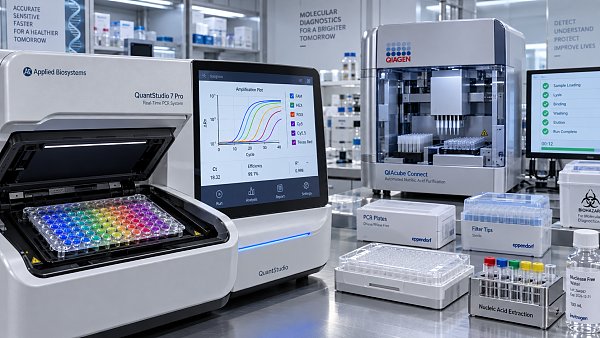
The same pattern appears in molecular diagnostics. A fast analyzer can look attractive, but reagent dependency and service limitations may erase expected savings.
How current shifts affect different research and clinical environments
The impact of these trends varies by setting, but the comparison logic remains similar. Biomedical research equipment must support both immediate use and future scalability.
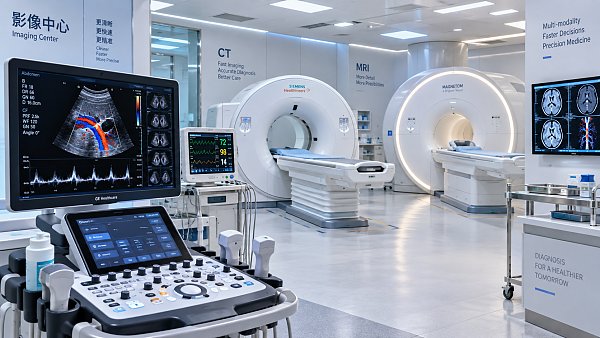
Imaging and visualization environments
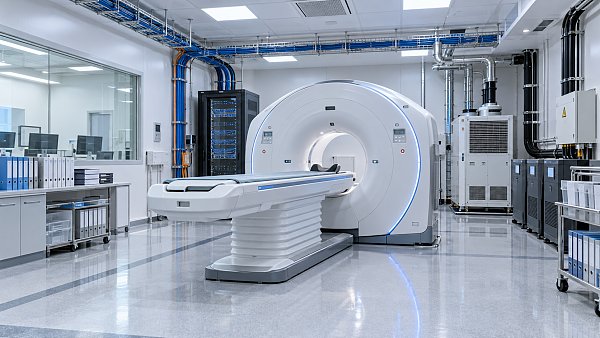
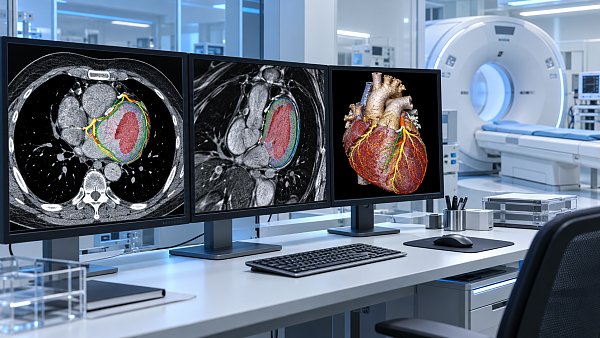
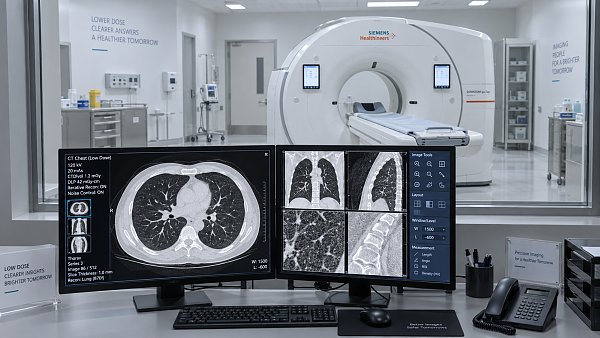
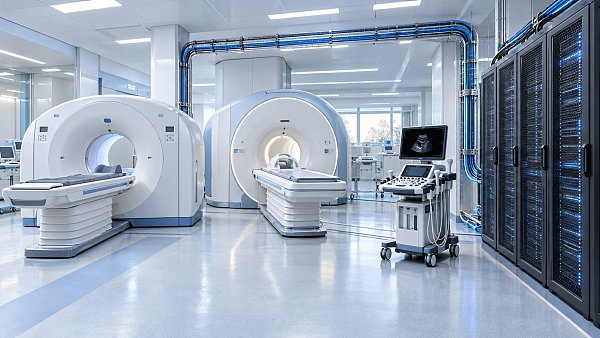
MRI, CT, and advanced optical systems increasingly depend on reconstruction software, data throughput, and image consistency. Hardware strength matters, but software maturity matters equally.
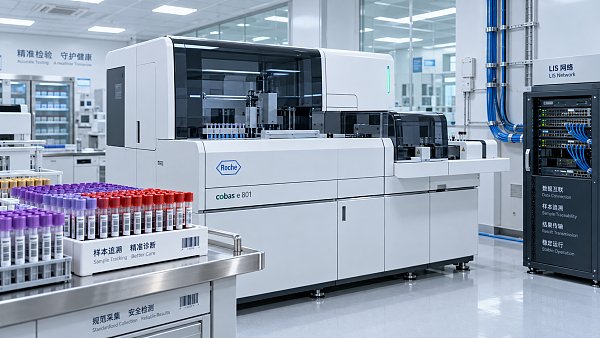
IVD and molecular testing environments
PCR, chemiluminescence, and integrated analyzers are judged by throughput, sensitivity, contamination control, and reagent ecosystem stability. Cost comparisons must include recurring supply commitments.
Critical care and surgical support environments
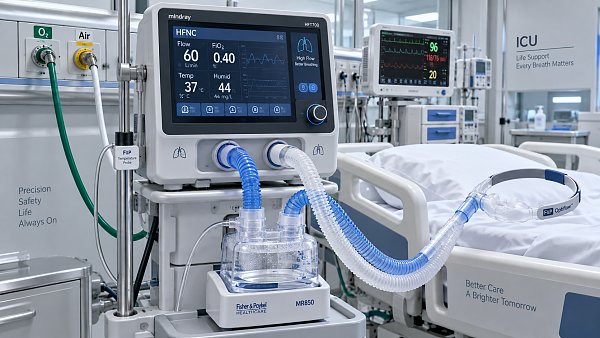
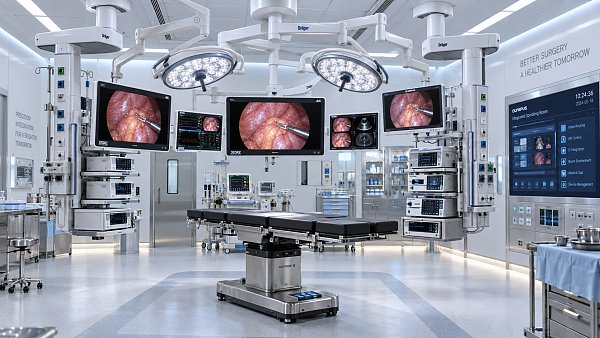
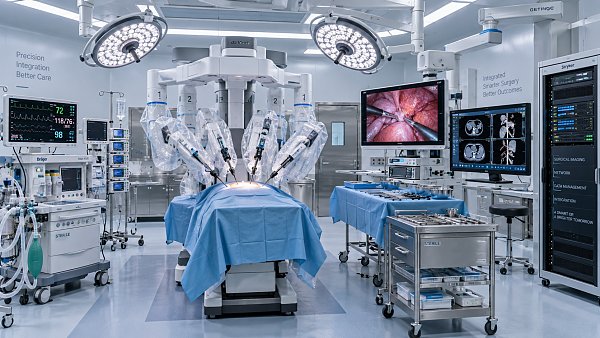
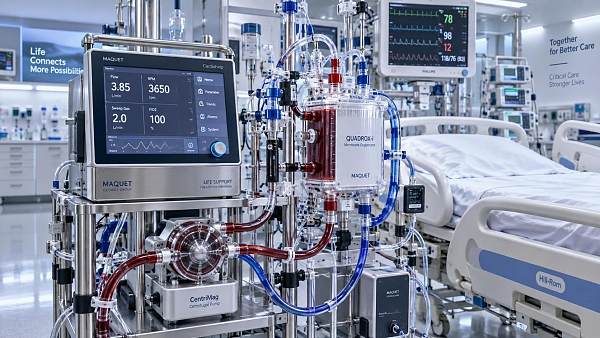
Ventilators, ECMO-adjacent technologies, operating room infrastructure, and endoscopic platforms require high uptime, fast servicing, and dependable consumable access. Reliability often outweighs extra features.
Across all settings, AMDS-style intelligence thinking becomes useful. It links technical claims with compliance pathways, practical engineering value, and health economics rather than isolated product marketing.
The comparison points that matter most before spending more
A strong biomedical research equipment assessment should score each system across several dimensions. This avoids decisions driven by one impressive demonstration.
This structure improves biomedical research equipment decisions because it converts subjective preference into measurable comparison. It also supports clearer vendor discussions and faster internal alignment.
What deserves closer attention over the next buying cycle
The next phase of biomedical research equipment selection will likely be shaped by software dependence, evidence-based ROI, and global compliance complexity.
- Request proof of real-world performance, not only factory benchmarks
- Compare service contracts as carefully as hardware specifications
- Examine software update policy, cybersecurity, and interoperability roadmaps
- Model total cost across acquisition, operation, validation, and retirement
- Check whether advanced features improve outcomes or only raise price
- Confirm availability of local technical support and user training
- Assess whether the platform can scale with future clinical or research demand
These priorities matter because biomedical research equipment is becoming more interconnected. A device cannot be evaluated as an isolated machine anymore.
A practical way to judge value without sacrificing quality
A useful response is to build a weighted comparison matrix before any final decision. This brings discipline to complex biomedical research equipment reviews.
- Define core use cases and non-negotiable technical thresholds.
- Assign weights to compliance, uptime, integration, and operating cost.
- Collect evidence from demos, references, and documented validation data.
- Estimate five-year cost under realistic usage assumptions.
- Stress-test each option against future expansion and regulatory change.
This approach reduces emotional buying and protects quality. It also helps reveal when a mid-tier system creates better long-term value than a flagship model.
For sectors covered by AMDS, this method is especially relevant. Medical imaging, IVD, life support, operating room systems, and endoscope technologies all demand precise, evidence-led comparison.
The best biomedical research equipment is not always the most advanced product on paper. It is the platform that aligns technology, compliance, clinical relevance, and total lifecycle economics.
Before committing budget, create a shortlist based on measurable value drivers. Then verify service depth, regulatory readiness, and integration capability with the same rigor as performance claims.
That next step can prevent overspending, improve operational resilience, and produce stronger outcomes from every biomedical research equipment investment.
Recommended News
 Oct 02, 2026High-Flow ICU Ventilators: Key Selection Criteria for Acute Respiratory CareICU ventilators high flow: discover key selection criteria for accurate gas delivery, NIV performance, humidification, alarms, reliability, and safer acute respiratory care.
 Oct 01, 2026How to Evaluate Medical Equipment Intelligence Suppliers for Hospital ProcurementMedical equipment intelligence suppliers: learn how hospitals can assess evidence quality, total cost, compliance, interoperability, and cybersecurity for smarter procurement decisions.
 Sep 30, 2026ISO 13485 Requirements for Blood Testing Instruments: A Buyer’s ChecklistBlood testing instruments ISO 13485 buyer’s checklist: verify certification scope, traceability, installation, consumables, and supplier support before you buy.
 Sep 29, 2026How to Evaluate Integrated Operating Room Systems for Workflow, Imaging, and IT IntegrationIntegrated operating room systems: evaluate workflow, imaging, IT integration, cybersecurity, and lifecycle value to select a scalable surgical solution.
 Sep 28, 2026How to Evaluate a Genetic Testing Equipment Supplier for PCR Lab ProcurementGenetic testing equipment supplier evaluation guide for PCR labs: compare performance, compliance, workflow, service, supply resilience, and total cost.
 Sep 27, 2026How to Specify Custom Benchtop Diagnostic Instruments for Your Assay WorkflowCustom diagnostic instruments benchtop guide: specify optics, fluidics, automation, software integration, and support to build a reliable assay workflow.
 Sep 26, 2026How Cardiac Imaging Analysis Tools Turn CT and MRI Data into Clinical MetricsMedical imaging analysis cardiology tools transform cardiac CT and MRI into reliable metrics. Explore segmentation, validation, workflow integration, and AI review.
 Sep 25, 2026How Iterative Image Reconstruction Algorithms Balance CT Dose, Noise, and DetailIterative image reconstruction algorithms help CT teams balance dose, noise, and diagnostic detail. Explore practical insights for confident imaging decisions.
 Sep 24, 2026What Drives the Total Cost of Medical Technology Solutions Over Their Lifecycle?Medical technology solutions cost goes far beyond purchase price—explore lifecycle drivers from installation and service to software, training, compliance, and downtime.
 Sep 24, 2026Diagnostic Imaging Technology: How Modalities Support Different Clinical DecisionsDiagnostic imaging technology supports smarter clinical decisions across CT, MRI, ultrasound, and nuclear imaging. Explore modality strengths, workflows, and selection factors.
 Sep 22, 2026How Life Science Labs Can Select Biomedical Research Equipment by Workflow and ThroughputBiomedical research equipment life science labs can select with confidence by aligning workflow, throughput, automation, data integrity, and scalable support.
 Sep 21, 2026How to Plan LIS Connectivity for Chemiluminescence Analyzers Without Data GapsChemiluminescence analyzers LIS connectivity: learn how to prevent data gaps with field mapping, exception workflows, end-to-end validation, and reliable go-live planning.
 Sep 20, 2026Selecting Fluorescence PCR Instruments: Detection Channels, Sensitivity, and Workflow FitPCR diagnostic instruments fluorescence detection guide: compare channels, sensitivity, multiplexing, and workflow fit to select a reliable platform.
 Sep 19, 2026Biomedical Signal Processing: From Sensor Data to Clinical Decision SupportBiomedical signal processing transforms sensor data into reliable clinical decision support. Explore AI, imaging, IVD, ICU monitoring, and compliance-ready MedTech insights.
 Sep 18, 2026How to Evaluate a Diagnostic Imaging Platform for Multi-Modality Workflow IntegrationDiagnostic imaging platform evaluation guide: assess multi-modality workflows, interoperability, AI integration, image integrity, security, and scalability for safer clinical decisions.
 Sep 17, 2026ISO 13485 for Medical Imaging Equipment: What Manufacturers Must DocumentMedical imaging equipment ISO 13485: discover essential documentation for design controls, risk management, traceability, software, and post-market quality.
 Sep 16, 2026Robotic MIS Equipment: What Hospitals Should Evaluate Before AdoptionMinimally invasive surgical equipment robotic adoption guide: evaluate workflow, safety, imaging, costs, cybersecurity, and service readiness.
 Sep 15, 2026How to Evaluate Biomedical Signal Processing Suppliers for Clinical Device ProjectsBiomedical signal processing supplier evaluation guide for clinical device teams—compare signal fidelity, regulatory evidence, cybersecurity, integration, and lifecycle support.
 Sep 14, 2026How Integrated Clinical Diagnostics Solutions Reduce Turnaround Time Across Lab WorkflowsIntegrated clinical diagnostics solutions reduce lab turnaround time by connecting workflows, automation, and data. Discover practical strategies for faster, traceable results.
 Sep 13, 2026ECMO System Market Outlook: Demand Drivers, Investment Risks, and Growth OpportunitiesECMO system market outlook explores demand drivers, investment risks, regulatory factors, and growth opportunities shaping critical-care innovation and adoption.
 Sep 12, 2026Where to Find Reliable Medical Device Information for Research and Due DiligenceMedical device information resource guide for due diligence: verify regulatory, clinical, safety, and technical evidence to make confident decisions.
 Sep 11, 2026Medical Equipment Intelligence: A Resource for Comparing Clinical TechnologiesMedical equipment intelligence resource for comparing clinical technologies by clinical fit, compliance, workflow, and total cost—make confident, evidence-led decisions.
 Sep 10, 2026How to Integrate Application-Specific Medical Solutions Into Existing Clinical WorkflowsApplication-specific medical solutions integration: learn how to align clinical workflows, interoperability, safety, and measurable outcomes for reliable deployment.
 Sep 09, 2026Medical Supplier Evaluation Checklist: How to Verify Quality, Compliance, and Delivery RiskMedical supplier evaluation checklist for verifying quality, compliance, service capacity, configuration accuracy, and delivery risk before purchase approval.








Related News
- 00
0000-00
How to Evaluate Integrated Operating Room Systems for Workflow, Imaging, and IT Integration - 00
0000-00
How Cardiac Imaging Analysis Tools Turn CT and MRI Data into Clinical Metrics - 00
0000-00
Diagnostic Imaging Technology: How Modalities Support Different Clinical Decisions - 00
0000-00
How Life Science Labs Can Select Biomedical Research Equipment by Workflow and Throughput - 00
0000-00
Biomedical Signal Processing: From Sensor Data to Clinical Decision Support
Weekly Insights
Stay ahead with our curated technology reports delivered every Monday.