
Why healthcare compliance intelligence matters before expansion
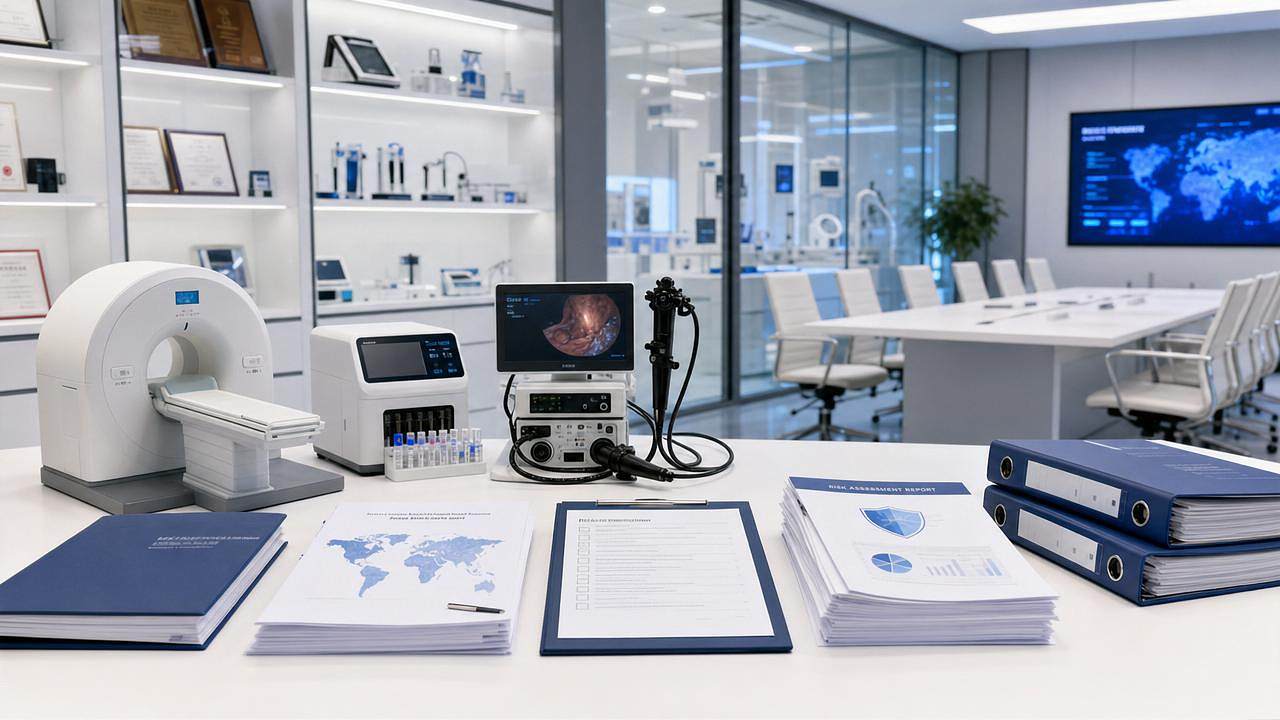




Before entering new markets, distributors, agents, and channel partners need more than product potential—they need healthcare compliance intelligence.
In modern MedTech, expansion is shaped by CE MDR, FDA review, clinical evidence, post-market duties, and reimbursement realities.
Without early visibility, promising devices can face delays, relabeling costs, rejected submissions, or restricted hospital adoption.
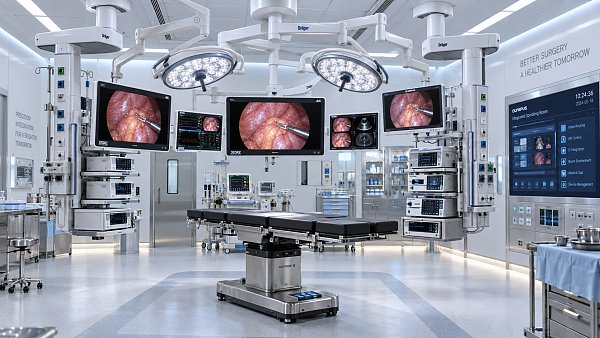
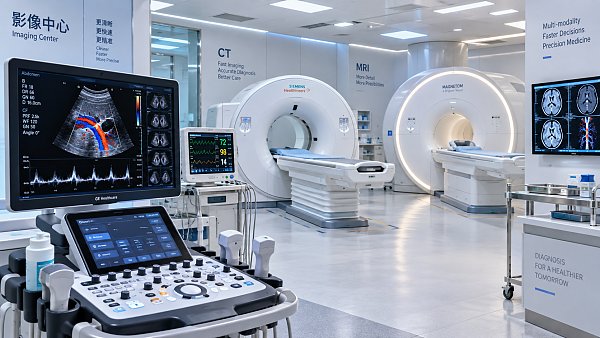
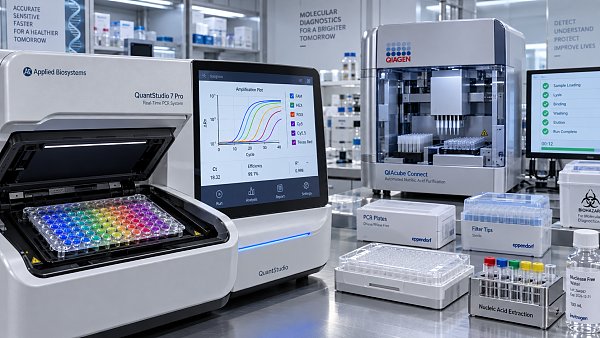
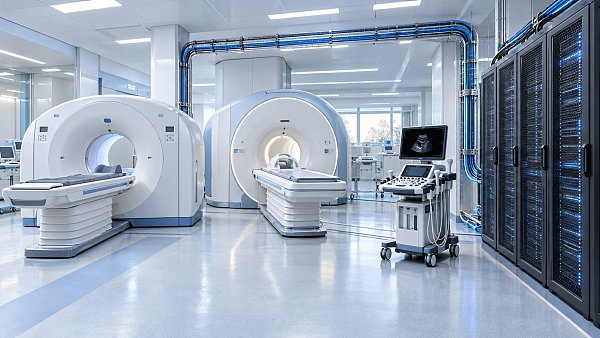
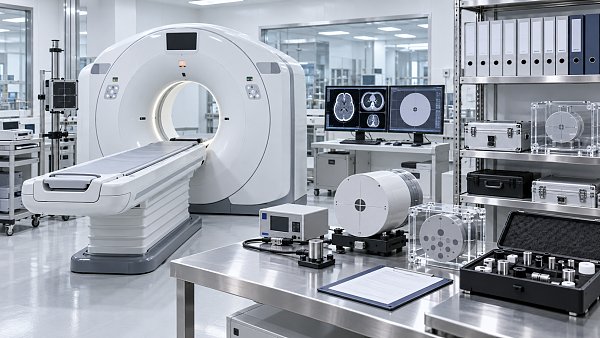
That is why healthcare compliance intelligence matters before expansion, especially across imaging, IVD, life support, operating room systems, and endoscopy.
Understanding healthcare compliance intelligence in global healthcare markets
Healthcare compliance intelligence is the structured analysis of regulatory, clinical, labeling, quality, and access requirements before market entry.
It goes beyond checking a certificate or confirming a local registration path.
It connects standards, submission expectations, adverse event obligations, software validation, and country-specific documentation into one decision framework.
For advanced medical systems, this intelligence must also account for clinical workflow, operator training, cybersecurity, and real-world safety performance.
AMDS follows this exact logic through its Strategic Intelligence Center.
The portal links imaging algorithms, biochemical detection systems, critical care reliability, and minimally invasive tools with demanding compliance expectations.
This is especially relevant when products combine hardware, software, connectivity, and AI-assisted functionality.
In such cases, healthcare compliance intelligence becomes a business necessity, not a regulatory afterthought.
Why expansion decisions now depend on earlier compliance insight
Healthcare systems have become more demanding, even when demand for clinical technology remains strong.
Approval is only one checkpoint.
Market success also depends on evidence depth, local service readiness, traceability, economic value, and hospital confidence.
Healthcare compliance intelligence helps interpret these signals before distribution plans are finalized.
- CE MDR requires stronger technical documentation and more disciplined clinical evaluation.
- FDA pathways often demand precise device classification and evidence alignment.
- IVD regulation increasingly emphasizes analytical validity and intended use clarity.
- Connected devices face growing cybersecurity and data governance scrutiny.
- Hospitals assess reimbursement fit, uptime, and long-term risk before adoption.
These pressures affect comprehensive healthcare portfolios, not only one product category.
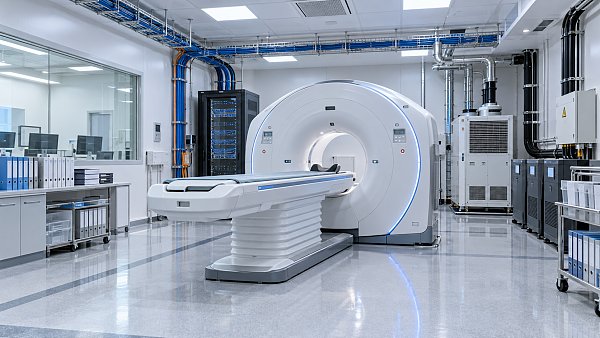
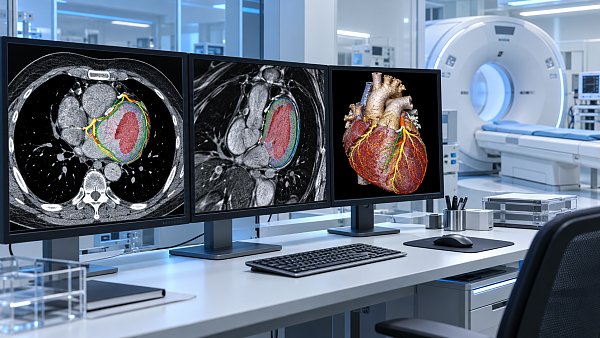
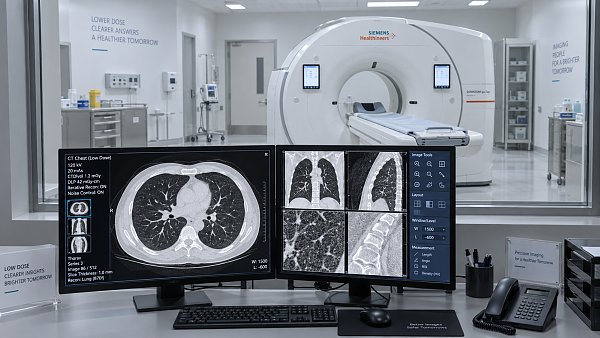
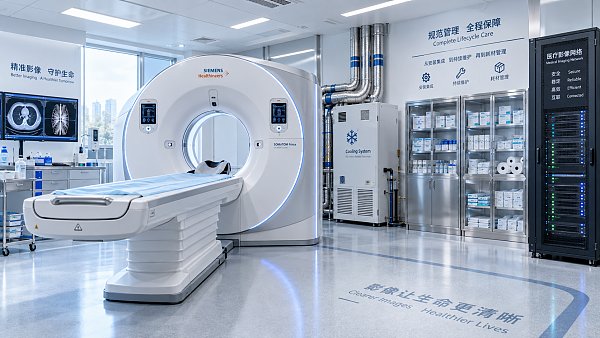
For example, MRI systems need robust safety controls and performance claims.
PCR and chemiluminescence platforms need traceable assay validation and instrument consistency.
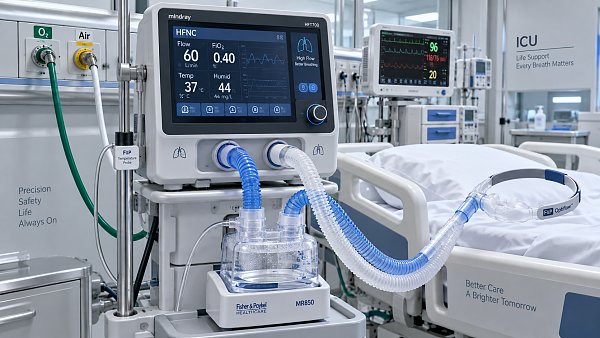
Ventilators and ECMO require exceptional reliability evidence because failure consequences are severe.
Endoscope systems must address optical performance, reprocessing, and usability.
Current market signals that reshape expansion strategy
Business value created by healthcare compliance intelligence
The immediate value of healthcare compliance intelligence is risk reduction.
However, its broader value is strategic clarity.
It shows whether a target market is ready now, requires staged entry, or should wait until evidence improves.
This supports better allocation of registration budgets, service infrastructure, and local partner commitments.
Healthcare compliance intelligence also protects brand credibility.
In healthcare, trust is earned through traceability, clinical discipline, and predictable performance under pressure.
That principle is central to AMDS and its mission of precision diagnostics guarding life.
For advanced equipment, buyers often evaluate more than technical specifications.
They look for compliance maturity, audit readiness, training adequacy, maintenance support, and evidence that claims survive scrutiny.
- Faster identification of documentation gaps before submission.
- Better prioritization of countries based on realistic access conditions.
- Stronger alignment between regulatory claims and commercial messaging.
- Lower exposure to relabeling, retesting, or corrective action costs.
- Higher confidence among hospitals, clinical evaluators, and local partners.
When applied early, healthcare compliance intelligence can shorten the path between product readiness and sustainable revenue.
Representative application areas where early compliance analysis matters most
Different device families face different approval and adoption barriers.
A broad industry view helps identify where healthcare compliance intelligence delivers the highest operational benefit.
Across these segments, healthcare compliance intelligence helps connect technical sophistication with practical market access conditions.
Practical methods for evaluating readiness before expansion
A useful readiness review should begin before contracts, launch calendars, or sales forecasts are finalized.
The goal is not to predict every issue.
The goal is to identify the issues most likely to slow access or weaken trust.
- Map device classification and intended use for each target market.
- Review technical documentation against current authority expectations.
- Check whether clinical and performance evidence supports all proposed claims.
- Assess labeling, language, UDI, and local representation requirements.
- Confirm service, complaint handling, and post-market reporting capability.
- Examine reimbursement logic and hospital budget impact where relevant.
This process turns healthcare compliance intelligence into an operational planning tool.
It also helps align clinical, regulatory, quality, and commercial decisions before they create conflicting commitments.
Common issues that deserve early attention
- Claims exceeding the available evidence base.
- Software features added without updated validation files.
- Accessory combinations not fully covered in submissions.
- Insufficient local language instructions or safety warnings.
- Weak plans for vigilance reporting and field corrective actions.
A disciplined next step for sustainable international growth
Expansion in healthcare rewards preparation more than speed.
Healthcare compliance intelligence provides the preparation layer that protects timelines, investment, and clinical credibility.
For organizations involved in advanced diagnostics and medical equipment, that insight should be built into market selection from the start.
AMDS reflects this need by combining compliance analysis, engineering understanding, and health economics perspective in one intelligence structure.
That combination is valuable because successful entry depends on more than passing review.
It depends on proving safety, supporting outcomes, and fitting the realities of each healthcare system.
Before expansion, establish a market-by-market readiness review based on healthcare compliance intelligence.
Use it to rank opportunity, close evidence gaps, refine claims, and prepare access plans with fewer surprises.
In a sector where accuracy and reliability protect lives, informed compliance strategy is not optional.
It is the foundation of durable growth.
Recommended News
 Oct 02, 2026High-Flow ICU Ventilators: Key Selection Criteria for Acute Respiratory CareICU ventilators high flow: discover key selection criteria for accurate gas delivery, NIV performance, humidification, alarms, reliability, and safer acute respiratory care.
 Oct 01, 2026How to Evaluate Medical Equipment Intelligence Suppliers for Hospital ProcurementMedical equipment intelligence suppliers: learn how hospitals can assess evidence quality, total cost, compliance, interoperability, and cybersecurity for smarter procurement decisions.
 Sep 30, 2026ISO 13485 Requirements for Blood Testing Instruments: A Buyer’s ChecklistBlood testing instruments ISO 13485 buyer’s checklist: verify certification scope, traceability, installation, consumables, and supplier support before you buy.
 Sep 29, 2026How to Evaluate Integrated Operating Room Systems for Workflow, Imaging, and IT IntegrationIntegrated operating room systems: evaluate workflow, imaging, IT integration, cybersecurity, and lifecycle value to select a scalable surgical solution.
 Sep 28, 2026How to Evaluate a Genetic Testing Equipment Supplier for PCR Lab ProcurementGenetic testing equipment supplier evaluation guide for PCR labs: compare performance, compliance, workflow, service, supply resilience, and total cost.
 Sep 27, 2026How to Specify Custom Benchtop Diagnostic Instruments for Your Assay WorkflowCustom diagnostic instruments benchtop guide: specify optics, fluidics, automation, software integration, and support to build a reliable assay workflow.
 Sep 26, 2026How Cardiac Imaging Analysis Tools Turn CT and MRI Data into Clinical MetricsMedical imaging analysis cardiology tools transform cardiac CT and MRI into reliable metrics. Explore segmentation, validation, workflow integration, and AI review.
 Sep 25, 2026How Iterative Image Reconstruction Algorithms Balance CT Dose, Noise, and DetailIterative image reconstruction algorithms help CT teams balance dose, noise, and diagnostic detail. Explore practical insights for confident imaging decisions.
 Sep 24, 2026What Drives the Total Cost of Medical Technology Solutions Over Their Lifecycle?Medical technology solutions cost goes far beyond purchase price—explore lifecycle drivers from installation and service to software, training, compliance, and downtime.
 Sep 24, 2026Diagnostic Imaging Technology: How Modalities Support Different Clinical DecisionsDiagnostic imaging technology supports smarter clinical decisions across CT, MRI, ultrasound, and nuclear imaging. Explore modality strengths, workflows, and selection factors.
 Sep 22, 2026How Life Science Labs Can Select Biomedical Research Equipment by Workflow and ThroughputBiomedical research equipment life science labs can select with confidence by aligning workflow, throughput, automation, data integrity, and scalable support.
 Sep 21, 2026How to Plan LIS Connectivity for Chemiluminescence Analyzers Without Data GapsChemiluminescence analyzers LIS connectivity: learn how to prevent data gaps with field mapping, exception workflows, end-to-end validation, and reliable go-live planning.
 Sep 20, 2026Selecting Fluorescence PCR Instruments: Detection Channels, Sensitivity, and Workflow FitPCR diagnostic instruments fluorescence detection guide: compare channels, sensitivity, multiplexing, and workflow fit to select a reliable platform.
 Sep 19, 2026Biomedical Signal Processing: From Sensor Data to Clinical Decision SupportBiomedical signal processing transforms sensor data into reliable clinical decision support. Explore AI, imaging, IVD, ICU monitoring, and compliance-ready MedTech insights.
 Sep 18, 2026How to Evaluate a Diagnostic Imaging Platform for Multi-Modality Workflow IntegrationDiagnostic imaging platform evaluation guide: assess multi-modality workflows, interoperability, AI integration, image integrity, security, and scalability for safer clinical decisions.
 Sep 17, 2026ISO 13485 for Medical Imaging Equipment: What Manufacturers Must DocumentMedical imaging equipment ISO 13485: discover essential documentation for design controls, risk management, traceability, software, and post-market quality.
 Sep 16, 2026Robotic MIS Equipment: What Hospitals Should Evaluate Before AdoptionMinimally invasive surgical equipment robotic adoption guide: evaluate workflow, safety, imaging, costs, cybersecurity, and service readiness.
 Sep 15, 2026How to Evaluate Biomedical Signal Processing Suppliers for Clinical Device ProjectsBiomedical signal processing supplier evaluation guide for clinical device teams—compare signal fidelity, regulatory evidence, cybersecurity, integration, and lifecycle support.
 Sep 14, 2026How Integrated Clinical Diagnostics Solutions Reduce Turnaround Time Across Lab WorkflowsIntegrated clinical diagnostics solutions reduce lab turnaround time by connecting workflows, automation, and data. Discover practical strategies for faster, traceable results.
 Sep 13, 2026ECMO System Market Outlook: Demand Drivers, Investment Risks, and Growth OpportunitiesECMO system market outlook explores demand drivers, investment risks, regulatory factors, and growth opportunities shaping critical-care innovation and adoption.
 Sep 12, 2026Where to Find Reliable Medical Device Information for Research and Due DiligenceMedical device information resource guide for due diligence: verify regulatory, clinical, safety, and technical evidence to make confident decisions.
 Sep 11, 2026Medical Equipment Intelligence: A Resource for Comparing Clinical TechnologiesMedical equipment intelligence resource for comparing clinical technologies by clinical fit, compliance, workflow, and total cost—make confident, evidence-led decisions.
 Sep 10, 2026How to Integrate Application-Specific Medical Solutions Into Existing Clinical WorkflowsApplication-specific medical solutions integration: learn how to align clinical workflows, interoperability, safety, and measurable outcomes for reliable deployment.
 Sep 09, 2026Medical Supplier Evaluation Checklist: How to Verify Quality, Compliance, and Delivery RiskMedical supplier evaluation checklist for verifying quality, compliance, service capacity, configuration accuracy, and delivery risk before purchase approval.












Related News
- 00
0000-00
How to Evaluate Medical Equipment Intelligence Suppliers for Hospital Procurement - 00
0000-00
What Drives the Total Cost of Medical Technology Solutions Over Their Lifecycle? - 00
0000-00
How to Calculate the Total Cost of Ownership for Medical Devices - 00
0000-00
How Surgical Equipment Digitalization Is Reshaping Hospital Investment in Latin America - 00
0000-00
Hospital Diagnostic Equipment Comparison: What Buyers Should Evaluate Beyond Price
Weekly Insights
Stay ahead with our curated technology reports delivered every Monday.