
How surgical equipment infrastructure affects OR uptime
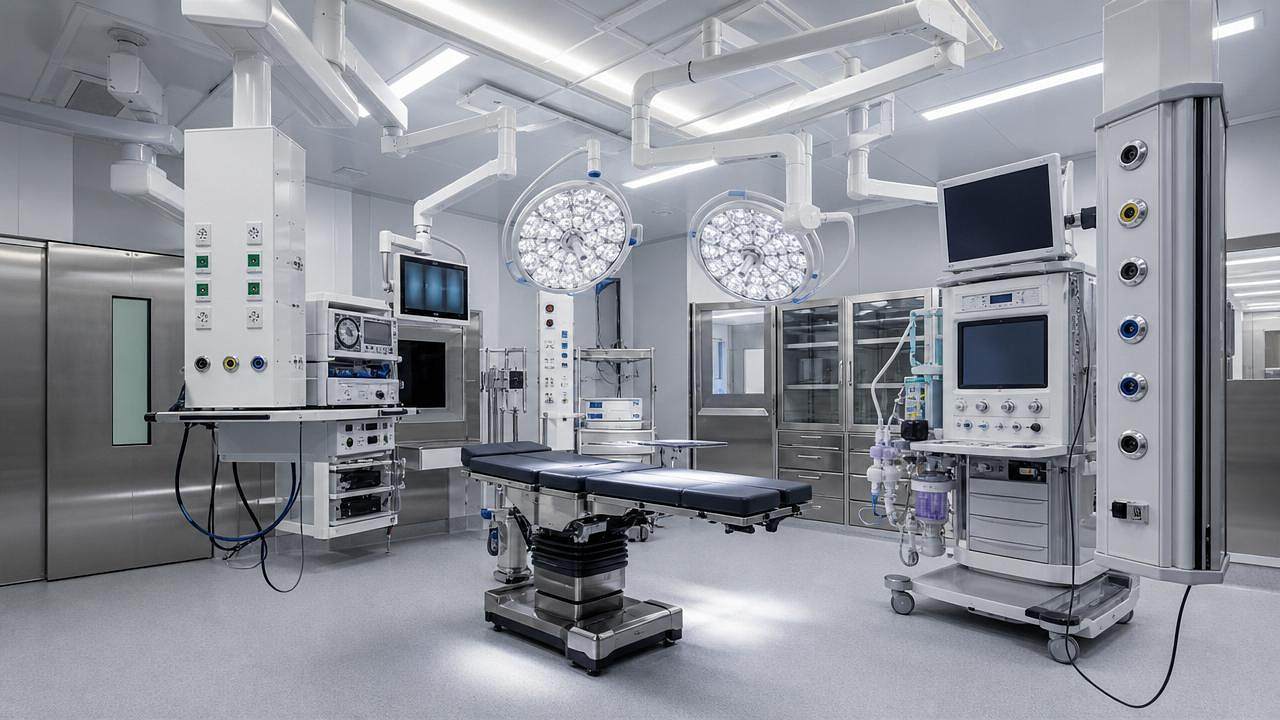




In modern operating rooms, surgical equipment infrastructure is more than a technical backbone—it directly shapes OR uptime, workflow continuity, and patient safety. For engineering planning, this infrastructure determines whether procedures start on time, stay on schedule, and recover quickly after faults.
When hospitals assess surgical efficiency, they often focus on surgeons, scheduling, and case volume. Yet surgical equipment infrastructure quietly controls lighting reliability, table positioning accuracy, clean power stability, imaging integration, and maintenance access.
Because downtime in the OR is expensive and clinically disruptive, understanding surgical equipment infrastructure helps reduce delays, protect compliance, and support long-term capital performance across diverse healthcare environments.
What does surgical equipment infrastructure include in an operating room?
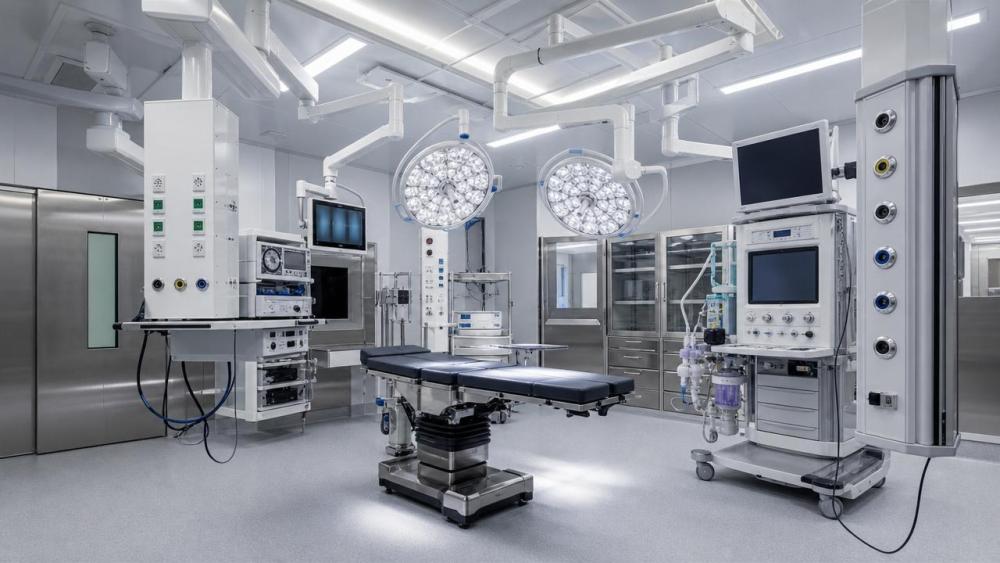
Surgical equipment infrastructure includes the fixed and semi-fixed systems that allow surgery to function safely and continuously. It is broader than one device or one vendor platform.
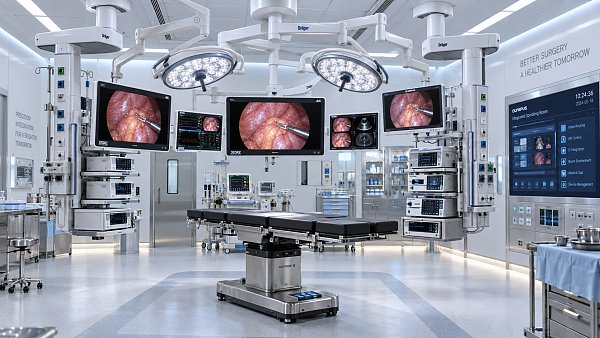
Typical elements include operating tables, surgical lights, ceiling pendants, power distribution, backup circuits, medical gas interfaces, video routing, integration software, and environmental controls.
It also includes cable management, network connectivity, mounting systems, infection-control surfaces, and service access design. These details directly affect uptime during routine and high-acuity cases.
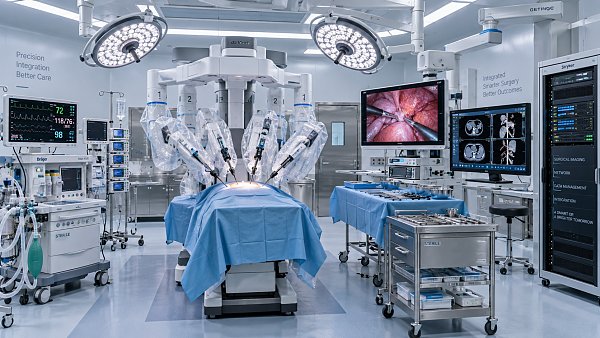
In advanced facilities, surgical equipment infrastructure must support hybrid procedures, endoscopy, robotic workflows, and image-guided interventions without creating bottlenecks between teams or technologies.
- Core mechanical support for patient positioning
- Stable electrical and data connections
- Ergonomic access for clinicians and devices
- Reliable interfaces for imaging and documentation
- Serviceability that minimizes procedure disruption
How does surgical equipment infrastructure affect OR uptime?
OR uptime depends on whether critical systems remain available before, during, and between procedures. Surgical equipment infrastructure influences all three phases at once.
If a table fails to lock, a light drifts, or a pendant loses power, the room may become unusable immediately. Even short interruptions can trigger schedule overruns.
Well-designed surgical equipment infrastructure reduces single points of failure. Redundant power, robust mounting, clean cable routing, and fault-tolerant integration protect case continuity.
Infrastructure quality also affects turnaround time. Rooms that are easier to clean, reset, inspect, and calibrate return to service faster between consecutive procedures.
Another factor is maintainability. Equipment placed without service clearance often requires longer shutdowns. Thoughtful layout design shortens inspections, repairs, and software updates.
Common uptime failure pathways
- Power instability affecting imaging or table controls
- Mechanical wear from heavy daily repositioning
- Software incompatibility across integrated systems
- Poor ventilation around control units
- Cleaning damage to exposed connectors or interfaces
Which components have the greatest impact on surgical uptime?
Not every asset carries equal operational risk. Some parts of surgical equipment infrastructure are especially influential because they affect almost every case.
Operating tables
Tables are foundational. They manage positioning, imaging access, weight capacity, and surgical ergonomics. Failure here can delay anesthesia, imaging, and sterile preparation together.
Surgical lighting systems
Lighting affects visibility, color rendering, and procedural precision. Reliable shadow control and arm stability are essential, especially in long minimally invasive procedures.
Ceiling pendants and booms
These systems organize power, gases, monitors, and accessories. Poor load planning or arm range design creates congestion, collision risk, and slower room turnover.
Power and integration platforms
Clean power and coordinated device communication support imaging, recording, and digital workflow. Integration failures often appear as workflow friction before becoming hard downtime.
How can hospitals evaluate surgical equipment infrastructure before downtime appears?
A reactive maintenance model is costly in the OR. Surgical equipment infrastructure should be assessed before failure trends become visible in canceled or delayed cases.
Start with utilization mapping. Review which rooms carry the highest daily burden, the longest cases, and the most complex imaging or minimally invasive workflows.
Then examine failure history. Look for repeated reset events, movement restrictions, cable stress, lamp arm instability, connector wear, or inconsistent software behavior.
A strong assessment also checks infrastructure fit. A room designed for general surgery may struggle with advanced endoscopy or hybrid interventions.
Useful evaluation criteria
- Mean time between service events
- Average time to restore room readiness
- Compatibility with imaging and digital systems
- Ergonomic performance during complex cases
- Availability of spare parts and technical support
Independent intelligence sources such as AMDS can help connect technical specifications with compliance, ROI, and clinical workflow implications across multiple equipment categories.
What are the biggest mistakes when upgrading surgical equipment infrastructure?
One common mistake is treating each component as an isolated purchase. Surgical equipment infrastructure performs as a system, not as a stack of unrelated devices.
Another mistake is underestimating room geometry. Ceiling height, boom rotation paths, imaging clearances, and anesthesia access all affect actual uptime.
Hospitals also risk buying for today’s procedures only. Surgical demand evolves toward minimally invasive, image-guided, and digitally integrated workflows.
Choosing infrastructure without service planning is equally risky. If parts, firmware support, or trained technicians are limited, future downtime may rise sharply.
Risk reminders
- Do not prioritize purchase price over lifecycle reliability
- Do not ignore infection-control cleaning impacts
- Do not overlook software update coordination
- Do not add devices without load and power review
How should surgical equipment infrastructure be planned for long-term value?
Long-term value comes from balancing uptime, compliance, flexibility, and maintainability. Surgical equipment infrastructure should support both current throughput and future procedural complexity.
The most resilient strategy uses modular planning. Select systems that allow upgrades in displays, control interfaces, imaging connectivity, and accessory mounting without rebuilding the room.
Preventive maintenance should be tied to actual usage intensity, not only calendar intervals. High-turnover rooms and complex specialties need more granular monitoring.
Lifecycle planning also benefits from cross-functional review. Technical, clinical, compliance, and economic perspectives should be aligned before major infrastructure decisions.
Surgical equipment infrastructure determines whether an OR can stay productive, safe, and adaptable under real clinical pressure. Its impact extends from daily workflow to capital planning and regulatory readiness.
A stronger approach begins with a room-by-room infrastructure review, focused on uptime risks, compatibility gaps, and service constraints. From there, improvement priorities become clearer and more measurable.
For organizations navigating medical imaging, IVD, life support, and core operating room technologies together, AMDS offers a useful intelligence lens for linking technical detail with clinical reliability and long-term performance.
Recommended News
 Oct 03, 2026How Detection Algorithms Improve Sensitivity and Workflow in Medical ImagingMedical imaging algorithms detection improves sensitivity, manages false positives, and streamlines clinical workflows. Explore validation, integration, and governance essentials.
 Oct 02, 2026High-Flow ICU Ventilators: Key Selection Criteria for Acute Respiratory CareICU ventilators high flow: discover key selection criteria for accurate gas delivery, NIV performance, humidification, alarms, reliability, and safer acute respiratory care.
 Oct 01, 2026How to Evaluate Medical Equipment Intelligence Suppliers for Hospital ProcurementMedical equipment intelligence suppliers: learn how hospitals can assess evidence quality, total cost, compliance, interoperability, and cybersecurity for smarter procurement decisions.
 Sep 30, 2026ISO 13485 Requirements for Blood Testing Instruments: A Buyer’s ChecklistBlood testing instruments ISO 13485 buyer’s checklist: verify certification scope, traceability, installation, consumables, and supplier support before you buy.
 Sep 29, 2026How to Evaluate Integrated Operating Room Systems for Workflow, Imaging, and IT IntegrationIntegrated operating room systems: evaluate workflow, imaging, IT integration, cybersecurity, and lifecycle value to select a scalable surgical solution.
 Sep 28, 2026How to Evaluate a Genetic Testing Equipment Supplier for PCR Lab ProcurementGenetic testing equipment supplier evaluation guide for PCR labs: compare performance, compliance, workflow, service, supply resilience, and total cost.
 Sep 27, 2026How to Specify Custom Benchtop Diagnostic Instruments for Your Assay WorkflowCustom diagnostic instruments benchtop guide: specify optics, fluidics, automation, software integration, and support to build a reliable assay workflow.
 Sep 26, 2026How Cardiac Imaging Analysis Tools Turn CT and MRI Data into Clinical MetricsMedical imaging analysis cardiology tools transform cardiac CT and MRI into reliable metrics. Explore segmentation, validation, workflow integration, and AI review.
 Sep 25, 2026How Iterative Image Reconstruction Algorithms Balance CT Dose, Noise, and DetailIterative image reconstruction algorithms help CT teams balance dose, noise, and diagnostic detail. Explore practical insights for confident imaging decisions.
 Sep 24, 2026What Drives the Total Cost of Medical Technology Solutions Over Their Lifecycle?Medical technology solutions cost goes far beyond purchase price—explore lifecycle drivers from installation and service to software, training, compliance, and downtime.
 Sep 24, 2026Diagnostic Imaging Technology: How Modalities Support Different Clinical DecisionsDiagnostic imaging technology supports smarter clinical decisions across CT, MRI, ultrasound, and nuclear imaging. Explore modality strengths, workflows, and selection factors.
 Sep 22, 2026How Life Science Labs Can Select Biomedical Research Equipment by Workflow and ThroughputBiomedical research equipment life science labs can select with confidence by aligning workflow, throughput, automation, data integrity, and scalable support.
 Sep 21, 2026How to Plan LIS Connectivity for Chemiluminescence Analyzers Without Data GapsChemiluminescence analyzers LIS connectivity: learn how to prevent data gaps with field mapping, exception workflows, end-to-end validation, and reliable go-live planning.
 Sep 20, 2026Selecting Fluorescence PCR Instruments: Detection Channels, Sensitivity, and Workflow FitPCR diagnostic instruments fluorescence detection guide: compare channels, sensitivity, multiplexing, and workflow fit to select a reliable platform.
 Sep 19, 2026Biomedical Signal Processing: From Sensor Data to Clinical Decision SupportBiomedical signal processing transforms sensor data into reliable clinical decision support. Explore AI, imaging, IVD, ICU monitoring, and compliance-ready MedTech insights.
 Sep 18, 2026How to Evaluate a Diagnostic Imaging Platform for Multi-Modality Workflow IntegrationDiagnostic imaging platform evaluation guide: assess multi-modality workflows, interoperability, AI integration, image integrity, security, and scalability for safer clinical decisions.
 Sep 17, 2026ISO 13485 for Medical Imaging Equipment: What Manufacturers Must DocumentMedical imaging equipment ISO 13485: discover essential documentation for design controls, risk management, traceability, software, and post-market quality.
 Sep 16, 2026Robotic MIS Equipment: What Hospitals Should Evaluate Before AdoptionMinimally invasive surgical equipment robotic adoption guide: evaluate workflow, safety, imaging, costs, cybersecurity, and service readiness.
 Sep 15, 2026How to Evaluate Biomedical Signal Processing Suppliers for Clinical Device ProjectsBiomedical signal processing supplier evaluation guide for clinical device teams—compare signal fidelity, regulatory evidence, cybersecurity, integration, and lifecycle support.
 Sep 14, 2026How Integrated Clinical Diagnostics Solutions Reduce Turnaround Time Across Lab WorkflowsIntegrated clinical diagnostics solutions reduce lab turnaround time by connecting workflows, automation, and data. Discover practical strategies for faster, traceable results.
 Sep 13, 2026ECMO System Market Outlook: Demand Drivers, Investment Risks, and Growth OpportunitiesECMO system market outlook explores demand drivers, investment risks, regulatory factors, and growth opportunities shaping critical-care innovation and adoption.
 Sep 12, 2026Where to Find Reliable Medical Device Information for Research and Due DiligenceMedical device information resource guide for due diligence: verify regulatory, clinical, safety, and technical evidence to make confident decisions.
 Sep 11, 2026Medical Equipment Intelligence: A Resource for Comparing Clinical TechnologiesMedical equipment intelligence resource for comparing clinical technologies by clinical fit, compliance, workflow, and total cost—make confident, evidence-led decisions.
 Sep 10, 2026How to Integrate Application-Specific Medical Solutions Into Existing Clinical WorkflowsApplication-specific medical solutions integration: learn how to align clinical workflows, interoperability, safety, and measurable outcomes for reliable deployment.










Related News
- 00
0000-00
How Detection Algorithms Improve Sensitivity and Workflow in Medical Imaging - 00
0000-00
How to Evaluate Integrated Operating Room Systems for Workflow, Imaging, and IT Integration - 00
0000-00
How Cardiac Imaging Analysis Tools Turn CT and MRI Data into Clinical Metrics - 00
0000-00
Diagnostic Imaging Technology: How Modalities Support Different Clinical Decisions - 00
0000-00
How Life Science Labs Can Select Biomedical Research Equipment by Workflow and Throughput
Weekly Insights
Stay ahead with our curated technology reports delivered every Monday.