
What clinical engineering intelligence changes in hospitals
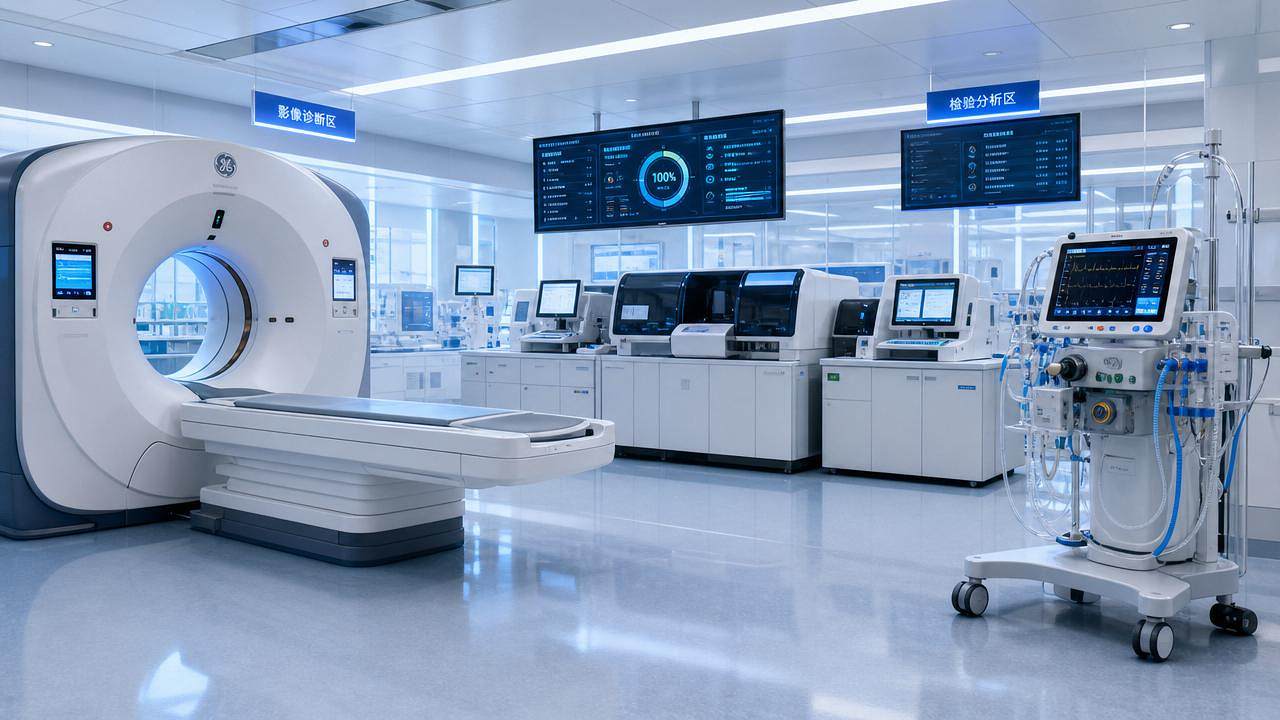




Clinical engineering intelligence is reshaping hospitals by turning equipment data, compliance demands, and clinical workflows into actionable decisions. For healthcare and MedTech leaders, it means more than asset management—it drives safer operations, faster diagnostics, stronger ROI, and smarter technology investment. Understanding this shift is essential for any organization aiming to improve care quality while staying competitive in an increasingly digital hospital environment.
For enterprise decision-makers, this shift matters at two levels at once. Inside hospitals, it changes how imaging systems, IVD analyzers, ventilators, operating room platforms, and endoscopy towers are selected, monitored, maintained, and upgraded. Across the MedTech value chain, it changes how manufacturers, distributors, service partners, and hospital groups evaluate risk, utilization, lifecycle cost, and regulatory readiness.
Clinical engineering intelligence is no longer limited to maintenance logs or repair tickets. It now combines device uptime, alarm history, workflow bottlenecks, compliance records, software status, cybersecurity controls, parts availability, and reimbursement pressure into one decision framework. That broader view is especially relevant for organizations working in high-acuity categories where downtime measured in 30 minutes can affect patient throughput, staff scheduling, and revenue capture.
For AMDS and similar intelligence-driven MedTech ecosystems, the strategic value lies in connecting technical performance with clinical, financial, and regulatory reality. In advanced imaging, a scanner is not just a machine; it is a throughput engine, a diagnostic quality platform, and a compliance-sensitive digital asset. The same logic applies to PCR instruments, ICU ventilators, surgical tables, and minimally invasive endoscope systems.
What clinical engineering intelligence actually changes in hospital operations
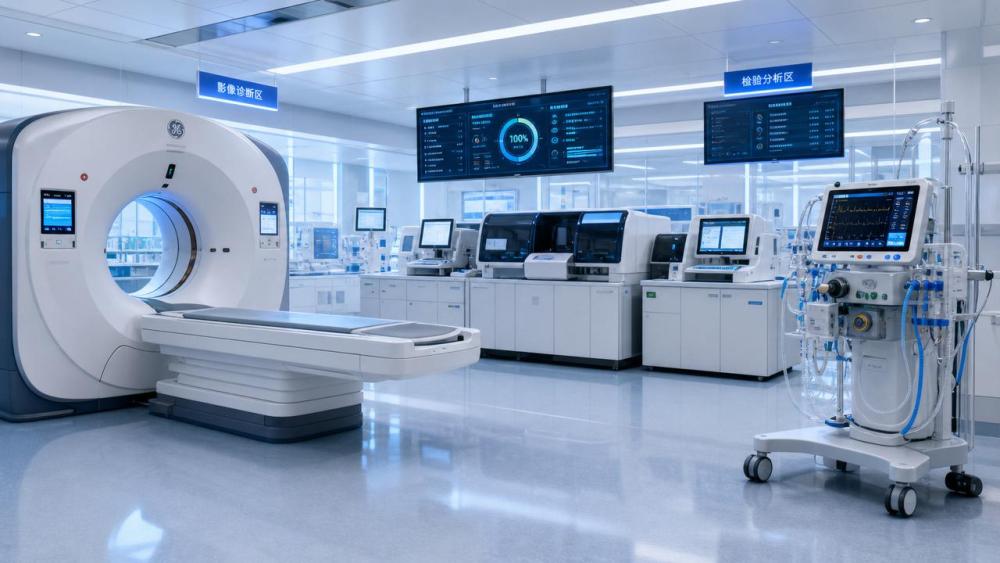
At the hospital level, clinical engineering intelligence changes operational decisions in 5 core domains: uptime management, procurement planning, patient safety, compliance execution, and capital allocation. Instead of reacting after a failure occurs, hospitals can use device-level intelligence to identify recurring faults, predict service intervals, and prioritize assets by clinical criticality.
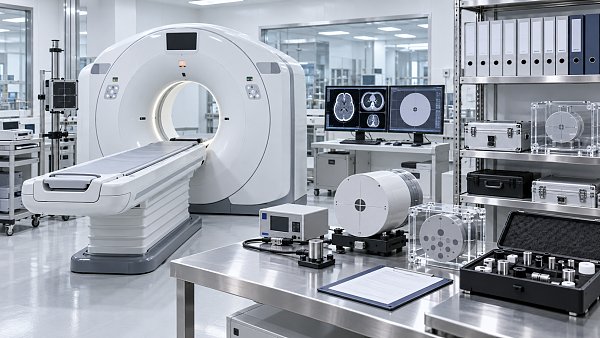
A CT scanner, for example, may appear functional based on a simple pass-fail status, yet intelligence data can reveal rising tube heat load patterns, delayed boot cycles, image reconstruction latency, or network transfer instability. Those signals often emerge 2–8 weeks before a visible service event. Acting early can prevent cancellations, reduce rescheduling pressure, and protect imaging capacity during peak demand windows.
In IVD environments, the same principle applies to calibration drift, reagent handling conditions, barcode read errors, or repeated sample reruns. Even a 2%–4% rerun rate can create measurable delays in emergency, oncology, and infectious disease workflows. Clinical engineering intelligence helps hospital leaders see whether the issue is tied to hardware wear, workflow design, user training, or integration between analyzer and laboratory information systems.
From device maintenance to decision intelligence
Traditional biomedical engineering teams often focused on corrective maintenance, preventive maintenance schedules, and inventory records. That model is still necessary, but it is not sufficient for modern hospitals running connected fleets of 500, 2,000, or even 10,000 devices. Leaders now need intelligence that ranks equipment by clinical importance, failure probability, service cost, and operational dependency.
This is particularly important in critical life support environments. A ventilator or ECMO support component cannot be assessed only by age or warranty status. It must be evaluated through alarm quality, maintenance history, utilization intensity, accessory compatibility, software revision control, and response readiness. In many intensive care environments, a service response difference between 1 hour and 6 hours is operationally significant.
Where hospital executives see measurable impact
The executive value of clinical engineering intelligence becomes clear when it is linked to measurable outcomes. These outcomes usually fall into four categories: throughput, risk reduction, cost control, and strategic planning. Hospitals rarely buy technology for technical elegance alone; they buy it to support diagnosis speed, treatment confidence, capacity growth, and long-term resilience.
The table below shows how intelligence-driven management changes outcomes across major clinical equipment categories.
The key point is that clinical engineering intelligence converts technical signals into management decisions. It helps executives decide whether to service, replace, standardize, retrain, renegotiate service contracts, or redesign workflows. That is a much broader value proposition than simple maintenance reporting.
Common hospital pain points it solves
- Unplanned equipment downtime during high-demand periods
- Fragmented records across biomedical, IT, procurement, and clinical departments
- Capital purchases made without clear 5-year lifecycle visibility
- Delayed compliance preparation for audits, software patches, or documentation reviews
- Low visibility into utilization rates across multiple campuses or service lines
For hospital groups operating across 3, 5, or 20 sites, these pain points scale quickly. Without a unified intelligence layer, one campus may overuse a system at 85% capacity while another operates similar equipment below 40%. The result is uneven service quality, avoidable capex requests, and inconsistent patient access.
Why it matters for imaging, IVD, life support, and minimally invasive care
Clinical engineering intelligence has the highest strategic value in categories where performance precision, regulatory expectations, and workflow dependency all intersect. That is why it matters so strongly in medical imaging, in vitro diagnostics, ICU life support, core operating room equipment, and endoscope systems. These are not peripheral assets. They shape diagnosis speed, treatment quality, and hospital reputation.
Imaging systems: throughput and diagnostic confidence
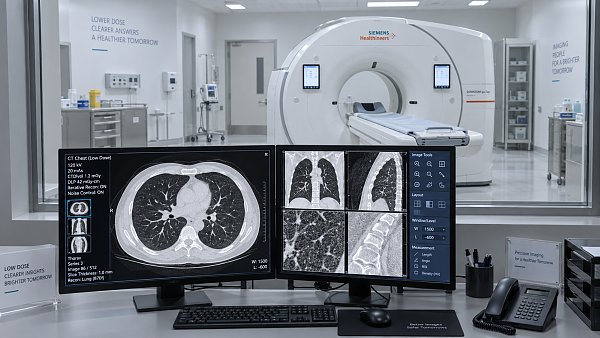
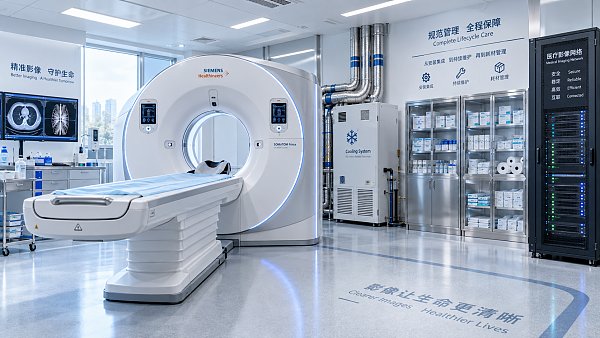
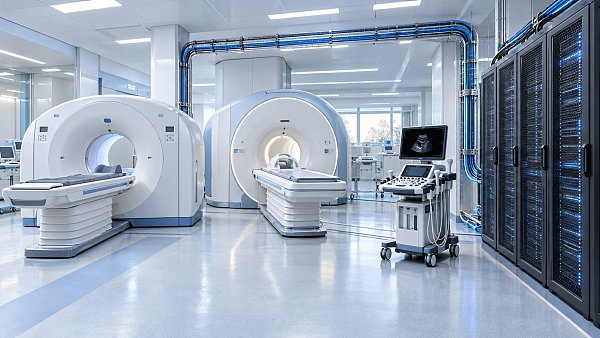
In MRI and CT environments, even small fluctuations can affect performance. A scanner handling 25–60 exams per day depends on stable cooling, detector response, reconstruction speed, and seamless PACS connectivity. If image transfer delays add 3–5 minutes per case, the lost capacity over a month becomes material. Intelligence tools highlight these hidden losses before they become visible in financial reports.
For organizations evaluating premium systems such as photon-counting CT or AI-assisted reconstruction platforms, clinical engineering intelligence also supports procurement discipline. Leaders can compare not only image quality claims but upgrade path, software support windows, spare part resilience, and expected service burden over 5–7 years.
IVD platforms: turnaround time and consistency
In laboratories, speed without reliability is a false gain. Chemiluminescence analyzers, PCR systems, and other IVD instruments operate in tightly controlled processes where sample traceability, calibration discipline, and consumable compatibility matter every day. Intelligence-led monitoring helps identify repeated exception events, delayed QC completion, and analyzer utilization imbalances across shifts.
That visibility becomes especially valuable under pressure conditions such as infection peaks, oncology pathway acceleration, or emergency department surges. A 15-minute improvement in average turnaround time can influence bed management, physician decision speed, and patient flow far beyond the laboratory itself.
Life support and operating rooms: reliability under non-negotiable conditions
Critical care assets operate under a different tolerance profile. For ventilators, monitoring systems, perfusion-related components, and OR infrastructure, the acceptable risk threshold is extremely low. Clinical engineering intelligence helps organizations maintain tighter control over maintenance intervals, alarm quality, software integrity, accessory readiness, and contingency inventory.
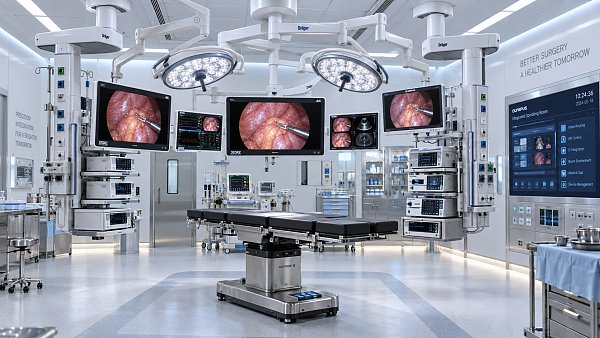
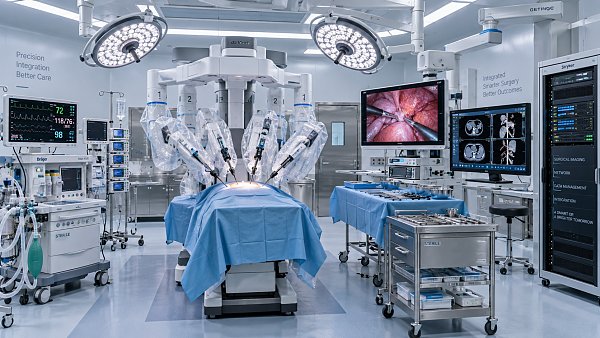
In the operating room, coordination matters as much as device quality. A modern suite may depend on 6–12 interconnected systems, including lighting, insufflation, imaging displays, electrosurgical tools, tables, and endoscopy processors. Intelligence makes it easier to identify which component creates recurrent case delays, sterilization conflicts, or setup inefficiencies.
A practical comparison of value by equipment type
Not every asset requires the same monitoring depth. The table below outlines a practical decision view for enterprise leaders planning investment priorities.
A useful rule for leadership teams is simple: the higher the clinical dependency and the higher the replacement cost, the more valuable clinical engineering intelligence becomes. That is why flagship assets often deliver the fastest strategic return from better monitoring and lifecycle planning.
How decision-makers should evaluate and implement it
For enterprise buyers, the central question is not whether clinical engineering intelligence is useful. The real question is how to implement it in a way that improves outcomes within 6–18 months. A successful program usually combines governance, technology integration, service workflow redesign, and financial accountability.
Four evaluation criteria before investment
- Coverage depth: Can the system handle imaging, IVD, ICU, OR, and endoscopy assets rather than only one category?
- Data usability: Does it produce actionable alerts, utilization views, and lifecycle insights instead of raw logs only?
- Compliance alignment: Can it support documentation discipline, software traceability, and audit preparation workflows?
- Financial relevance: Can it connect service patterns with downtime cost, replacement planning, and ROI analysis?
These four criteria are especially relevant under DRG and value-based care pressure, where capital equipment must justify itself through throughput, quality, and predictable operating performance. A dashboard that cannot influence contracting, staffing, or replacement planning will have limited executive value.
A 5-step rollout model
Most organizations achieve better results by phasing implementation. A 5-step model is common and practical:
- Asset baseline mapping across departments and campuses
- Criticality scoring based on clinical dependency and service risk
- Integration of maintenance, operational, and compliance data
- Prioritized dashboards for executives, engineering teams, and department leaders
- Quarterly review cycles tied to capex, vendor management, and quality goals
In practice, phase 1 may take 2–4 weeks for a single hospital and 6–12 weeks for a multi-site network, depending on data quality and vendor fragmentation. The goal is not to build a perfect digital twin on day one. The goal is to establish reliable visibility around the assets that carry the greatest operational and financial consequences.
Common implementation mistakes
- Treating intelligence as an IT project instead of a clinical operations project
- Measuring only downtime without tracking throughput loss or case disruption
- Ignoring software lifecycle risk in connected imaging and IVD systems
- Using the same service model for low-acuity devices and mission-critical assets
- Failing to connect engineering insights with procurement decisions
The most mature organizations avoid these mistakes by creating a cross-functional decision model. Clinical leaders define care dependency, engineering teams define technical risk, IT defines integration and security requirements, and finance evaluates 3-year to 7-year cost scenarios. That shared view makes procurement more disciplined and replacement timing more defensible.
What this means for MedTech strategy and competitive advantage
For MedTech manufacturers, distributors, and market access teams, clinical engineering intelligence is also a commercial strategy tool. Hospitals increasingly expect suppliers to support not only equipment delivery, but lifecycle transparency, service predictability, digital integration, and documentation readiness. In competitive tenders, these factors can influence shortlisting as much as headline specifications.
This is where AMDS-style intelligence becomes valuable. In sectors such as advanced imaging, IVD, life support, and minimally invasive surgery, technical superiority alone is not enough. Suppliers need to explain how a product will perform under real hospital constraints, how it aligns with compliance pathways, and how it contributes to measurable operational return.
Three strategic shifts for suppliers and hospital partners
First, the conversation is shifting from features to evidence. Buyers want service interval logic, integration readiness, upgrade compatibility, and workflow impact. Second, the conversation is shifting from unit price to lifecycle economics. A lower initial quotation may lose relevance if service burden rises sharply after year 3. Third, the conversation is shifting from isolated devices to intelligent fleets.
For decision-makers, this means every major equipment purchase should be reviewed through three lenses: clinical criticality, digital manageability, and reimbursement relevance. That approach is particularly important for hospitals balancing premium technology ambitions with cost discipline and staffing constraints.
Questions leaders should ask before the next capital decision
- Which 10 assets generate the highest downtime risk or throughput dependency?
- Where do service events repeatedly affect patient scheduling or lab turnaround time?
- How many platforms lack clear software update visibility or parts continuity planning?
- Which suppliers can support data-driven lifecycle management rather than break-fix service alone?
- How will this purchase perform under a 3-year, 5-year, and 7-year operating cost view?
Organizations that can answer these questions with confidence are better positioned to reduce operational risk, defend capital budgets, and modernize clinical delivery at the same time. Those that cannot often end up reacting to failures, audits, or budget stress after the fact.
Clinical engineering intelligence changes hospitals because it links the technical life of equipment to the business of care delivery. It helps leaders move from fragmented maintenance records to evidence-based decisions across imaging, diagnostics, life support, operating rooms, and minimally invasive surgery. For enterprise buyers and MedTech partners, that means safer operations, stronger ROI discipline, and more resilient technology strategy.
If your organization is evaluating advanced medical equipment, planning digital hospital upgrades, or strengthening lifecycle management across critical assets, now is the right time to turn intelligence into action. Contact AMDS to explore tailored insights, compare solution pathways, and get a more strategic view of clinical engineering intelligence in modern hospitals.
Recommended News
 Oct 02, 2026High-Flow ICU Ventilators: Key Selection Criteria for Acute Respiratory CareICU ventilators high flow: discover key selection criteria for accurate gas delivery, NIV performance, humidification, alarms, reliability, and safer acute respiratory care.
 Oct 01, 2026How to Evaluate Medical Equipment Intelligence Suppliers for Hospital ProcurementMedical equipment intelligence suppliers: learn how hospitals can assess evidence quality, total cost, compliance, interoperability, and cybersecurity for smarter procurement decisions.
 Sep 30, 2026ISO 13485 Requirements for Blood Testing Instruments: A Buyer’s ChecklistBlood testing instruments ISO 13485 buyer’s checklist: verify certification scope, traceability, installation, consumables, and supplier support before you buy.
 Sep 29, 2026How to Evaluate Integrated Operating Room Systems for Workflow, Imaging, and IT IntegrationIntegrated operating room systems: evaluate workflow, imaging, IT integration, cybersecurity, and lifecycle value to select a scalable surgical solution.
 Sep 28, 2026How to Evaluate a Genetic Testing Equipment Supplier for PCR Lab ProcurementGenetic testing equipment supplier evaluation guide for PCR labs: compare performance, compliance, workflow, service, supply resilience, and total cost.
 Sep 27, 2026How to Specify Custom Benchtop Diagnostic Instruments for Your Assay WorkflowCustom diagnostic instruments benchtop guide: specify optics, fluidics, automation, software integration, and support to build a reliable assay workflow.
 Sep 26, 2026How Cardiac Imaging Analysis Tools Turn CT and MRI Data into Clinical MetricsMedical imaging analysis cardiology tools transform cardiac CT and MRI into reliable metrics. Explore segmentation, validation, workflow integration, and AI review.
 Sep 25, 2026How Iterative Image Reconstruction Algorithms Balance CT Dose, Noise, and DetailIterative image reconstruction algorithms help CT teams balance dose, noise, and diagnostic detail. Explore practical insights for confident imaging decisions.
 Sep 24, 2026What Drives the Total Cost of Medical Technology Solutions Over Their Lifecycle?Medical technology solutions cost goes far beyond purchase price—explore lifecycle drivers from installation and service to software, training, compliance, and downtime.
 Sep 24, 2026Diagnostic Imaging Technology: How Modalities Support Different Clinical DecisionsDiagnostic imaging technology supports smarter clinical decisions across CT, MRI, ultrasound, and nuclear imaging. Explore modality strengths, workflows, and selection factors.
 Sep 22, 2026How Life Science Labs Can Select Biomedical Research Equipment by Workflow and ThroughputBiomedical research equipment life science labs can select with confidence by aligning workflow, throughput, automation, data integrity, and scalable support.
 Sep 21, 2026How to Plan LIS Connectivity for Chemiluminescence Analyzers Without Data GapsChemiluminescence analyzers LIS connectivity: learn how to prevent data gaps with field mapping, exception workflows, end-to-end validation, and reliable go-live planning.
 Sep 20, 2026Selecting Fluorescence PCR Instruments: Detection Channels, Sensitivity, and Workflow FitPCR diagnostic instruments fluorescence detection guide: compare channels, sensitivity, multiplexing, and workflow fit to select a reliable platform.
 Sep 19, 2026Biomedical Signal Processing: From Sensor Data to Clinical Decision SupportBiomedical signal processing transforms sensor data into reliable clinical decision support. Explore AI, imaging, IVD, ICU monitoring, and compliance-ready MedTech insights.
 Sep 18, 2026How to Evaluate a Diagnostic Imaging Platform for Multi-Modality Workflow IntegrationDiagnostic imaging platform evaluation guide: assess multi-modality workflows, interoperability, AI integration, image integrity, security, and scalability for safer clinical decisions.
 Sep 17, 2026ISO 13485 for Medical Imaging Equipment: What Manufacturers Must DocumentMedical imaging equipment ISO 13485: discover essential documentation for design controls, risk management, traceability, software, and post-market quality.
 Sep 16, 2026Robotic MIS Equipment: What Hospitals Should Evaluate Before AdoptionMinimally invasive surgical equipment robotic adoption guide: evaluate workflow, safety, imaging, costs, cybersecurity, and service readiness.
 Sep 15, 2026How to Evaluate Biomedical Signal Processing Suppliers for Clinical Device ProjectsBiomedical signal processing supplier evaluation guide for clinical device teams—compare signal fidelity, regulatory evidence, cybersecurity, integration, and lifecycle support.
 Sep 14, 2026How Integrated Clinical Diagnostics Solutions Reduce Turnaround Time Across Lab WorkflowsIntegrated clinical diagnostics solutions reduce lab turnaround time by connecting workflows, automation, and data. Discover practical strategies for faster, traceable results.
 Sep 13, 2026ECMO System Market Outlook: Demand Drivers, Investment Risks, and Growth OpportunitiesECMO system market outlook explores demand drivers, investment risks, regulatory factors, and growth opportunities shaping critical-care innovation and adoption.
 Sep 12, 2026Where to Find Reliable Medical Device Information for Research and Due DiligenceMedical device information resource guide for due diligence: verify regulatory, clinical, safety, and technical evidence to make confident decisions.
 Sep 11, 2026Medical Equipment Intelligence: A Resource for Comparing Clinical TechnologiesMedical equipment intelligence resource for comparing clinical technologies by clinical fit, compliance, workflow, and total cost—make confident, evidence-led decisions.
 Sep 10, 2026How to Integrate Application-Specific Medical Solutions Into Existing Clinical WorkflowsApplication-specific medical solutions integration: learn how to align clinical workflows, interoperability, safety, and measurable outcomes for reliable deployment.
 Sep 09, 2026Medical Supplier Evaluation Checklist: How to Verify Quality, Compliance, and Delivery RiskMedical supplier evaluation checklist for verifying quality, compliance, service capacity, configuration accuracy, and delivery risk before purchase approval.













Related News
- 00
0000-00
How to Evaluate Integrated Operating Room Systems for Workflow, Imaging, and IT Integration - 00
0000-00
How Cardiac Imaging Analysis Tools Turn CT and MRI Data into Clinical Metrics - 00
0000-00
Diagnostic Imaging Technology: How Modalities Support Different Clinical Decisions - 00
0000-00
How Life Science Labs Can Select Biomedical Research Equipment by Workflow and Throughput - 00
0000-00
Biomedical Signal Processing: From Sensor Data to Clinical Decision Support
Weekly Insights
Stay ahead with our curated technology reports delivered every Monday.