
Hospital technology integration fails for predictable reasons
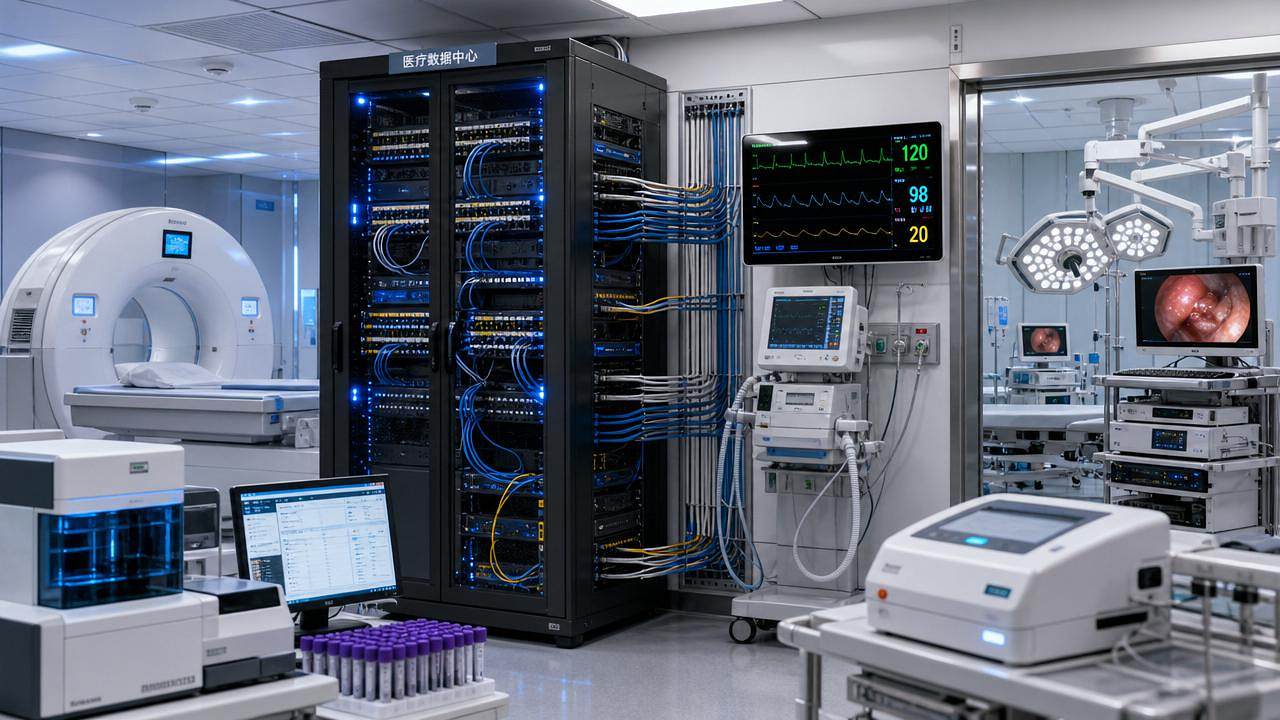




Hospital technology integration often fails for predictable reasons: disconnected procurement, poor workflow mapping, weak interoperability, and unclear ROI ownership. These failures are not merely technical setbacks. They create strategic exposure across compliance, clinical throughput, cybersecurity, and long-term capital efficiency. In complex care environments, hospital technology integration must be treated as an operational architecture decision, not as a late-stage IT deployment task.
Why hospital technology integration needs a checklist approach
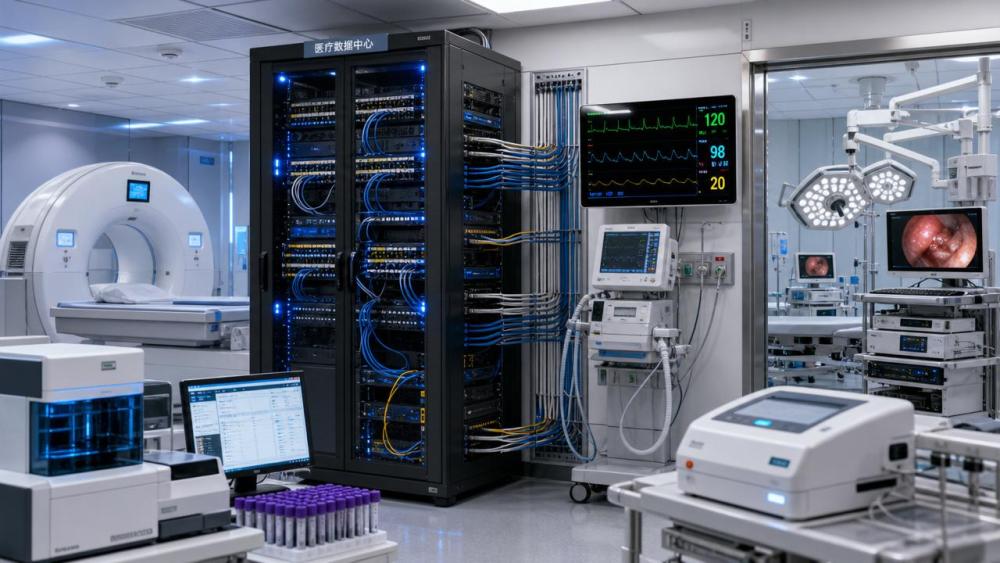
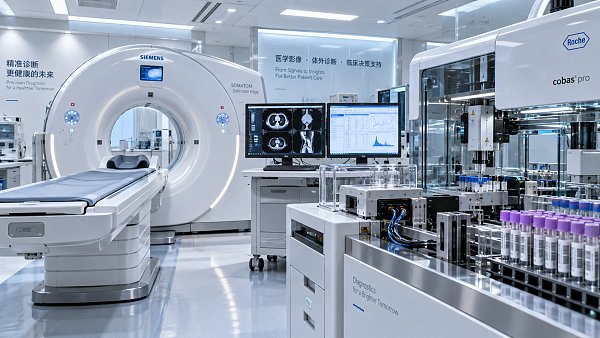
In modern hospitals, imaging, IVD, life support, surgical platforms, and endoscopy systems generate separate data streams, workflows, and compliance obligations. Without a checklist, decision-making becomes fragmented. One team buys hardware, another configures interfaces, and a third absorbs clinical disruption after go-live.
A checklist approach makes hospital technology integration measurable before contracts are signed. It also helps align infrastructure readiness, interface governance, user adoption, and financial accountability. For digital health programs tied to clinical safety, no integration effort should start without a structured validation path.
Core checklist for hospital technology integration
Use the following execution points to evaluate whether hospital technology integration is likely to scale, stall, or fail.
- Define clinical use cases first, then map each device, application, and data handoff to a measurable patient care or operational outcome.
- Audit existing workflows on the ward, in imaging suites, laboratories, ICUs, and ORs before selecting integration architecture or middleware.
- Verify interoperability standards early, including HL7, FHIR, DICOM, device connectivity protocols, and vendor-specific interface limitations.
- Assign a single owner for ROI accountability, including uptime targets, utilization gains, documentation efficiency, and reimbursement impact.
- Test infrastructure capacity for bandwidth, storage, latency, cybersecurity segmentation, and disaster recovery under peak clinical loads.
- Validate data governance rules covering patient identity, timestamp integrity, audit logs, role-based access, and retention compliance.
- Simulate failure modes before deployment, including interface breaks, alarm routing loss, image archive delays, and laboratory result mismatches.
- Sequence change management by role, ensuring clinicians, biomedical teams, IT staff, and compliance functions adopt the same operational model.
- Negotiate integration obligations in contracts, including interface support windows, validation responsibilities, upgrade compatibility, and service penalties.
- Measure post-go-live performance through dashboard metrics tied to turnaround time, first-time-right data exchange, and clinical downtime events.
Where hospital technology integration breaks in real environments
Imaging and diagnostic ecosystems
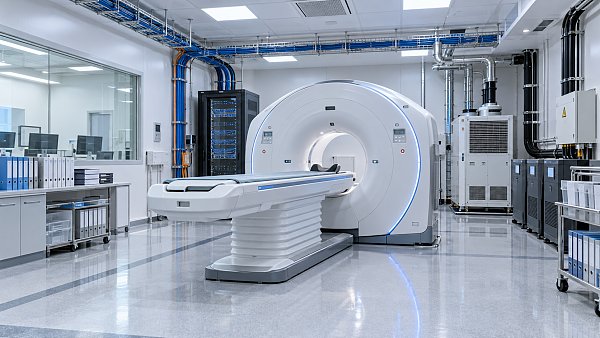
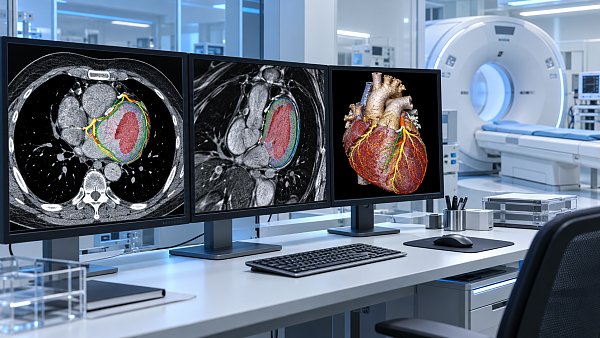
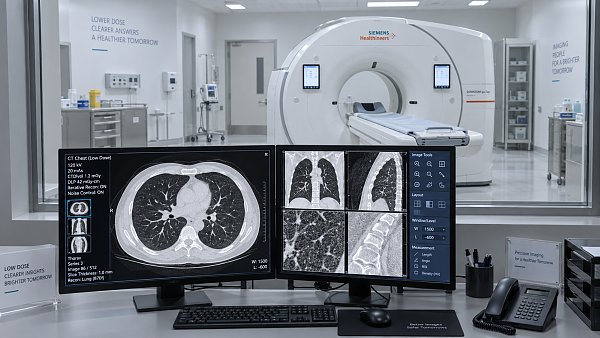
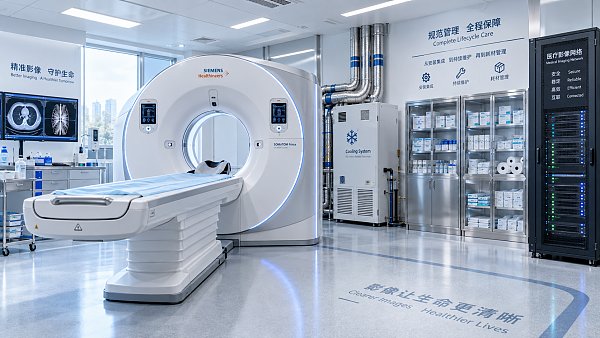
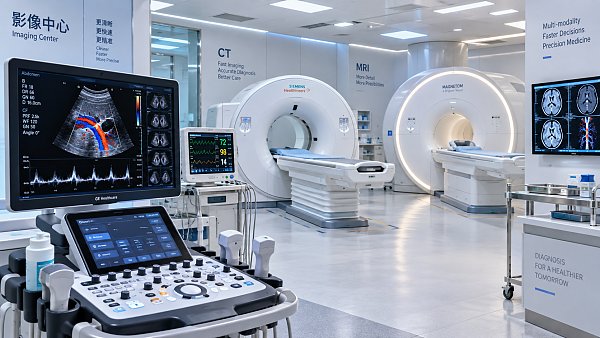
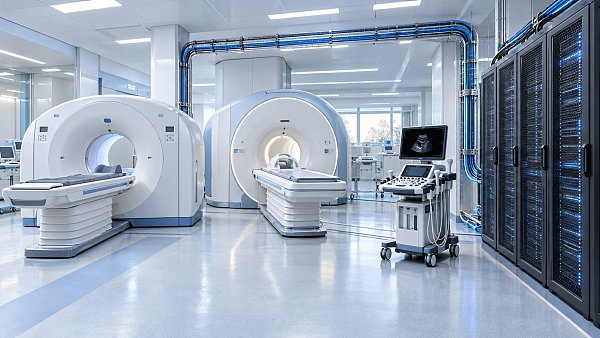
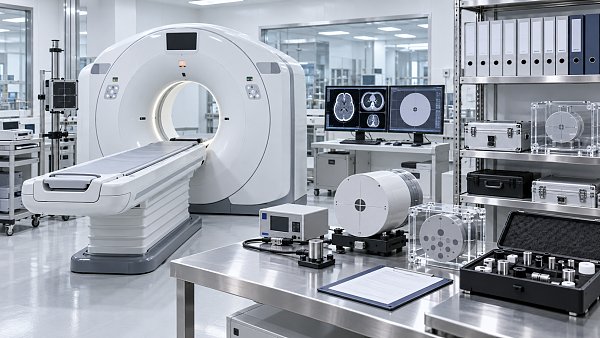
Medical imaging environments often appear highly digital, yet hospital technology integration still fails when PACS, RIS, modality worklists, and enterprise archives are upgraded in isolation. A CT scanner may produce exceptional images, but if scheduling data, patient identity, and reporting workflows are misaligned, downstream delays multiply.
This problem becomes more severe when AI reconstruction, photon-counting systems, or advanced MRI protocols are added. New applications generate heavier data volumes and tighter latency expectations. If network, archive, and viewer performance were not modeled beforehand, radiology throughput drops instead of improving.
IVD and laboratory connectivity
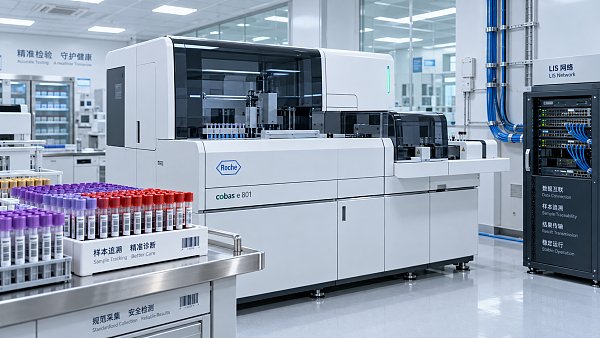
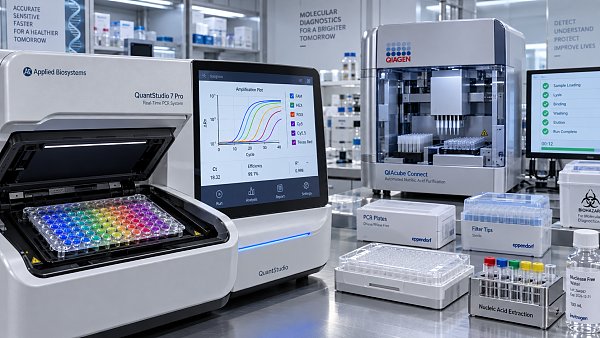
In laboratory settings, hospital technology integration frequently breaks at specimen identification, result routing, and middleware translation layers. Chemiluminescence analyzers, PCR platforms, and LIS environments may each work correctly alone, while still producing mismatched identifiers or delayed release logic together.
The risk is not only operational. Result integrity affects treatment timing, isolation decisions, and quality reporting. Integration planning must therefore include barcode rules, reflex testing logic, exception queues, and reconciliation protocols, not just physical analyzer connectivity.
ICU, life support, and high-acuity care
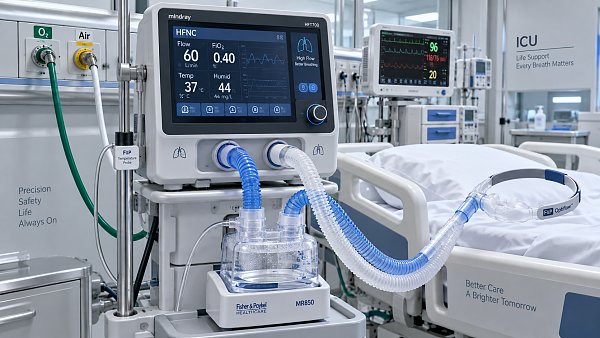
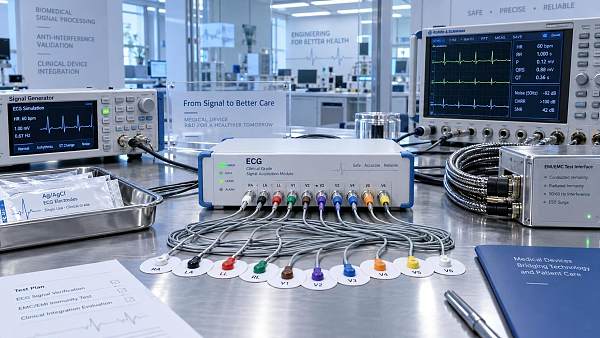
In intensive care, hospital technology integration becomes safety critical. Ventilators, monitors, infusion systems, and ECMO-related platforms create continuous data that must be trusted in real time. If timestamps drift, alarm escalation fails, or charting interfaces lag, clinical teams lose confidence immediately.
High-acuity environments also expose a common planning flaw: teams assume device connectivity equals workflow integration. It does not. Safe integration must consider alarm fatigue, bedside validation, downtime procedures, and biomedical service response during software changes.
Operating rooms and endoscopy platforms
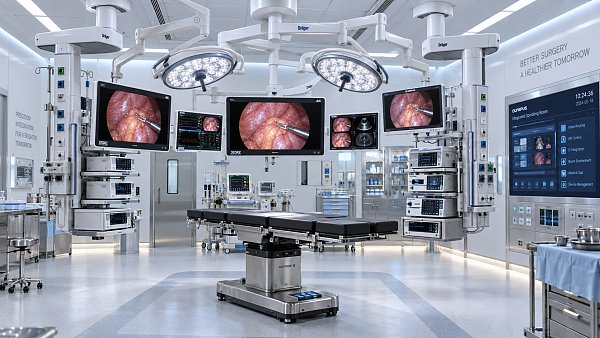
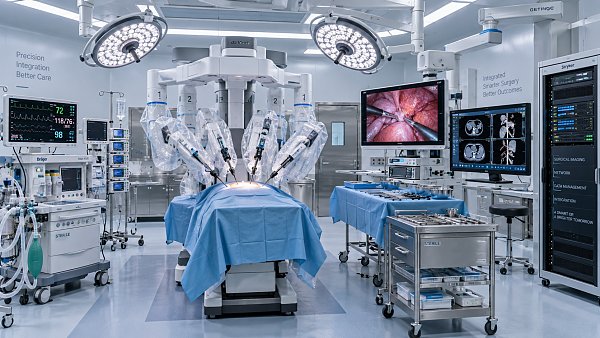
In ORs and minimally invasive suites, hospital technology integration often fails because video systems, lighting, tables, insufflation units, and documentation platforms were sourced from different logic models. Even small interface gaps can slow room turnover or interrupt image capture and case documentation.
As 4K, 3D, and networked endoscope systems expand, integration must support not only image quality but also storage workflows, sterile process continuity, and surgeon preference presets. Technical compatibility alone is insufficient if the room cannot sustain repeatable, efficient surgical flow.
Commonly ignored risks in hospital technology integration
Ignore version control at your peril. Many failures occur after upgrades, when one application changes faster than connected systems. Interface stability must be governed across the full lifecycle.
Underestimate data normalization and analytics quality. Dashboards built on inconsistent timestamps, duplicate patient records, or incomplete device feeds produce misleading operational conclusions.
Treat cybersecurity as a separate stream and integration slows later. Medical devices, archives, and clinical networks require coordinated segmentation, patch governance, and vendor access controls.
Assume training is optional and adoption collapses. Users create workarounds when workflows feel slower, especially in radiology, labs, and perioperative environments with strict time pressure.
Leave compliance review until final acceptance and remediation costs rise. Auditability, access logs, validation evidence, and regional regulatory expectations should shape integration design from the start.
Practical execution steps that improve outcomes
- Start with one cross-functional architecture map showing systems, interfaces, owners, downtime paths, and compliance dependencies.
- Build a phased validation plan covering unit testing, workflow simulation, failover testing, and role-based acceptance criteria.
- Use contract language that makes vendors responsible for documented interface behavior, upgrade notice periods, and joint issue resolution.
- Create baseline metrics before implementation, then compare post-go-live results against turnaround time, utilization, and downtime targets.
- Review integration governance quarterly, especially after software patches, device additions, or changes in reimbursement and reporting rules.
For organizations operating in advanced MedTech domains, the lesson is clear: hospital technology integration succeeds when engineering logic, clinical workflow, and compliance discipline are stitched together from the beginning. That is especially true for large-scale imaging, IVD, life support, and minimally invasive systems where precision and reliability are inseparable.
Conclusion and next action
Hospital technology integration fails for predictable reasons, which means it can also be improved through predictable discipline. Use a checklist, map workflows before procurement, validate interoperability in detail, and assign measurable ROI ownership. The most resilient digital health systems are not the ones with the most devices. They are the ones where every interface, workflow, and accountability path has been made visible before scale begins.
The next step is simple: review one active or planned integration project against the checklist above, identify the missing ownership and validation gaps, and correct them before the next purchase or upgrade cycle. That single exercise can prevent months of avoidable friction in hospital technology integration.
Recommended News
 Oct 02, 2026High-Flow ICU Ventilators: Key Selection Criteria for Acute Respiratory CareICU ventilators high flow: discover key selection criteria for accurate gas delivery, NIV performance, humidification, alarms, reliability, and safer acute respiratory care.
 Oct 01, 2026How to Evaluate Medical Equipment Intelligence Suppliers for Hospital ProcurementMedical equipment intelligence suppliers: learn how hospitals can assess evidence quality, total cost, compliance, interoperability, and cybersecurity for smarter procurement decisions.
 Sep 30, 2026ISO 13485 Requirements for Blood Testing Instruments: A Buyer’s ChecklistBlood testing instruments ISO 13485 buyer’s checklist: verify certification scope, traceability, installation, consumables, and supplier support before you buy.
 Sep 29, 2026How to Evaluate Integrated Operating Room Systems for Workflow, Imaging, and IT IntegrationIntegrated operating room systems: evaluate workflow, imaging, IT integration, cybersecurity, and lifecycle value to select a scalable surgical solution.
 Sep 28, 2026How to Evaluate a Genetic Testing Equipment Supplier for PCR Lab ProcurementGenetic testing equipment supplier evaluation guide for PCR labs: compare performance, compliance, workflow, service, supply resilience, and total cost.
 Sep 27, 2026How to Specify Custom Benchtop Diagnostic Instruments for Your Assay WorkflowCustom diagnostic instruments benchtop guide: specify optics, fluidics, automation, software integration, and support to build a reliable assay workflow.
 Sep 26, 2026How Cardiac Imaging Analysis Tools Turn CT and MRI Data into Clinical MetricsMedical imaging analysis cardiology tools transform cardiac CT and MRI into reliable metrics. Explore segmentation, validation, workflow integration, and AI review.
 Sep 25, 2026How Iterative Image Reconstruction Algorithms Balance CT Dose, Noise, and DetailIterative image reconstruction algorithms help CT teams balance dose, noise, and diagnostic detail. Explore practical insights for confident imaging decisions.
 Sep 24, 2026What Drives the Total Cost of Medical Technology Solutions Over Their Lifecycle?Medical technology solutions cost goes far beyond purchase price—explore lifecycle drivers from installation and service to software, training, compliance, and downtime.
 Sep 24, 2026Diagnostic Imaging Technology: How Modalities Support Different Clinical DecisionsDiagnostic imaging technology supports smarter clinical decisions across CT, MRI, ultrasound, and nuclear imaging. Explore modality strengths, workflows, and selection factors.
 Sep 22, 2026How Life Science Labs Can Select Biomedical Research Equipment by Workflow and ThroughputBiomedical research equipment life science labs can select with confidence by aligning workflow, throughput, automation, data integrity, and scalable support.
 Sep 21, 2026How to Plan LIS Connectivity for Chemiluminescence Analyzers Without Data GapsChemiluminescence analyzers LIS connectivity: learn how to prevent data gaps with field mapping, exception workflows, end-to-end validation, and reliable go-live planning.
 Sep 20, 2026Selecting Fluorescence PCR Instruments: Detection Channels, Sensitivity, and Workflow FitPCR diagnostic instruments fluorescence detection guide: compare channels, sensitivity, multiplexing, and workflow fit to select a reliable platform.
 Sep 19, 2026Biomedical Signal Processing: From Sensor Data to Clinical Decision SupportBiomedical signal processing transforms sensor data into reliable clinical decision support. Explore AI, imaging, IVD, ICU monitoring, and compliance-ready MedTech insights.
 Sep 18, 2026How to Evaluate a Diagnostic Imaging Platform for Multi-Modality Workflow IntegrationDiagnostic imaging platform evaluation guide: assess multi-modality workflows, interoperability, AI integration, image integrity, security, and scalability for safer clinical decisions.
 Sep 17, 2026ISO 13485 for Medical Imaging Equipment: What Manufacturers Must DocumentMedical imaging equipment ISO 13485: discover essential documentation for design controls, risk management, traceability, software, and post-market quality.
 Sep 16, 2026Robotic MIS Equipment: What Hospitals Should Evaluate Before AdoptionMinimally invasive surgical equipment robotic adoption guide: evaluate workflow, safety, imaging, costs, cybersecurity, and service readiness.
 Sep 15, 2026How to Evaluate Biomedical Signal Processing Suppliers for Clinical Device ProjectsBiomedical signal processing supplier evaluation guide for clinical device teams—compare signal fidelity, regulatory evidence, cybersecurity, integration, and lifecycle support.
 Sep 14, 2026How Integrated Clinical Diagnostics Solutions Reduce Turnaround Time Across Lab WorkflowsIntegrated clinical diagnostics solutions reduce lab turnaround time by connecting workflows, automation, and data. Discover practical strategies for faster, traceable results.
 Sep 13, 2026ECMO System Market Outlook: Demand Drivers, Investment Risks, and Growth OpportunitiesECMO system market outlook explores demand drivers, investment risks, regulatory factors, and growth opportunities shaping critical-care innovation and adoption.
 Sep 12, 2026Where to Find Reliable Medical Device Information for Research and Due DiligenceMedical device information resource guide for due diligence: verify regulatory, clinical, safety, and technical evidence to make confident decisions.
 Sep 11, 2026Medical Equipment Intelligence: A Resource for Comparing Clinical TechnologiesMedical equipment intelligence resource for comparing clinical technologies by clinical fit, compliance, workflow, and total cost—make confident, evidence-led decisions.
 Sep 10, 2026How to Integrate Application-Specific Medical Solutions Into Existing Clinical WorkflowsApplication-specific medical solutions integration: learn how to align clinical workflows, interoperability, safety, and measurable outcomes for reliable deployment.
 Sep 09, 2026Medical Supplier Evaluation Checklist: How to Verify Quality, Compliance, and Delivery RiskMedical supplier evaluation checklist for verifying quality, compliance, service capacity, configuration accuracy, and delivery risk before purchase approval.









Related News
- 00
0000-00
How to Evaluate Integrated Operating Room Systems for Workflow, Imaging, and IT Integration - 00
0000-00
How Cardiac Imaging Analysis Tools Turn CT and MRI Data into Clinical Metrics - 00
0000-00
Diagnostic Imaging Technology: How Modalities Support Different Clinical Decisions - 00
0000-00
How Life Science Labs Can Select Biomedical Research Equipment by Workflow and Throughput - 00
0000-00
Biomedical Signal Processing: From Sensor Data to Clinical Decision Support
Weekly Insights
Stay ahead with our curated technology reports delivered every Monday.