
Advanced clinical diagnostics should cut errors, but do they?
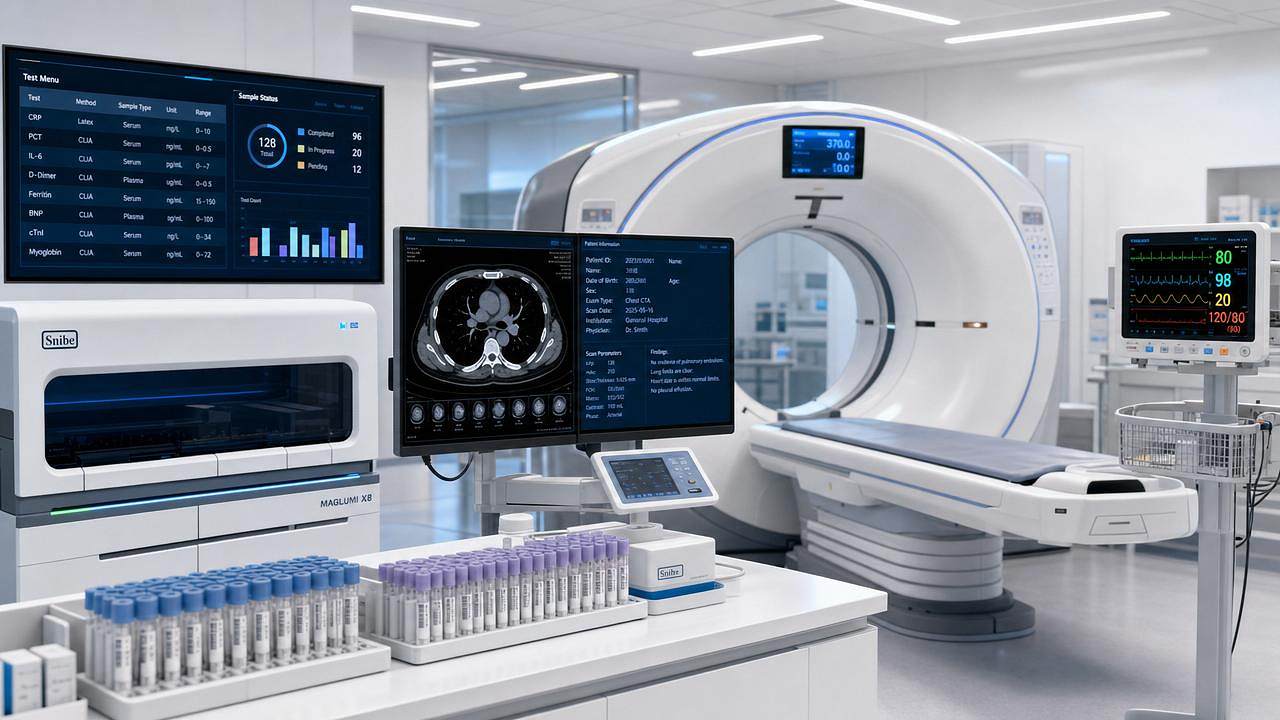




Advanced clinical diagnostics promise more precision, earlier detection, and stronger clinical confidence. But for frontline operators, the answer to the title question is clear: advanced systems reduce errors only when workflow, usability, training, maintenance, and data integration are equally strong.
In practice, technology can eliminate some traditional weaknesses while introducing new failure points. A sharper scanner, smarter analyzer, or more connected life-support platform does not automatically produce safer outcomes if inputs are wrong, alarms are ignored, images are poorly reconstructed, or results are misread in context.
For operators and daily users, the real value of advanced clinical diagnostics is not just technical sophistication. It is whether the system helps them produce repeatable, timely, traceable, and clinically reliable results under real-world pressure.
This article examines where errors still happen across imaging, IVD, life-support environments, and procedure-based systems. It also explains what users should look for if they want advanced tools to genuinely improve accuracy rather than simply add complexity.
Do advanced clinical diagnostics really reduce errors in daily clinical work?
Yes, but not by default. Advanced platforms can reduce manual variability, improve image quality, automate calibration, flag abnormal values, and support faster decision-making. These are meaningful gains, especially in busy departments where timing and consistency matter.
However, most clinical mistakes are not caused by a single weak device component. Errors often happen across a chain: patient identification, sample collection, protocol selection, parameter setup, software interpretation, handoff communication, and final documentation.
That is why many operators experience a paradox. A department may install a high-end system with excellent specifications, yet still see repeat scans, inconclusive results, delayed reporting, or preventable alarm events. The equipment is advanced, but the workflow around it is not.
The practical conclusion is straightforward. Advanced diagnostics reduce errors best when they lower cognitive burden, standardize decisions, support correct operation under stress, and fit cleanly into clinical routines without forcing risky workarounds.
Where do errors still occur even with better technology?
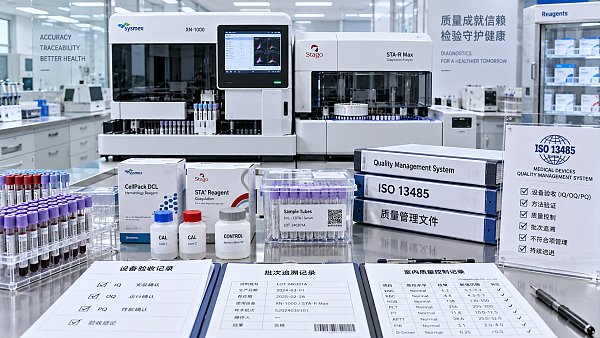
Operators usually think first about device accuracy, but many errors begin before the machine produces any output. In IVD, mislabeled samples, hemolysis, contamination, incorrect storage, and delayed processing can undermine even the most sophisticated analyzer.
In imaging, common issues include wrong protocol choice, suboptimal patient positioning, motion artifacts, contrast timing errors, metal interference, and inappropriate reconstruction settings. Better hardware helps, but it does not remove the need for disciplined operation.
In critical care settings, advanced life-support systems bring another challenge: alarm fatigue, interface overload, tubing mistakes, sensor drift, and delayed response to trend changes. A machine may function correctly while the surrounding human system fails to act effectively.
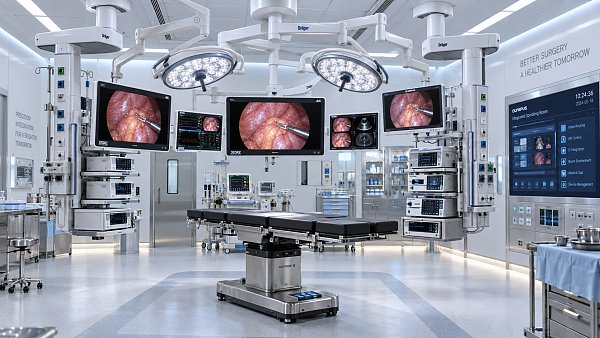
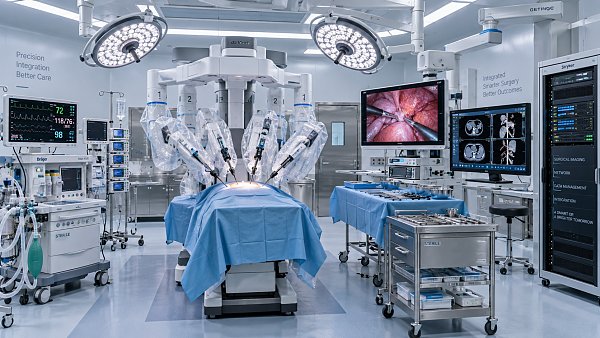
Endoscopy and minimally invasive platforms also show this pattern. High-definition visualization can improve procedural confidence, but fogging, poor light management, inadequate reprocessing, and setup inconsistencies still affect safety and diagnostic clarity.
Even software-driven improvements can create new risks. AI-supported reconstruction, auto-measurement tools, and decision-support prompts can save time, yet they may also encourage overreliance if users stop checking whether the output truly matches the patient’s condition.
Why operators, not just engineers, determine whether advanced systems cut mistakes
Manufacturers often highlight sensitivity, resolution, throughput, and algorithmic performance. Those matter. But on the user side, error reduction depends heavily on whether the device supports correct decisions during a normal shift, not only under ideal test conditions.
Operators work in environments shaped by interruptions, staffing pressure, urgent cases, handovers, and mixed user experience levels. A technically excellent system can still produce weak outcomes if menus are confusing, alerts are poorly prioritized, or maintenance needs are not visible early enough.
This is why human factors deserve as much attention as raw performance. Can the interface guide correct setup? Does the system make critical steps hard to skip? Are abnormal trends visible quickly? Can a new user understand what the machine is asking for?
For frontline teams, the best advanced clinical diagnostics are not simply more powerful. They are more usable, more transparent, and more forgiving of routine operational stress. These qualities directly influence whether errors are prevented before they reach the patient.
What imaging users should look for if the goal is fewer diagnostic errors
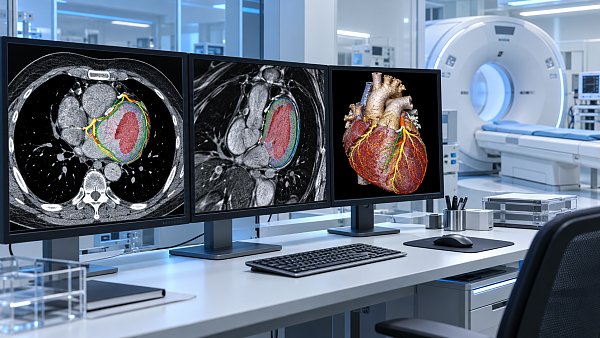
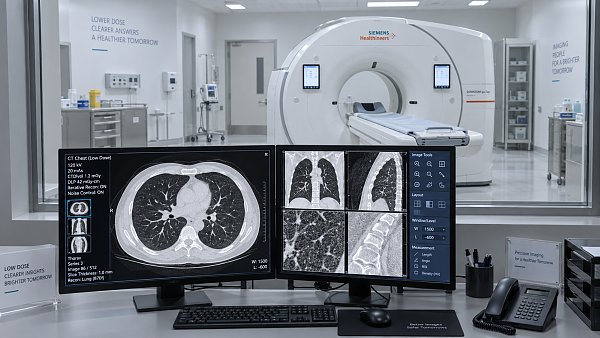
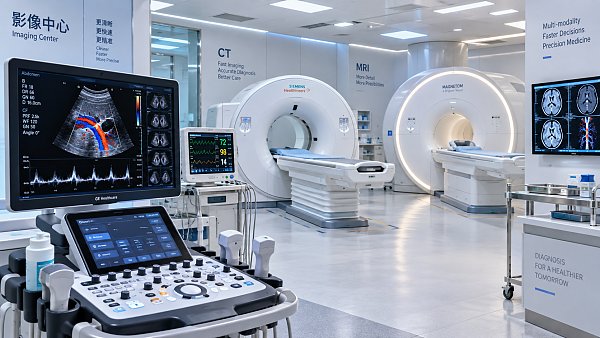
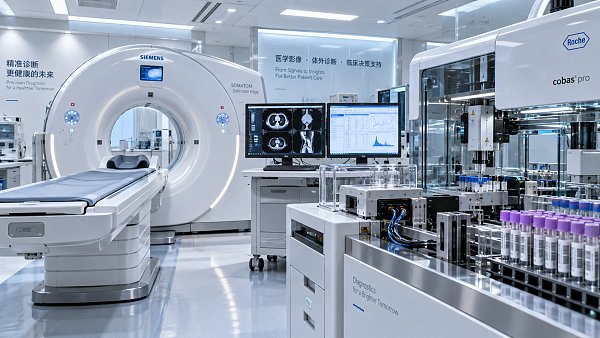
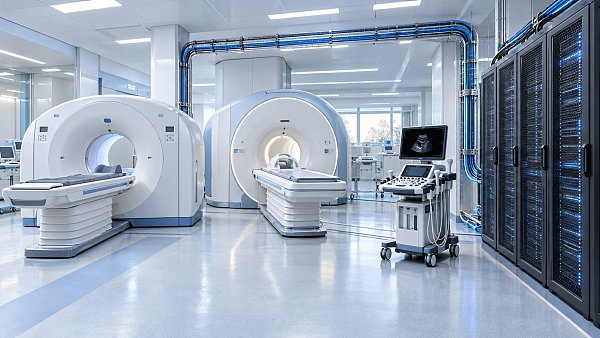
In medical imaging, error reduction depends on more than resolution. Operators need systems that support consistent positioning, protocol standardization, artifact control, dose optimization, and reliable image reconstruction across different patient types and clinical indications.
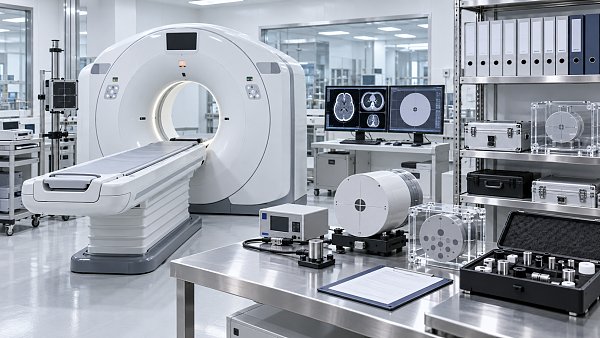
MRI and CT platforms with smart protocol libraries can help reduce variability between users. But these tools are only effective when protocols are validated, regularly updated, and matched to actual department needs rather than left in generic factory configurations.
Image quality tools also need careful interpretation. Advanced reconstruction can suppress noise and improve readability, yet overly aggressive processing may obscure subtle findings or create false confidence. Operators should understand what the algorithm changes and where its limits are.
Workflow support is equally important. Fast exam setup, patient-specific guidance, motion correction, and clear quality alerts can reduce repeats and reporting delays. The best system is one that helps users catch an issue during acquisition, not after the patient has left.
From an operator perspective, fewer imaging errors come from four combined strengths: stable protocols, intuitive interfaces, real-time quality feedback, and dependable interoperability with PACS, RIS, and reporting systems.
How advanced IVD systems improve accuracy—and where they can still fail
In vitro diagnostics often appears highly automated, which leads some teams to assume that advanced analyzers naturally eliminate human error. In reality, automation reduces many repetitive manual steps, but pre-analytical and post-analytical vulnerabilities remain significant.
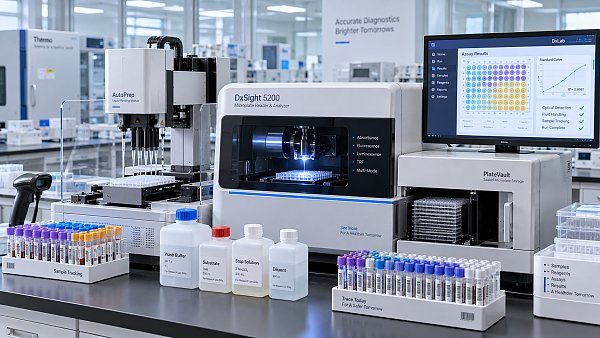
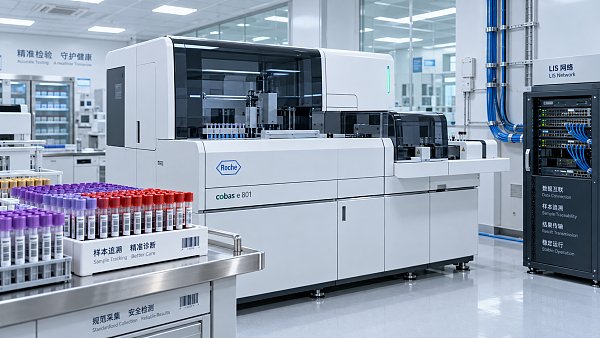
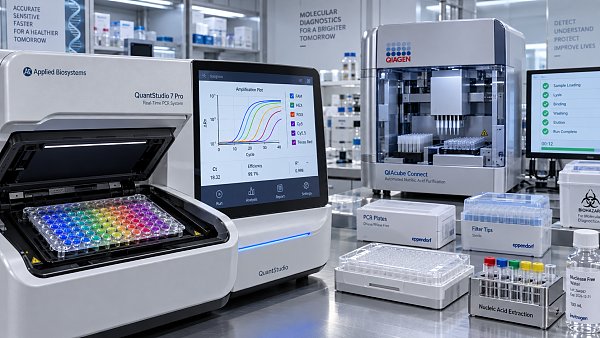
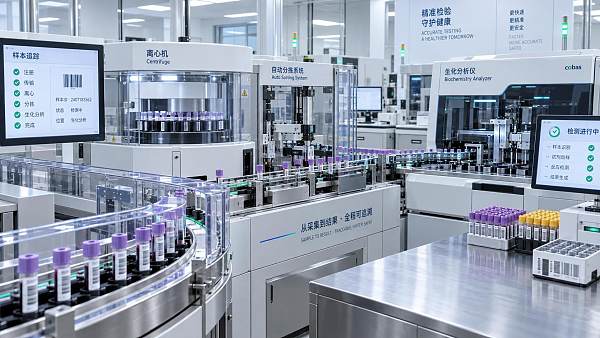
Strong IVD platforms help by automating pipetting, calibration, internal quality checks, and result flagging. They can increase throughput and reduce variability, especially in molecular testing, immunoassay workflows, and high-volume chemistry environments.
Still, many failures occur before analysis begins. If the sample is drawn incorrectly, transported at the wrong temperature, mixed poorly, or mislabeled, the analyzer may generate a precise result from a compromised specimen. That is not true diagnostic accuracy.
Post-analytical handling matters too. Results must be transmitted correctly, interpreted in context, and escalated when clinically urgent. Flagging systems are useful, but only if staff know how to respond and if middleware does not create hidden bottlenecks.
For users, the most valuable advanced clinical diagnostics in IVD are those that combine analytical excellence with specimen traceability, contamination control, smart exception handling, and clear operator prompts during abnormal events.
In life-support and high-acuity settings, reliability means more than device uptime
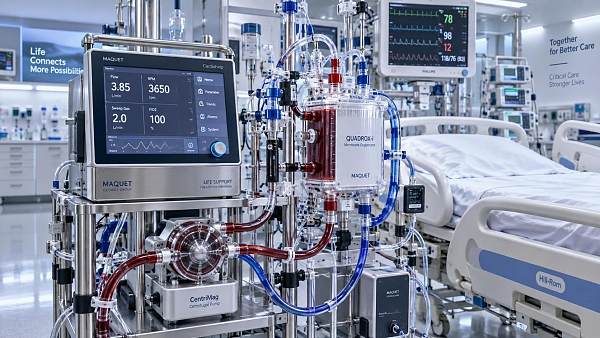
Ventilators, monitoring systems, infusion platforms, and ECMO-related technologies operate where error tolerance is extremely low. In these settings, advanced design can save time and improve vigilance, but complexity can also raise operational risk if usability is weak.
Alarm systems are a prime example. Smarter alarms can help users identify worsening physiology earlier. But if the system produces too many low-value notifications, staff may experience alarm fatigue, which weakens the very protection the technology was meant to provide.
Trend visibility is often more useful than isolated values. Interfaces that show respiratory, circulatory, and oxygenation changes clearly over time help operators detect deterioration sooner and act with greater confidence.
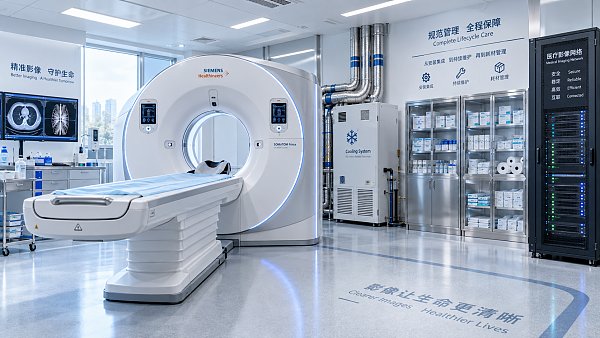
Reliability also includes serviceability. If preventive maintenance is difficult, sensors drift unnoticed, or consumables are inconsistently managed, the practical safety margin narrows. Frontline users need equipment that remains dependable not just in theory, but shift after shift.
In acute care, advanced systems cut errors most effectively when they support rapid interpretation, clear escalation logic, robust redundancy, and predictable operation during stressful, time-sensitive interventions.
What training must cover if hospitals want fewer mistakes from advanced systems
Training often focuses too much on feature exposure and too little on failure prevention. Operators do not just need to know what a system can do. They need to know how errors emerge, how the device signals risk, and how to recover safely when something goes wrong.
Effective training should include normal operation, troubleshooting, edge cases, and scenario-based practice. Users should rehearse patient mismatches, sample issues, poor image quality, alarm management, software overrides, and downtime procedures.
Refresher training matters as much as initial onboarding. Advanced devices evolve through software updates, new protocols, and revised compliance expectations. Skills decay quickly when rare but critical functions are not practiced.
Super-user models can help if they are implemented well. A trained lead operator can bridge the gap between vendor knowledge and real departmental workflow, making adoption more practical and reducing unsafe improvisation.
For AMDS-aligned clinical environments, the key principle is simple: technology alone does not create precision. Precision comes from trained operators using well-integrated systems inside controlled, auditable processes.
How to judge whether an advanced diagnostic system will help or hinder your workflow
Users should not evaluate systems only by headline specifications. A better question is whether the platform reduces friction at the points where mistakes usually occur. That requires a workflow-based assessment, not just a product demonstration.
Start with the real use case. How many manual steps remain? Where can data be entered incorrectly? How easy is it to select the wrong protocol or patient? How visible are errors before they become reportable results or treatment decisions?
Next, assess interoperability. If information must be retyped across systems, risk increases. Strong integration with LIS, HIS, RIS, PACS, and monitoring infrastructure reduces transcription mistakes and improves traceability.
Then review exception handling. A strong system should not only run smoothly during routine cases. It should also guide staff through abnormal samples, poor acquisition conditions, failed quality checks, and urgent escalation paths without confusion.
Finally, ask frontline users directly. Operators often identify risks that procurement teams, engineers, or senior leaders miss. Their experience with setup time, cleaning, screen flow, alarm behavior, and maintenance burden is essential to a realistic decision.
What advanced clinical diagnostics must deliver to truly reduce errors
To make a measurable difference, advanced clinical diagnostics must do more than generate high-quality outputs. They must reduce preventable variability across the entire clinical pathway, from acquisition and analysis to interpretation and action.
That means systems should support correct identification, standardize critical settings, validate input quality, explain alerts clearly, integrate data seamlessly, and maintain performance under routine workload pressure. Precision must be operational, not only technical.
For operators, the most trustworthy platforms are those that make the right action easier than the wrong one. When a system is intuitive, traceable, clinically aligned, and backed by strong training, error reduction becomes realistic.
When those conditions are missing, even advanced technology may simply shift errors to new parts of the workflow. The problem is no longer lack of capability, but lack of alignment between system design and clinical use.
So, should advanced clinical diagnostics cut errors? Absolutely. But only when innovation is matched by usability, integration, discipline, and frontline understanding. That is where safer diagnostics are truly built.
Recommended News
 Oct 02, 2026High-Flow ICU Ventilators: Key Selection Criteria for Acute Respiratory CareICU ventilators high flow: discover key selection criteria for accurate gas delivery, NIV performance, humidification, alarms, reliability, and safer acute respiratory care.
 Oct 01, 2026How to Evaluate Medical Equipment Intelligence Suppliers for Hospital ProcurementMedical equipment intelligence suppliers: learn how hospitals can assess evidence quality, total cost, compliance, interoperability, and cybersecurity for smarter procurement decisions.
 Sep 30, 2026ISO 13485 Requirements for Blood Testing Instruments: A Buyer’s ChecklistBlood testing instruments ISO 13485 buyer’s checklist: verify certification scope, traceability, installation, consumables, and supplier support before you buy.
 Sep 29, 2026How to Evaluate Integrated Operating Room Systems for Workflow, Imaging, and IT IntegrationIntegrated operating room systems: evaluate workflow, imaging, IT integration, cybersecurity, and lifecycle value to select a scalable surgical solution.
 Sep 28, 2026How to Evaluate a Genetic Testing Equipment Supplier for PCR Lab ProcurementGenetic testing equipment supplier evaluation guide for PCR labs: compare performance, compliance, workflow, service, supply resilience, and total cost.
 Sep 27, 2026How to Specify Custom Benchtop Diagnostic Instruments for Your Assay WorkflowCustom diagnostic instruments benchtop guide: specify optics, fluidics, automation, software integration, and support to build a reliable assay workflow.
 Sep 26, 2026How Cardiac Imaging Analysis Tools Turn CT and MRI Data into Clinical MetricsMedical imaging analysis cardiology tools transform cardiac CT and MRI into reliable metrics. Explore segmentation, validation, workflow integration, and AI review.
 Sep 25, 2026How Iterative Image Reconstruction Algorithms Balance CT Dose, Noise, and DetailIterative image reconstruction algorithms help CT teams balance dose, noise, and diagnostic detail. Explore practical insights for confident imaging decisions.
 Sep 24, 2026What Drives the Total Cost of Medical Technology Solutions Over Their Lifecycle?Medical technology solutions cost goes far beyond purchase price—explore lifecycle drivers from installation and service to software, training, compliance, and downtime.
 Sep 24, 2026Diagnostic Imaging Technology: How Modalities Support Different Clinical DecisionsDiagnostic imaging technology supports smarter clinical decisions across CT, MRI, ultrasound, and nuclear imaging. Explore modality strengths, workflows, and selection factors.
 Sep 22, 2026How Life Science Labs Can Select Biomedical Research Equipment by Workflow and ThroughputBiomedical research equipment life science labs can select with confidence by aligning workflow, throughput, automation, data integrity, and scalable support.
 Sep 21, 2026How to Plan LIS Connectivity for Chemiluminescence Analyzers Without Data GapsChemiluminescence analyzers LIS connectivity: learn how to prevent data gaps with field mapping, exception workflows, end-to-end validation, and reliable go-live planning.
 Sep 20, 2026Selecting Fluorescence PCR Instruments: Detection Channels, Sensitivity, and Workflow FitPCR diagnostic instruments fluorescence detection guide: compare channels, sensitivity, multiplexing, and workflow fit to select a reliable platform.
 Sep 19, 2026Biomedical Signal Processing: From Sensor Data to Clinical Decision SupportBiomedical signal processing transforms sensor data into reliable clinical decision support. Explore AI, imaging, IVD, ICU monitoring, and compliance-ready MedTech insights.
 Sep 18, 2026How to Evaluate a Diagnostic Imaging Platform for Multi-Modality Workflow IntegrationDiagnostic imaging platform evaluation guide: assess multi-modality workflows, interoperability, AI integration, image integrity, security, and scalability for safer clinical decisions.
 Sep 17, 2026ISO 13485 for Medical Imaging Equipment: What Manufacturers Must DocumentMedical imaging equipment ISO 13485: discover essential documentation for design controls, risk management, traceability, software, and post-market quality.
 Sep 16, 2026Robotic MIS Equipment: What Hospitals Should Evaluate Before AdoptionMinimally invasive surgical equipment robotic adoption guide: evaluate workflow, safety, imaging, costs, cybersecurity, and service readiness.
 Sep 15, 2026How to Evaluate Biomedical Signal Processing Suppliers for Clinical Device ProjectsBiomedical signal processing supplier evaluation guide for clinical device teams—compare signal fidelity, regulatory evidence, cybersecurity, integration, and lifecycle support.
 Sep 14, 2026How Integrated Clinical Diagnostics Solutions Reduce Turnaround Time Across Lab WorkflowsIntegrated clinical diagnostics solutions reduce lab turnaround time by connecting workflows, automation, and data. Discover practical strategies for faster, traceable results.
 Sep 13, 2026ECMO System Market Outlook: Demand Drivers, Investment Risks, and Growth OpportunitiesECMO system market outlook explores demand drivers, investment risks, regulatory factors, and growth opportunities shaping critical-care innovation and adoption.
 Sep 12, 2026Where to Find Reliable Medical Device Information for Research and Due DiligenceMedical device information resource guide for due diligence: verify regulatory, clinical, safety, and technical evidence to make confident decisions.
 Sep 11, 2026Medical Equipment Intelligence: A Resource for Comparing Clinical TechnologiesMedical equipment intelligence resource for comparing clinical technologies by clinical fit, compliance, workflow, and total cost—make confident, evidence-led decisions.
 Sep 10, 2026How to Integrate Application-Specific Medical Solutions Into Existing Clinical WorkflowsApplication-specific medical solutions integration: learn how to align clinical workflows, interoperability, safety, and measurable outcomes for reliable deployment.
 Sep 09, 2026Medical Supplier Evaluation Checklist: How to Verify Quality, Compliance, and Delivery RiskMedical supplier evaluation checklist for verifying quality, compliance, service capacity, configuration accuracy, and delivery risk before purchase approval.




Related News
- 00
0000-00
High-Flow ICU Ventilators: Key Selection Criteria for Acute Respiratory Care - 00
0000-00
How to Evaluate Medical Equipment Intelligence Suppliers for Hospital Procurement - 00
0000-00
ISO 13485 Requirements for Blood Testing Instruments: A Buyer’s Checklist - 00
0000-00
How to Evaluate Integrated Operating Room Systems for Workflow, Imaging, and IT Integration - 00
0000-00
How to Evaluate a Genetic Testing Equipment Supplier for PCR Lab Procurement
Weekly Insights
Stay ahead with our curated technology reports delivered every Monday.