
What clinical equipment compliance issues cause delays?
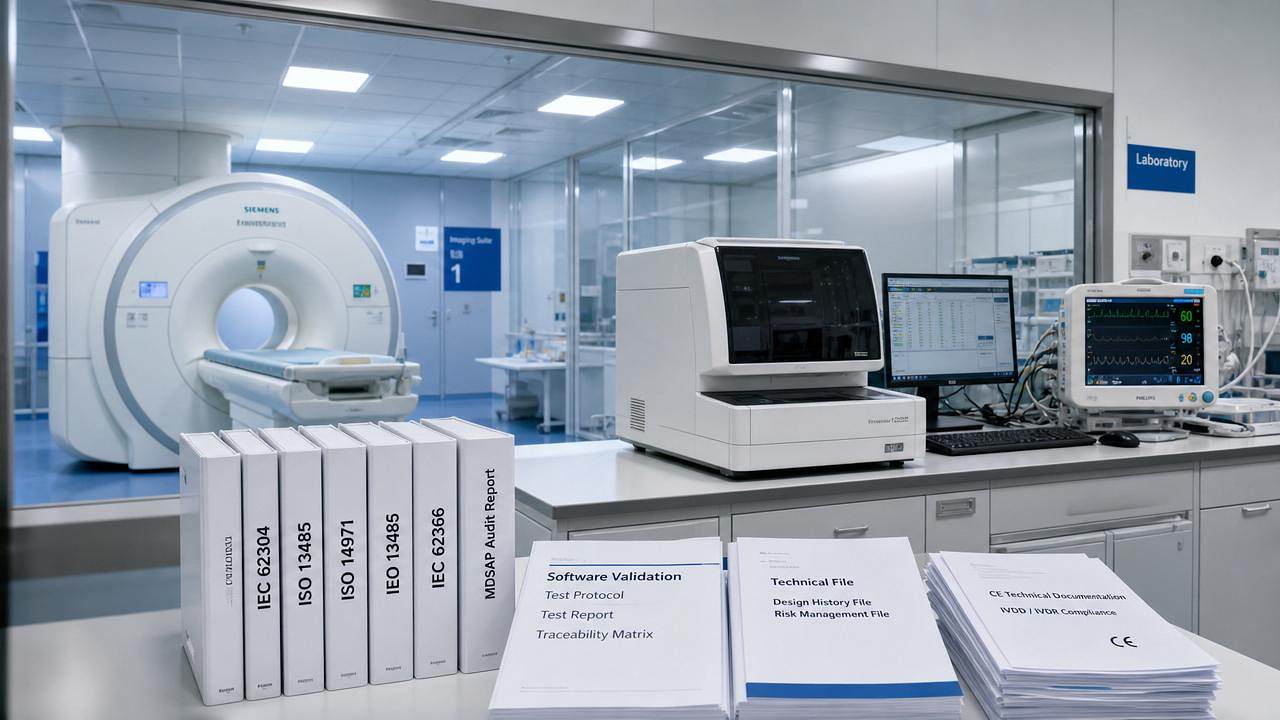




Delays in clinical projects often begin before delivery, when clinical equipment compliance issues emerge in files, testing records, software controls, or market-access documentation. In hospitals, imaging rooms, laboratories, intensive care units, and operating theaters, even a minor compliance gap can trigger procurement pauses, rework, or failed acceptance. Understanding the most common clinical equipment compliance risks helps protect timelines, budgets, and safe clinical launch.
Clinical equipment compliance and the scope of delay risks
Clinical equipment compliance covers whether a device meets regulatory, safety, performance, labeling, software, cybersecurity, and documentation requirements for intended clinical use.
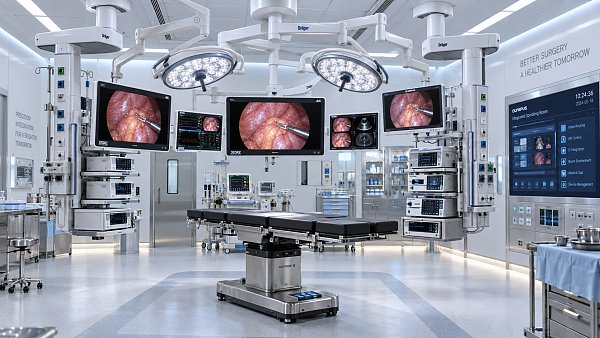
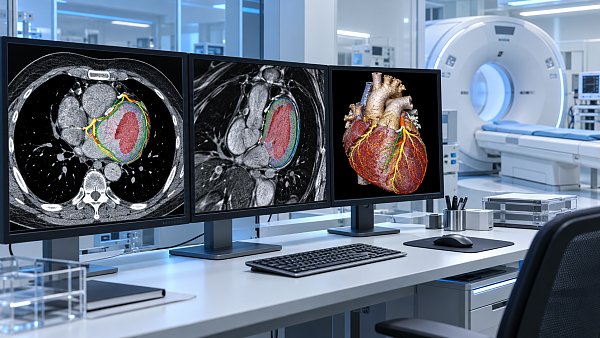
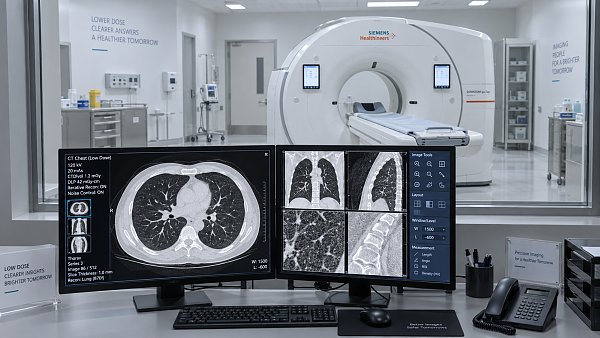
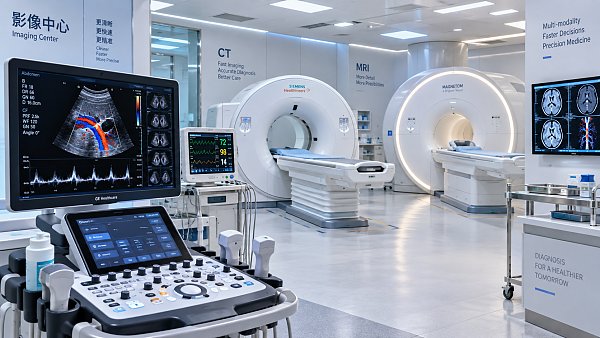
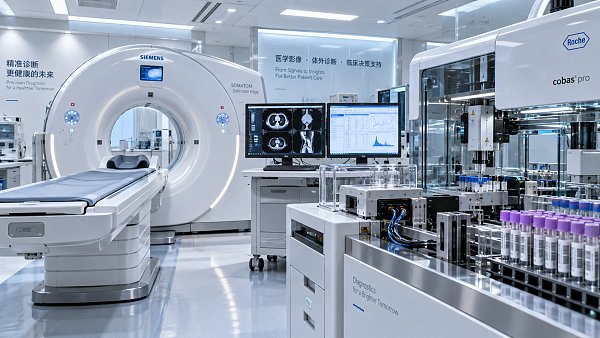
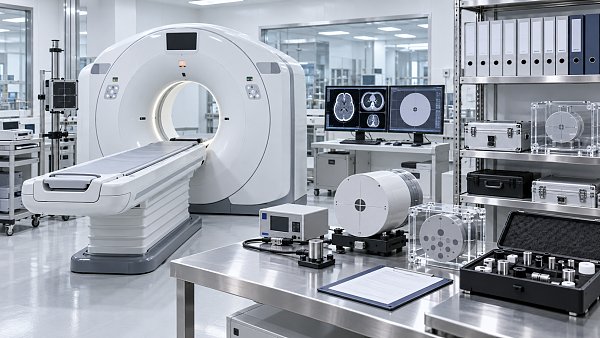
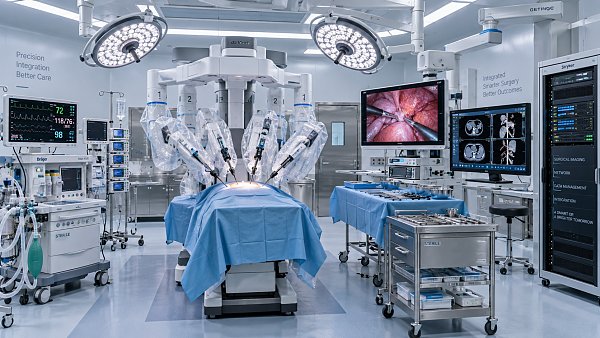
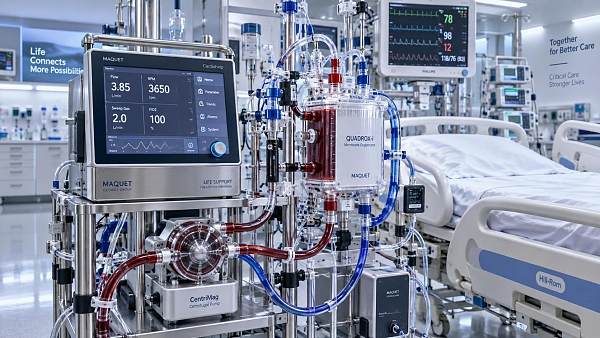
For advanced systems, the scope is broad. It includes MRI, CT, IVD analyzers, ventilators, ECMO platforms, operating room infrastructure, and medical endoscope systems.
A delay appears when evidence is incomplete, inconsistent, outdated, or not aligned with the claimed intended use. Regulators, notified bodies, importers, hospitals, and commissioning teams may all stop progress.
In practice, clinical equipment compliance is not only a certification matter. It directly shapes customs release, tender qualification, installation approval, network connection, user training, and final acceptance.
Why the issue is growing
Modern clinical equipment is more connected, software-driven, and data-intensive. As complexity rises, clinical equipment compliance now reaches beyond mechanical safety into lifecycle control and digital assurance.
- AI-assisted imaging functions need stronger validation evidence.
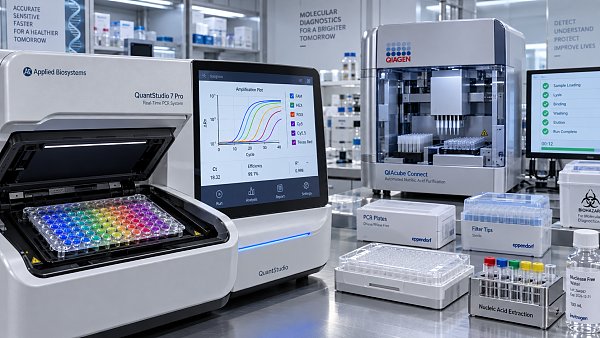
- IVD systems must prove analytical and clinical performance.
- Life support devices face strict reliability and alarm requirements.
- Connected equipment must pass cybersecurity and interoperability review.
The clinical equipment compliance issues that most often cause delays
Some issues appear repeatedly across markets and device categories. These are the points most likely to interrupt schedules.
1. Incomplete technical documentation
Missing risk files, test summaries, design history, declarations, or traceability records can halt approval. Documentation gaps are one of the most frequent clinical equipment compliance failures.
2. Intended use and claims mismatch
If brochures, labeling, software screens, and regulatory filings describe different uses, reviewers may request clarification. This mismatch can pause tenders, imports, or clinical acceptance.
3. Safety and EMC test deficiencies
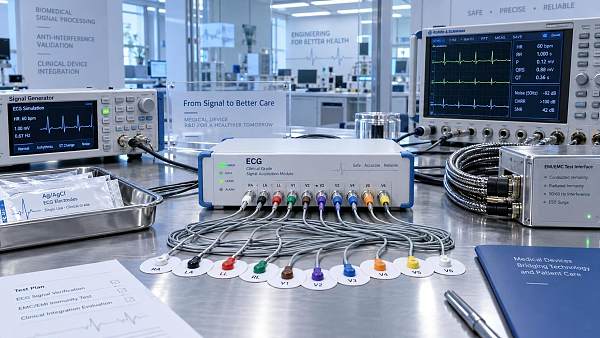
Hospitals rely on safe coexistence of many systems. Outdated electrical safety reports, EMC failures, or unsupported configuration changes often delay site commissioning.
4. Software validation and change control weaknesses
Clinical equipment compliance increasingly depends on software evidence. Poor version control, unvalidated updates, or incomplete verification records can block release and installation.
5. Cybersecurity gaps
Weak password policies, unsupported operating systems, missing patch procedures, or uncertain network architecture are now common reasons for IT security review delays.
6. Labeling and IFU errors
Incorrect symbols, language problems, storage conditions, contraindications, or maintenance instructions can trigger rejection. Labeling remains a basic but critical clinical equipment compliance checkpoint.
7. Sterilization and reprocessing evidence gaps
For endoscopes and surgical accessories, unclear cleaning validation or incomplete reprocessing instructions can stop infection control approval.
8. Clinical evaluation or performance evidence limits
High-end systems need evidence that claims are justified. Weak clinical evaluation, limited comparator data, or narrow population coverage often slows market access.
9. Supply chain and component changes without reassessment
A substituted board, sensor, cable, or software library can alter compliance status. If change impact is not documented, acceptance may be suspended.
10. Country-specific registration misalignment
Clinical equipment compliance differs across CE MDR, FDA, and local import rules. A device cleared in one region may still face document, language, or representation barriers elsewhere.
Current industry signals behind compliance-related schedule slippage
Across the broader healthcare technology sector, several patterns explain why clinical equipment compliance delays are becoming more visible and more costly.
These signals affect both sophisticated capital equipment and supporting subsystems. Compliance readiness must now be managed as a continuous process, not a one-time certificate event.
Operational impact across imaging, IVD, life support, and surgical environments
Clinical equipment compliance delays rarely stay inside the regulatory file. They spread into construction schedules, staff planning, cash flow, and service activation.
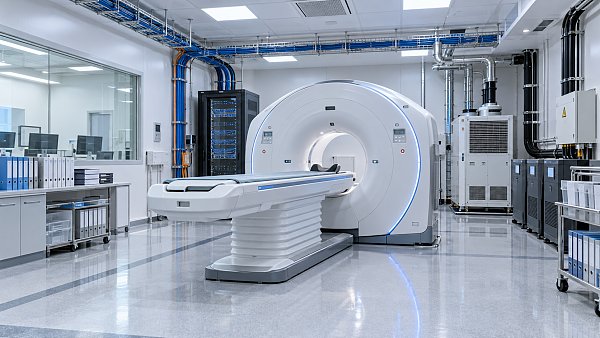
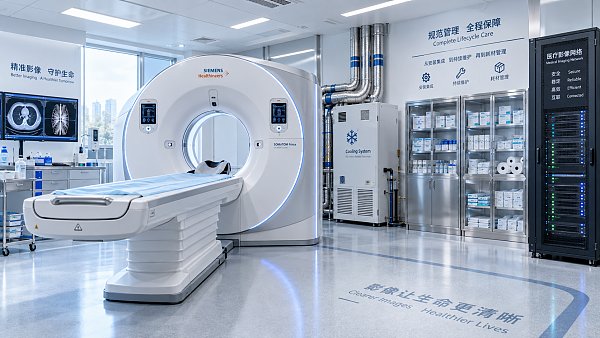
- Imaging suites may miss shielding, HVAC, or power commissioning windows.
- IVD laboratories may postpone method verification and LIS integration.
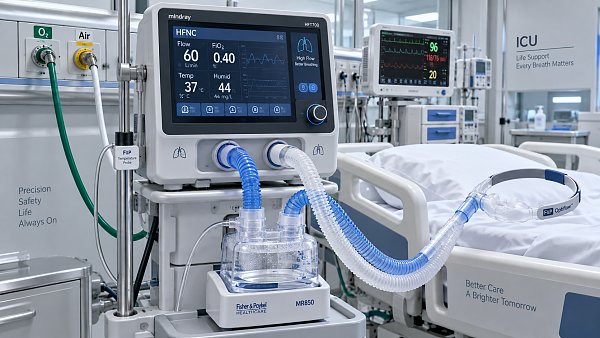
- Ventilator and ECMO deployment may face alarm and training approval delays.
- Operating room upgrades may be held by sterility or reprocessing concerns.
- Endoscope systems may fail acceptance if image quality claims lack evidence.
This is why clinical equipment compliance has strategic value. It safeguards patient safety while preserving clinical capacity planning and return on capital investment.
Typical compliance risk categories by equipment type
Different technologies show different risk profiles. A category-based view makes clinical equipment compliance easier to prioritize.
Practical measures to reduce clinical equipment compliance delays
Prevention is faster than remediation. The strongest approach is to integrate clinical equipment compliance checkpoints into the full project lifecycle.
Build a document-readiness gate
Verify certificates, test reports, risk management files, software versions, labeling packs, and local registrations before shipment planning begins.
Align claims across all materials
Check that the intended use is consistent in submissions, manuals, brochures, tender documents, and user interfaces.
Treat cybersecurity as a launch requirement
Confirm patching rules, access control, encryption, audit logs, and network diagrams early. Late cybersecurity review is a major hidden driver of delay.
Control engineering changes tightly
Any hardware or software change should trigger an impact review. Clinical equipment compliance can be affected by parts that seem operationally minor.
Prepare site-specific evidence
Installation drawings, utility requirements, shielding data, interoperability details, and acceptance protocols should match the actual facility environment.
Use a structured pre-acceptance checklist
- Confirm regulatory status for the destination market.
- Review testing validity against current configuration.
- Check labeling, IFU, and language completeness.
- Verify software build and cybersecurity controls.
- Match site conditions with installation requirements.
- Prepare training, maintenance, and service records.
A disciplined next step for compliance-focused project execution
Clinical equipment compliance should be reviewed as early as product planning, not only before audit or delivery. Early evidence mapping reduces avoidable delay and strengthens launch confidence.
For complex imaging, IVD, life support, and minimally invasive systems, a cross-check of documentation, performance evidence, software assurance, and local market-access alignment can reveal schedule risks before they become expensive stoppages.
A practical next move is to create a device-by-device compliance matrix covering intended use, tests, claims, cybersecurity, labeling, site readiness, and country requirements. That single view turns clinical equipment compliance from a reactive barrier into a controlled execution discipline.
Recommended News
 Oct 02, 2026High-Flow ICU Ventilators: Key Selection Criteria for Acute Respiratory CareICU ventilators high flow: discover key selection criteria for accurate gas delivery, NIV performance, humidification, alarms, reliability, and safer acute respiratory care.
 Oct 01, 2026How to Evaluate Medical Equipment Intelligence Suppliers for Hospital ProcurementMedical equipment intelligence suppliers: learn how hospitals can assess evidence quality, total cost, compliance, interoperability, and cybersecurity for smarter procurement decisions.
 Sep 30, 2026ISO 13485 Requirements for Blood Testing Instruments: A Buyer’s ChecklistBlood testing instruments ISO 13485 buyer’s checklist: verify certification scope, traceability, installation, consumables, and supplier support before you buy.
 Sep 29, 2026How to Evaluate Integrated Operating Room Systems for Workflow, Imaging, and IT IntegrationIntegrated operating room systems: evaluate workflow, imaging, IT integration, cybersecurity, and lifecycle value to select a scalable surgical solution.
 Sep 28, 2026How to Evaluate a Genetic Testing Equipment Supplier for PCR Lab ProcurementGenetic testing equipment supplier evaluation guide for PCR labs: compare performance, compliance, workflow, service, supply resilience, and total cost.
 Sep 27, 2026How to Specify Custom Benchtop Diagnostic Instruments for Your Assay WorkflowCustom diagnostic instruments benchtop guide: specify optics, fluidics, automation, software integration, and support to build a reliable assay workflow.
 Sep 26, 2026How Cardiac Imaging Analysis Tools Turn CT and MRI Data into Clinical MetricsMedical imaging analysis cardiology tools transform cardiac CT and MRI into reliable metrics. Explore segmentation, validation, workflow integration, and AI review.
 Sep 25, 2026How Iterative Image Reconstruction Algorithms Balance CT Dose, Noise, and DetailIterative image reconstruction algorithms help CT teams balance dose, noise, and diagnostic detail. Explore practical insights for confident imaging decisions.
 Sep 24, 2026What Drives the Total Cost of Medical Technology Solutions Over Their Lifecycle?Medical technology solutions cost goes far beyond purchase price—explore lifecycle drivers from installation and service to software, training, compliance, and downtime.
 Sep 24, 2026Diagnostic Imaging Technology: How Modalities Support Different Clinical DecisionsDiagnostic imaging technology supports smarter clinical decisions across CT, MRI, ultrasound, and nuclear imaging. Explore modality strengths, workflows, and selection factors.
 Sep 22, 2026How Life Science Labs Can Select Biomedical Research Equipment by Workflow and ThroughputBiomedical research equipment life science labs can select with confidence by aligning workflow, throughput, automation, data integrity, and scalable support.
 Sep 21, 2026How to Plan LIS Connectivity for Chemiluminescence Analyzers Without Data GapsChemiluminescence analyzers LIS connectivity: learn how to prevent data gaps with field mapping, exception workflows, end-to-end validation, and reliable go-live planning.
 Sep 20, 2026Selecting Fluorescence PCR Instruments: Detection Channels, Sensitivity, and Workflow FitPCR diagnostic instruments fluorescence detection guide: compare channels, sensitivity, multiplexing, and workflow fit to select a reliable platform.
 Sep 19, 2026Biomedical Signal Processing: From Sensor Data to Clinical Decision SupportBiomedical signal processing transforms sensor data into reliable clinical decision support. Explore AI, imaging, IVD, ICU monitoring, and compliance-ready MedTech insights.
 Sep 18, 2026How to Evaluate a Diagnostic Imaging Platform for Multi-Modality Workflow IntegrationDiagnostic imaging platform evaluation guide: assess multi-modality workflows, interoperability, AI integration, image integrity, security, and scalability for safer clinical decisions.
 Sep 17, 2026ISO 13485 for Medical Imaging Equipment: What Manufacturers Must DocumentMedical imaging equipment ISO 13485: discover essential documentation for design controls, risk management, traceability, software, and post-market quality.
 Sep 16, 2026Robotic MIS Equipment: What Hospitals Should Evaluate Before AdoptionMinimally invasive surgical equipment robotic adoption guide: evaluate workflow, safety, imaging, costs, cybersecurity, and service readiness.
 Sep 15, 2026How to Evaluate Biomedical Signal Processing Suppliers for Clinical Device ProjectsBiomedical signal processing supplier evaluation guide for clinical device teams—compare signal fidelity, regulatory evidence, cybersecurity, integration, and lifecycle support.
 Sep 14, 2026How Integrated Clinical Diagnostics Solutions Reduce Turnaround Time Across Lab WorkflowsIntegrated clinical diagnostics solutions reduce lab turnaround time by connecting workflows, automation, and data. Discover practical strategies for faster, traceable results.
 Sep 13, 2026ECMO System Market Outlook: Demand Drivers, Investment Risks, and Growth OpportunitiesECMO system market outlook explores demand drivers, investment risks, regulatory factors, and growth opportunities shaping critical-care innovation and adoption.
 Sep 12, 2026Where to Find Reliable Medical Device Information for Research and Due DiligenceMedical device information resource guide for due diligence: verify regulatory, clinical, safety, and technical evidence to make confident decisions.
 Sep 11, 2026Medical Equipment Intelligence: A Resource for Comparing Clinical TechnologiesMedical equipment intelligence resource for comparing clinical technologies by clinical fit, compliance, workflow, and total cost—make confident, evidence-led decisions.
 Sep 10, 2026How to Integrate Application-Specific Medical Solutions Into Existing Clinical WorkflowsApplication-specific medical solutions integration: learn how to align clinical workflows, interoperability, safety, and measurable outcomes for reliable deployment.
 Sep 09, 2026Medical Supplier Evaluation Checklist: How to Verify Quality, Compliance, and Delivery RiskMedical supplier evaluation checklist for verifying quality, compliance, service capacity, configuration accuracy, and delivery risk before purchase approval.









Related News
- 00
0000-00
ISO 13485 Requirements for Blood Testing Instruments: A Buyer’s Checklist - 00
0000-00
ISO 13485 for Medical Imaging Equipment: What Manufacturers Must Document - 00
0000-00
Where to Find Reliable Medical Device Information for Research and Due Diligence - 00
0000-00
Medical Supplier Evaluation Checklist: How to Verify Quality, Compliance, and Delivery Risk - 00
0000-00
Do You Need a Local Distributor to Register Medical Devices in Southeast Asia?
Weekly Insights
Stay ahead with our curated technology reports delivered every Monday.