
How outdated hospital technology infrastructure slows care
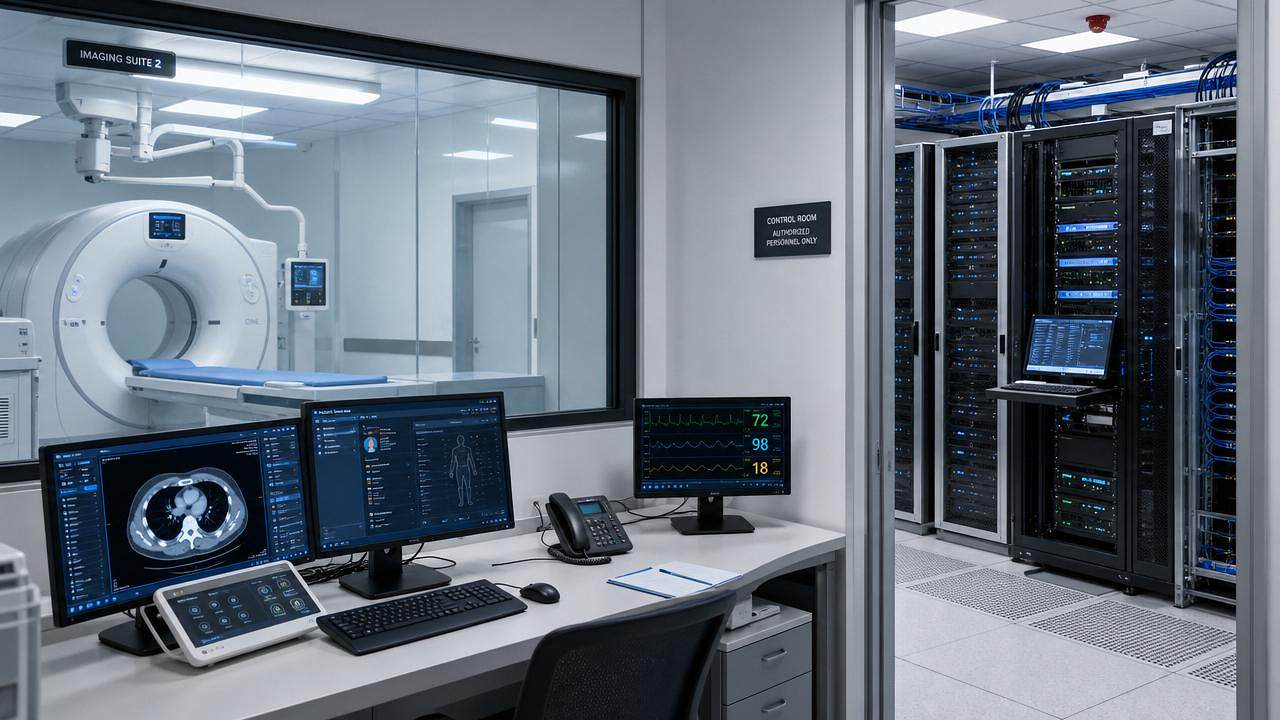




Outdated hospital technology infrastructure does more than frustrate staff—it slows clinical decisions, weakens data visibility, and increases operational risk. In modern healthcare, every delayed scan, disconnected device, or unstable network can affect patient flow, safety, and financial performance. For organizations navigating digital transformation, understanding how hospital technology infrastructure shapes imaging, diagnostics, life support, and surgery is essential to building resilient care delivery.
What is hospital technology infrastructure, and why does it matter so much?
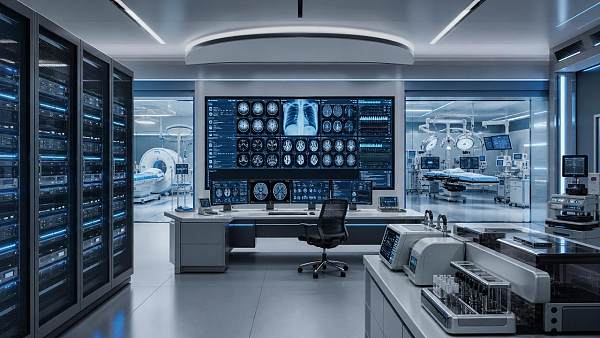
Hospital technology infrastructure includes networks, servers, storage, device interfaces, cybersecurity layers, and clinical software that connect care environments.
It also supports imaging platforms, laboratory systems, life support integration, operating room coordination, and endoscopy documentation.
When hospital technology infrastructure is modern, data moves quickly, devices communicate reliably, and clinicians act with greater confidence.
When it is outdated, hidden delays spread across the patient journey. Registration slows. Images take longer to load. Results arrive late. Alerts may fail.
This matters across the broader medical ecosystem. Advanced imaging, IVD, critical care systems, and minimally invasive surgery depend on stable digital foundations.
AMDS closely tracks these dependencies because high-performance MedTech cannot deliver full value on weak infrastructure.
How does outdated hospital technology infrastructure slow diagnoses?
Diagnosis speed depends on how fast information moves from patient intake to test completion, interpretation, and clinician review.
Legacy hospital technology infrastructure often creates bottlenecks at each step. Systems may not integrate cleanly with RIS, PACS, LIS, or EHR platforms.
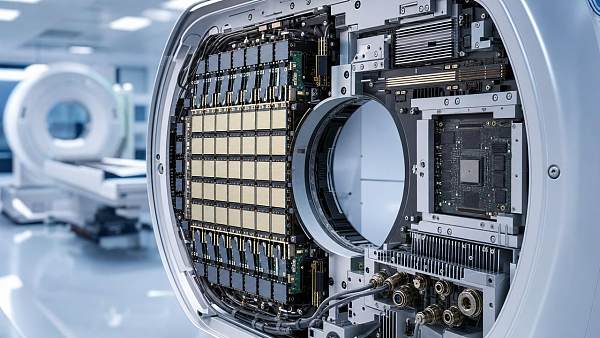
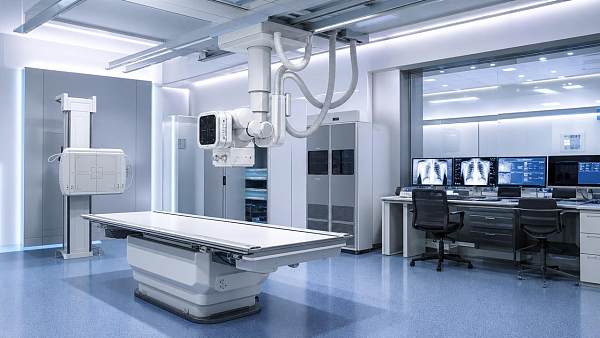
In medical imaging, outdated networks can slow large MRI or CT file transfers. Radiologists may wait for studies to render or reconstruct.
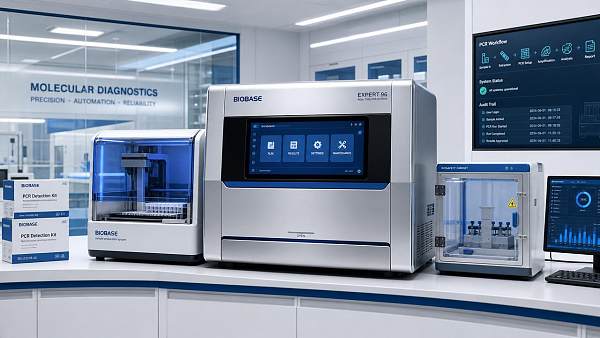
In IVD workflows, disconnected analyzers may require manual result entry. That adds delay, duplicate work, and transcription risk.
For urgent cases, even a short lag matters. Sepsis screening, stroke imaging, and cardiac assessment all rely on rapid data access.
Common diagnostic slowdowns linked to outdated hospital technology infrastructure include:
- Slow image upload, reconstruction, or archive retrieval
- Poor interoperability between instruments and core clinical systems
- Manual handoffs between departments
- Delayed result verification and clinician notification
- Downtime that forces temporary paper-based workflows
These issues reduce the value of premium diagnostic equipment. Fast scanners and precise assays still depend on reliable digital transport and storage.
Which clinical areas are most affected by aging systems?
The impact is strongest where complexity, data volume, and time sensitivity are highest.
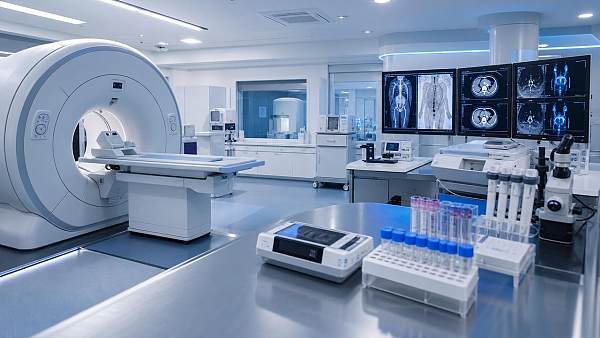
Medical imaging
CT, MRI, and advanced visualization generate large files and demand stable bandwidth. Aging hospital technology infrastructure can compromise throughput and reporting time.
In vitro diagnostics
Modern IVD instruments produce actionable molecular and biochemical insights quickly. Legacy connectivity can block that speed from reaching bedside decisions.
Critical care and life support
Ventilators, monitors, and ECMO-related systems require dependable data capture. Inconsistent integration weakens trend visibility and alarm management.
Operating rooms
Digital OR environments coordinate displays, imaging feeds, anesthesia data, and documentation. Old infrastructure increases setup friction and turnover time.
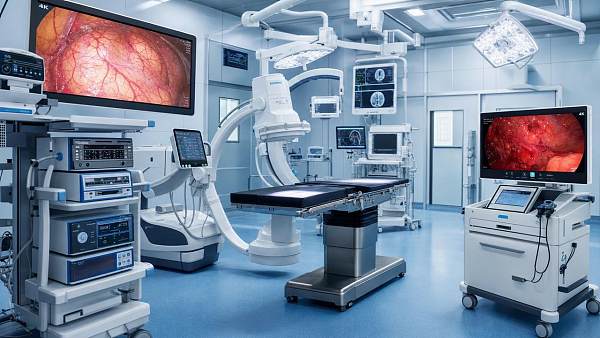
Endoscopy and minimally invasive surgery
4K and 3D systems depend on robust transmission and storage. Weak hospital technology infrastructure can degrade workflow continuity and data access.
Across all five pillars, the pattern is clear. Infrastructure is not a background utility. It is a clinical performance layer.
How can you tell whether hospital technology infrastructure is truly outdated?
Outdated systems are not defined only by age. They are defined by mismatch between clinical demand and technical capability.
Warning signs often appear in daily operations before they show up in strategic planning documents.
- Frequent delays accessing images or test results
- Repeated downtime or emergency workarounds
- Limited compatibility with new devices or AI tools
- Excessive manual data entry between departments
- Cybersecurity gaps and unsupported software versions
- Storage strain from growing imaging and video data
A simple test helps. Ask whether current hospital technology infrastructure supports faster, safer, and more connected care than three years ago.
If the answer is no, performance debt is likely accumulating.
What risks go beyond workflow delays?
Slow care is only one consequence. Outdated hospital technology infrastructure also affects quality, compliance, and long-term competitiveness.
Cybersecurity is a major concern. Unsupported systems create vulnerable entry points across networks connected to sensitive health data and critical equipment.
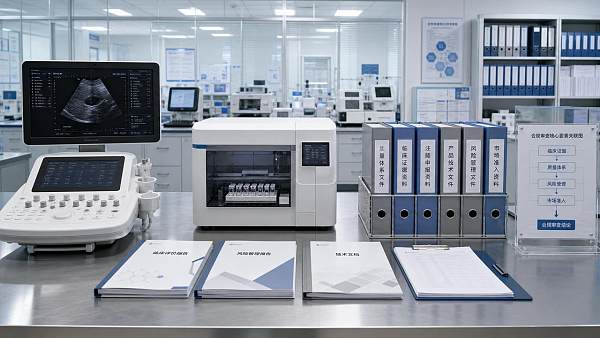
Compliance pressure also increases. Audit readiness becomes harder when data is fragmented, timestamps are inconsistent, or device logs are incomplete.
Financial leakage is another hidden cost. Delays extend length of stay, reduce room turnover, and underuse premium imaging or surgical platforms.
Innovation slows too. AI-assisted reconstruction, smart diagnostics, and integrated OR systems need a digital foundation that can handle volume and interoperability.
Without that foundation, organizations may buy advanced equipment but never realize the expected return.
How should modernization be prioritized without disrupting care?
The safest path is not a rushed replacement. It is a phased strategy tied to clinical bottlenecks and measurable outcomes.
Start with systems that affect diagnosis speed, patient safety, and interoperability. That often includes network performance, storage architecture, and core interface layers.
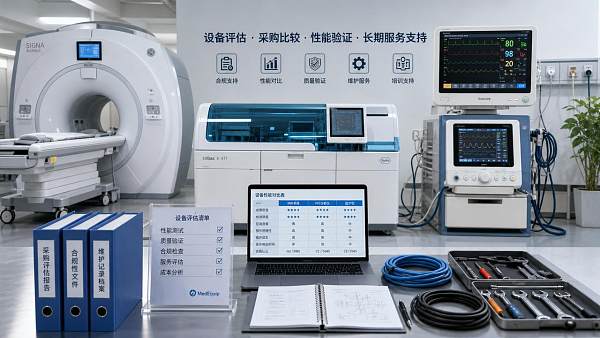
Then map infrastructure needs to the five major clinical pillars. Imaging, IVD, critical care, OR workflows, and endoscopy have different technical pressure points.
- Audit workflow delays by department and device type
- Measure downtime, result lag, and integration failures
- Prioritize cybersecurity and unsupported assets first
- Upgrade data pathways for imaging and diagnostics
- Plan staged implementation with rollback safeguards
- Track ROI through throughput, turnaround, and utilization
This is where strategic intelligence matters. AMDS emphasizes the link between compliance, engineering depth, and economic value.
A modernization plan should not focus only on replacing old hardware. It should enable precision diagnostics, safer intervention, and future AI adoption.
What does better hospital technology infrastructure look like in practice?
A strong hospital technology infrastructure is scalable, secure, interoperable, and designed around real clinical workflows.
In practice, that means high-speed image transport, seamless analyzer connectivity, reliable OR integration, and dependable support for life-critical systems.
It also means stronger visibility. Teams can trace data, monitor device performance, and identify friction before it becomes a patient care issue.
The result is not only faster care. It is a more durable operating model for precision medicine, compliance, and global MedTech competitiveness.
Outdated hospital technology infrastructure rarely fails in one dramatic moment. More often, it weakens care through small, repeated delays and missed efficiencies.
The path forward begins with honest assessment, targeted upgrades, and alignment between infrastructure investment and clinical priorities.
For organizations advancing imaging, diagnostics, life support, and minimally invasive surgery, stronger hospital technology infrastructure is not optional. It is the engine behind faster, safer, and smarter care.
Review where delays happen today, identify the systems creating them, and build the next upgrade around measurable clinical impact.
Recommended News
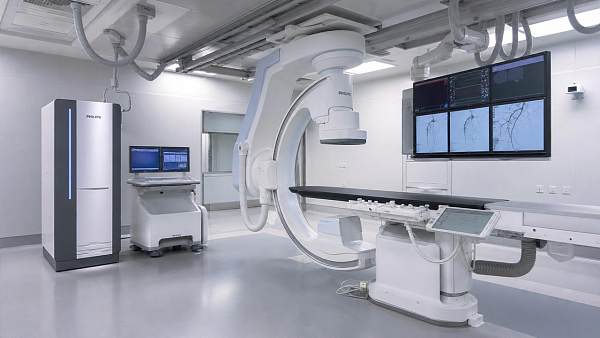
 May 16, 2026How interventional radiology equipment affects uptimeInterventional radiology equipment has a direct impact on uptime. Learn how design, maintenance, and service strategy reduce downtime, protect workflow, and improve clinical reliability.
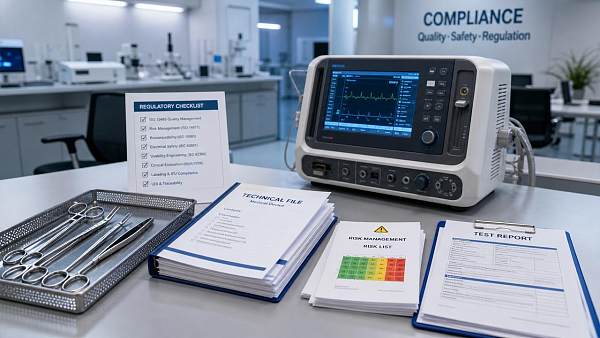
 May 16, 2026Medical device compliance risks that delay market accessMedical device compliance risks can quietly delay approvals and market entry. Learn the hidden gaps, key checklist items, and practical steps to speed access and protect product credibility.
 May 16, 2026Digital healthcare solutions can fail without this planDigital healthcare solutions fail when planning ignores workflow, data, compliance, and scale. Discover the framework that turns pilots into safe, scalable clinical success.
 May 16, 2026Is medical imaging molecular diagnostics worth the cost?Medical imaging molecular diagnostics: is it worth the cost? Explore ROI, faster diagnosis, lower repeat testing, and smarter hospital investment decisions.
 May 16, 2026Why surgical imaging technology matters in complex casesSurgical imaging technology improves precision, workflow, and safety in complex procedures. Discover how to compare solutions, control costs, and choose with confidence.
 May 16, 2026How to compare advanced diagnostic systems before buyingAdvanced diagnostic systems buying guide: compare performance, compliance, interoperability, service, and total cost to choose the right solution with confidence.
 May 16, 2026When do biochemical molecular diagnostics add real value?Biochemical molecular diagnostics add real value when speed, precision, and treatment decisions matter. Discover where they improve outcomes, workflow efficiency, and ROI.
 May 16, 2026Healthcare intelligence is reshaping smarter care decisionsHealthcare intelligence helps buyers turn complex MedTech data into smarter care decisions, faster evaluations, stronger compliance confidence, and long-term ROI.
 May 16, 2026How outdated hospital technology infrastructure slows careHospital technology infrastructure impacts diagnosis speed, safety, and ROI. Learn how outdated systems slow care and what hospitals can modernize first.
 May 16, 2026What is driving medical equipment innovation in 2026?Medical equipment innovation in 2026 is driven by AI diagnostics, precision imaging, IVD automation, compliance, and hospital ROI. Discover the trends shaping MedTech growth.
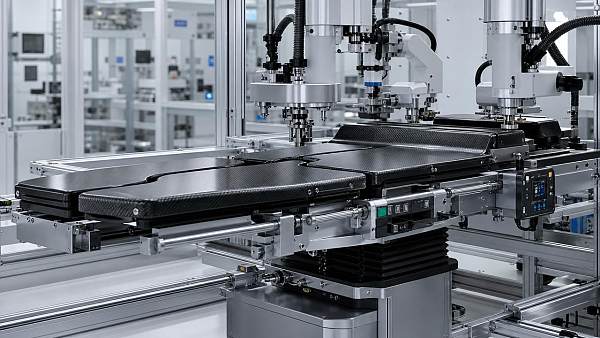
 May 16, 2026World's First Medical-Grade Carbon Fiber Digital OR Table Line Enters Mass ProductionWorld's first medical-grade carbon fiber digital OR table line now in mass production—faster lead times, ISO/IEC compliance, and HIS/PACS integration. Discover the impact on global medtech supply chains.
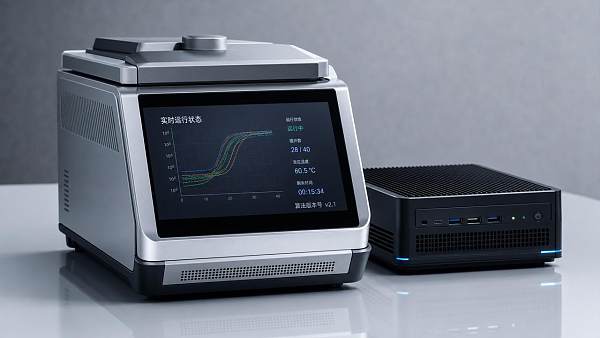
 May 16, 2026FDA Updates IVD Software Validation GuidanceFDA IVD software validation guidance updated: Real-time algorithm re-validation now required for PCR & cloud-based SaMD—act before Aug 7, 2026.
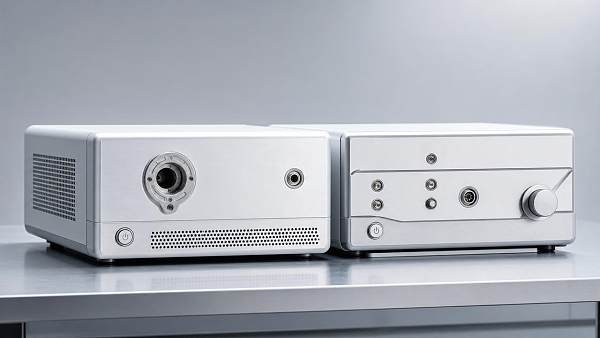
 May 16, 2026EU MDR Annex XVI Extended to Endoscope AccessoriesEU MDR Annex XVI now covers endoscope accessories—light sources, video processors & camera controls. Act now to ensure CE compliance by 1 June 2026 and avoid EU market access delays.
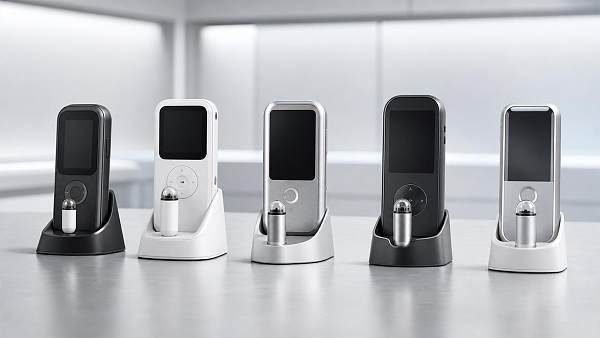
 May 16, 2026WHO Adds 5 Portable Capsule Endoscope Kits to EML AnnexWHO adds 5 portable capsule endoscope kits to EML Annex—key for exporters, regulators & health tech buyers in LMICs. Learn implications now.
 May 16, 2026China Customs Introduces New HS Code for Superconducting MRI Liquid Helium Cooling ModulesSuperconducting MRI liquid helium cooling modules now qualify for a 13% export VAT rebate under new China Customs HS code 8412.90.91 — act before June 1!
 May 16, 2026India NPPA Adds ECMO Systems to National Emergency Reserve ListECMO systems now on India’s NPPA emergency reserve list—key implications for Chinese exporters, local service mandates, and tender eligibility in 2026–27.
 May 16, 2026Middle East Expands Digital OR Mutual Recognition to Include Chinese 4K Flexible Endoscopy SystemsMiddle East expands Digital OR mutual recognition to include Chinese 4K flexible endoscopy systems—unlock GCC public procurement access without redundant certifications.
 May 16, 2026Philippines FDA Mandates Tropical Adaptation Testing for ICU VentilatorsPhilippines FDA mandates tropical adaptation testing for ICU ventilators: 72h @45°C/95% RH, NMI-validated only. Act now to avoid delays & ensure market access.
 May 16, 2026Singapore HSA Tightens Chemiluminescence Reagent Import RulesSingapore HSA tightens chemiluminescence reagent import rules — traceability, local lab validation & origin certs now mandatory from 1 July 2026. Act now to avoid delays!
 May 16, 2026TÜV Rheinland Launches First Photon-Counting CT Imaging Chain CertificationPhoton-counting CT Imaging Chain Certification by TÜV Rheinland — the world’s first end-to-end clinical compliance standard for detectors, AI reconstruction & DICOM quality. Act now to secure EU/US market access.
 May 15, 2026Clinical Compliance Standards: 7 Risks That Delay Market AccessClinical compliance standards: discover 7 hidden MedTech risks that delay market access, stall approvals, and disrupt launches—plus how distributors can spot them early.
 May 15, 2026Digital Radiography ROI: When Upgrade Costs Start Paying BackMedical imaging equipment ROI explained: learn when digital radiography upgrade costs start paying back through faster workflows, lower operating costs, and stronger utilization.
 May 15, 2026PCR Platforms in 2026: What Changes Matter for Test Menu PlanningPrecision medicine technology is reshaping PCR platform choices for 2026. Discover how menu flexibility, automation, compliance, and data integration drive smarter test planning.
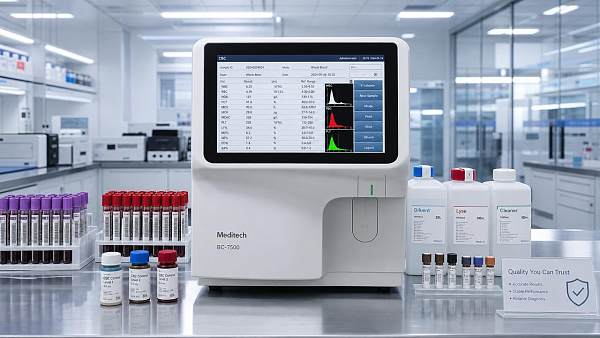
 May 15, 2026Hematology Analyzers: Common Accuracy Issues in Daily Lab OperationIVD instruments in hematology can face daily accuracy issues from calibration drift, sample quality, and reagent control. Discover practical fixes to improve CBC reliability and lab efficiency.

Related News
- 00
0000-00
Digital healthcare solutions can fail without this plan - 00
0000-00
How to compare advanced diagnostic systems before buying - 00
0000-00
Healthcare intelligence is reshaping smarter care decisions - 00
0000-00
How outdated hospital technology infrastructure slows care - 00
0000-00
What is driving medical equipment innovation in 2026?
Weekly Insights
Stay ahead with our curated technology reports delivered every Monday.