
Digital healthcare solutions can fail without this plan
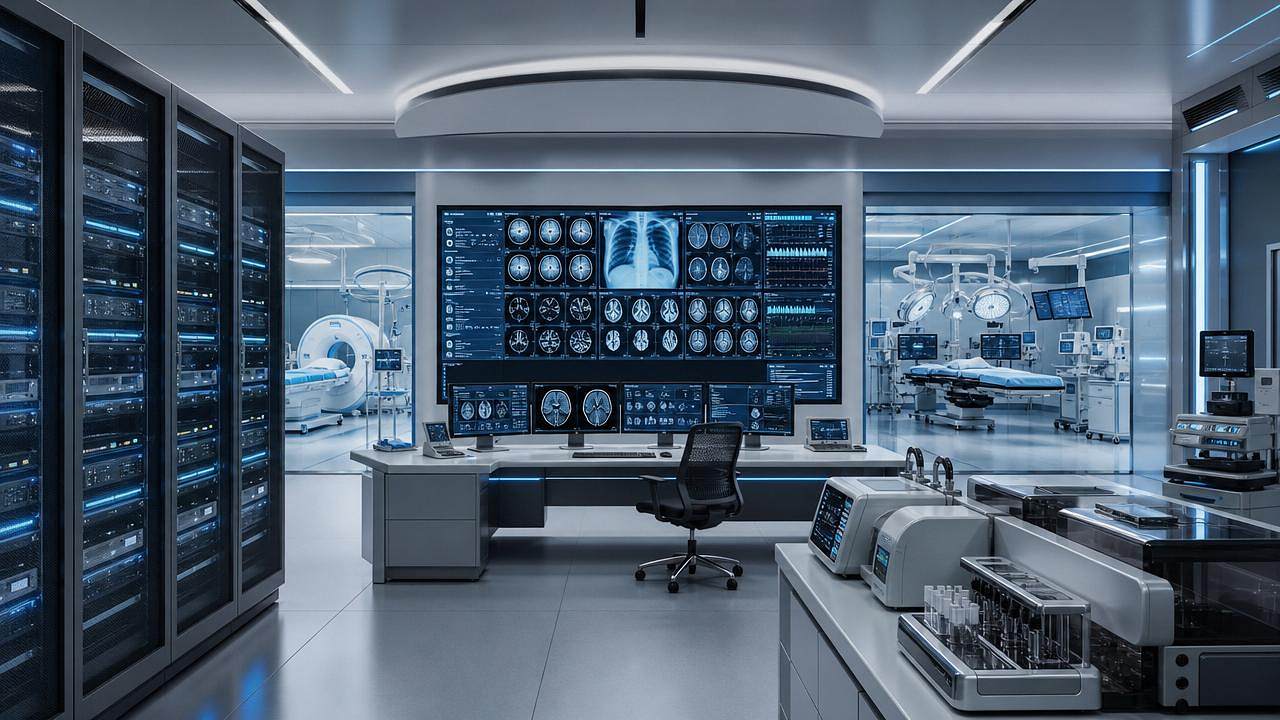




Digital healthcare solutions can transform diagnosis, treatment, and care continuity.
Yet many programs stall after pilot launch or fail during scale-up.
The reason is rarely software alone.
Failure usually begins with weak planning across compliance, data, workflow, and accountability.
In complex clinical environments, digital healthcare solutions must support real decisions under strict timing and safety pressure.
That requires a plan linking engineering design with clinical operations and regulatory control.
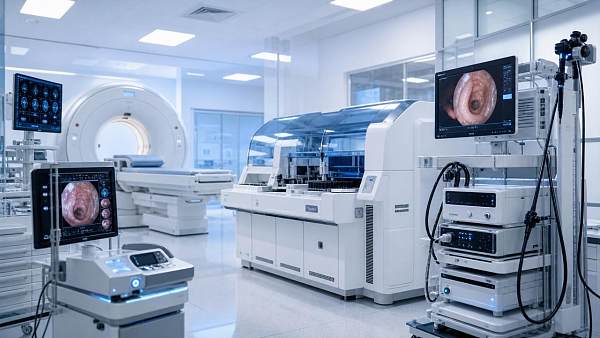
For organizations tracking medical imaging, IVD, life support, operating room systems, and endoscopy, this planning discipline is decisive.
AMDS observes this pattern across global MedTech markets every year.
The foundational plan behind reliable digital healthcare solutions
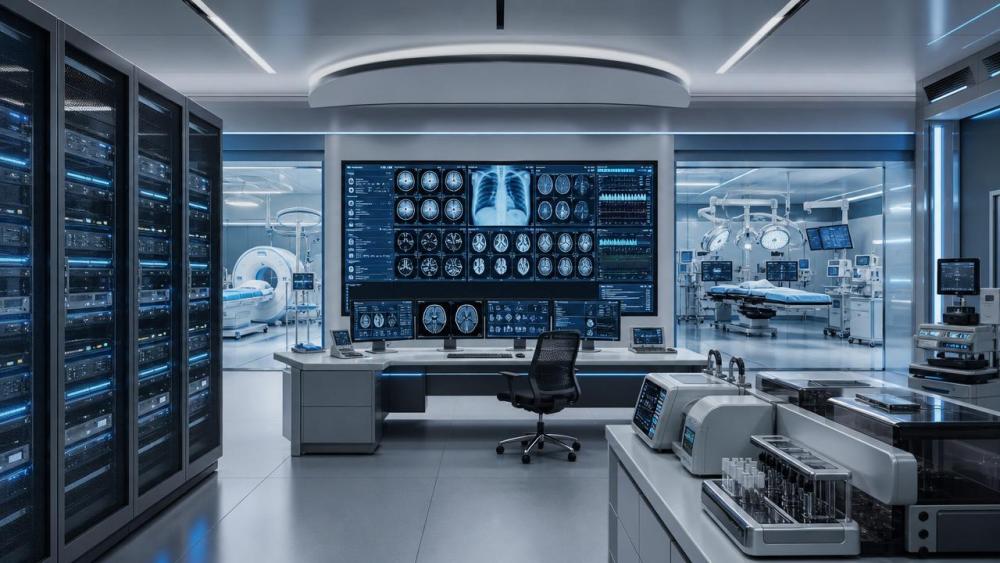
The essential plan is not a slide deck or procurement checklist.
It is an implementation architecture covering five connected layers.
- Clinical workflow mapping
- Data interoperability and governance
- Compliance and market access alignment
- Stakeholder ownership and training
- Scalability, security, and outcome measurement
When one layer is ignored, digital healthcare solutions become fragile.
A smart platform may still create unsafe handoffs, duplicate records, or delayed intervention.
In high-acuity settings, such gaps can cancel the expected value of digital transformation.
AMDS emphasizes this because advanced equipment no longer operates as isolated hardware.
Modern systems depend on stitched intelligence between algorithms, instruments, clinicians, and compliance frameworks.
Why digital healthcare solutions fail in real operating environments
Most failure patterns are operational rather than theoretical.
Teams often buy tools before defining the care pathway they must improve.
Integration planning is also underestimated.
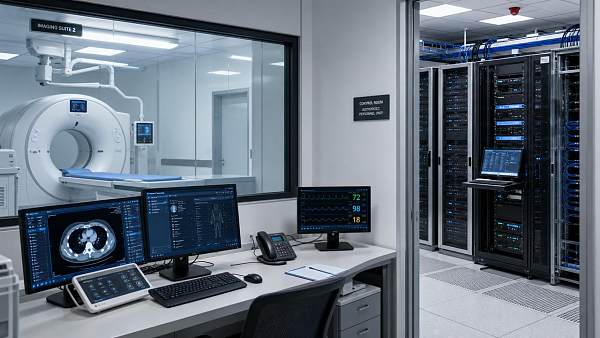
A radiology platform may read images well but still fail to connect with PACS, RIS, EHR, or billing logic.
IVD data may be technically accurate yet unusable if result routing is delayed.
Life support devices may capture excellent parameters but create alarm fatigue if escalation rules are unclear.
Another common issue is compliance discovered too late.
If design controls, cybersecurity records, audit trails, or data privacy evidence are incomplete, deployment slows dramatically.
The result is predictable.
Digital healthcare solutions look innovative in demos but unstable in hospitals, laboratories, and surgical environments.
Frequent warning signals
Industry context shaping digital healthcare solutions today
The current healthcare market pushes digital healthcare solutions toward higher precision and stronger accountability.
This pressure is strongest in equipment-intensive clinical domains.
- Medical imaging requires algorithm transparency, image quality consistency, and interoperable reporting.
- IVD workflows require rapid turnaround, traceable samples, and reliable result communication.
- Life support systems require real-time monitoring, alarm management, and fail-safe continuity.
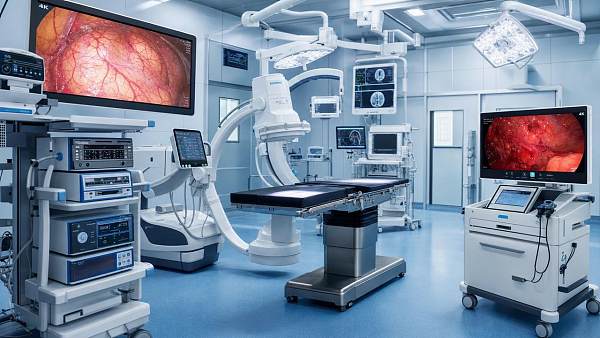
- Operating room platforms require precise device coordination and sterile workflow efficiency.
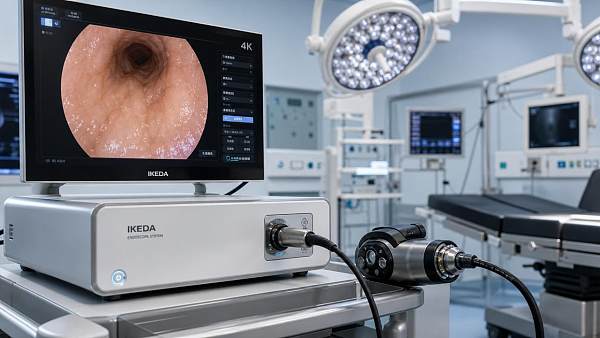
- Endoscopy systems require image fidelity, procedural documentation, and secure video data handling.
AMDS tracks these areas because each one combines technical complexity with heavy regulatory consequences.
As AI-assisted tools expand, the threshold for trustworthy digital healthcare solutions becomes even higher.
Organizations now need evidence of safety, efficacy, integration readiness, and economic value.
Business value created by well-planned digital healthcare solutions
A strong implementation plan protects both patient outcomes and business performance.
The operational gains are measurable when digital healthcare solutions are built around actual care pathways.
Core value areas
- Faster diagnosis through connected imaging, laboratory, and reporting systems
- Reduced rework through clean data exchange and standardized documentation
- Higher compliance confidence through planned validation and audit evidence
- Better clinical adoption through role-based workflows and practical training
- Clearer ROI through utilization metrics, downtime reduction, and reimbursement alignment
This matters especially for high-value equipment categories.
For example, advanced imaging systems depend on throughput, report quality, and service continuity.
IVD platforms depend on sample integrity, assay confidence, and fast communication loops.
Without coordinated planning, digital healthcare solutions may add cost without creating clinical leverage.
Typical implementation scenarios across clinical technology domains
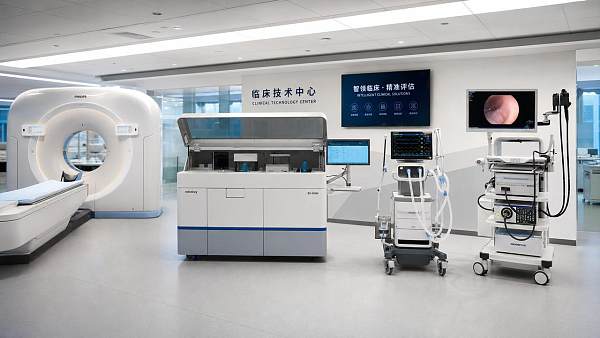
The same planning logic applies across different healthcare technology environments.
These examples show why digital healthcare solutions need domain-specific execution details.
Generic deployment models usually miss critical clinical dependencies.
Practical planning recommendations for scalable deployment
A scalable program begins before software configuration.
It starts with disciplined planning decisions.
- Define the clinical event to improve, not just the tool to buy.
- Map every handoff between device, system, user, and patient record.
- Set compliance requirements at project start, including CE, FDA, privacy, and cybersecurity needs.
- Create measurable success baselines for time, accuracy, utilization, and risk reduction.
- Run workflow simulations before full launch in real-use conditions.
- Train by role, shift, and scenario rather than one-time generic sessions.
- Plan post-launch review cycles for defects, adoption gaps, and ROI evidence.
For advanced MedTech, these steps reduce friction between engineering ambition and clinical reality.
They also help digital healthcare solutions remain defensible during audits and procurement reviews.
Common oversight areas
- Ignoring legacy systems that still carry critical patient data
- Assuming AI output automatically fits physician decision logic
- Treating cybersecurity as an IT task only
- Measuring adoption by logins instead of clinical impact
- Missing service and maintenance implications for connected devices
A structured next step for stronger digital healthcare solutions
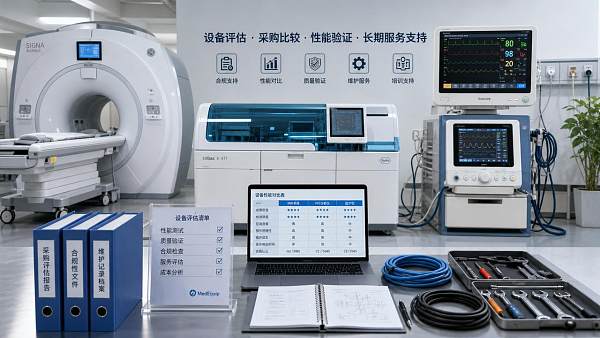
The most effective next step is a readiness review built around workflow, data, compliance, and economics.
This review should test whether digital healthcare solutions can perform under actual clinical pressure.
It should also confirm whether imaging, IVD, life support, operating room, or endoscopy systems can scale safely.
AMDS follows this evidence-led view across the global advanced medical equipment landscape.
The goal is clear.
Digital healthcare solutions should not only look innovative.
They must deliver precise, compliant, and scalable performance where health outcomes truly depend on them.
With the right plan, digital healthcare solutions become durable clinical infrastructure rather than short-lived pilots.
Recommended News
 May 16, 2026How interventional radiology equipment affects uptimeInterventional radiology equipment has a direct impact on uptime. Learn how design, maintenance, and service strategy reduce downtime, protect workflow, and improve clinical reliability.
 May 16, 2026Medical device compliance risks that delay market accessMedical device compliance risks can quietly delay approvals and market entry. Learn the hidden gaps, key checklist items, and practical steps to speed access and protect product credibility.
 May 16, 2026Digital healthcare solutions can fail without this planDigital healthcare solutions fail when planning ignores workflow, data, compliance, and scale. Discover the framework that turns pilots into safe, scalable clinical success.
 May 16, 2026Is medical imaging molecular diagnostics worth the cost?Medical imaging molecular diagnostics: is it worth the cost? Explore ROI, faster diagnosis, lower repeat testing, and smarter hospital investment decisions.
 May 16, 2026Why surgical imaging technology matters in complex casesSurgical imaging technology improves precision, workflow, and safety in complex procedures. Discover how to compare solutions, control costs, and choose with confidence.
 May 16, 2026How to compare advanced diagnostic systems before buyingAdvanced diagnostic systems buying guide: compare performance, compliance, interoperability, service, and total cost to choose the right solution with confidence.
 May 16, 2026When do biochemical molecular diagnostics add real value?Biochemical molecular diagnostics add real value when speed, precision, and treatment decisions matter. Discover where they improve outcomes, workflow efficiency, and ROI.
 May 16, 2026Healthcare intelligence is reshaping smarter care decisionsHealthcare intelligence helps buyers turn complex MedTech data into smarter care decisions, faster evaluations, stronger compliance confidence, and long-term ROI.
 May 16, 2026How outdated hospital technology infrastructure slows careHospital technology infrastructure impacts diagnosis speed, safety, and ROI. Learn how outdated systems slow care and what hospitals can modernize first.
 May 16, 2026What is driving medical equipment innovation in 2026?Medical equipment innovation in 2026 is driven by AI diagnostics, precision imaging, IVD automation, compliance, and hospital ROI. Discover the trends shaping MedTech growth.
 May 16, 2026World's First Medical-Grade Carbon Fiber Digital OR Table Line Enters Mass ProductionWorld's first medical-grade carbon fiber digital OR table line now in mass production—faster lead times, ISO/IEC compliance, and HIS/PACS integration. Discover the impact on global medtech supply chains.
 May 16, 2026FDA Updates IVD Software Validation GuidanceFDA IVD software validation guidance updated: Real-time algorithm re-validation now required for PCR & cloud-based SaMD—act before Aug 7, 2026.
 May 16, 2026EU MDR Annex XVI Extended to Endoscope AccessoriesEU MDR Annex XVI now covers endoscope accessories—light sources, video processors & camera controls. Act now to ensure CE compliance by 1 June 2026 and avoid EU market access delays.
 May 16, 2026WHO Adds 5 Portable Capsule Endoscope Kits to EML AnnexWHO adds 5 portable capsule endoscope kits to EML Annex—key for exporters, regulators & health tech buyers in LMICs. Learn implications now.
 May 16, 2026China Customs Introduces New HS Code for Superconducting MRI Liquid Helium Cooling ModulesSuperconducting MRI liquid helium cooling modules now qualify for a 13% export VAT rebate under new China Customs HS code 8412.90.91 — act before June 1!
 May 16, 2026India NPPA Adds ECMO Systems to National Emergency Reserve ListECMO systems now on India’s NPPA emergency reserve list—key implications for Chinese exporters, local service mandates, and tender eligibility in 2026–27.
 May 16, 2026Middle East Expands Digital OR Mutual Recognition to Include Chinese 4K Flexible Endoscopy SystemsMiddle East expands Digital OR mutual recognition to include Chinese 4K flexible endoscopy systems—unlock GCC public procurement access without redundant certifications.
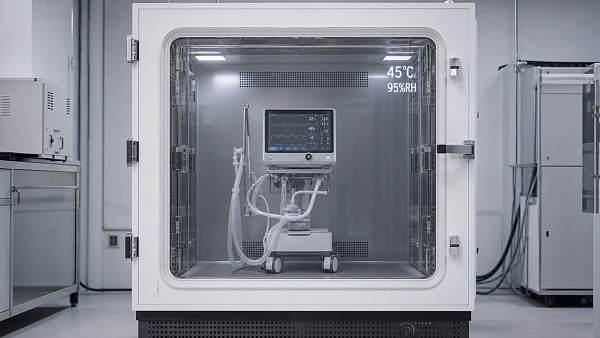
 May 16, 2026Philippines FDA Mandates Tropical Adaptation Testing for ICU VentilatorsPhilippines FDA mandates tropical adaptation testing for ICU ventilators: 72h @45°C/95% RH, NMI-validated only. Act now to avoid delays & ensure market access.
 May 16, 2026Singapore HSA Tightens Chemiluminescence Reagent Import RulesSingapore HSA tightens chemiluminescence reagent import rules — traceability, local lab validation & origin certs now mandatory from 1 July 2026. Act now to avoid delays!
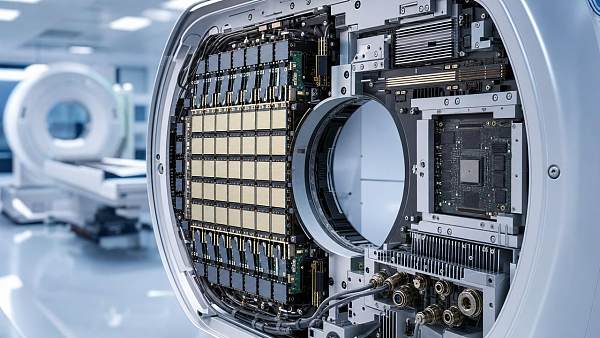
 May 16, 2026TÜV Rheinland Launches First Photon-Counting CT Imaging Chain CertificationPhoton-counting CT Imaging Chain Certification by TÜV Rheinland — the world’s first end-to-end clinical compliance standard for detectors, AI reconstruction & DICOM quality. Act now to secure EU/US market access.
 May 15, 2026Clinical Compliance Standards: 7 Risks That Delay Market AccessClinical compliance standards: discover 7 hidden MedTech risks that delay market access, stall approvals, and disrupt launches—plus how distributors can spot them early.
 May 15, 2026Digital Radiography ROI: When Upgrade Costs Start Paying BackMedical imaging equipment ROI explained: learn when digital radiography upgrade costs start paying back through faster workflows, lower operating costs, and stronger utilization.
 May 15, 2026PCR Platforms in 2026: What Changes Matter for Test Menu PlanningPrecision medicine technology is reshaping PCR platform choices for 2026. Discover how menu flexibility, automation, compliance, and data integration drive smarter test planning.
 May 15, 2026Hematology Analyzers: Common Accuracy Issues in Daily Lab OperationIVD instruments in hematology can face daily accuracy issues from calibration drift, sample quality, and reagent control. Discover practical fixes to improve CBC reliability and lab efficiency.








Related News
- 00
0000-00
Digital healthcare solutions can fail without this plan - 00
0000-00
How to compare advanced diagnostic systems before buying - 00
0000-00
Healthcare intelligence is reshaping smarter care decisions - 00
0000-00
How outdated hospital technology infrastructure slows care - 00
0000-00
What is driving medical equipment innovation in 2026?
Weekly Insights
Stay ahead with our curated technology reports delivered every Monday.