
FDA Updates IVD Software Validation Guidance
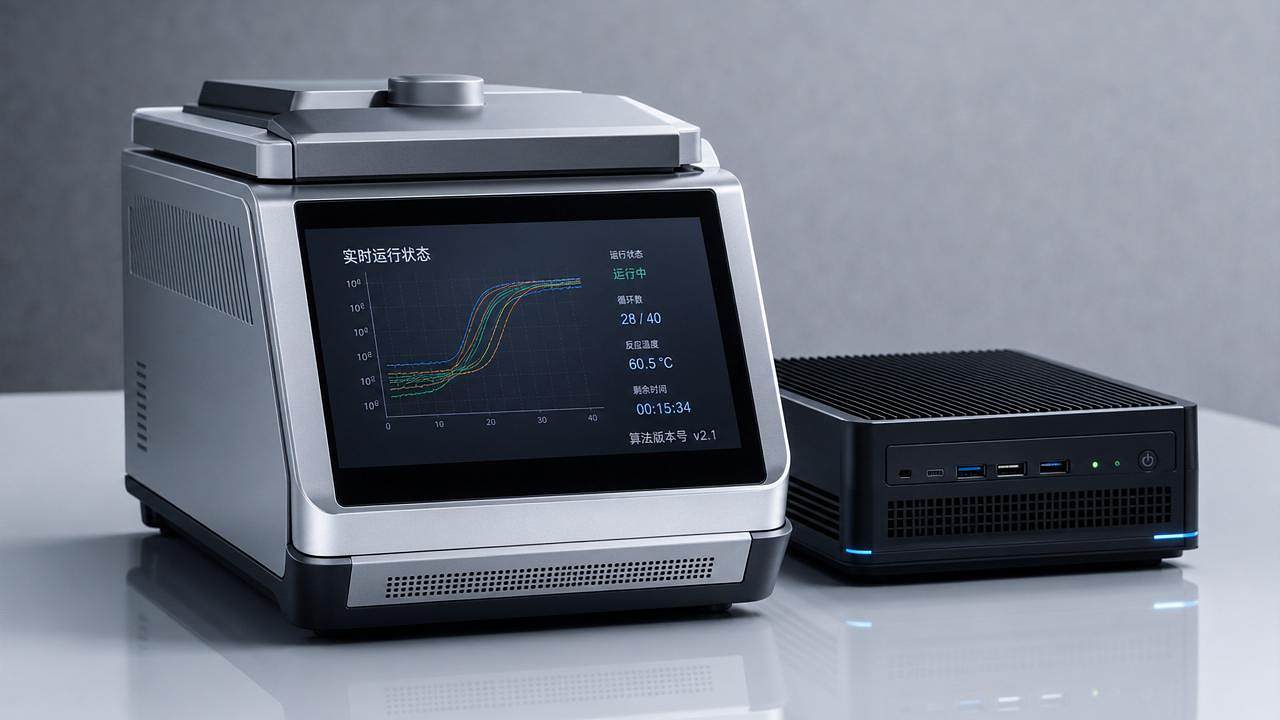




On May 9, 2026, the U.S. Food and Drug Administration (FDA) released IVD Software as a Medical Device (SaMD) Validation Guidance v2.1, introducing new real-time validation requirements for embedded algorithms in PCR instruments and cloud-based data analysis modules. The guidance explicitly states that ‘algorithm iteration constitutes a new software version.’ Exporters of molecular diagnostic devices from China must complete re-validation of all software versions within 90 days—or risk delays or rejection of 510(k) continuations and Premarket Approval (PMA) submissions. This development directly affects manufacturers, exporters, regulatory affairs teams, and clinical software developers engaged in U.S.-bound IVD hardware-software systems.
Event Overview
On May 9, 2026, the FDA published IVD Software as a Medical Device (SaMD) Validation Guidance v2.1. The document specifies updated validation expectations for software integral to in vitro diagnostic devices—including PCR instrument firmware and cloud-hosted analytical modules—and defines algorithmic updates as triggering full version-level re-validation. Affected entities are required to complete such re-validation by August 7, 2026 (i.e., within 90 days of publication). Non-compliance may impact pending or future 510(k) and PMA submissions.
Industries Affected
Direct Exporters of Molecular Diagnostic Devices
These companies embed proprietary algorithms into PCR instruments or deploy companion cloud analytics—both now subject to explicit real-time validation criteria. Impact arises because prior validation protocols may not have covered iterative algorithm updates as discrete version events, requiring revision of internal software lifecycle documentation and testing scope.
OEM/ODM Manufacturers Supporting U.S.-Bound IVD Hardware
Contract manufacturers producing PCR platforms or integrated analyzers for branded exporters must now align firmware release management with FDA’s versioning definition. Impact includes revised change control processes, additional test case documentation per algorithm update, and potential delays in release timelines if legacy workflows lack traceable version attribution.
Regulatory Affairs & Clinical Software Teams
Teams responsible for U.S. regulatory submissions face increased evidentiary burden: each algorithm iteration—even minor parameter adjustments—must be accompanied by validation evidence meeting v2.1’s real-time assessment criteria. Impact manifests in expanded submission dossiers, tighter cross-functional coordination between R&D and QA, and heightened scrutiny during FDA review cycles.
Key Considerations and Recommended Actions
Monitor official FDA communications for implementation clarifications
The guidance does not specify enforcement thresholds (e.g., what constitutes a ‘material’ algorithm change), nor does it define ‘real-time validation’ operationally. Stakeholders should track FDA webinars, Q&A documents, or draft responses to public comments expected in Q3 2026.
Identify and triage all active software versions deployed in U.S.-market PCR and molecular diagnostic products
Companies should inventory firmware, embedded control logic, and cloud-based analysis modules currently referenced in cleared 510(k) or approved PMA files—and map each to its most recent algorithmic revision date. Prioritization should focus on versions with scheduled updates before August 7, 2026.
Update internal software change control and validation SOPs to reflect version-by-iteration logic
Existing procedures treating firmware patches or cloud model retraining as ‘minor changes’ may no longer suffice. Revised SOPs should require version-level validation planning, execution, and documentation for every algorithm update—regardless of functional scope—effective immediately.
Engage notified bodies or U.S. regulatory consultants early for gap assessment
Given the 90-day deadline, preliminary alignment with third-party assessors on interpretation of ‘real-time validation’ (e.g., whether retrospective performance monitoring satisfies the requirement) can help avoid last-minute submission revisions or requests for information (RFIs).
Editorial Perspective / Industry Observation
Observably, this guidance signals a shift toward stricter lifecycle governance for diagnostic software—not just at initial clearance, but across ongoing deployment. Analysis shows the FDA is formalizing expectations previously addressed through informal feedback or inspection observations. It is more accurately understood as a regulatory signal than an immediate enforcement outcome: while the 90-day window sets urgency, the absence of penalty language or phased rollout suggests agencies expect industry adaptation rather than punitive action in the near term. From an industry perspective, sustained attention is warranted—not only for compliance deadlines, but because this reflects broader FDA emphasis on algorithm transparency, traceability, and post-market performance verification in SaMD contexts.
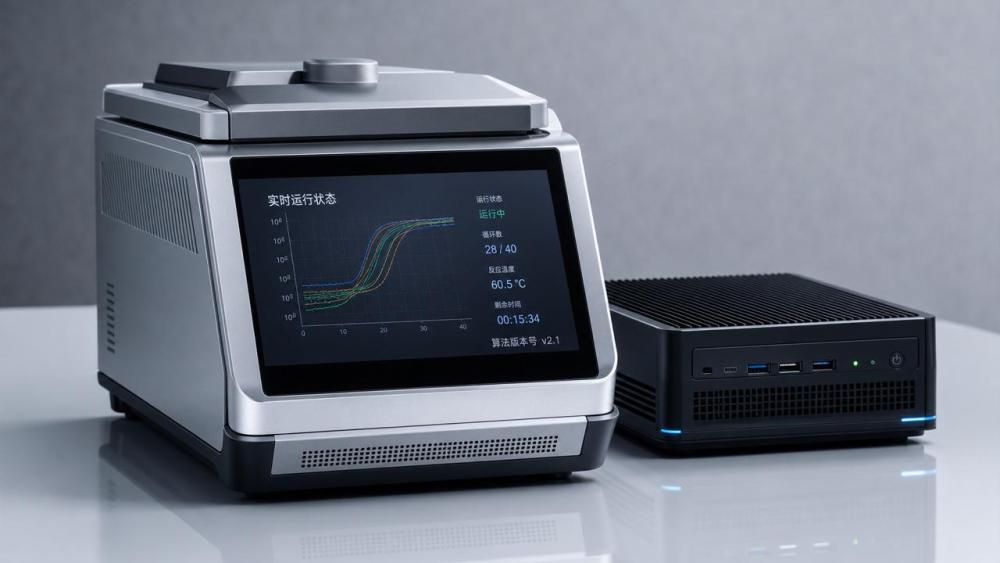
In summary, the FDA’s updated SaMD validation guidance introduces enforceable versioning discipline for diagnostic software embedded in PCR and molecular platforms. Its significance lies less in introducing entirely novel concepts—and more in codifying expectations that were previously implicit or inconsistently applied. Current interpretation should emphasize procedural readiness over panic-driven rework: the guidance calls for structured, auditable software change practices—not wholesale system replacement.
Source: U.S. Food and Drug Administration (FDA), IVD Software as a Medical Device (SaMD) Validation Guidance v2.1, issued May 9, 2026. Note: Specific enforcement mechanisms, definitions of ‘real-time validation,’ and applicability to legacy cleared devices remain under observation and may be clarified in subsequent FDA communications.
Recommended News
 May 16, 2026World's First Medical-Grade Carbon Fiber Digital OR Table Line Enters Mass ProductionWorld's first medical-grade carbon fiber digital OR table line now in mass production—faster lead times, ISO/IEC compliance, and HIS/PACS integration. Discover the impact on global medtech supply chains.
 May 16, 2026FDA Updates IVD Software Validation GuidanceFDA IVD software validation guidance updated: Real-time algorithm re-validation now required for PCR & cloud-based SaMD—act before Aug 7, 2026.
 May 16, 2026EU MDR Annex XVI Extended to Endoscope AccessoriesEU MDR Annex XVI now covers endoscope accessories—light sources, video processors & camera controls. Act now to ensure CE compliance by 1 June 2026 and avoid EU market access delays.
 May 16, 2026WHO Adds 5 Portable Capsule Endoscope Kits to EML AnnexWHO adds 5 portable capsule endoscope kits to EML Annex—key for exporters, regulators & health tech buyers in LMICs. Learn implications now.
 May 16, 2026China Customs Introduces New HS Code for Superconducting MRI Liquid Helium Cooling ModulesSuperconducting MRI liquid helium cooling modules now qualify for a 13% export VAT rebate under new China Customs HS code 8412.90.91 — act before June 1!
 May 16, 2026India NPPA Adds ECMO Systems to National Emergency Reserve ListECMO systems now on India’s NPPA emergency reserve list—key implications for Chinese exporters, local service mandates, and tender eligibility in 2026–27.
 May 16, 2026Middle East Expands Digital OR Mutual Recognition to Include Chinese 4K Flexible Endoscopy SystemsMiddle East expands Digital OR mutual recognition to include Chinese 4K flexible endoscopy systems—unlock GCC public procurement access without redundant certifications.
 May 16, 2026Philippines FDA Mandates Tropical Adaptation Testing for ICU VentilatorsPhilippines FDA mandates tropical adaptation testing for ICU ventilators: 72h @45°C/95% RH, NMI-validated only. Act now to avoid delays & ensure market access.
 May 16, 2026Singapore HSA Tightens Chemiluminescence Reagent Import RulesSingapore HSA tightens chemiluminescence reagent import rules — traceability, local lab validation & origin certs now mandatory from 1 July 2026. Act now to avoid delays!
 May 16, 2026TÜV Rheinland Launches First Photon-Counting CT Imaging Chain CertificationPhoton-counting CT Imaging Chain Certification by TÜV Rheinland — the world’s first end-to-end clinical compliance standard for detectors, AI reconstruction & DICOM quality. Act now to secure EU/US market access.
 May 15, 2026Clinical Compliance Standards: 7 Risks That Delay Market AccessClinical compliance standards: discover 7 hidden MedTech risks that delay market access, stall approvals, and disrupt launches—plus how distributors can spot them early.
 May 15, 2026Digital Radiography ROI: When Upgrade Costs Start Paying BackMedical imaging equipment ROI explained: learn when digital radiography upgrade costs start paying back through faster workflows, lower operating costs, and stronger utilization.
 May 15, 2026PCR Platforms in 2026: What Changes Matter for Test Menu PlanningPrecision medicine technology is reshaping PCR platform choices for 2026. Discover how menu flexibility, automation, compliance, and data integration drive smarter test planning.
 May 15, 2026Hematology Analyzers: Common Accuracy Issues in Daily Lab OperationIVD instruments in hematology can face daily accuracy issues from calibration drift, sample quality, and reagent control. Discover practical fixes to improve CBC reliability and lab efficiency.
 May 15, 2026ICU Ventilators: Performance Checks That Support Safer Critical CareCritical care equipment performance checks for ICU ventilators help improve alarm accuracy, oxygen delivery, and patient safety. Learn practical steps for safer, compliant care.
 May 15, 2026Surgical Lights and Cameras: What Matters for Hybrid OR UpgradesOperating room technology upgrades for hybrid ORs: learn what matters in surgical lights and cameras, from visibility and integration to compliance, workflow, and long-term ROI.
 May 15, 2026Electrosurgical Units: Cost Drivers Behind Service and Replacement CyclesOperating room technology costs go beyond purchase price. Learn what drives electrosurgical unit service intervals, compliance risk, downtime, and replacement timing to protect budgets and OR efficiency.
 May 15, 2026Rigid Endoscopy Systems: Setup Tips That Reduce OR DelaysMinimally invasive surgery equipment users can cut OR delays with these rigid endoscopy setup tips. Learn faster checks, troubleshooting steps, and workflow fixes for safer, smoother procedures.
 May 15, 2026Flexible Videoscopes: Key Failure Points to Check Before PurchaseMedical endoscope systems buyers: learn the key flexible videoscope failure points to check before purchase, reduce downtime, control repair costs, and make safer, ROI-driven decisions.
 May 15, 2026How to Compare Capsule Endoscope Systems by Image Quality and ThroughputMedical endoscope systems for capsule imaging compared by image quality, throughput, AI workflow, and reliability. Learn how to choose the best platform with confidence.
 May 15, 2026Singapore HSA Tightens Chemiluminescence Reagent Import RulesChemiluminescence reagent import rules tightened by Singapore HSA — discover what the new GMP & local validation requirements mean for your IVD business.
 May 15, 2026WHO Adds Capsule Endoscopes to Essential Medicines ListCapsule endoscopes now on WHO Essential Medicines List—key for global health procurement, PQ certification & AI-powered primary care diagnostics.
 May 15, 2026World's First Medical-Grade Carbon Fiber Digital OR Table Line Launches in JiangsuWorld's first ASTM F2953-23–compliant carbon fiber digital OR table line launches in Jiangsu—8-week delivery, DICOM-OR/OR.NET ready. OEMs & hospitals: accelerate OR modernization.
 May 15, 2026India to Add ECMO Systems to National Emergency ReserveECMO systems now slated for India’s National Emergency Reserve — discover key ISO 13485 & local service requirements for global suppliers.









Weekly Insights
Stay ahead with our curated technology reports delivered every Monday.