
Digital Radiography ROI: When Upgrade Costs Start Paying Back
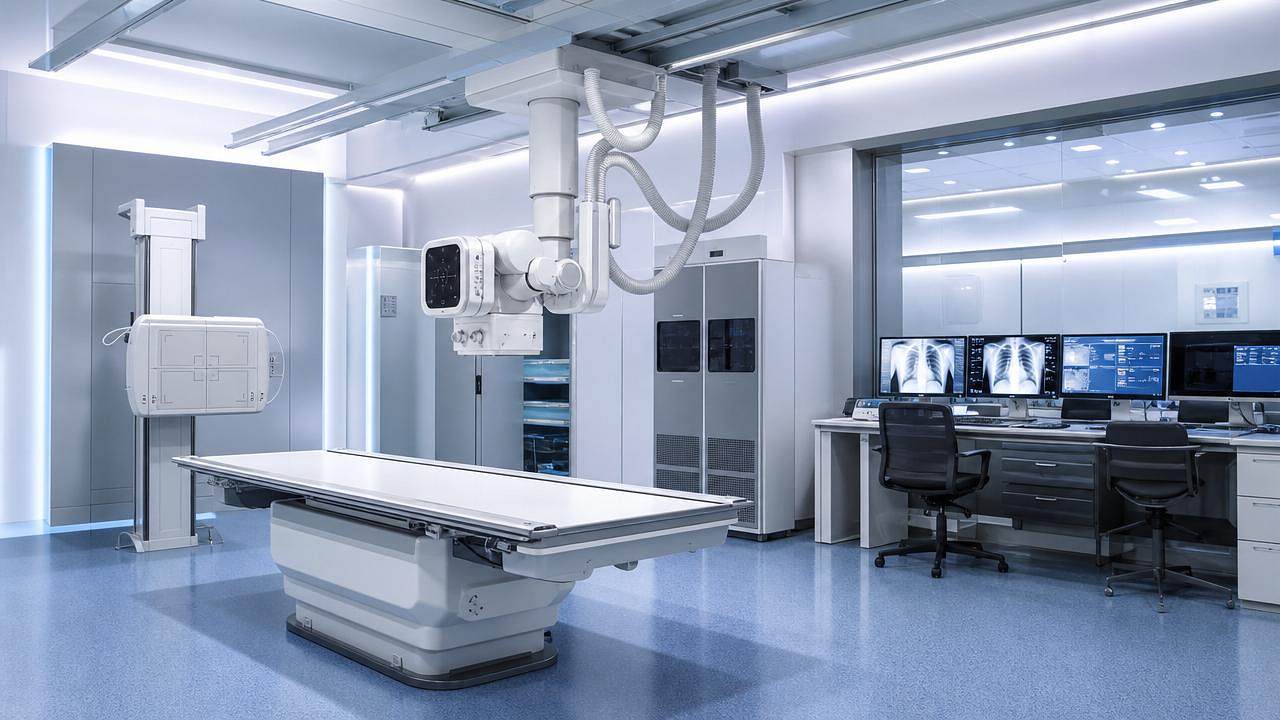




Upgrading to digital radiography is no longer just a technical decision—it is a business case. For commercial evaluators assessing medical imaging equipment, the real question is when higher acquisition costs begin translating into measurable returns through workflow gains, lower film and maintenance expenses, faster diagnosis, and stronger asset utilization. This article examines where ROI starts to emerge and what financial signals matter most.
For hospitals, imaging centers, and multi-site providers, digital radiography often sits at the intersection of capital budgeting, operational efficiency, and clinical throughput. The core challenge is not whether DR is better than film-based systems, but how quickly the upgrade improves cash flow, utilization, and decision quality.
For AMDS and commercial evaluation teams tracking medical imaging equipment, ROI analysis must extend beyond purchase price. It should include exam volume, retake rates, uptime, room turnover, service burden, staffing efficiency, and the speed at which imaging supports downstream diagnosis and treatment.
Why Digital Radiography ROI Emerges Earlier Than Many Buyers Expect
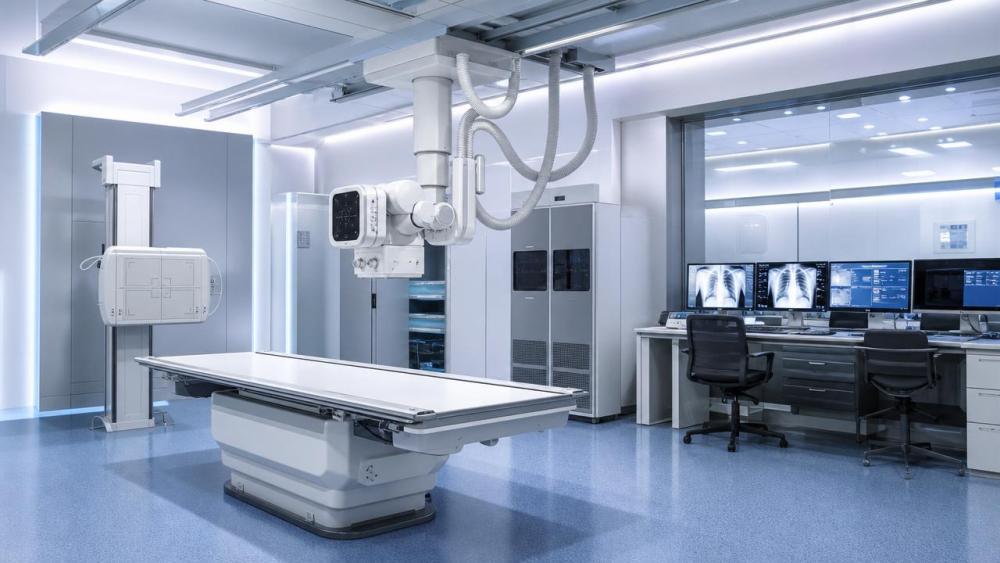
Digital radiography typically requires a larger upfront investment than computed radiography or legacy film workflows. Yet in many facilities, the payback window begins sooner than expected because several cost centers improve at the same time, often within the first 6 to 18 months after go-live.
The strongest return drivers usually come from four areas: consumables reduction, labor efficiency, faster exam cycles, and improved equipment utilization. These are especially relevant in outpatient imaging, emergency departments, orthopedics, and high-volume general radiography rooms processing 40 to 150 exams per day.
1. Film, chemistry, and storage costs disappear quickly
Film-based environments carry visible and hidden costs. Beyond film sheets and chemical processing, facilities must manage darkroom maintenance, disposal compliance, reprint waste, physical archive space, and manual retrieval. In medium-volume departments, these expenses can accumulate every month without improving diagnostic value.
When a facility shifts to digital radiography, these recurring costs decline sharply. While exact savings vary by geography and volume, business evaluators often model reductions across 5 to 7 cost categories rather than relying on a single line item such as film purchasing alone.
2. Faster workflow increases room productivity
A digital detector removes multiple manual steps. Technologists can review images within seconds, correct positioning sooner, and send studies directly to PACS or radiology workflow systems. In practical terms, even a 2- to 4-minute reduction per exam changes annual productivity materially.
If a room performs 60 exams per day, saving 3 minutes per exam creates 180 minutes of additional capacity daily. Over 250 working days, that equals 750 hours. Depending on scheduling strategy, this may support more same-day patients, shorter wait times, or lower overtime costs.
3. Retakes and image handling inefficiencies decline
Legacy workflows often absorb losses through repeat exposures, misplaced studies, manual labeling errors, and delays in image availability. Digital radiography does not eliminate retakes, but it usually improves positioning feedback and image consistency enough to reduce avoidable repeats and workflow interruptions.
For decision-makers evaluating medical imaging equipment, this matters because every unnecessary retake consumes technologist time, room availability, and patient cooperation. In high-throughput environments, cutting even 3% to 8% of repeat activity can support meaningful annual savings.
The table below shows where return usually starts to build in a digital radiography upgrade assessment. These figures are not universal benchmarks, but practical planning ranges often used in B2B equipment evaluation.
The key takeaway is that ROI rarely comes from one dramatic gain. It usually appears through stacked improvements across 4 to 6 operating metrics. That is why digital radiography can outperform a narrow capital-cost comparison when assessed as a workflow platform rather than a detector purchase alone.
Early warning sign of a weak business case
If a site runs fewer than 15 to 20 exams per day, has weak PACS integration, or lacks staffing discipline, the upgrade may take longer to pay back. In these cases, the technical merits of digital radiography remain valid, but the commercial return may shift from 12 months toward 24 to 36 months.
How Commercial Evaluators Should Build the ROI Model
A strong ROI model for medical imaging equipment should combine direct cost savings with capacity-based gains. Many evaluations fail because they measure only purchase price and annual service fees, ignoring throughput, utilization, and referral capture.
A practical model usually includes a 3-year and 5-year view, with sensitivity analysis for low-, base-, and high-volume scenarios. This gives finance, procurement, and radiology leadership a realistic range rather than a single payback claim.
Core cost and revenue variables to include
Commercial evaluators should capture at least 8 variables before comparing digital radiography proposals. Missing even two or three inputs can distort the decision, especially when detector quality, service models, and software integration differ across vendors.
- Acquisition cost, including detector, console, room retrofit, and installation
- Annual service contract and expected parts replacement cycle
- Exam volume per room per day, week, and year
- Average time per exam before and after upgrade
- Film, chemistry, archive, and disposal savings
- Retake rate and downtime assumptions
- Revenue or reimbursement per additional completed study where applicable
- Impact on referral retention, same-day access, and radiologist turnaround
Payback is often driven by utilization, not sticker price
A lower-priced system may appear attractive in procurement. However, if it has slower workflow, weaker detector durability, or limited integration with RIS/PACS, the total business outcome may underperform. In digital radiography, utilization quality is often more important than nominal discounting.
For example, a room operating at 55% utilization with frequent delays may not benefit from a low acquisition price if it still misses high-demand scheduling windows. A system supporting 10% to 20% more completed studies can justify a higher capital expense when demand already exists.
Three ROI calculation horizons that matter
Different stakeholders focus on different timeframes. Procurement teams often prioritize 12-month budget relief, finance may prefer a 36-month payback measure, and strategic leadership may look at a 5-year asset life with upgrade flexibility.
- Short term: 0 to 12 months, focused on consumables, installation disruption, and workflow stabilization
- Medium term: 12 to 36 months, focused on throughput, utilization, and service cost behavior
- Long term: 36 to 60 months, focused on lifecycle value, detector replacement risk, and digital ecosystem compatibility
The following table helps commercial evaluators compare digital radiography proposals using business-oriented decision criteria rather than technical specifications alone.
This comparison framework makes one point clear: the best-performing medical imaging equipment proposal is not always the least expensive one. The strongest candidate is the system that converts clinical demand into stable throughput with manageable service risk over several years.
Where ROI Starts Paying Back in Real Operating Scenarios
Digital radiography delivers different types of return depending on the care setting. Commercial evaluators should avoid generic assumptions and instead map ROI to actual workflow intensity, patient mix, and staffing structure.
Emergency and urgent care settings
In emergency departments, the value of digital radiography often appears first in speed. Image availability in seconds rather than minutes can improve triage, reduce bottlenecks, and support faster physician decisions. Even if reimbursement per exam is fixed, patient flow gains can be significant.
When exam demand is uneven but intense, shaving 3 to 5 minutes from common chest or extremity studies may prevent queue build-up during peak windows. That matters operationally, especially in facilities trying to reduce hallway waits and improve bed turnover.
Orthopedic and outpatient imaging centers
In ambulatory settings, ROI is often tied to scheduling density. If the center can add 4 to 8 extra appointments per day without extending staff hours, digital radiography may justify its upgrade cost far earlier than expected. This is particularly relevant where same-day or next-day access drives referral preference.
For orthopedic practices, image review speed also supports physician-patient consultation within the same visit. That reduces handoff friction and may strengthen patient conversion into treatment plans, procedures, or follow-up imaging.
Multi-site hospital networks
Across a hospital group, the business case often expands beyond one room. Standardized digital radiography platforms can reduce training variation, simplify service contracts, and improve fleet-wide reporting visibility. Central procurement teams may find value in harmonizing 3 to 10 rooms under a common workflow model.
In these environments, ROI also comes from management visibility. Leaders can compare room utilization, downtime frequency, and exam cycle time across sites, then adjust staffing or scheduling based on measurable operating data rather than assumptions.
Common mistake in scenario planning
A frequent error is using average annual volume without examining peak-hour congestion. Two sites with 18,000 exams per year can have very different ROI outcomes if one faces heavy morning compression and the other has evenly distributed demand. Digital radiography value often becomes most visible during those compressed operating periods.
Risks, Hidden Costs, and Practical Buying Guidance
Not every digital radiography project performs as planned. The main reasons are usually weak implementation design, under-scoped integration, unrealistic throughput assumptions, or unclear service accountability. Commercial evaluators should pressure-test the proposal before approval.
Hidden cost areas to review before purchase
- Room renovation requirements, power changes, shielding review, or table replacement
- Detector damage exposure and replacement pricing
- Training time for technologists, radiologists, and IT support teams
- Temporary productivity dip during the first 2 to 6 weeks after installation
- Interface development or PACS workflow adjustments
Five questions procurement teams should ask suppliers
- What is the expected uptime target, and how is service response measured?
- Which components have the highest replacement risk over 3 to 5 years?
- How long does implementation take from order to clinical go-live, typically 4 to 12 weeks or longer?
- What workflow evidence supports the claimed exam-time reduction?
- How will the system integrate with the existing digital imaging environment?
A realistic threshold for positive payback
In general, positive payback becomes easier to justify when the site has steady demand, reliable digital infrastructure, and a clear plan to use recovered time capacity. If the organization cannot convert faster workflow into more completed studies, shorter delays, or lower labor waste, ROI will be slower.
That is why the smartest buyers evaluate digital radiography as part of a broader medical imaging equipment strategy. Detector performance, room ergonomics, data flow, maintenance, and staffing all contribute to the financial result.
Digital radiography starts paying back not at the moment of installation, but at the moment improved workflow becomes consistent and measurable. For commercial evaluators, the most reliable indicators are lower recurring consumable costs, reduced exam cycle time, stronger room utilization, fewer avoidable repeats, and controlled service risk across a 3- to 5-year horizon.
For organizations assessing medical imaging equipment investments, AMDS supports a more rigorous view of clinical technology economics by connecting workflow reality, compliance context, and purchasing intelligence. If you are comparing upgrade paths, validating a payback model, or planning a multi-site imaging strategy, now is the right time to get a tailored evaluation framework.
Contact us to discuss your digital radiography business case, request a customized ROI checklist, or explore broader diagnostic equipment intelligence aligned with your procurement and growth priorities.
Recommended News
 May 15, 2026Clinical Compliance Standards: 7 Risks That Delay Market AccessClinical compliance standards: discover 7 hidden MedTech risks that delay market access, stall approvals, and disrupt launches—plus how distributors can spot them early.
 May 15, 2026Digital Radiography ROI: When Upgrade Costs Start Paying BackMedical imaging equipment ROI explained: learn when digital radiography upgrade costs start paying back through faster workflows, lower operating costs, and stronger utilization.
 May 15, 2026PCR Platforms in 2026: What Changes Matter for Test Menu PlanningPrecision medicine technology is reshaping PCR platform choices for 2026. Discover how menu flexibility, automation, compliance, and data integration drive smarter test planning.
 May 15, 2026Hematology Analyzers: Common Accuracy Issues in Daily Lab OperationIVD instruments in hematology can face daily accuracy issues from calibration drift, sample quality, and reagent control. Discover practical fixes to improve CBC reliability and lab efficiency.
 May 15, 2026ICU Ventilators: Performance Checks That Support Safer Critical CareCritical care equipment performance checks for ICU ventilators help improve alarm accuracy, oxygen delivery, and patient safety. Learn practical steps for safer, compliant care.
 May 15, 2026Surgical Lights and Cameras: What Matters for Hybrid OR UpgradesOperating room technology upgrades for hybrid ORs: learn what matters in surgical lights and cameras, from visibility and integration to compliance, workflow, and long-term ROI.
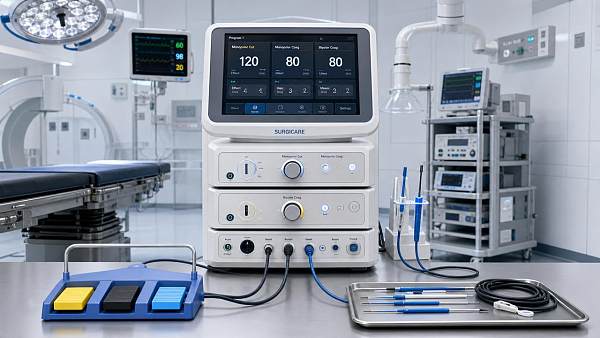
 May 15, 2026Electrosurgical Units: Cost Drivers Behind Service and Replacement CyclesOperating room technology costs go beyond purchase price. Learn what drives electrosurgical unit service intervals, compliance risk, downtime, and replacement timing to protect budgets and OR efficiency.
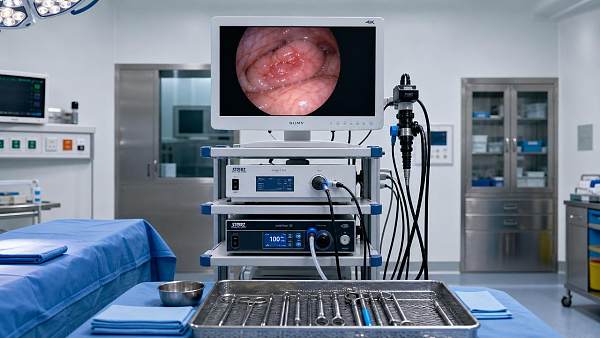
 May 15, 2026Rigid Endoscopy Systems: Setup Tips That Reduce OR DelaysMinimally invasive surgery equipment users can cut OR delays with these rigid endoscopy setup tips. Learn faster checks, troubleshooting steps, and workflow fixes for safer, smoother procedures.
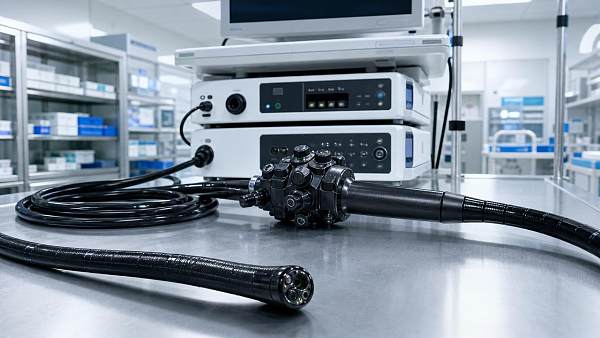
 May 15, 2026Flexible Videoscopes: Key Failure Points to Check Before PurchaseMedical endoscope systems buyers: learn the key flexible videoscope failure points to check before purchase, reduce downtime, control repair costs, and make safer, ROI-driven decisions.
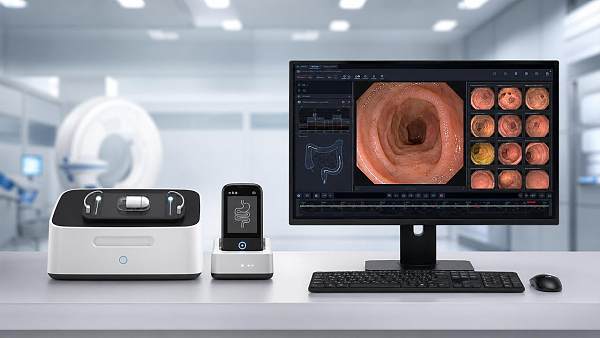
 May 15, 2026How to Compare Capsule Endoscope Systems by Image Quality and ThroughputMedical endoscope systems for capsule imaging compared by image quality, throughput, AI workflow, and reliability. Learn how to choose the best platform with confidence.
 May 15, 2026Singapore HSA Tightens Chemiluminescence Reagent Import RulesChemiluminescence reagent import rules tightened by Singapore HSA — discover what the new GMP & local validation requirements mean for your IVD business.
 May 15, 2026WHO Adds Capsule Endoscopes to Essential Medicines ListCapsule endoscopes now on WHO Essential Medicines List—key for global health procurement, PQ certification & AI-powered primary care diagnostics.
 May 15, 2026World's First Medical-Grade Carbon Fiber Digital OR Table Line Launches in JiangsuWorld's first ASTM F2953-23–compliant carbon fiber digital OR table line launches in Jiangsu—8-week delivery, DICOM-OR/OR.NET ready. OEMs & hospitals: accelerate OR modernization.
 May 15, 2026India to Add ECMO Systems to National Emergency ReserveECMO systems now slated for India’s National Emergency Reserve — discover key ISO 13485 & local service requirements for global suppliers.
 May 15, 2026Middle East Launches Digital OR Compliance Mutual Recognition PlanMiddle East launches Digital OR Compliance Mutual Recognition Plan—key for surgical lights & 4K cameras exporters. Align with IEC 62304 + HL7 FHIR v4.0.1 now to unlock GCC market access.
 May 15, 2026TÜV Rheinland Launches First PC-CT Imaging Chain CertificationPC-CT ChainCert™: TÜV Rheinland’s world-first certification for photon-counting CT imaging chains — boosting trust, market access & OEM collaboration.
 May 15, 2026China Customs Adds HS Code for Superconducting MRI Helium Cooling ModulesSuperconducting MRI helium cooling modules now have dedicated HS code 8418.99.92—unlocking a 13% export VAT rebate. Act now to optimize customs compliance and boost margins.
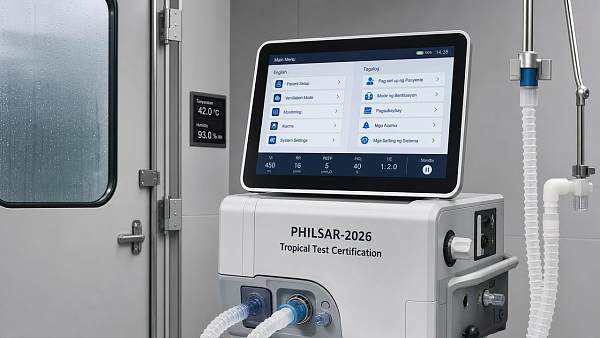
 May 15, 2026Philippines FDA Mandates Local UI & Tropical Testing for ICU VentilatorsPhilippines FDA mandates local UI & tropical testing for ICU ventilators—meet PHILSAR-2026, Tagalog interface, and 40°C/95% RH compliance now.
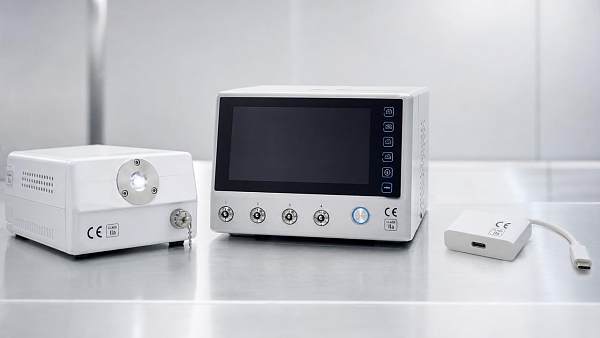
 May 15, 2026EU MDR Annex XVI Extended to Endoscope Accessories Effective June 2026EU MDR Annex XVI now covers endoscope accessories like cold light sources & USB-C adapters—Class IIa CE marking required by June 2026. Act now!
 May 15, 2026FDA Updates IVD Software Validation Guidance for PCR and Molecular DiagnosticsFDA's updated IVD software validation guidance (v2.1) impacts PCR & molecular diagnostics—key for AI, cloud, and remote-data IVD exporters. Act now to align submissions.
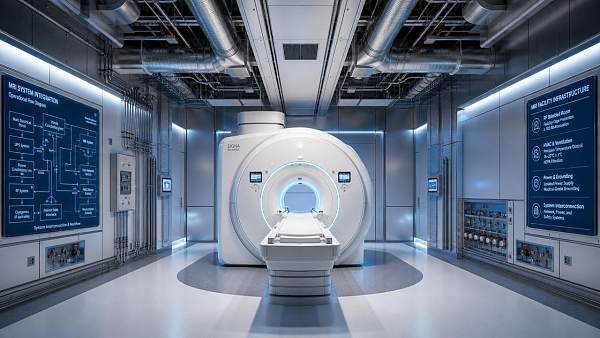
 May 14, 2026Biomedical Engineering Priorities Are Changing in New MRI BuildsBiomedical engineering is redefining new MRI builds through lifecycle planning, interoperability, compliance, and cybersecurity—discover how smarter design drives uptime, value, and clinical performance.
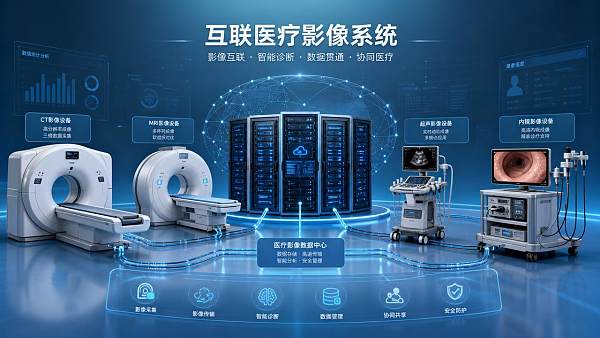
 May 14, 2026Healthcare Data Analytics Is Only Useful if Imaging Systems ConnectHealthcare data analytics delivers real value only when imaging systems connect. Learn how unified imaging data improves diagnosis, workflow, compliance, and ROI.
 May 14, 2026When Clinical Decision Support Adds Friction Instead of ClarityClinical decision support should improve care, not add friction. Discover why alerts fail, what frontline teams need, and how to build faster, smarter workflows.
 May 14, 2026Medical Imaging Diagnostics Choice Gets Harder as CT AdvancesMedical imaging diagnostics is getting harder to evaluate as CT advances. Discover how buyers can compare image quality, AI, compliance, workflow, and long-term value before investing.




Weekly Insights
Stay ahead with our curated technology reports delivered every Monday.