
Where clinical decision intelligence helps care teams most
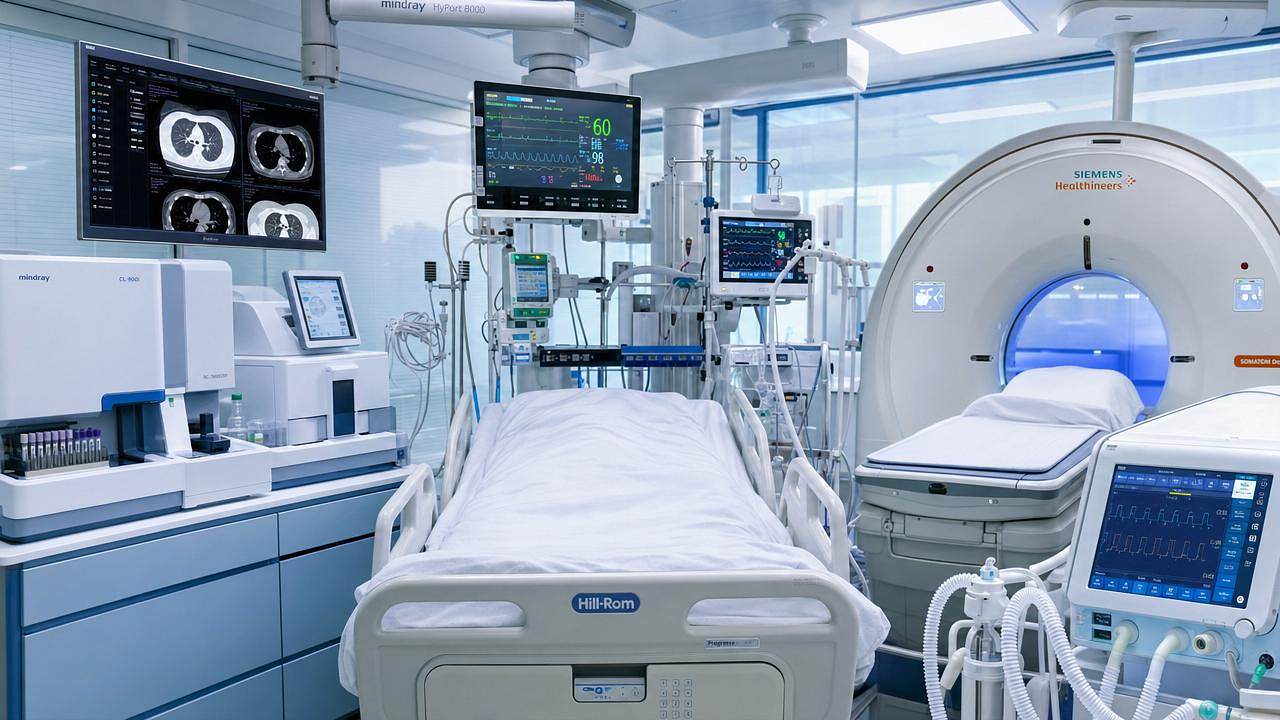




In complex care environments, clinical decision intelligence helps care teams turn imaging, IVD, life support, and surgical data into faster, safer, and more consistent actions. It connects device output with bedside judgment, so clinical choices become clearer under pressure. This matters across emergency triage, ICU monitoring, operating room coordination, and long-term patient management. When built well, clinical decision intelligence reduces uncertainty, improves workflow timing, and supports precision medicine without replacing human expertise.
What is clinical decision intelligence in real clinical practice?
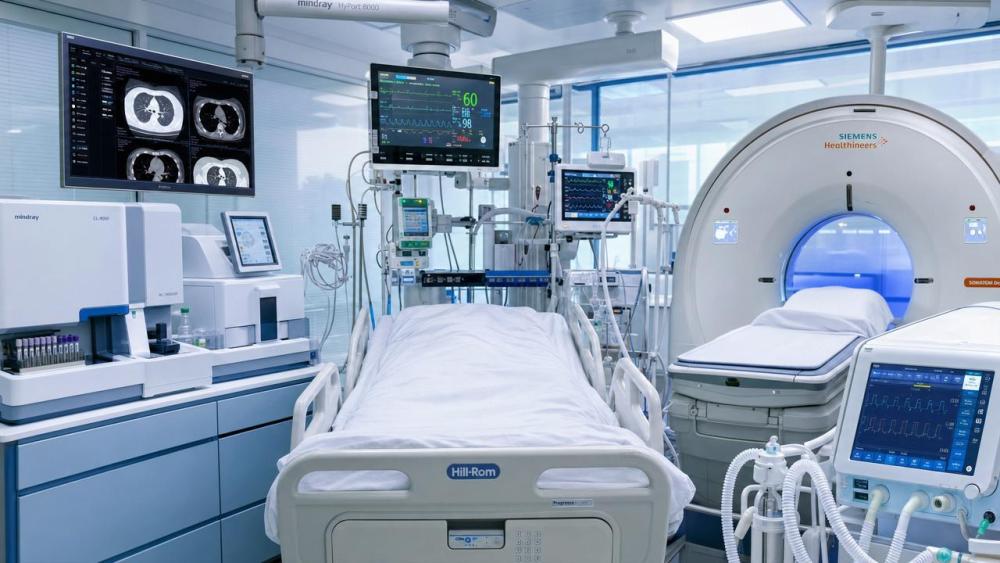
Clinical decision intelligence is more than a dashboard or alert engine. It is a structured way to combine data, context, timing, and recommendations into practical clinical action.
In hospitals, data often sits in separate systems. Imaging platforms, IVD analyzers, ventilators, patient monitors, and surgical equipment may all produce useful signals, but not shared meaning.
Clinical decision intelligence helps unify those signals. It links findings, trends, thresholds, and patient status into a decision path that care teams can actually use.
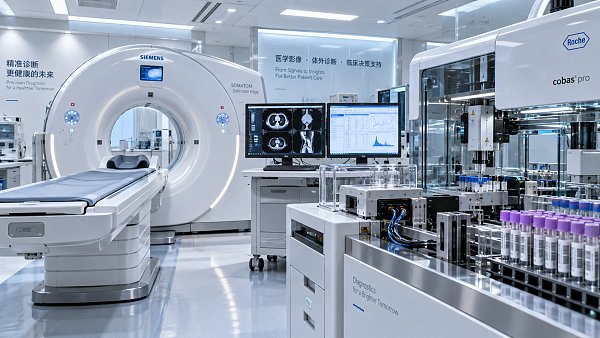
For example, a CT finding alone may indicate risk. Combined with PCR results, oxygen saturation, and hemodynamic change, the same finding can support a faster intervention decision.
That is where clinical decision intelligence becomes valuable. It does not only collect information. It helps determine what matters now, what can wait, and what needs escalation.
This approach fits the digital healthcare direction highlighted by AMDS. It aligns advanced devices with strict compliance, measurable safety, and clinically meaningful outcomes.
Where does clinical decision intelligence help care teams most?
The greatest value appears when time, complexity, and risk converge. These moments are common in diagnosis, acute deterioration, surgery, and intensive support.
1. Early diagnosis and triage
Medical imaging often detects the first visible sign of disease. Clinical decision intelligence helps connect image findings with laboratory markers and symptom severity.
In stroke, trauma, or suspected cancer, this connection matters. It can prioritize urgent cases, reduce interpretation delays, and support faster next-step planning.
2. ICU and life support management
Ventilators, ECMO, infusion systems, and monitors generate continuous streams of clinical data. Without intelligence layers, teams can face alarm fatigue and fragmented assessment.
Clinical decision intelligence highlights trends instead of isolated values. It can show whether a patient is stabilizing, deteriorating, or responding poorly to support adjustments.
3. Operating room coordination
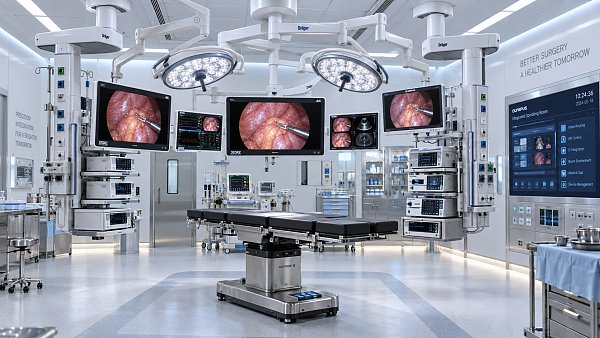
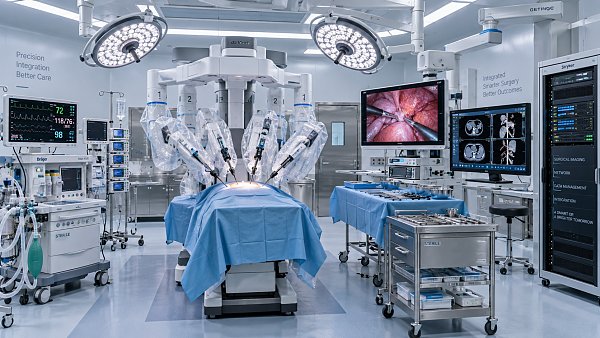
During surgery, timing and situational awareness are critical. Endoscope imaging, anesthesia data, positioning systems, and blood results all affect intraoperative choices.
Clinical decision intelligence helps identify deviations early. It supports safer workflow transitions, more predictable escalation, and better coordination across specialties.
4. Precision treatment planning
Precision medicine depends on matching the right intervention to the right patient at the right time. This requires more than single-test interpretation.
By integrating biomarker results, image characteristics, disease progression, and treatment response, clinical decision intelligence makes precision care more actionable.
How does it improve imaging, IVD, life support, and minimally invasive workflows?
The impact of clinical decision intelligence changes by modality. Its role is strongest where advanced equipment produces rich data but interpretation must stay clinically focused.
Medical imaging
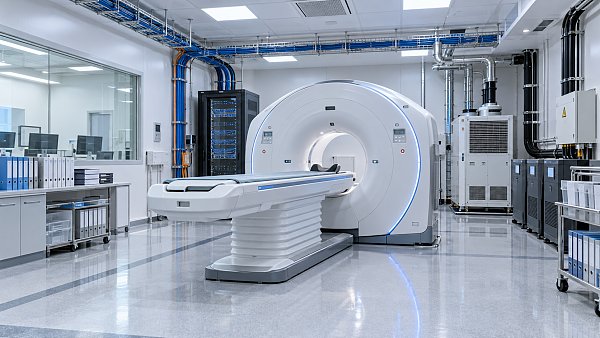
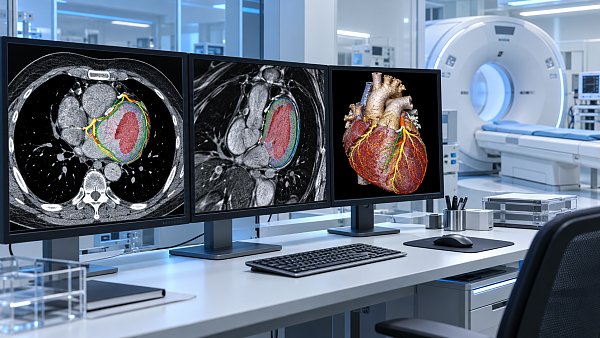
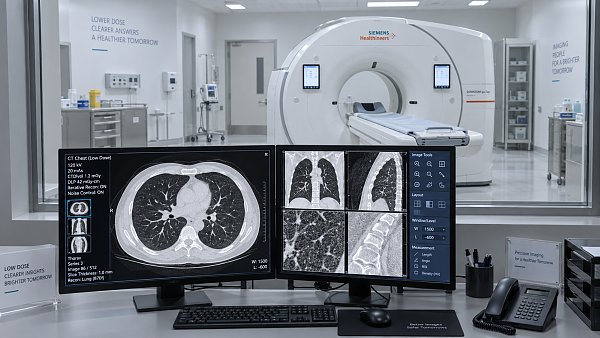
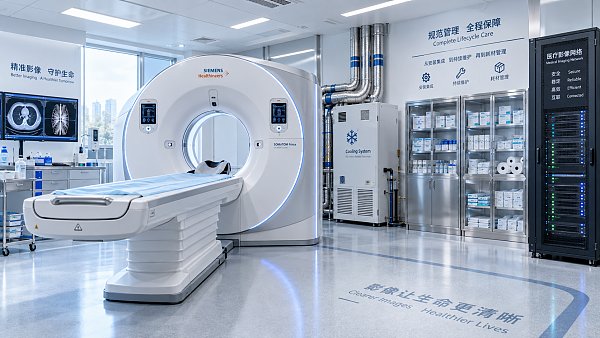
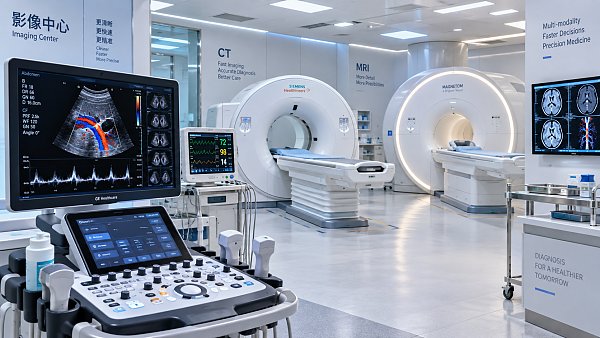
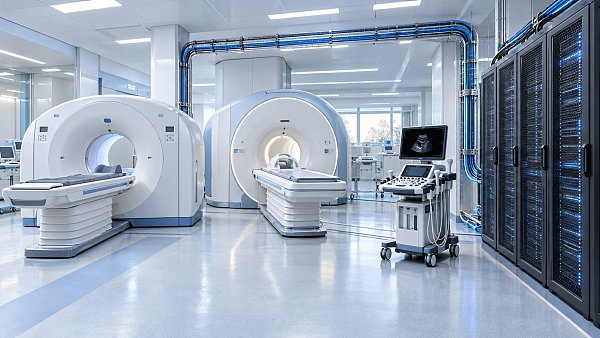
High-resolution MRI and CT systems provide deep anatomical insight. Clinical decision intelligence helps sort incidental findings from urgent abnormalities and correlate them with patient history.
It also supports consistency. Similar lesion patterns can be reviewed against prior scans, structured reporting rules, and downstream treatment implications.
IVD and molecular diagnostics
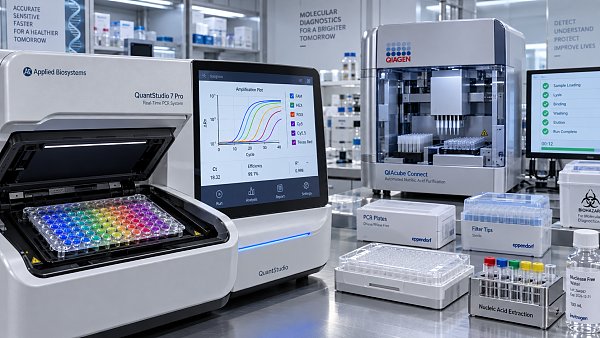
IVD platforms detect biochemical signals quickly, but isolated test values can mislead. Clinical decision intelligence adds context, timing, and trend interpretation.
That is especially useful in infection control, oncology monitoring, and sepsis pathways, where biomarker changes must drive timely action.
High-end life support
Support devices preserve life, yet they also create huge monitoring demands. Clinical decision intelligence helps detect subtle instability before obvious collapse occurs.
This strengthens confidence around escalation, weaning, ventilation adjustment, and cross-team handoffs in critical care settings.
Endoscopy and minimally invasive surgery
4K and 3D endoscope systems deliver detailed visual fields. Clinical decision intelligence can combine image cues with pathology risk, patient stability, and procedural history.
This supports better decisions during lesion assessment, navigation, tissue sampling, and post-procedure monitoring.
How can teams judge whether clinical decision intelligence is actually effective?
Not every intelligent platform improves care. Some add complexity without improving timing, safety, or clarity. Evaluation should stay practical and clinically measurable.
A useful approach is to assess performance across five dimensions:
- Does it reduce time from detection to action?
- Does it improve decision consistency across teams?
- Does it lower avoidable risk or missed escalation?
- Does it fit existing workflows without excessive disruption?
- Does it support compliance, traceability, and audit readiness?
Clinical decision intelligence should also respect clinical hierarchy. Recommendations must be explainable, reviewable, and aligned with established protocols.
In regulated healthcare environments, explainability matters as much as technical performance. This is especially true for AI-assisted imaging and intervention support.
What common risks and misunderstandings should be avoided?
Clinical decision intelligence is powerful, but misuse can create new problems. Several risks appear repeatedly across digital care deployments.
Mistaking data volume for decision quality
More data does not guarantee better choices. If relevance and prioritization are weak, teams may face distraction instead of support.
Ignoring workflow reality
A tool may perform well in testing but fail during real care delivery. If it adds too many steps, clinicians may bypass it.
Overtrusting automation
Clinical decision intelligence should support judgment, not replace it. False reassurance is dangerous when edge cases, rare conditions, or poor-quality inputs are involved.
Weak interoperability
Disconnected systems limit value. Imaging, IVD, surgical, and ICU platforms must exchange data in clinically meaningful ways.
Underestimating implementation effort
Governance, validation, training, and protocol alignment take time. Clinical decision intelligence succeeds when operational planning matches technical ambition.
What does implementation usually involve in cost, time, and governance?
Implementation depends on system scope, integration depth, and regulatory burden. However, several patterns are common across modern healthcare settings.
Initial work often includes data mapping, workflow design, alert logic review, user testing, and compliance checks. These steps should happen before broad rollout.
Pilot deployments are usually the safest path. High-impact scenarios such as stroke imaging, ICU respiratory deterioration, or sepsis screening are good starting points.
Return on investment should not be measured only in software use. Better metrics include reduced delay, fewer preventable complications, and improved resource utilization.
The strongest impact of clinical decision intelligence appears where advanced devices meet urgent human decisions. Imaging, IVD, life support, and endoscopic systems all benefit when data becomes clinically usable.
For organizations following the direction of AMDS, the goal is not technology for its own sake. The goal is safer interpretation, faster action, and precision that survives real-world complexity.
A practical next step is to identify one care pathway with high risk, strong data availability, and clear timing pressure. That is often where clinical decision intelligence proves its value first.
Recommended News
 Oct 03, 2026How Detection Algorithms Improve Sensitivity and Workflow in Medical ImagingMedical imaging algorithms detection improves sensitivity, manages false positives, and streamlines clinical workflows. Explore validation, integration, and governance essentials.
 Oct 02, 2026High-Flow ICU Ventilators: Key Selection Criteria for Acute Respiratory CareICU ventilators high flow: discover key selection criteria for accurate gas delivery, NIV performance, humidification, alarms, reliability, and safer acute respiratory care.
 Oct 01, 2026How to Evaluate Medical Equipment Intelligence Suppliers for Hospital ProcurementMedical equipment intelligence suppliers: learn how hospitals can assess evidence quality, total cost, compliance, interoperability, and cybersecurity for smarter procurement decisions.
 Sep 30, 2026ISO 13485 Requirements for Blood Testing Instruments: A Buyer’s ChecklistBlood testing instruments ISO 13485 buyer’s checklist: verify certification scope, traceability, installation, consumables, and supplier support before you buy.
 Sep 29, 2026How to Evaluate Integrated Operating Room Systems for Workflow, Imaging, and IT IntegrationIntegrated operating room systems: evaluate workflow, imaging, IT integration, cybersecurity, and lifecycle value to select a scalable surgical solution.
 Sep 28, 2026How to Evaluate a Genetic Testing Equipment Supplier for PCR Lab ProcurementGenetic testing equipment supplier evaluation guide for PCR labs: compare performance, compliance, workflow, service, supply resilience, and total cost.
 Sep 27, 2026How to Specify Custom Benchtop Diagnostic Instruments for Your Assay WorkflowCustom diagnostic instruments benchtop guide: specify optics, fluidics, automation, software integration, and support to build a reliable assay workflow.
 Sep 26, 2026How Cardiac Imaging Analysis Tools Turn CT and MRI Data into Clinical MetricsMedical imaging analysis cardiology tools transform cardiac CT and MRI into reliable metrics. Explore segmentation, validation, workflow integration, and AI review.
 Sep 25, 2026How Iterative Image Reconstruction Algorithms Balance CT Dose, Noise, and DetailIterative image reconstruction algorithms help CT teams balance dose, noise, and diagnostic detail. Explore practical insights for confident imaging decisions.
 Sep 24, 2026What Drives the Total Cost of Medical Technology Solutions Over Their Lifecycle?Medical technology solutions cost goes far beyond purchase price—explore lifecycle drivers from installation and service to software, training, compliance, and downtime.
 Sep 24, 2026Diagnostic Imaging Technology: How Modalities Support Different Clinical DecisionsDiagnostic imaging technology supports smarter clinical decisions across CT, MRI, ultrasound, and nuclear imaging. Explore modality strengths, workflows, and selection factors.
 Sep 22, 2026How Life Science Labs Can Select Biomedical Research Equipment by Workflow and ThroughputBiomedical research equipment life science labs can select with confidence by aligning workflow, throughput, automation, data integrity, and scalable support.
 Sep 21, 2026How to Plan LIS Connectivity for Chemiluminescence Analyzers Without Data GapsChemiluminescence analyzers LIS connectivity: learn how to prevent data gaps with field mapping, exception workflows, end-to-end validation, and reliable go-live planning.
 Sep 20, 2026Selecting Fluorescence PCR Instruments: Detection Channels, Sensitivity, and Workflow FitPCR diagnostic instruments fluorescence detection guide: compare channels, sensitivity, multiplexing, and workflow fit to select a reliable platform.
 Sep 19, 2026Biomedical Signal Processing: From Sensor Data to Clinical Decision SupportBiomedical signal processing transforms sensor data into reliable clinical decision support. Explore AI, imaging, IVD, ICU monitoring, and compliance-ready MedTech insights.
 Sep 18, 2026How to Evaluate a Diagnostic Imaging Platform for Multi-Modality Workflow IntegrationDiagnostic imaging platform evaluation guide: assess multi-modality workflows, interoperability, AI integration, image integrity, security, and scalability for safer clinical decisions.
 Sep 17, 2026ISO 13485 for Medical Imaging Equipment: What Manufacturers Must DocumentMedical imaging equipment ISO 13485: discover essential documentation for design controls, risk management, traceability, software, and post-market quality.
 Sep 16, 2026Robotic MIS Equipment: What Hospitals Should Evaluate Before AdoptionMinimally invasive surgical equipment robotic adoption guide: evaluate workflow, safety, imaging, costs, cybersecurity, and service readiness.
 Sep 15, 2026How to Evaluate Biomedical Signal Processing Suppliers for Clinical Device ProjectsBiomedical signal processing supplier evaluation guide for clinical device teams—compare signal fidelity, regulatory evidence, cybersecurity, integration, and lifecycle support.
 Sep 14, 2026How Integrated Clinical Diagnostics Solutions Reduce Turnaround Time Across Lab WorkflowsIntegrated clinical diagnostics solutions reduce lab turnaround time by connecting workflows, automation, and data. Discover practical strategies for faster, traceable results.
 Sep 13, 2026ECMO System Market Outlook: Demand Drivers, Investment Risks, and Growth OpportunitiesECMO system market outlook explores demand drivers, investment risks, regulatory factors, and growth opportunities shaping critical-care innovation and adoption.
 Sep 12, 2026Where to Find Reliable Medical Device Information for Research and Due DiligenceMedical device information resource guide for due diligence: verify regulatory, clinical, safety, and technical evidence to make confident decisions.
 Sep 11, 2026Medical Equipment Intelligence: A Resource for Comparing Clinical TechnologiesMedical equipment intelligence resource for comparing clinical technologies by clinical fit, compliance, workflow, and total cost—make confident, evidence-led decisions.
 Sep 10, 2026How to Integrate Application-Specific Medical Solutions Into Existing Clinical WorkflowsApplication-specific medical solutions integration: learn how to align clinical workflows, interoperability, safety, and measurable outcomes for reliable deployment.










Related News
- 00
0000-00
How Detection Algorithms Improve Sensitivity and Workflow in Medical Imaging - 00
0000-00
How to Evaluate Integrated Operating Room Systems for Workflow, Imaging, and IT Integration - 00
0000-00
How Cardiac Imaging Analysis Tools Turn CT and MRI Data into Clinical Metrics - 00
0000-00
Diagnostic Imaging Technology: How Modalities Support Different Clinical Decisions - 00
0000-00
How Life Science Labs Can Select Biomedical Research Equipment by Workflow and Throughput
Weekly Insights
Stay ahead with our curated technology reports delivered every Monday.