
GCC Nations Adopt Digital OR Interoperability Amendment
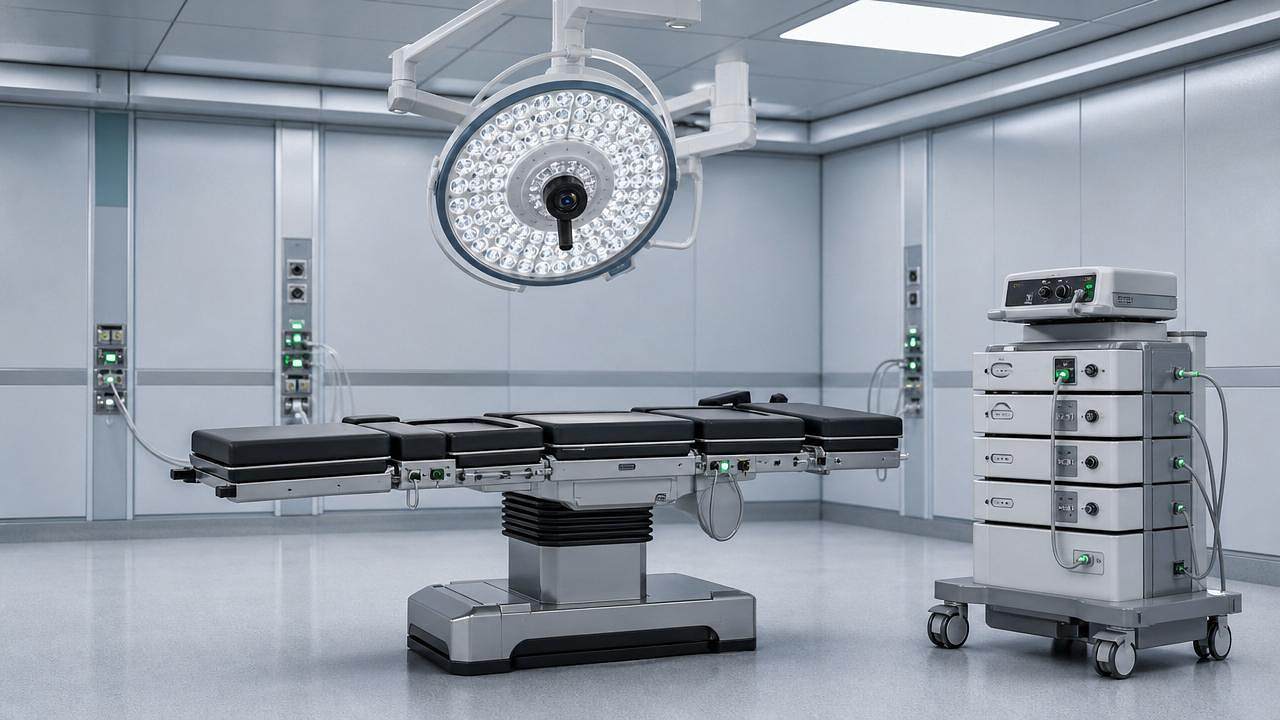




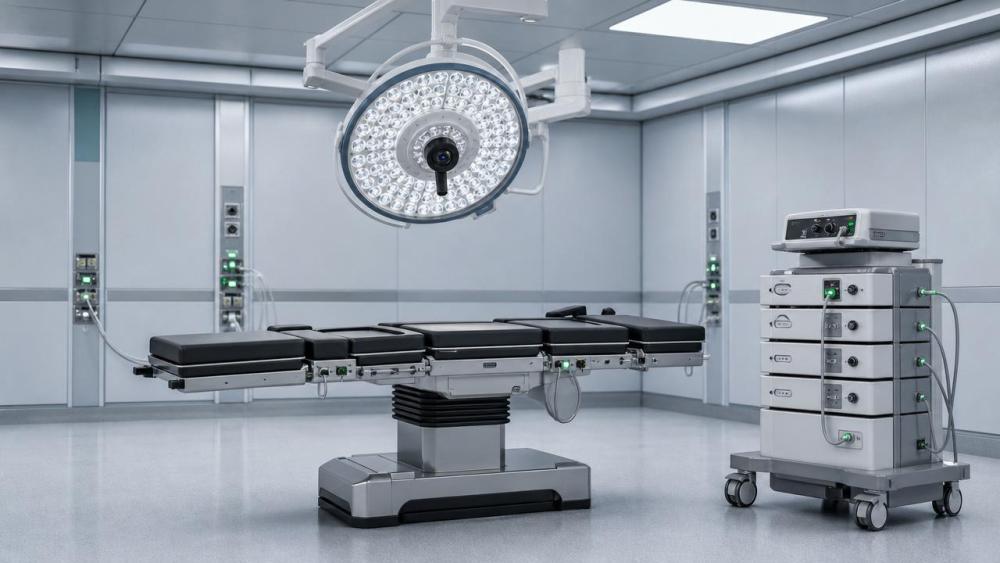
On May 16, 2026, health ministers from Saudi Arabia, the United Arab Emirates, Qatar, Kuwait, Oman, and Bahrain signed an amendment to the GCC Digital OR Interoperability Framework in Riyadh. The update introduces mandatory plug-and-play communication protocols for three critical medical device categories—surgical lights & cameras, digital operating tables, and electrosurgical units—effective January 1, 2027. This marks a significant regulatory shift for global suppliers targeting Gulf Cooperation Council (GCC) markets, particularly those in the surgical technology supply chain.
Event Overview
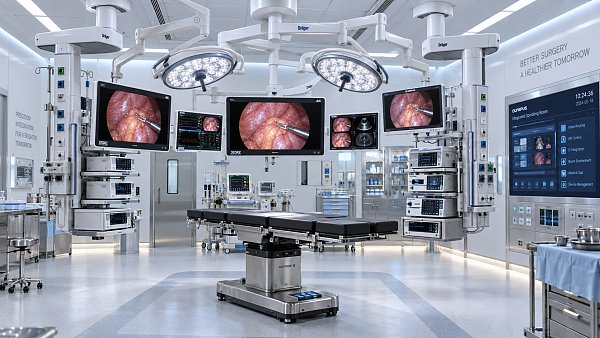
On May 16, 2026, the six GCC member states jointly adopted the amendment to the GCC Digital Operating Room Interoperability Framework. The amendment mandates IEEE 11073-20601-2026–compliant plug-and-play interoperability for surgical lights & cameras, digital operating tables, and electrosurgical units. Compliance becomes compulsory for all new device registrations and market entry submissions starting January 1, 2027. The framework is administered under the GCC Standardization Organization (GSO) and enforced by national health authorities.
Industries Affected
Direct Trade Enterprises: Exporters and distributors of surgical equipment into GCC countries face immediate regulatory gatekeeping. Devices lacking certified IEEE 11073-20601-2026 conformance will be rejected during GSO conformity assessment. Impact manifests in delayed market access, increased pre-market testing costs, and potential contract renegotiation with hospital procurement consortia.
Raw Material Procurement Enterprises: Firms sourcing electronic components—including image sensors, real-time communication ICs, and embedded security modules—must now prioritize suppliers with traceable IEEE 11073–aligned firmware stacks and hardware abstraction layers. Demand is shifting toward components pre-validated for medical-grade data channeling (e.g., ISO/IEEE 11073–certified Bluetooth LE or Ethernet PHY modules), not just generic industrial parts.
Manufacturing Enterprises: OEMs and ODMs producing surgical devices must redesign firmware architecture to embed HL7 v2/v3 and IEEE 11073-20601-2026 message mapping layers. This affects both new product development timelines and legacy product re-certification cycles. Notably, mechanical assembly lines remain unaffected—but software validation, cybersecurity documentation, and clinical interface testing now carry equal weight in production planning.
Supply Chain Service Providers: Third-party regulatory consultants, test labs, and certification bodies accredited by GSO are experiencing surging demand for IEEE 11073-20601-2026 conformance verification and HL7 integration auditing. Logistics providers handling time-sensitive device registration dossiers must now coordinate with notified bodies earlier in the submission cycle to avoid clearance bottlenecks.
Key Focus Areas and Recommended Actions
Accelerate HL7/IEEE Translation Module Deployment
Chinese and other non-GCC manufacturers should treat the deployment of standardized HL7-to-IEEE 11073 translation modules—not as optional middleware but as a foundational compliance layer. Prioritize modules validated against GSO’s reference test harnesses, not internal lab simulations alone.
Engage GSO-Accredited Test Laboratories Early
Pre-submission conformance testing at laboratories listed on the GSO’s official register (e.g., SGS GCC, Bureau Veritas Dubai, TÜV Rheinland Doha) reduces post-submission rejection risk. Testing windows are already extending beyond 12 weeks; early engagement secures slots before Q4 2026 backlog peaks.
Review Device Lifecycle Documentation
Technical files, risk management reports (per ISO 14971:2019), and cybersecurity plans (per IEC 81001-5-1:2021) must explicitly reference IEEE 11073-20601-2026 implementation scope—including data object definitions, state transition logic, and error-handling behavior. Generic ‘interoperability’ statements no longer suffice.
Editorial Insight / Industry Observation
Observably, this amendment signals GCC’s strategic pivot from device-level regulation toward ecosystem-level control—treating the operating room as a unified clinical information system rather than a collection of standalone tools. Analysis shows that while the technical standard itself is not novel, its binding enforcement across six sovereign jurisdictions simultaneously represents the first regional harmonization effort of this scale in surgical informatics. From an industry perspective, the timeline (18 months from adoption to enforcement) appears calibrated to pressure mid-tier manufacturers—especially those reliant on modular, off-the-shelf communication stacks—while accommodating top-tier firms with existing IEEE 11073 engineering capacity. Current evidence suggests hospitals will begin specifying IEEE 11073 compliance in tender documents as early as Q3 2026, ahead of formal enforcement.
Conclusion
This amendment does not merely raise technical barriers—it redefines market eligibility. For surgical technology vendors, interoperability is no longer a differentiator; it is the baseline condition of entry. A rational interpretation is that GCC is consolidating its digital health infrastructure around deterministic, standards-based data flow—prioritizing clinical workflow integrity over vendor flexibility. Long-term, this may accelerate consolidation among device suppliers capable of end-to-end protocol stack ownership.
Source Attribution
Official text published by the Gulf Cooperation Council Standardization Organization (GSO), Document No. GSO/GCC/DOR/AMND/2026/01, released May 16, 2026. Confirmed via joint press release issued by the Saudi Ministry of Health and GCC Secretariat General. Further implementation guidelines—including test methodology details and transitional arrangements for devices registered prior to January 2027—are pending publication and remain under active monitoring.
Recommended News
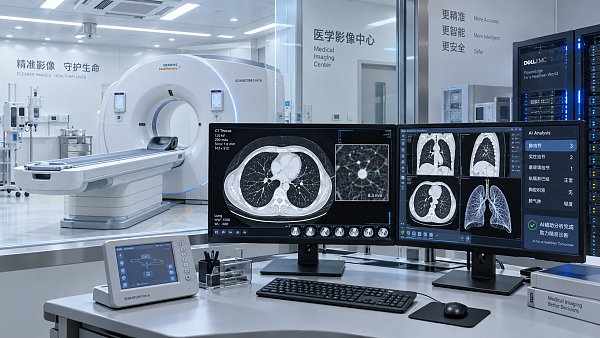
 Oct 03, 2026How Detection Algorithms Improve Sensitivity and Workflow in Medical ImagingMedical imaging algorithms detection improves sensitivity, manages false positives, and streamlines clinical workflows. Explore validation, integration, and governance essentials.
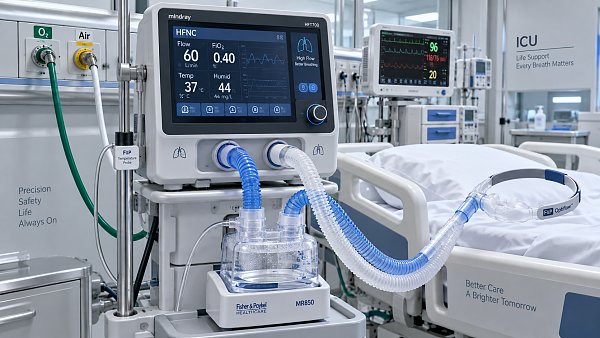
 Oct 02, 2026High-Flow ICU Ventilators: Key Selection Criteria for Acute Respiratory CareICU ventilators high flow: discover key selection criteria for accurate gas delivery, NIV performance, humidification, alarms, reliability, and safer acute respiratory care.
 Oct 01, 2026How to Evaluate Medical Equipment Intelligence Suppliers for Hospital ProcurementMedical equipment intelligence suppliers: learn how hospitals can assess evidence quality, total cost, compliance, interoperability, and cybersecurity for smarter procurement decisions.
 Sep 30, 2026ISO 13485 Requirements for Blood Testing Instruments: A Buyer’s ChecklistBlood testing instruments ISO 13485 buyer’s checklist: verify certification scope, traceability, installation, consumables, and supplier support before you buy.
 Sep 29, 2026How to Evaluate Integrated Operating Room Systems for Workflow, Imaging, and IT IntegrationIntegrated operating room systems: evaluate workflow, imaging, IT integration, cybersecurity, and lifecycle value to select a scalable surgical solution.
 Sep 28, 2026How to Evaluate a Genetic Testing Equipment Supplier for PCR Lab ProcurementGenetic testing equipment supplier evaluation guide for PCR labs: compare performance, compliance, workflow, service, supply resilience, and total cost.
 Sep 27, 2026How to Specify Custom Benchtop Diagnostic Instruments for Your Assay WorkflowCustom diagnostic instruments benchtop guide: specify optics, fluidics, automation, software integration, and support to build a reliable assay workflow.
 Sep 26, 2026How Cardiac Imaging Analysis Tools Turn CT and MRI Data into Clinical MetricsMedical imaging analysis cardiology tools transform cardiac CT and MRI into reliable metrics. Explore segmentation, validation, workflow integration, and AI review.
 Sep 25, 2026How Iterative Image Reconstruction Algorithms Balance CT Dose, Noise, and DetailIterative image reconstruction algorithms help CT teams balance dose, noise, and diagnostic detail. Explore practical insights for confident imaging decisions.
 Sep 24, 2026What Drives the Total Cost of Medical Technology Solutions Over Their Lifecycle?Medical technology solutions cost goes far beyond purchase price—explore lifecycle drivers from installation and service to software, training, compliance, and downtime.
 Sep 24, 2026Diagnostic Imaging Technology: How Modalities Support Different Clinical DecisionsDiagnostic imaging technology supports smarter clinical decisions across CT, MRI, ultrasound, and nuclear imaging. Explore modality strengths, workflows, and selection factors.
 Sep 22, 2026How Life Science Labs Can Select Biomedical Research Equipment by Workflow and ThroughputBiomedical research equipment life science labs can select with confidence by aligning workflow, throughput, automation, data integrity, and scalable support.
 Sep 21, 2026How to Plan LIS Connectivity for Chemiluminescence Analyzers Without Data GapsChemiluminescence analyzers LIS connectivity: learn how to prevent data gaps with field mapping, exception workflows, end-to-end validation, and reliable go-live planning.
 Sep 20, 2026Selecting Fluorescence PCR Instruments: Detection Channels, Sensitivity, and Workflow FitPCR diagnostic instruments fluorescence detection guide: compare channels, sensitivity, multiplexing, and workflow fit to select a reliable platform.
 Sep 19, 2026Biomedical Signal Processing: From Sensor Data to Clinical Decision SupportBiomedical signal processing transforms sensor data into reliable clinical decision support. Explore AI, imaging, IVD, ICU monitoring, and compliance-ready MedTech insights.
 Sep 18, 2026How to Evaluate a Diagnostic Imaging Platform for Multi-Modality Workflow IntegrationDiagnostic imaging platform evaluation guide: assess multi-modality workflows, interoperability, AI integration, image integrity, security, and scalability for safer clinical decisions.
 Sep 17, 2026ISO 13485 for Medical Imaging Equipment: What Manufacturers Must DocumentMedical imaging equipment ISO 13485: discover essential documentation for design controls, risk management, traceability, software, and post-market quality.
 Sep 16, 2026Robotic MIS Equipment: What Hospitals Should Evaluate Before AdoptionMinimally invasive surgical equipment robotic adoption guide: evaluate workflow, safety, imaging, costs, cybersecurity, and service readiness.
 Sep 15, 2026How to Evaluate Biomedical Signal Processing Suppliers for Clinical Device ProjectsBiomedical signal processing supplier evaluation guide for clinical device teams—compare signal fidelity, regulatory evidence, cybersecurity, integration, and lifecycle support.
 Sep 14, 2026How Integrated Clinical Diagnostics Solutions Reduce Turnaround Time Across Lab WorkflowsIntegrated clinical diagnostics solutions reduce lab turnaround time by connecting workflows, automation, and data. Discover practical strategies for faster, traceable results.
 Sep 13, 2026ECMO System Market Outlook: Demand Drivers, Investment Risks, and Growth OpportunitiesECMO system market outlook explores demand drivers, investment risks, regulatory factors, and growth opportunities shaping critical-care innovation and adoption.
 Sep 12, 2026Where to Find Reliable Medical Device Information for Research and Due DiligenceMedical device information resource guide for due diligence: verify regulatory, clinical, safety, and technical evidence to make confident decisions.
 Sep 11, 2026Medical Equipment Intelligence: A Resource for Comparing Clinical TechnologiesMedical equipment intelligence resource for comparing clinical technologies by clinical fit, compliance, workflow, and total cost—make confident, evidence-led decisions.
 Sep 10, 2026How to Integrate Application-Specific Medical Solutions Into Existing Clinical WorkflowsApplication-specific medical solutions integration: learn how to align clinical workflows, interoperability, safety, and measurable outcomes for reliable deployment.


















Related News
- 00
0000-00
Mobile Surgical Lighting Systems: Key Specs to Compare Before Buying - 00
0000-00
EU MDR Annex XVI Takes Full Effect for OR Software - 00
0000-00
How to Choose Surgical Lighting Systems for the Emergency Room: Key Specs That Matter - 00
0000-00
EU MDR Annex XVI Brings OR Software Under SaMD Rules - 00
0000-00
How to Choose Ceiling-Mounted Surgical Lighting Systems for OR Size, Shadow Control, and Workflow
Weekly Insights
Stay ahead with our curated technology reports delivered every Monday.