
Medical device digitalization is reducing workflow delays
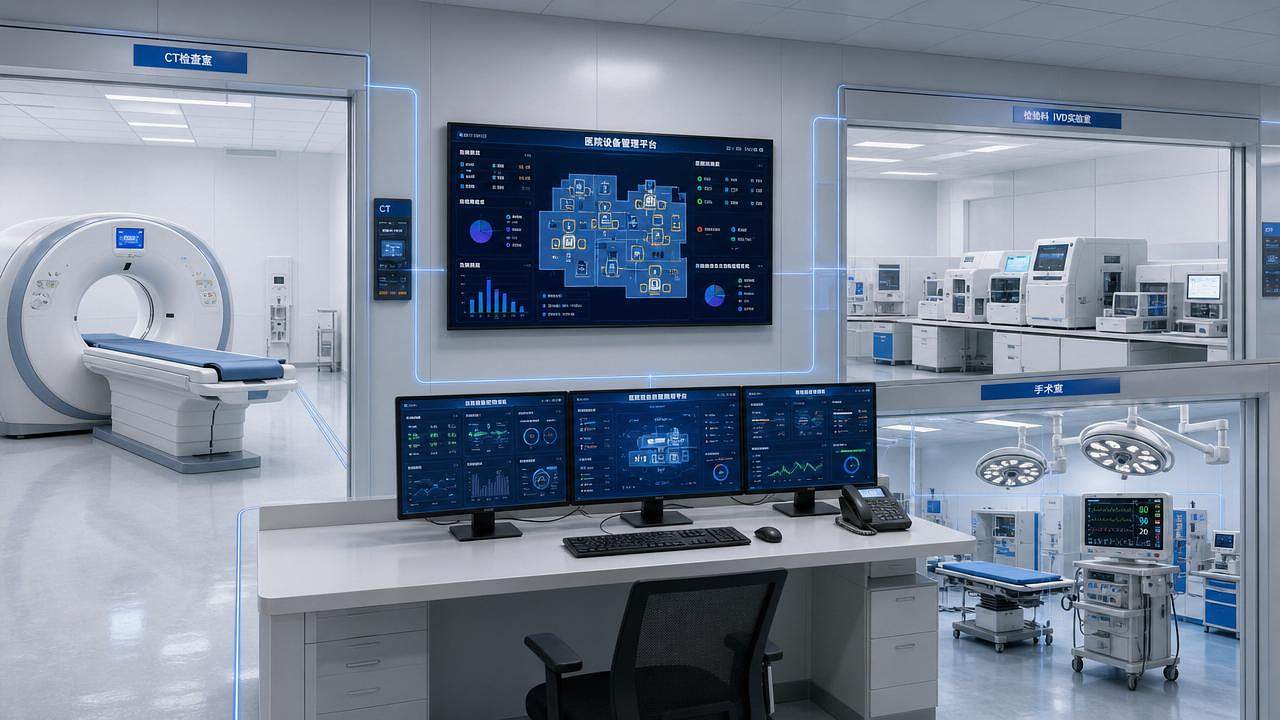




Medical device digitalization is reshaping how hospitals and MedTech teams manage imaging, diagnostics, life support, and surgical systems. For project managers and engineering leaders, it offers a practical path to reduce workflow delays, improve equipment coordination, and strengthen compliance across complex clinical environments. As digital integration accelerates, understanding where efficiency gains truly come from has become essential to delivering safer, faster, and more reliable care.
For project managers, the key question is not whether digitalization matters, but where it removes delays that directly affect delivery, uptime, and clinical performance. In most healthcare environments, workflow friction comes from disconnected devices, fragmented data, manual handoffs, uneven maintenance visibility, and compliance-heavy documentation processes.
The strongest value of medical device digitalization appears when it links operational decisions with clinical realities. It helps teams see asset status faster, coordinate departments better, reduce avoidable interruptions, and support traceable, audit-ready processes. For engineering leaders, that means fewer blind spots and more control over execution risk.
Why workflow delays still happen in modern clinical environments
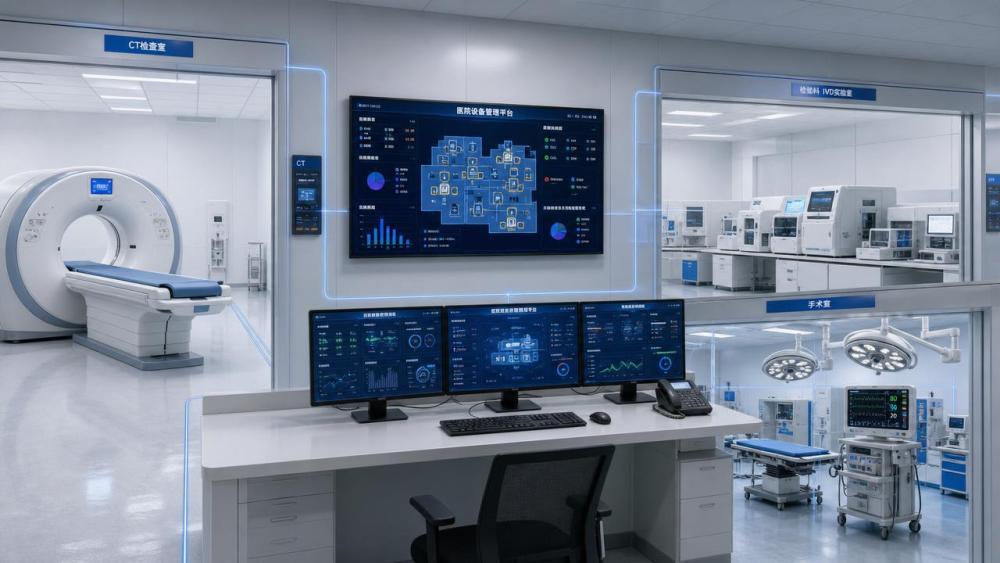
Hospitals may invest in advanced scanners, IVD analyzers, ventilators, endoscopy towers, and digital operating room systems, yet delays still persist because the surrounding workflows remain partially manual. The device itself may be modern, while scheduling, reporting, alerts, integration, and maintenance processes lag behind.
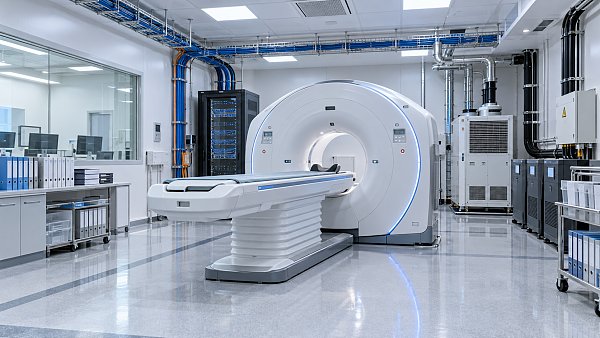
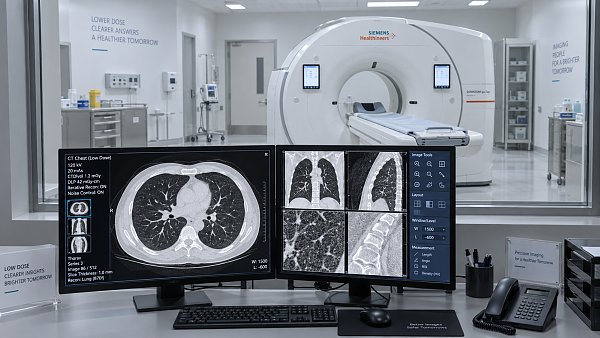
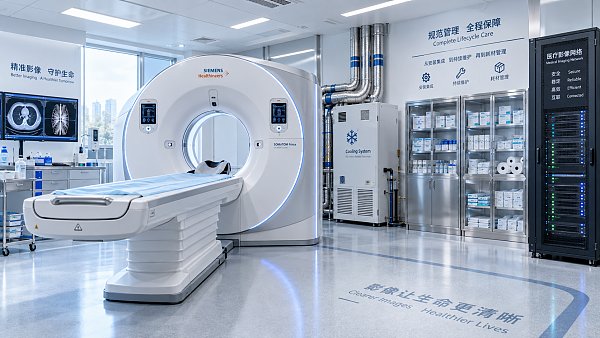
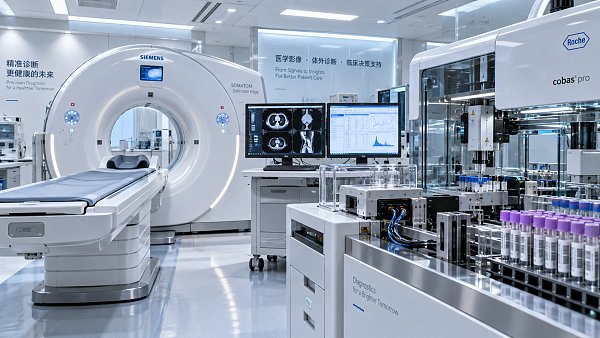
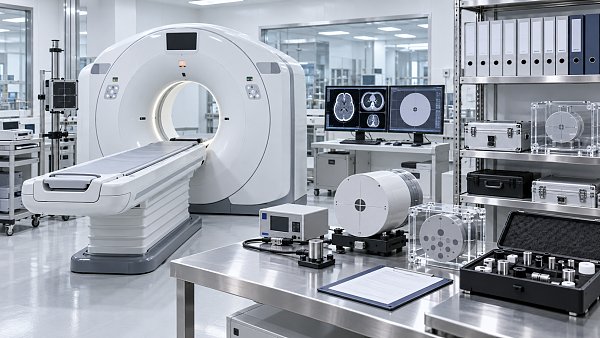
In imaging, delays often start before the scan. Orders may lack complete metadata, patient preparation status may not be visible, modality schedules may not update in real time, and image transfer queues may create bottlenecks. Even a high-performance CT or MRI system loses value if downstream coordination is weak.
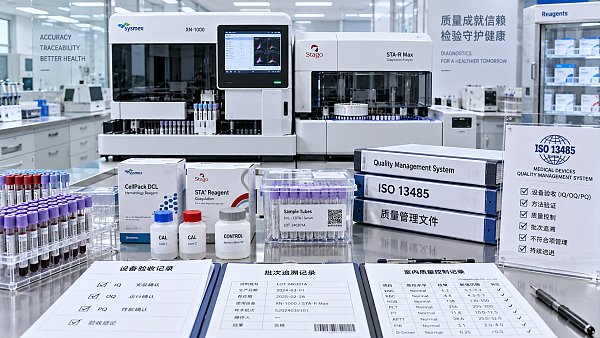
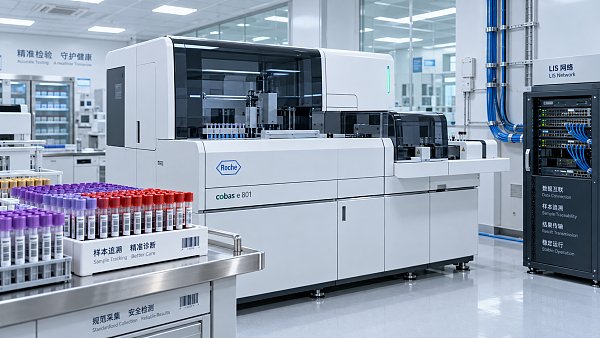
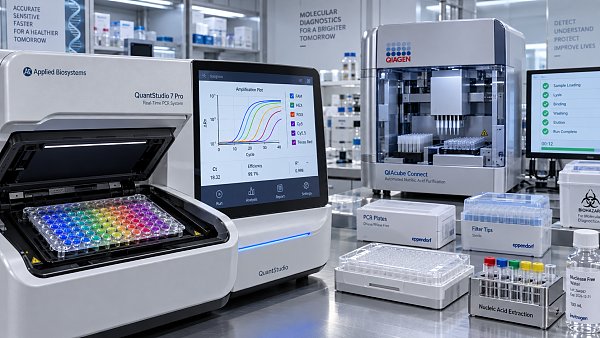
In IVD environments, instrument throughput can be high, but workflow breaks happen when sample tracking, reagent visibility, quality control, and result routing are disconnected. A short delay in one pre-analytical or post-analytical step can affect turnaround time across a much larger testing volume.
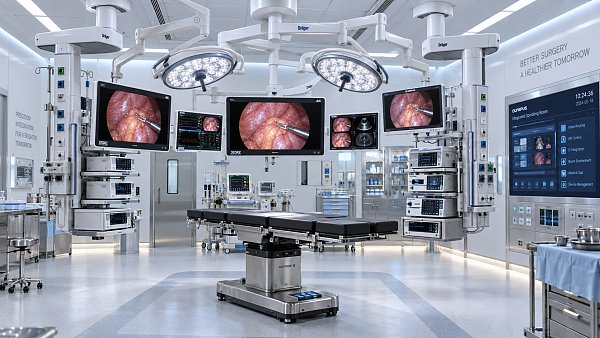
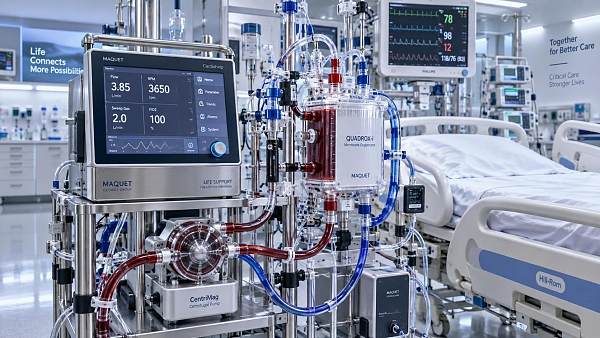
Life support and operating room equipment present a different challenge. Here, delays are not only inefficient but clinically critical. If device status, readiness checks, or maintenance alerts are not digitized, teams may discover problems too late, creating pressure during high-acuity events or tightly scheduled surgical blocks.
For project leaders, these delays are rarely caused by one technology gap alone. They typically reflect system-level fragmentation. That is why medical device digitalization should be evaluated as a workflow architecture strategy, not simply as a device feature upgrade.
What medical device digitalization actually changes in day-to-day operations
Medical device digitalization replaces isolated device behavior with connected operational intelligence. In practical terms, this means equipment can share status data, interface with hospital information systems, generate service signals automatically, and support remote visibility for engineering and management teams.
That shift matters because delays usually grow in the spaces between tasks. A digitalized environment reduces handoff friction. Instead of waiting for phone calls, paper logs, or manual updates, teams can act on structured data from devices, middleware, asset platforms, and clinical workflow systems.
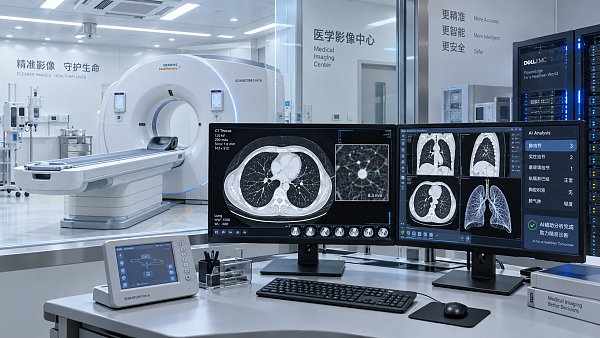
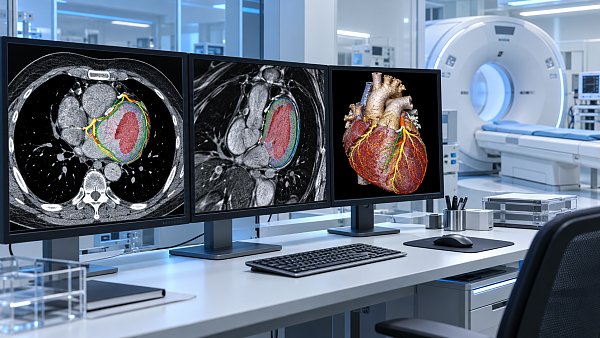
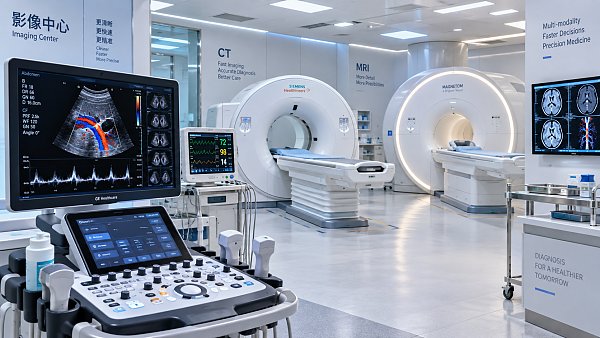
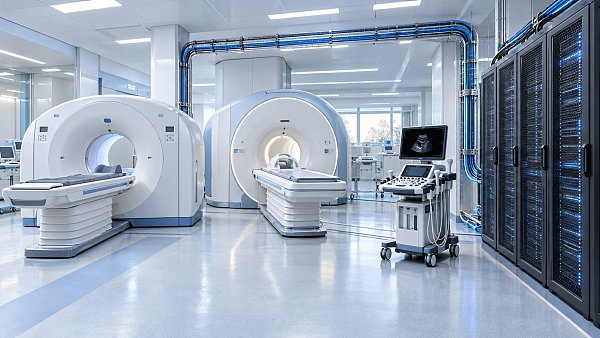
For imaging departments, digitalization improves exam coordination, protocol standardization, image routing, and uptime monitoring. It also helps connect modality performance data with staffing and scheduling patterns, giving managers a clearer picture of where throughput losses truly originate.
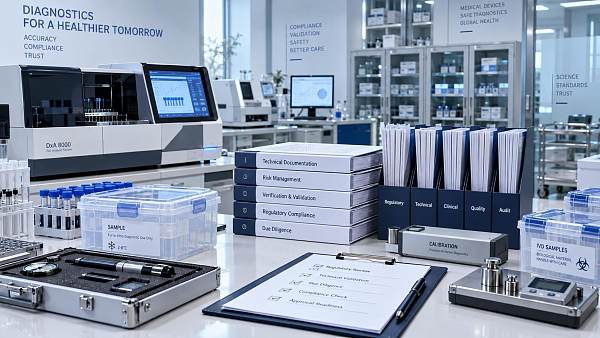
For diagnostics teams, the gains often come from chain-of-custody visibility, automated instrument status reporting, calibrated quality management, and integration between analyzers and laboratory systems. This allows project stakeholders to identify whether delays stem from hardware constraints, process design, or information flow.
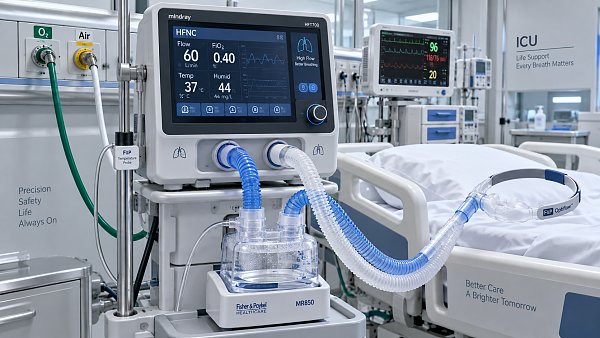
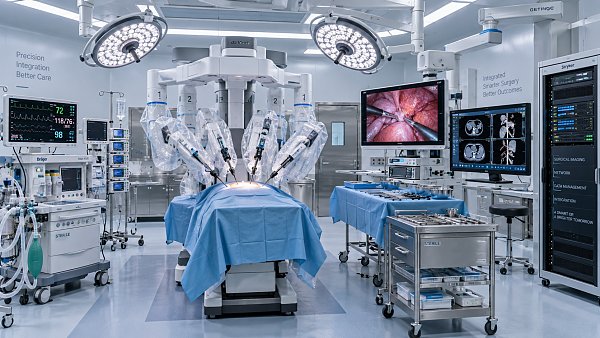
In surgical and critical care settings, digitalization supports equipment readiness, centralized device tracking, digital checklists, and alarm or fault escalation. These features reduce uncertainty before procedures and shorten response times when issues appear during use.
The broader point is simple: digitalization does not only make devices smarter. It makes workflows more observable. That observability is what helps project managers reduce hidden delays, prioritize interventions, and justify future investment decisions.
Where project managers and engineering leaders see the biggest efficiency gains
Target readers in project and engineering roles usually care less about abstract digital transformation claims and more about measurable operational improvement. The best starting point is to identify where medical device digitalization produces immediate gains without disrupting clinical continuity.
One major area is asset visibility. If teams can see utilization, device status, error logs, maintenance windows, and readiness data from a centralized view, they spend less time chasing information. This improves planning for both daily operations and capital deployment.
Another high-value area is downtime reduction. Digital monitoring can detect degradation signals earlier, support predictive service actions, and reduce the chance that equipment failures are discovered during active clinical demand. For high-cost systems, even modest uptime improvements can produce meaningful financial return.
Documentation efficiency is also important. Regulatory and quality requirements generate heavy process overhead, especially across imaging, diagnostics, and life support systems. Digital records reduce manual duplication, improve traceability, and support faster preparation for audits, investigations, and service reviews.
Cross-functional coordination improves as well. Engineering, IT, clinical users, procurement, and compliance teams often operate with different data sources and priorities. Digitalization creates a shared operational layer, making escalation paths clearer and reducing delays caused by misaligned information.
Finally, digitalization supports scalability. As hospital groups expand or manufacturers deploy equipment across multiple sites, standardized digital processes become essential. Without them, workflow complexity rises faster than team capacity, and delays become harder to manage consistently.
How to judge whether a digitalization initiative will really reduce delays
Not every digital project delivers real workflow value. Some add dashboards without fixing root causes, while others create integration burden that overwhelms local teams. Project managers need a practical evaluation framework before approving or expanding any medical device digitalization program.
Start with delay mapping. Identify where time is actually lost: order entry, patient prep, sample movement, room turnover, device startup, maintenance response, data transfer, or report release. If a project cannot clearly target one or more of these delay points, its value may be overstated.
Next, look at interoperability. A digitalized device that cannot exchange meaningful data with RIS, PACS, LIS, EMR, CMMS, or hospital network infrastructure may create another silo rather than remove one. Integration quality often determines whether promised efficiency gains become real.
Then assess alert quality and actionability. More data is not automatically better. If a system produces noisy alerts, unclear thresholds, or excessive false positives, staff may ignore it. Good digitalization reduces decision burden instead of increasing it.
Ownership is another key factor. Workflow improvement usually sits across multiple functions, so someone must own the process after deployment. If responsibility for data governance, escalation logic, training, and KPI review is vague, the initiative may stall after implementation.
Finally, measure against operational outcomes, not only technical go-live milestones. Useful indicators include turnaround time, exam throughput, room utilization, repeat procedure rate, downtime hours, maintenance response speed, and audit preparation effort. These metrics show whether delays are actually decreasing.
Risk, compliance, and cybersecurity cannot be treated as secondary issues
In medical environments, the promise of speed means little if digitalization introduces compliance or security weaknesses. Project leaders must balance workflow efficiency with the high standards required for patient safety, device integrity, and regulatory accountability.
Connected devices expand the attack surface. Imaging systems, analyzers, ventilators, and surgical platforms increasingly rely on network access, software updates, remote diagnostics, and cloud-connected services. Each connection point can become a vulnerability if governance is weak.
That is why cybersecurity planning should be built into the project from the beginning. Network segmentation, identity controls, patch strategy, software bill of materials visibility, and vendor incident response commitments all matter. Delaying these discussions usually increases deployment friction later.
Compliance is equally important. In regulated markets, digital workflows must support traceability, validation, change control, and data integrity expectations. Project teams should confirm how logs are captured, how records are retained, and how updates affect validation status across the equipment lifecycle.
There is also a usability risk. If digital tools complicate clinical work, staff may create informal workarounds, undermining both efficiency and compliance. Project managers should include user testing and frontline feedback early, especially in high-pressure care environments where every extra step matters.
For organizations aiming at international growth, these issues become strategic. Strong digitalization is not only about speed; it is about building systems that can withstand audits, scale across regions, and maintain trust under operational pressure.
How AMDS intelligence supports better digitalization decisions
For teams working across complex clinical equipment categories, decision quality depends on seeing the full picture: technical feasibility, compliance exposure, workflow fit, and financial impact. That is where AMDS provides value beyond generic digital health commentary.
Its focus on imaging, IVD, life support, operating room infrastructure, and endoscopic systems reflects the real environments where workflow delays have high operational and clinical consequences. These are not simple consumer technologies. They are capital-intensive, compliance-sensitive systems with mission-critical roles.
AMDS also bridges disciplines that project leaders often struggle to connect internally. Compliance analysis, engineering interpretation, and health economics are usually separated in different teams. By aligning these perspectives, decision-makers can evaluate digitalization initiatives with more confidence and less guesswork.
For example, a hospital or manufacturer may understand that connected imaging equipment can improve throughput, but still need to assess CE MDR or FDA implications, integration architecture demands, and ROI under cost-constrained reimbursement models. Those are the practical questions that shape project success.
Likewise, in diagnostics and critical care, the issue is not simply whether a platform has digital features. The more important question is whether those features support reliable, scalable, and compliant operations in real-world conditions. AMDS helps frame that distinction clearly.
For engineering leaders and project managers, this kind of intelligence is especially useful when building business cases, selecting vendors, planning phased deployment, or aligning stakeholders who evaluate risk through different lenses.
What a realistic rollout strategy looks like for organizations under pressure
Organizations do not need to digitalize everything at once to reduce delays. In fact, phased rollout is usually more effective. The best programs start where workflow pain is visible, measurable, and operationally important.
Begin with one service line or one device category that has clear bottlenecks, such as radiology throughput, laboratory turnaround, OR equipment readiness, or ICU asset availability. This creates a manageable scope and allows teams to test integration and governance models before scaling.
Set a baseline before implementation. Measure current delays, manual touchpoints, downtime frequency, and documentation burden. Without baseline data, it becomes difficult to prove whether digitalization is creating value or simply shifting work between departments.
Engage end users early. Biomedical engineers, modality managers, lab supervisors, nurses, and IT specialists all see different failure points. Their input improves workflow design and reduces resistance during adoption. A technically strong solution can still fail if local reality is ignored.
Choose KPIs that matter to decision-makers. Executives may care about ROI, utilization, and risk reduction, while clinical teams may focus on turnaround time and readiness. A strong project translates medical device digitalization into results that each stakeholder group can recognize.
Most importantly, plan for continuous optimization. Workflow delays are dynamic. Volumes change, staffing changes, software evolves, and regulations shift. Digitalization should be treated as an operating capability, not a one-time installation.
Conclusion: digitalization reduces delays when it is tied to workflow, not hype
Medical device digitalization is reducing workflow delays, but not by magic and not in every deployment equally. The strongest results come when organizations focus on real bottlenecks, connect devices with operational systems, and manage integration, compliance, and user adoption with discipline.
For project managers and engineering leaders, the opportunity is substantial. Better asset visibility, faster coordination, lower downtime, stronger traceability, and more predictable execution can all emerge from well-designed digitalization efforts. These gains are especially important in imaging, diagnostics, life support, and surgical environments where delays carry high consequences.
The practical takeaway is clear: evaluate digitalization by its effect on workflow performance, not by feature lists alone. When the right systems, governance, and metrics are in place, digital transformation becomes a measurable tool for safer care, stronger operations, and smarter capital decisions.
In that context, informed intelligence matters. As healthcare technology grows more connected and more regulated, organizations that understand both the engineering details and the operational economics will be best positioned to reduce delays and deliver resilient clinical performance.
Recommended News
 Oct 03, 2026How Detection Algorithms Improve Sensitivity and Workflow in Medical ImagingMedical imaging algorithms detection improves sensitivity, manages false positives, and streamlines clinical workflows. Explore validation, integration, and governance essentials.
 Oct 02, 2026High-Flow ICU Ventilators: Key Selection Criteria for Acute Respiratory CareICU ventilators high flow: discover key selection criteria for accurate gas delivery, NIV performance, humidification, alarms, reliability, and safer acute respiratory care.
 Oct 01, 2026How to Evaluate Medical Equipment Intelligence Suppliers for Hospital ProcurementMedical equipment intelligence suppliers: learn how hospitals can assess evidence quality, total cost, compliance, interoperability, and cybersecurity for smarter procurement decisions.
 Sep 30, 2026ISO 13485 Requirements for Blood Testing Instruments: A Buyer’s ChecklistBlood testing instruments ISO 13485 buyer’s checklist: verify certification scope, traceability, installation, consumables, and supplier support before you buy.
 Sep 29, 2026How to Evaluate Integrated Operating Room Systems for Workflow, Imaging, and IT IntegrationIntegrated operating room systems: evaluate workflow, imaging, IT integration, cybersecurity, and lifecycle value to select a scalable surgical solution.
 Sep 28, 2026How to Evaluate a Genetic Testing Equipment Supplier for PCR Lab ProcurementGenetic testing equipment supplier evaluation guide for PCR labs: compare performance, compliance, workflow, service, supply resilience, and total cost.
 Sep 27, 2026How to Specify Custom Benchtop Diagnostic Instruments for Your Assay WorkflowCustom diagnostic instruments benchtop guide: specify optics, fluidics, automation, software integration, and support to build a reliable assay workflow.
 Sep 26, 2026How Cardiac Imaging Analysis Tools Turn CT and MRI Data into Clinical MetricsMedical imaging analysis cardiology tools transform cardiac CT and MRI into reliable metrics. Explore segmentation, validation, workflow integration, and AI review.
 Sep 25, 2026How Iterative Image Reconstruction Algorithms Balance CT Dose, Noise, and DetailIterative image reconstruction algorithms help CT teams balance dose, noise, and diagnostic detail. Explore practical insights for confident imaging decisions.
 Sep 24, 2026What Drives the Total Cost of Medical Technology Solutions Over Their Lifecycle?Medical technology solutions cost goes far beyond purchase price—explore lifecycle drivers from installation and service to software, training, compliance, and downtime.
 Sep 24, 2026Diagnostic Imaging Technology: How Modalities Support Different Clinical DecisionsDiagnostic imaging technology supports smarter clinical decisions across CT, MRI, ultrasound, and nuclear imaging. Explore modality strengths, workflows, and selection factors.
 Sep 22, 2026How Life Science Labs Can Select Biomedical Research Equipment by Workflow and ThroughputBiomedical research equipment life science labs can select with confidence by aligning workflow, throughput, automation, data integrity, and scalable support.
 Sep 21, 2026How to Plan LIS Connectivity for Chemiluminescence Analyzers Without Data GapsChemiluminescence analyzers LIS connectivity: learn how to prevent data gaps with field mapping, exception workflows, end-to-end validation, and reliable go-live planning.
 Sep 20, 2026Selecting Fluorescence PCR Instruments: Detection Channels, Sensitivity, and Workflow FitPCR diagnostic instruments fluorescence detection guide: compare channels, sensitivity, multiplexing, and workflow fit to select a reliable platform.
 Sep 19, 2026Biomedical Signal Processing: From Sensor Data to Clinical Decision SupportBiomedical signal processing transforms sensor data into reliable clinical decision support. Explore AI, imaging, IVD, ICU monitoring, and compliance-ready MedTech insights.
 Sep 18, 2026How to Evaluate a Diagnostic Imaging Platform for Multi-Modality Workflow IntegrationDiagnostic imaging platform evaluation guide: assess multi-modality workflows, interoperability, AI integration, image integrity, security, and scalability for safer clinical decisions.
 Sep 17, 2026ISO 13485 for Medical Imaging Equipment: What Manufacturers Must DocumentMedical imaging equipment ISO 13485: discover essential documentation for design controls, risk management, traceability, software, and post-market quality.
 Sep 16, 2026Robotic MIS Equipment: What Hospitals Should Evaluate Before AdoptionMinimally invasive surgical equipment robotic adoption guide: evaluate workflow, safety, imaging, costs, cybersecurity, and service readiness.
 Sep 15, 2026How to Evaluate Biomedical Signal Processing Suppliers for Clinical Device ProjectsBiomedical signal processing supplier evaluation guide for clinical device teams—compare signal fidelity, regulatory evidence, cybersecurity, integration, and lifecycle support.
 Sep 14, 2026How Integrated Clinical Diagnostics Solutions Reduce Turnaround Time Across Lab WorkflowsIntegrated clinical diagnostics solutions reduce lab turnaround time by connecting workflows, automation, and data. Discover practical strategies for faster, traceable results.
 Sep 13, 2026ECMO System Market Outlook: Demand Drivers, Investment Risks, and Growth OpportunitiesECMO system market outlook explores demand drivers, investment risks, regulatory factors, and growth opportunities shaping critical-care innovation and adoption.
 Sep 12, 2026Where to Find Reliable Medical Device Information for Research and Due DiligenceMedical device information resource guide for due diligence: verify regulatory, clinical, safety, and technical evidence to make confident decisions.
 Sep 11, 2026Medical Equipment Intelligence: A Resource for Comparing Clinical TechnologiesMedical equipment intelligence resource for comparing clinical technologies by clinical fit, compliance, workflow, and total cost—make confident, evidence-led decisions.
 Sep 10, 2026How to Integrate Application-Specific Medical Solutions Into Existing Clinical WorkflowsApplication-specific medical solutions integration: learn how to align clinical workflows, interoperability, safety, and measurable outcomes for reliable deployment.






Related News
- 00
0000-00
How Detection Algorithms Improve Sensitivity and Workflow in Medical Imaging - 00
0000-00
How to Evaluate Integrated Operating Room Systems for Workflow, Imaging, and IT Integration - 00
0000-00
How Cardiac Imaging Analysis Tools Turn CT and MRI Data into Clinical Metrics - 00
0000-00
Diagnostic Imaging Technology: How Modalities Support Different Clinical Decisions - 00
0000-00
How Life Science Labs Can Select Biomedical Research Equipment by Workflow and Throughput
Weekly Insights
Stay ahead with our curated technology reports delivered every Monday.