
Why biochemical detection technology affects lab accuracy
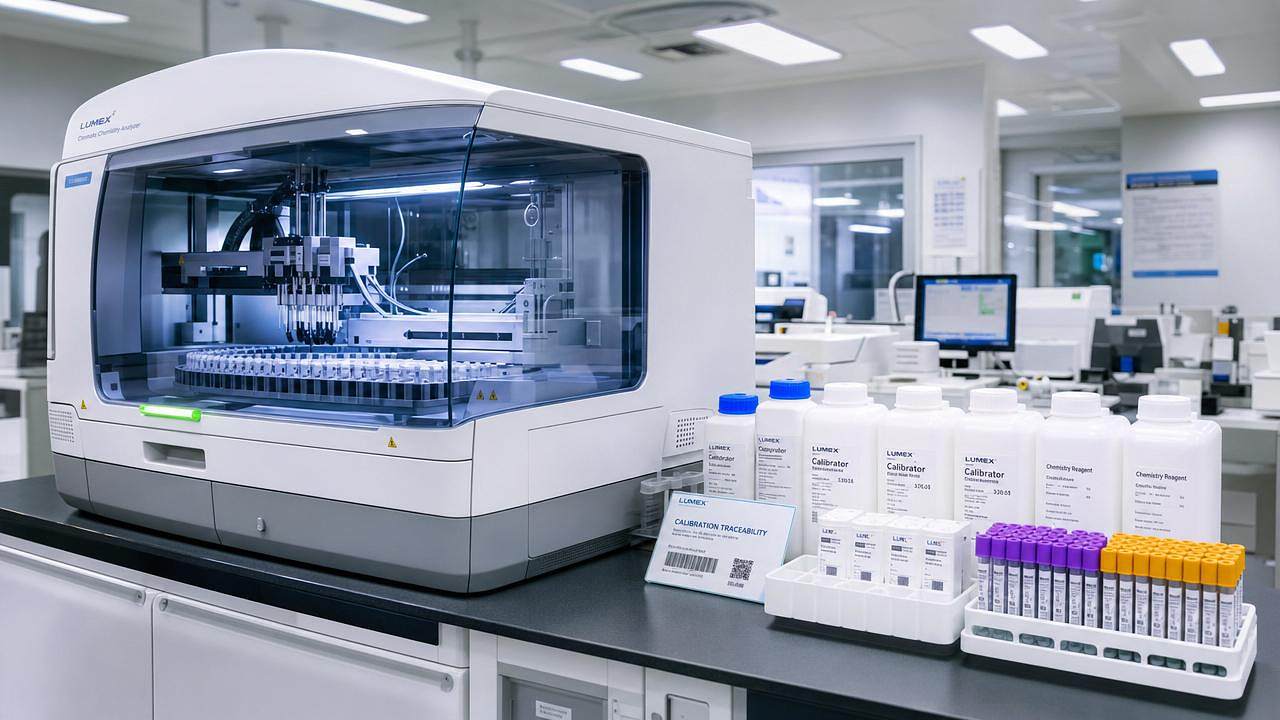




In modern laboratories, biochemical detection technology directly shapes the accuracy of every result, from routine screening to critical clinical decisions. For quality control and safety managers, even small deviations in detection sensitivity, reagent stability, or instrument calibration can lead to major compliance and patient-risk consequences. Understanding how biochemical detection technology influences lab accuracy is essential to building reliable, traceable, and high-standard diagnostic workflows.
For most searchers, the real question is not whether technology matters, but how it affects result reliability, regulatory exposure, and daily quality control decisions. That is the practical lens this article follows.
Why biochemical detection technology is a direct driver of lab accuracy
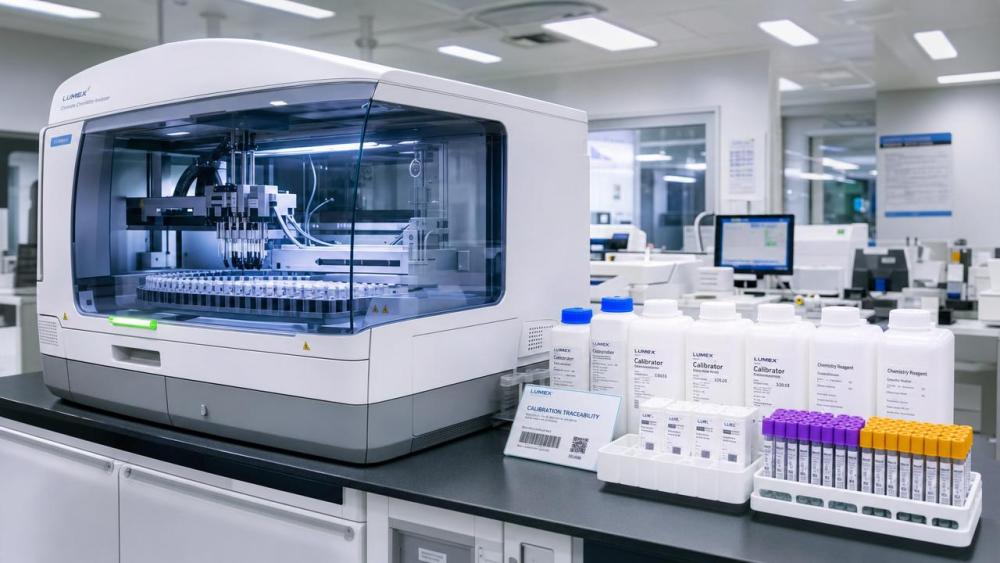
Biochemical detection technology determines how a laboratory identifies, measures, and interprets biological substances in blood, serum, plasma, urine, and other clinical samples. Accuracy begins at this technical foundation.
If the detection principle is weak, poorly matched to the analyte, or vulnerable to interference, the laboratory may produce results that are technically generated but clinically misleading. That is a major risk.
For quality control and safety managers, lab accuracy is not only about a machine producing numbers. It is about whether those numbers remain stable, traceable, comparable, and defensible across shifts, batches, operators, and audits.
Biochemical detection technology affects all of these dimensions because it influences signal generation, signal capture, calibration behavior, reagent reaction consistency, and the system’s tolerance for environmental or operational variation.
In other words, when a laboratory chooses or manages the wrong biochemical detection technology, even strong staff discipline cannot fully compensate for the technical limitations built into the process.
What quality and safety managers are really trying to prevent
Target readers in quality and safety roles usually care less about abstract innovation and more about control. They want to prevent false results, process drift, delayed detection of failures, and nonconformities during inspections.
They are also concerned with downstream consequences. A small analytical bias can trigger repeated testing, clinician distrust, delayed treatment, product recalls, report corrections, or failure to meet accreditation requirements.
In clinical and diagnostic environments, inaccurate biochemical results can alter patient classification, treatment choices, infection management, and emergency decision-making. That turns technical error into operational and legal exposure.
This is why biochemical detection technology should be evaluated as a risk-control system, not simply as a performance feature. The technology affects both patient safety and the laboratory’s compliance resilience.
How detection principles influence measurement reliability
Different biochemical detection technologies rely on different analytical principles, such as colorimetry, immunoassay, chemiluminescence, fluorescence, electrochemical sensing, and molecular amplification-linked biochemical reactions.
Each principle has its own sensitivity, specificity, linear range, susceptibility to interference, and maintenance burden. These differences directly influence how accurately an analyte is detected under real operating conditions.
For example, a method with high analytical sensitivity may detect low-concentration biomarkers effectively, but it may also become more vulnerable to background noise or cross-reactivity if assay design is not robust.
Similarly, a technology that performs well under controlled validation may show reduced accuracy in high-throughput settings if sample carryover, reagent degradation, or unstable temperature control are not managed carefully.
Quality managers should therefore ask a basic but critical question: does the selected biochemical detection technology remain accurate under the exact sample mix, throughput pressure, and operator environment of our lab?
Reagent quality and reaction stability often decide real-world accuracy
Even advanced instruments cannot overcome poor reagent performance. In many laboratories, the most common cause of result inconsistency is not hardware failure but variability in reagent lots, storage, or reaction behavior.
Biochemical detection technology depends on controlled chemical or biological interactions. If reagents lose activity, become contaminated, or react differently across lots, measurement accuracy can shift without obvious warning signs.
Lot-to-lot variation is especially important for assays involving antibodies, enzymes, substrates, or luminescent markers. Minor formulation changes can alter signal intensity, binding behavior, or calibration response.
Storage and transport conditions also matter. Exposure to heat, freeze-thaw cycles, humidity, or light may reduce reagent stability long before expiration dates indicate any visible problem.
For this reason, quality programs should include incoming lot verification, storage condition monitoring, reagent traceability, and trend review after lot changes. These steps make biochemical detection technology more dependable in practice.
Calibration and traceability are where technology meets compliance
Calibration is one of the clearest ways biochemical detection technology affects lab accuracy. If the analytical system cannot maintain stable calibration, the reported results may drift gradually or fail suddenly.
Good technology supports repeatable calibration, clear traceability to reference materials, and rapid detection of deviation. Weak systems often require frequent manual intervention, making them harder to control consistently.
For quality control teams, calibration is not only a technical setup task. It is evidence that the laboratory can connect a final patient result back to a validated measurement framework.
That traceability becomes especially important during ISO 15189, CAP, CLIA, CE, or FDA-related reviews, where laboratories must show that measurement processes are scientifically grounded and operationally controlled.
If a biochemical detection platform lacks stable calibration logic, transparent audit trails, or strong reference alignment, quality risks increase even if day-to-day output appears acceptable for a short period.
Analytical sensitivity is valuable, but specificity protects decision quality
Many buyers focus first on sensitivity because it sounds synonymous with better detection. However, for quality and safety managers, specificity is just as important because it reduces false positive and misleading results.
Biochemical detection technology that detects weak signals but cannot distinguish target analytes from interfering substances may create unnecessary follow-up testing, clinician confusion, and inconsistent case interpretation.
Common interferents include hemolysis, lipemia, icterus, heterophile antibodies, rheumatoid factors, medications, and matrix effects. The more complex the patient population, the more important interference resistance becomes.
Technology selection should therefore include interference studies, not just brochure-level sensitivity claims. A method that remains accurate in imperfect specimens is often more useful than one with idealized peak sensitivity alone.
For safety management, robust specificity also reduces the chance that a technically valid assay produces a clinically unsafe conclusion. That distinction matters in real diagnostic operations.
Instrument design and automation affect error rates more than many labs expect
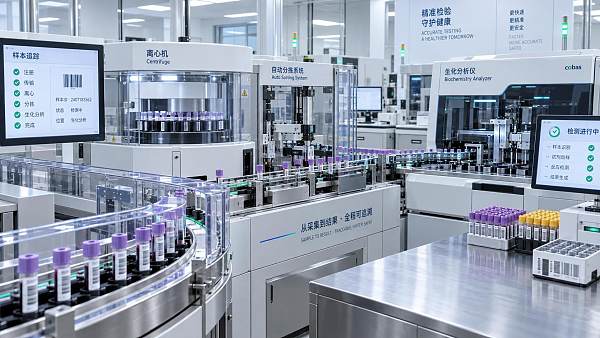
Biochemical detection technology includes not only the assay chemistry but also the instrument architecture that delivers, mixes, measures, and records each reaction. Poor design increases the probability of preventable error.
Sampling precision, pipetting stability, probe cleanliness, incubation control, wash efficiency, optical stability, and software integrity all shape final accuracy. Small mechanical inconsistencies can create systematic analytical bias.
Automation can improve accuracy by reducing manual handling, transcription mistakes, and timing variation. But automation only helps when the system design is reliable, validated, and easy to monitor.
Quality managers should pay close attention to hidden failure points, such as carryover between samples, insufficient clog detection, weak alarm logic, and incomplete operator permissions or audit logging.
In high-throughput laboratories, instrument usability is also a quality variable. If routine maintenance is complex or troubleshooting is unclear, error recovery slows and repeatability often declines.
Data management, flags, and software rules are part of biochemical accuracy
Many discussions of biochemical detection technology focus only on the wet-lab side. In reality, software interpretation, flagging logic, middleware rules, and LIS connectivity also influence lab accuracy significantly.
A result can be analytically correct but operationally mishandled if instrument flags are ignored, autoverification rules are weak, or reference interval logic is mismatched to the tested population.
Quality and safety managers should assess whether the system reliably identifies outliers, calibration failures, reagent issues, and suspected interference before incorrect results are released to clinicians.
Strong platforms support layered review, operator accountability, and traceable exception handling. Weak platforms produce data, but they do not support safe decision-making around that data.
In modern labs, biochemical detection technology should be judged as an integrated analytical and digital workflow, not as a standalone testing module.
What to check when evaluating a technology for accuracy risk
To make a practical decision, quality managers should review several areas together: analytical performance, reagent stability, calibration traceability, interference tolerance, instrument robustness, software controls, and service responsiveness.
Do not rely only on manufacturer claims or ideal validation summaries. Ask for real-world performance evidence from laboratories with similar sample types, throughput, staffing models, and compliance expectations.
Look closely at coefficient of variation, bias against reference methods, lot consistency, downtime patterns, maintenance frequency, contamination controls, and documented corrective action pathways.
Also evaluate whether the vendor provides meaningful training, post-installation validation support, and change-control documentation. Technology affects lab accuracy over time, not only on installation day.
If possible, build a cross-functional review involving laboratory operations, quality, biosafety, procurement, and clinical users. Accuracy failures rarely stay confined to one department.
How to strengthen lab accuracy after technology is already in place
Many laboratories cannot replace platforms immediately, but they can still reduce risk. The first step is to identify where the current biochemical detection technology is most vulnerable in routine use.
Review internal quality control trends, delta checks, repeat-test patterns, critical value disputes, proficiency testing outcomes, and reagent lot transitions. These often reveal hidden technology-related weaknesses.
Next, tighten preanalytical and analytical controls. Standardize specimen handling, temperature management, maintenance schedules, calibration review, and escalation rules for abnormal quality indicators.
It is also useful to categorize assays by clinical risk. High-impact tests should receive stricter review thresholds, more frequent control checks, and stronger release governance than low-risk routine measurements.
Finally, create a feedback loop between quality events and technology management. When complaints, near misses, or audit findings emerge, connect them back to assay design, instrument behavior, or workflow configuration.
Why this topic matters more as laboratories become more complex
Today’s laboratories face growing sample volumes, faster turnaround demands, tighter regulatory scrutiny, and more complex biomarker menus. Under these conditions, biochemical detection technology becomes even more influential.
As precision medicine expands, small analytical errors may affect more individualized treatment decisions. That raises the standard for sensitivity, specificity, traceability, and reproducibility across the entire testing chain.
At the same time, labs are expected to automate more, integrate more data sources, and do more with limited staff. Technology that is difficult to control becomes an operational burden very quickly.
For organizations focused on patient safety and sustainable compliance, investing in accurate biochemical detection technology is not a luxury. It is a core requirement for reliable clinical service delivery.
Conclusion: accuracy starts with technology, but reliability comes from control
Biochemical detection technology affects lab accuracy because it defines how signals are generated, measured, calibrated, interpreted, and maintained under real clinical conditions. It is the base layer of trustworthy diagnostics.
For quality control and safety managers, the most important takeaway is clear: accuracy is never produced by assay design alone. It depends on the combined strength of reagents, instruments, calibration, software, workflow, and oversight.
When evaluating or managing any biochemical detection technology, focus on practical reliability, not just technical promise. Ask how the system performs under stress, how drift is detected, and how errors are contained.
Labs that take this approach are better positioned to protect patients, satisfy auditors, reduce rework, and support confident clinical decision-making. In modern diagnostics, precision is built through disciplined technology choice and rigorous quality control.
Recommended News
 Oct 03, 2026How Detection Algorithms Improve Sensitivity and Workflow in Medical ImagingMedical imaging algorithms detection improves sensitivity, manages false positives, and streamlines clinical workflows. Explore validation, integration, and governance essentials.
 Oct 02, 2026High-Flow ICU Ventilators: Key Selection Criteria for Acute Respiratory CareICU ventilators high flow: discover key selection criteria for accurate gas delivery, NIV performance, humidification, alarms, reliability, and safer acute respiratory care.
 Oct 01, 2026How to Evaluate Medical Equipment Intelligence Suppliers for Hospital ProcurementMedical equipment intelligence suppliers: learn how hospitals can assess evidence quality, total cost, compliance, interoperability, and cybersecurity for smarter procurement decisions.
 Sep 30, 2026ISO 13485 Requirements for Blood Testing Instruments: A Buyer’s ChecklistBlood testing instruments ISO 13485 buyer’s checklist: verify certification scope, traceability, installation, consumables, and supplier support before you buy.
 Sep 29, 2026How to Evaluate Integrated Operating Room Systems for Workflow, Imaging, and IT IntegrationIntegrated operating room systems: evaluate workflow, imaging, IT integration, cybersecurity, and lifecycle value to select a scalable surgical solution.
 Sep 28, 2026How to Evaluate a Genetic Testing Equipment Supplier for PCR Lab ProcurementGenetic testing equipment supplier evaluation guide for PCR labs: compare performance, compliance, workflow, service, supply resilience, and total cost.
 Sep 27, 2026How to Specify Custom Benchtop Diagnostic Instruments for Your Assay WorkflowCustom diagnostic instruments benchtop guide: specify optics, fluidics, automation, software integration, and support to build a reliable assay workflow.
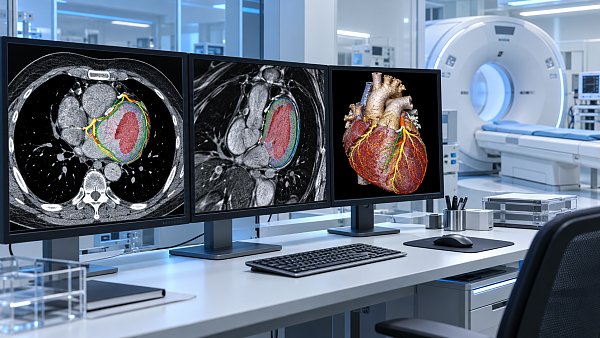
 Sep 26, 2026How Cardiac Imaging Analysis Tools Turn CT and MRI Data into Clinical MetricsMedical imaging analysis cardiology tools transform cardiac CT and MRI into reliable metrics. Explore segmentation, validation, workflow integration, and AI review.
 Sep 25, 2026How Iterative Image Reconstruction Algorithms Balance CT Dose, Noise, and DetailIterative image reconstruction algorithms help CT teams balance dose, noise, and diagnostic detail. Explore practical insights for confident imaging decisions.
 Sep 24, 2026What Drives the Total Cost of Medical Technology Solutions Over Their Lifecycle?Medical technology solutions cost goes far beyond purchase price—explore lifecycle drivers from installation and service to software, training, compliance, and downtime.
 Sep 24, 2026Diagnostic Imaging Technology: How Modalities Support Different Clinical DecisionsDiagnostic imaging technology supports smarter clinical decisions across CT, MRI, ultrasound, and nuclear imaging. Explore modality strengths, workflows, and selection factors.
 Sep 22, 2026How Life Science Labs Can Select Biomedical Research Equipment by Workflow and ThroughputBiomedical research equipment life science labs can select with confidence by aligning workflow, throughput, automation, data integrity, and scalable support.
 Sep 21, 2026How to Plan LIS Connectivity for Chemiluminescence Analyzers Without Data GapsChemiluminescence analyzers LIS connectivity: learn how to prevent data gaps with field mapping, exception workflows, end-to-end validation, and reliable go-live planning.
 Sep 20, 2026Selecting Fluorescence PCR Instruments: Detection Channels, Sensitivity, and Workflow FitPCR diagnostic instruments fluorescence detection guide: compare channels, sensitivity, multiplexing, and workflow fit to select a reliable platform.
 Sep 19, 2026Biomedical Signal Processing: From Sensor Data to Clinical Decision SupportBiomedical signal processing transforms sensor data into reliable clinical decision support. Explore AI, imaging, IVD, ICU monitoring, and compliance-ready MedTech insights.
 Sep 18, 2026How to Evaluate a Diagnostic Imaging Platform for Multi-Modality Workflow IntegrationDiagnostic imaging platform evaluation guide: assess multi-modality workflows, interoperability, AI integration, image integrity, security, and scalability for safer clinical decisions.
 Sep 17, 2026ISO 13485 for Medical Imaging Equipment: What Manufacturers Must DocumentMedical imaging equipment ISO 13485: discover essential documentation for design controls, risk management, traceability, software, and post-market quality.
 Sep 16, 2026Robotic MIS Equipment: What Hospitals Should Evaluate Before AdoptionMinimally invasive surgical equipment robotic adoption guide: evaluate workflow, safety, imaging, costs, cybersecurity, and service readiness.
 Sep 15, 2026How to Evaluate Biomedical Signal Processing Suppliers for Clinical Device ProjectsBiomedical signal processing supplier evaluation guide for clinical device teams—compare signal fidelity, regulatory evidence, cybersecurity, integration, and lifecycle support.
 Sep 14, 2026How Integrated Clinical Diagnostics Solutions Reduce Turnaround Time Across Lab WorkflowsIntegrated clinical diagnostics solutions reduce lab turnaround time by connecting workflows, automation, and data. Discover practical strategies for faster, traceable results.
 Sep 13, 2026ECMO System Market Outlook: Demand Drivers, Investment Risks, and Growth OpportunitiesECMO system market outlook explores demand drivers, investment risks, regulatory factors, and growth opportunities shaping critical-care innovation and adoption.
 Sep 12, 2026Where to Find Reliable Medical Device Information for Research and Due DiligenceMedical device information resource guide for due diligence: verify regulatory, clinical, safety, and technical evidence to make confident decisions.
 Sep 11, 2026Medical Equipment Intelligence: A Resource for Comparing Clinical TechnologiesMedical equipment intelligence resource for comparing clinical technologies by clinical fit, compliance, workflow, and total cost—make confident, evidence-led decisions.
 Sep 10, 2026How to Integrate Application-Specific Medical Solutions Into Existing Clinical WorkflowsApplication-specific medical solutions integration: learn how to align clinical workflows, interoperability, safety, and measurable outcomes for reliable deployment.



Related News
- 00
0000-00
How to Plan LIS Connectivity for Chemiluminescence Analyzers Without Data Gaps - 00
0000-00
FDA Draft IVD Rule Raises Clinical Evidence Bar - 00
0000-00
EU Extends MDR Transition, Tightens Rules for Chemiluminescence IVDs - 00
0000-00
EU MDR Transition Ends, Hitting 1,200+ Chinese IVD Firms - 00
0000-00
EU MDR Transition Ends, 1,200+ China IVD Firms at Risk
Weekly Insights
Stay ahead with our curated technology reports delivered every Monday.