
What medical equipment economics says about upgrade timing
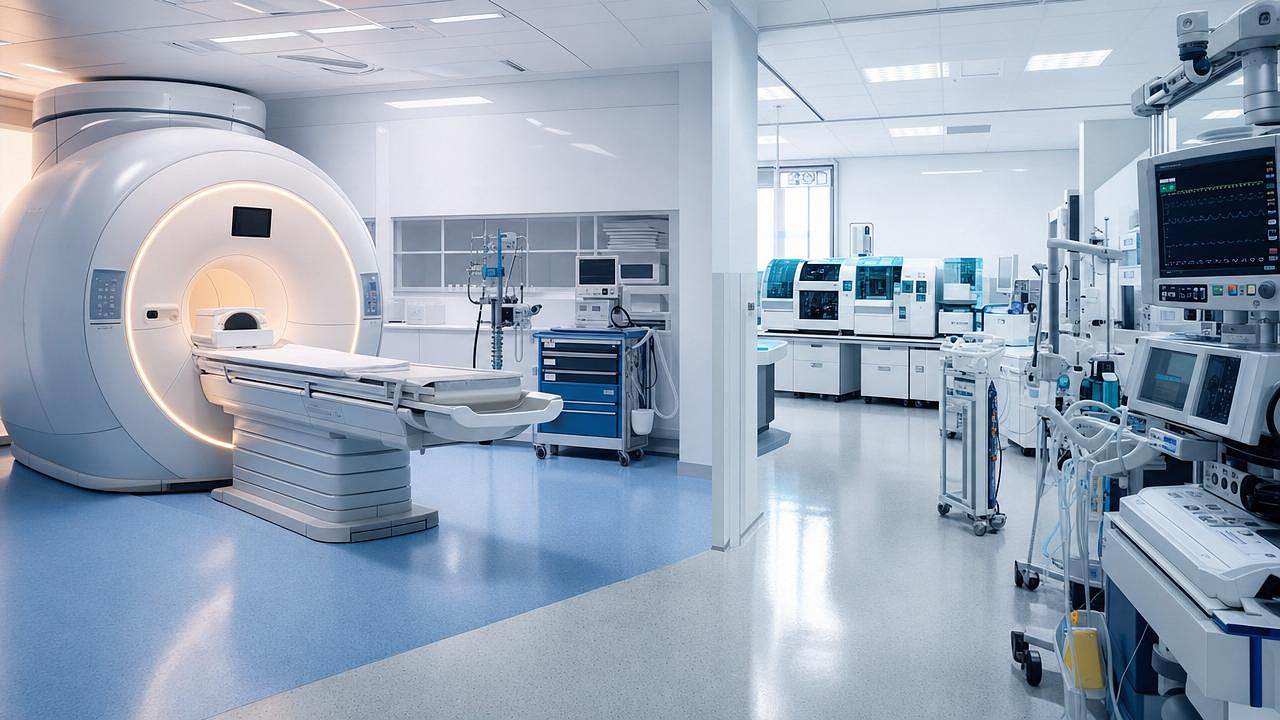




For finance approvers, upgrade timing is not just a technical decision—it is a capital allocation test. Medical equipment economics helps reveal when aging imaging, IVD, life support, or surgical systems stop being productive assets and start draining margin. The shift is rarely caused by age alone. It usually appears through rising downtime, slower throughput, compliance exposure, higher service intensity, and weaker reimbursement performance.
In large-scale clinical technology, waiting too long can be more expensive than replacing too early. A structured review reduces guesswork. It also aligns engineering reality, clinical demand, and financial return before replacement becomes urgent, disruptive, and difficult to fund.
Why a checklist improves upgrade timing decisions
The challenge with medical equipment economics is that failure signals do not arrive at the same time. An MRI may still scan well while consuming more service labor. An IVD analyzer may remain accurate while limiting test menu growth. A ventilator fleet may stay functional while creating compliance and parts risk.
A checklist makes timing decisions measurable. It converts scattered concerns into comparable indicators: asset productivity, revenue capture, utilization, risk cost, and replacement value. That is especially useful across integrated healthcare systems, mixed reimbursement models, and high-cost equipment categories.
Core checklist for medical equipment economics
Use the following checklist to identify whether an asset is approaching its economic upgrade point rather than simply its technical end of life.
- Measure downtime by lost clinical output, not only repair hours. A four-hour CT outage may erase high-value scan slots, delay care pathways, and reduce same-day revenue realization.
- Compare service cost trends over three years. Escalating parts prices, repeat failures, and emergency callouts often signal that the asset is moving beyond efficient maintenance economics.
- Track throughput against current demand. If exam time, test cycle time, or room turnover lags peers, older systems may be suppressing volume despite stable utilization schedules.
- Evaluate reimbursement fit under DRG or bundled payment logic. Equipment that supports faster diagnosis, fewer repeats, and shorter length of stay often creates indirect financial value.
- Assess compliance exposure carefully. Cybersecurity gaps, aging software, and limited traceability can turn a functioning device into a regulatory and audit liability.
- Review image quality or analytical capability against clinical expectations. If the system cannot support advanced protocols, AI tools, or new assays, opportunity cost is already present.
- Quantify staffing friction. Older platforms may require longer setup, more manual intervention, and heavier training burdens, raising labor cost per case or per test.
- Estimate residual value before decline accelerates. A timely replacement can preserve trade-in value and reduce the net capital burden of the next acquisition cycle.
- Check parts and vendor support horizon. Once critical components approach obsolescence, service continuity risk can rise faster than annual budget assumptions predict.
- Model total cost of delay. Include canceled procedures, rescheduled patients, clinician dissatisfaction, and competitive leakage to better-equipped facilities.
How the timing signal differs by equipment category
Medical imaging systems
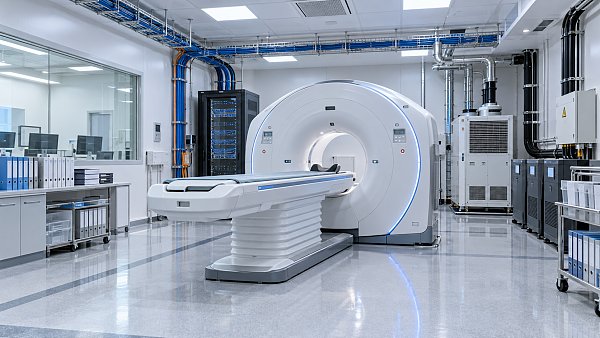
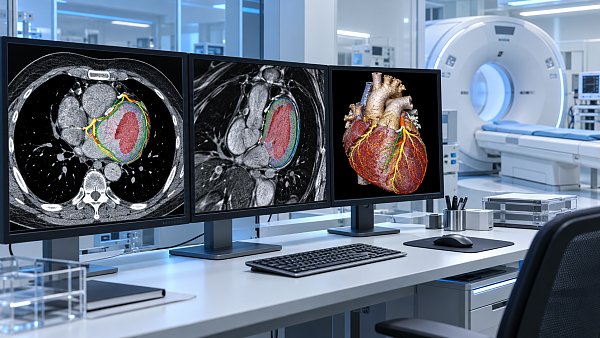
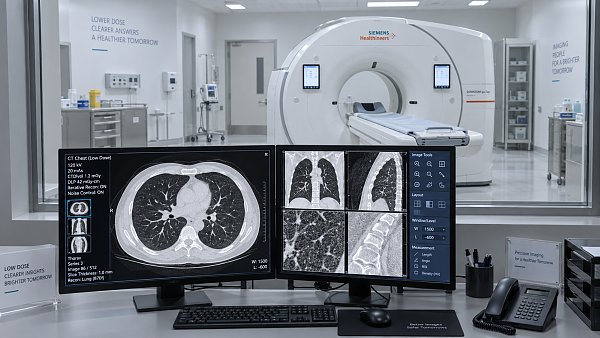
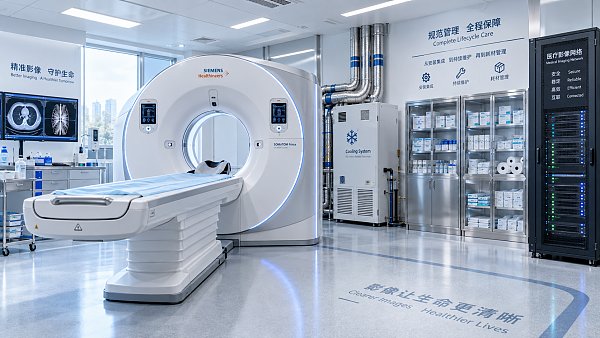
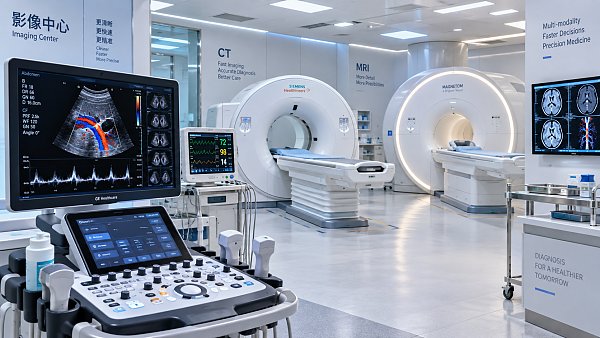
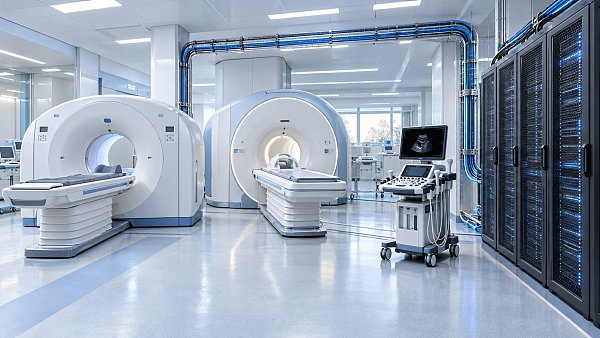
In imaging, medical equipment economics is closely tied to throughput and protocol capability. Older CT or MRI systems may still operate reliably, yet each scan takes longer, limiting daily volume. Reconstruction speed, dose optimization, and advanced cardiac or oncology applications often determine the real break-even point.
The hidden issue is not just service cost. It is the revenue lost when a scanner cannot support high-demand studies or when repeat imaging rises because image quality underperforms newer platforms.
IVD instruments
For IVD, upgrade timing depends on menu breadth, automation level, and turnaround time. A chemistry or immunoassay platform may remain analytically sound while creating bottlenecks in pre-analytical handling, STAT prioritization, or connectivity to laboratory informatics.
Here, medical equipment economics must include labor substitution. Instruments that reduce manual steps, reagent waste, and rerun frequency can improve margin even if the direct capital cost appears higher.
Life support equipment
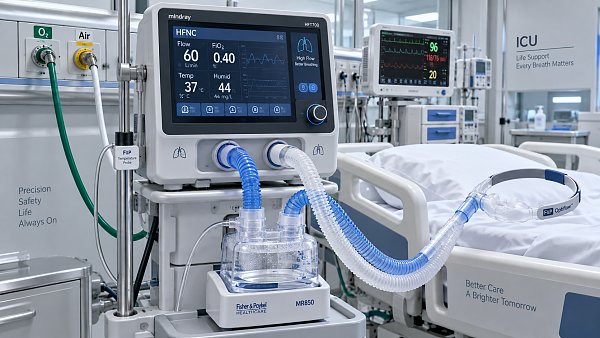
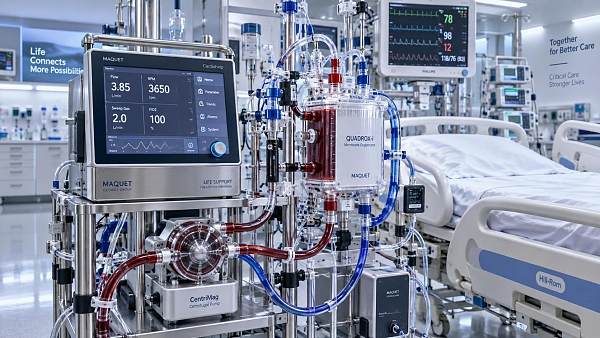
Ventilators, monitors, and ECMO-related systems require a different lens. The key trigger is often risk concentration rather than utilization. Fleet age, alarm reliability, software support, and maintenance standardization matter more than simple depreciation schedules.
When replacement parts become inconsistent or interface compatibility weakens, the economics shift quickly. Clinical continuity and patient safety begin to outweigh short-term savings from extending asset life.
Surgical and endoscopic platforms
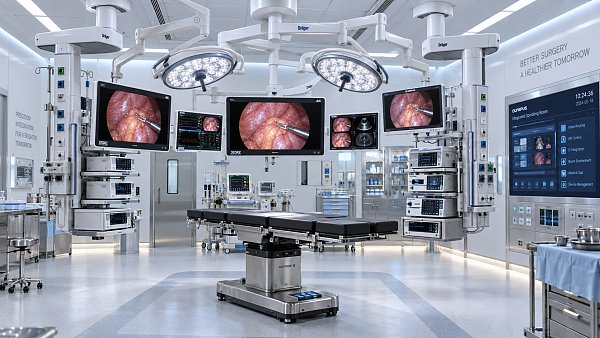
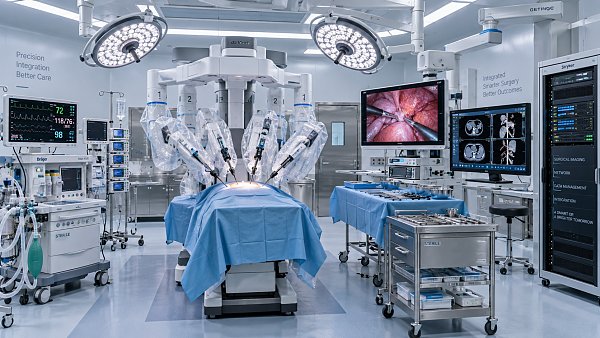
In operating environments, medical equipment economics links directly to room efficiency. Delays from light source instability, camera aging, tower integration problems, or table positioning limits can affect multiple procedures in one day.
Minimally invasive programs also depend on visualization quality. If a legacy endoscopy system reduces surgeon confidence, case complexity may shift elsewhere, reducing both procedure volume and strategic service-line value.
Commonly overlooked signals before replacement becomes urgent
Underused capacity assumptions. A calendar that looks full does not prove efficient production. Long scan protocols, delayed room reset, or manual laboratory workflows may hide demand that better equipment could unlock.
Service contracts treated as fixed overhead. In medical equipment economics, service is not a background cost. It is a forward indicator of asset aging, support complexity, and budget volatility.
Compliance and cybersecurity deferred too long. Unsupported operating systems, patching limitations, or traceability gaps may not reduce output today, but they can suddenly block accreditation, tenders, or insurer confidence.
Clinical dissatisfaction dismissed as subjective. Repeated complaints about workflow friction, limited protocols, or interface burden often reflect real productivity loss, even when fault logs remain manageable.
Trade-in timing ignored. Residual value can deteriorate sharply after major software support ends or replacement generations become widespread in the market.
Practical execution steps for a defensible timing decision
- Build a twelve-quarter asset review using uptime, service spend, throughput, repeat rate, and compliance status for each major equipment family.
- Create a delay-cost model that includes lost procedures, staff overtime, referral leakage, and reimbursement impact rather than purchase price alone.
- Separate technical life from economic life. A device can remain safe and functional while already failing the margin and capacity test.
- Prioritize upgrades where downtime affects entire care pathways, such as imaging bottlenecks, ICU fleet inconsistency, or OR visualization constraints.
- Review available financing, trade-in, and phased replacement options to avoid binary keep-or-replace decisions that distort capital planning.
Conclusion: use medical equipment economics before urgency dictates the budget
The best upgrade decision usually happens before a crisis. Medical equipment economics provides that early warning by showing when an asset stops supporting growth, resilience, and compliant care delivery. The right question is not whether equipment still works. It is whether it still works economically.
Start with one equipment category, score it against the checklist, and compare the cost of delay with the value of timely renewal. That approach produces a clearer upgrade roadmap, stronger capital justification, and fewer forced replacements under pressure.
Recommended News
 Oct 02, 2026High-Flow ICU Ventilators: Key Selection Criteria for Acute Respiratory CareICU ventilators high flow: discover key selection criteria for accurate gas delivery, NIV performance, humidification, alarms, reliability, and safer acute respiratory care.
 Oct 01, 2026How to Evaluate Medical Equipment Intelligence Suppliers for Hospital ProcurementMedical equipment intelligence suppliers: learn how hospitals can assess evidence quality, total cost, compliance, interoperability, and cybersecurity for smarter procurement decisions.
 Sep 30, 2026ISO 13485 Requirements for Blood Testing Instruments: A Buyer’s ChecklistBlood testing instruments ISO 13485 buyer’s checklist: verify certification scope, traceability, installation, consumables, and supplier support before you buy.
 Sep 29, 2026How to Evaluate Integrated Operating Room Systems for Workflow, Imaging, and IT IntegrationIntegrated operating room systems: evaluate workflow, imaging, IT integration, cybersecurity, and lifecycle value to select a scalable surgical solution.
 Sep 28, 2026How to Evaluate a Genetic Testing Equipment Supplier for PCR Lab ProcurementGenetic testing equipment supplier evaluation guide for PCR labs: compare performance, compliance, workflow, service, supply resilience, and total cost.
 Sep 27, 2026How to Specify Custom Benchtop Diagnostic Instruments for Your Assay WorkflowCustom diagnostic instruments benchtop guide: specify optics, fluidics, automation, software integration, and support to build a reliable assay workflow.
 Sep 26, 2026How Cardiac Imaging Analysis Tools Turn CT and MRI Data into Clinical MetricsMedical imaging analysis cardiology tools transform cardiac CT and MRI into reliable metrics. Explore segmentation, validation, workflow integration, and AI review.
 Sep 25, 2026How Iterative Image Reconstruction Algorithms Balance CT Dose, Noise, and DetailIterative image reconstruction algorithms help CT teams balance dose, noise, and diagnostic detail. Explore practical insights for confident imaging decisions.
 Sep 24, 2026What Drives the Total Cost of Medical Technology Solutions Over Their Lifecycle?Medical technology solutions cost goes far beyond purchase price—explore lifecycle drivers from installation and service to software, training, compliance, and downtime.
 Sep 24, 2026Diagnostic Imaging Technology: How Modalities Support Different Clinical DecisionsDiagnostic imaging technology supports smarter clinical decisions across CT, MRI, ultrasound, and nuclear imaging. Explore modality strengths, workflows, and selection factors.
 Sep 22, 2026How Life Science Labs Can Select Biomedical Research Equipment by Workflow and ThroughputBiomedical research equipment life science labs can select with confidence by aligning workflow, throughput, automation, data integrity, and scalable support.
 Sep 21, 2026How to Plan LIS Connectivity for Chemiluminescence Analyzers Without Data GapsChemiluminescence analyzers LIS connectivity: learn how to prevent data gaps with field mapping, exception workflows, end-to-end validation, and reliable go-live planning.
 Sep 20, 2026Selecting Fluorescence PCR Instruments: Detection Channels, Sensitivity, and Workflow FitPCR diagnostic instruments fluorescence detection guide: compare channels, sensitivity, multiplexing, and workflow fit to select a reliable platform.
 Sep 19, 2026Biomedical Signal Processing: From Sensor Data to Clinical Decision SupportBiomedical signal processing transforms sensor data into reliable clinical decision support. Explore AI, imaging, IVD, ICU monitoring, and compliance-ready MedTech insights.
 Sep 18, 2026How to Evaluate a Diagnostic Imaging Platform for Multi-Modality Workflow IntegrationDiagnostic imaging platform evaluation guide: assess multi-modality workflows, interoperability, AI integration, image integrity, security, and scalability for safer clinical decisions.
 Sep 17, 2026ISO 13485 for Medical Imaging Equipment: What Manufacturers Must DocumentMedical imaging equipment ISO 13485: discover essential documentation for design controls, risk management, traceability, software, and post-market quality.
 Sep 16, 2026Robotic MIS Equipment: What Hospitals Should Evaluate Before AdoptionMinimally invasive surgical equipment robotic adoption guide: evaluate workflow, safety, imaging, costs, cybersecurity, and service readiness.
 Sep 15, 2026How to Evaluate Biomedical Signal Processing Suppliers for Clinical Device ProjectsBiomedical signal processing supplier evaluation guide for clinical device teams—compare signal fidelity, regulatory evidence, cybersecurity, integration, and lifecycle support.
 Sep 14, 2026How Integrated Clinical Diagnostics Solutions Reduce Turnaround Time Across Lab WorkflowsIntegrated clinical diagnostics solutions reduce lab turnaround time by connecting workflows, automation, and data. Discover practical strategies for faster, traceable results.
 Sep 13, 2026ECMO System Market Outlook: Demand Drivers, Investment Risks, and Growth OpportunitiesECMO system market outlook explores demand drivers, investment risks, regulatory factors, and growth opportunities shaping critical-care innovation and adoption.
 Sep 12, 2026Where to Find Reliable Medical Device Information for Research and Due DiligenceMedical device information resource guide for due diligence: verify regulatory, clinical, safety, and technical evidence to make confident decisions.
 Sep 11, 2026Medical Equipment Intelligence: A Resource for Comparing Clinical TechnologiesMedical equipment intelligence resource for comparing clinical technologies by clinical fit, compliance, workflow, and total cost—make confident, evidence-led decisions.
 Sep 10, 2026How to Integrate Application-Specific Medical Solutions Into Existing Clinical WorkflowsApplication-specific medical solutions integration: learn how to align clinical workflows, interoperability, safety, and measurable outcomes for reliable deployment.
 Sep 09, 2026Medical Supplier Evaluation Checklist: How to Verify Quality, Compliance, and Delivery RiskMedical supplier evaluation checklist for verifying quality, compliance, service capacity, configuration accuracy, and delivery risk before purchase approval.











Related News
- 00
0000-00
How to Evaluate Medical Equipment Intelligence Suppliers for Hospital Procurement - 00
0000-00
What Drives the Total Cost of Medical Technology Solutions Over Their Lifecycle? - 00
0000-00
How to Calculate the Total Cost of Ownership for Medical Devices - 00
0000-00
How Surgical Equipment Digitalization Is Reshaping Hospital Investment in Latin America - 00
0000-00
Hospital Diagnostic Equipment Comparison: What Buyers Should Evaluate Beyond Price
Weekly Insights
Stay ahead with our curated technology reports delivered every Monday.