
What matters most when choosing endoscopic imaging technology
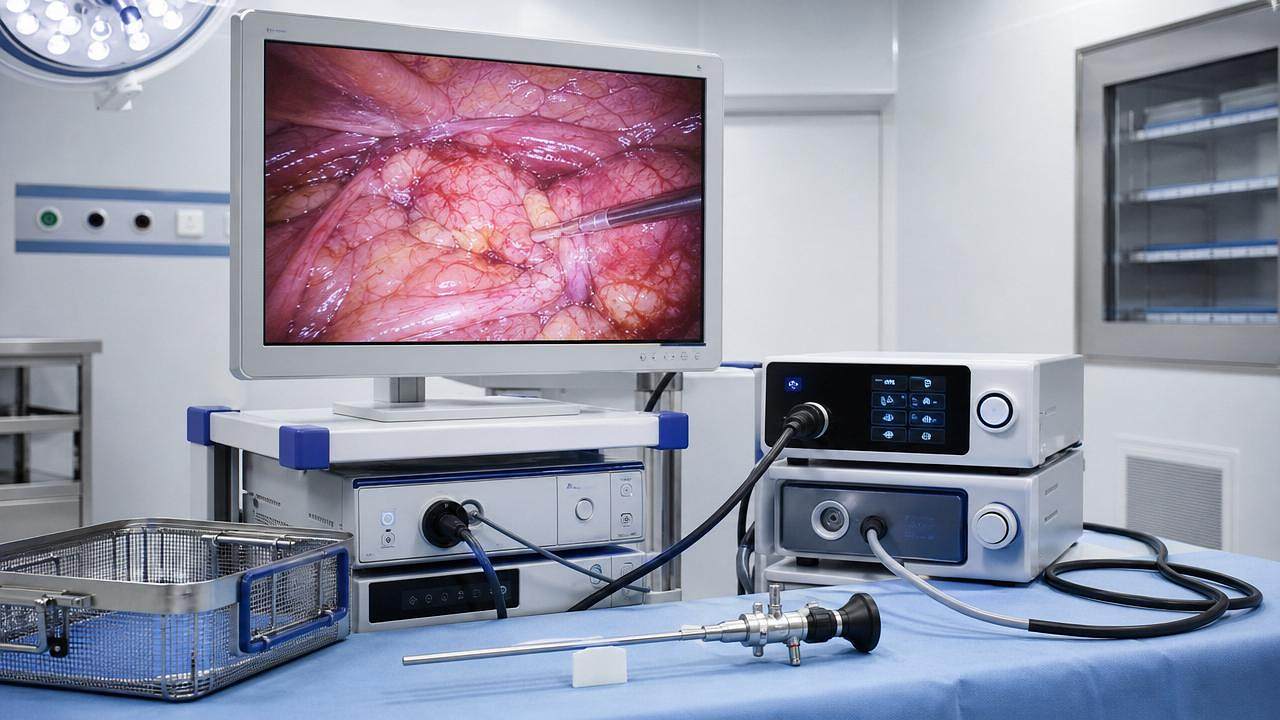




When evaluating endoscopic imaging technology, technical assessors must look beyond resolution alone and examine image clarity, light performance, workflow compatibility, sterilization demands, and long-term clinical value. In a field where minimally invasive precision directly affects diagnostic confidence and surgical outcomes, choosing the right platform means balancing innovation, compliance, and real-world usability.
For hospitals, ambulatory surgery centers, OEM partners, and MedTech procurement teams, the decision is rarely about a single camera head or scope. It usually involves a full imaging chain: sensor, optics, illumination, display, video processor, recording pathway, reprocessing workflow, integration with operating room infrastructure, and post-installation support over 5 to 8 years.
That is why endoscopic imaging technology should be assessed as a clinical system rather than a standalone specification sheet. A 4K label may look compelling, but if brightness drops in deep cavities, white balance drifts during long procedures, or sterilization turnaround exceeds the department’s daily case load, the platform may underperform where it matters most.
For technical assessors working in advanced medical equipment environments, the practical question is clear: which performance factors materially improve visualization, efficiency, compliance, and lifecycle value? The answer lies in structured evaluation across image quality, procedural fit, digital integration, maintenance burden, and risk control.
Core Performance Criteria in Endoscopic Imaging Technology
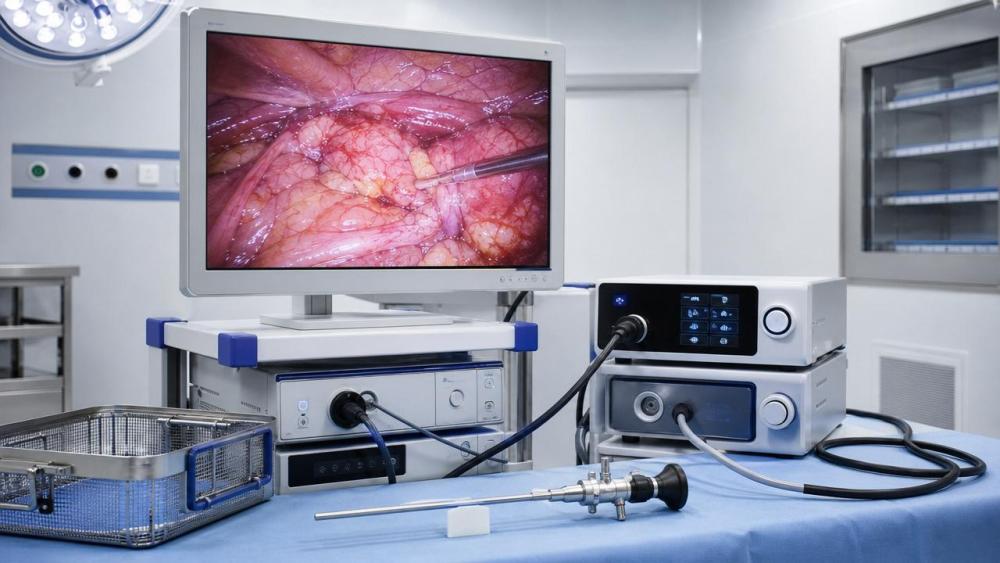
The first screening step should cover 5 core areas: image fidelity, illumination behavior, depth perception, latency, and durability under repeated use. In most procurement reviews, these factors are more predictive of clinical utility than headline resolution alone.
Image quality is more than pixel count
A high-resolution system should be reviewed for contrast consistency, color reproduction, edge sharpness, and visibility in fluid-rich or smoke-affected environments. Technical assessors should compare output at 3 distances: close-up tissue inspection, mid-field navigation, and wide-field cavity overview.
In practical testing, a platform that maintains usable detail at 20 mm, 50 mm, and 100 mm often delivers more value than one that looks impressive only in ideal bench conditions. Evaluate whether the imaging chain preserves fine mucosal patterns, vascular boundaries, and lesion margins without aggressive digital oversharpening.
Sensor and processor considerations
Assess whether the system uses CMOS or CCD architecture, how it handles low-light scenes, and whether the processor introduces noise reduction artifacts. A good benchmark is stable imaging during rapid scope motion and minimal visible lag below the threshold that affects hand-eye coordination.
- Check motion smoothness during camera panning and instrument exchange.
- Review white balance stability over 30 to 60 minutes of continuous use.
- Test image retention of subtle surface structures after smoke evacuation events.
- Verify whether digital zoom degrades diagnostic or operative visibility.
Illumination, anti-fog behavior, and visibility under real conditions
Light output quality directly shapes the performance of endoscopic imaging technology in deep anatomy. Brightness should not be judged only at startup. Technical teams should observe illumination uniformity after 15, 30, and 60 minutes, especially in long laparoscopic or arthroscopic procedures.
Anti-fog behavior also matters. If lens fogging or condensation repeatedly interrupts visualization, the platform creates workflow friction and may increase procedure time. Systems should be assessed for optical coating stability, warming strategy, and compatibility with common anti-fog routines used in sterile environments.
The table below helps technical assessors compare the clinical meaning of key imaging attributes instead of reviewing specifications in isolation.
A clear takeaway is that endoscopic imaging technology must be tested under realistic operating conditions. Bench-top brightness or monitor screenshots do not reveal how the system behaves with smoke, blood, condensation, glare, or rapid motion across a 90-minute surgical case.
2D, 3D, and specialty imaging modes
Not every department needs the same visualization format. In some specialties, 2D systems remain cost-effective and clinically sufficient. In others, 3D imaging may improve spatial orientation, shorten learning curves, or support more precise suturing and dissection.
Specialty enhancement modes, such as narrow-band or contrast-oriented visualization, should be reviewed according to procedural relevance. Technical assessors should avoid paying a premium for software features that clinicians rarely activate or that do not align with the hospital’s case mix.
Matching the Platform to Workflow, Sterilization, and Compliance
A strong imaging platform can still become a weak operational investment if it does not fit room turnover targets, reprocessing capacity, IT architecture, or regulatory documentation requirements. This is where many endoscopic imaging technology evaluations become more commercial than technical, even though the risk is highly technical in practice.
Procedure volume and workflow compatibility
Assessors should map the system to actual daily throughput. A department performing 8 to 12 cases per day has very different expectations from a unit running 3 complex therapeutic procedures. Cable setup time, processor boot speed, image preset access, and recording export all influence room efficiency.
A useful review method is to time 4 workflow steps: system preparation, white balancing, scope exchange, and post-case shutdown. Even small delays of 3 to 5 minutes per case can translate into major annual losses in OR utilization or endoscopy suite capacity.
Reprocessing and sterilization burden
Reprocessing is a decisive factor because it affects infection control, turnaround time, staffing, and scope lifespan. Technical assessors should verify whether the selected endoscopic imaging technology uses reusable rigid scopes, flexible scopes, disposable components, or mixed configurations.
The right choice depends on use frequency, contamination risk profile, and the facility’s decontamination infrastructure. In some settings, a reusable platform with validated high-level disinfection may be efficient. In others, single-use or hybrid designs reduce cross-contamination concerns and simplify logistics.
- Confirm cleaning and sterilization cycle compatibility with existing equipment.
- Review expected lifespan in cycles, not just calendar years.
- Check seal integrity and image performance after repeated reprocessing.
- Estimate labor minutes per turnaround, especially during peak case windows.
The following table organizes common procurement checkpoints for workflow and sterilization fit in endoscopic imaging technology projects.
This comparison shows that workflow fit is measurable. It should be converted into timing, staffing, cycle count, and documentation checkpoints rather than left as a general impression from a sales demo.
Integration with digital OR and hospital IT
Modern endoscopic imaging technology increasingly needs to connect with recording systems, PACS-adjacent workflows, teaching platforms, and cybersecurity-governed hospital networks. Assessors should confirm output formats, storage logic, user access control, and data export pathways before procurement approval.
A system that records reliably in the room but creates friction in post-procedure documentation can undermine clinician adoption. Practical checks include image capture speed, metadata tagging workflow, archive transfer time, and compatibility with existing monitors and routing hardware.
Compliance documentation is part of technical value
In regulated markets, technical assessors should review documentation depth alongside product performance. That includes instructions for use, service interval guidance, cleaning validation scope, risk management evidence, and accessory compatibility boundaries. Strong documentation reduces ambiguity during audits and internal quality reviews.
How to Build a Practical Selection Framework
A robust evaluation model usually combines clinical testing, engineering review, and economic screening. For most institutions, a 3-stage process works well: prequalification, controlled trial use, and lifecycle value analysis. This approach is especially useful when comparing 2 to 4 vendors within the same budget range.
Stage 1: Prequalification checklist
Start by excluding systems that do not match the intended specialty, sterilization pathway, or integration environment. At this stage, technical assessors should define non-negotiable criteria such as compatible scope types, available visualization modes, monitor support, and service response expectations within 24 to 72 hours.
Stage 2: Controlled clinical or simulated evaluation
Trial the shortlisted endoscopic imaging technology in realistic conditions. Where direct clinical trialing is limited, use cadaveric labs, simulation environments, or structured demonstrations involving smoke, fluid exposure, narrow working spaces, and instrument motion. Score each system using the same 6 to 10 criteria.
- Image clarity under standard lighting.
- Visibility in low-light or deep-cavity conditions.
- Lens fogging frequency and recovery speed.
- Ease of setup and user interface logic.
- Recording and export convenience.
- Post-use handling and reprocessing burden.
Stage 3: Total cost and operational value
Purchase price should be only one line in the decision model. Technical assessors should estimate a 5-year ownership view covering service visits, replacement parts, accessories, consumables, downtime risk, and training needs. A lower initial quote may prove more expensive if repair frequency is high or accessory costs escalate annually.
Operational value should also include clinician adoption, staff retraining burden, and expected case mix expansion. If better visualization supports more advanced minimally invasive procedures, the return may appear in procedural efficiency, referral retention, and reduced conversion to open surgery, even when exact local statistics vary.
Common mistakes to avoid
One common mistake is overemphasizing monitor image appearance during showroom demonstrations. Another is ignoring reprocessing complexity until after installation. A third is assuming that all 4K or 3D systems deliver the same user experience, despite major differences in optics, processor tuning, ergonomics, and service maturity.
Technical assessors should also avoid approving a platform without validating accessory ecosystem stability. If critical components have long replacement lead times of 4 to 8 weeks, the system may create unnecessary service interruptions in high-demand departments.
Questions Technical Assessors Should Ask Before Final Approval
Before final sign-off, teams should turn broad impressions into documented questions. This protects both clinical performance and procurement accountability. The aim is not to make the process slower, but to make the decision traceable and more resilient over the equipment lifecycle.
Key approval questions
- Does the endoscopic imaging technology fit the top 3 procedure types performed in the department?
- Can the system maintain stable brightness and color for procedures lasting 60 to 120 minutes?
- Is the reprocessing pathway compatible with existing staffing and turnaround expectations?
- What service support model applies for urgent failures: remote, loaner, or on-site?
- Are recording, export, and documentation functions aligned with hospital IT policy?
- Which recurring accessories or disposables will materially affect annual budget planning?
Why this matters for advanced MedTech strategy
In the broader medical equipment landscape, endoscopic imaging technology sits at the intersection of optics, digital imaging, minimally invasive surgery, infection control, and regulatory discipline. That makes it a strategic category, not merely a departmental purchase. Decisions here influence diagnostic confidence, operating efficiency, clinician satisfaction, and long-term technology standardization.
For organizations like AMDS and for technical assessors across hospitals and manufacturers, the best evaluation framework is one that translates clinical visualization into measurable procurement logic. The strongest choice is usually the platform that performs consistently across image quality, workflow fit, compliance readiness, and lifecycle sustainability.
Choosing endoscopic imaging technology should never come down to a single headline specification. It should reflect procedural reality, reprocessing constraints, digital interoperability, service resilience, and long-term value across at least 5 years of clinical use. That is the level of analysis required to support safe, efficient, and future-ready minimally invasive care.
If your team is comparing platforms, defining technical criteria, or planning market access and procurement strategy for endoscope systems, AMDS can help structure the evaluation with deeper clinical, engineering, and compliance insight. Contact us to discuss your use case, request a tailored assessment framework, or explore more advanced medical imaging and minimally invasive equipment solutions.
Recommended News
 Oct 02, 2026High-Flow ICU Ventilators: Key Selection Criteria for Acute Respiratory CareICU ventilators high flow: discover key selection criteria for accurate gas delivery, NIV performance, humidification, alarms, reliability, and safer acute respiratory care.
 Oct 01, 2026How to Evaluate Medical Equipment Intelligence Suppliers for Hospital ProcurementMedical equipment intelligence suppliers: learn how hospitals can assess evidence quality, total cost, compliance, interoperability, and cybersecurity for smarter procurement decisions.
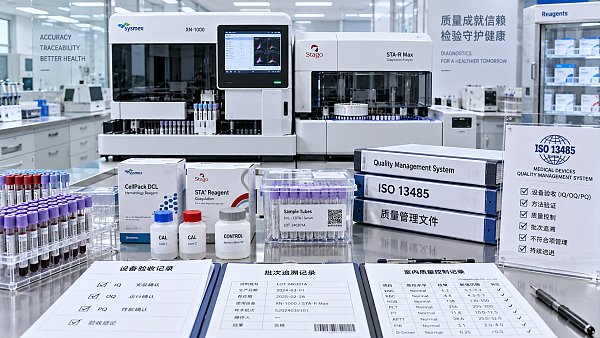
 Sep 30, 2026ISO 13485 Requirements for Blood Testing Instruments: A Buyer’s ChecklistBlood testing instruments ISO 13485 buyer’s checklist: verify certification scope, traceability, installation, consumables, and supplier support before you buy.
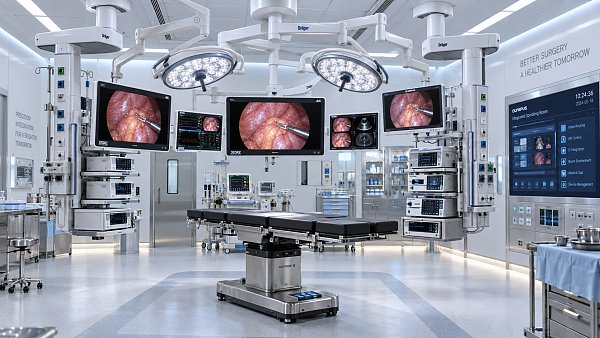
 Sep 29, 2026How to Evaluate Integrated Operating Room Systems for Workflow, Imaging, and IT IntegrationIntegrated operating room systems: evaluate workflow, imaging, IT integration, cybersecurity, and lifecycle value to select a scalable surgical solution.
 Sep 28, 2026How to Evaluate a Genetic Testing Equipment Supplier for PCR Lab ProcurementGenetic testing equipment supplier evaluation guide for PCR labs: compare performance, compliance, workflow, service, supply resilience, and total cost.
 Sep 27, 2026How to Specify Custom Benchtop Diagnostic Instruments for Your Assay WorkflowCustom diagnostic instruments benchtop guide: specify optics, fluidics, automation, software integration, and support to build a reliable assay workflow.
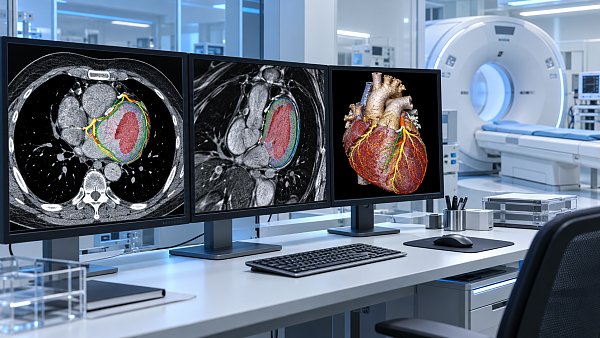
 Sep 26, 2026How Cardiac Imaging Analysis Tools Turn CT and MRI Data into Clinical MetricsMedical imaging analysis cardiology tools transform cardiac CT and MRI into reliable metrics. Explore segmentation, validation, workflow integration, and AI review.
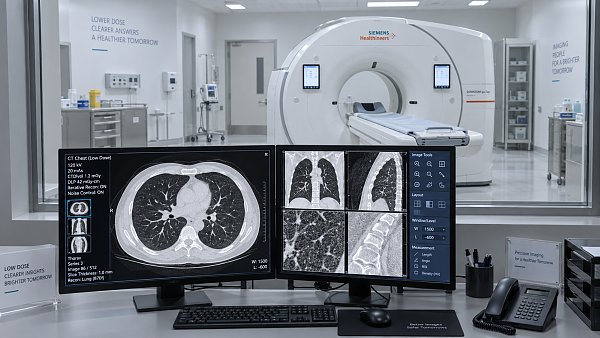
 Sep 25, 2026How Iterative Image Reconstruction Algorithms Balance CT Dose, Noise, and DetailIterative image reconstruction algorithms help CT teams balance dose, noise, and diagnostic detail. Explore practical insights for confident imaging decisions.
 Sep 24, 2026What Drives the Total Cost of Medical Technology Solutions Over Their Lifecycle?Medical technology solutions cost goes far beyond purchase price—explore lifecycle drivers from installation and service to software, training, compliance, and downtime.
 Sep 24, 2026Diagnostic Imaging Technology: How Modalities Support Different Clinical DecisionsDiagnostic imaging technology supports smarter clinical decisions across CT, MRI, ultrasound, and nuclear imaging. Explore modality strengths, workflows, and selection factors.
 Sep 22, 2026How Life Science Labs Can Select Biomedical Research Equipment by Workflow and ThroughputBiomedical research equipment life science labs can select with confidence by aligning workflow, throughput, automation, data integrity, and scalable support.
 Sep 21, 2026How to Plan LIS Connectivity for Chemiluminescence Analyzers Without Data GapsChemiluminescence analyzers LIS connectivity: learn how to prevent data gaps with field mapping, exception workflows, end-to-end validation, and reliable go-live planning.
 Sep 20, 2026Selecting Fluorescence PCR Instruments: Detection Channels, Sensitivity, and Workflow FitPCR diagnostic instruments fluorescence detection guide: compare channels, sensitivity, multiplexing, and workflow fit to select a reliable platform.
 Sep 19, 2026Biomedical Signal Processing: From Sensor Data to Clinical Decision SupportBiomedical signal processing transforms sensor data into reliable clinical decision support. Explore AI, imaging, IVD, ICU monitoring, and compliance-ready MedTech insights.
 Sep 18, 2026How to Evaluate a Diagnostic Imaging Platform for Multi-Modality Workflow IntegrationDiagnostic imaging platform evaluation guide: assess multi-modality workflows, interoperability, AI integration, image integrity, security, and scalability for safer clinical decisions.
 Sep 17, 2026ISO 13485 for Medical Imaging Equipment: What Manufacturers Must DocumentMedical imaging equipment ISO 13485: discover essential documentation for design controls, risk management, traceability, software, and post-market quality.
 Sep 16, 2026Robotic MIS Equipment: What Hospitals Should Evaluate Before AdoptionMinimally invasive surgical equipment robotic adoption guide: evaluate workflow, safety, imaging, costs, cybersecurity, and service readiness.
 Sep 15, 2026How to Evaluate Biomedical Signal Processing Suppliers for Clinical Device ProjectsBiomedical signal processing supplier evaluation guide for clinical device teams—compare signal fidelity, regulatory evidence, cybersecurity, integration, and lifecycle support.
 Sep 14, 2026How Integrated Clinical Diagnostics Solutions Reduce Turnaround Time Across Lab WorkflowsIntegrated clinical diagnostics solutions reduce lab turnaround time by connecting workflows, automation, and data. Discover practical strategies for faster, traceable results.
 Sep 13, 2026ECMO System Market Outlook: Demand Drivers, Investment Risks, and Growth OpportunitiesECMO system market outlook explores demand drivers, investment risks, regulatory factors, and growth opportunities shaping critical-care innovation and adoption.
 Sep 12, 2026Where to Find Reliable Medical Device Information for Research and Due DiligenceMedical device information resource guide for due diligence: verify regulatory, clinical, safety, and technical evidence to make confident decisions.
 Sep 11, 2026Medical Equipment Intelligence: A Resource for Comparing Clinical TechnologiesMedical equipment intelligence resource for comparing clinical technologies by clinical fit, compliance, workflow, and total cost—make confident, evidence-led decisions.
 Sep 10, 2026How to Integrate Application-Specific Medical Solutions Into Existing Clinical WorkflowsApplication-specific medical solutions integration: learn how to align clinical workflows, interoperability, safety, and measurable outcomes for reliable deployment.
 Sep 09, 2026Medical Supplier Evaluation Checklist: How to Verify Quality, Compliance, and Delivery RiskMedical supplier evaluation checklist for verifying quality, compliance, service capacity, configuration accuracy, and delivery risk before purchase approval.






Related News
- 00
0000-00
EU MDR Transition Ends, Endoscope Re-Certification Becomes Urgent - 00
0000-00
EU MDR Annex XVI Now Requires Separate CE for Accessories - 00
0000-00
EU MDR Transition Ends for Endoscopy Device Imports - 00
0000-00
EU MDR Rule Triggers CER Updates for Endoscopy Devices - 00
0000-00
EU MDR Update Sets 12-Month CER Rule for Ultrasound and Endoscopy
Weekly Insights
Stay ahead with our curated technology reports delivered every Monday.