
Philippines FDA Launches 72-Hour Capsule Endoscopy Fast Track
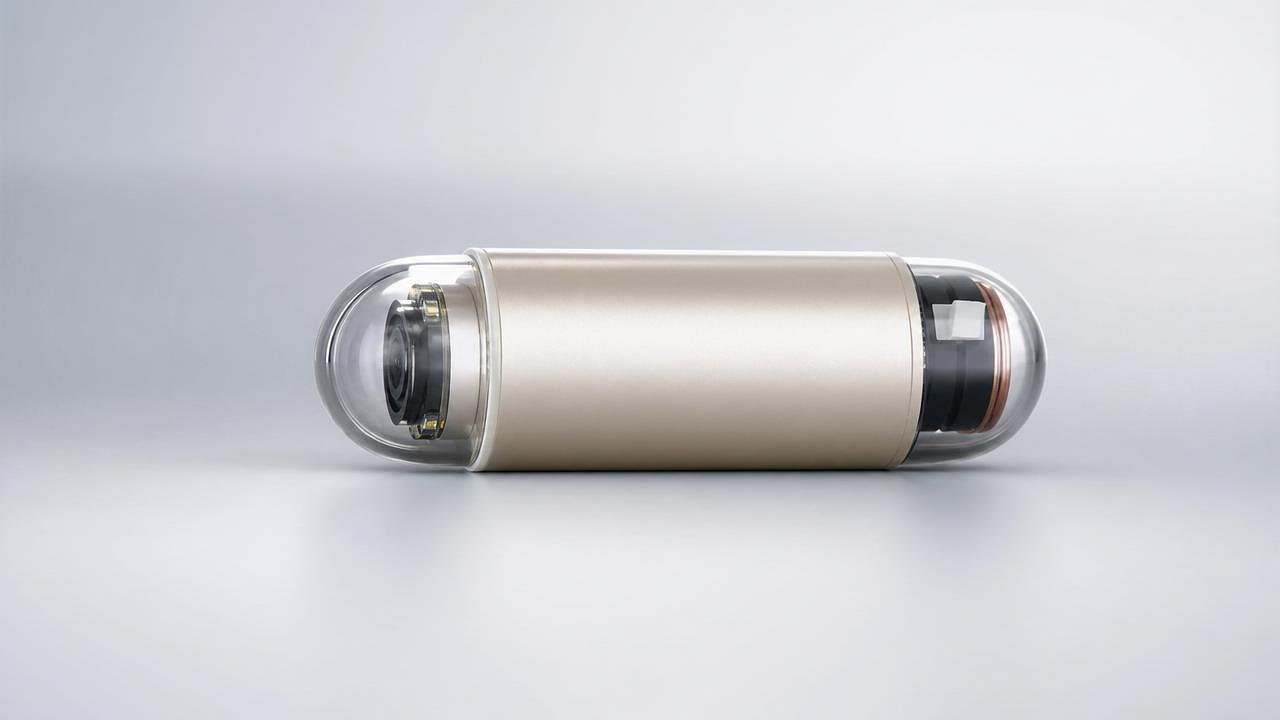




The Philippines Food and Drug Administration (PFDA) announced on May 12, 2026, a new regulatory fast-track pathway for capsule endoscopes — aiming to accelerate market access amid rising demand for gastrointestinal disease screening. This development directly impacts the global medical device trade ecosystem, particularly companies engaged in cross-border commercialization of GI diagnostics.
Event Overview
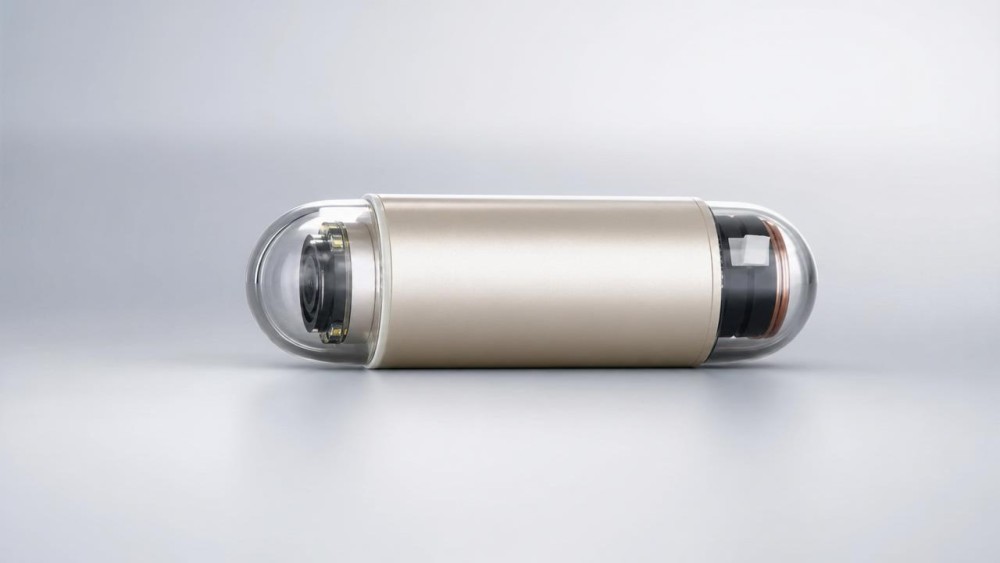
The PFDA launched the ‘Express Registration & Clearance Pathway’ for capsule endoscopes on May 12, 2026. Eligible devices must already hold U.S. FDA 510(k) clearance or EU CE marking under MDR. Under this pathway, import registration and customs clearance are completed within 72 hours. Initial participants include Ankon Technologies, Jinshan Science & Technology, and Given Imaging (South Korea).
Industries Affected
Direct Trade Enterprises: Companies exporting capsule endoscopes to the Philippines face significantly reduced time-to-market and lower administrative overhead. Impact manifests as faster revenue recognition, improved cash flow cycles, and enhanced ability to respond to tender timelines — especially critical in public hospital procurement processes where registration delays previously caused bid disqualification.
Raw Material Procurement Enterprises: Firms supplying key components — such as biocompatible capsule shells, CMOS image sensors, or RF transmitters — may see increased order volatility. While not directly regulated, their delivery schedules now need tighter alignment with downstream registration windows; delays in component supply could derail fast-track eligibility if final assembly or labeling changes trigger re-submission requirements.
Manufacturing Enterprises: Contract manufacturers and OEMs producing capsule endoscopes for multiple markets must ensure documentation consistency across regulatory jurisdictions. The PFDA’s reliance on pre-existing 510(k)/CE files means any deviation in technical documentation (e.g., software versioning, sterilization validation reports) between U.S./EU and Philippine submissions risks rejection — making harmonized quality management systems more operationally critical.
Supply Chain Service Providers: Third-party regulatory consultants, customs brokers, and logistics operators specializing in Philippine medical device imports will experience heightened demand for integrated services — particularly those capable of synchronizing documentation preparation, electronic filing via PFDA’s e-Registration Portal, and bonded warehouse coordination to enable same-day release upon clearance confirmation.
Key Considerations and Recommended Actions
Verify Pre-Certification Alignment Before Submission
Eligibility hinges on exact conformity with existing 510(k) or CE MDR dossiers. Manufacturers should conduct a gap assessment — especially for labeling language (Filipino/English bilingual), post-market surveillance commitments, and local authorized representative designation — prior to initiating the Express Pathway.
Prioritize Documentation Readiness Over Speed
The 72-hour timeline applies only after complete, error-free submission. Incomplete files trigger manual review, reverting to standard 30–45 day processing. Firms should invest in pre-submission validation tools or engage PFDA-accredited reviewers to avoid cascading delays.
Monitor Local Representative Requirements
While not explicitly stated in the initial announcement, PFDA regulations require foreign manufacturers to appoint a Philippine-based Authorized Representative (AR) for post-market obligations. Entities without an AR must secure one before filing — and the AR’s capacity to handle adverse event reporting and field safety corrective actions must be verified independently.
Editorial Perspective / Industry Observation
Analysis shows this is not merely a procedural simplification but a strategic signal: the PFDA is selectively lowering barriers for high-evidence, globally validated technologies while maintaining core safety oversight. Observably, the focus on digestive health reflects national epidemiological priorities — with gastric cancer incidence in the Philippines rising 6.2% annually (per DOH 2025 NCD Report). From an industry perspective, this fast track is better understood as a pilot for broader digital health device pathways, rather than an isolated policy shift. Current more relevant implications lie in how it pressures regional regulators — such as Indonesia’s BPOM or Thailand’s TFDA — to reassess their own registration timelines for comparable Class IIb/III devices.
Conclusion
This initiative marks a material step toward regulatory convergence in Southeast Asia’s medtech landscape. It does not eliminate compliance rigor, but redistributes effort — emphasizing upfront dossier integrity over iterative back-and-forth. For stakeholders, the rational takeaway is not speed alone, but the growing necessity of regulatory agility: the ability to maintain parallel-ready submissions across multiple high-trust jurisdictions.
Source Attribution
Official announcement issued by the Philippines Food and Drug Administration (PFDA), May 12, 2026; confirmed via PFDA Circular No. 2026-017 and supporting guidance published on www.fda.gov.ph. Note: Implementation details — including fee structure, audit frequency for Express Pathway applicants, and extension criteria for non-eligible devices — remain pending formal issuance and are under active monitoring.
Recommended News
 Oct 02, 2026High-Flow ICU Ventilators: Key Selection Criteria for Acute Respiratory CareICU ventilators high flow: discover key selection criteria for accurate gas delivery, NIV performance, humidification, alarms, reliability, and safer acute respiratory care.
 Oct 01, 2026How to Evaluate Medical Equipment Intelligence Suppliers for Hospital ProcurementMedical equipment intelligence suppliers: learn how hospitals can assess evidence quality, total cost, compliance, interoperability, and cybersecurity for smarter procurement decisions.
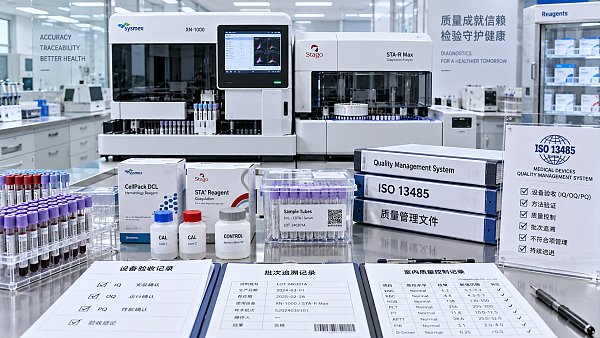
 Sep 30, 2026ISO 13485 Requirements for Blood Testing Instruments: A Buyer’s ChecklistBlood testing instruments ISO 13485 buyer’s checklist: verify certification scope, traceability, installation, consumables, and supplier support before you buy.
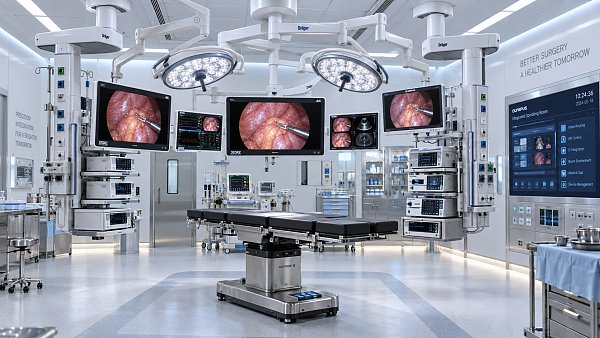
 Sep 29, 2026How to Evaluate Integrated Operating Room Systems for Workflow, Imaging, and IT IntegrationIntegrated operating room systems: evaluate workflow, imaging, IT integration, cybersecurity, and lifecycle value to select a scalable surgical solution.
 Sep 28, 2026How to Evaluate a Genetic Testing Equipment Supplier for PCR Lab ProcurementGenetic testing equipment supplier evaluation guide for PCR labs: compare performance, compliance, workflow, service, supply resilience, and total cost.
 Sep 27, 2026How to Specify Custom Benchtop Diagnostic Instruments for Your Assay WorkflowCustom diagnostic instruments benchtop guide: specify optics, fluidics, automation, software integration, and support to build a reliable assay workflow.
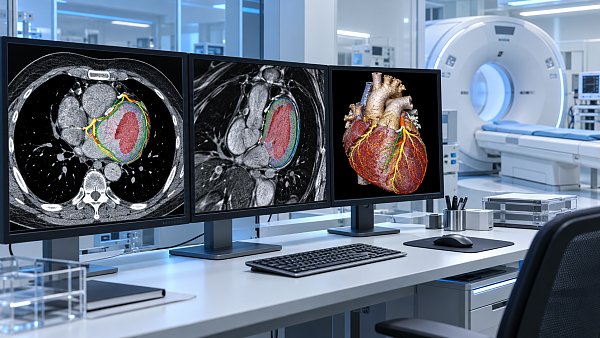
 Sep 26, 2026How Cardiac Imaging Analysis Tools Turn CT and MRI Data into Clinical MetricsMedical imaging analysis cardiology tools transform cardiac CT and MRI into reliable metrics. Explore segmentation, validation, workflow integration, and AI review.
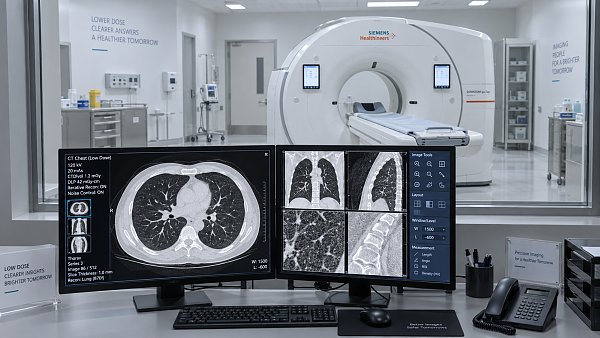
 Sep 25, 2026How Iterative Image Reconstruction Algorithms Balance CT Dose, Noise, and DetailIterative image reconstruction algorithms help CT teams balance dose, noise, and diagnostic detail. Explore practical insights for confident imaging decisions.
 Sep 24, 2026What Drives the Total Cost of Medical Technology Solutions Over Their Lifecycle?Medical technology solutions cost goes far beyond purchase price—explore lifecycle drivers from installation and service to software, training, compliance, and downtime.
 Sep 24, 2026Diagnostic Imaging Technology: How Modalities Support Different Clinical DecisionsDiagnostic imaging technology supports smarter clinical decisions across CT, MRI, ultrasound, and nuclear imaging. Explore modality strengths, workflows, and selection factors.
 Sep 22, 2026How Life Science Labs Can Select Biomedical Research Equipment by Workflow and ThroughputBiomedical research equipment life science labs can select with confidence by aligning workflow, throughput, automation, data integrity, and scalable support.
 Sep 21, 2026How to Plan LIS Connectivity for Chemiluminescence Analyzers Without Data GapsChemiluminescence analyzers LIS connectivity: learn how to prevent data gaps with field mapping, exception workflows, end-to-end validation, and reliable go-live planning.
 Sep 20, 2026Selecting Fluorescence PCR Instruments: Detection Channels, Sensitivity, and Workflow FitPCR diagnostic instruments fluorescence detection guide: compare channels, sensitivity, multiplexing, and workflow fit to select a reliable platform.
 Sep 19, 2026Biomedical Signal Processing: From Sensor Data to Clinical Decision SupportBiomedical signal processing transforms sensor data into reliable clinical decision support. Explore AI, imaging, IVD, ICU monitoring, and compliance-ready MedTech insights.
 Sep 18, 2026How to Evaluate a Diagnostic Imaging Platform for Multi-Modality Workflow IntegrationDiagnostic imaging platform evaluation guide: assess multi-modality workflows, interoperability, AI integration, image integrity, security, and scalability for safer clinical decisions.
 Sep 17, 2026ISO 13485 for Medical Imaging Equipment: What Manufacturers Must DocumentMedical imaging equipment ISO 13485: discover essential documentation for design controls, risk management, traceability, software, and post-market quality.
 Sep 16, 2026Robotic MIS Equipment: What Hospitals Should Evaluate Before AdoptionMinimally invasive surgical equipment robotic adoption guide: evaluate workflow, safety, imaging, costs, cybersecurity, and service readiness.
 Sep 15, 2026How to Evaluate Biomedical Signal Processing Suppliers for Clinical Device ProjectsBiomedical signal processing supplier evaluation guide for clinical device teams—compare signal fidelity, regulatory evidence, cybersecurity, integration, and lifecycle support.
 Sep 14, 2026How Integrated Clinical Diagnostics Solutions Reduce Turnaround Time Across Lab WorkflowsIntegrated clinical diagnostics solutions reduce lab turnaround time by connecting workflows, automation, and data. Discover practical strategies for faster, traceable results.
 Sep 13, 2026ECMO System Market Outlook: Demand Drivers, Investment Risks, and Growth OpportunitiesECMO system market outlook explores demand drivers, investment risks, regulatory factors, and growth opportunities shaping critical-care innovation and adoption.
 Sep 12, 2026Where to Find Reliable Medical Device Information for Research and Due DiligenceMedical device information resource guide for due diligence: verify regulatory, clinical, safety, and technical evidence to make confident decisions.
 Sep 11, 2026Medical Equipment Intelligence: A Resource for Comparing Clinical TechnologiesMedical equipment intelligence resource for comparing clinical technologies by clinical fit, compliance, workflow, and total cost—make confident, evidence-led decisions.
 Sep 10, 2026How to Integrate Application-Specific Medical Solutions Into Existing Clinical WorkflowsApplication-specific medical solutions integration: learn how to align clinical workflows, interoperability, safety, and measurable outcomes for reliable deployment.
 Sep 09, 2026Medical Supplier Evaluation Checklist: How to Verify Quality, Compliance, and Delivery RiskMedical supplier evaluation checklist for verifying quality, compliance, service capacity, configuration accuracy, and delivery risk before purchase approval.








Related News
- 00
0000-00
Endoscopic Imaging Technology in GI Diagnosis: Key Features and Common Image Quality Issues - 00
0000-00
ITC Opens 337 Probe Into Smart Medical Device Patents - 00
0000-00
FDA AI Capsule Rule Requires Clinical Evidence - 00
0000-00
Philippines FDA Launches Capsule Endoscopy Fast Track - 00
0000-00
Philippines FDA Launches Priority Review for Capsule Endoscopes
Weekly Insights
Stay ahead with our curated technology reports delivered every Monday.