
When surgical equipment infrastructure becomes a bottleneck
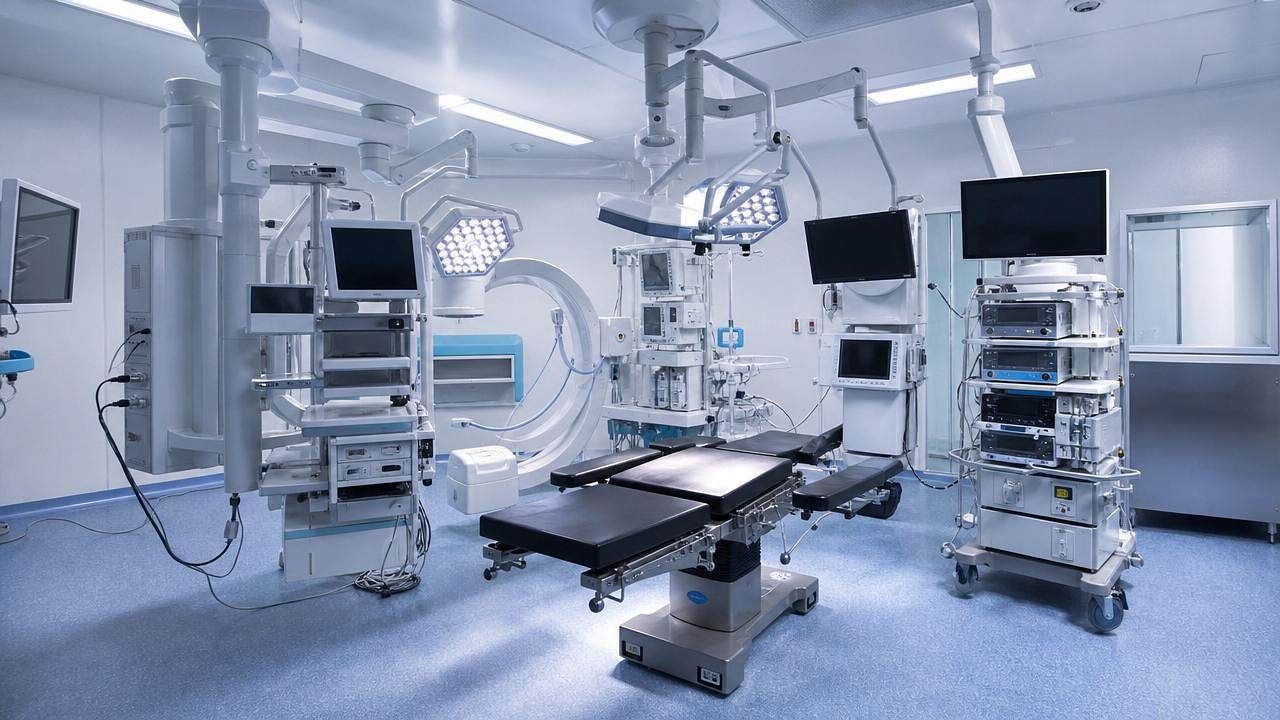




When surgical equipment infrastructure becomes a bottleneck, the issue reaches far beyond delayed case turnover. It affects clinical continuity, room utilization, compliance readiness, and the financial logic behind every operating room upgrade.
In modern care environments, surgical equipment infrastructure includes lighting, tables, power systems, imaging support, integration software, endoscopy stacks, ventilation compatibility, and sterile workflow design. Weakness in any link can restrict the whole surgical chain.
For intelligence platforms such as AMDS, this topic matters because infrastructure decisions now shape safety, digital interoperability, minimally invasive capability, and long-term asset performance. Better decisions start with better scenario judgment.
When surgical equipment infrastructure starts limiting real operating room performance
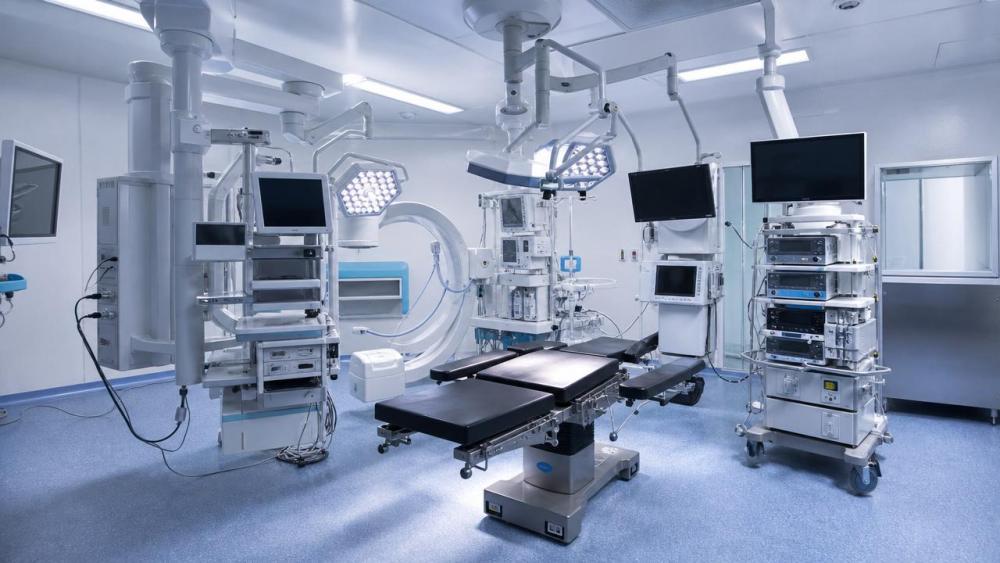
A bottleneck rarely appears as one broken device. More often, surgical equipment infrastructure fails quietly through mismatched capacities, aging support systems, and fragmented equipment integration.
One room may have advanced endoscopy towers but insufficient display routing. Another may support imaging-guided procedures yet lack table compatibility for repeatable positioning and safe access.
The warning signs are practical. Setup time grows longer. Equipment movement becomes more complex. Preventive maintenance windows disrupt schedules. Staff develop workarounds that increase risk and reduce standardization.
In this phase, surgical equipment infrastructure is no longer a background asset. It becomes an active constraint on case mix, throughput, and compliance confidence.
Key signals that the bottleneck is structural
- Repeated delays during room turnover or device reconfiguration
- Frequent incompatibility between tables, lights, booms, and imaging tools
- Limited support for minimally invasive or hybrid procedures
- Growing dependence on temporary fixes, adapters, or manual documentation
- Compliance stress caused by incomplete traceability or aging systems
Why surgical equipment infrastructure pressure differs by clinical scenario
Not every care environment experiences the same constraints. The true impact of surgical equipment infrastructure depends on procedure complexity, room utilization, imaging dependence, and required sterility pathways.
A day-surgery center values turnover efficiency and standardized layouts. A tertiary hospital may prioritize multidisciplinary flexibility, advanced imaging integration, and support for complex back-to-back cases.
This is why infrastructure planning must be scenario-based. The same capital budget can solve different problems depending on whether the bottleneck is physical space, digital connectivity, or procedure support depth.
Typical scenarios where surgical equipment infrastructure becomes the limiting factor
High-volume minimally invasive surgery rooms
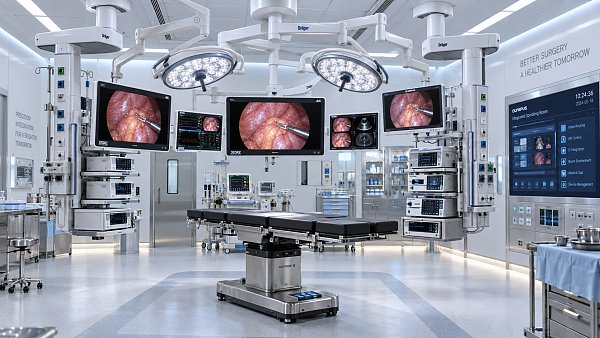
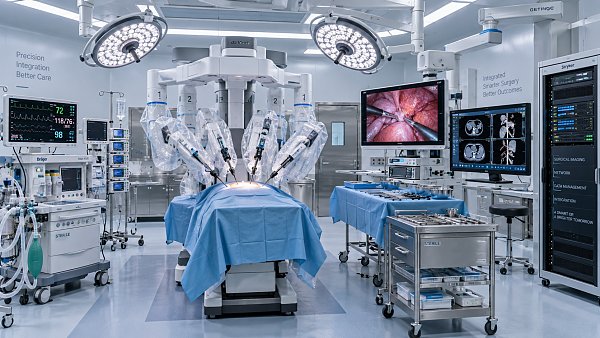
In laparoscopic and endoscopic rooms, surgical equipment infrastructure must support image clarity, ergonomic device placement, cable management, and rapid reprocessing flow.
If towers, displays, insufflation systems, and energy devices compete for space or power, turnover slows. Case efficiency drops even when core surgical tools remain technically functional.
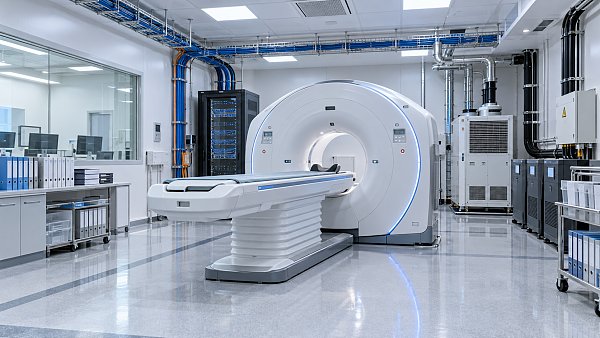
Imaging-supported and hybrid procedure environments
These rooms require surgical equipment infrastructure with stronger integration logic. Tables must align with imaging arcs, shielding design, navigation interfaces, and stable positioning requirements.
A room may own premium imaging assets yet underperform because physical layout prevents ideal workflow. Here, the bottleneck comes from infrastructure coordination rather than equipment count.
Older operating rooms facing digital upgrade pressure
Legacy rooms often struggle with power distribution, data routing, boom loading limits, and outdated environmental controls. New platforms can be installed, but not fully utilized.
This scenario makes surgical equipment infrastructure a hidden cap on modernization. Hospitals may believe they upgraded technology, while actual procedural capability changes very little.
Critical surgery schedules with little downtime tolerance
Facilities running dense schedules need surgical equipment infrastructure that supports reliability, maintenance planning, and fast fault isolation. Even minor instability can create cascading delays.
In these settings, resilience matters as much as innovation. Stable baseline infrastructure protects throughput and helps preserve clinical confidence under pressure.
How scenario needs differ when evaluating surgical equipment infrastructure
The table below highlights how decision priorities shift across common environments. It helps distinguish visible equipment shortages from deeper surgical equipment infrastructure limitations.
Practical recommendations for matching surgical equipment infrastructure to each scenario
Infrastructure planning works best when it connects clinical intent, technical compatibility, and economic sustainability. The following actions reduce mismatch risk and improve long-term performance.
- Map procedures first, then map equipment relationships and room dependencies.
- Audit table, light, boom, imaging, and display compatibility before procurement.
- Review data pathways for image routing, recording, traceability, and integration.
- Test turnover workflow under peak scheduling conditions, not ideal assumptions.
- Assess maintenance access, spare capacity, and upgrade flexibility together.
Why interoperability should guide future upgrades
Surgical equipment infrastructure should not be designed around isolated device purchases. It should be built as an interoperable platform that supports evolving imaging, endoscopy, and digital documentation needs.
AMDS consistently tracks how compliance standards, AI-assisted systems, and minimally invasive workflows raise the value of connected infrastructure. The room itself is becoming a clinical technology system.
Common mistakes when diagnosing a surgical equipment infrastructure bottleneck
One common mistake is blaming individual devices for what is actually a system design issue. Replacing a tower or monitor may not solve poor cable pathways, weak display routing, or incompatible room geometry.
Another mistake is evaluating capital projects only by purchase price. Surgical equipment infrastructure should also be judged by uptime, workflow impact, compliance readiness, and support for future procedure growth.
A third oversight is ignoring hidden constraints in older buildings. Ceiling structure, HVAC performance, sterile zoning, and electrical reserves often determine whether new systems can deliver expected value.
- Do not confuse technology ownership with usable procedural capability.
- Do not treat throughput loss as only a staffing problem.
- Do not postpone infrastructure review until compliance pressure becomes urgent.
What the next step looks like when surgical equipment infrastructure needs action
The most effective next step is a structured scenario review. Start by identifying which rooms experience repeat friction, which procedures are constrained, and which assets fail to integrate smoothly.
Then compare present infrastructure against future procedural goals. This reveals whether the priority is retrofit, phased replacement, integration redesign, or broader operating room modernization.
For organizations following AMDS intelligence, the opportunity is clear: treat surgical equipment infrastructure as a strategic clinical foundation. That approach supports safer surgery, stronger compliance, and more resilient long-term growth.
When surgical equipment infrastructure is aligned with real clinical scenarios, investment decisions become sharper, upgrades become more defendable, and the operating room performs as a coordinated system instead of a collection of devices.
Recommended News
 Oct 09, 2026Critical Care Cardiac Monitoring: Key Parameters for ICU System SelectionCritical care monitoring cardiac care: discover how to select ICU systems with reliable ECG, intelligent alarms, hemodynamic insight, interoperability, and resilience.
 Oct 08, 2026Operating Room Systems: Selection Criteria for Integrated Surgical WorkflowsOperating room systems selection guide for integrated surgical workflows—improve safety, interoperability, lifecycle value, and scalable clinical performance.
 Oct 07, 2026Hospital Diagnostic Equipment Procurement: A Framework for Comparing Cost, Capacity, and RiskHospital diagnostic equipment procurement made clearer: compare lifecycle cost, usable capacity, clinical fit, and operational risk to make confident, sustainable buying decisions.
 Oct 06, 2026How to Evaluate an Operating Room Technology Distributor for Hospital ProjectsOperating room technology distributor evaluation guide for hospitals: assess integration, compliance, lifecycle costs, service capacity, and delivery confidence before award.
 Oct 05, 2026Global Medical Procurement Planning: How Hospitals Can Reduce Supply Risk and CostGlobal medical procurement planning helps hospitals reduce supply risk, control lifecycle costs, and protect care continuity through smarter sourcing, service, and compliance strategies.
 Oct 03, 2026How Detection Algorithms Improve Sensitivity and Workflow in Medical ImagingMedical imaging algorithms detection improves sensitivity, manages false positives, and streamlines clinical workflows. Explore validation, integration, and governance essentials.
 Oct 02, 2026High-Flow ICU Ventilators: Key Selection Criteria for Acute Respiratory CareICU ventilators high flow: discover key selection criteria for accurate gas delivery, NIV performance, humidification, alarms, reliability, and safer acute respiratory care.
 Oct 01, 2026How to Evaluate Medical Equipment Intelligence Suppliers for Hospital ProcurementMedical equipment intelligence suppliers: learn how hospitals can assess evidence quality, total cost, compliance, interoperability, and cybersecurity for smarter procurement decisions.
 Sep 30, 2026ISO 13485 Requirements for Blood Testing Instruments: A Buyer’s ChecklistBlood testing instruments ISO 13485 buyer’s checklist: verify certification scope, traceability, installation, consumables, and supplier support before you buy.
 Sep 29, 2026How to Evaluate Integrated Operating Room Systems for Workflow, Imaging, and IT IntegrationIntegrated operating room systems: evaluate workflow, imaging, IT integration, cybersecurity, and lifecycle value to select a scalable surgical solution.
 Sep 28, 2026How to Evaluate a Genetic Testing Equipment Supplier for PCR Lab ProcurementGenetic testing equipment supplier evaluation guide for PCR labs: compare performance, compliance, workflow, service, supply resilience, and total cost.
 Sep 27, 2026How to Specify Custom Benchtop Diagnostic Instruments for Your Assay WorkflowCustom diagnostic instruments benchtop guide: specify optics, fluidics, automation, software integration, and support to build a reliable assay workflow.
 Sep 26, 2026How Cardiac Imaging Analysis Tools Turn CT and MRI Data into Clinical MetricsMedical imaging analysis cardiology tools transform cardiac CT and MRI into reliable metrics. Explore segmentation, validation, workflow integration, and AI review.
 Sep 25, 2026How Iterative Image Reconstruction Algorithms Balance CT Dose, Noise, and DetailIterative image reconstruction algorithms help CT teams balance dose, noise, and diagnostic detail. Explore practical insights for confident imaging decisions.
 Sep 24, 2026What Drives the Total Cost of Medical Technology Solutions Over Their Lifecycle?Medical technology solutions cost goes far beyond purchase price—explore lifecycle drivers from installation and service to software, training, compliance, and downtime.
 Sep 24, 2026Diagnostic Imaging Technology: How Modalities Support Different Clinical DecisionsDiagnostic imaging technology supports smarter clinical decisions across CT, MRI, ultrasound, and nuclear imaging. Explore modality strengths, workflows, and selection factors.
 Sep 22, 2026How Life Science Labs Can Select Biomedical Research Equipment by Workflow and ThroughputBiomedical research equipment life science labs can select with confidence by aligning workflow, throughput, automation, data integrity, and scalable support.
 Sep 21, 2026How to Plan LIS Connectivity for Chemiluminescence Analyzers Without Data GapsChemiluminescence analyzers LIS connectivity: learn how to prevent data gaps with field mapping, exception workflows, end-to-end validation, and reliable go-live planning.
 Sep 20, 2026Selecting Fluorescence PCR Instruments: Detection Channels, Sensitivity, and Workflow FitPCR diagnostic instruments fluorescence detection guide: compare channels, sensitivity, multiplexing, and workflow fit to select a reliable platform.
 Sep 19, 2026Biomedical Signal Processing: From Sensor Data to Clinical Decision SupportBiomedical signal processing transforms sensor data into reliable clinical decision support. Explore AI, imaging, IVD, ICU monitoring, and compliance-ready MedTech insights.
 Sep 18, 2026How to Evaluate a Diagnostic Imaging Platform for Multi-Modality Workflow IntegrationDiagnostic imaging platform evaluation guide: assess multi-modality workflows, interoperability, AI integration, image integrity, security, and scalability for safer clinical decisions.
 Sep 17, 2026ISO 13485 for Medical Imaging Equipment: What Manufacturers Must DocumentMedical imaging equipment ISO 13485: discover essential documentation for design controls, risk management, traceability, software, and post-market quality.
 Sep 16, 2026Robotic MIS Equipment: What Hospitals Should Evaluate Before AdoptionMinimally invasive surgical equipment robotic adoption guide: evaluate workflow, safety, imaging, costs, cybersecurity, and service readiness.
 Sep 15, 2026How to Evaluate Biomedical Signal Processing Suppliers for Clinical Device ProjectsBiomedical signal processing supplier evaluation guide for clinical device teams—compare signal fidelity, regulatory evidence, cybersecurity, integration, and lifecycle support.







Related News
- 00
0000-00
Critical Care Cardiac Monitoring: Key Parameters for ICU System Selection - 00
0000-00
Operating Room Systems: Selection Criteria for Integrated Surgical Workflows - 00
0000-00
How to Evaluate an Operating Room Technology Distributor for Hospital Projects - 00
0000-00
How Detection Algorithms Improve Sensitivity and Workflow in Medical Imaging - 00
0000-00
How to Evaluate Integrated Operating Room Systems for Workflow, Imaging, and IT Integration
Weekly Insights
Stay ahead with our curated technology reports delivered every Monday.