
What biomedical imaging trends are changing diagnosis?
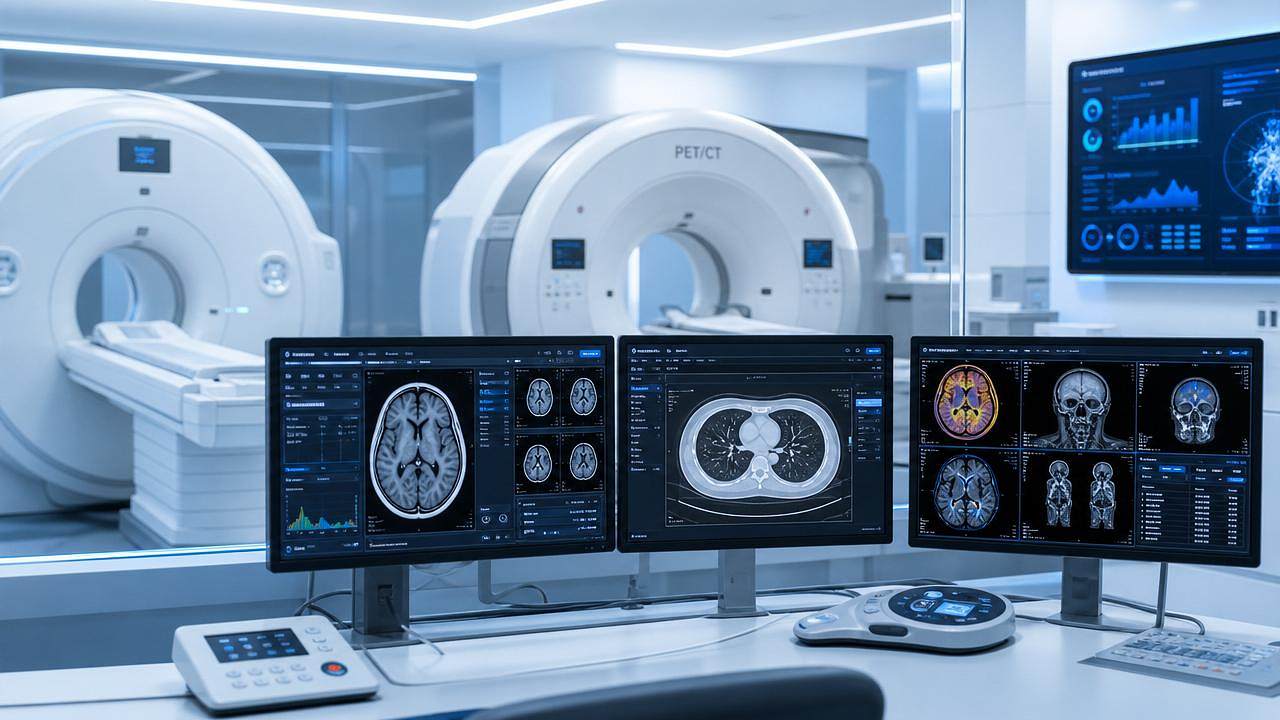




Biomedical imaging is changing diagnosis at a remarkable pace across modern healthcare.
New systems help clinicians see earlier disease signals, measure pathology more precisely, and guide treatment with less uncertainty.
Today, biomedical imaging is no longer only about producing clearer pictures.
It now connects advanced reconstruction, molecular insight, workflow intelligence, compliance demands, and precision medicine goals.
For information-driven healthcare decisions, understanding biomedical imaging trends means understanding where diagnosis is heading next.
Biomedical imaging in the current diagnostic framework
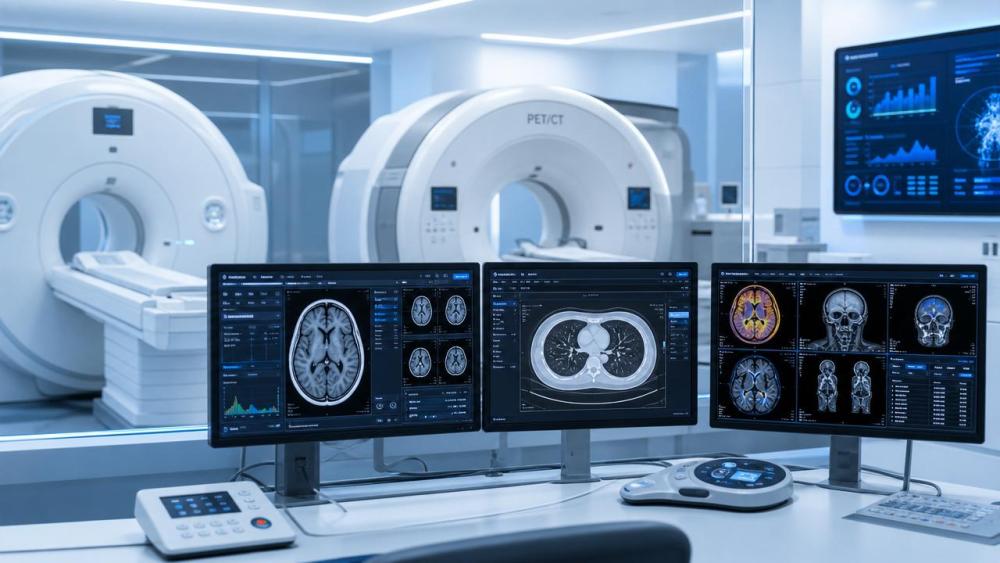
Biomedical imaging refers to technologies that visualize anatomy, function, physiology, and increasingly, molecular activity inside the body.
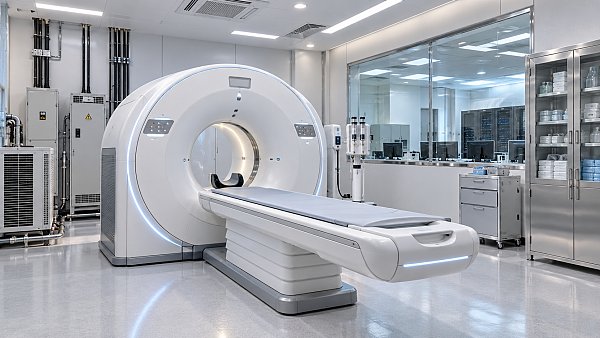
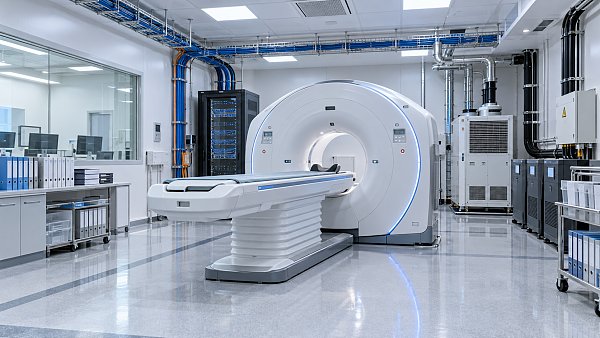
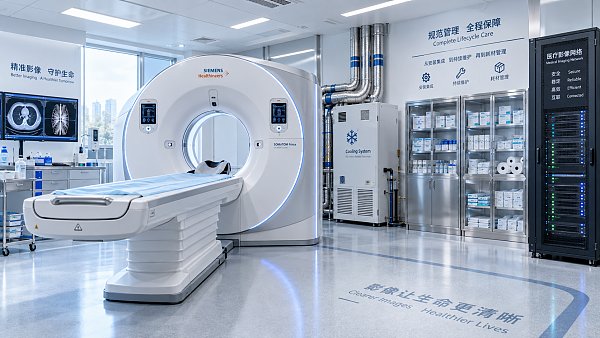
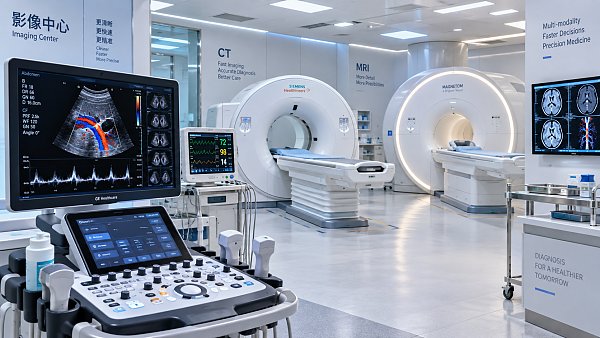
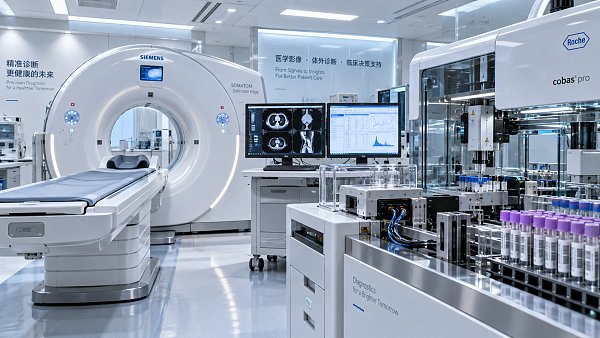
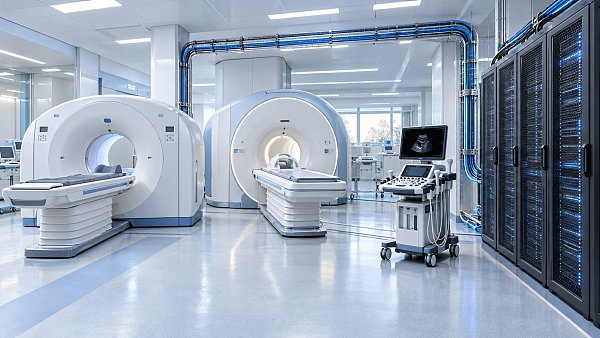
The field includes X-ray, CT, MRI, ultrasound, nuclear medicine, hybrid imaging, and image-guided interventional systems.
Its role in diagnosis is foundational because many clinical pathways begin with imaging evidence.
That evidence influences screening, staging, differential diagnosis, procedural planning, treatment monitoring, and long-term follow-up.
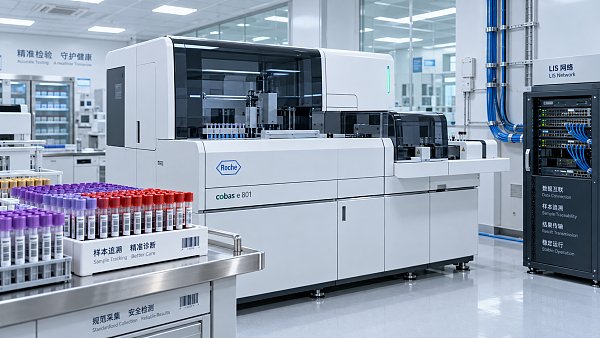
In parallel, biomedical imaging increasingly interacts with IVD data, electronic records, and AI-supported decision systems.
This convergence matters because diagnosis now depends on combining structural information with biochemical and clinical context.
As a result, the value of biomedical imaging is expanding from visual confirmation to integrated diagnostic intelligence.
Key industry trends shaping biomedical imaging
Several trends are now redefining how biomedical imaging supports diagnosis across hospitals, specialty centers, and digital care networks.
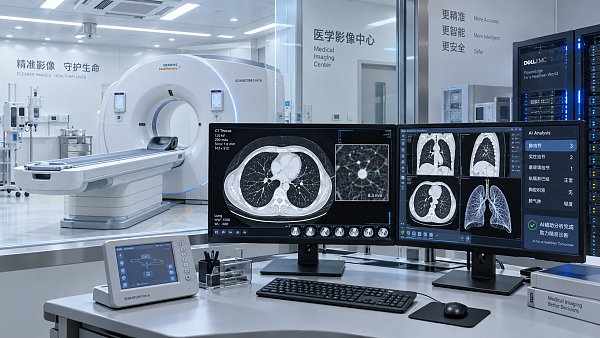
- AI-enhanced image reconstruction is improving clarity while reducing noise and scan burden.
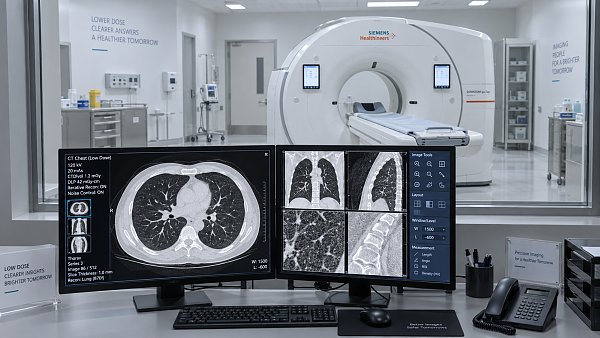
- Photon-counting CT is increasing tissue contrast, spectral detail, and quantitative confidence.
- Advanced MRI sequences are expanding functional and microstructural assessment without ionizing radiation.
- Hybrid imaging is linking anatomy and metabolism for stronger oncologic and cardiac diagnosis.
- Point-of-care ultrasound is broadening access to fast bedside biomedical imaging.
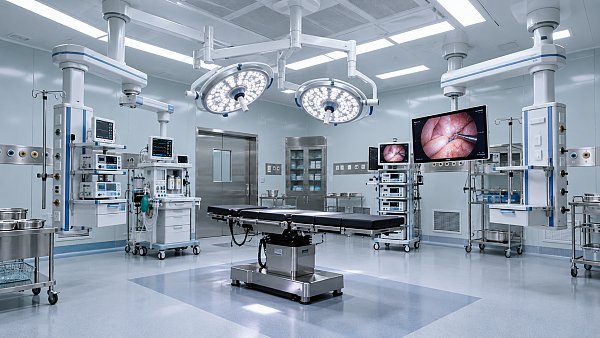
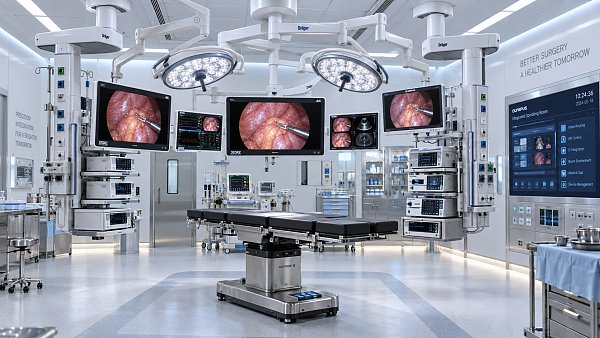
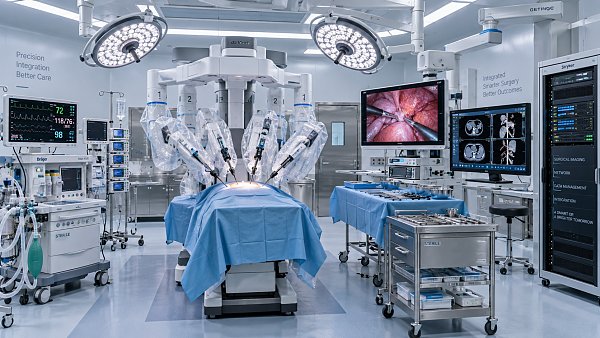
- Image-guided minimally invasive systems are turning diagnosis and intervention into a connected workflow.
- Cloud connectivity and structured reporting are making biomedical imaging more measurable and interoperable.
These shifts reflect a larger movement toward precision, speed, standardization, and clinically meaningful data extraction.
Trend signals and diagnostic impact
Why these biomedical imaging trends matter for diagnosis
The most important change is not only better visualization.
It is the shift from descriptive imaging toward quantitative and decision-supportive imaging.
In practical terms, biomedical imaging now helps answer whether disease is present, how aggressive it may be, and how it is evolving.
That shift improves diagnostic confidence, especially in complex or early-stage presentations.
Earlier detection
Higher resolution and improved contrast reveal smaller lesions that once escaped routine review.
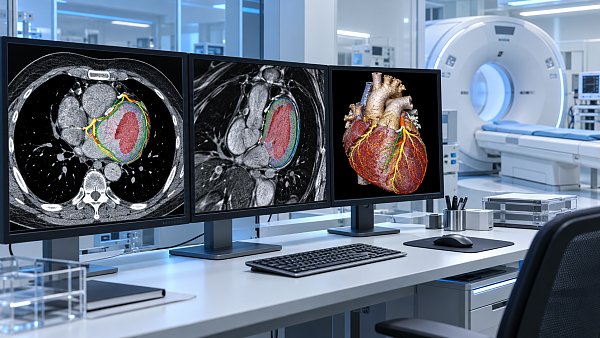
This is especially relevant in oncology, stroke, lung disease, and coronary assessment.
Greater accuracy
Advanced biomedical imaging tools reduce ambiguity between benign variation and clinically significant findings.
Quantitative parameters can support more reproducible interpretation across teams and sites.
Faster pathways
Shorter scan times, streamlined protocols, and AI triage reduce delays from suspicion to diagnosis.
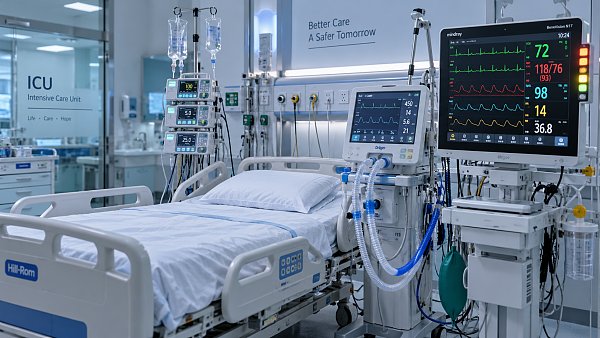
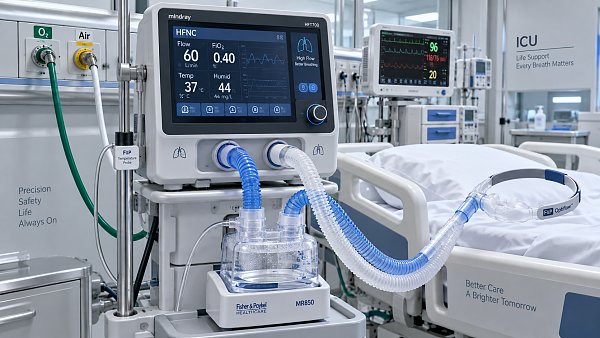
That benefit is critical in emergency care, ICU imaging, and high-volume outpatient screening.
Better treatment alignment
Biomedical imaging increasingly informs targeted therapies, minimally invasive planning, and longitudinal response assessment.
Diagnosis becomes more actionable when images are linked to therapy selection and outcome tracking.
Representative biomedical imaging applications across care settings
Different specialties are adopting biomedical imaging trends in different ways.
However, the common direction is more precise visualization with stronger workflow integration.
This pattern also shows why biomedical imaging matters beyond radiology alone.
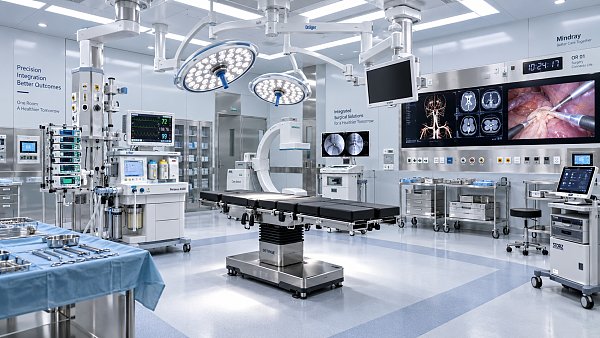
Its impact extends into surgery, emergency response, pathology correlation, and critical life support decisions.
Strategic considerations behind adoption
Not every imaging upgrade creates equal diagnostic value.
The strongest biomedical imaging strategies evaluate technology together with workflow, compliance, economics, and clinical usability.
- Assess whether image quality gains translate into measurable diagnostic improvement.
- Review data interoperability with PACS, EHR, reporting tools, and analytics platforms.
- Consider regulatory pathways, including FDA expectations and CE MDR implications.
- Examine training demands for radiologists, technologists, and interventional teams.
- Model ROI using throughput, dose reduction, repeat-scan avoidance, and DRG-linked outcomes.
This broader view is essential because diagnostic performance depends on system reliability and operational consistency.
High-end biomedical imaging only creates value when acquisition, interpretation, and reporting remain standardized.
Practical guidance for evaluating biomedical imaging developments
A disciplined evaluation framework helps separate meaningful innovation from temporary market noise.
Focus on clinical questions first
Start with target conditions, patient volumes, and known diagnostic bottlenecks.
Then match biomedical imaging capabilities to those real decision points.
Look for quantitative evidence
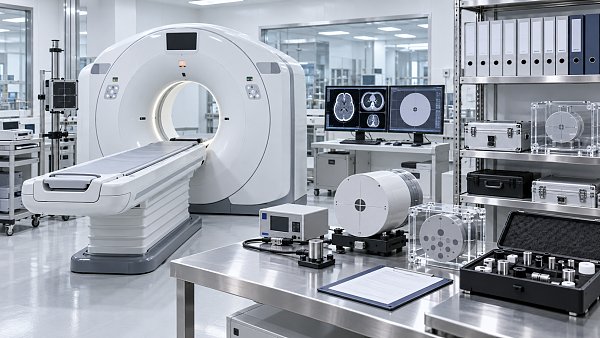
Sensitivity, specificity, repeatability, dose profile, and turnaround time matter more than headline features.
Validated metrics make biomedical imaging comparisons far more useful.
Consider multimodal integration
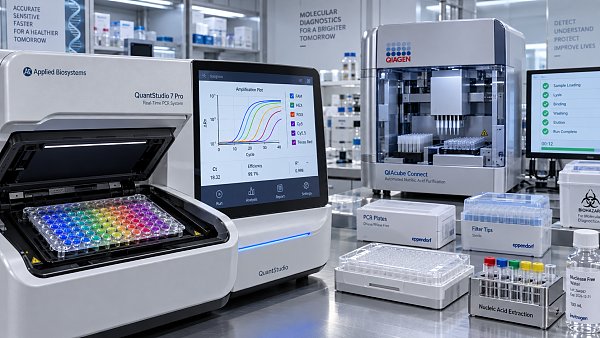
Imaging insights are stronger when linked with pathology, biomarkers, genomics, and longitudinal records.
This is where precision diagnosis becomes practical instead of theoretical.
Track implementation maturity
Some biomedical imaging technologies are already scalable, while others remain early in adoption.
Maturity affects supportability, compliance burden, and total operational risk.
Conclusion and next-step perspective
The biggest biomedical imaging trends are changing diagnosis by making it earlier, clearer, faster, and more connected.
AI reconstruction, photon-counting CT, advanced MRI, hybrid platforms, and image-guided systems are leading that shift.
Their real importance lies in better clinical decisions, not just better images.
As healthcare becomes more digital and outcome-focused, biomedical imaging will remain central to precision diagnostics and minimally invasive care.
A practical next step is to map current diagnostic priorities against emerging biomedical imaging capabilities, evidence standards, and integration requirements.
That approach helps turn technical trends into informed, measurable diagnostic progress.
Recommended News
 Oct 09, 2026Critical Care Cardiac Monitoring: Key Parameters for ICU System SelectionCritical care monitoring cardiac care: discover how to select ICU systems with reliable ECG, intelligent alarms, hemodynamic insight, interoperability, and resilience.
 Oct 08, 2026Operating Room Systems: Selection Criteria for Integrated Surgical WorkflowsOperating room systems selection guide for integrated surgical workflows—improve safety, interoperability, lifecycle value, and scalable clinical performance.
 Oct 07, 2026Hospital Diagnostic Equipment Procurement: A Framework for Comparing Cost, Capacity, and RiskHospital diagnostic equipment procurement made clearer: compare lifecycle cost, usable capacity, clinical fit, and operational risk to make confident, sustainable buying decisions.
 Oct 06, 2026How to Evaluate an Operating Room Technology Distributor for Hospital ProjectsOperating room technology distributor evaluation guide for hospitals: assess integration, compliance, lifecycle costs, service capacity, and delivery confidence before award.
 Oct 05, 2026Global Medical Procurement Planning: How Hospitals Can Reduce Supply Risk and CostGlobal medical procurement planning helps hospitals reduce supply risk, control lifecycle costs, and protect care continuity through smarter sourcing, service, and compliance strategies.
 Oct 03, 2026How Detection Algorithms Improve Sensitivity and Workflow in Medical ImagingMedical imaging algorithms detection improves sensitivity, manages false positives, and streamlines clinical workflows. Explore validation, integration, and governance essentials.
 Oct 02, 2026High-Flow ICU Ventilators: Key Selection Criteria for Acute Respiratory CareICU ventilators high flow: discover key selection criteria for accurate gas delivery, NIV performance, humidification, alarms, reliability, and safer acute respiratory care.
 Oct 01, 2026How to Evaluate Medical Equipment Intelligence Suppliers for Hospital ProcurementMedical equipment intelligence suppliers: learn how hospitals can assess evidence quality, total cost, compliance, interoperability, and cybersecurity for smarter procurement decisions.
 Sep 30, 2026ISO 13485 Requirements for Blood Testing Instruments: A Buyer’s ChecklistBlood testing instruments ISO 13485 buyer’s checklist: verify certification scope, traceability, installation, consumables, and supplier support before you buy.
 Sep 29, 2026How to Evaluate Integrated Operating Room Systems for Workflow, Imaging, and IT IntegrationIntegrated operating room systems: evaluate workflow, imaging, IT integration, cybersecurity, and lifecycle value to select a scalable surgical solution.
 Sep 28, 2026How to Evaluate a Genetic Testing Equipment Supplier for PCR Lab ProcurementGenetic testing equipment supplier evaluation guide for PCR labs: compare performance, compliance, workflow, service, supply resilience, and total cost.
 Sep 27, 2026How to Specify Custom Benchtop Diagnostic Instruments for Your Assay WorkflowCustom diagnostic instruments benchtop guide: specify optics, fluidics, automation, software integration, and support to build a reliable assay workflow.
 Sep 26, 2026How Cardiac Imaging Analysis Tools Turn CT and MRI Data into Clinical MetricsMedical imaging analysis cardiology tools transform cardiac CT and MRI into reliable metrics. Explore segmentation, validation, workflow integration, and AI review.
 Sep 25, 2026How Iterative Image Reconstruction Algorithms Balance CT Dose, Noise, and DetailIterative image reconstruction algorithms help CT teams balance dose, noise, and diagnostic detail. Explore practical insights for confident imaging decisions.
 Sep 24, 2026What Drives the Total Cost of Medical Technology Solutions Over Their Lifecycle?Medical technology solutions cost goes far beyond purchase price—explore lifecycle drivers from installation and service to software, training, compliance, and downtime.
 Sep 24, 2026Diagnostic Imaging Technology: How Modalities Support Different Clinical DecisionsDiagnostic imaging technology supports smarter clinical decisions across CT, MRI, ultrasound, and nuclear imaging. Explore modality strengths, workflows, and selection factors.
 Sep 22, 2026How Life Science Labs Can Select Biomedical Research Equipment by Workflow and ThroughputBiomedical research equipment life science labs can select with confidence by aligning workflow, throughput, automation, data integrity, and scalable support.
 Sep 21, 2026How to Plan LIS Connectivity for Chemiluminescence Analyzers Without Data GapsChemiluminescence analyzers LIS connectivity: learn how to prevent data gaps with field mapping, exception workflows, end-to-end validation, and reliable go-live planning.
 Sep 20, 2026Selecting Fluorescence PCR Instruments: Detection Channels, Sensitivity, and Workflow FitPCR diagnostic instruments fluorescence detection guide: compare channels, sensitivity, multiplexing, and workflow fit to select a reliable platform.
 Sep 19, 2026Biomedical Signal Processing: From Sensor Data to Clinical Decision SupportBiomedical signal processing transforms sensor data into reliable clinical decision support. Explore AI, imaging, IVD, ICU monitoring, and compliance-ready MedTech insights.
 Sep 18, 2026How to Evaluate a Diagnostic Imaging Platform for Multi-Modality Workflow IntegrationDiagnostic imaging platform evaluation guide: assess multi-modality workflows, interoperability, AI integration, image integrity, security, and scalability for safer clinical decisions.
 Sep 17, 2026ISO 13485 for Medical Imaging Equipment: What Manufacturers Must DocumentMedical imaging equipment ISO 13485: discover essential documentation for design controls, risk management, traceability, software, and post-market quality.
 Sep 16, 2026Robotic MIS Equipment: What Hospitals Should Evaluate Before AdoptionMinimally invasive surgical equipment robotic adoption guide: evaluate workflow, safety, imaging, costs, cybersecurity, and service readiness.
 Sep 15, 2026How to Evaluate Biomedical Signal Processing Suppliers for Clinical Device ProjectsBiomedical signal processing supplier evaluation guide for clinical device teams—compare signal fidelity, regulatory evidence, cybersecurity, integration, and lifecycle support.





Related News
- 00
0000-00
Critical Care Cardiac Monitoring: Key Parameters for ICU System Selection - 00
0000-00
Operating Room Systems: Selection Criteria for Integrated Surgical Workflows - 00
0000-00
How to Evaluate an Operating Room Technology Distributor for Hospital Projects - 00
0000-00
How Detection Algorithms Improve Sensitivity and Workflow in Medical Imaging - 00
0000-00
How to Evaluate Integrated Operating Room Systems for Workflow, Imaging, and IT Integration
Weekly Insights
Stay ahead with our curated technology reports delivered every Monday.