
EU MDR Annex XVI Adds Digital Operating Tables
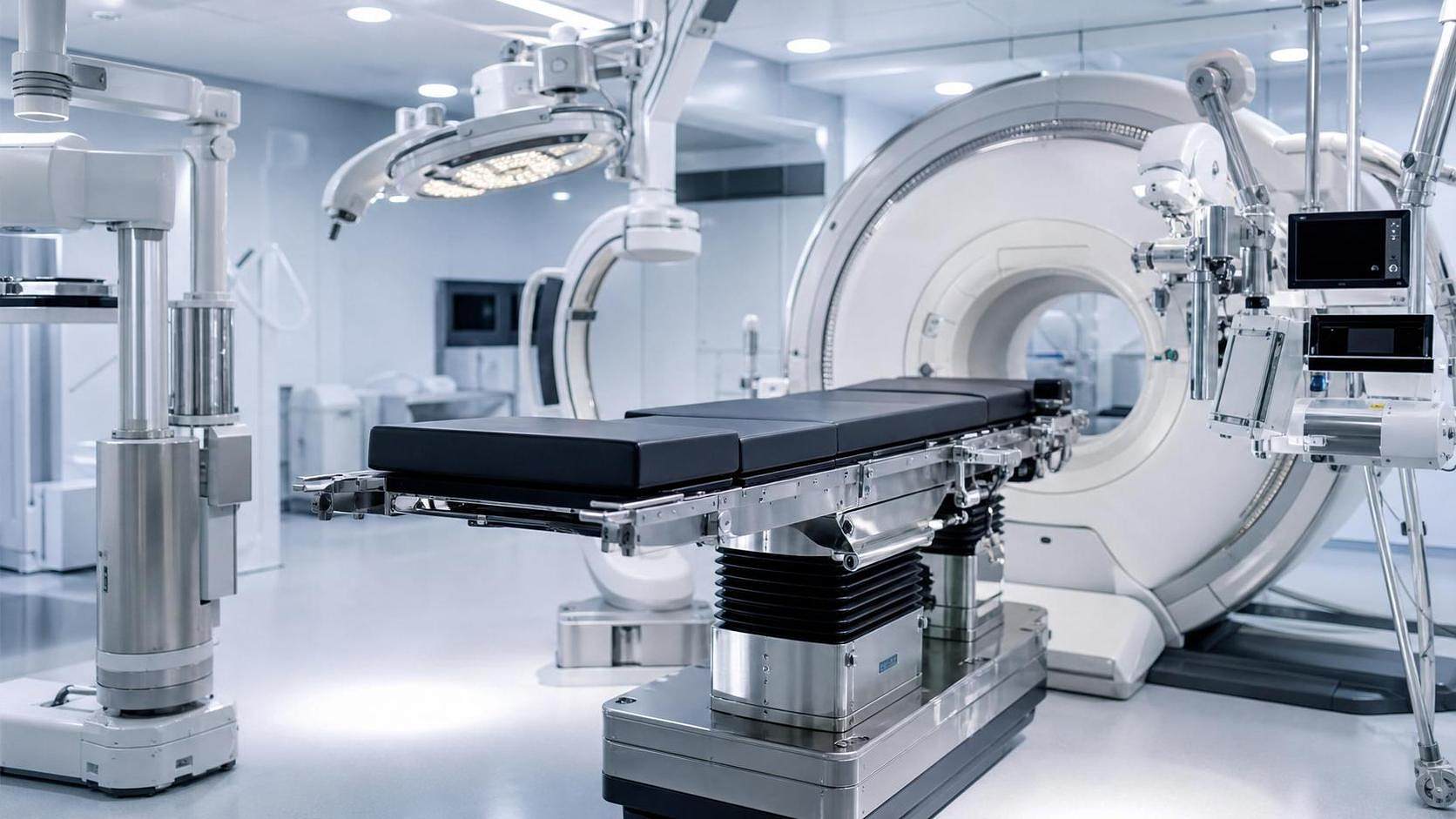




On July 9, 2026, the European Commission adopted an MDR amendment, Commission Implementing Decision (EU) 2026/1382, that formally brings Digital Operating Tables into the Annex XVI high-risk device list. For manufacturers, hospital buyers, and teams involved in regulatory approval and technical validation, the development is worth close attention because it links market entry to new mandatory testing on mechanical safety and intraoperative imaging compatibility starting in October 2026.
What the amendment formally changes
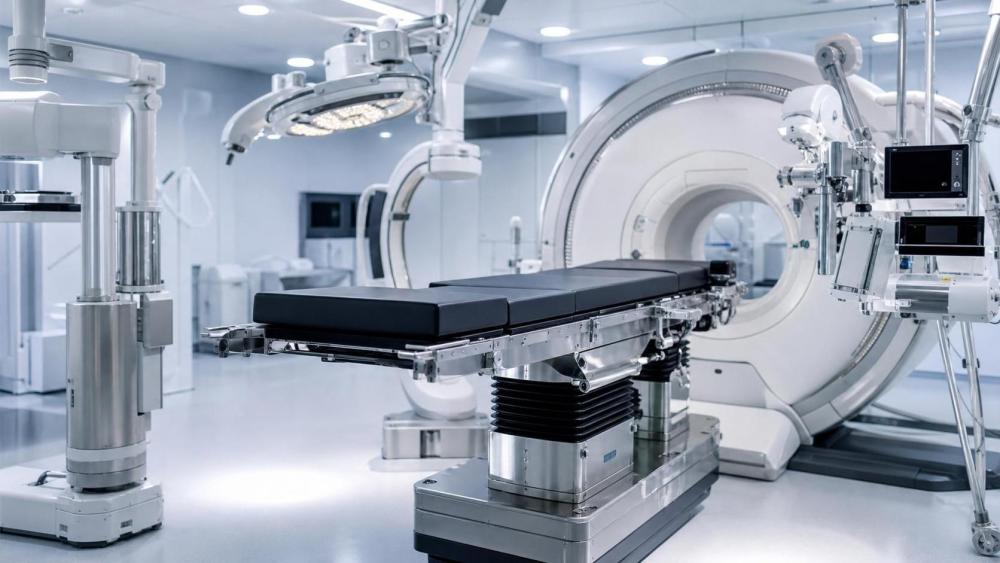
According to the information provided, the amendment adopted on July 9, 2026 places Digital Operating Tables within Annex XVI under the EU MDR framework. From October 2026, all newly marketed products in this category will be required to pass the dynamic load and imaging synchronization anti-interference test set out in Appendix B of EN ISO 13485:2023. The same information indicates that this change is expected to extend CE certification timelines for Chinese manufacturers and affect how hospitals verify technical parameters related to intraoperative CT/MRI collaborative compatibility during procurement.
Where the immediate pressure is likely to appear
Manufacturers facing a longer approval path
From an industry perspective, manufacturers of Digital Operating Tables may be affected first because the new requirement is tied directly to pre-market compliance for newly launched products. The main impact is likely to appear in product testing, technical file preparation, certification scheduling, and launch timing. What deserves closer attention is whether existing project timelines and EU market entry plans still align with the October 2026 requirement.
Certification and compliance work moving upstream
For teams handling regulatory affairs, quality systems, and external testing coordination, the change may shift more work into the earlier stages of product development. Analysis shows that the practical issue is not only the presence of a new test item, but also the need to align mechanical performance and imaging-related compatibility evidence before submission. This can affect document readiness, internal validation sequencing, and communication with conformity assessment counterparts.
Hospital procurement and technical evaluation becoming more specific
On the demand side, hospitals and procurement teams may need to adjust how they assess Digital Operating Tables intended for use alongside intraoperative CT or MRI workflows. Based on the provided information, the impact is likely to be concentrated in technical verification, bid specification review, and comparative product assessment. What deserves closer attention is that compatibility claims may require more structured validation review rather than remaining a general product feature statement.
What companies should track now
Watch the implementation boundary closely
Analysis shows that the key near-term issue is the October 2026 application point for newly marketed products. Companies should distinguish between the confirmed rule change and any later operational interpretations that may emerge in practice, especially where launch timing, submission sequence, or product classification details affect compliance planning.
Recheck product claims tied to intraoperative imaging
For businesses selling Digital Operating Tables into EU-facing channels, product descriptions involving intraoperative CT/MRI collaborative use deserve renewed review. The practical concern is whether technical claims, test evidence, and customer-facing specifications remain consistent once imaging synchronization anti-interference testing becomes mandatory.
Prepare for longer certification and delivery discussions
The provided information explicitly notes a likely extension of CE certification timelines for Chinese manufacturers. Observably, this has implications not only for regulatory planning but also for delivery commitments, distributor coordination, and customer communication. Companies may need to revisit launch schedules, quotation assumptions, and contract discussions where EU certification timing is a gating factor.
Align procurement dialogue with technical evidence
For suppliers and commercial teams, another practical point is the likely shift in hospital verification of intraoperative CT/MRI compatibility parameters. Analysis shows that sales and tender support materials may need to be more tightly connected to formal testing status and technical documentation, especially where buyers are expected to verify compatibility in more detail.
Why this looks like more than a narrow compliance update
This section is an editorial observation. It is more appropriate to understand this development as both a short-term operational change and a longer-term regulatory signal. In the short term, it introduces a defined compliance threshold for new Digital Operating Tables entering the EU market from October 2026. In a broader sense, it suggests that product performance in actual clinical technology environments, including interaction with intraoperative imaging systems, is receiving more explicit regulatory attention. That does not by itself establish the final scale of market impact, but it does indicate a direction that companies cannot treat as routine paperwork.
How to read the development at this stage
At this stage, the most balanced reading is that the amendment creates a concrete near-term compliance requirement while also signaling a stricter approach to technical validation for digitally integrated operating room equipment. It should not be overstated as a fully settled market outcome, but it is also not a minor procedural adjustment. For manufacturers, procurement teams, and compliance functions, the issue is best understood as an actionable industry development that requires continued monitoring and early operational preparation.
Basis of this article and points for continued verification
This article is based on the user-provided news title, event date, and event summary. For developments of this kind, relevant source types typically include official EU notices, manufacturer statements, industry association updates, authoritative media reporting, and standards-related documents. A specific official source link was not provided in the input, so the exact text and any subsequent implementation clarifications still need ongoing verification. Continued attention should focus on any further official wording, test interpretation guidance, and market-side adjustments in procurement validation for intraoperative CT/MRI collaborative compatibility.
Recommended News
 Oct 08, 2026Operating Room Systems: Selection Criteria for Integrated Surgical WorkflowsOperating room systems selection guide for integrated surgical workflows—improve safety, interoperability, lifecycle value, and scalable clinical performance.
 Oct 07, 2026Hospital Diagnostic Equipment Procurement: A Framework for Comparing Cost, Capacity, and RiskHospital diagnostic equipment procurement made clearer: compare lifecycle cost, usable capacity, clinical fit, and operational risk to make confident, sustainable buying decisions.
 Oct 06, 2026How to Evaluate an Operating Room Technology Distributor for Hospital ProjectsOperating room technology distributor evaluation guide for hospitals: assess integration, compliance, lifecycle costs, service capacity, and delivery confidence before award.
 Oct 05, 2026Global Medical Procurement Planning: How Hospitals Can Reduce Supply Risk and CostGlobal medical procurement planning helps hospitals reduce supply risk, control lifecycle costs, and protect care continuity through smarter sourcing, service, and compliance strategies.
 Oct 03, 2026How Detection Algorithms Improve Sensitivity and Workflow in Medical ImagingMedical imaging algorithms detection improves sensitivity, manages false positives, and streamlines clinical workflows. Explore validation, integration, and governance essentials.
 Oct 02, 2026High-Flow ICU Ventilators: Key Selection Criteria for Acute Respiratory CareICU ventilators high flow: discover key selection criteria for accurate gas delivery, NIV performance, humidification, alarms, reliability, and safer acute respiratory care.
 Oct 01, 2026How to Evaluate Medical Equipment Intelligence Suppliers for Hospital ProcurementMedical equipment intelligence suppliers: learn how hospitals can assess evidence quality, total cost, compliance, interoperability, and cybersecurity for smarter procurement decisions.
 Sep 30, 2026ISO 13485 Requirements for Blood Testing Instruments: A Buyer’s ChecklistBlood testing instruments ISO 13485 buyer’s checklist: verify certification scope, traceability, installation, consumables, and supplier support before you buy.
 Sep 29, 2026How to Evaluate Integrated Operating Room Systems for Workflow, Imaging, and IT IntegrationIntegrated operating room systems: evaluate workflow, imaging, IT integration, cybersecurity, and lifecycle value to select a scalable surgical solution.
 Sep 28, 2026How to Evaluate a Genetic Testing Equipment Supplier for PCR Lab ProcurementGenetic testing equipment supplier evaluation guide for PCR labs: compare performance, compliance, workflow, service, supply resilience, and total cost.
 Sep 27, 2026How to Specify Custom Benchtop Diagnostic Instruments for Your Assay WorkflowCustom diagnostic instruments benchtop guide: specify optics, fluidics, automation, software integration, and support to build a reliable assay workflow.
 Sep 26, 2026How Cardiac Imaging Analysis Tools Turn CT and MRI Data into Clinical MetricsMedical imaging analysis cardiology tools transform cardiac CT and MRI into reliable metrics. Explore segmentation, validation, workflow integration, and AI review.
 Sep 25, 2026How Iterative Image Reconstruction Algorithms Balance CT Dose, Noise, and DetailIterative image reconstruction algorithms help CT teams balance dose, noise, and diagnostic detail. Explore practical insights for confident imaging decisions.
 Sep 24, 2026What Drives the Total Cost of Medical Technology Solutions Over Their Lifecycle?Medical technology solutions cost goes far beyond purchase price—explore lifecycle drivers from installation and service to software, training, compliance, and downtime.
 Sep 24, 2026Diagnostic Imaging Technology: How Modalities Support Different Clinical DecisionsDiagnostic imaging technology supports smarter clinical decisions across CT, MRI, ultrasound, and nuclear imaging. Explore modality strengths, workflows, and selection factors.
 Sep 22, 2026How Life Science Labs Can Select Biomedical Research Equipment by Workflow and ThroughputBiomedical research equipment life science labs can select with confidence by aligning workflow, throughput, automation, data integrity, and scalable support.
 Sep 21, 2026How to Plan LIS Connectivity for Chemiluminescence Analyzers Without Data GapsChemiluminescence analyzers LIS connectivity: learn how to prevent data gaps with field mapping, exception workflows, end-to-end validation, and reliable go-live planning.
 Sep 20, 2026Selecting Fluorescence PCR Instruments: Detection Channels, Sensitivity, and Workflow FitPCR diagnostic instruments fluorescence detection guide: compare channels, sensitivity, multiplexing, and workflow fit to select a reliable platform.
 Sep 19, 2026Biomedical Signal Processing: From Sensor Data to Clinical Decision SupportBiomedical signal processing transforms sensor data into reliable clinical decision support. Explore AI, imaging, IVD, ICU monitoring, and compliance-ready MedTech insights.
 Sep 18, 2026How to Evaluate a Diagnostic Imaging Platform for Multi-Modality Workflow IntegrationDiagnostic imaging platform evaluation guide: assess multi-modality workflows, interoperability, AI integration, image integrity, security, and scalability for safer clinical decisions.
 Sep 17, 2026ISO 13485 for Medical Imaging Equipment: What Manufacturers Must DocumentMedical imaging equipment ISO 13485: discover essential documentation for design controls, risk management, traceability, software, and post-market quality.
 Sep 16, 2026Robotic MIS Equipment: What Hospitals Should Evaluate Before AdoptionMinimally invasive surgical equipment robotic adoption guide: evaluate workflow, safety, imaging, costs, cybersecurity, and service readiness.
 Sep 15, 2026How to Evaluate Biomedical Signal Processing Suppliers for Clinical Device ProjectsBiomedical signal processing supplier evaluation guide for clinical device teams—compare signal fidelity, regulatory evidence, cybersecurity, integration, and lifecycle support.
 Sep 14, 2026How Integrated Clinical Diagnostics Solutions Reduce Turnaround Time Across Lab WorkflowsIntegrated clinical diagnostics solutions reduce lab turnaround time by connecting workflows, automation, and data. Discover practical strategies for faster, traceable results.













Related News
- 00
0000-00
Powered Operating Tables Market: What Is Driving Hospital Procurement? - 00
0000-00
EU MDR Tightens Transition for Digital Operating Tables - 00
0000-00
EU Rule Takes Effect for Dual-Test Operating Tables - 00
0000-00
EU MDR Annex XVI Adds Digital Operating Tables - 00
0000-00
EU MDR Annex XVI Triggers 37% Recall Rise in OR Equipment
Weekly Insights
Stay ahead with our curated technology reports delivered every Monday.