
How precision medicine solutions are changing care decisions
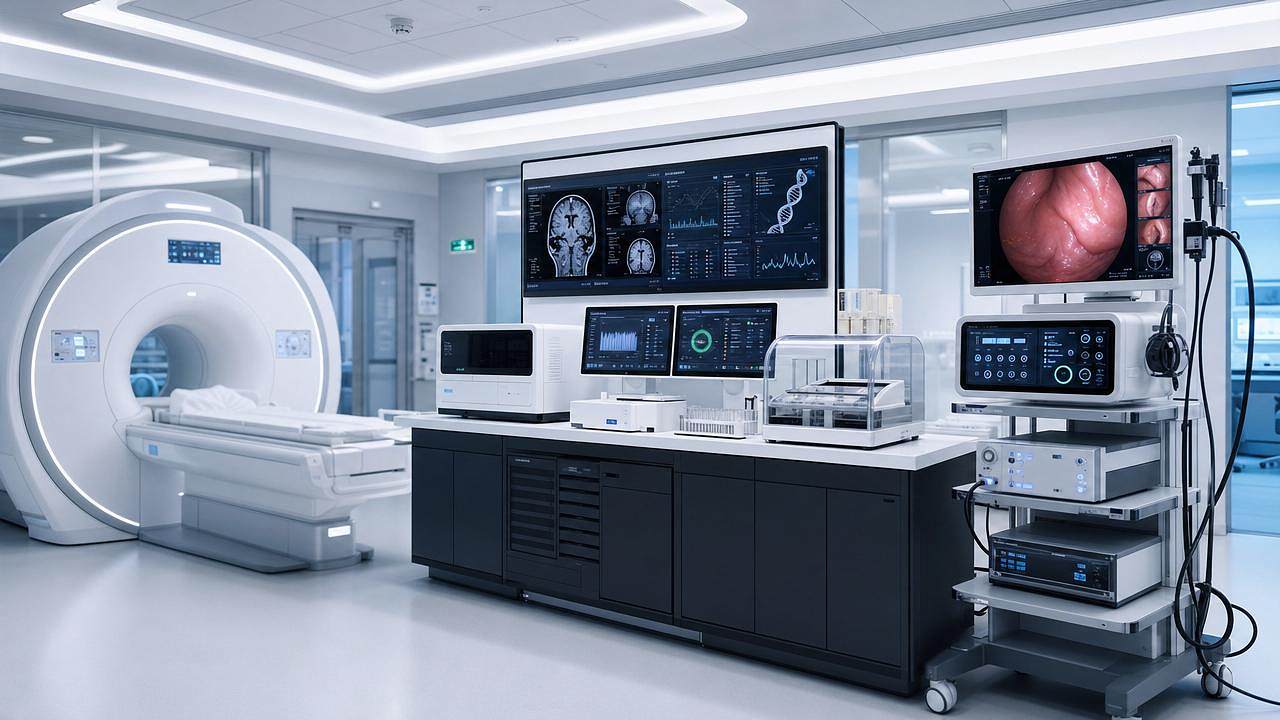




Precision medicine solutions are reshaping how healthcare leaders evaluate technology, risk, and clinical value. For enterprise decision-makers navigating imaging, IVD, life support, and minimally invasive systems, the shift is no longer theoretical—it directly influences care decisions, compliance readiness, and long-term ROI. This article explores how data-driven diagnostics and advanced MedTech intelligence are helping organizations align better outcomes with smarter investment strategies.
For hospital groups, diagnostic networks, device manufacturers, and healthcare investors, the core question is no longer whether precision-driven care will scale, but how fast systems can operationalize it without creating cost overruns, workflow friction, or compliance gaps. In practice, precision medicine solutions connect imaging findings, molecular diagnostics, clinical pathways, and treatment timing into a more actionable decision model.
This matters especially in high-acuity and high-capital environments. A delayed CT interpretation, an incomplete PCR workflow, or a poorly integrated ICU support platform can affect outcomes within minutes to 24 hours, while the financial impact may extend across 3 to 7 years of procurement and reimbursement planning. That is why enterprise leaders increasingly need not just equipment, but intelligence that links performance, regulation, and measurable value.
Why precision medicine solutions are changing enterprise care decisions
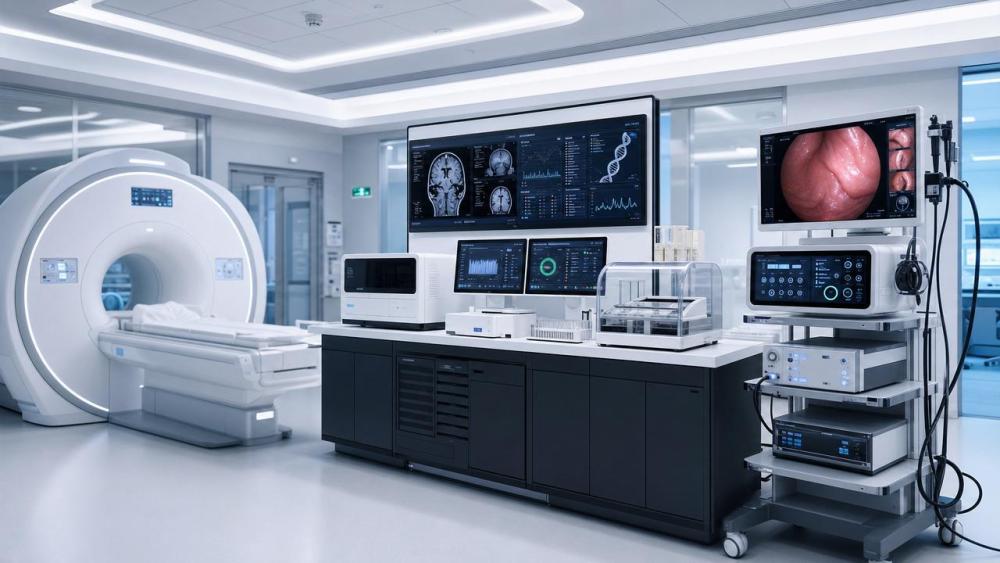
Precision medicine solutions are changing care decisions because they reduce uncertainty at multiple levels: diagnosis, treatment selection, intervention timing, and post-procedure monitoring. Instead of relying on broad clinical averages, organizations can use patient-specific imaging signatures, biomarker patterns, and physiological response data to support more targeted choices.
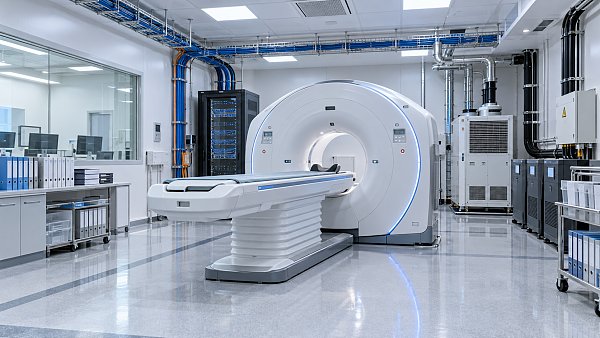
For enterprise buyers, this shift affects 4 critical dimensions at once: capital allocation, care quality, operational throughput, and market access. A new MRI platform, for example, is no longer assessed only by image resolution. Decision-makers also examine AI-assisted reconstruction speed, integration with oncology pathways, maintenance intervals, radiologist workload reduction, and readiness for FDA or CE MDR expectations.
From isolated devices to connected clinical evidence
Traditional equipment purchasing often treated each modality as a standalone asset. Precision medicine solutions require a different approach. A CT scanner, an IVD analyzer, an endoscope platform, and an ICU monitoring system create more value when they support a connected decision chain rather than isolated departmental tasks.
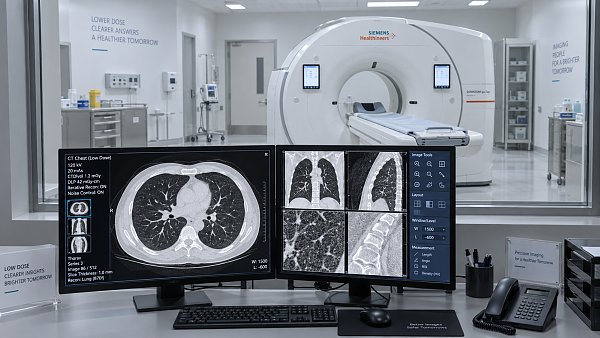
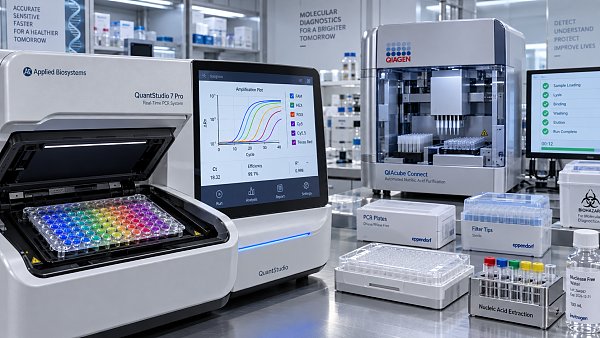
In oncology, for instance, imaging may identify a 5 mm to 10 mm suspicious lesion, molecular testing may confirm a biomarker profile within 4 to 8 hours, and minimally invasive visualization can support tissue access with lower procedural burden. The decision advantage comes from coordination speed and data confidence, not from any single machine in isolation.
Why leadership teams are paying closer attention
- Reimbursement pressure is increasing under DRG and value-based care models.
- Compliance review cycles can extend 6 to 18 months for some market entry paths.
- Clinical teams expect faster turnaround, often within 30 to 90 minutes for urgent diagnostics.
- Capital equipment decisions typically affect service lines for 5 to 10 years.
Because of these pressures, precision medicine solutions are now evaluated as strategic infrastructure. They help leaders answer a practical question: will this technology improve decision quality at the point where diagnosis, treatment planning, and resource utilization intersect?
How advanced MedTech categories support precision-driven care
AMDS focuses on five MedTech pillars that strongly influence care decisions: medical imaging, IVD, life support, core operating room systems, and medical endoscopy. Each category contributes a different layer of precision, and each must be evaluated against workflow, staffing, uptime, and compliance requirements.
The role of each technology pillar in decision accuracy
The table below shows how enterprise teams can connect technology category, decision function, and operational impact when assessing precision medicine solutions across clinical settings.
The key takeaway is that precision medicine solutions improve decisions when technology performance aligns with timing, interoperability, and clinical context. A highly capable system with poor workflow fit may still underperform at the enterprise level.
Where the business value becomes visible
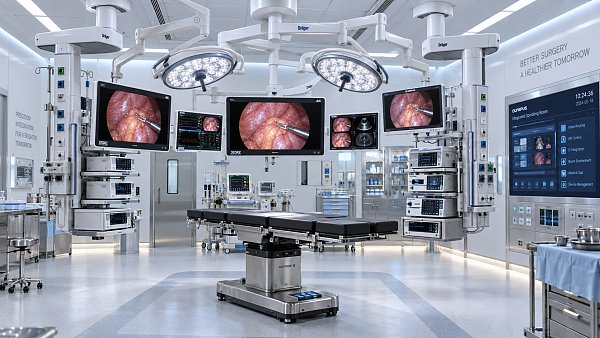
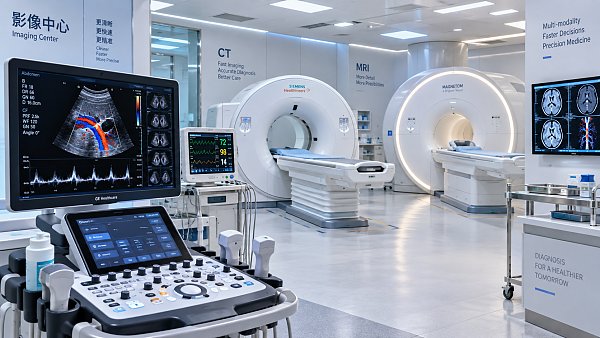
In imaging, value often appears through fewer repeat scans, better triage, and more confident early diagnosis. In IVD, value comes from shorter time to answer and more precise therapy direction. In endoscopy and surgery, value often appears as lower invasiveness, shorter recovery pathways, and improved operating room utilization over daily case volumes.
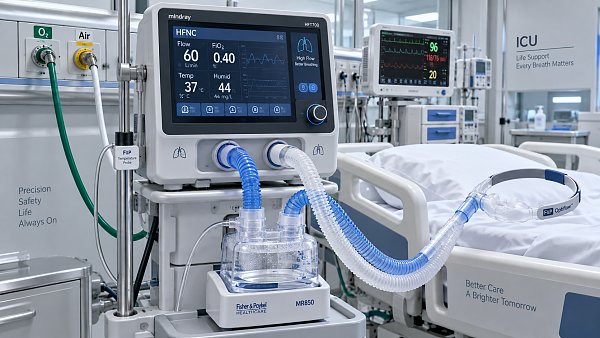
In critical care, precision medicine solutions help teams respond to changing respiratory or circulatory status with tighter parameter control. Even a 10 to 15 minute improvement in recognizing deterioration can influence ICU escalation choices, transport risk, and resource deployment.
What enterprise decision-makers should evaluate before investing
Not every high-end platform automatically supports precision-driven care. Leaders should evaluate technology using a structured framework that balances clinical fit, operational resilience, compliance readiness, and long-term economics. This is where many procurement programs either gain clarity or create hidden risk.
Five evaluation criteria that matter most
- Clinical relevance: Does the solution improve a defined pathway such as oncology, cardiovascular care, sepsis detection, or minimally invasive surgery?
- Data integration: Can it connect with RIS, LIS, PACS, EMR, or ICU data streams with manageable implementation effort?
- Compliance pathway: Are documentation, validation, cybersecurity, and audit readiness mature enough for target markets?
- Service sustainability: Are spare parts, calibration support, training refreshers, and remote diagnostics available over 3 to 7 years?
- Economic logic: Can the organization justify ROI through throughput, reduced repeat procedures, reimbursement alignment, or risk reduction?
A practical comparison model for capital planning
The next table can help enterprise teams compare precision medicine solutions beyond headline specifications. It is especially useful when evaluating multiple vendors during a 2-stage or 3-stage procurement cycle.
A disciplined review process helps prevent a common mistake: buying a technically advanced platform that cannot deliver enterprise-scale value because support, integration, or compliance maturity is too weak.
Common procurement mistakes
One frequent mistake is over-prioritizing acquisition cost while underestimating service complexity. Another is evaluating modalities in silos. Precision medicine solutions work best when imaging, molecular evidence, intervention tools, and post-treatment monitoring are planned as a coordinated architecture.
A third mistake is assuming compliance can be resolved late in the process. For cross-border MedTech programs, documentation gaps discovered 60 to 90 days before launch can delay commercialization, disrupt distributor commitments, and increase rework cost significantly.
How to implement precision medicine solutions without disrupting operations
Implementation should be phased, measurable, and linked to care pathways. Most organizations benefit from a 3-step model: define the target clinical use case, validate infrastructure and data flow, then scale with service and training controls. This approach is more reliable than broad deployment without pathway discipline.
A three-step rollout framework
1. Define the high-value use case
Start with one service line where decision quality has a clear financial and clinical impact, such as stroke imaging, oncology stratification, respiratory critical care, or endoscopy-led minimally invasive surgery. Set 3 to 5 measurable targets, such as reduced repeat scans, faster result turnaround, or lower procedure conversion rates.
2. Build interoperability and governance
Map system interfaces, user roles, validation points, and escalation rules. In many projects, 20% of the effort is hardware deployment and 80% is workflow alignment, data mapping, cybersecurity review, and staff enablement. Precision medicine solutions fail most often when governance is unclear.
3. Track performance after go-live
Measure utilization, uptime, diagnostic turnaround, training completion, and adverse workflow events over the first 30, 60, and 180 days. Leaders should also review whether the solution is improving downstream decisions, not just whether the device is technically functioning.
Why intelligence support matters during rollout
This is where a specialized intelligence partner such as AMDS becomes valuable. Decision-makers often need one source that can connect algorithm logic, molecular workflow, clinical utility, and compliance documentation. Without that stitched perspective, teams may optimize one layer while missing critical dependencies in another.
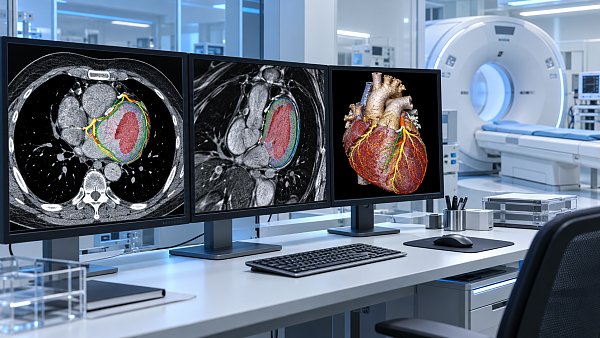
For example, AI-assisted image reconstruction may improve scan productivity, but the enterprise value depends on auditability, clinical acceptance, software update control, and reimbursement relevance. Similarly, advanced endoscope optics may enhance visibility, but the purchasing case must also account for sterilization workflow, maintenance training, and procedural adoption rates.
Questions leaders should ask before choosing a strategic partner
The market for precision medicine solutions is crowded with technical claims. Enterprise buyers should test whether a partner can support not only product selection, but also evidence interpretation, market access planning, and business-case development.
Key questions for vendor and intelligence review
- Can the provider explain how the solution changes a care decision within a defined pathway?
- Is there a realistic implementation plan covering 30, 90, and 180-day milestones?
- What documentation supports regulatory, technical, and clinical review?
- How will lifecycle cost behave after year 1, especially for service, software, and consumables?
- What training model is available for radiology, lab, OR, or ICU teams across multiple sites?
These questions help separate attractive demonstrations from deployable enterprise solutions. In a capital-intensive environment, the better decision is usually the one that preserves both clinical confidence and execution discipline.
Precision medicine solutions are no longer an abstract innovation category. They are becoming the operational backbone of smarter diagnostics, faster interventions, and more defensible investment decisions across imaging, IVD, life support, and minimally invasive care. Organizations that evaluate them through connected evidence, lifecycle economics, and compliance readiness are better positioned to improve care quality without losing control of cost or complexity.
AMDS supports this decision process by linking clinical technology insight with regulatory analysis, engineering interpretation, and health economics logic. If your team is assessing new platforms, market access pathways, or multi-modality investment priorities, now is the right time to get a tailored perspective. Contact us to explore customized precision medicine solutions, discuss product details, or learn more about strategic MedTech intelligence for your next decision cycle.
Recommended News
 Oct 09, 2026Critical Care Cardiac Monitoring: Key Parameters for ICU System SelectionCritical care monitoring cardiac care: discover how to select ICU systems with reliable ECG, intelligent alarms, hemodynamic insight, interoperability, and resilience.
 Oct 08, 2026Operating Room Systems: Selection Criteria for Integrated Surgical WorkflowsOperating room systems selection guide for integrated surgical workflows—improve safety, interoperability, lifecycle value, and scalable clinical performance.
 Oct 07, 2026Hospital Diagnostic Equipment Procurement: A Framework for Comparing Cost, Capacity, and RiskHospital diagnostic equipment procurement made clearer: compare lifecycle cost, usable capacity, clinical fit, and operational risk to make confident, sustainable buying decisions.
 Oct 06, 2026How to Evaluate an Operating Room Technology Distributor for Hospital ProjectsOperating room technology distributor evaluation guide for hospitals: assess integration, compliance, lifecycle costs, service capacity, and delivery confidence before award.
 Oct 05, 2026Global Medical Procurement Planning: How Hospitals Can Reduce Supply Risk and CostGlobal medical procurement planning helps hospitals reduce supply risk, control lifecycle costs, and protect care continuity through smarter sourcing, service, and compliance strategies.
 Oct 03, 2026How Detection Algorithms Improve Sensitivity and Workflow in Medical ImagingMedical imaging algorithms detection improves sensitivity, manages false positives, and streamlines clinical workflows. Explore validation, integration, and governance essentials.
 Oct 02, 2026High-Flow ICU Ventilators: Key Selection Criteria for Acute Respiratory CareICU ventilators high flow: discover key selection criteria for accurate gas delivery, NIV performance, humidification, alarms, reliability, and safer acute respiratory care.
 Oct 01, 2026How to Evaluate Medical Equipment Intelligence Suppliers for Hospital ProcurementMedical equipment intelligence suppliers: learn how hospitals can assess evidence quality, total cost, compliance, interoperability, and cybersecurity for smarter procurement decisions.
 Sep 30, 2026ISO 13485 Requirements for Blood Testing Instruments: A Buyer’s ChecklistBlood testing instruments ISO 13485 buyer’s checklist: verify certification scope, traceability, installation, consumables, and supplier support before you buy.
 Sep 29, 2026How to Evaluate Integrated Operating Room Systems for Workflow, Imaging, and IT IntegrationIntegrated operating room systems: evaluate workflow, imaging, IT integration, cybersecurity, and lifecycle value to select a scalable surgical solution.
 Sep 28, 2026How to Evaluate a Genetic Testing Equipment Supplier for PCR Lab ProcurementGenetic testing equipment supplier evaluation guide for PCR labs: compare performance, compliance, workflow, service, supply resilience, and total cost.
 Sep 27, 2026How to Specify Custom Benchtop Diagnostic Instruments for Your Assay WorkflowCustom diagnostic instruments benchtop guide: specify optics, fluidics, automation, software integration, and support to build a reliable assay workflow.
 Sep 26, 2026How Cardiac Imaging Analysis Tools Turn CT and MRI Data into Clinical MetricsMedical imaging analysis cardiology tools transform cardiac CT and MRI into reliable metrics. Explore segmentation, validation, workflow integration, and AI review.
 Sep 25, 2026How Iterative Image Reconstruction Algorithms Balance CT Dose, Noise, and DetailIterative image reconstruction algorithms help CT teams balance dose, noise, and diagnostic detail. Explore practical insights for confident imaging decisions.
 Sep 24, 2026What Drives the Total Cost of Medical Technology Solutions Over Their Lifecycle?Medical technology solutions cost goes far beyond purchase price—explore lifecycle drivers from installation and service to software, training, compliance, and downtime.
 Sep 24, 2026Diagnostic Imaging Technology: How Modalities Support Different Clinical DecisionsDiagnostic imaging technology supports smarter clinical decisions across CT, MRI, ultrasound, and nuclear imaging. Explore modality strengths, workflows, and selection factors.
 Sep 22, 2026How Life Science Labs Can Select Biomedical Research Equipment by Workflow and ThroughputBiomedical research equipment life science labs can select with confidence by aligning workflow, throughput, automation, data integrity, and scalable support.
 Sep 21, 2026How to Plan LIS Connectivity for Chemiluminescence Analyzers Without Data GapsChemiluminescence analyzers LIS connectivity: learn how to prevent data gaps with field mapping, exception workflows, end-to-end validation, and reliable go-live planning.
 Sep 20, 2026Selecting Fluorescence PCR Instruments: Detection Channels, Sensitivity, and Workflow FitPCR diagnostic instruments fluorescence detection guide: compare channels, sensitivity, multiplexing, and workflow fit to select a reliable platform.
 Sep 19, 2026Biomedical Signal Processing: From Sensor Data to Clinical Decision SupportBiomedical signal processing transforms sensor data into reliable clinical decision support. Explore AI, imaging, IVD, ICU monitoring, and compliance-ready MedTech insights.
 Sep 18, 2026How to Evaluate a Diagnostic Imaging Platform for Multi-Modality Workflow IntegrationDiagnostic imaging platform evaluation guide: assess multi-modality workflows, interoperability, AI integration, image integrity, security, and scalability for safer clinical decisions.
 Sep 17, 2026ISO 13485 for Medical Imaging Equipment: What Manufacturers Must DocumentMedical imaging equipment ISO 13485: discover essential documentation for design controls, risk management, traceability, software, and post-market quality.
 Sep 16, 2026Robotic MIS Equipment: What Hospitals Should Evaluate Before AdoptionMinimally invasive surgical equipment robotic adoption guide: evaluate workflow, safety, imaging, costs, cybersecurity, and service readiness.
 Sep 15, 2026How to Evaluate Biomedical Signal Processing Suppliers for Clinical Device ProjectsBiomedical signal processing supplier evaluation guide for clinical device teams—compare signal fidelity, regulatory evidence, cybersecurity, integration, and lifecycle support.









Related News
- 00
0000-00
Critical Care Cardiac Monitoring: Key Parameters for ICU System Selection - 00
0000-00
Operating Room Systems: Selection Criteria for Integrated Surgical Workflows - 00
0000-00
How to Evaluate an Operating Room Technology Distributor for Hospital Projects - 00
0000-00
How Detection Algorithms Improve Sensitivity and Workflow in Medical Imaging - 00
0000-00
How to Evaluate Integrated Operating Room Systems for Workflow, Imaging, and IT Integration
Weekly Insights
Stay ahead with our curated technology reports delivered every Monday.