
When medical endoscope systems need replacement
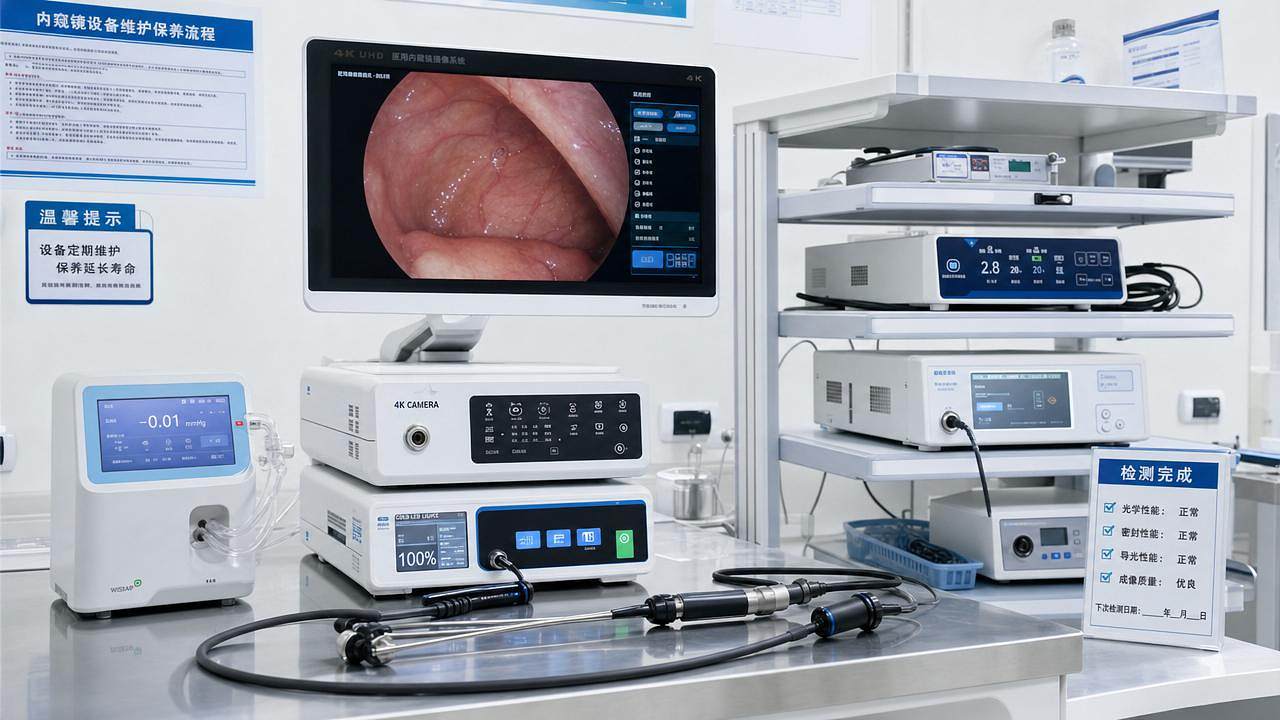




For after-sales maintenance teams, knowing when medical endoscope systems need replacement is critical to patient safety, service reliability, and hospital confidence. Image degradation, repeated repair cycles, compromised insulation, obsolete light sources, and compliance gaps can quietly turn a once-dependable system into a clinical risk. This guide highlights the practical warning signs that help maintenance professionals move beyond temporary fixes and make timely, evidence-based replacement recommendations.
In minimally invasive surgery, endoscopy is no longer a simple camera-and-light arrangement. A working system may include a 4K or 3D camera head, processor, light source, insufflator, recording module, flexible or rigid scopes, cables, monitors, and reprocessing accessories. When one link weakens, clinical workflow can slow within minutes.
For service engineers and biomedical maintenance personnel, the challenge is not only repairing faults. The larger responsibility is recognizing when continued repair of medical endoscope systems creates more risk, downtime, and cost than planned replacement.
Clinical performance signs that replacement should be considered
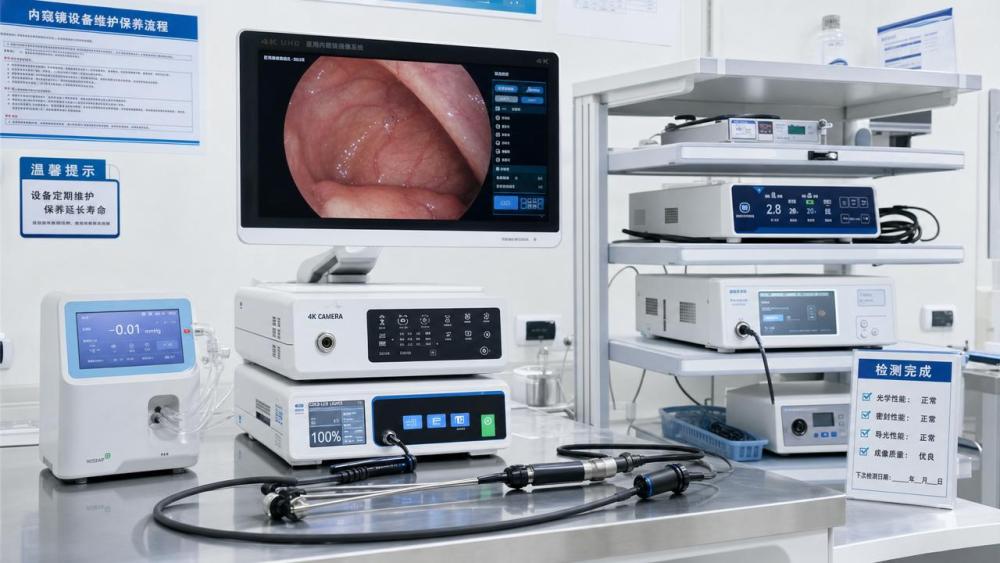
The first replacement trigger is usually visible in the operating room. Surgeons may report reduced image sharpness, delayed focus, uneven brightness, or poor color distinction between tissue planes. These comments should be treated as service data, not preferences.
Image degradation beyond routine calibration
Modern medical endoscope systems depend on stable optical transmission, precise sensor response, and consistent digital processing. If image quality remains poor after cleaning, cable exchange, white balance, and standard calibration, the root cause may be aging optics or electronics.
Common warning signs include persistent haze, edge distortion, flickering, color shift, intermittent black screen, or visible pixel defects. If these issues reappear within 2–4 weeks after repair, the equipment may have entered a failure cycle.
Key observations for after-sales teams
- Brightness drops even after replacing the light guide cable or confirming lamp output.
- The camera head requires frequent reconnection during procedures to recover signal.
- The processor shows repeated boot errors, frozen images, or delayed response above 1–2 seconds.
- Surgeons request backup scopes more than once per operating list.
A single image complaint does not automatically justify replacement. However, repeated degradation across 3 or more procedures, especially after documented maintenance, should be escalated to a replacement assessment.
Light source and optical pathway limitations
Older xenon light sources may still function, but they can become unstable, hot, and costly to maintain. LED systems often provide longer service life, lower heat output, and more predictable brightness over thousands of operating hours.
When light source aging causes repeated bulb changes, thermal alarms, fan noise, or reduced illumination in deep cavities, the issue affects both safety and operating efficiency. Maintenance teams should compare repair cost against a 3–5 year lifecycle plan.
The table below summarizes practical clinical indicators that help separate repairable faults from replacement-level deterioration in medical endoscope systems.
The core message is simple: if image performance cannot be restored by repeatable service steps, replacement planning should begin before the equipment fails during a critical case.
Technical and safety thresholds for endoscope replacement
Clinical complaints are important, but maintenance decisions must also rely on measurable thresholds. Medical endoscope systems are exposed to bending, sterilization chemicals, electrical testing, fluid contact, and frequent connection cycles.
Insulation, leakage, and electrical safety results
For electrosurgical environments, compromised insulation can turn a device into a patient safety risk. Leakage current testing, insulation resistance checks, and visual inspection should be part of periodic preventive maintenance.
If a scope repeatedly fails electrical safety testing after 2 repair attempts, or if insulation damage appears near the distal tip, bending section, or connector, replacement should be recommended instead of temporary patching.
Maintenance logs should record test date, measured result, instrument serial number, repair action, and release decision. A missing record may become a compliance weakness during internal audit or external inspection.
Mechanical fatigue and fluid ingress
Flexible endoscopes face bending stress every day. Angulation loss, stiff insertion tubes, buckling, loose control knobs, channel blockage, or suction leakage can indicate mechanical fatigue that routine adjustment cannot solve.
Fluid ingress is especially serious. Even minor moisture traces inside optical or electronic areas can cause intermittent faults, corrosion, image instability, and microbial reprocessing concerns. A leak that returns within 30–60 days is a strong replacement signal.
Six technical checks before issuing a replacement recommendation
- Review the last 12 months of repair records and count repeat failures by component.
- Confirm whether spare parts remain available through approved channels.
- Run image, leakage, insulation, and mechanical function tests under documented conditions.
- Compare downtime per quarter against operating room scheduling requirements.
- Check compatibility with monitors, processors, sterilizers, and recording systems.
- Estimate 24–36 month repair exposure versus acquisition and training cost.
These 6 checks give after-sales maintenance teams a defensible basis for discussion with operating room managers, procurement departments, and clinical engineering leadership.
Repair economics: when frequent service becomes more expensive than renewal
A medical device can be repairable and still be a poor asset. For hospitals, the true cost of aging medical endoscope systems includes downtime, emergency rentals, case delays, staff frustration, and audit exposure.
The 50 percent rule is only a starting point
Many maintenance teams use a practical rule: if projected repair cost over 12–18 months approaches 40–60 percent of replacement cost, replacement deserves serious review. This is not a legal standard, but it supports rational budgeting.
The calculation should include labor hours, shipping, service loaner fees, spare parts, repeated validation, and procedure disruption. A low-cost repair may become expensive if it removes a key scope from circulation every month.
Downtime and operating room impact
Endoscopy downtime affects more than equipment availability. In surgical departments, a 15-minute delay can cascade across multiple cases. In gastroenterology or ENT clinics, unavailable scopes can reduce daily patient throughput.
Replacement planning should consider device utilization. A heavily used scope supporting 20–40 cases per week has a different risk profile from a backup unit used only several times per month.
The following table can help maintenance teams present replacement logic in financial and operational language that decision-makers can evaluate quickly.
The strongest replacement cases combine several factors: rising repair frequency, obsolete parts, visible clinical impact, and limited compatibility with current operating room workflows.
Compliance, reprocessing, and documentation gaps
Even if an endoscope still produces an acceptable image, it may become unsuitable if documentation, cleaning validation, or safety evidence no longer meets hospital expectations. Compliance gaps often appear gradually.
Reprocessing compatibility and infection control
Medical endoscope systems must withstand repeated cleaning, high-level disinfection, or sterilization according to the device type and local protocol. Aging seals, damaged channels, and surface cracks increase reprocessing uncertainty.
After-sales teams should watch for discoloration, peeling, rough surfaces, trapped fluid, unexplained odor, or channel residue after cleaning. These signs can become more important than the original fault report.
If reprocessing staff must add extra manual steps beyond approved instructions, the process may become inconsistent. Replacement should be considered when safe cleaning depends on workaround habits rather than validated procedures.
Traceability and audit readiness
Hospitals increasingly expect complete traceability for equipment used in invasive procedures. Maintenance history, inspection results, software versions, accessory compatibility, and cleaning records may all be reviewed during audits.
Systems with missing serial information, unsupported software, unavailable service manuals, or undocumented third-party repairs create unnecessary exposure. A replacement plan can reduce risk while improving asset control.
Compliance-related replacement triggers
- Manufacturer support has ended, and no equivalent validated service pathway exists.
- Software cannot be updated to meet current cybersecurity or data transfer requirements.
- Reprocessing instructions no longer match available hospital chemicals or automated reprocessors.
- Service records contain gaps exceeding 6–12 months for high-use surgical devices.
For maintenance professionals, compliance is not paperwork after the repair. It is part of the evidence that determines whether the device remains clinically acceptable.
How to build an evidence-based replacement recommendation
A replacement recommendation should be structured, concise, and defensible. The goal is not to criticize old equipment, but to show why replacement is safer, more reliable, or more economical than further repair.
Use a 5-step assessment workflow
- Collect fault history, downtime records, user complaints, and repair invoices for at least 12 months.
- Perform standardized functional tests for image, light, leakage, angulation, and connectivity.
- Identify patient safety, workflow, compliance, and financial risks in separate categories.
- Compare repair, refurbished replacement, and new system options over a 3-year period.
- Submit a recommendation with priority level, expected benefits, and transition requirements.
This workflow helps after-sales teams speak the language of biomedical engineering, surgeons, finance officers, and procurement teams without relying on subjective impressions.
Define priority levels for replacement
Not every aging system must be replaced immediately. A practical 3-level priority model keeps planning realistic: urgent replacement, scheduled replacement within 3–6 months, or monitored replacement within the next budget cycle.
Urgent cases involve safety test failure, fluid ingress, severe image loss, or unavailable critical parts. Scheduled cases involve rising repair cost, partial obsolescence, or workflow disruption that is manageable with backup equipment.
What a strong report should include
- Device identity: asset number, serial number, department, usage intensity, and age.
- Objective findings: images, test values, fault codes, leak results, and repair dates.
- Risk statement: clinical, operational, compliance, and economic impact in plain language.
- Recommendation: repair limit, replacement timing, required accessories, and training needs.
The best reports convert technical symptoms into decision-ready information. That is where after-sales maintenance becomes strategic support rather than reactive troubleshooting.
Selecting the next generation of medical endoscope systems
Once replacement is justified, the next question is selection. Maintenance teams should participate early because long-term serviceability often determines whether a system remains dependable after installation.
Serviceability should be part of procurement scoring
Procurement specifications should go beyond resolution and price. Evaluate spare parts strategy, software update policy, service documentation, cleaning compatibility, warranty scope, and response time for critical failures.
For high-use departments, a 24–48 hour service response target may be more valuable than a small upfront discount. Availability of loaner equipment can also protect surgical schedules during unexpected repairs.
Integration with digital operating rooms
Newer medical endoscope systems may support 4K imaging, 3D visualization, digital capture, network export, and compatibility with OR integration platforms. These features should match real clinical need, not marketing preference.
Maintenance teams should verify cable standards, monitor compatibility, data security settings, firmware update procedures, and accessory availability. A strong installation plan usually includes 2–3 training sessions for users and reprocessing staff.
Practical buying criteria for maintenance teams
- Modular design that allows camera head, processor, cable, and light source troubleshooting separately.
- Clear preventive maintenance intervals, commonly every 6 or 12 months depending on use.
- Documented cleaning compatibility with existing hospital reprocessors and approved chemicals.
- Service training, spare part visibility, and realistic repair turnaround expectations.
A replacement project succeeds when clinical performance, maintenance control, and compliance readiness are balanced from the beginning. Lowest price rarely equals lowest lifecycle cost.
AMDS perspective for after-sales maintenance teams
At AMDS, medical endoscope systems are viewed as the pioneering pathfinders of minimally invasive surgery. Their reliability depends on optics, electronics, reprocessing discipline, service documentation, and procurement foresight working together.
For after-sales maintenance teams, timely replacement is not a sales-driven conclusion. It is a clinical risk control decision supported by repair history, safety testing, downtime evidence, and lifecycle economics.
From temporary fixes to lifecycle intelligence
The most reliable departments maintain a replacement watchlist. Devices with repeat failures, poor image recovery, uncertain parts supply, or reprocessing concerns should be reviewed monthly or quarterly, depending on utilization.
This approach helps hospitals avoid emergency purchases, protect surgical confidence, and align capital planning with real clinical demand. It also gives maintenance teams a stronger voice in equipment strategy.
When image quality declines, repair cycles shorten, insulation results become unstable, or compliance evidence weakens, replacement should be discussed before the next failure. Medical endoscope systems are too important to manage only after breakdown.
AMDS supports MedTech professionals with structured intelligence across imaging, IVD, life support, operating room infrastructure, and endoscopic technologies. For evidence-based replacement planning, service benchmarking, or procurement evaluation, contact us to get a tailored solution and explore more clinical equipment strategies.
Recommended News
 Aug 28, 2026Planning Operating Room Technology for a High-Throughput Surgery CenterOperating room technology for a surgery center: plan workflows, integration, uptime, and safety to boost throughput and create future-ready surgical rooms.
 Aug 27, 2026Building Medical Compliance Analytics for Middle East Market AccessMedical compliance analytics Middle East: build device-specific evidence maps, align local requirements, and accelerate market access with confidence.
 Aug 26, 2026How Surgical Equipment Digitalization Is Reshaping Hospital Investment in Latin AmericaSurgical equipment digitalization Latin America is reshaping hospital investment, from smart ORs to ROI-driven upgrades. Explore what buyers now value most.
 Aug 25, 2026How to Evaluate a Medical Compliance Intelligence Provider for Global Market AccessMedical compliance intelligence provider selection can make or break global market access. Learn how to assess technical depth, update quality, and commercial fit before choosing.
 Aug 24, 2026How Advanced Clinical Imaging Is Improving Cardiology Diagnosis and Treatment PlanningAdvanced clinical imaging cardiology is transforming diagnosis and treatment planning with clearer anatomy, tissue insight, and procedural guidance. Discover how it reduces uncertainty and supports smarter cardiac decisions.
 Aug 23, 2026How to Source Medical Devices in North America: Supplier Vetting and Market Access RisksMedical device sourcing North America made practical: learn how to vet suppliers, reduce compliance risks, and protect market access with smarter procurement decisions.
 Aug 22, 2026What Are Integrated Critical Care Systems and How Do Hospitals Evaluate Them?Critical care systems integrated: learn how hospitals assess ICU platforms for interoperability, alarm safety, workflow efficiency, and long-term value before buying.
 Aug 21, 2026How to Evaluate High-Resolution Diagnostic Imaging Systems for Detail-Critical ExamsDiagnostic imaging systems high resolution: learn how to compare detail-critical performance, workflow fit, dose efficiency, and ROI to choose the right system with confidence.
 Aug 20, 2026How to Evaluate Medical Equipment Performance Before Purchase?Medical equipment evaluation performance starts before purchase. Learn how to assess safety, workflow fit, compliance, uptime, and total cost to choose devices that truly perform.
 Aug 19, 2026How to Evaluate Small-Footprint Laboratory Diagnostic Equipment for Space-Limited LabsLaboratory diagnostic equipment small footprint choices require more than size checks. Learn how to assess workflow, throughput, compliance, and service access for smarter lab buying.
 Aug 18, 2026Biochemical Molecular Diagnostics Explained: Methods, Clinical Uses, and Lab Selection CriteriaBiochemical molecular diagnostics explained: compare key methods, clinical applications, and lab selection criteria to choose reliable, compliant testing with confidence.
 Aug 17, 2026How to Choose Diagnostic Equipment Solutions for a Clinic: Key Factors That Affect Workflow and CostDiagnostic equipment solutions clinic buyers can use to improve workflow, control total cost, and avoid hidden service risks. Learn the key factors before you invest.
 Aug 16, 2026How to Choose a Blood Cell Analyzer for a Small Lab: Throughput, CBC Menu, and CostBlood cell analyzers small lab buyers can compare throughput, CBC menu, and total operating cost with confidence. Learn how to avoid waste, reduce downtime, and choose the right fit.
 Aug 16, 2026FDA Approval of AMDS Hybrid Prosthesis Removes IRB Step for Faster U.S. AccessFDA approval of AMDS Hybrid Prosthesis removes the IRB step, speeding U.S. access for acute aortic dissection care and reshaping hospital procurement and supporting equipment demand.
 Aug 15, 2026What Hospital Technology Infrastructure Is Needed for Reliable Interoperability?Hospital technology infrastructure interoperability depends on secure networks, integration engines, identity services, and governance. Discover what hospitals need for reliable, scalable connectivity.
 Aug 14, 2026What to Look for in an Advanced Diagnostic Systems Distributor Before You BuyAdvanced diagnostic systems distributor: learn what to check before buying, from compliance and technical depth to delivery reliability and after-sales support. Make a smarter procurement decision today.
 Aug 14, 2026China Temporarily Bans Helium ExportsChina Temporarily Bans Helium Exports: learn how the July 10, 2026 rule may disrupt MRI, ECMO, and anesthesia device supply chains, compliance, and delivery planning for global buyers.
 Aug 13, 2026How CT Reconstruction Technology Impacts Image Quality, Dose, and WorkflowMedical imaging reconstruction technology CT shapes image quality, dose, and workflow. Learn how smarter CT reconstruction improves diagnostics and efficiency.
 Aug 13, 2026FDA clears AMDS PMA, easing U.S. hospital accessFDA clears AMDS PMA, easing U.S. hospital access for Artivion’s aortic arch device and speeding procurement, compliance, and deployment.
 Aug 12, 2026Hospital Diagnostic Equipment Comparison: What Buyers Should Evaluate Beyond PriceDiagnostic equipment comparison hospital buyers can trust: learn how to evaluate clinical performance, uptime, compliance, integration, and long-term ROI beyond price.
 Aug 12, 2026FDA Draft Guidance Reshapes AI Device ComplianceFDA Draft Guidance reshapes AI device compliance with new postmarket monitoring expectations for AI/ML-enabled SaMD. Learn what it means for U.S. market access, distributors, and exporters.
 Aug 11, 2026How to Evaluate a Diagnostic Medical Systems Manufacturer for Quality and Market AccessDiagnostic medical systems manufacturer selection starts with more than specs. Learn how to assess quality systems, regulatory readiness, service uptime, and market access before you buy.
 Aug 11, 2026EU MDR Deadline Extended for ECMO and ICU DevicesEU MDR deadline extended for ECMO and ICU devices to 2027. Learn what Regulation (EU) 2026/1347 means for compliance, exports, procurement, and roadmap filing.
 Aug 10, 2026How to Evaluate Laboratory Automation Systems in Europe for Multi-Site Lab OperationsLaboratory automation systems Europe buyers can use this guide to compare interoperability, compliance, service coverage, and ROI for multi-site lab operations with confidence.



Related News
- 00
0000-00
EU MDR Transition Ends, Endoscope Re-Certification Becomes Urgent - 00
0000-00
EU MDR Annex XVI Now Requires Separate CE for Accessories - 00
0000-00
EU MDR Transition Ends for Endoscopy Device Imports - 00
0000-00
EU MDR Rule Triggers CER Updates for Endoscopy Devices - 00
0000-00
EU MDR Update Sets 12-Month CER Rule for Ultrasound and Endoscopy
Weekly Insights
Stay ahead with our curated technology reports delivered every Monday.