
Flexible Endoscope Systems Supplier Evaluation: 7 Criteria Beyond Price
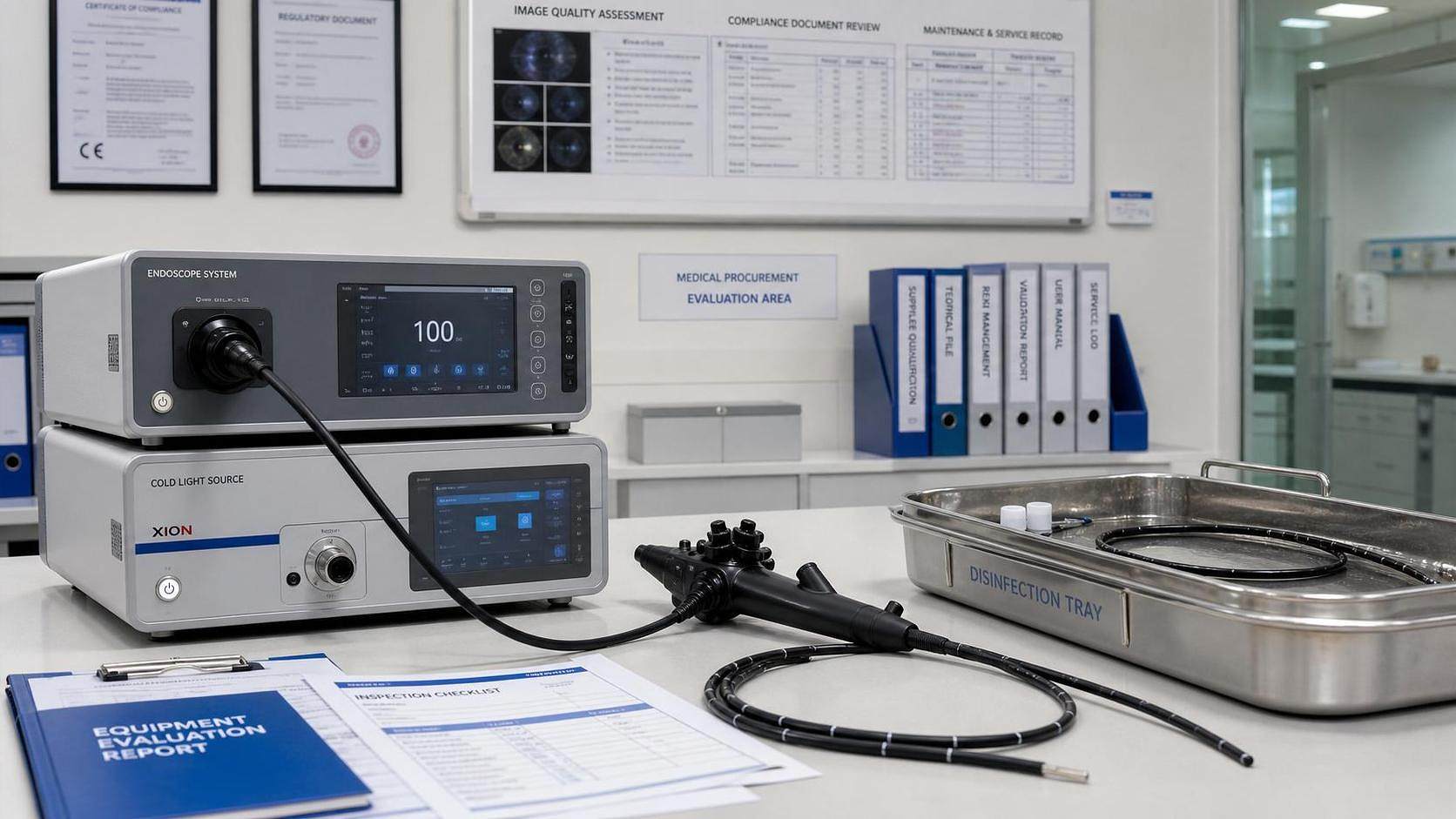




Flexible Endoscope Systems Supplier Evaluation: 7 Criteria Beyond Price
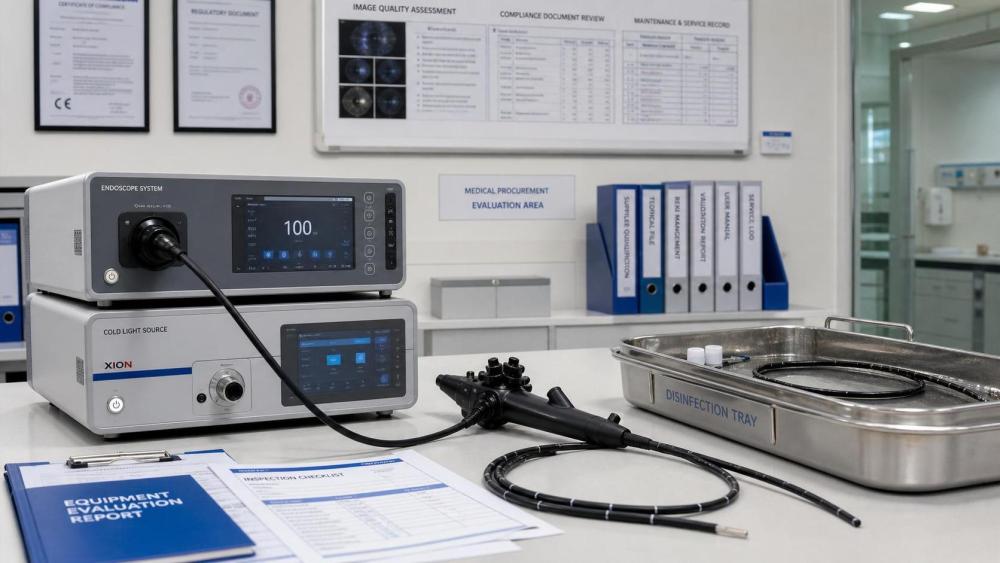
Choosing a flexible endoscope systems supplier is no longer a simple price comparison.
In real procurement cycles, the cheaper quote can become the more expensive decision.
That shift is easy to understand.
Flexible endoscope systems now sit at the intersection of imaging performance, infection control, compliance pressure, and service continuity.
For AMDS, this category matters because minimally invasive equipment affects both clinical outcomes and capital efficiency.
A disciplined flexible endoscope systems supplier review reduces risk before contracts are signed.
It also helps align technical selection with regulatory goals, uptime expectations, and long-term operating cost.
The seven criteria below offer a practical framework for supplier evaluation teams making a selection or renewal decision.
1. Image Quality Must Be Verified in Clinical Use, Not Just in Demos
Most suppliers can present attractive sample footage.
The harder question is whether image quality stays stable across real anatomy, motion, fluids, and lighting changes.
A strong flexible endoscope systems supplier should document resolution, color consistency, contrast handling, and anti-fog performance.
Ask for evidence from routine procedures, not only controlled demonstrations.
This matters even more when diagnostic confidence depends on subtle tissue differentiation.
- Request side-by-side clinical image sets from comparable procedures.
- Check low-light clarity, edge distortion, and visibility during fluid exposure.
- Review how the system performs after repeated reprocessing cycles.
If image quality degrades quickly, the initial price advantage loses meaning.
2. Regulatory Readiness Should Match the Target Market Strategy
A flexible endoscope systems supplier may look strong commercially while remaining weak in market access execution.
That gap becomes visible during registration, audits, or hospital qualification reviews.
From a selection standpoint, regulatory readiness is not a background issue.
It is a core supply risk indicator.
Evaluate whether the supplier can support CE MDR, FDA, local registration files, post-market documentation, and traceability expectations.
More importantly, check whether the documentation is current and consistent across product variants.
- Verify certifications, device listings, and quality management scope.
- Confirm complaint handling and vigilance procedures.
- Review change control practices for optics, software, and materials.
In cross-border procurement, documentation discipline often predicts operational discipline.
3. Service Responsiveness Is a Direct Uptime Metric
Service quality is often described vaguely, which makes it hard to compare suppliers.
A better approach is to convert service promises into measurable downtime exposure.
For any flexible endoscope systems supplier, ask how quickly failures are acknowledged, diagnosed, repaired, and closed.
Also ask what happens when parts are unavailable.
In practical terms, hospitals and distributors need continuity, not apologies.
That means loaner units, regional engineers, remote diagnostics, and spare inventory matter more than glossy brochures.
- Track average repair turnaround time.
- Review spare parts stocking locations.
- Confirm whether loaner scopes or processors are guaranteed.
- Check training support for frontline users and biomed teams.
A flexible endoscope systems supplier with strong service infrastructure usually protects revenue and procedure scheduling better over time.
4. Lifecycle Cost Is More Useful Than Unit Price
Price remains important, but it should sit inside a wider ownership model.
This is where many evaluations become too narrow.
A low upfront quote can hide higher repair frequency, shorter product life, or expensive accessories.
When comparing a flexible endoscope systems supplier, build a three-to-five-year total cost view.
Include maintenance, reprocessing compatibility, disposables, software updates, training, and replacement cycles.
This cost view makes flexible endoscope systems supplier comparisons much more realistic.
5. Production Stability and Supply Chain Visibility Reduce Future Disruption
In recent years, supplier evaluation has changed for one simple reason.
Global medical supply chains are less forgiving than they used to be.
A flexible endoscope systems supplier should be able to explain manufacturing capacity, critical component sourcing, and contingency planning.
That includes optics, insertion tube materials, processors, and electronic boards.
More revealing is whether they can provide realistic lead times instead of optimistic estimates.
This also affects launch schedules, tenders, and service commitments downstream.
When supply data is opaque, procurement risk usually rises.
6. Product Breadth and Upgrade Path Matter More Than a Single Model
Many teams evaluate only the current purchase need.
That is understandable, but short-sighted.
A capable flexible endoscope systems supplier should support future expansion across specialties, procedure complexity, and digital integration needs.
Look at portfolio depth, accessory compatibility, software scalability, and image management interfaces.
If every upgrade requires a platform reset, ownership becomes fragmented and expensive.
This is especially relevant for organizations planning growth in GI, bronchoscopy, urology, or minimally invasive surgery.
- Can existing processors support newer scopes?
- Are accessories standardized across models?
- Is digital output ready for hospital IT workflows?
A flexible endoscope systems supplier with a credible roadmap often delivers better strategic fit.
7. Supplier Transparency Is Often the Best Predictor of Long-Term Partnership Quality
The final criterion is less technical, but just as important.
How a flexible endoscope systems supplier answers difficult questions usually tells you more than the polished presentation does.
Pay attention to how they discuss failure rates, complaint history, product changes, and known limitations.
Reliable partners do not pretend complexity does not exist.
They explain trade-offs clearly and support decisions with data.
This is particularly important when negotiating exclusive terms, service levels, or regional distribution arrangements.
Transparency lowers surprise costs and improves escalation handling later.
A Practical Evaluation Framework for Supplier Shortlisting
To make selection decisions more consistent, score each flexible endoscope systems supplier across the same weighted categories.
That creates a decision trail which is easier to defend internally.
- Set mandatory thresholds for compliance, image quality, and service coverage.
- Score lifecycle cost separately from quoted purchase price.
- Request reference accounts with similar procedure volume.
- Run a pilot or sample validation where possible.
- Document risk flags before final negotiation.
This approach turns a flexible endoscope systems supplier review into a business case, not just a quote comparison.
Conclusion
The best flexible endoscope systems supplier is rarely the one with the lowest headline price.
The better choice is the supplier that combines reliable imaging, compliance readiness, responsive service, stable production, and manageable total ownership cost.
For AMDS, that is where procurement decisions become safer and more strategic.
Use these seven criteria to structure the next shortlist, challenge weak assumptions, and negotiate from evidence rather than price alone.
Recommended News
 Aug 27, 2026Building Medical Compliance Analytics for Middle East Market AccessMedical compliance analytics Middle East: build device-specific evidence maps, align local requirements, and accelerate market access with confidence.
 Aug 26, 2026How Surgical Equipment Digitalization Is Reshaping Hospital Investment in Latin AmericaSurgical equipment digitalization Latin America is reshaping hospital investment, from smart ORs to ROI-driven upgrades. Explore what buyers now value most.
 Aug 25, 2026How to Evaluate a Medical Compliance Intelligence Provider for Global Market AccessMedical compliance intelligence provider selection can make or break global market access. Learn how to assess technical depth, update quality, and commercial fit before choosing.
 Aug 24, 2026How Advanced Clinical Imaging Is Improving Cardiology Diagnosis and Treatment PlanningAdvanced clinical imaging cardiology is transforming diagnosis and treatment planning with clearer anatomy, tissue insight, and procedural guidance. Discover how it reduces uncertainty and supports smarter cardiac decisions.
 Aug 23, 2026How to Source Medical Devices in North America: Supplier Vetting and Market Access RisksMedical device sourcing North America made practical: learn how to vet suppliers, reduce compliance risks, and protect market access with smarter procurement decisions.
 Aug 22, 2026What Are Integrated Critical Care Systems and How Do Hospitals Evaluate Them?Critical care systems integrated: learn how hospitals assess ICU platforms for interoperability, alarm safety, workflow efficiency, and long-term value before buying.
 Aug 21, 2026How to Evaluate High-Resolution Diagnostic Imaging Systems for Detail-Critical ExamsDiagnostic imaging systems high resolution: learn how to compare detail-critical performance, workflow fit, dose efficiency, and ROI to choose the right system with confidence.
 Aug 20, 2026How to Evaluate Medical Equipment Performance Before Purchase?Medical equipment evaluation performance starts before purchase. Learn how to assess safety, workflow fit, compliance, uptime, and total cost to choose devices that truly perform.
 Aug 19, 2026How to Evaluate Small-Footprint Laboratory Diagnostic Equipment for Space-Limited LabsLaboratory diagnostic equipment small footprint choices require more than size checks. Learn how to assess workflow, throughput, compliance, and service access for smarter lab buying.
 Aug 18, 2026Biochemical Molecular Diagnostics Explained: Methods, Clinical Uses, and Lab Selection CriteriaBiochemical molecular diagnostics explained: compare key methods, clinical applications, and lab selection criteria to choose reliable, compliant testing with confidence.
 Aug 17, 2026How to Choose Diagnostic Equipment Solutions for a Clinic: Key Factors That Affect Workflow and CostDiagnostic equipment solutions clinic buyers can use to improve workflow, control total cost, and avoid hidden service risks. Learn the key factors before you invest.
 Aug 16, 2026How to Choose a Blood Cell Analyzer for a Small Lab: Throughput, CBC Menu, and CostBlood cell analyzers small lab buyers can compare throughput, CBC menu, and total operating cost with confidence. Learn how to avoid waste, reduce downtime, and choose the right fit.
 Aug 16, 2026FDA Approval of AMDS Hybrid Prosthesis Removes IRB Step for Faster U.S. AccessFDA approval of AMDS Hybrid Prosthesis removes the IRB step, speeding U.S. access for acute aortic dissection care and reshaping hospital procurement and supporting equipment demand.
 Aug 15, 2026What Hospital Technology Infrastructure Is Needed for Reliable Interoperability?Hospital technology infrastructure interoperability depends on secure networks, integration engines, identity services, and governance. Discover what hospitals need for reliable, scalable connectivity.
 Aug 14, 2026What to Look for in an Advanced Diagnostic Systems Distributor Before You BuyAdvanced diagnostic systems distributor: learn what to check before buying, from compliance and technical depth to delivery reliability and after-sales support. Make a smarter procurement decision today.
 Aug 14, 2026China Temporarily Bans Helium ExportsChina Temporarily Bans Helium Exports: learn how the July 10, 2026 rule may disrupt MRI, ECMO, and anesthesia device supply chains, compliance, and delivery planning for global buyers.
 Aug 13, 2026How CT Reconstruction Technology Impacts Image Quality, Dose, and WorkflowMedical imaging reconstruction technology CT shapes image quality, dose, and workflow. Learn how smarter CT reconstruction improves diagnostics and efficiency.
 Aug 13, 2026FDA clears AMDS PMA, easing U.S. hospital accessFDA clears AMDS PMA, easing U.S. hospital access for Artivion’s aortic arch device and speeding procurement, compliance, and deployment.
 Aug 12, 2026Hospital Diagnostic Equipment Comparison: What Buyers Should Evaluate Beyond PriceDiagnostic equipment comparison hospital buyers can trust: learn how to evaluate clinical performance, uptime, compliance, integration, and long-term ROI beyond price.
 Aug 12, 2026FDA Draft Guidance Reshapes AI Device ComplianceFDA Draft Guidance reshapes AI device compliance with new postmarket monitoring expectations for AI/ML-enabled SaMD. Learn what it means for U.S. market access, distributors, and exporters.
 Aug 11, 2026How to Evaluate a Diagnostic Medical Systems Manufacturer for Quality and Market AccessDiagnostic medical systems manufacturer selection starts with more than specs. Learn how to assess quality systems, regulatory readiness, service uptime, and market access before you buy.
 Aug 11, 2026EU MDR Deadline Extended for ECMO and ICU DevicesEU MDR deadline extended for ECMO and ICU devices to 2027. Learn what Regulation (EU) 2026/1347 means for compliance, exports, procurement, and roadmap filing.
 Aug 10, 2026How to Evaluate Laboratory Automation Systems in Europe for Multi-Site Lab OperationsLaboratory automation systems Europe buyers can use this guide to compare interoperability, compliance, service coverage, and ROI for multi-site lab operations with confidence.
 Aug 10, 2026FDA Tightens AI Validation Rules for IVD DevicesFDA Tightens AI Validation Rules for IVD Devices: learn how new FDA requirements for AI-enabled PCR and chemiluminescence IVDs may impact 510(k), De Novo filings, exports, and U.S. market access.








Related News
- 00
0000-00
EU MDR Transition Ends, Endoscope Re-Certification Becomes Urgent - 00
0000-00
EU MDR Annex XVI Now Requires Separate CE for Accessories - 00
0000-00
EU MDR Transition Ends for Endoscopy Device Imports - 00
0000-00
EU MDR Rule Triggers CER Updates for Endoscopy Devices - 00
0000-00
EU MDR Update Sets 12-Month CER Rule for Ultrasound and Endoscopy
Weekly Insights
Stay ahead with our curated technology reports delivered every Monday.