
What matters most when choosing endoscopic imaging technology?
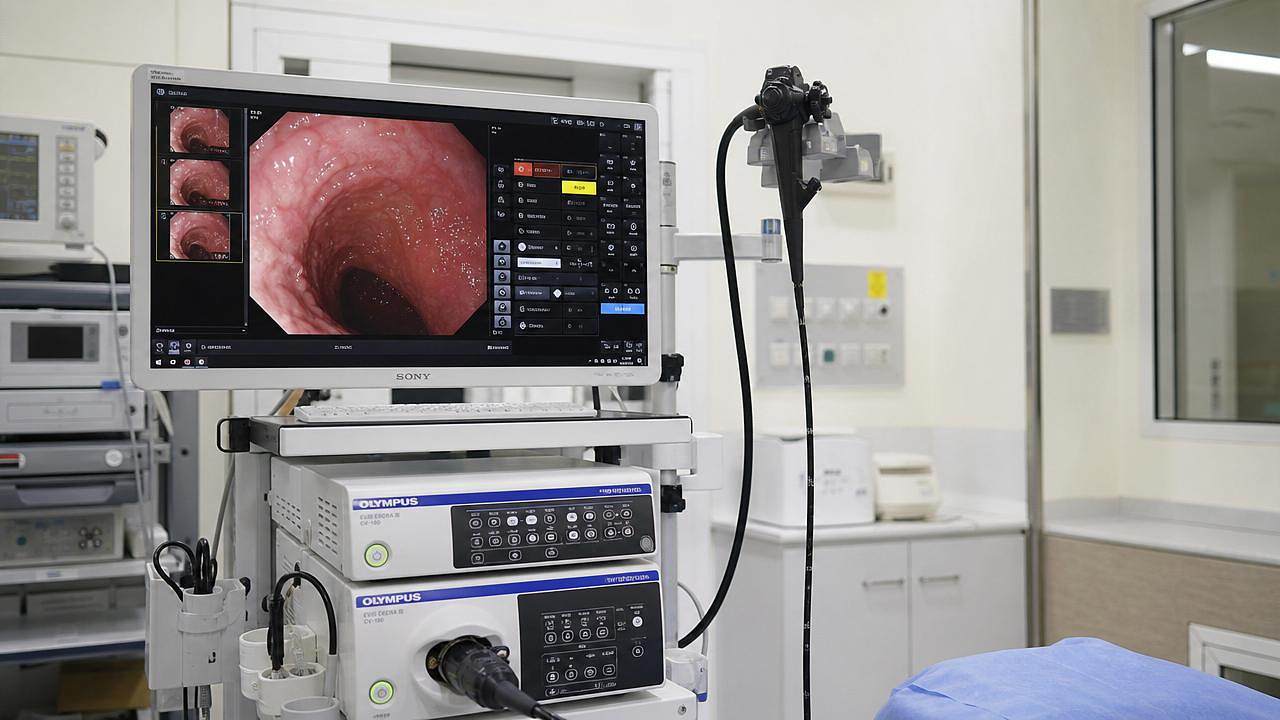




When evaluating endoscopic imaging technology, resolution is only one part of the decision. Clinical image quality, integration, reprocessing needs, support response, and lifecycle cost all shape real value.
In modern care settings, the right platform supports minimally invasive workflows, improves diagnostic confidence, and protects long-term return. That is why endoscopic imaging technology should be assessed as a full clinical system.
AMDS tracks how imaging performance, compliance expectations, and hospital economics intersect. This guide answers the most important questions behind choosing endoscopic imaging technology wisely.
What does endoscopic imaging technology really include?
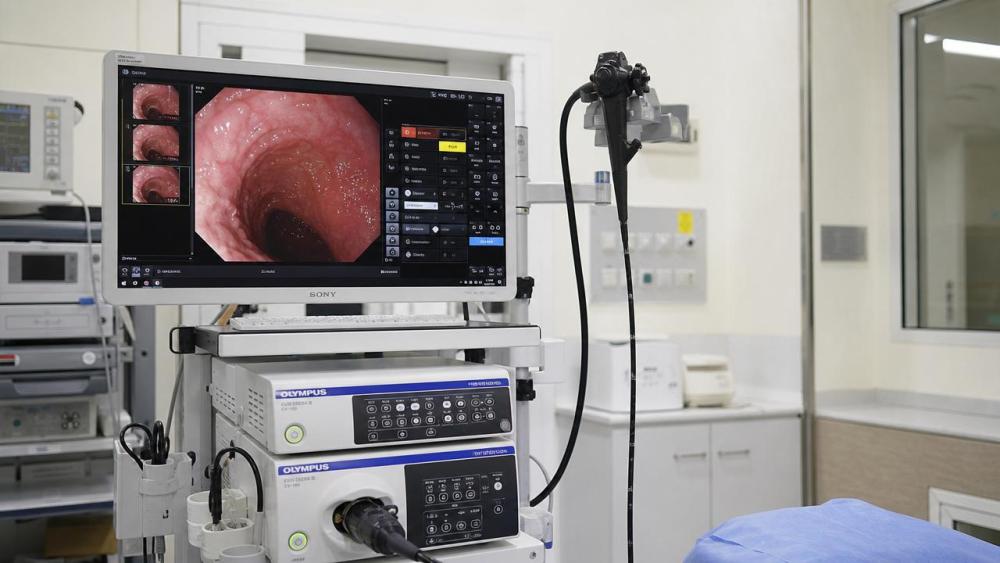
Many buyers think only about the scope tip camera. In practice, endoscopic imaging technology includes the camera head, light source, processor, monitor, software, optics, and documentation interface.
It also includes image enhancement modes, color reproduction, brightness management, smoke handling, anti-fog performance, and data output. Each component affects what clinicians actually see during diagnosis or intervention.
A strong system must perform in different specialties. Gastrointestinal endoscopy, laparoscopy, bronchoscopy, urology, and ENT each place different demands on illumination, depth, maneuverability, and visualization stability.
That is why comparing only “4K versus HD” is too narrow. The better question is whether the entire endoscopic imaging technology stack supports accurate interpretation and efficient clinical use.
Key components to verify
- Sensor type and low-light sensitivity
- Light source stability and thermal control
- Image processor speed and enhancement options
- Monitor calibration and color consistency
- Recording, storage, and network connectivity
Is higher resolution always the most important factor?
Not always. Higher resolution can improve detail, but poor lighting, motion blur, weak contrast, or inaccurate color can still limit usefulness. Effective endoscopic imaging technology must deliver usable information, not just more pixels.
In real procedures, clarity depends on several combined factors. These include edge sharpness, latency, dynamic range, white balance, and performance in fluids, blood, or smoke-rich environments.
Image enhancement modes may be valuable when they improve mucosal pattern recognition or vessel visibility. However, aggressive processing can also create artifacts or make interpretation less intuitive.
A practical review should include live demonstration, not only brochure screenshots. Visual performance should be checked during realistic motion, tissue variation, and common procedural interruptions.
What matters beyond pixel count?
- Color accuracy across tissue types
- Brightness uniformity from center to edge
- Minimal delay during instrument movement
- Reliable visibility in low-contrast anatomy
- Stable output during long procedures
How should workflow compatibility be evaluated?
The best endoscopic imaging technology should fit existing clinical processes without creating hidden friction. Compatibility affects turnover time, training burden, reporting efficiency, and overall utilization.
System fit starts with physical setup. Consider tower footprint, cable routing, monitor placement, boot time, and whether accessories can move easily between rooms or procedure areas.
Digital integration is equally important. Image capture, archiving, PACS connection, EMR interoperability, and cybersecurity readiness all influence whether data flows smoothly across departments.
User interface design should not be overlooked. If operators need too many steps to switch modes, document findings, or adjust settings, advanced functions may remain underused.
Workflow questions worth asking
- Can the system connect with current hospital IT platforms?
- How long does room setup and shutdown take?
- Are accessories standardized across departments?
- How much training is required for safe routine use?
- Can service diagnostics be performed remotely?
What risks are often missed during comparison?
A common mistake is evaluating only purchase price. Lower upfront cost can hide higher repair frequency, expensive consumables, limited warranty coverage, or weak upgrade options for endoscopic imaging technology.
Another risk involves reprocessing complexity. Fragile components, long drying cycles, or strict handling steps can reduce availability and increase contamination risk if daily practice is inconsistent.
Support quality also matters. Delayed field service, poor spare-parts access, or weak training programs can interrupt procedures and increase dependence on workarounds.
Compliance readiness should be reviewed early. Documentation for electrical safety, software updates, traceability, and regional regulatory standards can affect deployment timing and long-term audit confidence.
High-risk blind spots
- Insufficient validation in actual clinical scenarios
- Limited compatibility with existing scopes or carts
- Unclear sterilization or disinfection workflow demands
- No clear roadmap for software or imaging upgrades
- Weak local technical support coverage
How do cost and long-term value compare across systems?
The true cost of endoscopic imaging technology extends far beyond acquisition. Financial evaluation should include maintenance, accessories, downtime risk, reprocessing cost, software licensing, and staff training.
Higher-performing systems may justify their price when they improve procedural efficiency, reduce repeat examinations, support better documentation, or increase utilization across multiple specialties.
Lifecycle planning is especially important in digital healthcare environments. A system that supports modular upgrades can preserve value longer than a cheaper platform requiring full replacement.
AMDS often emphasizes that value emerges where clinical quality, compliance confidence, and operational economics overlap. That principle is central when judging endoscopic imaging technology investment.
Simple cost comparison framework
What questions should guide a final decision?
A final shortlist for endoscopic imaging technology should be based on evidence, not assumption. Structured questions help separate attractive features from durable operational benefits.
Start with clinical proof. Ask whether the image quality improves confidence in target procedures and whether enhancement tools remain reliable across different users and patient conditions.
Then verify implementation practicality. Confirm installation timelines, reprocessing requirements, training depth, IT compatibility, and service coverage before any final commitment.
Finally, test future readiness. Good endoscopic imaging technology should adapt to digital documentation, AI-assisted review, and broader minimally invasive care pathways.
FAQ decision table
Choosing endoscopic imaging technology means balancing image quality, workflow fit, compliance, service reliability, and total ownership cost. The best option is the one that performs consistently in real care settings.
A practical next step is to build a scorecard using clinical tests, integration requirements, and lifecycle cost categories. With a structured review, endoscopic imaging technology selection becomes clearer, safer, and more sustainable.
Recommended News
 Oct 08, 2026Operating Room Systems: Selection Criteria for Integrated Surgical WorkflowsOperating room systems selection guide for integrated surgical workflows—improve safety, interoperability, lifecycle value, and scalable clinical performance.
 Oct 07, 2026Hospital Diagnostic Equipment Procurement: A Framework for Comparing Cost, Capacity, and RiskHospital diagnostic equipment procurement made clearer: compare lifecycle cost, usable capacity, clinical fit, and operational risk to make confident, sustainable buying decisions.
 Oct 06, 2026How to Evaluate an Operating Room Technology Distributor for Hospital ProjectsOperating room technology distributor evaluation guide for hospitals: assess integration, compliance, lifecycle costs, service capacity, and delivery confidence before award.
 Oct 05, 2026Global Medical Procurement Planning: How Hospitals Can Reduce Supply Risk and CostGlobal medical procurement planning helps hospitals reduce supply risk, control lifecycle costs, and protect care continuity through smarter sourcing, service, and compliance strategies.
 Oct 03, 2026How Detection Algorithms Improve Sensitivity and Workflow in Medical ImagingMedical imaging algorithms detection improves sensitivity, manages false positives, and streamlines clinical workflows. Explore validation, integration, and governance essentials.
 Oct 02, 2026High-Flow ICU Ventilators: Key Selection Criteria for Acute Respiratory CareICU ventilators high flow: discover key selection criteria for accurate gas delivery, NIV performance, humidification, alarms, reliability, and safer acute respiratory care.
 Oct 01, 2026How to Evaluate Medical Equipment Intelligence Suppliers for Hospital ProcurementMedical equipment intelligence suppliers: learn how hospitals can assess evidence quality, total cost, compliance, interoperability, and cybersecurity for smarter procurement decisions.
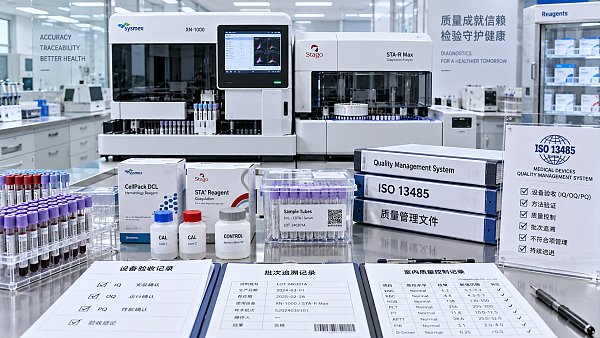
 Sep 30, 2026ISO 13485 Requirements for Blood Testing Instruments: A Buyer’s ChecklistBlood testing instruments ISO 13485 buyer’s checklist: verify certification scope, traceability, installation, consumables, and supplier support before you buy.
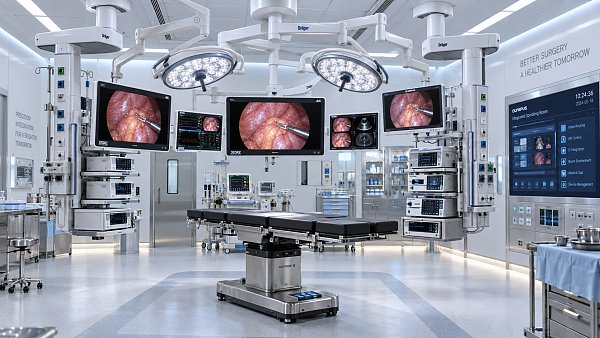
 Sep 29, 2026How to Evaluate Integrated Operating Room Systems for Workflow, Imaging, and IT IntegrationIntegrated operating room systems: evaluate workflow, imaging, IT integration, cybersecurity, and lifecycle value to select a scalable surgical solution.
 Sep 28, 2026How to Evaluate a Genetic Testing Equipment Supplier for PCR Lab ProcurementGenetic testing equipment supplier evaluation guide for PCR labs: compare performance, compliance, workflow, service, supply resilience, and total cost.
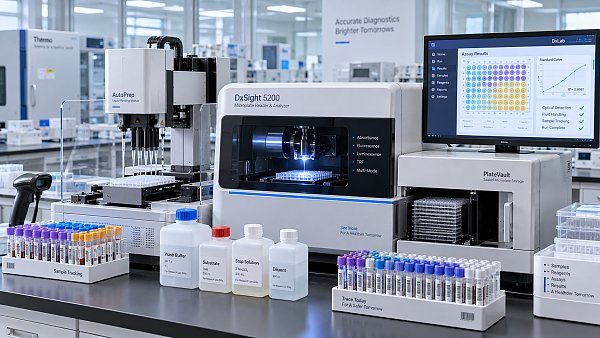
 Sep 27, 2026How to Specify Custom Benchtop Diagnostic Instruments for Your Assay WorkflowCustom diagnostic instruments benchtop guide: specify optics, fluidics, automation, software integration, and support to build a reliable assay workflow.
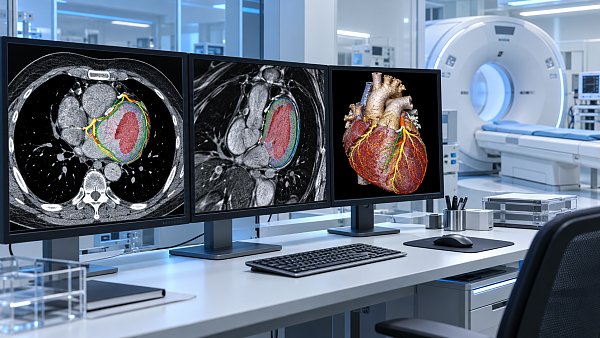
 Sep 26, 2026How Cardiac Imaging Analysis Tools Turn CT and MRI Data into Clinical MetricsMedical imaging analysis cardiology tools transform cardiac CT and MRI into reliable metrics. Explore segmentation, validation, workflow integration, and AI review.
 Sep 25, 2026How Iterative Image Reconstruction Algorithms Balance CT Dose, Noise, and DetailIterative image reconstruction algorithms help CT teams balance dose, noise, and diagnostic detail. Explore practical insights for confident imaging decisions.
 Sep 24, 2026What Drives the Total Cost of Medical Technology Solutions Over Their Lifecycle?Medical technology solutions cost goes far beyond purchase price—explore lifecycle drivers from installation and service to software, training, compliance, and downtime.
 Sep 24, 2026Diagnostic Imaging Technology: How Modalities Support Different Clinical DecisionsDiagnostic imaging technology supports smarter clinical decisions across CT, MRI, ultrasound, and nuclear imaging. Explore modality strengths, workflows, and selection factors.
 Sep 22, 2026How Life Science Labs Can Select Biomedical Research Equipment by Workflow and ThroughputBiomedical research equipment life science labs can select with confidence by aligning workflow, throughput, automation, data integrity, and scalable support.
 Sep 21, 2026How to Plan LIS Connectivity for Chemiluminescence Analyzers Without Data GapsChemiluminescence analyzers LIS connectivity: learn how to prevent data gaps with field mapping, exception workflows, end-to-end validation, and reliable go-live planning.
 Sep 20, 2026Selecting Fluorescence PCR Instruments: Detection Channels, Sensitivity, and Workflow FitPCR diagnostic instruments fluorescence detection guide: compare channels, sensitivity, multiplexing, and workflow fit to select a reliable platform.
 Sep 19, 2026Biomedical Signal Processing: From Sensor Data to Clinical Decision SupportBiomedical signal processing transforms sensor data into reliable clinical decision support. Explore AI, imaging, IVD, ICU monitoring, and compliance-ready MedTech insights.
 Sep 18, 2026How to Evaluate a Diagnostic Imaging Platform for Multi-Modality Workflow IntegrationDiagnostic imaging platform evaluation guide: assess multi-modality workflows, interoperability, AI integration, image integrity, security, and scalability for safer clinical decisions.
 Sep 17, 2026ISO 13485 for Medical Imaging Equipment: What Manufacturers Must DocumentMedical imaging equipment ISO 13485: discover essential documentation for design controls, risk management, traceability, software, and post-market quality.
 Sep 16, 2026Robotic MIS Equipment: What Hospitals Should Evaluate Before AdoptionMinimally invasive surgical equipment robotic adoption guide: evaluate workflow, safety, imaging, costs, cybersecurity, and service readiness.
 Sep 15, 2026How to Evaluate Biomedical Signal Processing Suppliers for Clinical Device ProjectsBiomedical signal processing supplier evaluation guide for clinical device teams—compare signal fidelity, regulatory evidence, cybersecurity, integration, and lifecycle support.
 Sep 14, 2026How Integrated Clinical Diagnostics Solutions Reduce Turnaround Time Across Lab WorkflowsIntegrated clinical diagnostics solutions reduce lab turnaround time by connecting workflows, automation, and data. Discover practical strategies for faster, traceable results.



Related News
- 00
0000-00
EU MDR Transition Ends, Endoscope Re-Certification Becomes Urgent - 00
0000-00
EU MDR Annex XVI Now Requires Separate CE for Accessories - 00
0000-00
EU MDR Transition Ends for Endoscopy Device Imports - 00
0000-00
EU MDR Rule Triggers CER Updates for Endoscopy Devices - 00
0000-00
EU MDR Update Sets 12-Month CER Rule for Ultrasound and Endoscopy
Weekly Insights
Stay ahead with our curated technology reports delivered every Monday.