
Singapore HSA Tightens Chemiluminescence Reagent Import Rules
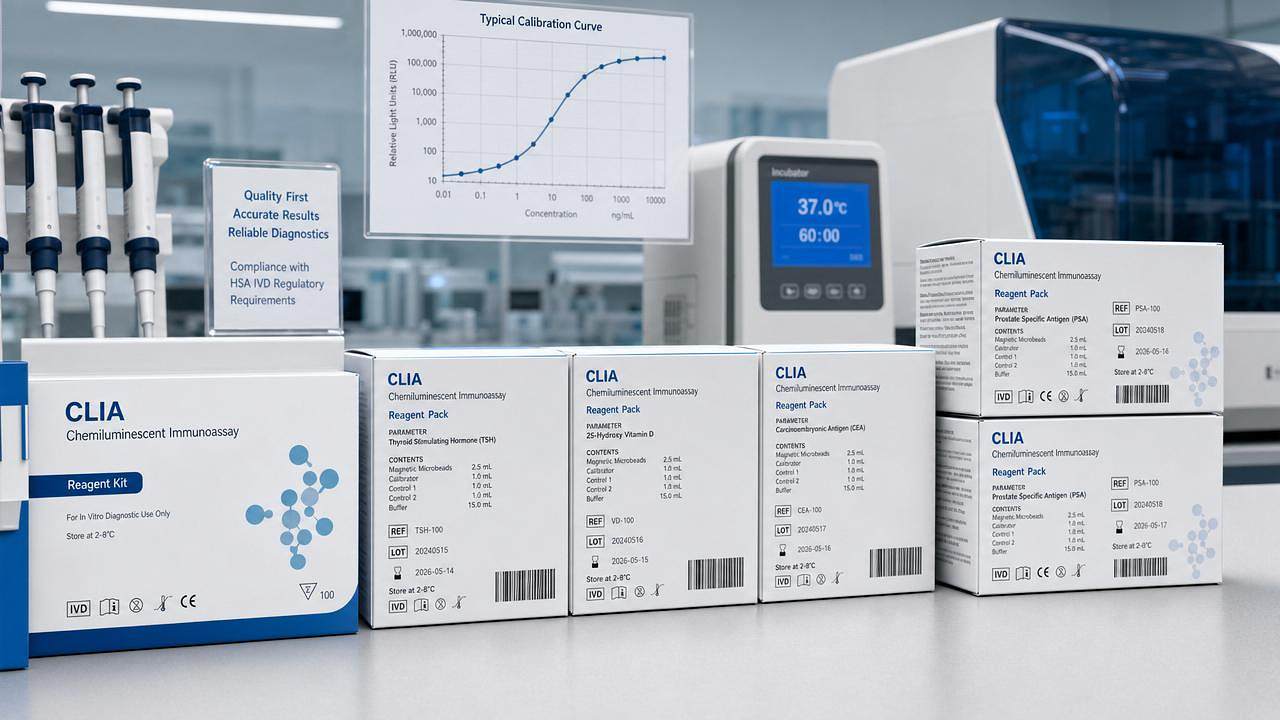




On 14 May 2026, the Health Sciences Authority (HSA) of Singapore announced a significant revision to its IVD Reagents Import Notification Guidelines, introducing new documentation and verification requirements for chemiluminescence immunoassay (CLIA) reagents entering the country. The update signals a shift toward stricter quality governance for in vitro diagnostic products — particularly those reliant on high-precision signal generation — and is expected to reshape import pathways for manufacturers and distributors across Asia.
Event Overview
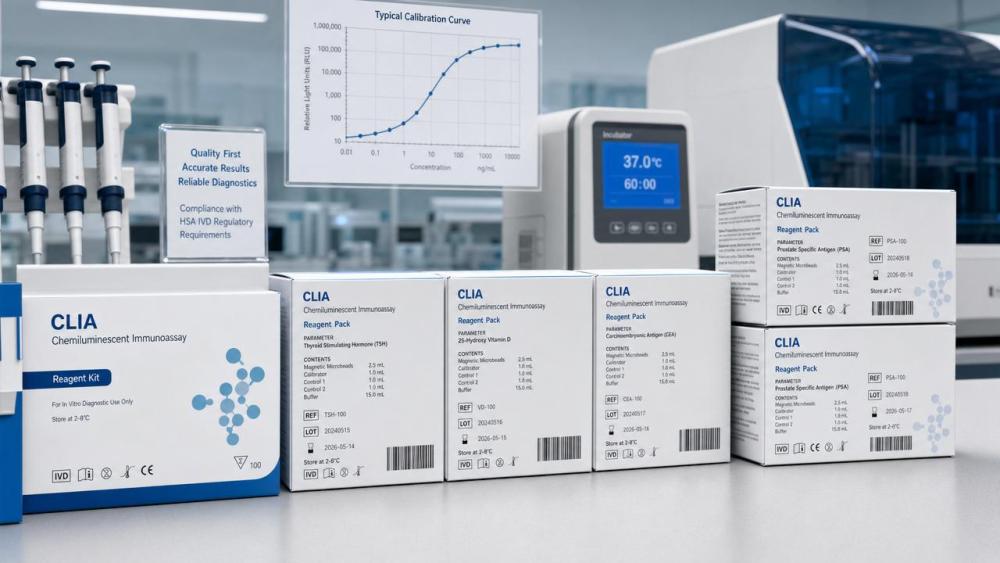
On 14 May 2026, Singapore’s Health Sciences Authority (HSA) published an updated version of its IVD Reagents Import Notification Guidelines. Effective 1 July 2026, all imported chemiluminescence reagent kits must be accompanied by two mandatory documents: (1) a GMP-compliant audit report for each key raw material supplier (e.g., acridinium ester, AMPPD); and (2) a local performance comparison report issued by the Yong Loo Lin School of Medicine, National University of Singapore, demonstrating coefficient of variation (CV) ≤5% across ≥3 independent runs. According to HSA, these measures aim to strengthen traceability, analytical consistency, and clinical reliability of imported CLIA reagents.
Industries Affected
Direct Trading Enterprises: Export-oriented trading firms — especially those acting as intermediaries between Chinese IVD manufacturers and Singaporean end-users — face immediate operational friction. They now bear responsibility for coordinating third-party audits and arranging local validation studies, neither of which fall under traditional trade compliance scope. Delays in document preparation may trigger customs holds or notification rejection, directly impacting order fulfillment timelines and contractual penalties.
Raw Material Procurement Enterprises: Firms sourcing critical luminophores or enzyme conjugates from non-GMP-certified or un-audited suppliers will need to either qualify alternative vendors or initiate formal supplier audits. Since many small-to-midsize Chinese suppliers lack ISO 13485 certification or documented quality management systems, procurement lead times are likely to extend, and unit costs may rise due to audit fees and revised supply agreements.
Manufacturing Enterprises: IVD kit assemblers relying on imported core reagents — even if final assembly occurs domestically — must now map and disclose full upstream material lineage. This extends beyond simple bill-of-materials reporting to include batch-level traceability, stability data, and analytical method equivalence. For ~60% of small and medium-sized Chinese IVD exporters, such transparency is currently unavailable or inconsistently maintained.
Supply Chain Service Providers: Regulatory consultancies, logistics agents offering “import facilitation”, and contract testing labs face both opportunity and pressure. Demand for GMP supplier audits and Singapore-based comparative performance testing is rising sharply. However, capacity constraints exist — only a limited number of accredited labs in Singapore can issue HSA-recognized CV reports, and turnaround times for audits are currently averaging 8–12 weeks.
Key Considerations and Recommended Actions
Verify Supplier Audit Readiness
Importers should immediately assess whether their raw material suppliers have undergone — or are eligible for — GMP-compliant facility audits aligned with ISO 13485 Annex A or PIC/S PE 009-15. Where gaps exist, co-development of audit roadmaps with qualified third parties is advised.
Secure Local Validation Capacity Early
Given limited lab bandwidth at the Yong Loo Lin School of Medicine and potential queueing, companies should initiate contact with the institution’s diagnostics validation unit no later than June 2026 to reserve testing slots and clarify sample submission protocols.
Update Internal Traceability Systems
Firms should review and upgrade internal documentation systems to support batch-level origin tracking for all critical reagents — including certificates of analysis, manufacturing records, and storage condition logs — ensuring alignment with HSA’s “full溯源 chain” expectation.
Editorial Perspective / Industry Observation
Observably, this policy shift reflects Singapore’s broader strategy to position itself as a regional reference hub for diagnostic accuracy — not just regulatory clearance. Unlike previous notifications focused on labeling or registration, this requirement directly intervenes in upstream manufacturing assurance. Analysis shows that while large multinationals already maintain robust supplier qualification programs, the burden falls disproportionately on SMEs lacking dedicated regulatory affairs infrastructure. From an industry perspective, this is less about market access restriction and more about accelerating convergence toward internationally harmonized quality expectations — albeit at uneven pace across enterprise scales.
Conclusion
The HSA’s updated import framework marks a calibrated step toward higher evidentiary thresholds for diagnostic reagents in Southeast Asia. It does not close the Singapore market, but it recalibrates the cost and competence required to serve it sustainably. For global IVD stakeholders, the change serves as an early indicator of how advanced regulatory markets may increasingly link product authorization to verifiable process integrity — not just final product specifications.
Source Attribution
Official notice: Health Sciences Authority (HSA), Singapore — Revised IVD Reagents Import Notification Guidelines, issued 14 May 2026 (Ref: HSA/IVD/NOTIF/REV2026-05). Full text available at www.hsa.gov.sg/ivd-import-guidelines.
Note: Implementation details for audit report format and local lab accreditation criteria remain pending; HSA has indicated these will be published by 15 June 2026 and are subject to further clarification.
Recommended News
 May 15, 2026Singapore HSA Tightens Chemiluminescence Reagent Import RulesChemiluminescence reagent import rules tightened by Singapore HSA — discover what the new GMP & local validation requirements mean for your IVD business.
 May 15, 2026WHO Adds Capsule Endoscopes to Essential Medicines ListCapsule endoscopes now on WHO Essential Medicines List—key for global health procurement, PQ certification & AI-powered primary care diagnostics.
 May 15, 2026World's First Medical-Grade Carbon Fiber Digital OR Table Line Launches in JiangsuWorld's first ASTM F2953-23–compliant carbon fiber digital OR table line launches in Jiangsu—8-week delivery, DICOM-OR/OR.NET ready. OEMs & hospitals: accelerate OR modernization.
 May 15, 2026India to Add ECMO Systems to National Emergency ReserveECMO systems now slated for India’s National Emergency Reserve — discover key ISO 13485 & local service requirements for global suppliers.
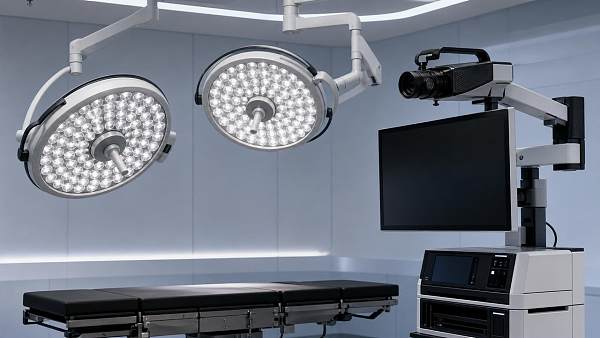
 May 15, 2026Middle East Launches Digital OR Compliance Mutual Recognition PlanMiddle East launches Digital OR Compliance Mutual Recognition Plan—key for surgical lights & 4K cameras exporters. Align with IEC 62304 + HL7 FHIR v4.0.1 now to unlock GCC market access.
 May 15, 2026TÜV Rheinland Launches First PC-CT Imaging Chain CertificationPC-CT ChainCert™: TÜV Rheinland’s world-first certification for photon-counting CT imaging chains — boosting trust, market access & OEM collaboration.
 May 15, 2026China Customs Adds HS Code for Superconducting MRI Helium Cooling ModulesSuperconducting MRI helium cooling modules now have dedicated HS code 8418.99.92—unlocking a 13% export VAT rebate. Act now to optimize customs compliance and boost margins.
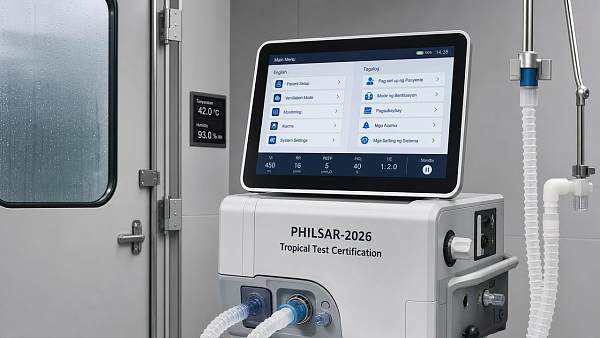
 May 15, 2026Philippines FDA Mandates Local UI & Tropical Testing for ICU VentilatorsPhilippines FDA mandates local UI & tropical testing for ICU ventilators—meet PHILSAR-2026, Tagalog interface, and 40°C/95% RH compliance now.
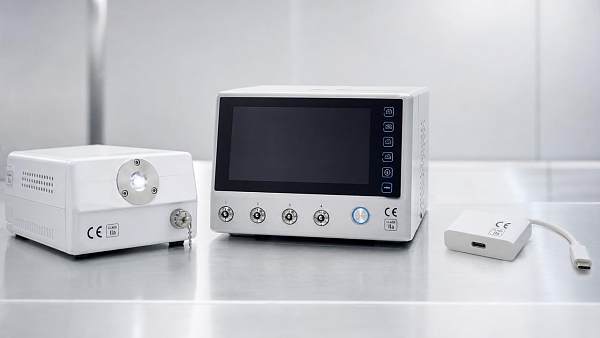
 May 15, 2026EU MDR Annex XVI Extended to Endoscope Accessories Effective June 2026EU MDR Annex XVI now covers endoscope accessories like cold light sources & USB-C adapters—Class IIa CE marking required by June 2026. Act now!
 May 15, 2026FDA Updates IVD Software Validation Guidance for PCR and Molecular DiagnosticsFDA's updated IVD software validation guidance (v2.1) impacts PCR & molecular diagnostics—key for AI, cloud, and remote-data IVD exporters. Act now to align submissions.
 May 14, 2026Biomedical Engineering Priorities Are Changing in New MRI BuildsBiomedical engineering is redefining new MRI builds through lifecycle planning, interoperability, compliance, and cybersecurity—discover how smarter design drives uptime, value, and clinical performance.
 May 14, 2026Healthcare Data Analytics Is Only Useful if Imaging Systems ConnectHealthcare data analytics delivers real value only when imaging systems connect. Learn how unified imaging data improves diagnosis, workflow, compliance, and ROI.
 May 14, 2026When Clinical Decision Support Adds Friction Instead of ClarityClinical decision support should improve care, not add friction. Discover why alerts fail, what frontline teams need, and how to build faster, smarter workflows.
 May 14, 2026Medical Imaging Diagnostics Choice Gets Harder as CT AdvancesMedical imaging diagnostics is getting harder to evaluate as CT advances. Discover how buyers can compare image quality, AI, compliance, workflow, and long-term value before investing.
 May 14, 2026Why AI Medical Diagnostics Struggle With Edge CasesAI medical diagnostics often look accurate on average, yet fail on edge cases. Learn where rare-case risks come from and how to assess real-world safety, reliability, and compliance.
 May 14, 2026Biomedical Imaging Trends Shaping Faster Oncology WorkupsBiomedical imaging is transforming oncology workups with faster scans, smarter AI, and sharper detail—helping teams diagnose sooner and act with confidence.
 May 14, 2026Healthcare Technology Assessment Can Miss Costs After Go-LiveHealthcare technology assessment often misses post-go-live costs. Discover hidden expenses, lifecycle risks, and smarter MedTech investment insights.
 May 14, 2026Life Support Systems Failures Often Begin With Overlooked MaintenanceLife support systems failures often start with overlooked maintenance. Discover key warning signs, scenario-based risks, and practical service strategies to improve reliability and safety.
 May 14, 2026Clinical Decision Support Works Best When Alerts Stay SelectiveClinical decision support works best when alerts stay selective, actionable, and relevant. Learn how precise alert design reduces fatigue, improves safety, and boosts workflow confidence.
 May 14, 2026How Accurate Is AI in Medical Imaging Outside Flagship Centers?AI in medical imaging outside flagship centers: discover what really affects accuracy in regional hospitals and clinics, and how to assess safety, fit, and clinical value before adoption.
 May 14, 2026Healthcare Data Analytics Gaps That Distort Clinical DecisionsHealthcare data analytics can mislead clinical decisions when metadata, coding, and AI context are flawed. See how to spot hidden gaps, reduce risk, and support safer, smarter care.
 May 14, 2026Where Biomedical Engineering Cuts Hidden ICU Equipment RiskBiomedical engineering reveals hidden ICU equipment risk before failures disrupt care. Learn how to spot weak points, improve compliance, and protect critical workflows.
 May 14, 2026Is Photon-Counting CT Worth the Upgrade for Imaging ROI?Medical imaging diagnostics leaders ask: is photon-counting CT worth the upgrade? Explore where sharper imaging, lower dose, and smarter ROI can truly drive referrals and returns.
 May 14, 2026Medical Imaging Analysis Errors That Start With Bad DataMedical imaging analysis starts to fail with bad data. Learn how poor image quality, labels, and metadata increase clinical risk—and how stronger governance improves accuracy, compliance, and trust.












Weekly Insights
Stay ahead with our curated technology reports delivered every Monday.