
How medical imaging software reduces reporting delays
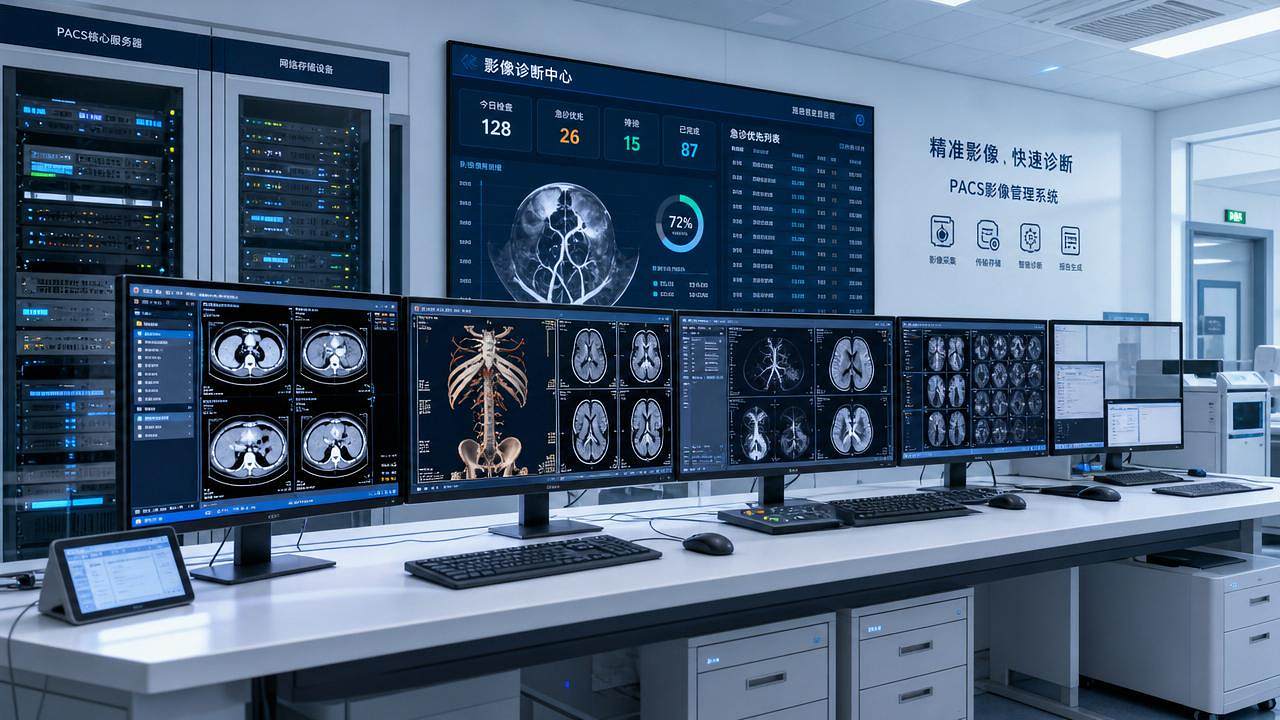




Reporting delays can disrupt clinical workflows, increase patient anxiety, and slow critical treatment decisions. For imaging departments, medical imaging software is becoming a practical solution for faster reports.
It helps streamline image transfer, prioritize urgent cases, support structured reporting, and reduce manual workload. As volumes rise, digital tools improve speed, accuracy, and confidence.
How medical imaging software reduces reporting delays in real clinical scenarios
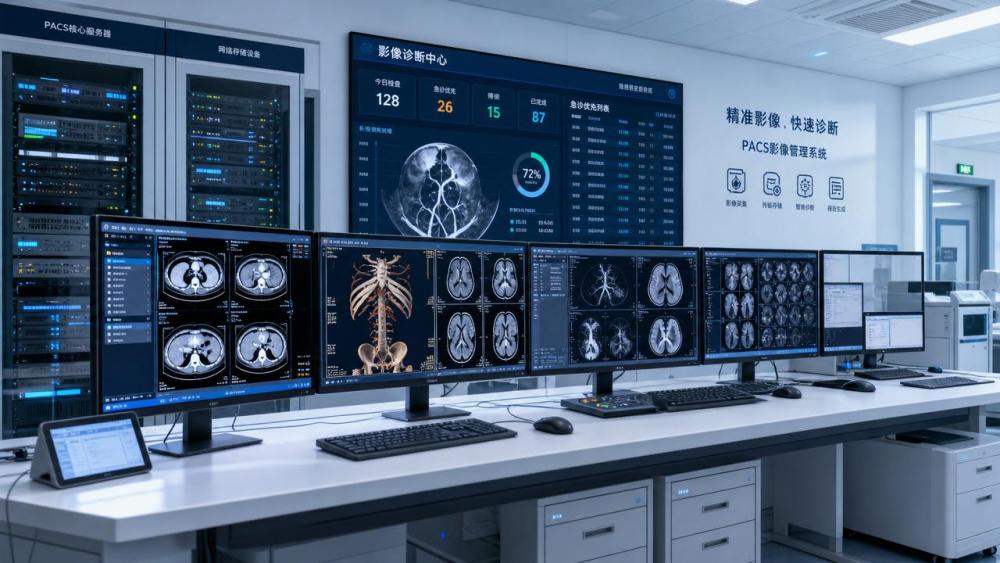
Reporting delay is rarely caused by one problem. It often appears when acquisition, transfer, interpretation, dictation, validation, and distribution are disconnected.
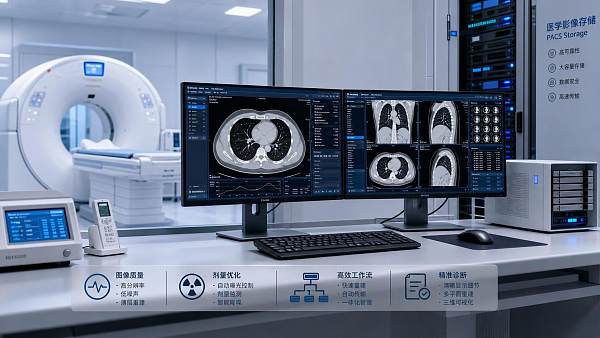
Medical imaging software reduces delay by connecting these steps through PACS, RIS, reporting tools, AI triage, and clinical workflow orchestration.
The value is strongest when the software fits the operating scenario. Emergency imaging, oncology follow-up, screening, and ICU imaging all require different logic.
For AMDS, this scenario-based view matters. Medical technology performance must serve clinical safety, compliance, efficiency, and precision medicine together.
Scenario background: why delays vary across imaging environments
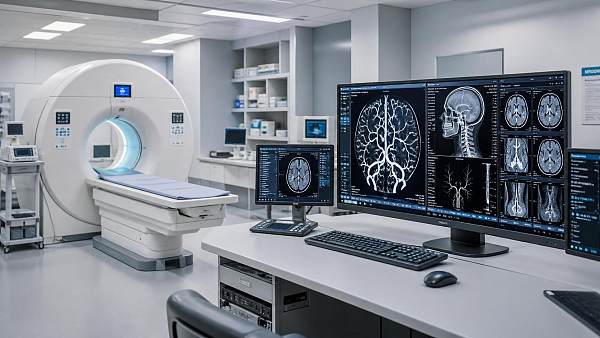
A trauma CT case cannot wait behind routine outpatient studies. A suspected stroke scan needs rapid routing, immediate viewing, and fast report finalization.
By contrast, longitudinal oncology imaging needs comparison tools, lesion tracking, and consistent structured language. Speed matters, but consistency is equally critical.
Medical imaging software helps by matching workflow rules to clinical urgency. It can automate worklists, highlight priority cases, and reduce repeated manual sorting.
The strongest systems do not only store images. They support decision timing, reporting quality, compliance traceability, and communication between diagnostic and treatment pathways.
Emergency imaging: when minutes define clinical value
Emergency imaging often faces unpredictable demand. CT, X-ray, ultrasound, and MRI studies may arrive simultaneously, with different levels of urgency.
In this scenario, medical imaging software must prioritize time-sensitive findings. AI-based triage can flag suspected hemorrhage, pulmonary embolism, fracture, or pneumothorax.
The core judgment point is not AI replacement. It is whether the platform moves urgent studies to the right queue without hiding routine cases.
Fast image loading also matters. Delays occur when large CT angiography studies open slowly or prior examinations are difficult to retrieve.
Effective medical imaging software provides prefetching, intelligent hanging protocols, and rapid access to priors. This shortens interpretation preparation time significantly.
Key actions for emergency reporting speed
- Use rule-based worklists for stroke, trauma, chest pain, and sepsis imaging.
- Enable alerts for critical suspected findings, with auditable escalation records.
- Configure hanging protocols by modality, anatomy, and emergency indication.
- Monitor turnaround time from acquisition to preliminary and final report.
High-volume outpatient imaging: when bottlenecks hide in routine work
Routine imaging can create serious delays through volume alone. Screening mammography, musculoskeletal MRI, and chest CT programs often produce continuous case flow.
Here, medical imaging software should reduce repetitive tasks. Structured templates, speech recognition, auto-populated measurements, and standardized impressions can save minutes per case.
Those minutes become major capacity gains across thousands of studies. The best improvement is often cumulative rather than dramatic.
The key judgment point is template usability. A rigid reporting form may slow interpretation if it does not match real diagnostic reasoning.
Good medical imaging software allows structured reporting without forcing excessive clicks. It should support normal findings, abnormal variants, and follow-up recommendations smoothly.
Oncology imaging: when comparison quality affects delay and confidence
Oncology imaging requires careful comparison over time. Reporting delay often appears when previous studies, measurements, or treatment timelines are hard to assemble.
Medical imaging software can reduce this burden through lesion tracking, synchronized viewing, automated prior retrieval, and standardized response assessment support.
The main scenario requirement is continuity. A report should clearly show whether disease is stable, improved, progressive, or indeterminate.
If measurements are scattered across reports, finalization takes longer. Consistent data capture helps clinical teams plan therapy with fewer clarification cycles.
In precision medicine, imaging must align with biomarkers, pathology, and treatment response. AMDS views this linkage as central to advanced diagnostics.
ICU and inpatient imaging: when communication delays matter most
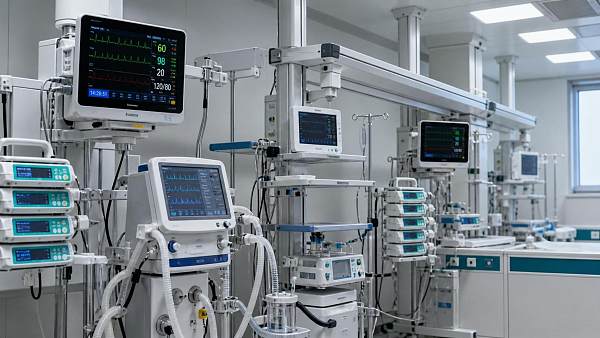
In ICU and inpatient settings, image reporting delay can interrupt ventilation decisions, line placement checks, infection assessment, and postoperative monitoring.
Portable X-ray and bedside ultrasound create frequent studies. Medical imaging software should identify new exams quickly and support immediate report distribution.
The important judgment point is communication reliability. Final reports must reach electronic medical records and care dashboards without manual chasing.
Critical result notification is also essential. The software should document who was notified, when, and through which channel.
This traceability supports patient safety and compliance. It also reduces disputes when treatment depends on rapid imaging interpretation.
Different scenario needs for medical imaging software
This comparison shows why one generic configuration rarely works. Medical imaging software performs best when workflow rules reflect clinical context.
Scenario adaptation: how to configure software for faster reports
Reducing delays requires more than buying a platform. Configuration, governance, data integration, and continuous measurement determine real-world performance.
Start by mapping the full reporting pathway. Include order entry, protocol selection, acquisition, image transfer, reading, verification, and report delivery.
Medical imaging software should then be adapted to the highest-delay steps. This prevents investment from focusing on features that do not remove bottlenecks.
- Define turnaround targets by modality, urgency, and department type.
- Separate emergency, inpatient, outpatient, and research workflows.
- Automate routing based on anatomy, indication, and service line.
- Standardize reporting language for common findings and follow-up advice.
- Review audit logs to identify repeated handoff failures.
Interoperability is a deciding factor. DICOM, HL7, FHIR, and EMR integration should be evaluated before workflow promises are accepted.
Cloud-enabled medical imaging software may help distributed reading networks. However, latency, data residency, cybersecurity, and uptime commitments must be checked carefully.
Common misjudgments that keep reporting delays alive
A frequent mistake is measuring only final report turnaround time. This hides whether delay starts before reading, during dictation, or after validation.
Another mistake is treating AI as a universal shortcut. AI triage helps urgent detection, but it cannot fix poor integration or unclear escalation policy.
Some organizations also over-standardize reporting. Templates that ignore clinical nuance may increase editing time and reduce user acceptance.
Medical imaging software should support structured consistency while preserving efficient narrative explanation when needed. Balance is essential for adoption.
Cybersecurity is sometimes underestimated. If downtime procedures are weak, a single outage can erase months of workflow optimization.
Compliance should not be an afterthought. Audit trails, access controls, report versioning, and data retention policies affect both trust and operational continuity.
AMDS perspective: linking speed, safety, and diagnostic intelligence
Medical imaging software is now part of the clinical technology backbone. Its value reaches beyond faster viewing or convenient storage.
When properly deployed, it links image reconstruction, diagnostic interpretation, reporting governance, and precision medicine evidence into a more reliable pathway.
This matches the AMDS mission: connecting advanced imaging, IVD intelligence, life support reliability, surgical infrastructure, and minimally invasive visualization.
The strongest digital imaging strategies protect both speed and safety. A fast report is valuable only when it remains accurate, traceable, and clinically useful.
Action guide: next steps for reducing reporting delays
A practical first step is a delay audit. Measure timestamps from order creation to report delivery across several representative imaging scenarios.
Then identify whether the leading issue is transfer speed, worklist prioritization, reporting format, staffing distribution, or communication closure.
Use those findings to evaluate medical imaging software against scenario-specific requirements, not generic feature lists.
- Pilot one emergency workflow and one high-volume routine workflow first.
- Track baseline and post-implementation reporting turnaround time.
- Validate AI triage with local case patterns before full deployment.
- Review structured reporting templates after real clinical use.
- Confirm compliance, cybersecurity, and audit requirements early.
Medical imaging software reduces reporting delays most effectively when it is treated as a clinical workflow system, not only an image viewer.
With the right scenario mapping, integration, and governance, imaging teams can move from scan acquisition to finalized report with greater reliability.
For organizations exploring digital imaging upgrades, AMDS provides intelligence that connects technical performance, compliance demands, and measurable clinical value.
Recommended News
 Aug 28, 2026Planning Operating Room Technology for a High-Throughput Surgery CenterOperating room technology for a surgery center: plan workflows, integration, uptime, and safety to boost throughput and create future-ready surgical rooms.
 Aug 27, 2026Building Medical Compliance Analytics for Middle East Market AccessMedical compliance analytics Middle East: build device-specific evidence maps, align local requirements, and accelerate market access with confidence.
 Aug 26, 2026How Surgical Equipment Digitalization Is Reshaping Hospital Investment in Latin AmericaSurgical equipment digitalization Latin America is reshaping hospital investment, from smart ORs to ROI-driven upgrades. Explore what buyers now value most.
 Aug 25, 2026How to Evaluate a Medical Compliance Intelligence Provider for Global Market AccessMedical compliance intelligence provider selection can make or break global market access. Learn how to assess technical depth, update quality, and commercial fit before choosing.
 Aug 24, 2026How Advanced Clinical Imaging Is Improving Cardiology Diagnosis and Treatment PlanningAdvanced clinical imaging cardiology is transforming diagnosis and treatment planning with clearer anatomy, tissue insight, and procedural guidance. Discover how it reduces uncertainty and supports smarter cardiac decisions.
 Aug 23, 2026How to Source Medical Devices in North America: Supplier Vetting and Market Access RisksMedical device sourcing North America made practical: learn how to vet suppliers, reduce compliance risks, and protect market access with smarter procurement decisions.
 Aug 22, 2026What Are Integrated Critical Care Systems and How Do Hospitals Evaluate Them?Critical care systems integrated: learn how hospitals assess ICU platforms for interoperability, alarm safety, workflow efficiency, and long-term value before buying.
 Aug 21, 2026How to Evaluate High-Resolution Diagnostic Imaging Systems for Detail-Critical ExamsDiagnostic imaging systems high resolution: learn how to compare detail-critical performance, workflow fit, dose efficiency, and ROI to choose the right system with confidence.
 Aug 20, 2026How to Evaluate Medical Equipment Performance Before Purchase?Medical equipment evaluation performance starts before purchase. Learn how to assess safety, workflow fit, compliance, uptime, and total cost to choose devices that truly perform.
 Aug 19, 2026How to Evaluate Small-Footprint Laboratory Diagnostic Equipment for Space-Limited LabsLaboratory diagnostic equipment small footprint choices require more than size checks. Learn how to assess workflow, throughput, compliance, and service access for smarter lab buying.
 Aug 18, 2026Biochemical Molecular Diagnostics Explained: Methods, Clinical Uses, and Lab Selection CriteriaBiochemical molecular diagnostics explained: compare key methods, clinical applications, and lab selection criteria to choose reliable, compliant testing with confidence.
 Aug 17, 2026How to Choose Diagnostic Equipment Solutions for a Clinic: Key Factors That Affect Workflow and CostDiagnostic equipment solutions clinic buyers can use to improve workflow, control total cost, and avoid hidden service risks. Learn the key factors before you invest.
 Aug 16, 2026How to Choose a Blood Cell Analyzer for a Small Lab: Throughput, CBC Menu, and CostBlood cell analyzers small lab buyers can compare throughput, CBC menu, and total operating cost with confidence. Learn how to avoid waste, reduce downtime, and choose the right fit.
 Aug 16, 2026FDA Approval of AMDS Hybrid Prosthesis Removes IRB Step for Faster U.S. AccessFDA approval of AMDS Hybrid Prosthesis removes the IRB step, speeding U.S. access for acute aortic dissection care and reshaping hospital procurement and supporting equipment demand.
 Aug 15, 2026What Hospital Technology Infrastructure Is Needed for Reliable Interoperability?Hospital technology infrastructure interoperability depends on secure networks, integration engines, identity services, and governance. Discover what hospitals need for reliable, scalable connectivity.
 Aug 14, 2026What to Look for in an Advanced Diagnostic Systems Distributor Before You BuyAdvanced diagnostic systems distributor: learn what to check before buying, from compliance and technical depth to delivery reliability and after-sales support. Make a smarter procurement decision today.
 Aug 14, 2026China Temporarily Bans Helium ExportsChina Temporarily Bans Helium Exports: learn how the July 10, 2026 rule may disrupt MRI, ECMO, and anesthesia device supply chains, compliance, and delivery planning for global buyers.
 Aug 13, 2026How CT Reconstruction Technology Impacts Image Quality, Dose, and WorkflowMedical imaging reconstruction technology CT shapes image quality, dose, and workflow. Learn how smarter CT reconstruction improves diagnostics and efficiency.
 Aug 13, 2026FDA clears AMDS PMA, easing U.S. hospital accessFDA clears AMDS PMA, easing U.S. hospital access for Artivion’s aortic arch device and speeding procurement, compliance, and deployment.
 Aug 12, 2026Hospital Diagnostic Equipment Comparison: What Buyers Should Evaluate Beyond PriceDiagnostic equipment comparison hospital buyers can trust: learn how to evaluate clinical performance, uptime, compliance, integration, and long-term ROI beyond price.
 Aug 12, 2026FDA Draft Guidance Reshapes AI Device ComplianceFDA Draft Guidance reshapes AI device compliance with new postmarket monitoring expectations for AI/ML-enabled SaMD. Learn what it means for U.S. market access, distributors, and exporters.
 Aug 11, 2026How to Evaluate a Diagnostic Medical Systems Manufacturer for Quality and Market AccessDiagnostic medical systems manufacturer selection starts with more than specs. Learn how to assess quality systems, regulatory readiness, service uptime, and market access before you buy.
 Aug 11, 2026EU MDR Deadline Extended for ECMO and ICU DevicesEU MDR deadline extended for ECMO and ICU devices to 2027. Learn what Regulation (EU) 2026/1347 means for compliance, exports, procurement, and roadmap filing.
 Aug 10, 2026How to Evaluate Laboratory Automation Systems in Europe for Multi-Site Lab OperationsLaboratory automation systems Europe buyers can use this guide to compare interoperability, compliance, service coverage, and ROI for multi-site lab operations with confidence.




Related News
- 00
0000-00
Medical Imaging Diagnostics Systems: Core Modalities, Use Cases, and Trade-Offs - 00
0000-00
AI in Medical Imaging Radiology: Where It Improves Reading Speed and Where It Falls Short - 00
0000-00
Saudi SFDA Opens 18-Day Fast Track for DR Devices - 00
0000-00
SFDA Fast-Track Cuts DR Device Approval to 22 Days - 00
0000-00
Diagnostic Imaging Technology Comparison: DR vs CT vs MRI for Hospital Planning
Weekly Insights
Stay ahead with our curated technology reports delivered every Monday.