
Is medical imaging innovation worth the upgrade now
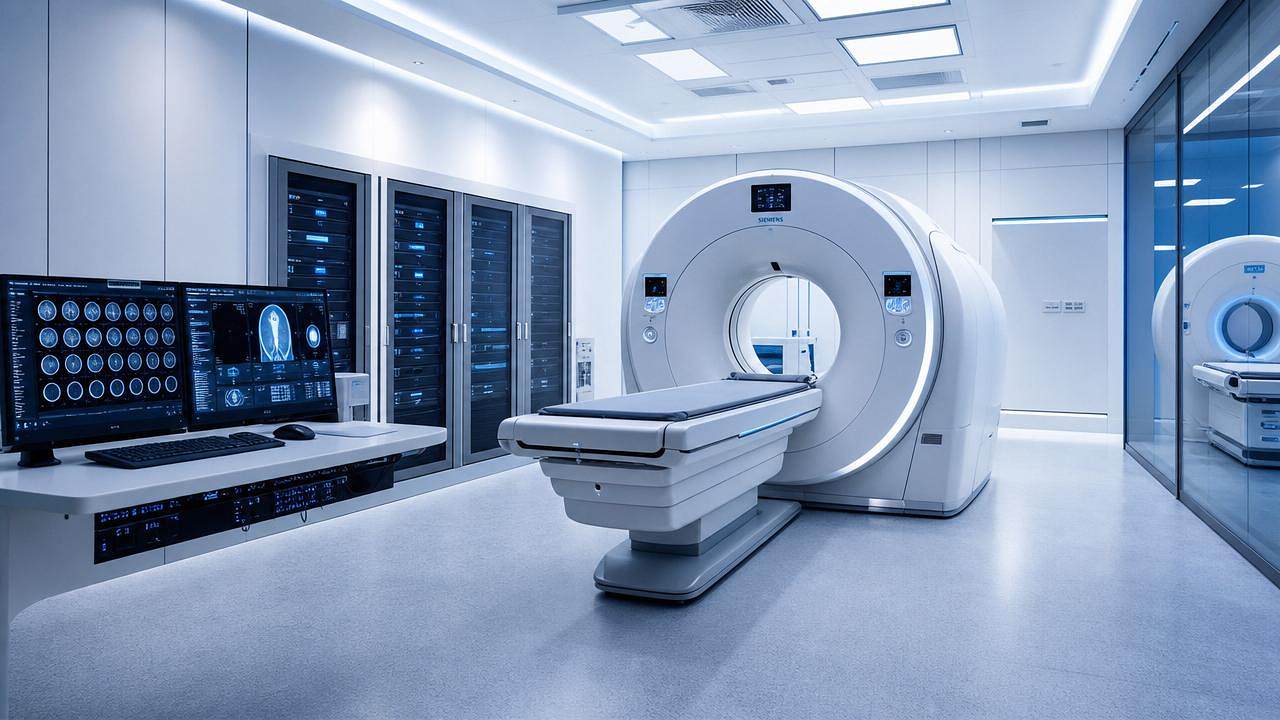




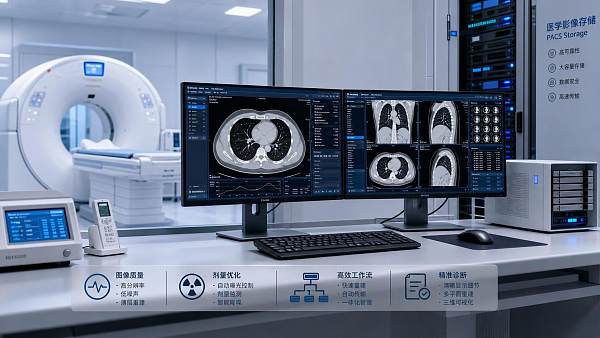
For enterprise decision-makers, the question is no longer whether medical imaging innovation matters. The real issue is timing. Upgrading too early can strain budgets and disrupt workflows. Upgrading too late can weaken diagnostic quality, compliance readiness, and competitive standing. With AI reconstruction, photon-counting CT, advanced MRI, and connected imaging platforms moving into mainstream care, a structured review helps determine whether the upgrade now creates measurable value.
Why a checklist is essential before upgrading
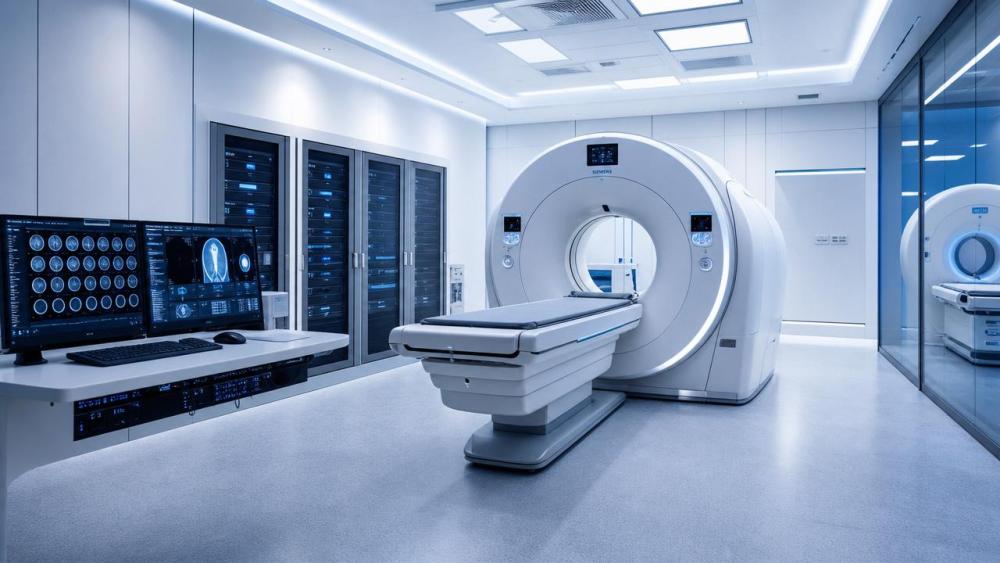
Medical imaging innovation often looks compelling in product launches. Yet capital equipment decisions affect clinical pathways, staffing, reimbursement, service contracts, cybersecurity, and regulatory exposure. A checklist prevents attention from staying only on image quality.
This is especially true in a broader MedTech environment shaped by precision diagnostics, digital hospitals, and value-based care. Imaging systems now connect to AI tools, PACS, EHR platforms, reporting software, and downstream treatment planning. That makes every upgrade a strategic move, not just a hardware replacement.
Use this medical imaging innovation checklist
Review the following points before approving any major imaging investment. Each item is designed to test whether medical imaging innovation supports clinical, financial, and operational goals.
- Assess current diagnostic gaps by measuring missed detail, repeat scans, reporting delays, and modality bottlenecks across CT, MRI, and hybrid imaging workflows.
- Compare upgrade benefits against case volume growth, referral trends, and service line plans such as oncology, cardiology, neurology, and emergency imaging demand.
- Validate whether AI reconstruction or advanced detectors reduce scan time, radiation dose, motion artifacts, or contrast use in real clinical settings.
- Quantify ROI using reimbursement mix, DRG pressure, maintenance costs, uptime targets, and the revenue effect of higher throughput and premium exams.
- Check interoperability with PACS, RIS, EHR, cloud archives, and post-processing software before treating medical imaging innovation as plug-and-play.
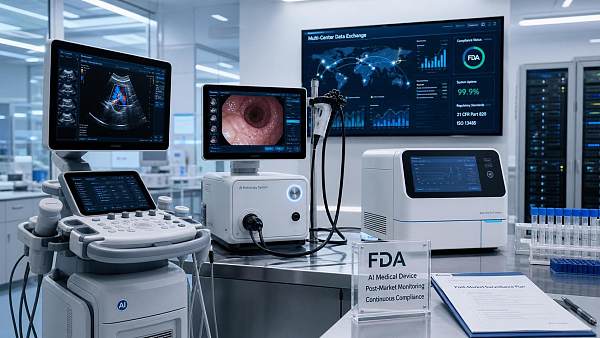
- Review compliance exposure across FDA, CE MDR, cybersecurity guidance, data privacy obligations, and software update traceability requirements.
- Examine service resilience by confirming spare parts access, remote support, preventive maintenance cycles, and realistic uptime guarantees.
- Model workforce impact by estimating training time, protocol redesign, radiologist adoption, and technologist workload after deployment.
- Test patient-centered value through quieter scans, shorter exam duration, better comfort, lower dose, and improved access for complex cases.
- Plan scalability by asking whether the platform supports future AI modules, advanced visualization, and enterprise imaging expansion.
When medical imaging innovation makes the strongest business case
High-growth diagnostic networks
If case volume is rising faster than reporting capacity, upgrading now can produce immediate gains. Faster acquisition and better image reconstruction may reduce backlogs, increase daily throughput, and improve scheduling flexibility.
In these settings, medical imaging innovation is often justified by operational pressure alone. The most relevant metrics are utilization rate, repeat scan frequency, report turnaround time, and exam profitability by modality.
Cancer and cardiovascular service expansion
Oncology and cardiac pathways depend on accurate staging, lesion characterization, and follow-up consistency. Photon-counting CT, functional MRI improvements, and AI-assisted analysis can strengthen earlier detection and treatment planning.
Here, medical imaging innovation supports both clinical differentiation and referral growth. Better imaging confidence can also reduce unnecessary downstream procedures and support multidisciplinary decision-making.
Compliance-driven modernization
Older systems can become a hidden liability when software support declines, cybersecurity patches lag, or documentation no longer aligns with updated regulatory expectations. In this case, the upgrade is defensive but strategically necessary.
Medical imaging innovation is valuable when it reduces compliance friction. Secure connectivity, audit trails, and validated software lifecycle controls increasingly matter alongside image quality.
Commonly overlooked risks
Underestimating integration complexity
A new scanner rarely performs at full value on day one. Data routing, hanging protocols, AI interfaces, and reporting templates may require weeks of optimization. Ignoring this phase can delay ROI.
Overvaluing headline specifications
Higher field strength or detector novelty does not automatically improve outcomes. The right question is whether the innovation changes diagnosis, workflow, or economics in the intended care setting.
Missing total cost of ownership
Capital price is only one layer. Facility modifications, shielding, cooling, downtime, software licenses, service contracts, and staff training can reshape the actual investment profile.
Ignoring adoption behavior
Even strong medical imaging innovation can fail if protocols remain unchanged or users bypass advanced features. Adoption planning should be treated as part of the purchase, not a post-sale detail.
Practical execution steps before approval
- Build a baseline using uptime, scan duration, dose levels, repeat rates, and report turnaround for each major modality.
- Run a three-year ROI model with optimistic, expected, and conservative assumptions for volume, reimbursement, and service costs.
- Request clinical evidence tied to real use cases instead of relying only on demo images or vendor benchmark claims.
- Pilot workflow changes with radiology, IT, biomedical engineering, and compliance teams before final rollout planning.
- Negotiate software support, upgrade paths, cybersecurity responsibilities, and performance guarantees in written contract terms.
How AMDS frames the decision
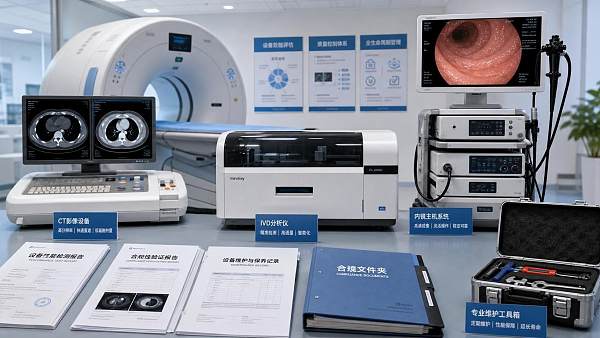
AMDS tracks the technologies shaping modern diagnostics, from large-scale imaging platforms to IVD systems, life support equipment, surgical infrastructure, and endoscope imaging. That cross-domain view matters because imaging investments increasingly influence broader clinical ecosystems.
Through intelligence on compliance, engineering, and health economics, AMDS helps clarify whether medical imaging innovation will strengthen precision diagnostics, improve market access readiness, and deliver durable value under real reimbursement conditions.
Conclusion and next action
So, is medical imaging innovation worth the upgrade now? The answer is yes when better imaging directly improves diagnosis, throughput, compliance, and long-term economics. The answer is no when the purchase is driven mainly by trend pressure or incomplete ROI logic.
Start with a structured checklist. Validate clinical impact. Price the full lifecycle. Test integration readiness. When those elements align, upgrading becomes a strategic healthcare growth decision rather than a costly technology gamble.
Recommended News
 Aug 28, 2026Planning Operating Room Technology for a High-Throughput Surgery CenterOperating room technology for a surgery center: plan workflows, integration, uptime, and safety to boost throughput and create future-ready surgical rooms.
 Aug 27, 2026Building Medical Compliance Analytics for Middle East Market AccessMedical compliance analytics Middle East: build device-specific evidence maps, align local requirements, and accelerate market access with confidence.
 Aug 26, 2026How Surgical Equipment Digitalization Is Reshaping Hospital Investment in Latin AmericaSurgical equipment digitalization Latin America is reshaping hospital investment, from smart ORs to ROI-driven upgrades. Explore what buyers now value most.
 Aug 25, 2026How to Evaluate a Medical Compliance Intelligence Provider for Global Market AccessMedical compliance intelligence provider selection can make or break global market access. Learn how to assess technical depth, update quality, and commercial fit before choosing.
 Aug 24, 2026How Advanced Clinical Imaging Is Improving Cardiology Diagnosis and Treatment PlanningAdvanced clinical imaging cardiology is transforming diagnosis and treatment planning with clearer anatomy, tissue insight, and procedural guidance. Discover how it reduces uncertainty and supports smarter cardiac decisions.
 Aug 23, 2026How to Source Medical Devices in North America: Supplier Vetting and Market Access RisksMedical device sourcing North America made practical: learn how to vet suppliers, reduce compliance risks, and protect market access with smarter procurement decisions.
 Aug 22, 2026What Are Integrated Critical Care Systems and How Do Hospitals Evaluate Them?Critical care systems integrated: learn how hospitals assess ICU platforms for interoperability, alarm safety, workflow efficiency, and long-term value before buying.
 Aug 21, 2026How to Evaluate High-Resolution Diagnostic Imaging Systems for Detail-Critical ExamsDiagnostic imaging systems high resolution: learn how to compare detail-critical performance, workflow fit, dose efficiency, and ROI to choose the right system with confidence.
 Aug 20, 2026How to Evaluate Medical Equipment Performance Before Purchase?Medical equipment evaluation performance starts before purchase. Learn how to assess safety, workflow fit, compliance, uptime, and total cost to choose devices that truly perform.
 Aug 19, 2026How to Evaluate Small-Footprint Laboratory Diagnostic Equipment for Space-Limited LabsLaboratory diagnostic equipment small footprint choices require more than size checks. Learn how to assess workflow, throughput, compliance, and service access for smarter lab buying.
 Aug 18, 2026Biochemical Molecular Diagnostics Explained: Methods, Clinical Uses, and Lab Selection CriteriaBiochemical molecular diagnostics explained: compare key methods, clinical applications, and lab selection criteria to choose reliable, compliant testing with confidence.
 Aug 17, 2026How to Choose Diagnostic Equipment Solutions for a Clinic: Key Factors That Affect Workflow and CostDiagnostic equipment solutions clinic buyers can use to improve workflow, control total cost, and avoid hidden service risks. Learn the key factors before you invest.
 Aug 16, 2026How to Choose a Blood Cell Analyzer for a Small Lab: Throughput, CBC Menu, and CostBlood cell analyzers small lab buyers can compare throughput, CBC menu, and total operating cost with confidence. Learn how to avoid waste, reduce downtime, and choose the right fit.
 Aug 16, 2026FDA Approval of AMDS Hybrid Prosthesis Removes IRB Step for Faster U.S. AccessFDA approval of AMDS Hybrid Prosthesis removes the IRB step, speeding U.S. access for acute aortic dissection care and reshaping hospital procurement and supporting equipment demand.
 Aug 15, 2026What Hospital Technology Infrastructure Is Needed for Reliable Interoperability?Hospital technology infrastructure interoperability depends on secure networks, integration engines, identity services, and governance. Discover what hospitals need for reliable, scalable connectivity.
 Aug 14, 2026What to Look for in an Advanced Diagnostic Systems Distributor Before You BuyAdvanced diagnostic systems distributor: learn what to check before buying, from compliance and technical depth to delivery reliability and after-sales support. Make a smarter procurement decision today.
 Aug 14, 2026China Temporarily Bans Helium ExportsChina Temporarily Bans Helium Exports: learn how the July 10, 2026 rule may disrupt MRI, ECMO, and anesthesia device supply chains, compliance, and delivery planning for global buyers.
 Aug 13, 2026How CT Reconstruction Technology Impacts Image Quality, Dose, and WorkflowMedical imaging reconstruction technology CT shapes image quality, dose, and workflow. Learn how smarter CT reconstruction improves diagnostics and efficiency.
 Aug 13, 2026FDA clears AMDS PMA, easing U.S. hospital accessFDA clears AMDS PMA, easing U.S. hospital access for Artivion’s aortic arch device and speeding procurement, compliance, and deployment.
 Aug 12, 2026Hospital Diagnostic Equipment Comparison: What Buyers Should Evaluate Beyond PriceDiagnostic equipment comparison hospital buyers can trust: learn how to evaluate clinical performance, uptime, compliance, integration, and long-term ROI beyond price.
 Aug 12, 2026FDA Draft Guidance Reshapes AI Device ComplianceFDA Draft Guidance reshapes AI device compliance with new postmarket monitoring expectations for AI/ML-enabled SaMD. Learn what it means for U.S. market access, distributors, and exporters.
 Aug 11, 2026How to Evaluate a Diagnostic Medical Systems Manufacturer for Quality and Market AccessDiagnostic medical systems manufacturer selection starts with more than specs. Learn how to assess quality systems, regulatory readiness, service uptime, and market access before you buy.
 Aug 11, 2026EU MDR Deadline Extended for ECMO and ICU DevicesEU MDR deadline extended for ECMO and ICU devices to 2027. Learn what Regulation (EU) 2026/1347 means for compliance, exports, procurement, and roadmap filing.
 Aug 10, 2026How to Evaluate Laboratory Automation Systems in Europe for Multi-Site Lab OperationsLaboratory automation systems Europe buyers can use this guide to compare interoperability, compliance, service coverage, and ROI for multi-site lab operations with confidence.









Related News
- 00
0000-00
Medical Imaging Diagnostics Systems: Core Modalities, Use Cases, and Trade-Offs - 00
0000-00
AI in Medical Imaging Radiology: Where It Improves Reading Speed and Where It Falls Short - 00
0000-00
Saudi SFDA Opens 18-Day Fast Track for DR Devices - 00
0000-00
SFDA Fast-Track Cuts DR Device Approval to 22 Days - 00
0000-00
Diagnostic Imaging Technology Comparison: DR vs CT vs MRI for Hospital Planning
Weekly Insights
Stay ahead with our curated technology reports delivered every Monday.