
Why medical equipment economics now shapes buying plans
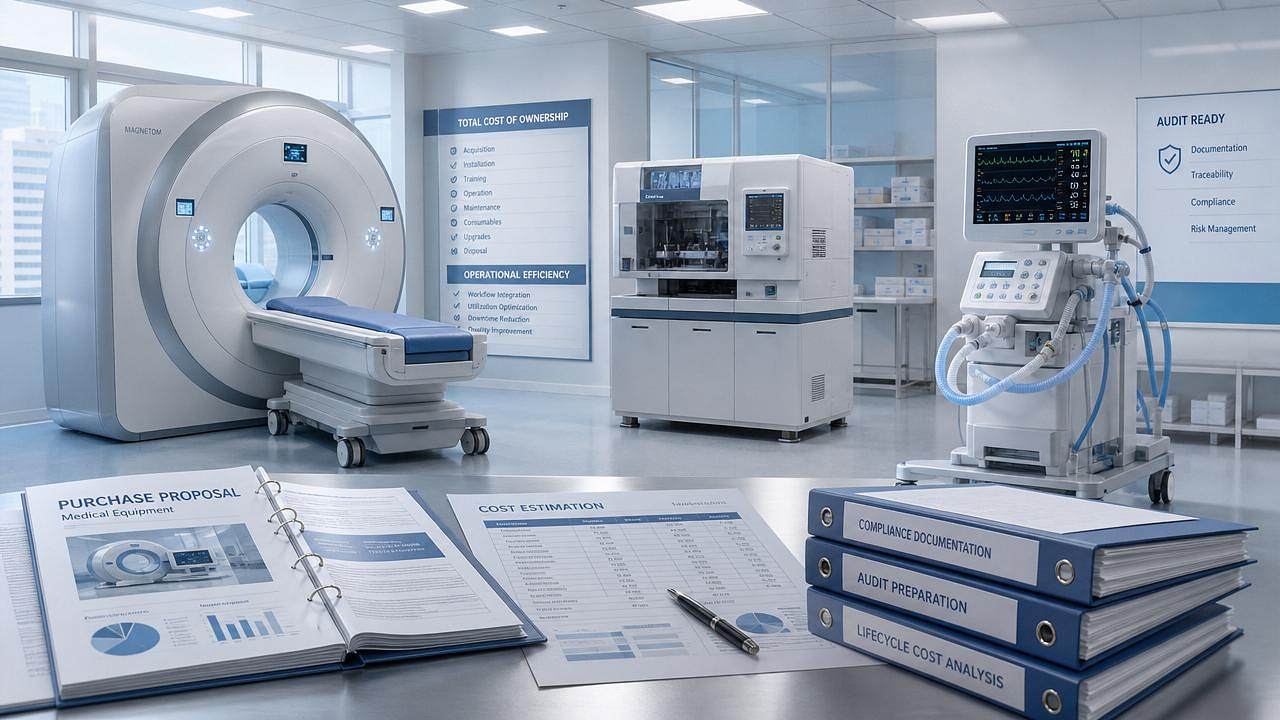




Medical equipment economics has shifted from accounting support to strategic planning. Capital decisions now depend on reimbursement logic, utilization patterns, compliance exposure, and measurable clinical value.
Across imaging, IVD, life support, and minimally invasive care, medical equipment economics helps explain which systems create sustainable outcomes and which only raise fixed costs.
For AMDS, this shift matters because advanced technology no longer wins on performance alone. It must also prove lifecycle efficiency, audit readiness, and economic resilience.
Why has medical equipment economics become central to buying plans?
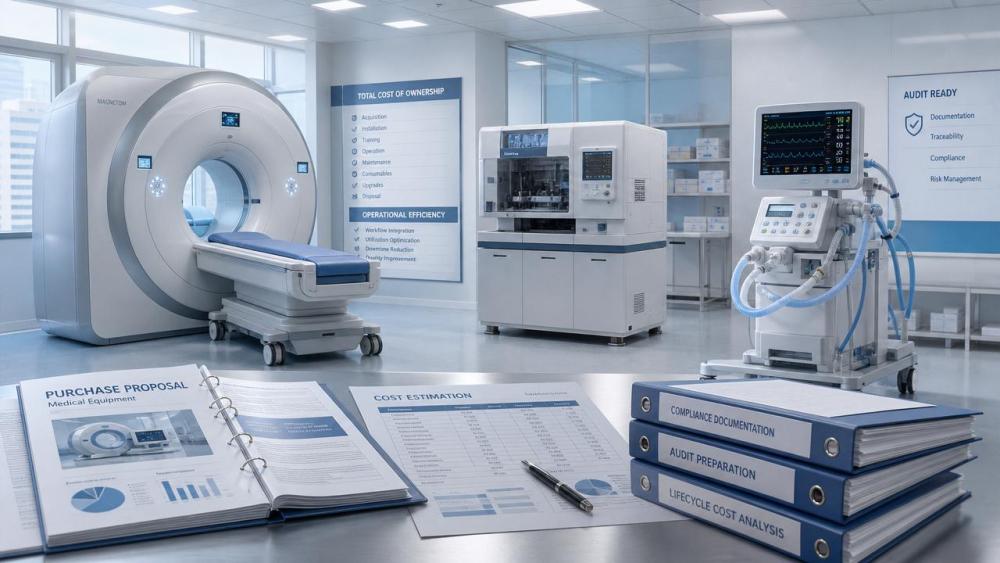
The old approach focused on acquisition price and brand reputation. Today, medical equipment economics asks a broader question: what value will the system create over its full operating life?
Several forces caused this change. DRG-based payment models compress margins. Energy costs are rising. Software updates, cybersecurity controls, and regulatory documentation add hidden expense.
At the same time, diagnostic precision expectations keep increasing. A hospital may need faster MRI throughput, cleaner PCR workflows, or more reliable ventilator uptime without adding unnecessary cost.
That is why medical equipment economics now links finance, engineering, compliance, and clinical operations. A buying plan must connect technical capability with revenue protection and treatment efficiency.
What changed in decision criteria?
- From purchase price to total cost of ownership
- From feature count to reimbursable clinical output
- From vendor promise to documented uptime and service response
- From isolated equipment to digital integration readiness
What does medical equipment economics actually include?
Medical equipment economics is not a single formula. It combines capital expense, utilization, reimbursement, maintenance, staffing impact, compliance burden, and residual asset value.
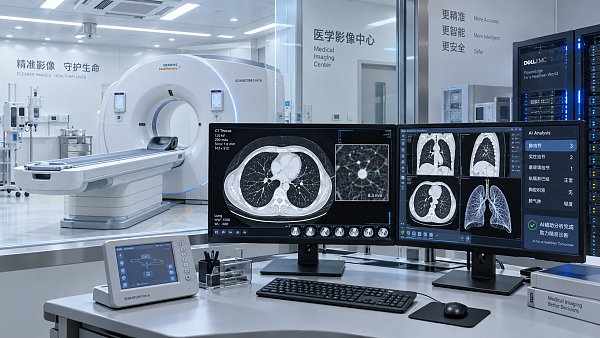
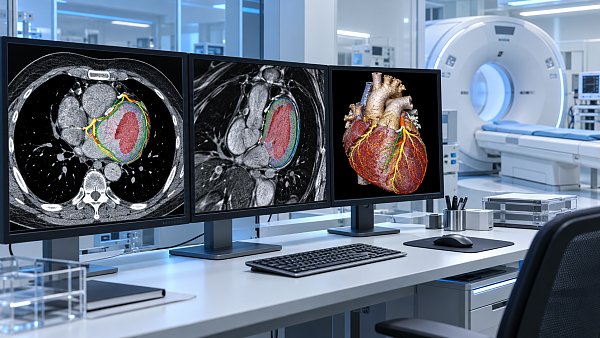
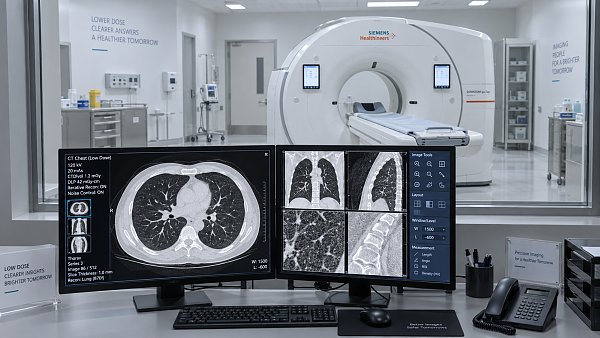
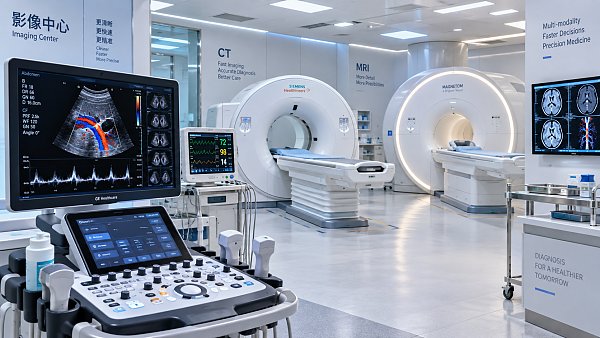
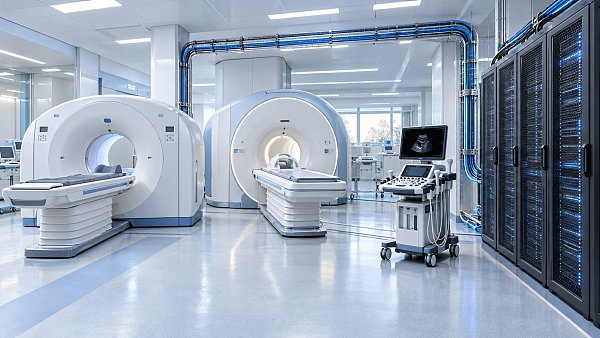
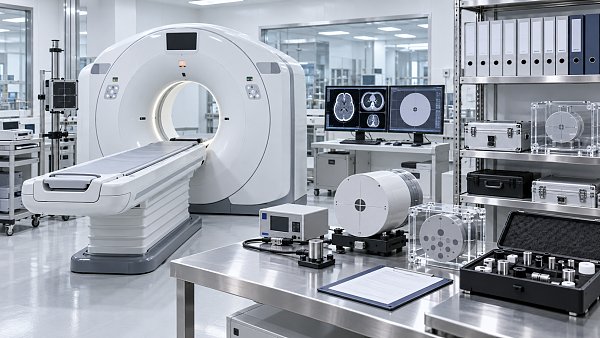
In imaging, economics may depend on scan speed, dose management, referral growth, and image reconstruction quality. Better throughput can reduce waiting times and improve revenue capture.
In IVD, economics often depends on reagent efficiency, test menu breadth, calibration stability, and turnaround time. Faster, more reliable workflows may reduce repeat testing and labor waste.
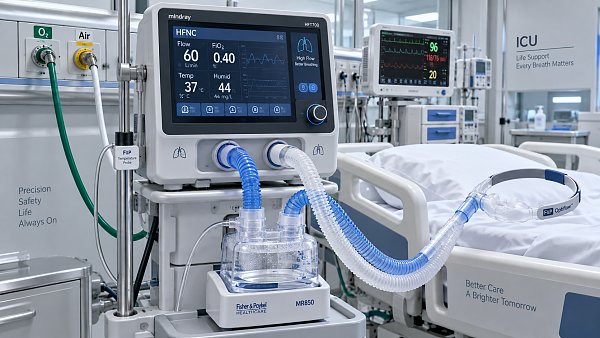
For life support systems, medical equipment economics often centers on uptime, alarm reliability, infection-control design, and service continuity. Failures here create direct clinical and legal consequences.
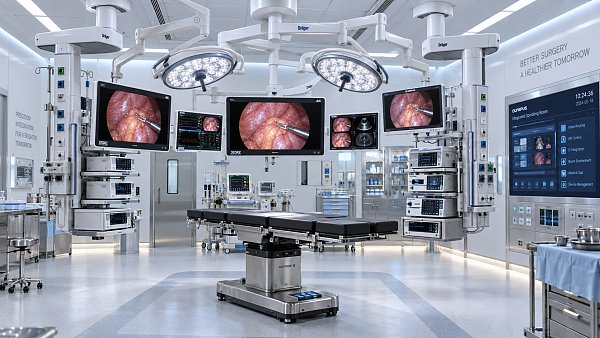
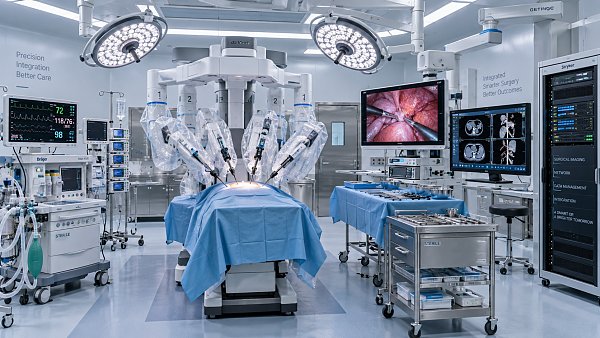
In endoscopy and operating room platforms, the equation includes procedure volume, sterilization cycles, accessory cost, visualization quality, and support for minimally invasive care pathways.
Core components of the evaluation
- Acquisition cost and financing structure
- Installation, site preparation, and integration expense
- Consumables, reagents, accessories, and energy use
- Training, staffing, and workflow redesign
- Uptime, service contract quality, and parts availability
- Compliance, documentation, and audit readiness
How does medical equipment economics affect different equipment categories?
The same financial logic does not apply equally across all technologies. Medical equipment economics must reflect each category’s risk profile, usage intensity, and reimbursement connection.
Medical imaging
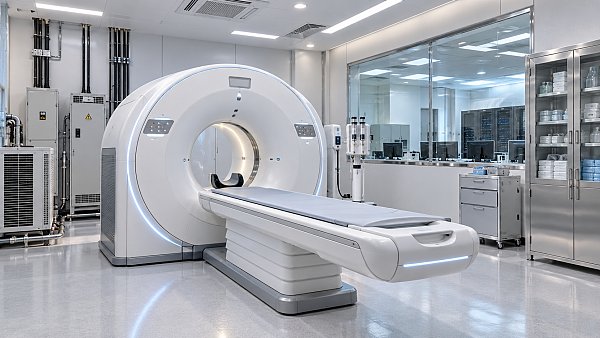
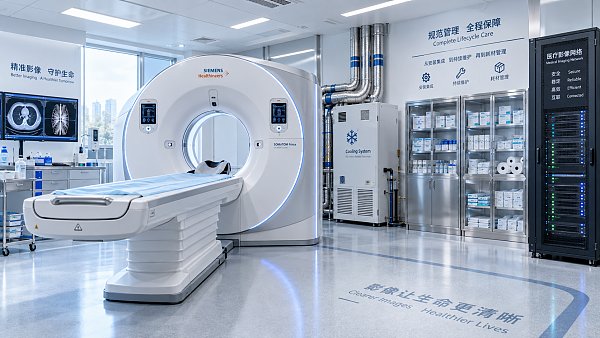
MRI and CT decisions depend heavily on patient throughput, software scalability, and diagnostic confidence. Small gains in workflow can create major annual value.
Photon-counting CT or advanced reconstruction tools may carry higher initial cost. However, better lesion detection and lower repeat imaging can strengthen long-term returns.
IVD platforms
PCR and chemiluminescence systems are often evaluated through per-test cost, reagent lock-in, menu expansion, and quality control stability.
A lower instrument price may look attractive. Yet unstable calibration or narrow test coverage can make the total economic picture worse.
Life support equipment
Ventilators and ECMO systems are less about volume economics and more about risk containment. Reliability, backup support, and operator familiarity matter greatly.
In this category, medical equipment economics includes the cost of failure avoided. Downtime can trigger patient harm, legal exposure, and emergency replacement expense.
Endoscopy and operating room systems
High-definition visualization, anti-fog optics, and ergonomic instrument handling can shorten procedure time. That may increase room utilization and support more minimally invasive procedures.
Medical equipment economics here often rewards systems that combine durable optics, efficient reprocessing, and lower accessory waste.
How should a buying plan measure ROI without missing hidden costs?
A strong buying plan starts with a realistic baseline. That means current procedure volume, average downtime, repeat-test rates, staffing hours, and reimbursement performance.
Next, compare realistic scenarios rather than vendor best cases. Include conservative, moderate, and growth assumptions. Medical equipment economics works best when uncertainty is visible.
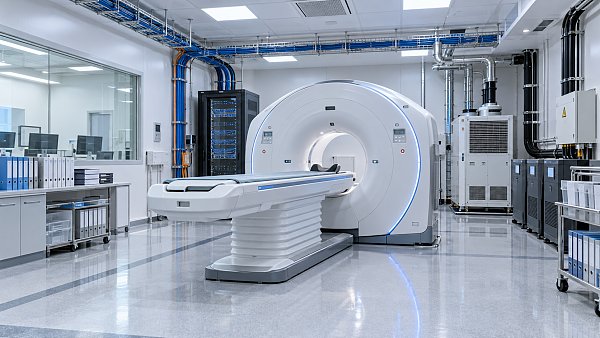
Do not ignore indirect costs. Floor reinforcement for imaging rooms, ventilation upgrades, LIS or PACS interfacing, and cybersecurity validation can materially change the business case.
Service terms also deserve attention. Cheap contracts may exclude software releases, remote monitoring, critical parts, or response-time guarantees. Those exclusions often erase apparent savings.
A practical ROI checklist
- Estimate usable capacity, not theoretical capacity
- Quantify repeat exams, reruns, and downtime losses
- Model reimbursement under current payment rules
- Add training and adoption time to the timeline
- Test sensitivity to lower patient volume
What are the most common mistakes in medical equipment economics?
The first mistake is treating price as value. A discounted system can become expensive if utilization stays low, interfaces fail, or workflow remains fragmented.
The second mistake is overestimating demand. Some projects assume referral growth without checking capacity bottlenecks, staffing limitations, or payer restrictions.
The third mistake is separating compliance from economics. CE MDR, FDA expectations, data security requirements, and traceability obligations all have financial implications.
Another common error is ignoring interoperability. Medical equipment economics becomes weaker when devices cannot exchange data smoothly with existing digital systems.
Finally, some plans miss the value of precision. Better sensitivity, cleaner images, or faster molecular confirmation may reduce delayed treatment costs downstream.
Risk signals worth checking
How can organizations build smarter plans around medical equipment economics?
Start by aligning the equipment case with a care pathway, not only a department request. That improves visibility into outcomes, staffing, and reimbursement flow.
Use cross-functional review early. Clinical, technical, compliance, and financial evidence should be examined together. This reduces blind spots in medical equipment economics.
Ask for evidence beyond brochures. Real uptime data, installation references, audit support records, and workflow studies reveal more than headline specifications.
For advanced categories, scenario planning is essential. AI-enabled imaging, molecular diagnostics, and minimally invasive systems may create value that appears gradually rather than immediately.
AMDS follows this evidence-first logic by connecting technology analysis, compliance interpretation, and health economic modeling into one decision framework.
Quick FAQ summary table
Medical equipment economics now shapes buying plans because healthcare technology must justify every dollar across performance, compliance, and continuity of care.
The strongest investment decisions combine clinical precision with measurable operational return. That balance is increasingly decisive in advanced diagnostics and treatment infrastructure.
When evaluating future equipment strategy, build the case around full lifecycle evidence. A smarter framework today can protect budgets and improve patient outcomes tomorrow.
Recommended News
 Oct 09, 2026Critical Care Cardiac Monitoring: Key Parameters for ICU System SelectionCritical care monitoring cardiac care: discover how to select ICU systems with reliable ECG, intelligent alarms, hemodynamic insight, interoperability, and resilience.
 Oct 08, 2026Operating Room Systems: Selection Criteria for Integrated Surgical WorkflowsOperating room systems selection guide for integrated surgical workflows—improve safety, interoperability, lifecycle value, and scalable clinical performance.
 Oct 07, 2026Hospital Diagnostic Equipment Procurement: A Framework for Comparing Cost, Capacity, and RiskHospital diagnostic equipment procurement made clearer: compare lifecycle cost, usable capacity, clinical fit, and operational risk to make confident, sustainable buying decisions.
 Oct 06, 2026How to Evaluate an Operating Room Technology Distributor for Hospital ProjectsOperating room technology distributor evaluation guide for hospitals: assess integration, compliance, lifecycle costs, service capacity, and delivery confidence before award.
 Oct 05, 2026Global Medical Procurement Planning: How Hospitals Can Reduce Supply Risk and CostGlobal medical procurement planning helps hospitals reduce supply risk, control lifecycle costs, and protect care continuity through smarter sourcing, service, and compliance strategies.
 Oct 03, 2026How Detection Algorithms Improve Sensitivity and Workflow in Medical ImagingMedical imaging algorithms detection improves sensitivity, manages false positives, and streamlines clinical workflows. Explore validation, integration, and governance essentials.
 Oct 02, 2026High-Flow ICU Ventilators: Key Selection Criteria for Acute Respiratory CareICU ventilators high flow: discover key selection criteria for accurate gas delivery, NIV performance, humidification, alarms, reliability, and safer acute respiratory care.
 Oct 01, 2026How to Evaluate Medical Equipment Intelligence Suppliers for Hospital ProcurementMedical equipment intelligence suppliers: learn how hospitals can assess evidence quality, total cost, compliance, interoperability, and cybersecurity for smarter procurement decisions.
 Sep 30, 2026ISO 13485 Requirements for Blood Testing Instruments: A Buyer’s ChecklistBlood testing instruments ISO 13485 buyer’s checklist: verify certification scope, traceability, installation, consumables, and supplier support before you buy.
 Sep 29, 2026How to Evaluate Integrated Operating Room Systems for Workflow, Imaging, and IT IntegrationIntegrated operating room systems: evaluate workflow, imaging, IT integration, cybersecurity, and lifecycle value to select a scalable surgical solution.
 Sep 28, 2026How to Evaluate a Genetic Testing Equipment Supplier for PCR Lab ProcurementGenetic testing equipment supplier evaluation guide for PCR labs: compare performance, compliance, workflow, service, supply resilience, and total cost.
 Sep 27, 2026How to Specify Custom Benchtop Diagnostic Instruments for Your Assay WorkflowCustom diagnostic instruments benchtop guide: specify optics, fluidics, automation, software integration, and support to build a reliable assay workflow.
 Sep 26, 2026How Cardiac Imaging Analysis Tools Turn CT and MRI Data into Clinical MetricsMedical imaging analysis cardiology tools transform cardiac CT and MRI into reliable metrics. Explore segmentation, validation, workflow integration, and AI review.
 Sep 25, 2026How Iterative Image Reconstruction Algorithms Balance CT Dose, Noise, and DetailIterative image reconstruction algorithms help CT teams balance dose, noise, and diagnostic detail. Explore practical insights for confident imaging decisions.
 Sep 24, 2026What Drives the Total Cost of Medical Technology Solutions Over Their Lifecycle?Medical technology solutions cost goes far beyond purchase price—explore lifecycle drivers from installation and service to software, training, compliance, and downtime.
 Sep 24, 2026Diagnostic Imaging Technology: How Modalities Support Different Clinical DecisionsDiagnostic imaging technology supports smarter clinical decisions across CT, MRI, ultrasound, and nuclear imaging. Explore modality strengths, workflows, and selection factors.
 Sep 22, 2026How Life Science Labs Can Select Biomedical Research Equipment by Workflow and ThroughputBiomedical research equipment life science labs can select with confidence by aligning workflow, throughput, automation, data integrity, and scalable support.
 Sep 21, 2026How to Plan LIS Connectivity for Chemiluminescence Analyzers Without Data GapsChemiluminescence analyzers LIS connectivity: learn how to prevent data gaps with field mapping, exception workflows, end-to-end validation, and reliable go-live planning.
 Sep 20, 2026Selecting Fluorescence PCR Instruments: Detection Channels, Sensitivity, and Workflow FitPCR diagnostic instruments fluorescence detection guide: compare channels, sensitivity, multiplexing, and workflow fit to select a reliable platform.
 Sep 19, 2026Biomedical Signal Processing: From Sensor Data to Clinical Decision SupportBiomedical signal processing transforms sensor data into reliable clinical decision support. Explore AI, imaging, IVD, ICU monitoring, and compliance-ready MedTech insights.
 Sep 18, 2026How to Evaluate a Diagnostic Imaging Platform for Multi-Modality Workflow IntegrationDiagnostic imaging platform evaluation guide: assess multi-modality workflows, interoperability, AI integration, image integrity, security, and scalability for safer clinical decisions.
 Sep 17, 2026ISO 13485 for Medical Imaging Equipment: What Manufacturers Must DocumentMedical imaging equipment ISO 13485: discover essential documentation for design controls, risk management, traceability, software, and post-market quality.
 Sep 16, 2026Robotic MIS Equipment: What Hospitals Should Evaluate Before AdoptionMinimally invasive surgical equipment robotic adoption guide: evaluate workflow, safety, imaging, costs, cybersecurity, and service readiness.
 Sep 15, 2026How to Evaluate Biomedical Signal Processing Suppliers for Clinical Device ProjectsBiomedical signal processing supplier evaluation guide for clinical device teams—compare signal fidelity, regulatory evidence, cybersecurity, integration, and lifecycle support.









Related News
- 00
0000-00
Hospital Diagnostic Equipment Procurement: A Framework for Comparing Cost, Capacity, and Risk - 00
0000-00
Global Medical Procurement Planning: How Hospitals Can Reduce Supply Risk and Cost - 00
0000-00
How to Evaluate Medical Equipment Intelligence Suppliers for Hospital Procurement - 00
0000-00
What Drives the Total Cost of Medical Technology Solutions Over Their Lifecycle? - 00
0000-00
How to Calculate the Total Cost of Ownership for Medical Devices
Weekly Insights
Stay ahead with our curated technology reports delivered every Monday.