
What healthcare technology assessment misses in budgets
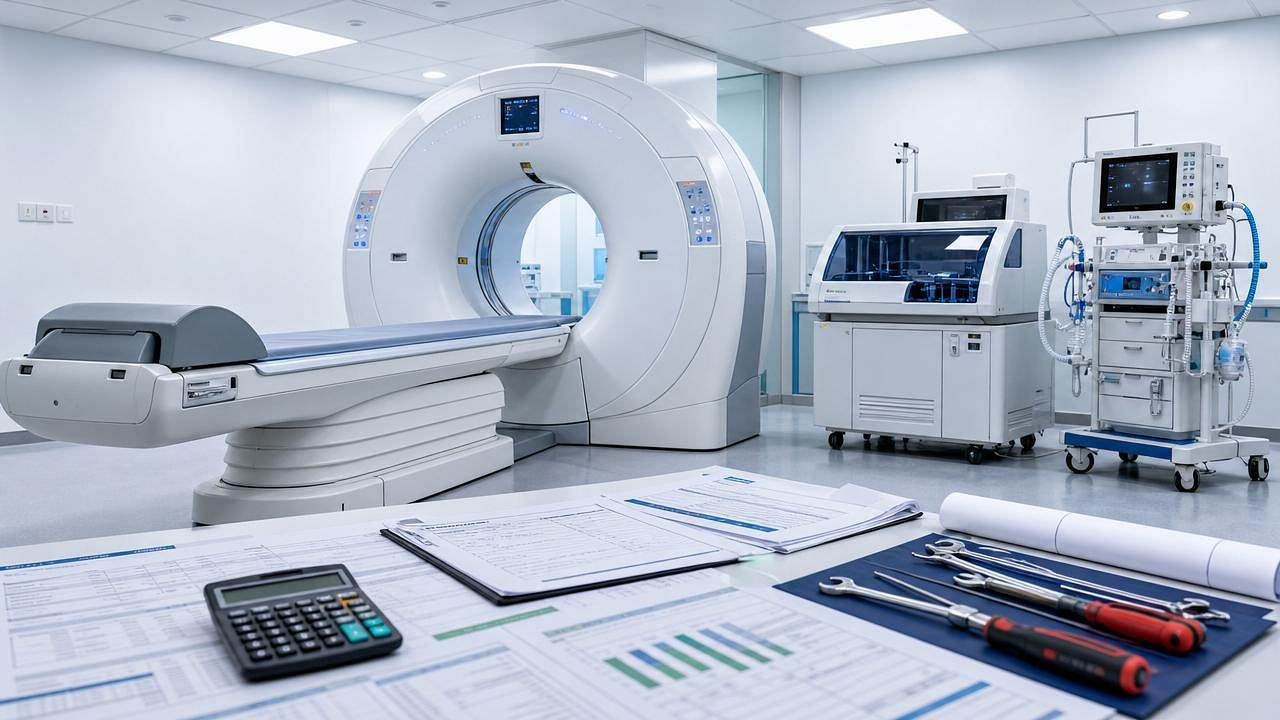




For financial approval, healthcare technology assessment often looks complete when it captures acquisition price, reimbursement fit, and projected utilization. Yet the real budget impact of advanced imaging, IVD, life support, and minimally invasive systems is shaped by what HTA frequently undercounts: downtime risk, compliance burden, workflow drag, diagnostic confidence, and downstream savings from earlier, more precise intervention. This article examines the blind spots that can make a “cost-effective” decision expensive—and shows how a more intelligence-driven view helps hospitals protect capital, clinical quality, and long-term ROI.
Why healthcare technology assessment needs a budget checklist
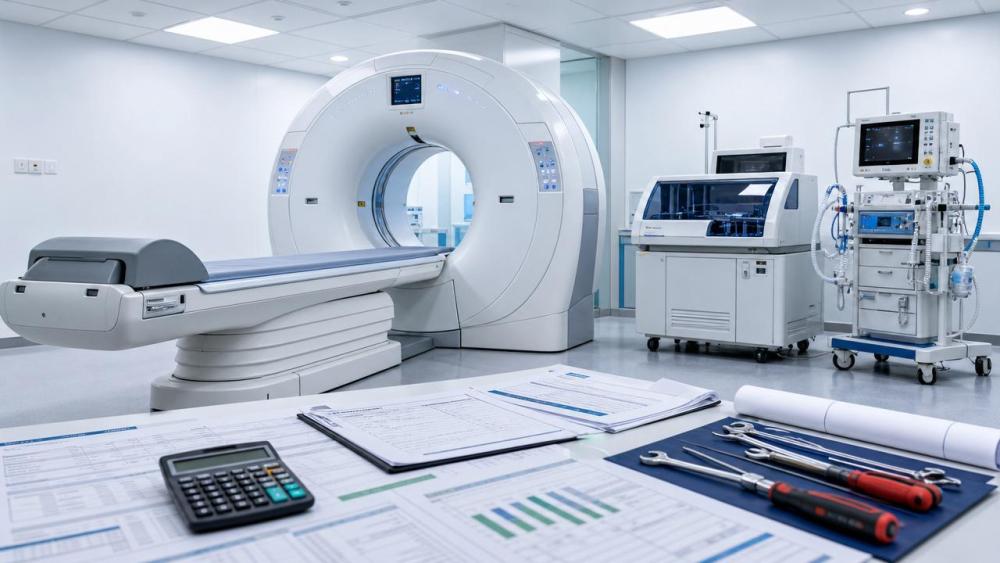
Traditional healthcare technology assessment is strong at comparing evidence, cost, safety, and access. It is weaker at capturing operational friction after installation.
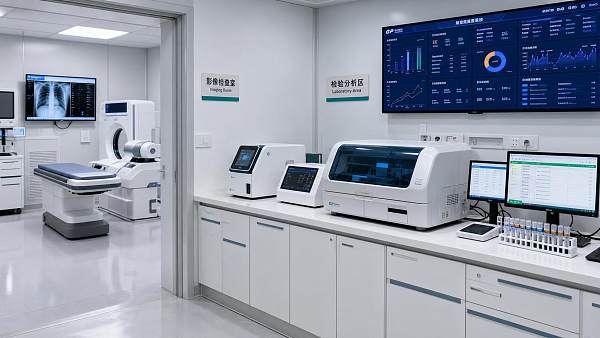
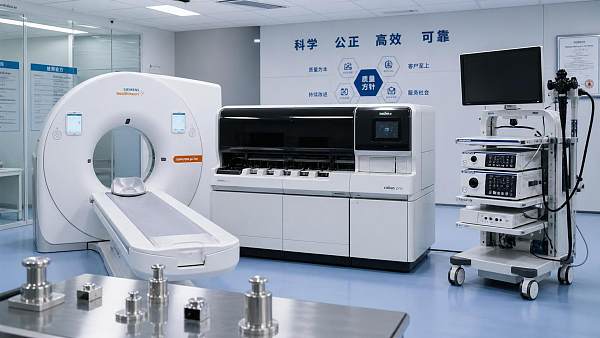
A CT scanner, PCR platform, ventilator fleet, or 4K endoscope tower does not live in a spreadsheet. It lives inside a clinical workflow.
That workflow includes staffing, calibration, software updates, regulatory files, room turnover, emergency use, and service response times.
When those factors are excluded, healthcare technology assessment may approve a lower-cost option that creates higher lifetime budget pressure.
A checklist approach forces hidden cost drivers into the same discussion as purchase price, reimbursement, and clinical trial evidence.
Core checklist for a more complete healthcare technology assessment
The following checklist helps connect health economics, clinical engineering, compliance, and front-line performance before capital is committed.
- Map the full ownership cycle, including installation, shielding, validation, training, consumables, software licenses, upgrades, service contracts, and eventual decommissioning.
- Quantify downtime exposure by estimating lost examinations, delayed surgeries, postponed ICU support, overtime labor, transfer costs, and reputational damage.
- Test workflow impact with real patient pathways, not idealized utilization assumptions, especially for imaging, IVD, operating rooms, and endoscopy suites.
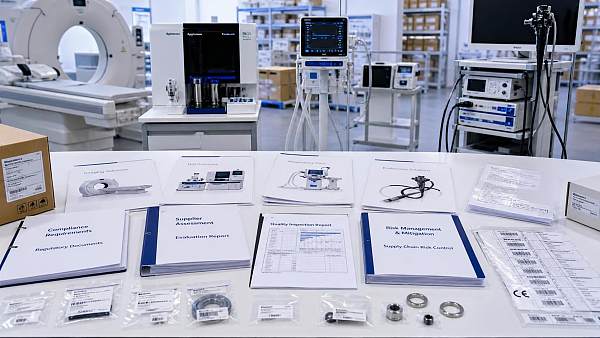
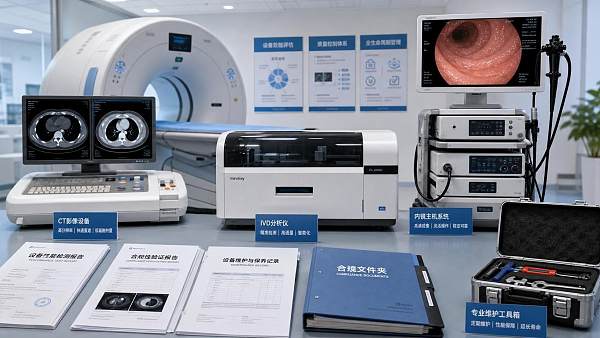
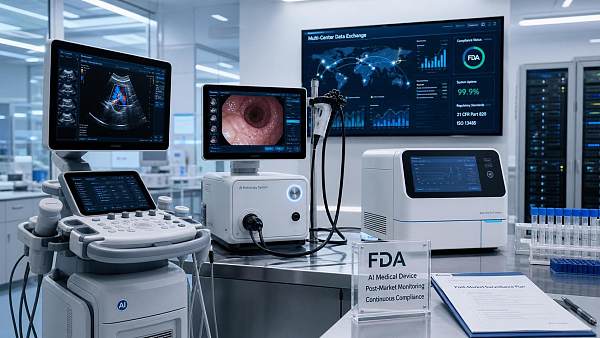
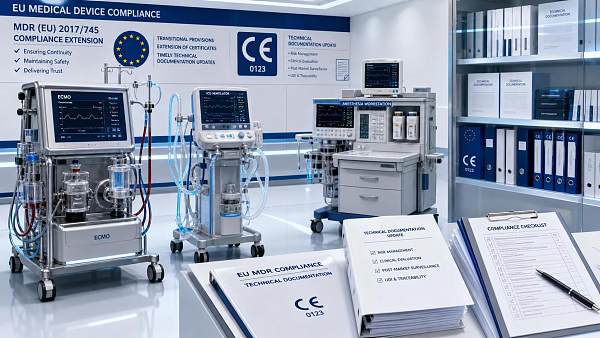
- Verify compliance workload under FDA, CE MDR, cybersecurity, quality management, radiation safety, laboratory accreditation, and post-market surveillance requirements.
- Assess diagnostic confidence by reviewing image quality, analytical sensitivity, specificity, reproducibility, AI assistance, and interpretability under difficult clinical conditions.
- Model downstream savings from earlier diagnosis, shorter length of stay, fewer repeat tests, reduced complications, and better procedure selection.
- Stress-test reimbursement assumptions under DRG, bundled payment, fee schedule changes, procedure caps, and local payer authorization behavior.
- Compare interoperability needs across PACS, LIS, EMR, anesthesia systems, ICU platforms, device gateways, cybersecurity tools, and analytics dashboards.
- Calculate staff dependency by measuring training time, credentialing requirements, operator learning curves, night-shift usability, and error recovery procedures.
- Review supplier resilience through spare parts availability, field service coverage, remote diagnostics, upgrade roadmaps, and documented corrective action performance.
This checklist turns healthcare technology assessment into a living budget model. It also exposes trade-offs before they become operating losses.
Where healthcare technology assessment often undercounts cost
1. Downtime is treated as maintenance, not lost capacity
A high-end MRI or CT system can appear affordable until a coil failure, tube issue, or software lockout disrupts scheduling.
Healthcare technology assessment should price downtime as lost diagnostic capacity. It should include patient rescheduling, outsourcing, overtime, and delayed treatment decisions.
2. Compliance effort is hidden inside departmental labor
Regulatory documentation does not manage itself. Device files, audit trails, cybersecurity patches, adverse event records, and validation reports consume skilled labor.
Healthcare technology assessment should convert compliance workload into budget terms. Otherwise, “included” compliance becomes unpaid internal effort.
3. Workflow drag is mistaken for staff inefficiency
Slow boot times, awkward user interfaces, manual data entry, and difficult cleaning steps quietly reduce clinical throughput.
In healthcare technology assessment, usability must be measured as minutes per case, repeat handling, delayed reporting, and avoidable staff fatigue.
4. Diagnostic confidence is undervalued
A cheaper image or assay may still meet basic specifications. That does not mean it supports confident decisions in borderline cases.
Better reconstruction, stronger contrast resolution, higher assay precision, or stable endoscope optics can reduce uncertainty and repeat procedures.
5. Downstream benefit is discounted too aggressively
Early tumor detection, faster sepsis identification, and safer minimally invasive access can shift the cost curve far beyond the device room.
A stronger healthcare technology assessment connects technology performance to length of stay, complication rates, drug selection, and readmission risk.
Scenario notes for advanced clinical technology budgets
Medical imaging diagnostic equipment
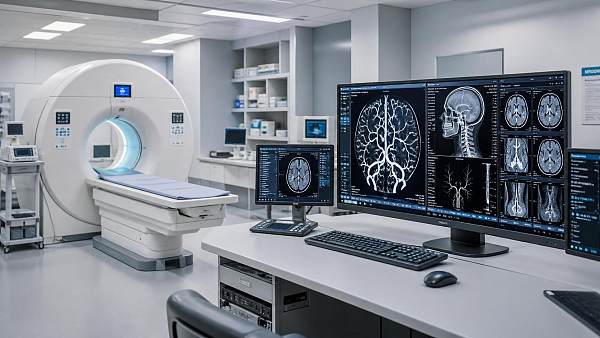
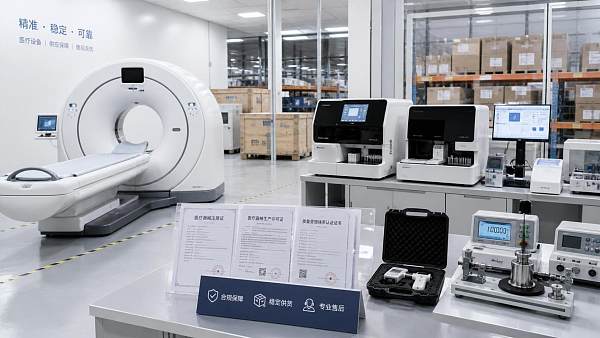
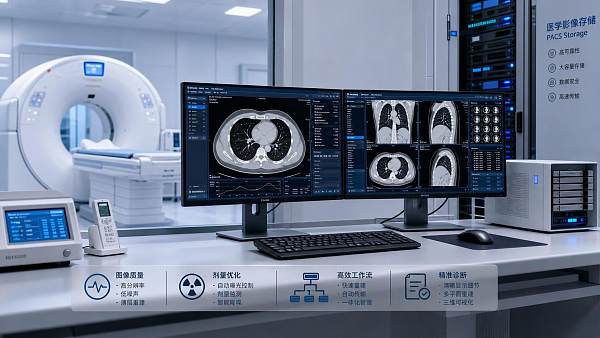
For MRI, CT, and digital radiography, healthcare technology assessment should not stop at scan volume and reimbursement.
It should review protocol speed, motion correction, dose optimization, AI reconstruction, detector durability, cooling needs, and radiologist confidence.
In Vitro Diagnostic instruments
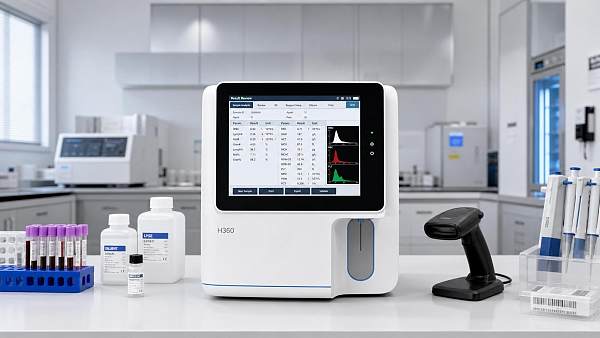
For IVD, reagent cost is visible. Hidden budget pressure often comes from repeat testing, calibration failures, controls, and sample handling.
Healthcare technology assessment should compare analytical sensitivity, turnaround time, contamination control, LIS connectivity, and emergency testing capability.
Life support and ICU systems
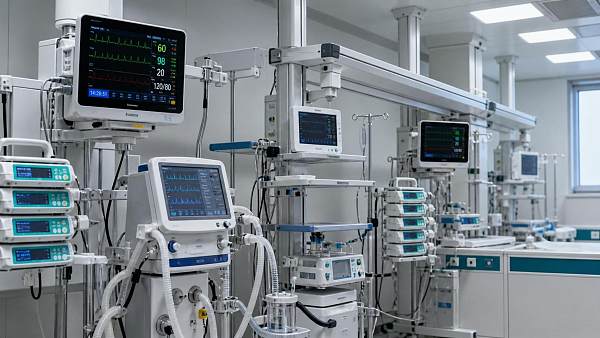
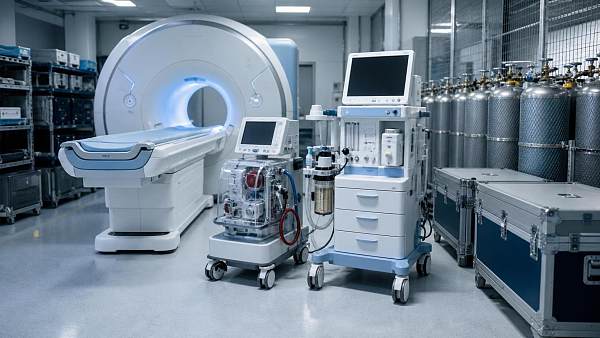
Ventilators, monitors, infusion systems, and ECMO platforms carry extreme reliability expectations during unstable clinical conditions.
Budget review should include alarm management, consumables, emergency service, staff familiarity, battery performance, and failure-mode procedures.
Operating room and endoscope systems
In operating rooms, technology value appears in turnover time, image clarity, positioning stability, illumination, cleaning, and procedure conversion rates.
Healthcare technology assessment should link endoscope optics, anti-fog performance, tower integration, and sterile processing to daily surgical capacity.
Risk reminders often missed in healthcare technology assessment
- Avoid assuming stable utilization. Referral patterns, staffing shortages, reimbursement edits, and competing service lines can quickly change actual volume.
- Challenge vendor performance claims with local workflow testing, phantom studies, assay verification, clinical simulations, or controlled pilot periods.
- Include cybersecurity lifecycle costs. Connected imaging, IVD, ICU, and surgical systems need patching, monitoring, access control, and incident response.
- Check room and infrastructure readiness. Power, HVAC, shielding, medical gas, network capacity, and sterilization flow can change total cost.
- Account for obsolescence risk. AI functions, detector technology, molecular panels, and digital interfaces may age faster than depreciation schedules.
These risks are not peripheral. They determine whether healthcare technology assessment protects budgets or simply justifies a purchase.
Practical execution steps for stronger budget decisions
- Build a five-year cost model that separates capital, operating expense, compliance labor, downtime exposure, consumables, and upgrade obligations.
- Run workflow observations before approval, using real case mixes, peak-hour pressure, emergency scenarios, and cleaning requirements.
- Require evidence that links technical performance to clinical outcomes, not only specification sheets or controlled laboratory benchmarks.
- Score each option across safety, access, usability, service resilience, interoperability, reimbursement exposure, and downstream economic value.
- Revisit the assessment after deployment, comparing forecast assumptions with actual utilization, downtime, report quality, and budget variance.
This feedback loop makes healthcare technology assessment more credible. It also improves future capital planning across departments.
A tighter budget lens for precision medicine infrastructure
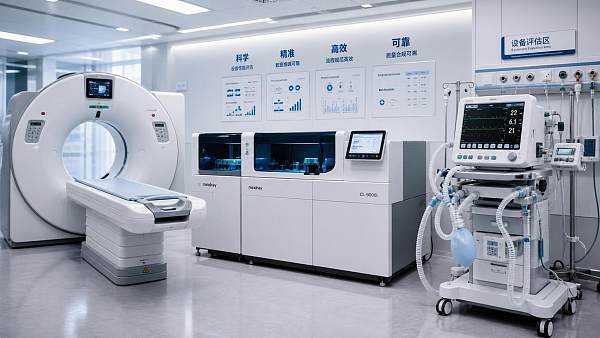
Advanced medical technology is the physical infrastructure of modern diagnosis, emergency care, surgery, and precision treatment.
Its value cannot be judged only by price, reimbursement, or average utilization. The decisive factors often sit between departments.
A complete healthcare technology assessment examines reliability, diagnostic confidence, compliance burden, workflow speed, and downstream savings together.
The next step is practical: convert every hidden assumption into a budget line, a risk score, or a measurable deployment target.
That discipline helps healthcare systems buy technology that protects patients, supports clinical teams, and delivers durable financial performance.
Recommended News
 Aug 28, 2026Planning Operating Room Technology for a High-Throughput Surgery CenterOperating room technology for a surgery center: plan workflows, integration, uptime, and safety to boost throughput and create future-ready surgical rooms.
 Aug 27, 2026Building Medical Compliance Analytics for Middle East Market AccessMedical compliance analytics Middle East: build device-specific evidence maps, align local requirements, and accelerate market access with confidence.
 Aug 26, 2026How Surgical Equipment Digitalization Is Reshaping Hospital Investment in Latin AmericaSurgical equipment digitalization Latin America is reshaping hospital investment, from smart ORs to ROI-driven upgrades. Explore what buyers now value most.
 Aug 25, 2026How to Evaluate a Medical Compliance Intelligence Provider for Global Market AccessMedical compliance intelligence provider selection can make or break global market access. Learn how to assess technical depth, update quality, and commercial fit before choosing.
 Aug 24, 2026How Advanced Clinical Imaging Is Improving Cardiology Diagnosis and Treatment PlanningAdvanced clinical imaging cardiology is transforming diagnosis and treatment planning with clearer anatomy, tissue insight, and procedural guidance. Discover how it reduces uncertainty and supports smarter cardiac decisions.
 Aug 23, 2026How to Source Medical Devices in North America: Supplier Vetting and Market Access RisksMedical device sourcing North America made practical: learn how to vet suppliers, reduce compliance risks, and protect market access with smarter procurement decisions.
 Aug 22, 2026What Are Integrated Critical Care Systems and How Do Hospitals Evaluate Them?Critical care systems integrated: learn how hospitals assess ICU platforms for interoperability, alarm safety, workflow efficiency, and long-term value before buying.
 Aug 21, 2026How to Evaluate High-Resolution Diagnostic Imaging Systems for Detail-Critical ExamsDiagnostic imaging systems high resolution: learn how to compare detail-critical performance, workflow fit, dose efficiency, and ROI to choose the right system with confidence.
 Aug 20, 2026How to Evaluate Medical Equipment Performance Before Purchase?Medical equipment evaluation performance starts before purchase. Learn how to assess safety, workflow fit, compliance, uptime, and total cost to choose devices that truly perform.
 Aug 19, 2026How to Evaluate Small-Footprint Laboratory Diagnostic Equipment for Space-Limited LabsLaboratory diagnostic equipment small footprint choices require more than size checks. Learn how to assess workflow, throughput, compliance, and service access for smarter lab buying.
 Aug 18, 2026Biochemical Molecular Diagnostics Explained: Methods, Clinical Uses, and Lab Selection CriteriaBiochemical molecular diagnostics explained: compare key methods, clinical applications, and lab selection criteria to choose reliable, compliant testing with confidence.
 Aug 17, 2026How to Choose Diagnostic Equipment Solutions for a Clinic: Key Factors That Affect Workflow and CostDiagnostic equipment solutions clinic buyers can use to improve workflow, control total cost, and avoid hidden service risks. Learn the key factors before you invest.
 Aug 16, 2026How to Choose a Blood Cell Analyzer for a Small Lab: Throughput, CBC Menu, and CostBlood cell analyzers small lab buyers can compare throughput, CBC menu, and total operating cost with confidence. Learn how to avoid waste, reduce downtime, and choose the right fit.
 Aug 16, 2026FDA Approval of AMDS Hybrid Prosthesis Removes IRB Step for Faster U.S. AccessFDA approval of AMDS Hybrid Prosthesis removes the IRB step, speeding U.S. access for acute aortic dissection care and reshaping hospital procurement and supporting equipment demand.
 Aug 15, 2026What Hospital Technology Infrastructure Is Needed for Reliable Interoperability?Hospital technology infrastructure interoperability depends on secure networks, integration engines, identity services, and governance. Discover what hospitals need for reliable, scalable connectivity.
 Aug 14, 2026What to Look for in an Advanced Diagnostic Systems Distributor Before You BuyAdvanced diagnostic systems distributor: learn what to check before buying, from compliance and technical depth to delivery reliability and after-sales support. Make a smarter procurement decision today.
 Aug 14, 2026China Temporarily Bans Helium ExportsChina Temporarily Bans Helium Exports: learn how the July 10, 2026 rule may disrupt MRI, ECMO, and anesthesia device supply chains, compliance, and delivery planning for global buyers.
 Aug 13, 2026How CT Reconstruction Technology Impacts Image Quality, Dose, and WorkflowMedical imaging reconstruction technology CT shapes image quality, dose, and workflow. Learn how smarter CT reconstruction improves diagnostics and efficiency.
 Aug 13, 2026FDA clears AMDS PMA, easing U.S. hospital accessFDA clears AMDS PMA, easing U.S. hospital access for Artivion’s aortic arch device and speeding procurement, compliance, and deployment.
 Aug 12, 2026Hospital Diagnostic Equipment Comparison: What Buyers Should Evaluate Beyond PriceDiagnostic equipment comparison hospital buyers can trust: learn how to evaluate clinical performance, uptime, compliance, integration, and long-term ROI beyond price.
 Aug 12, 2026FDA Draft Guidance Reshapes AI Device ComplianceFDA Draft Guidance reshapes AI device compliance with new postmarket monitoring expectations for AI/ML-enabled SaMD. Learn what it means for U.S. market access, distributors, and exporters.
 Aug 11, 2026How to Evaluate a Diagnostic Medical Systems Manufacturer for Quality and Market AccessDiagnostic medical systems manufacturer selection starts with more than specs. Learn how to assess quality systems, regulatory readiness, service uptime, and market access before you buy.
 Aug 11, 2026EU MDR Deadline Extended for ECMO and ICU DevicesEU MDR deadline extended for ECMO and ICU devices to 2027. Learn what Regulation (EU) 2026/1347 means for compliance, exports, procurement, and roadmap filing.
 Aug 10, 2026How to Evaluate Laboratory Automation Systems in Europe for Multi-Site Lab OperationsLaboratory automation systems Europe buyers can use this guide to compare interoperability, compliance, service coverage, and ROI for multi-site lab operations with confidence.








Related News
- 00
0000-00
How Surgical Equipment Digitalization Is Reshaping Hospital Investment in Latin America - 00
0000-00
Hospital Diagnostic Equipment Comparison: What Buyers Should Evaluate Beyond Price - 00
0000-00
What Drives Precision Diagnostics Technology Cost in Labs and Hospitals? - 00
0000-00
What Drives Clinical Diagnostics Solutions Cost Across PCR, Immunoassay, and Hematology? - 00
0000-00
ICU Equipment Price Breakdown: What Buyers Should Budget Beyond the Base Cost
Weekly Insights
Stay ahead with our curated technology reports delivered every Monday.